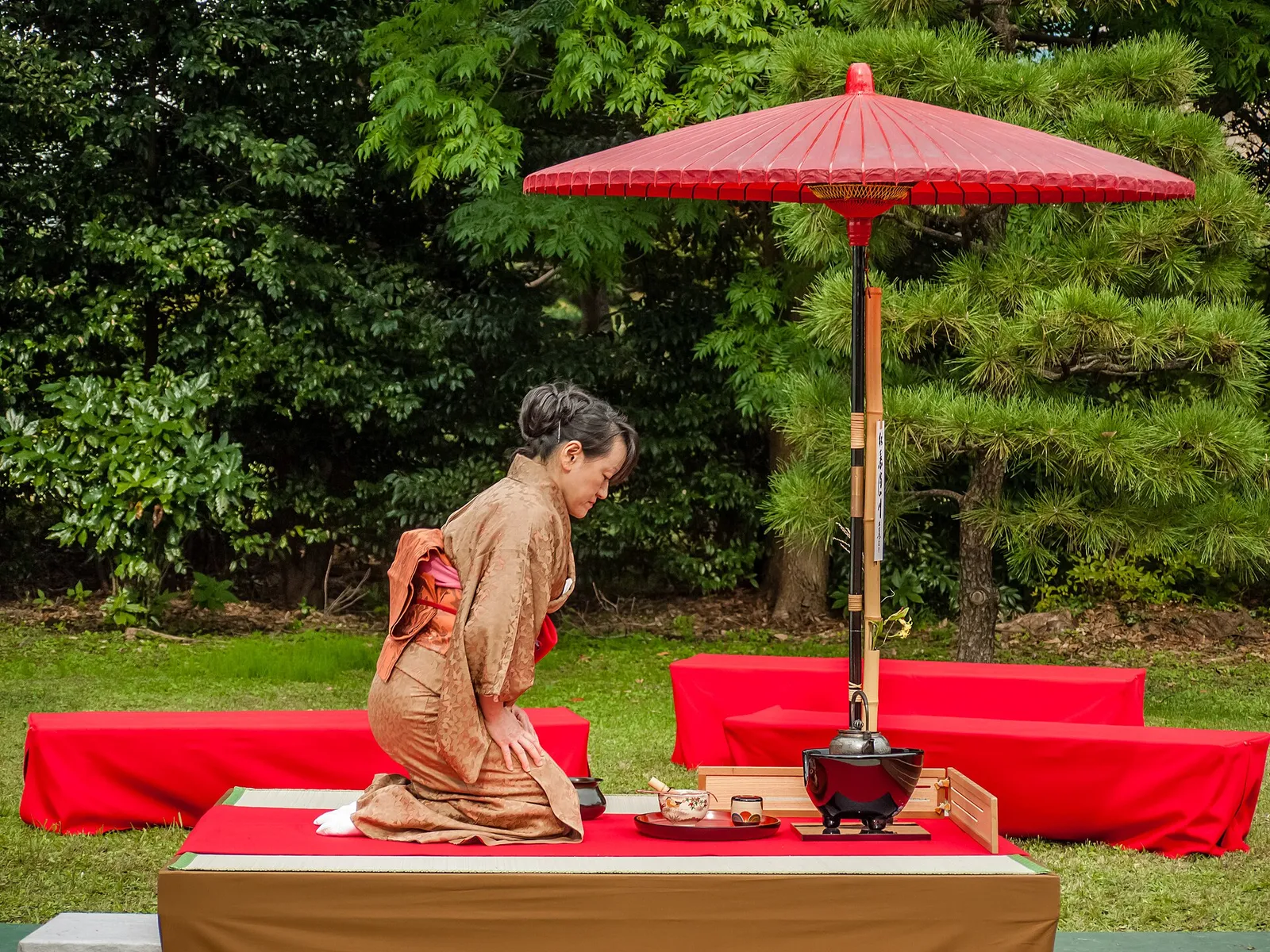
Japanese Etiquette: The Rules That Actually Matter
The Japanese manners a visitor genuinely needs: shoes, chopsticks, trains, queues, cash trays, temples and tipping, plus the ones you can safely ignore.
Everything for your first trip to Japan from the torii gates of Kyoto to the neon backstreets of Tokyo
Some links on this page are affiliate links. If you book through them we may earn a commission at no extra cost to you, which helps support the site.
Our free trip planner: a real day-by-day schedule from four questions.
Answer 4 questions
Get a day-by-day schedule with times and distances
Edit it, save it, share it
No sign-up, saved in your browser
The core guides to start from.
The Japanese manners a visitor genuinely needs: shoes, chopsticks, trains, queues, cash trays, temples and tipping, plus the ones you can safely ignore.
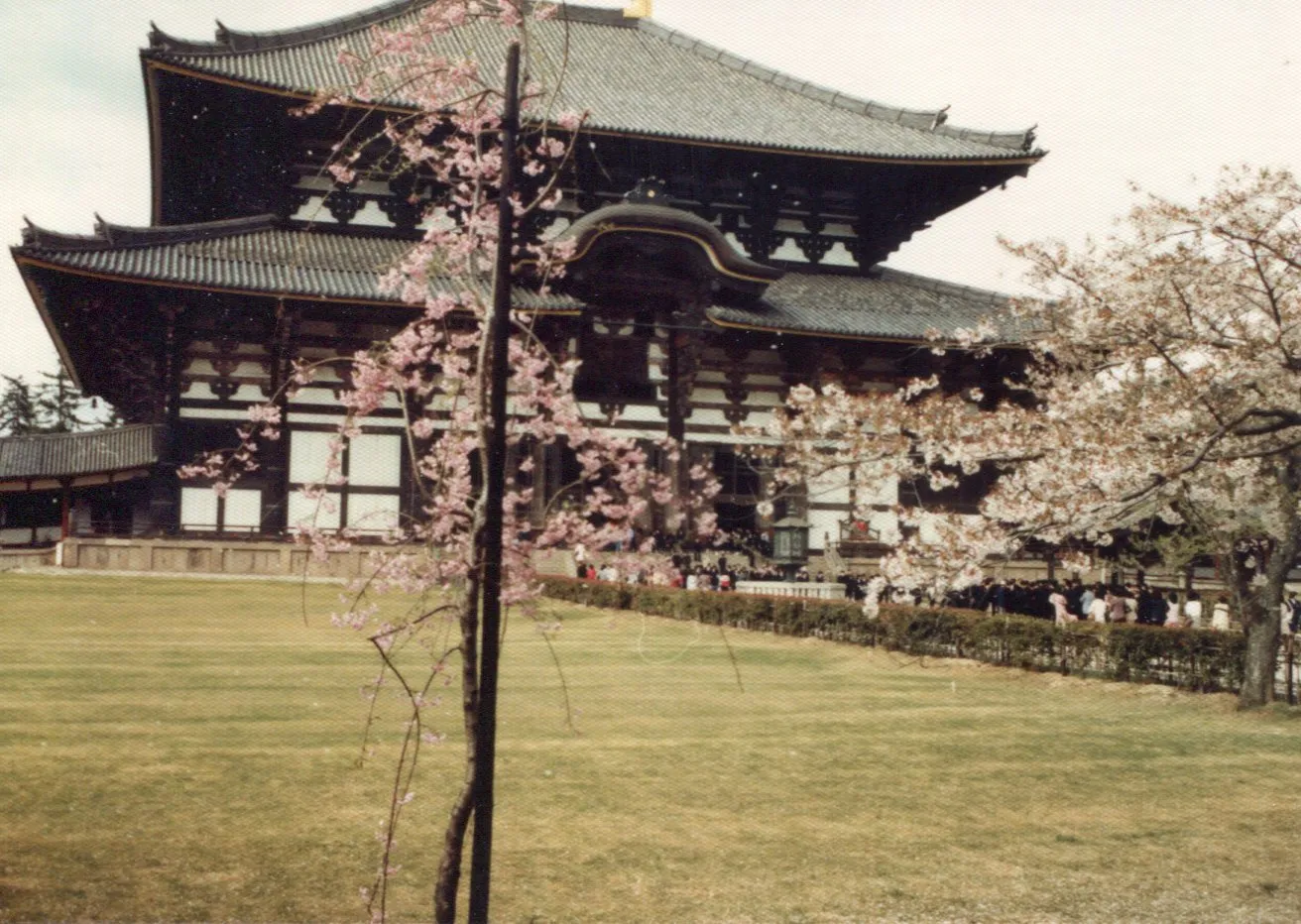
How onsen actually work: the washing ritual before you get in, the small towel, the tattoo question, what a ryokan night involves, and how to find a bath you can have to yourself.
When to go to Japan, season by season: cherry-blossom timing, fiery autumn leaves, the crowded peaks to plan around, and the quiet shoulder months that may be the sweet spot.
Where to base yourself in Tokyo: the best neighborhoods for first-timers, nightlife and families, plus how ryokan, business hotels and capsule pods compare and who each suits.
How Japan travel actually works: the shinkansen bullet trains, IC cards like Suica and Pasmo, the metro, and the honest math on whether the JR Pass is worth it for your trip.
What to eat in Japan and how to eat it: sushi and conveyor belts, ramen, izakaya, convenience-store gold, plus the table manners and ordering tricks that make it all easy.
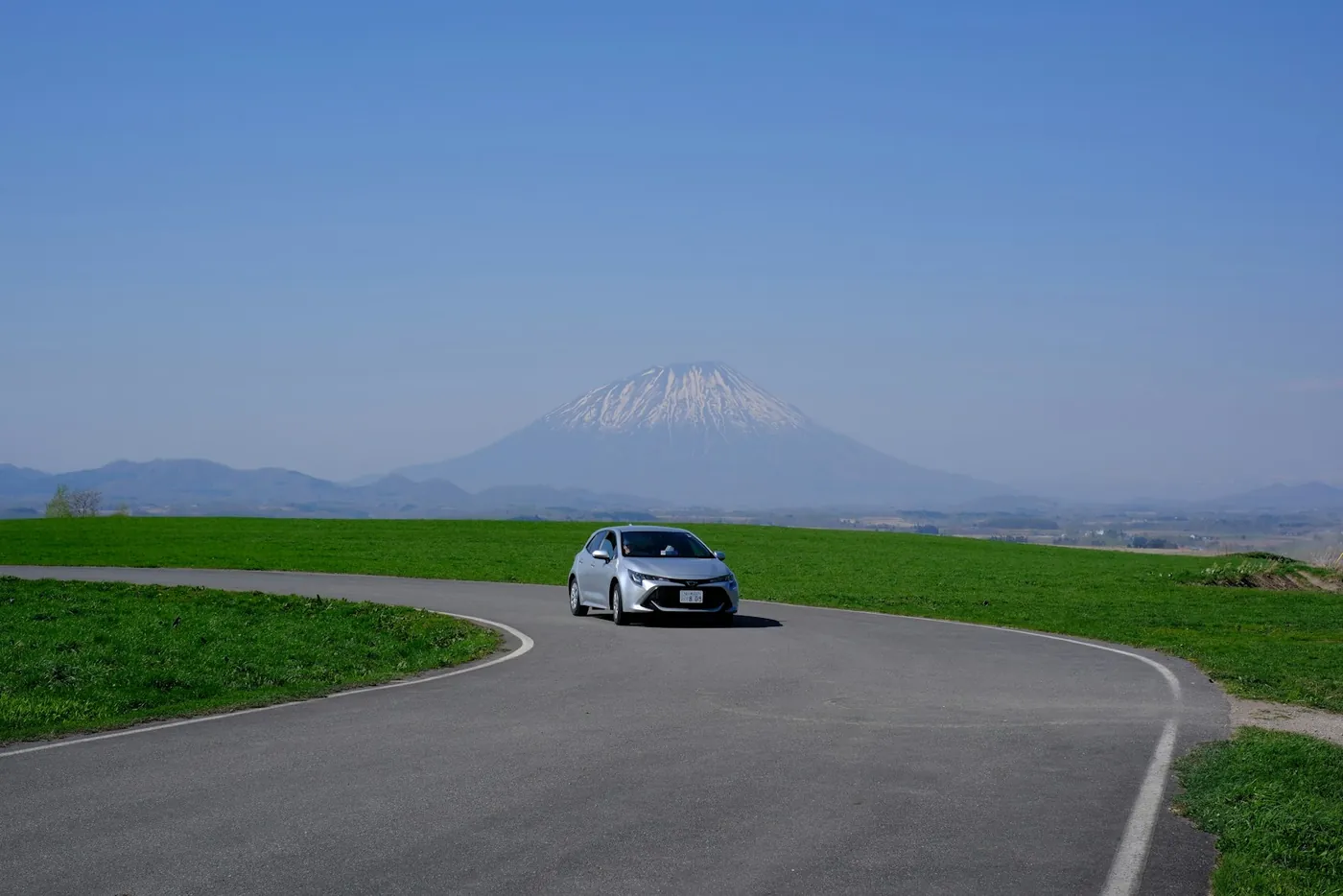
Japan drives on the left, the tolls are expensive, and the permit that works almost everywhere else is not the one Japan accepts from every country. Sort that before you book.
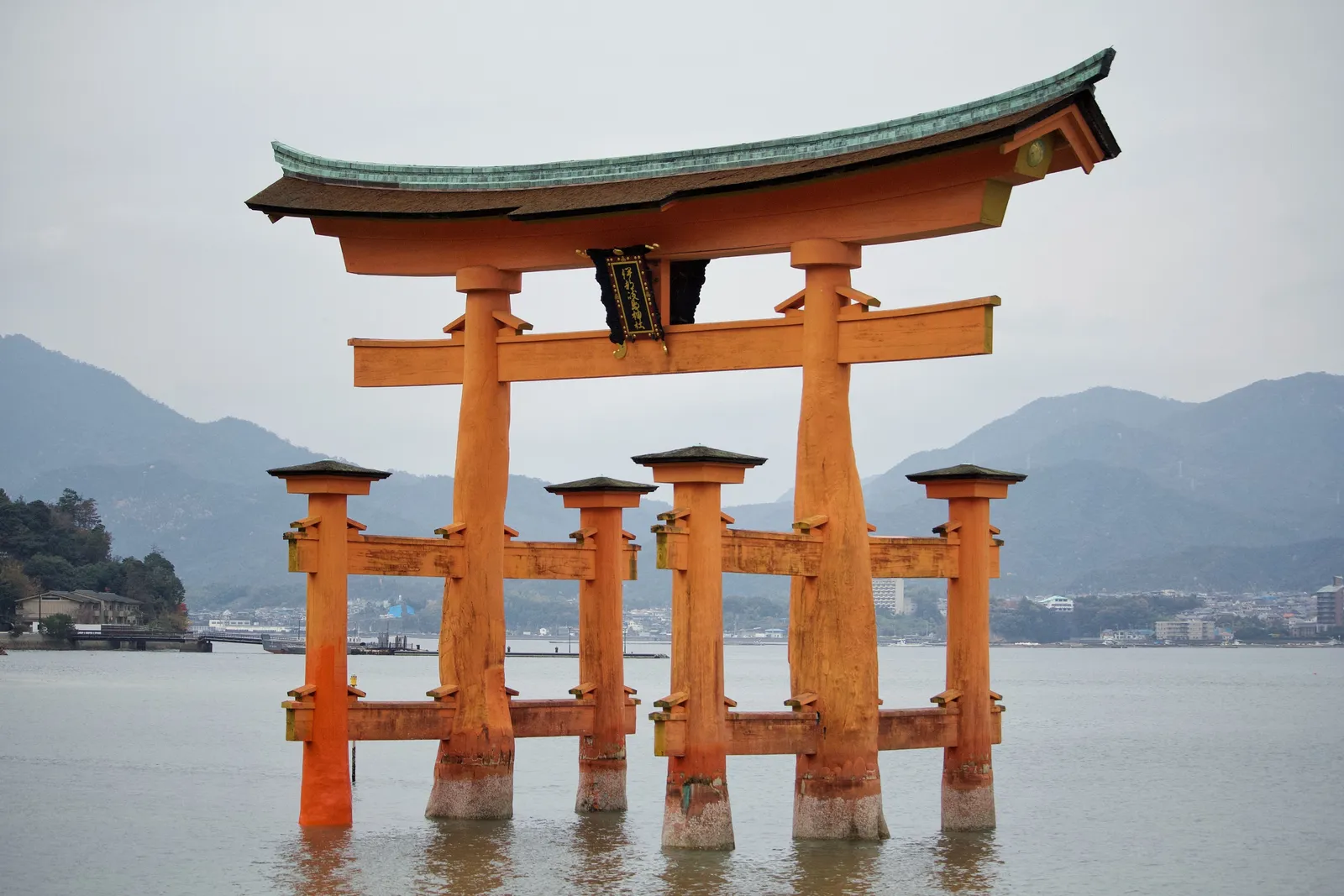
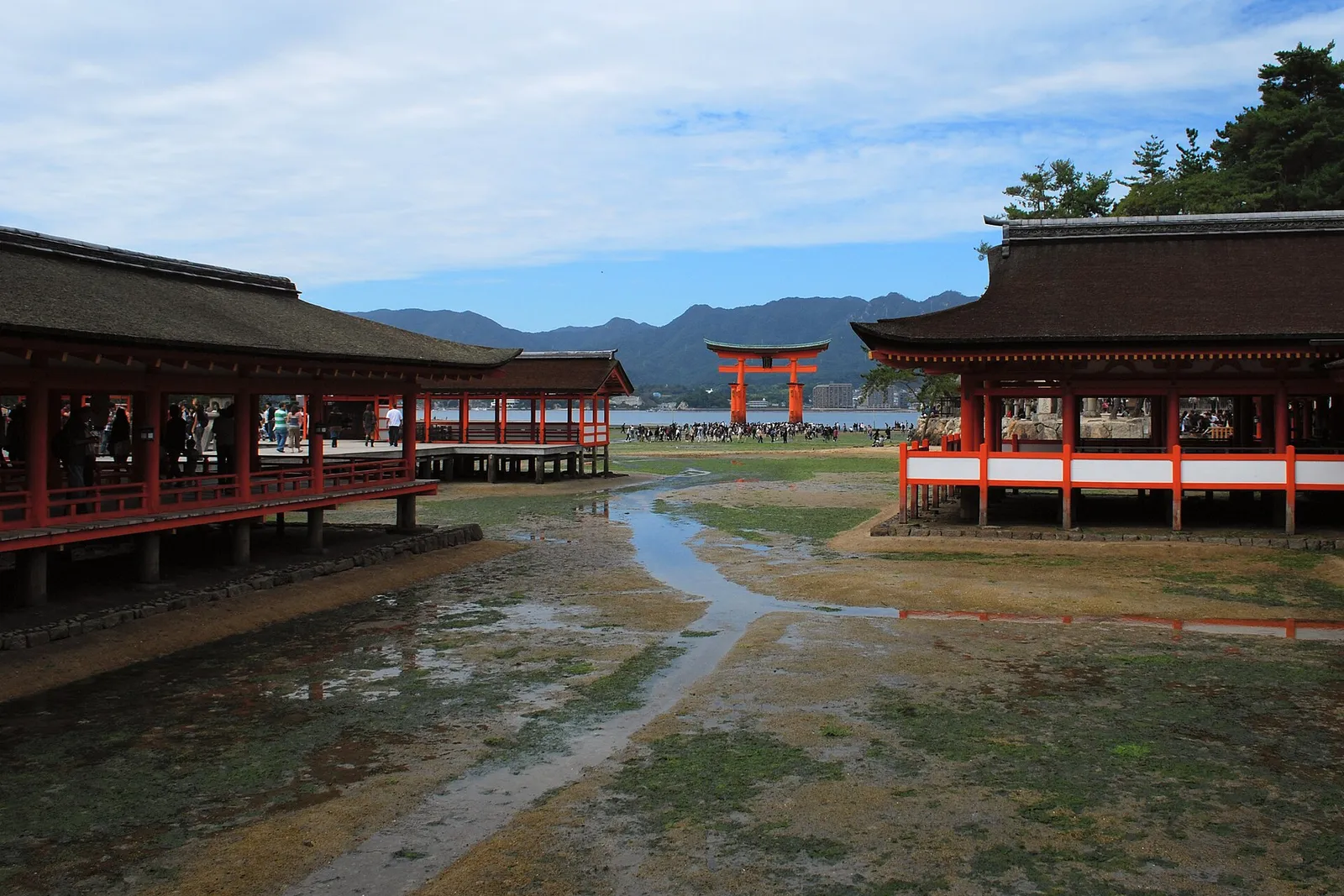
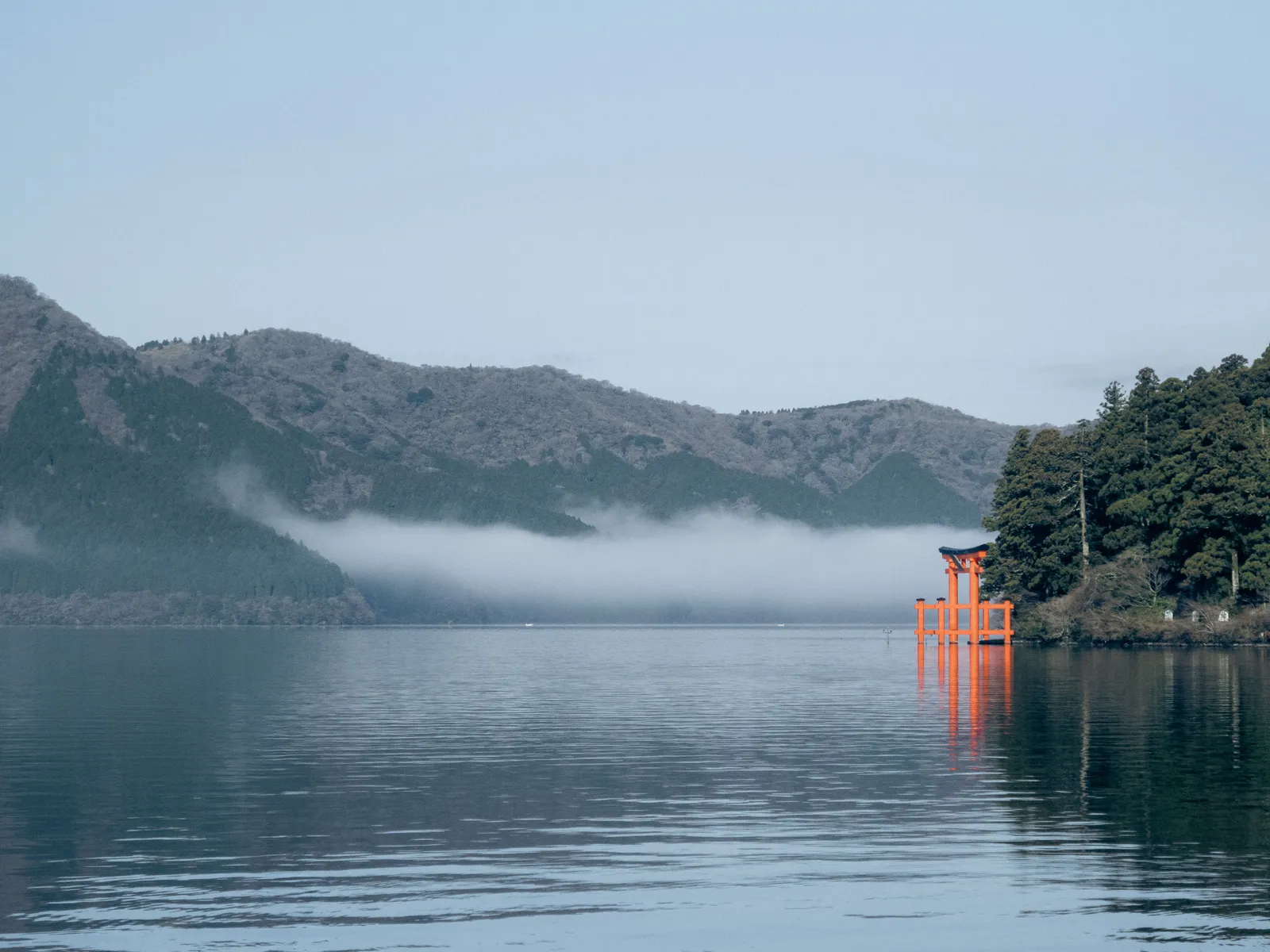
A city rebuilt around a memorial and an island with a torii standing in the sea: how to fit both into a day, and why the order matters more than the timetable.
Three periods when the whole country travels at once, trains sell out months ahead and prices rise. Here is roughly when they fall and what to do about them.
A country with contactless everywhere and a stubborn cash habit underneath it, where the machine that takes your card is in the convenience store rather than the bank.
The national pass is the famous one and it is frequently the wrong purchase. The regional passes are cheaper, narrower and better matched to how most people actually travel.
Probably the easiest country in the world to travel solo, and built for it in ways that are not accidental, because a great many Japanese people eat and travel alone too.
Every city, island and site from our guides, on one map.
More than 200 of the best places in Japan, in one guide with photos and tips.
10 days A ready-made 10-day Japan itinerary: Tokyo, a Hakone or Fuji escape, historic Kyoto and Nara, and buzzing Osaka, planned day by day with one signature experience each.
5 days The classic first Japan trip compressed into five days: two days in Tokyo, a Mount Fuji stop at Kawaguchiko or Hakone, then Kyoto and a Nara add-on, moving by shinkansen.
5 days A five-day route through western Japan: Hiroshima and the Peace Park, the floating gate at Miyajima, the art islands of the Seto Inland Sea, a stretch of the Shimanami cycle route, and the canal quarter at Kurashiki.
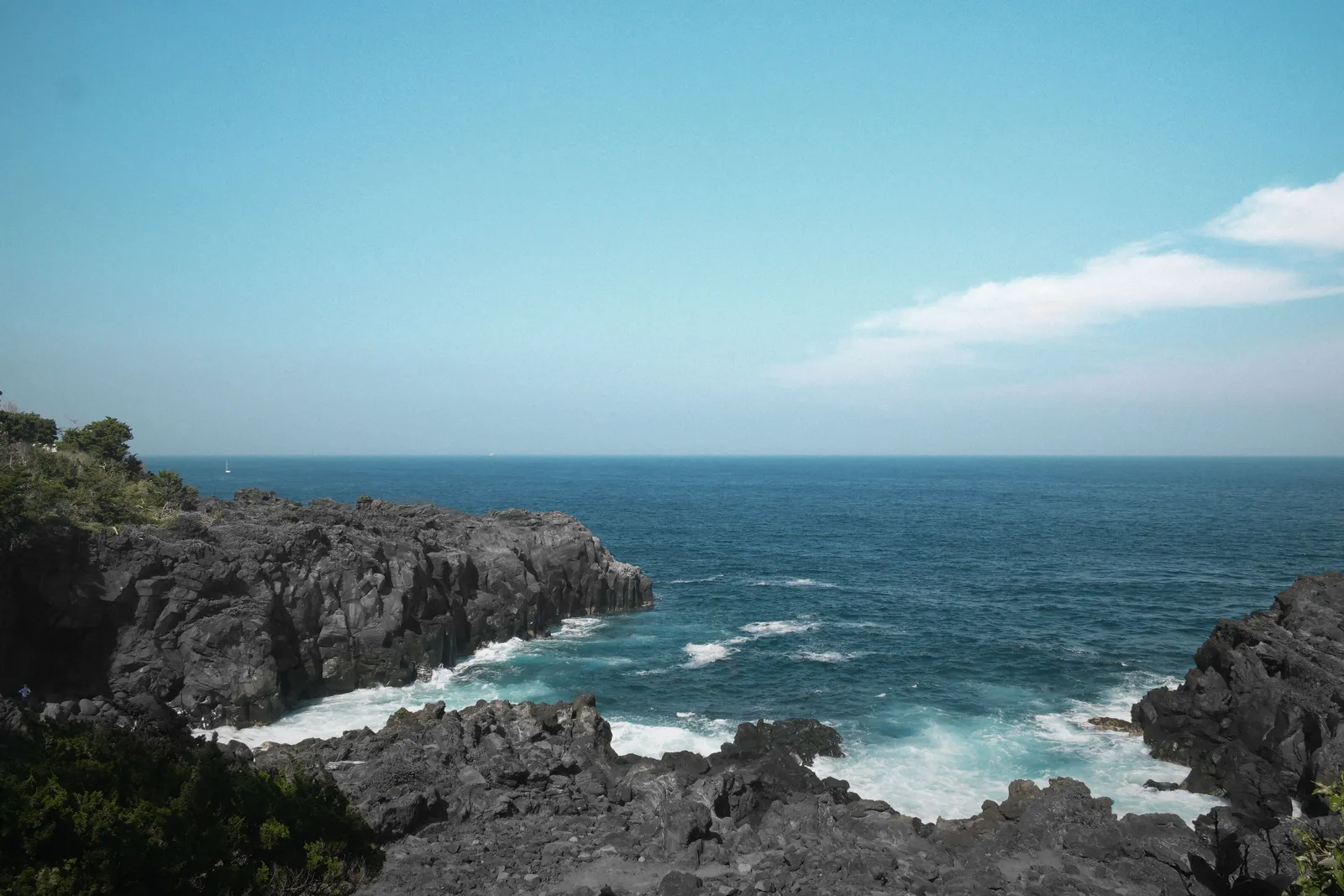
5 days A five-day route two hours from Tokyo: the seafront baths of Atami, the bamboo path and wasabi farms at Shuzenji, the seven waterfalls of Kawazu, the harbour at Shimoda, and the cliff walk to the Jogasaki suspension bridge.
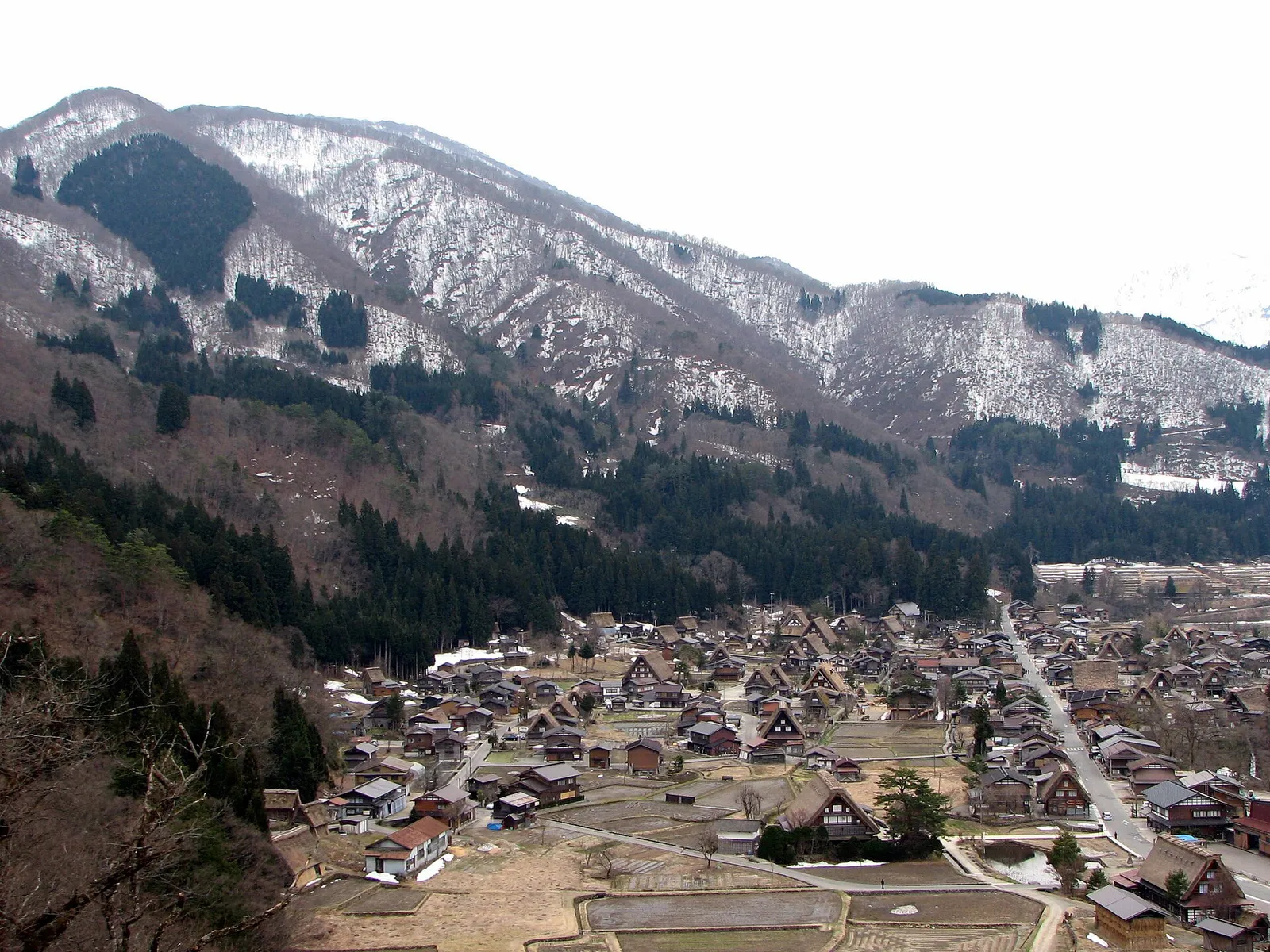
5 days A five-day route through central Japan: Kanazawa gardens and gold leaf, the thatched farmhouses of Shirakawa go, Takayama morning markets and sake, an alpine valley at Kamikochi, and Matsumoto castle on the way out.
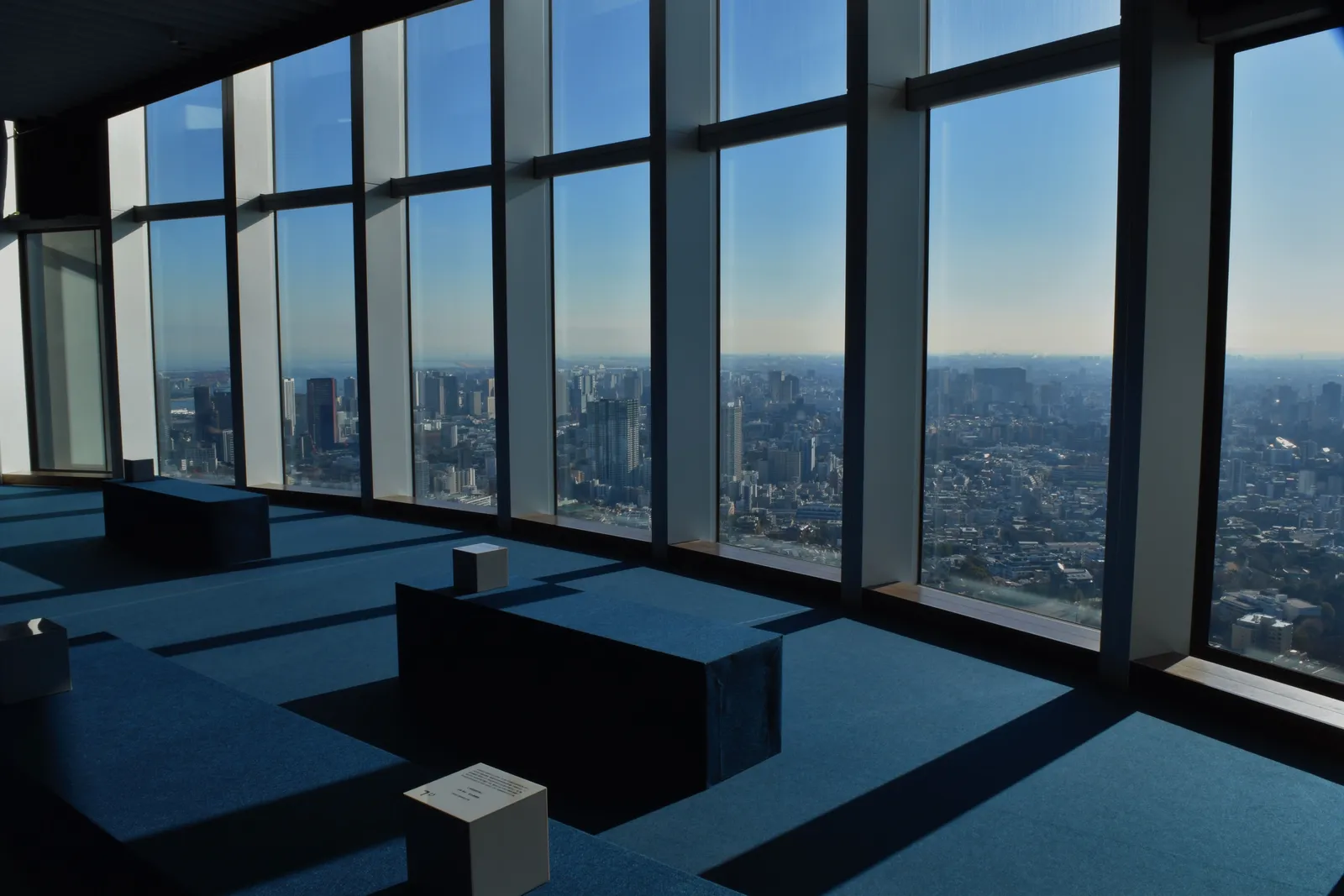
5 days A five-day Tokyo trip that keeps the costs down: free observation decks and shrine grounds, standing noodle bars and convenience store meals, an IC card instead of a rail pass, a local train to Kamakura, and a department store basement at closing time.
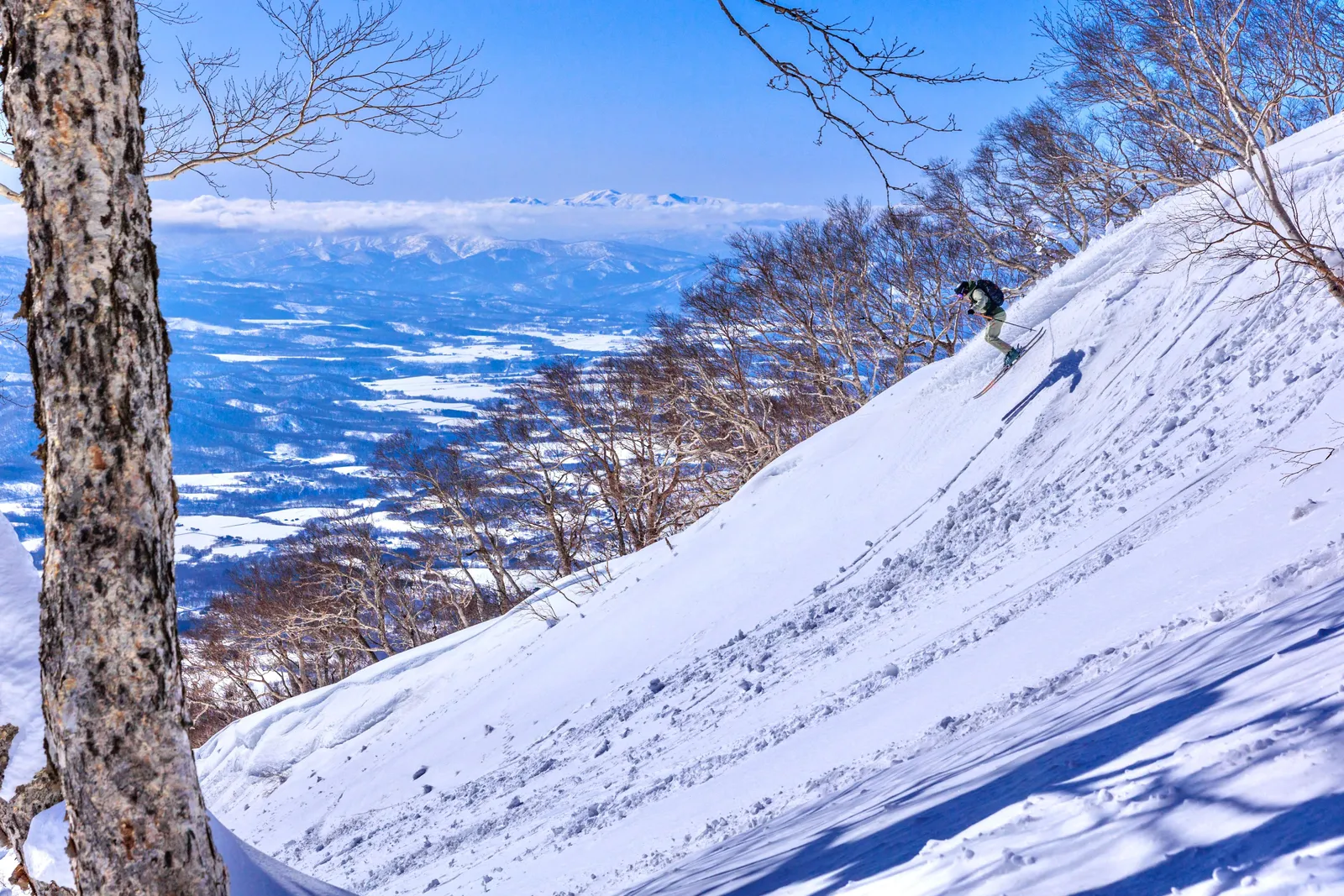
5 days A five-day ski trip in Japan: an arrival afternoon on the easy runs, two full days with a guide, an onsen and ramen recovery evening, the snow monkeys or a fish market, and how Niseko, Hakuba and Shiga Kogen differ.
5 days A five-day Tokyo itinerary built for families: a theme park day, the zoo and museums at Ueno, teamLab and a toy floor, the Great Buddha and a beach at Kamakura, and a last day on the bay at Odaiba.
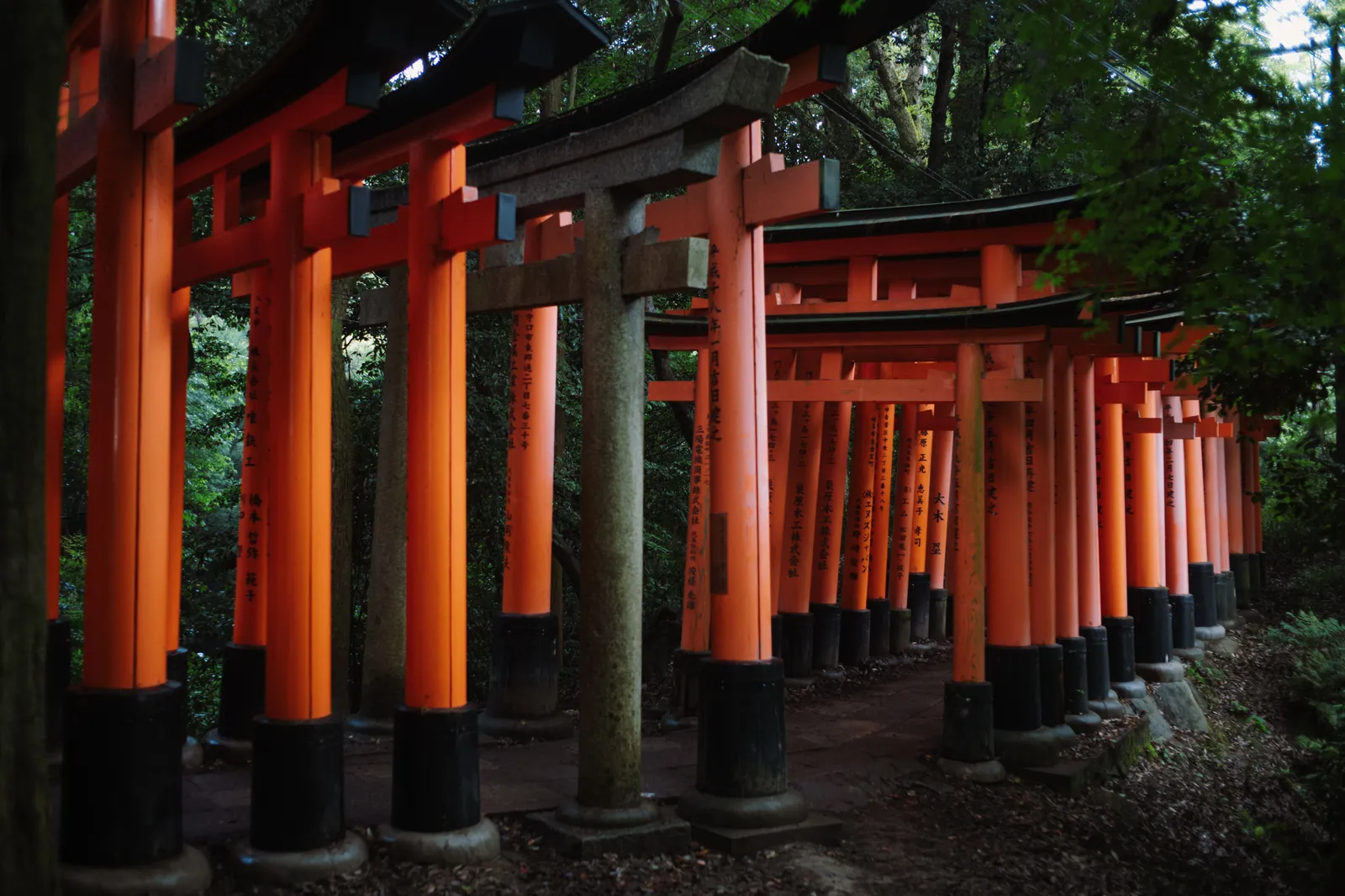
5 days A five-day Kansai itinerary from a Kyoto or Osaka base: Higashiyama temples, the Fushimi Inari torii tunnels, Arashiyama bamboo, Nara's deer and the great Buddha, and Osaka's Dotonbori.
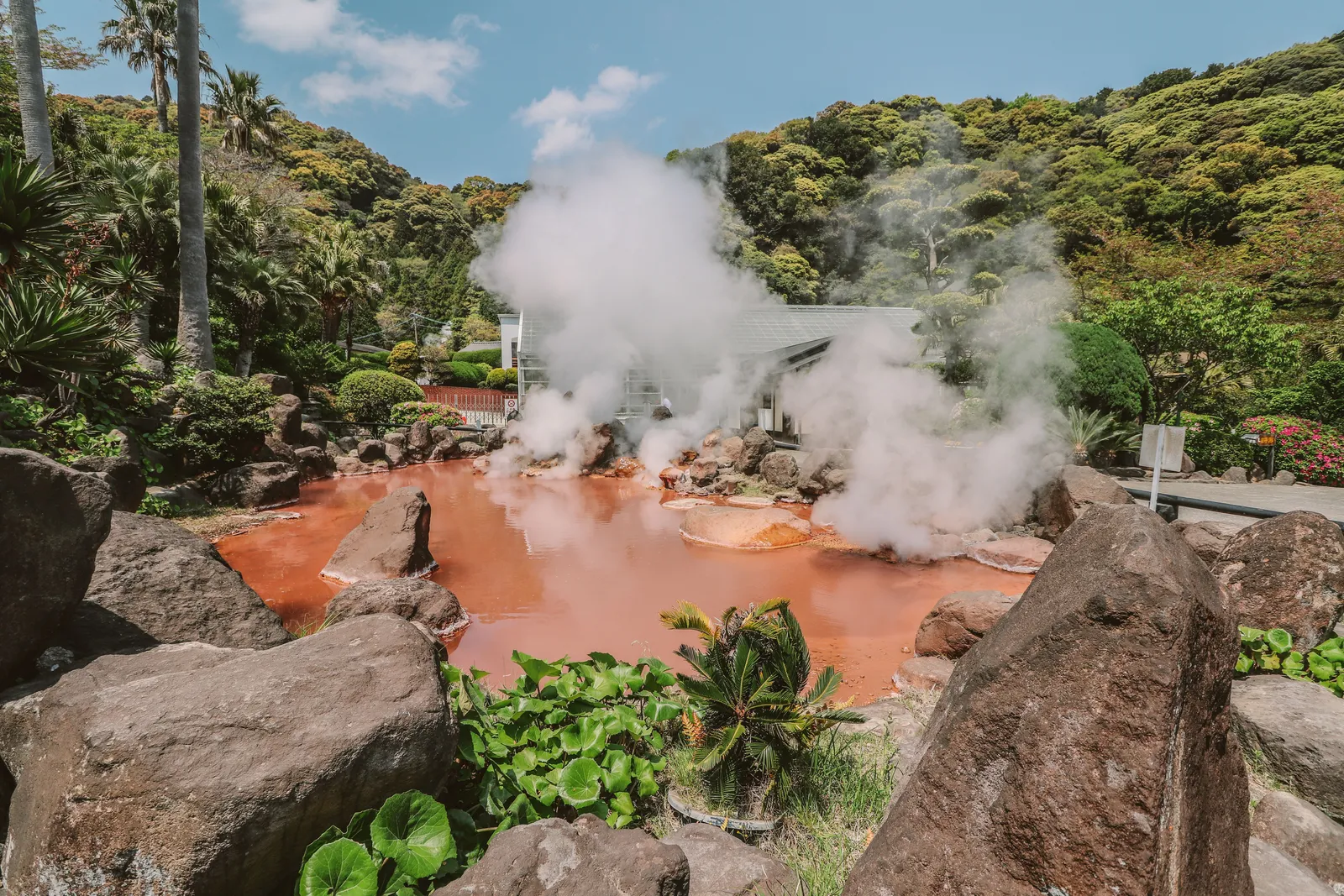
5 days A five-day route around the southern island: Fukuoka riverside food stalls, Nagasaki harbour and peace park, the steam vents of Beppu, the ryokan town of Yufuin, and the castle and caldera at Kumamoto and Aso.
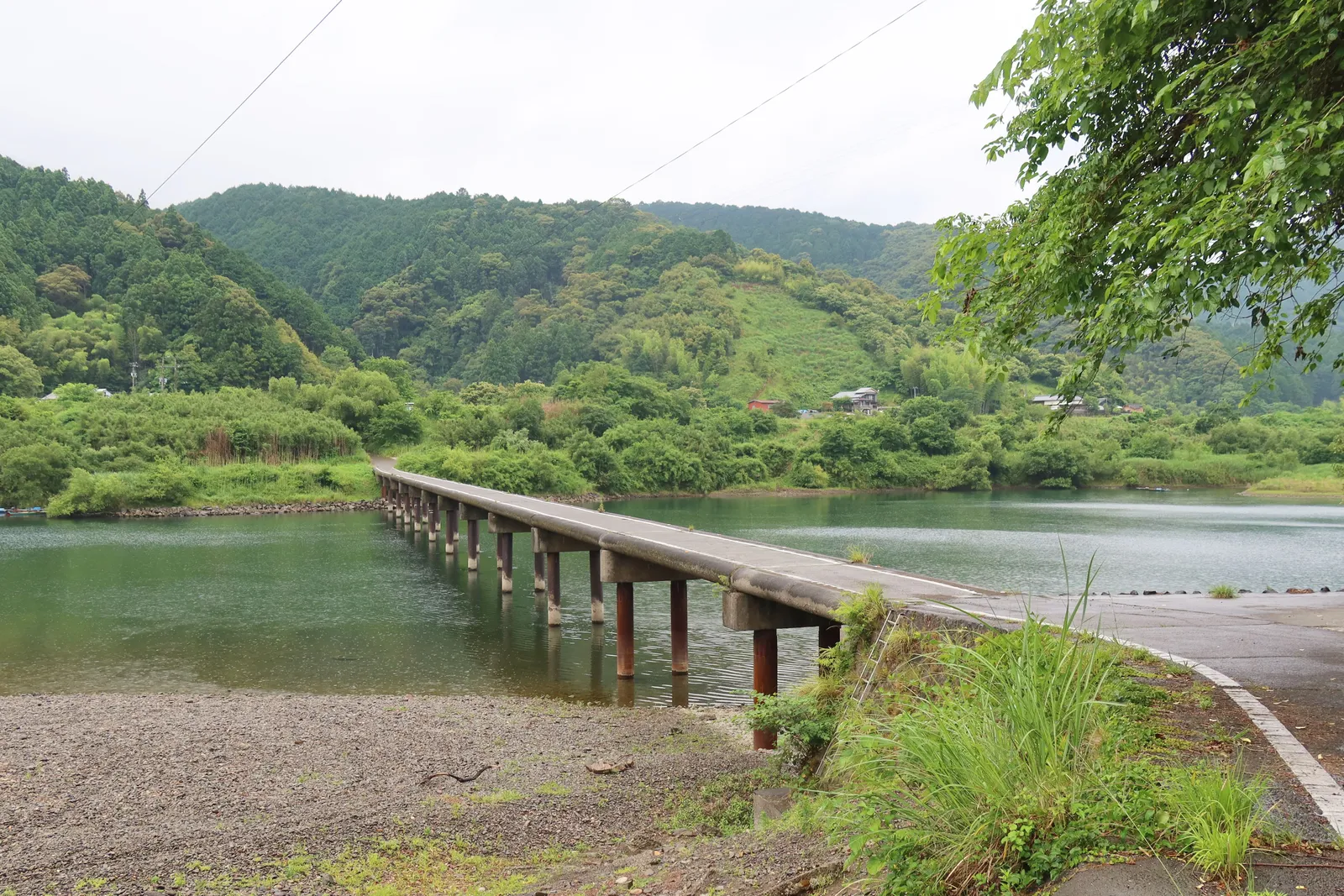
5 days A five-day route around the fourth island: Ritsurin garden and sanuki udon at Takamatsu, the vine bridges of the Iya valley, the long staircase at Kotohira, Matsuyama castle and Dogo Onsen, and a stretch of the pilgrimage walked on foot.
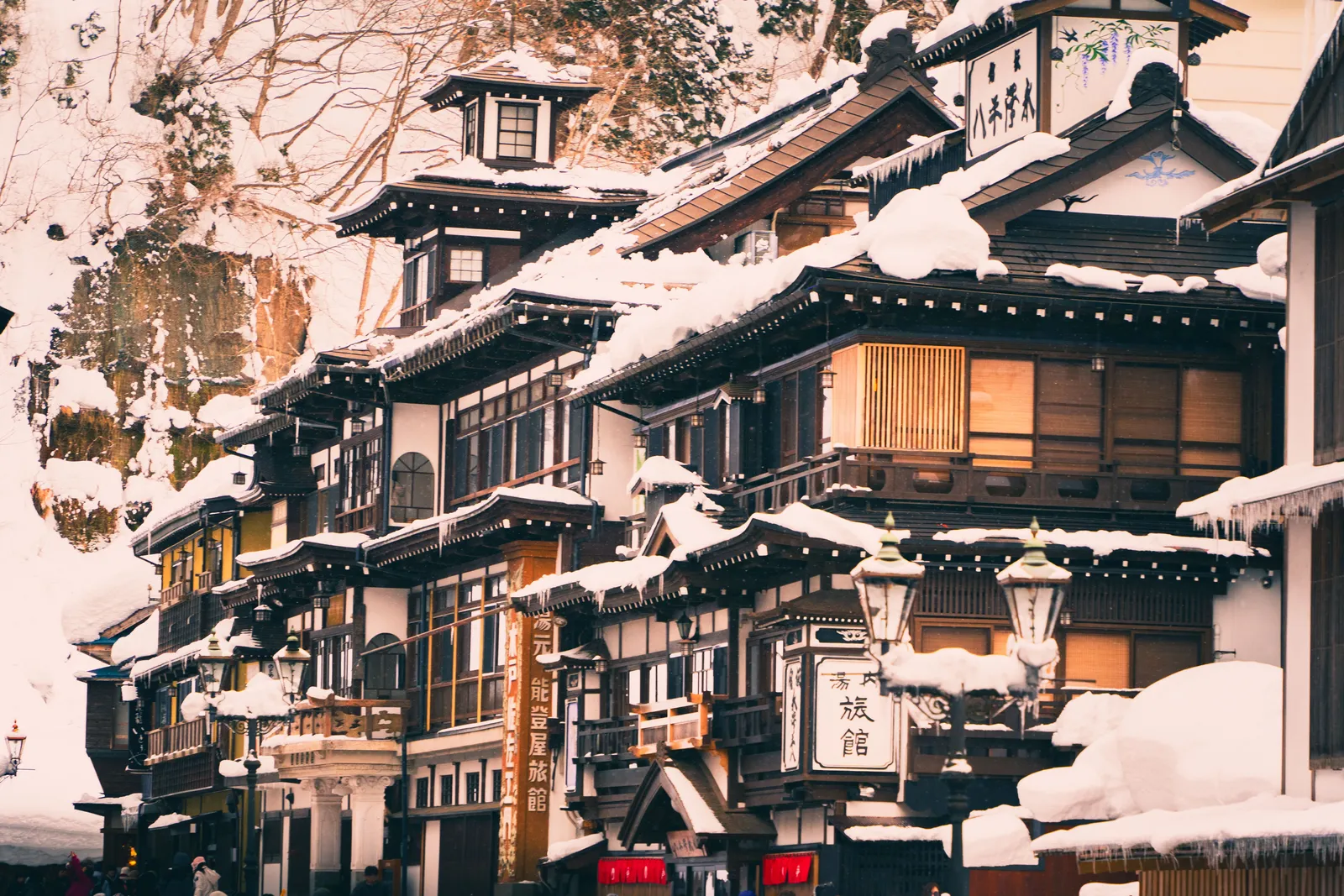
5 days A five-day route through northern Honshu: Sendai and the pine islands of Matsushima, the wooden bathhouse street at Ginzan Onsen, the mountain temple steps at Yamadera, a boat through the Geibikei gorge, and Hirosaki castle and its orchards.
5 days A relaxed five-day Tokyo itinerary built around neighbourhoods, not a checklist: old Asakusa, modern Shibuya, Yanaka craft, Akihabara and Golden Gai, plus a Kamakura day trip.
Many nationalities can visit Japan visa-free for up to 90 days for tourism, all you need is a valid passport. There is no online form to fill in ahead, but keep your flight and accommodation details handy for the border check. Always confirm the rules for your own passport before you fly.
Spring (late March to April) with the cherry blossom, and autumn (October to November) with the red leaves, are the most beautiful. They are also the busiest and most expensive. Summer is hot and humid, and winter is excellent for onsen and for skiing in Hokkaido.
The currency is the Japanese yen (JPY). Japan still loves cash, but credit cards are accepted in most cities. A rechargeable transit card (Suica or Pasmo) is handy for trains and convenience stores. Japan is a mid-range destination, flexible depending on your travel style.
It depends on your route. If you are hopping between several far-apart cities by shinkansen (Tokyo, Kyoto, Osaka, Hiroshima), the JR Pass usually pays off. For a trip focused on one city it is less worthwhile. Our dedicated guide works out when it makes sense.
Yes, especially in the cities: there is English signage on trains and at sights, and translation apps help a lot. People are courteous and helpful to visitors, and a few basic Japanese words are always met with a smile.
New guides, itineraries and Japan tips, straight to you, no spam.