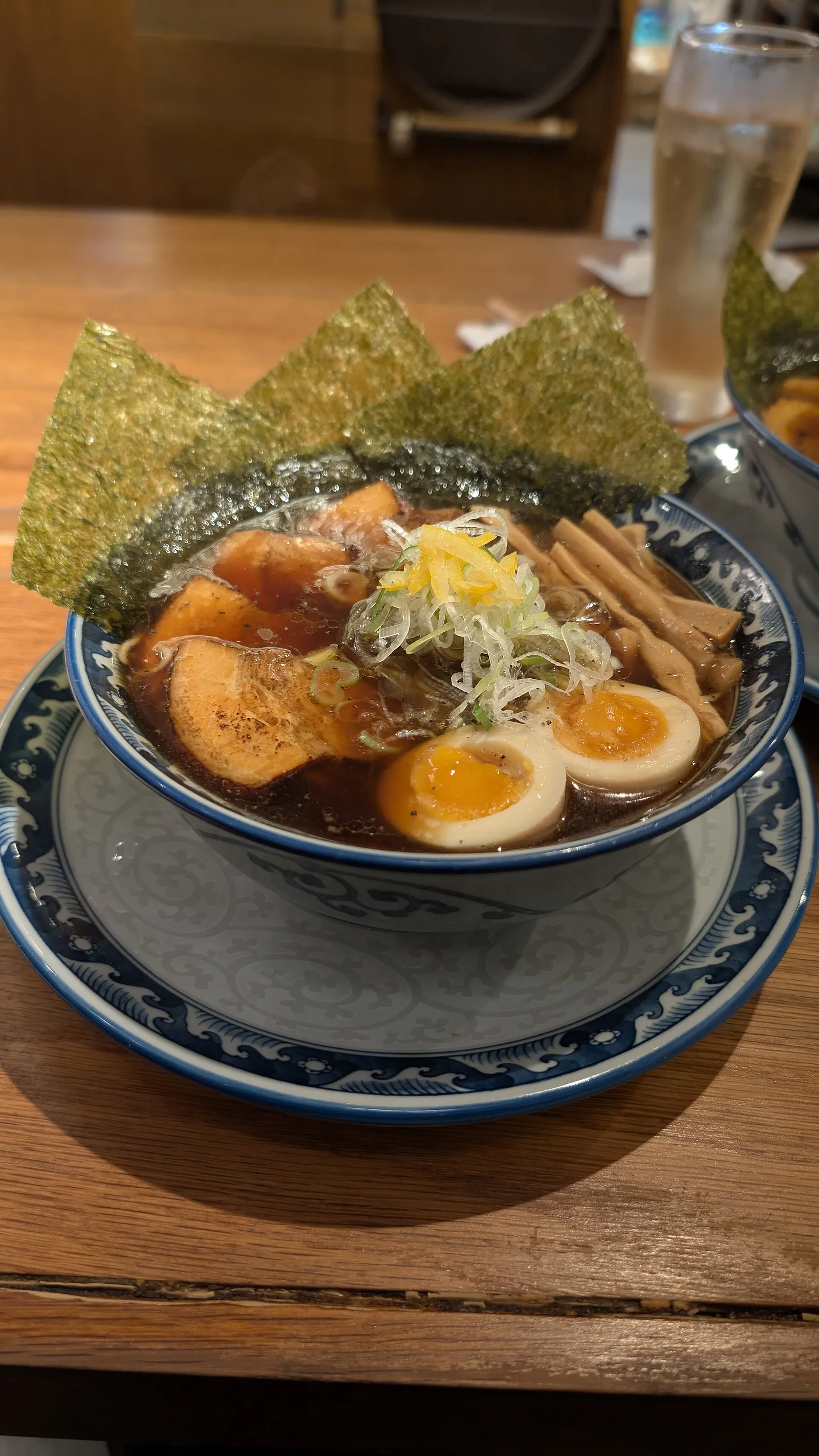
Nobody comes home from Japan and talks about the museums first. They talk about the food: the bowl of ramen at midnight, the sushi that ruined all other sushi, the convenience-store sandwich that had no business being that good. Eating is the single best thing you will do in Japan, and it is far easier than it looks. The menus may be a wall of characters and the etiquette a little mysterious, but the whole country is quietly on your side. Here is what to eat, and how to eat it without a hint of stress.
Sushi, and the joy of the conveyor belt
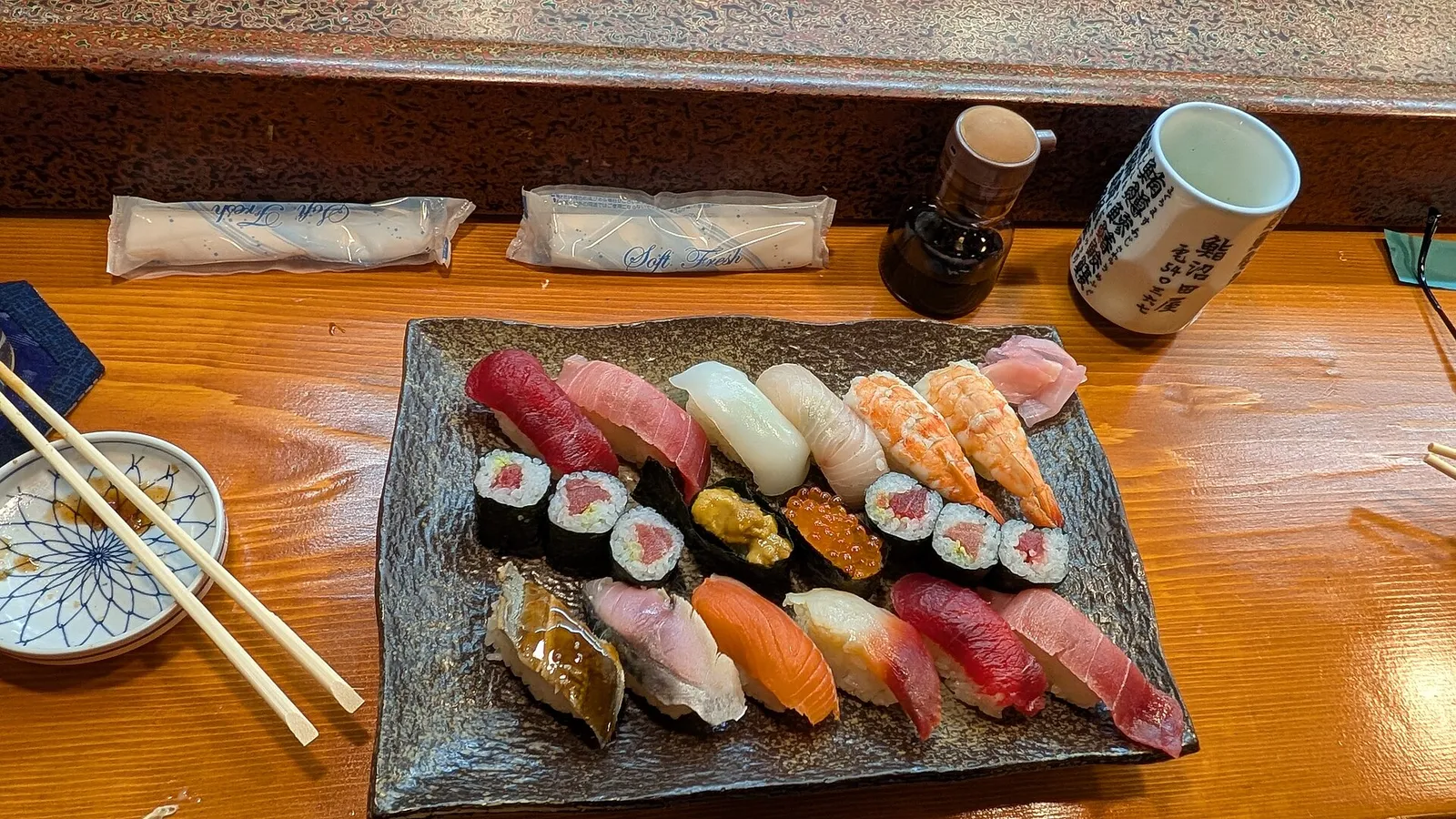
Yes, splurge once on a proper sushi counter, ideally an omakase where the chef feeds you piece by piece and you eat each one the moment it is set down. But the everyday hero is kaiten-zushi, conveyor-belt sushi, and it is a delight. Plates glide past on a belt; you grab what looks good, or tap an order on a touchscreen and it zips over on an express lane. Prices are usually color-coded by plate, staff count your stack at the end, and green tea is free from a tap at your seat. A great meal here costs a fraction of the fancy places, and it is pure fun.
A couple of pointers: dip fish-side down, not rice-side, so the rice does not fall apart; go easy on the soy; and eat the pickled ginger between pieces to reset your palate, not piled on top.
Ramen, and how to order it
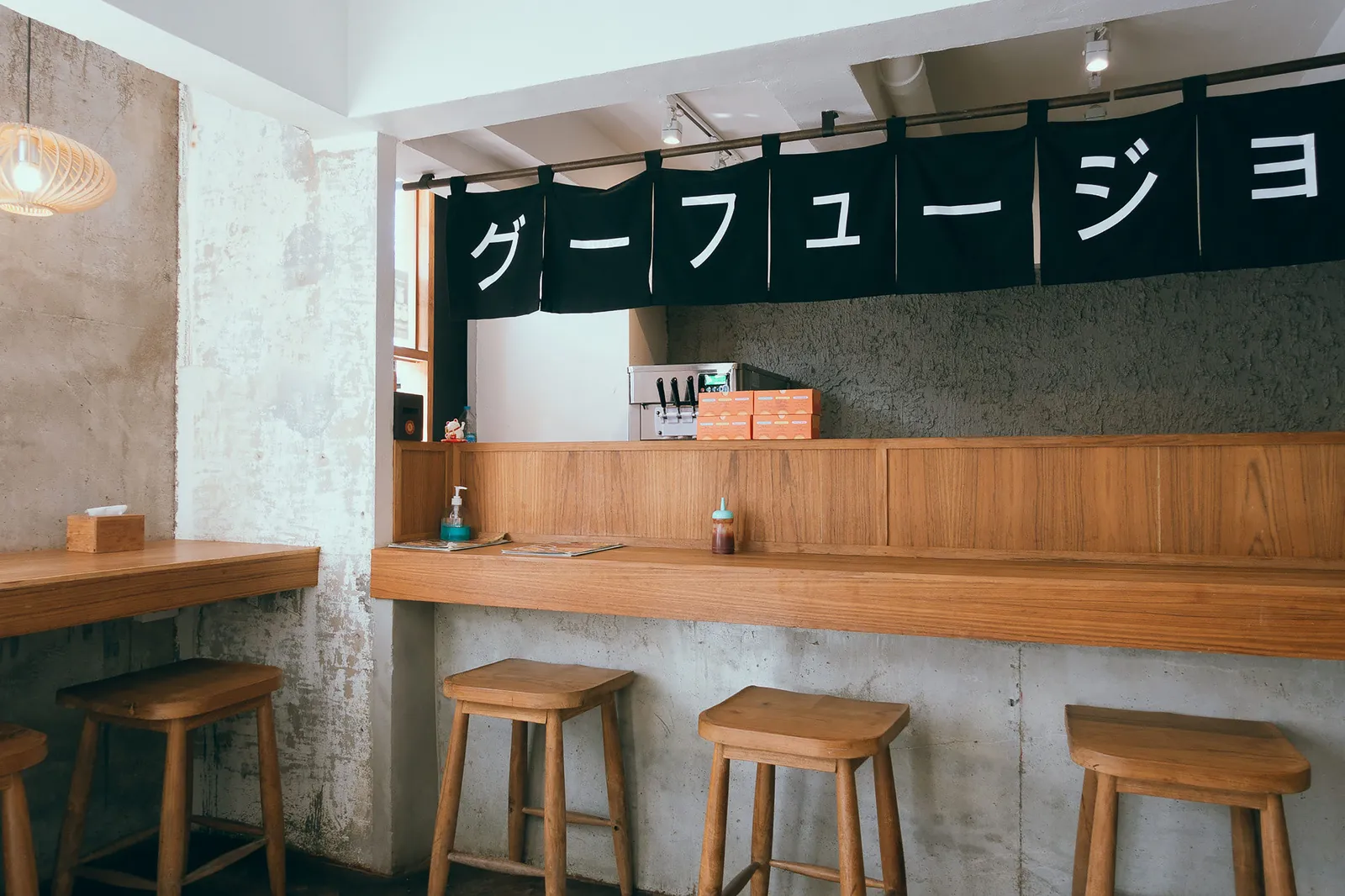
Ramen is a religion with regional sects: rich pork-bone tonkotsu in the south, soy-based shoyu in Tokyo, miso in the snowy north. Many shops run on a vending machine at the door: you insert cash, press the button for your bowl and toppings, and hand the ticket to the counter. It is the least intimidating way to order in the country, no language needed. Slurping is not just allowed, it is encouraged; it cools the noodles and, they say, tastes better. Eat fast, because the noodles are best in the first few minutes, and vacate your stool when you are done, since a queue is usually forming.
The izakaya: Japan’s happy place
If you eat one meal that captures the spirit of the country, make it an izakaya. These are casual pubs where you order a stream of small plates to share over drinks: grilled yakitori skewers, crispy karaage fried chicken, edamame, sashimi, grilled fish, whatever the day brings. You start with a drink, often a beer or a highball, receive a small charged appetizer called otoshi (that is normal, not a scam), and keep ordering until you are happy. It is loud, warm, cheap and social, the antidote to a long day of sightseeing.
Let a local lead you to the good izakayaA first-night food tour teaches you how to order for the whole tripConvenience-store gold
Do not roll your eyes: the Japanese konbini is a genuine culinary institution. 7-Eleven, Lawson and FamilyMart sell fresh onigiri rice balls, the famous fluffy egg sandwich, hot fried chicken by the register, steaming noodle bowls, quality coffee and a rotating wall of seasonal snacks, all cheap and reliably good. It is where you grab breakfast before an early train, a picnic for the shinkansen, or a midnight snack after the bars. Locals eat here constantly, and after a few days, so will you.
Beyond the headliners
Japan’s menu runs deep. Tempura, feather-light battered seafood and vegetables. Tonkatsu, a crisp breaded pork cutlet. Udon and soba noodles, hot or cold. Okonomiyaki, the savory cabbage pancake you sometimes grill at your own table, and takoyaki, molten octopus balls, both stars of Osaka street food. Kaiseki, the elegant multi-course tasting menu, if you want to see cooking as art. And wagashi, delicate sweets, with a bowl of frothy matcha in a Kyoto teahouse. Follow the seasons on the menu and you will eat things that exist for only a few weeks a year.
The etiquette, made simple
None of it is hard. Say itadakimasu before you eat and gochisousama deshita after, and you will earn a smile. Do not stick your chopsticks upright in a bowl of rice or pass food chopstick-to-chopstick, as both echo funeral rites. It is fine, even polite, to lift your rice or soup bowl toward your mouth and to slurp noodles. Do not tip, ever. And use the hot oshibori towel you are handed for your hands, not your face. Get those few things right and you can walk into any restaurant in the country with confidence.
Navigating the language
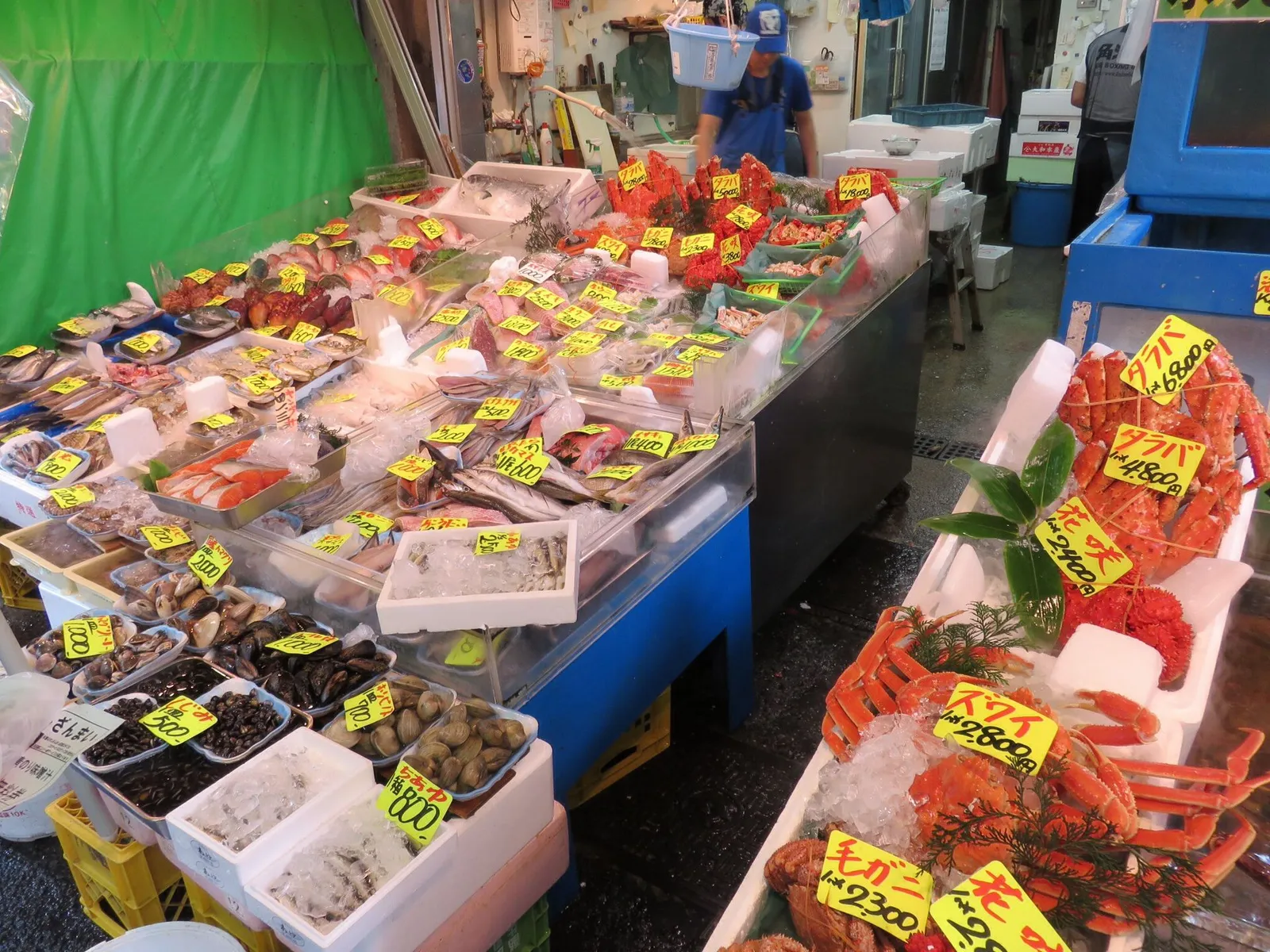
The scariest part is menus with no English and no pictures, and there are three easy fixes. Use a translation app with a camera that reads the characters live. Look for the astonishingly realistic plastic food models in the window and point at what you want. And do not fear the ticket vending machines: a photo above each button usually tells you everything. When in doubt, the phrase osusume wa?, “what do you recommend?”, opens almost any door.
Eat regionally, not repeatedly
The fastest way to make a two-week trip feel like several countries is to order what the region is known for rather than the same three dishes everywhere.
| Where | The speciality | Order this |
|---|---|---|
| Tokyo | Everything, done precisely | Edomae sushi, shoyu ramen, tempura |
| Kyoto | Refined, seasonal, vegetable-led | Kaiseki, yudofu, matcha sweets |
| Osaka | The street-food capital | Okonomiyaki, takoyaki, kushikatsu |
| Hiroshima | Its own layered pancake | Hiroshima-style okonomiyaki, oysters |
| Fukuoka | Rich pork-bone broth and open-air stalls | Tonkotsu ramen at a yatai |
| Hokkaido | Seafood and dairy | Miso ramen, crab, soft serve |
Seasons matter as much as regions here. Menus change genuinely rather than decoratively, and asking for what is in season, or simply pointing at the handwritten specials, gets you food that exists for only a few weeks a year.
Eating with dietary requirements
Japan is manageable rather than effortless, and the difficulty is not attitude but ingredients.
The trap for vegetarians and vegans is dashi, a stock usually made from bonito flakes, which sits invisibly in miso soup, noodle broths, simmered vegetables and dipping sauces. A dish can be entirely plant-based on the plate and not vegetarian at all. The routes around it are shojin ryori, the Buddhist temple cuisine served near many temples, dedicated vegan restaurants in the larger cities, and Indian restaurants, which are everywhere and used to the question.
For allergies, a written card in Japanese is far more effective than a conversation, and it matters most with soy, wheat, egg, shellfish and buckwheat, which turns up in soba noodles. Gluten free is genuinely difficult, because soy sauce contains wheat and is in nearly everything, so plan around rice dishes and carry your own tamari if it is medical rather than preference. Halal options exist in the major cities and around the main tourist areas, and are scarce elsewhere.
In every case, the useful sentence is a written one. Phone translation apps handle the rest, and staff will take it seriously.
Drinking, and the rules around it
The drinking culture is inseparable from the eating, and it is friendlier than it looks.
Beer is the default first order, and the ritual of ordering one for everybody before anything else is real. Sake is a world of its own and best approached by asking the staff for something dry or something local rather than reading a list you cannot parse. Shochu and highballs are what most locals actually drink through an evening, and whisky here is world class, served in bars where a single ice sphere is carved in front of you.
Two customs are worth knowing. You pour for others, not for yourself, and someone will fill your glass in return, which is why a glass topped up before it empties is not an accident. And the small charged appetiser at an izakaya, the otoshi, is a seat charge in food form, not an attempt to overcharge you.
Public drunkenness is treated with more tolerance here than in most places, but noise on trains and in the street is not, and that contrast is the whole etiquette in one line.
Where to put all this into practice
Two practical bookends to the eating.
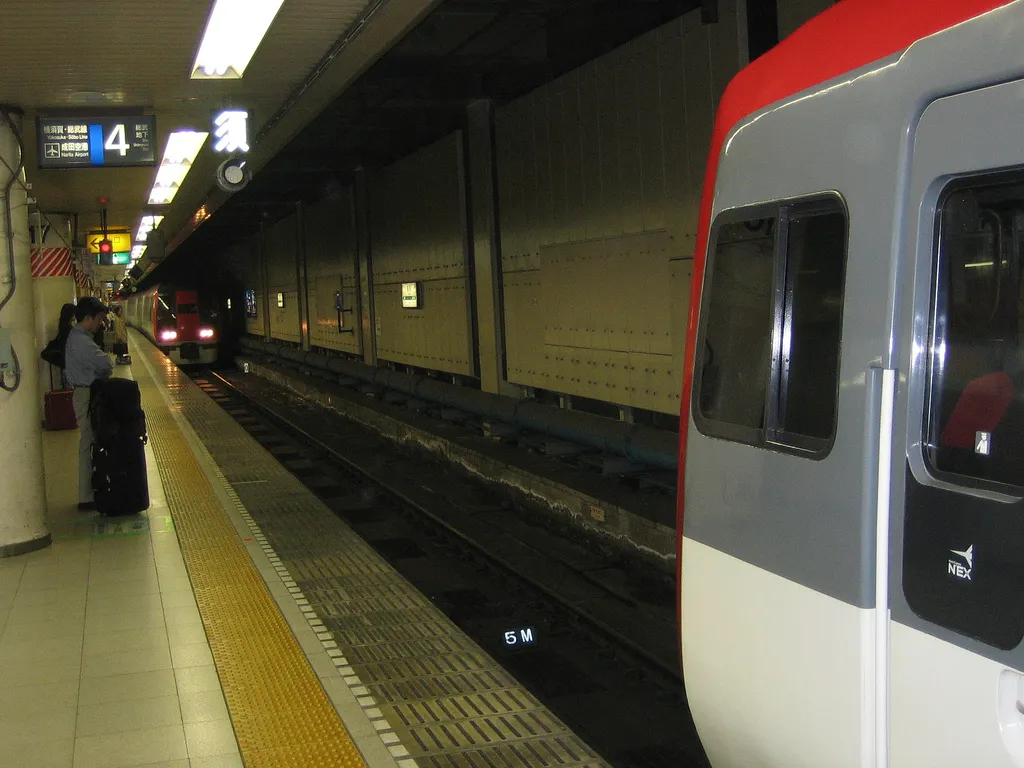
The first meal matters more than people think, because it is usually eaten tired. Both major Tokyo airports have genuinely good restaurant floors and konbini, and the train into town passes through stations with entire basement food halls, so there is no reason for the first meal to be bad. Our guide to Tokyo’s airport transfers covers the routes in, and the depachika food halls beneath the big department stores are one of the best-value introductions to Japanese food anywhere in the country, alongside the set lunch at a restaurant that is expensive in the evening.
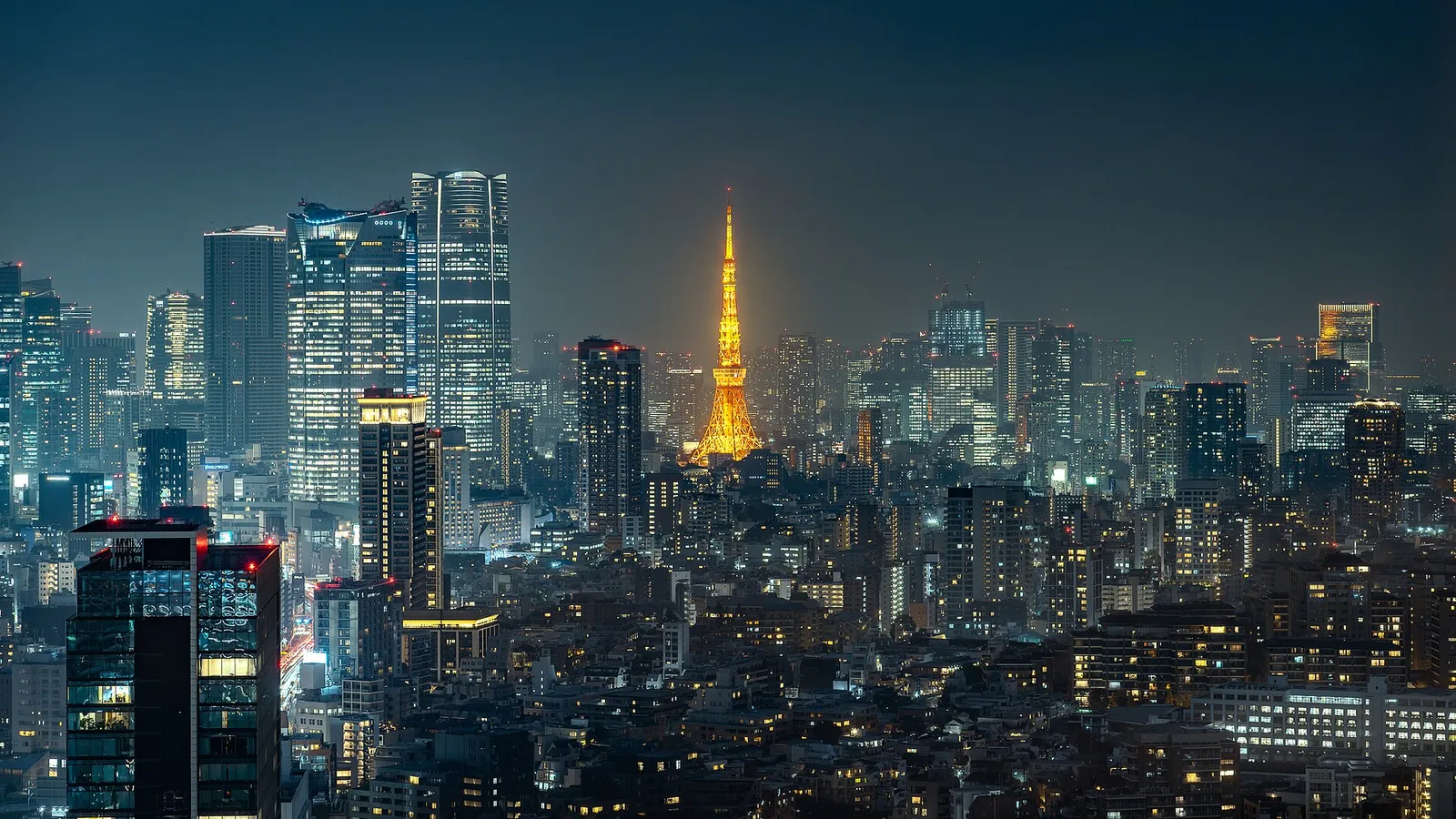
The city itself is the other bookend. Tokyo has more restaurants than any city on earth and the highest concentration of the things described above, from six-seat counters to conveyor belts, and our Tokyo guide covers which neighbourhoods to eat in and when.
One last thing worth doing before you fly: save the local emergency numbers to your phone. Serious food-safety trouble is rare in Japan, but allergies are the exception where a fast, clear phone call matters, and it takes thirty seconds to arrange.
For eating around a dietary restriction here, where a fish stock turns up in a great many dishes that look plant based, our guide to Jewish travel in Japan covers the practicalities.
The short version
Splurge on sushi once, then live on conveyor belts, ramen counters, izakaya and konbini, which is exactly how the locals eat. Slurp your noodles, lift your bowl, keep your chopsticks out of the rice, and tip no one. Follow the seasons, point at the plastic models when you are stuck, and say itadakimasu with a straight face. Do that, and the food alone will have you planning the trip back before you have even flown home.