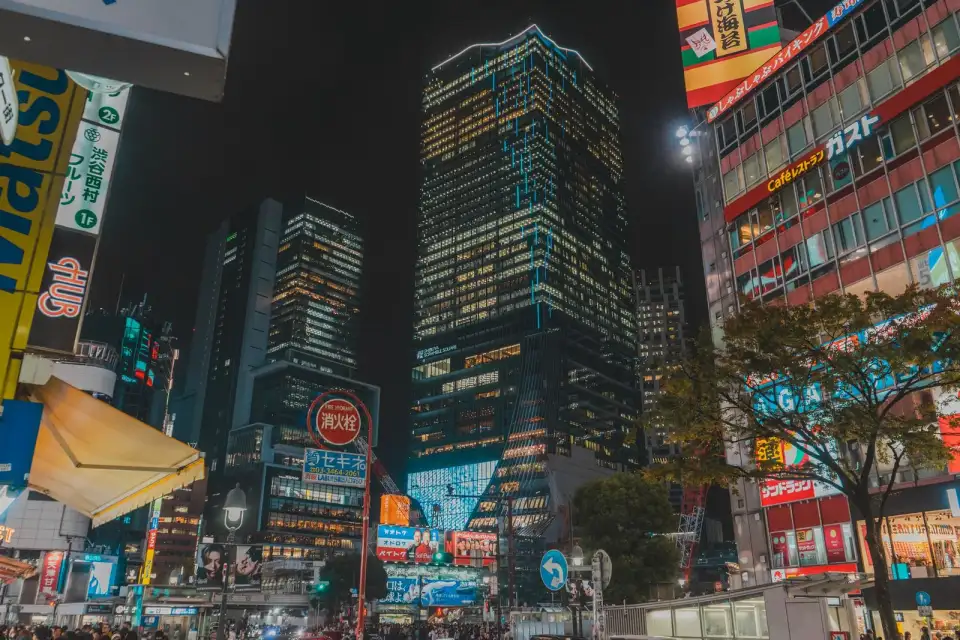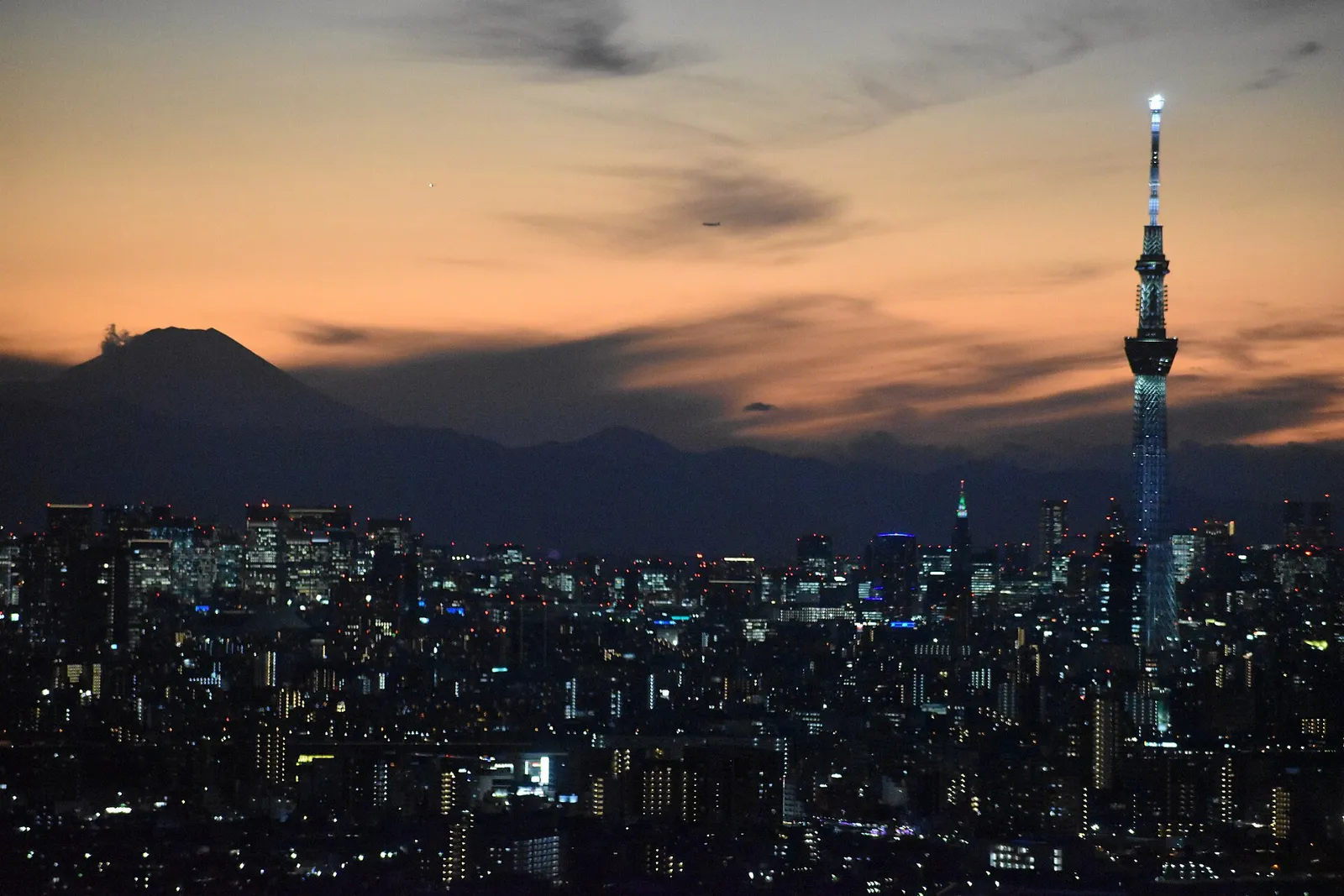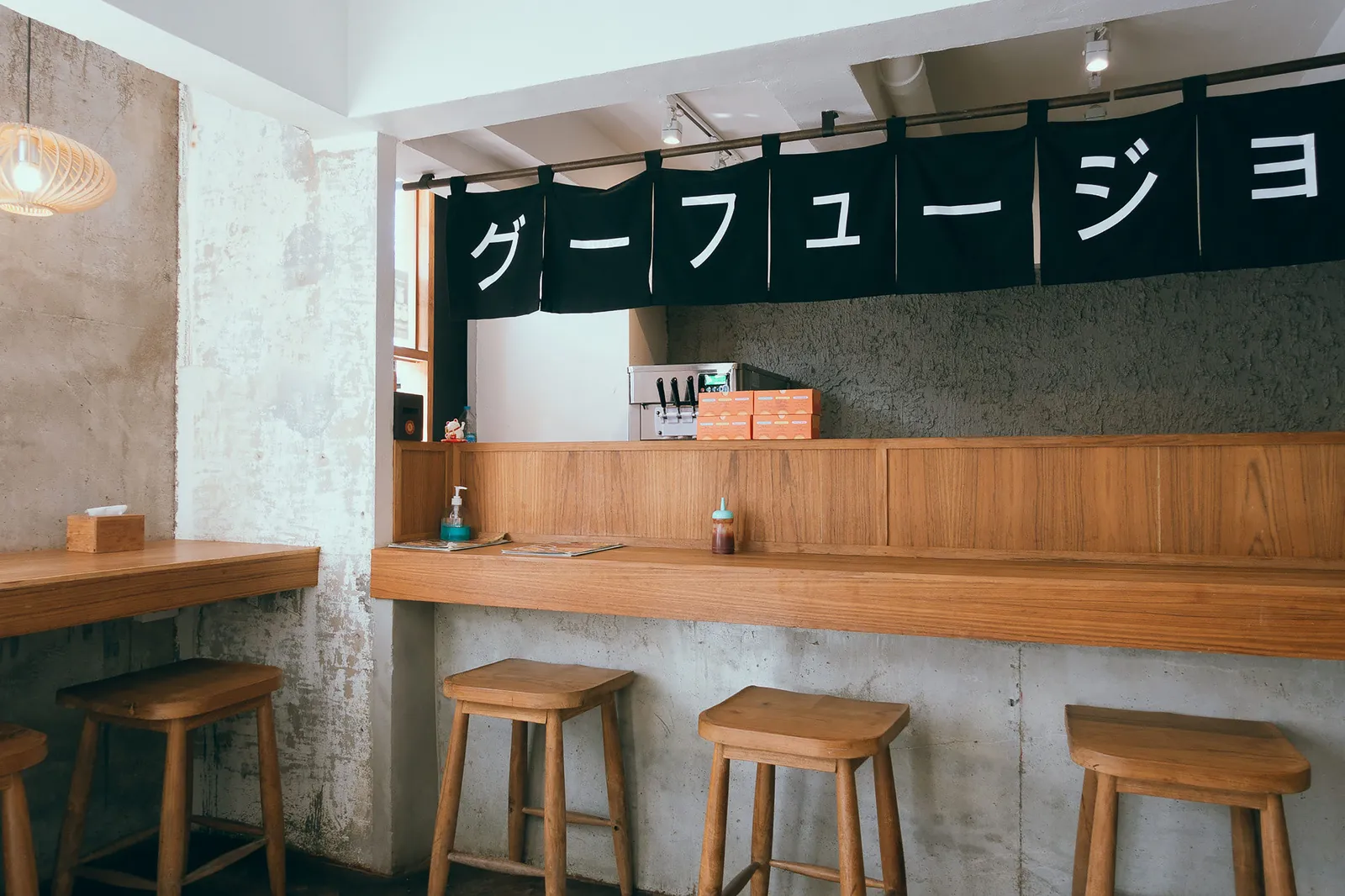
There is a word in Japanese for eating alone and it carries no particular stigma, which tells you most of what you need to know. Japan is a country where a great many people commute alone, eat alone, drink alone at a standing bar for twenty minutes on the way home and take themselves off to an onsen town for a night alone, and the infrastructure has been built accordingly. For a visitor travelling by themselves, this produces a country where almost nothing has to be negotiated: the trains do not care, the restaurants have a seat facing the kitchen, and the hotels sell rooms for one at prices for one.
Why it works so well
Safety, at a level that changes what is comfortable to do at night.
Single seat restaurants, which are an entire category rather than an accommodation.
Business hotels and capsules, which price single occupancy properly.
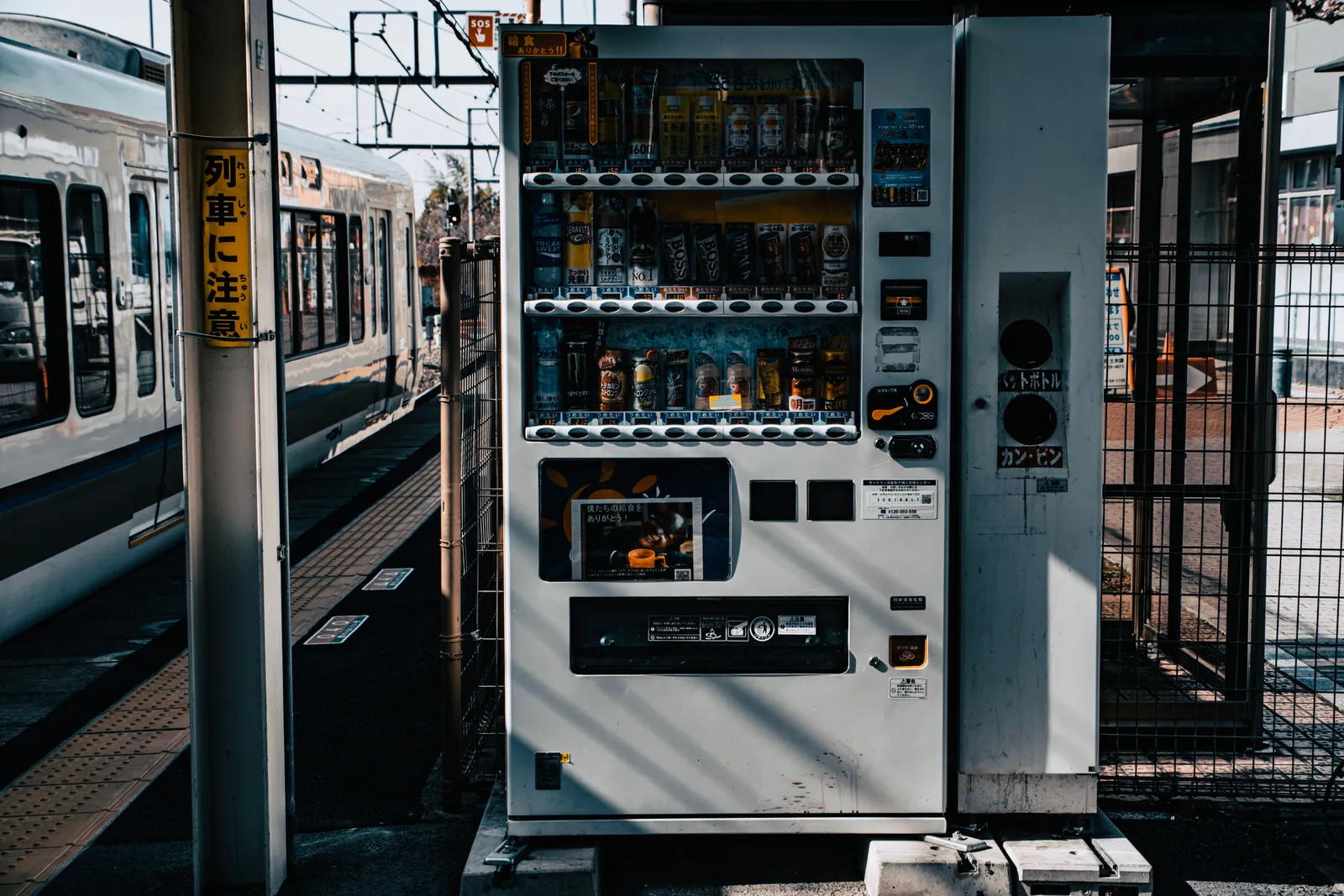
Transport that needs no interaction, from IC cards to ticket machines.
Nobody watching, since solitude in public is completely ordinary here.
Excellent luggage infrastructure, with coin lockers everywhere and forwarding between hotels.
Eating alone, which is the best part
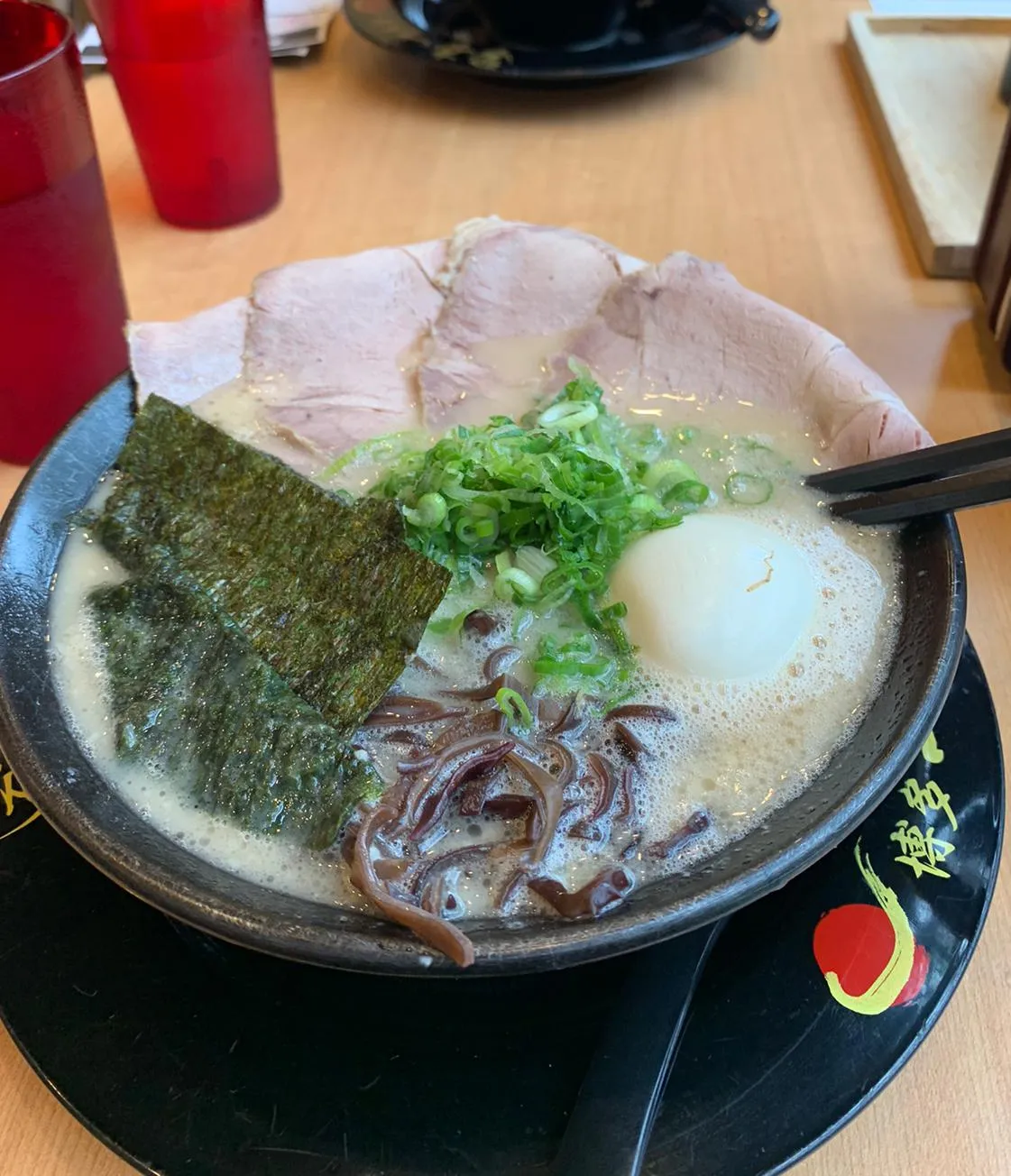
Ramen counters, many with a ticket machine at the door so you barely speak.
Curry houses and gyudon chains, fast, cheap and built for one.
Standing bars, where a single drinker is the default customer.
Conveyor sushi, with a tablet to order from.
Individual booths in some chains, with a curtain and a hatch.
Department store food halls, where you assemble whatever you want and eat it in a park.
Meeting people
Hostels and guesthouses, which have the social side and organise things.
Standing bars and small counter places, where conversation starts sideways.
Food tours and guided walks, which are the reliable way to meet both locals and other travellers.
Language exchange evenings, which exist in the big cities and are welcoming.
Onsen towns, where the shared bath is a leveller.
And accept that it takes more initiative than in a backpacker country, because Japan is not one.
Where it costs more
Ryokan, comfortably the biggest single supplement in Japanese travel.
Taxis, which are expensive and not shareable.
Some set meals and courses, priced per two.
Certain experiences with a two person minimum, though fewer than you would expect.
Everything else is effectively the same price as it would be for one of a pair.
Practical notes for travelling alone
Coin lockers at every station, which remove the need to carry anything all day.
Luggage forwarding between hotels, which is a normal domestic service and cheap.
Women only carriages on some lines at certain hours, marked on the platform.
Convenience stores for anything at any hour, which matters more when there is nobody to send.
Tell somebody your route before any mountain walk, since the popular trails are busy and the others are not.
And book the onsen town midweek, when single rooms are easier to find.
Where it is genuinely hard
The ryokan question, which is the honest one.
Long distance driving alone, which is legal, safe and simply tiring with no second driver.
Deep countryside evenings, where the one restaurant may be closed and there is no alternative.
Language in rural areas, which is manageable but wearing without anybody to share it with.
And nothing else, which is not a sentence that applies to many countries.
Where this fits in a Japan trip
As a way of travelling rather than a route, and one this country supports better than anywhere else.
For everything a first Japanese trip needs to know before arriving, our first time in Japan guide covers the ground.
For the single greatest institution in solo dining anywhere, our ramen guide covers the shops and the ticket machines.
And for what it all costs and where the solo premium actually falls, our Japan budget guide has the numbers.
The short version
Filter for single rooms rather than taking doubles, since Japanese business hotels price one person properly and capsule hotels are better than they sound. Eat at counters, which is what they are for, and use the ticket machine ramen shops where you barely have to speak. Use coin lockers and luggage forwarding so you are never carrying anything. Expect the ryokan to be the one genuine solo premium and book it early if you want it. And take the initiative on meeting people, because Japan is reserved rather than unfriendly and the difference matters.