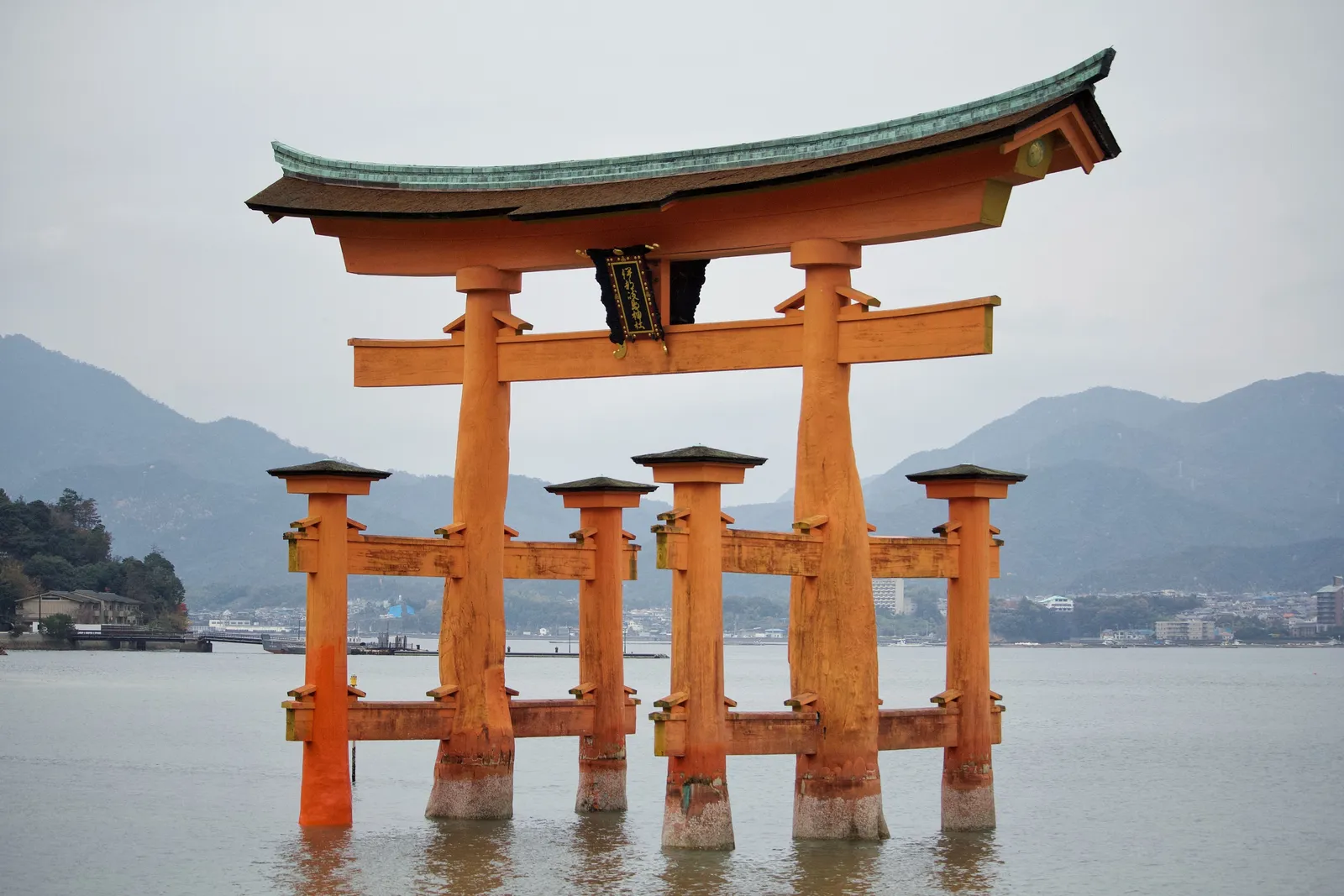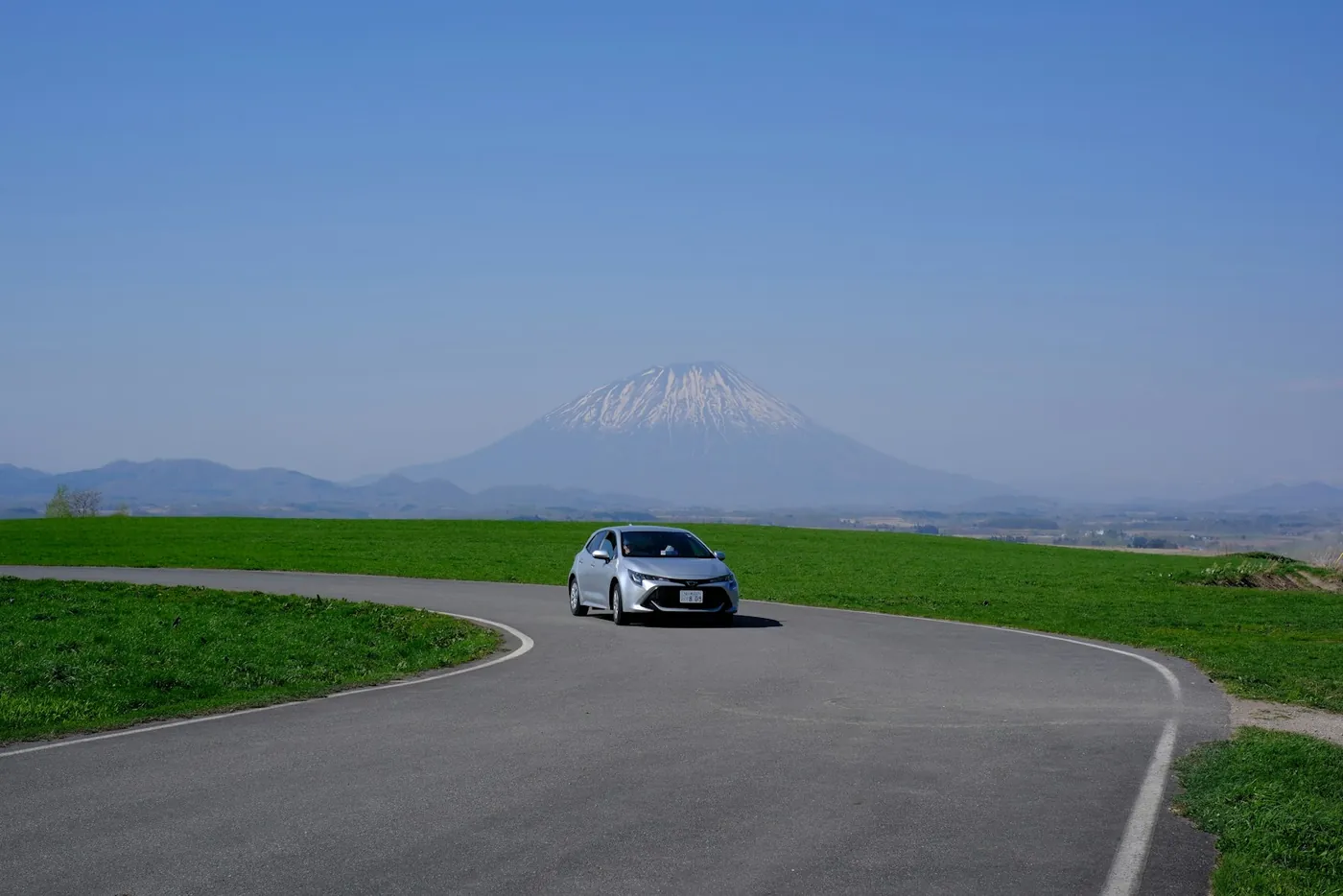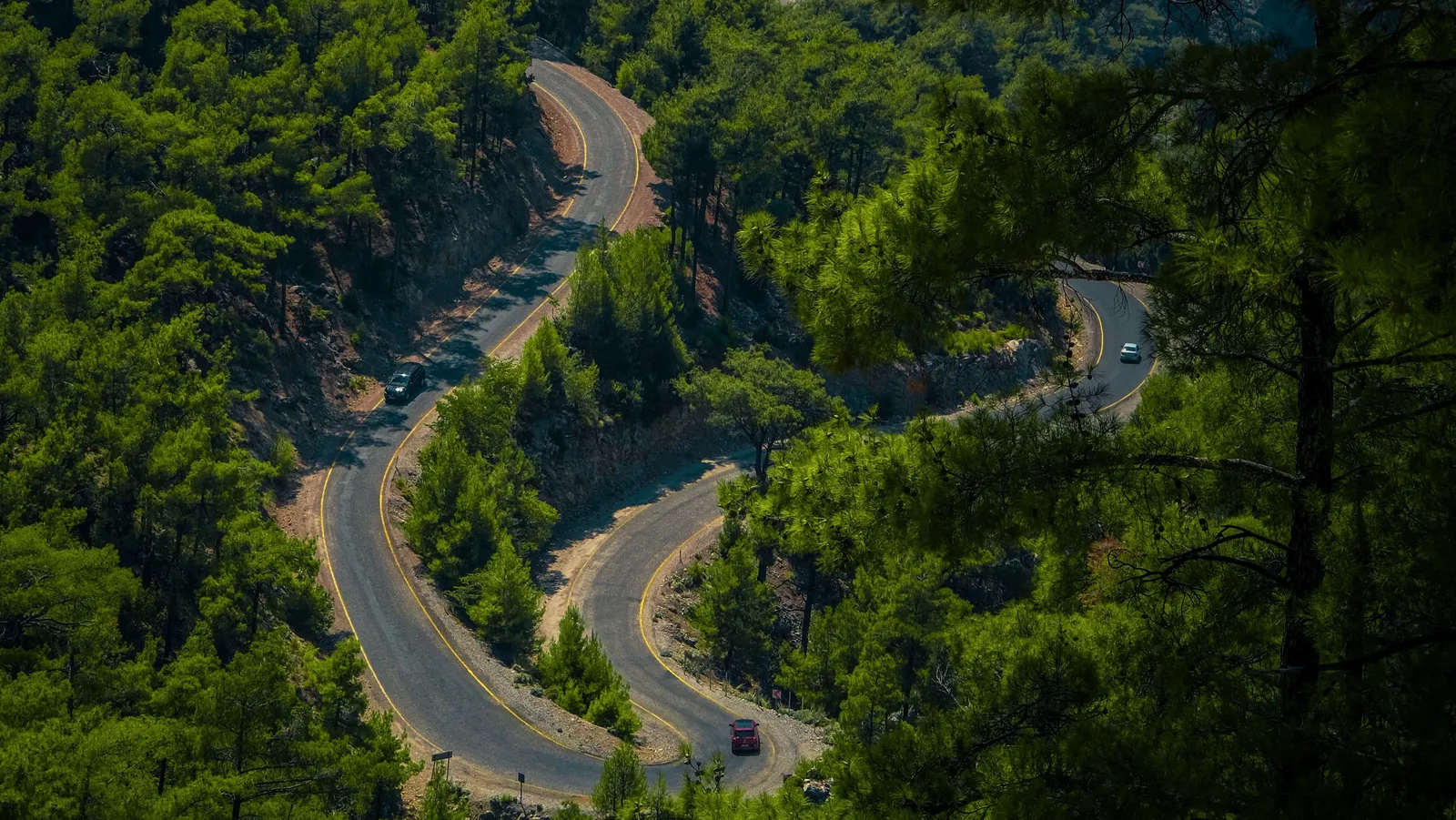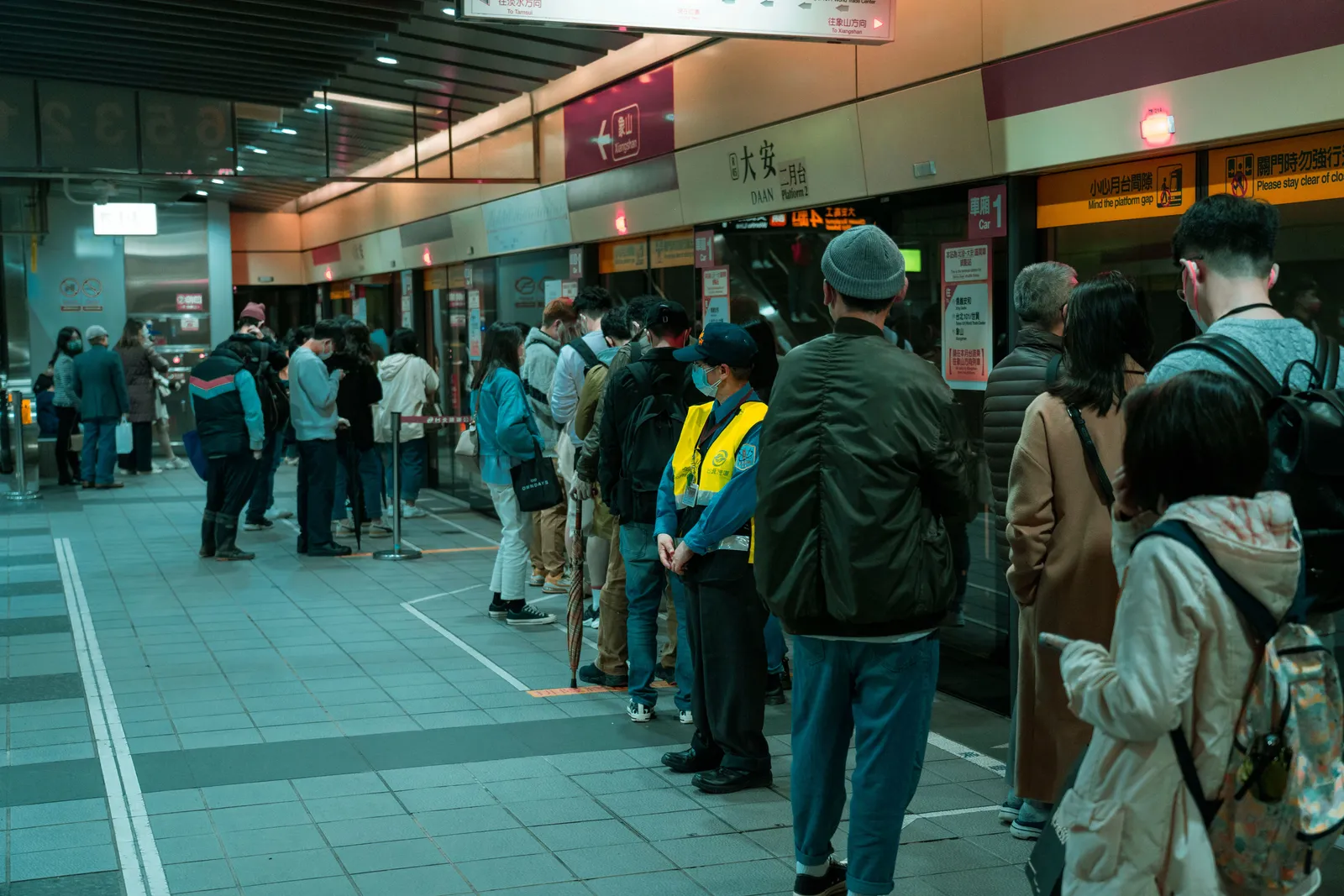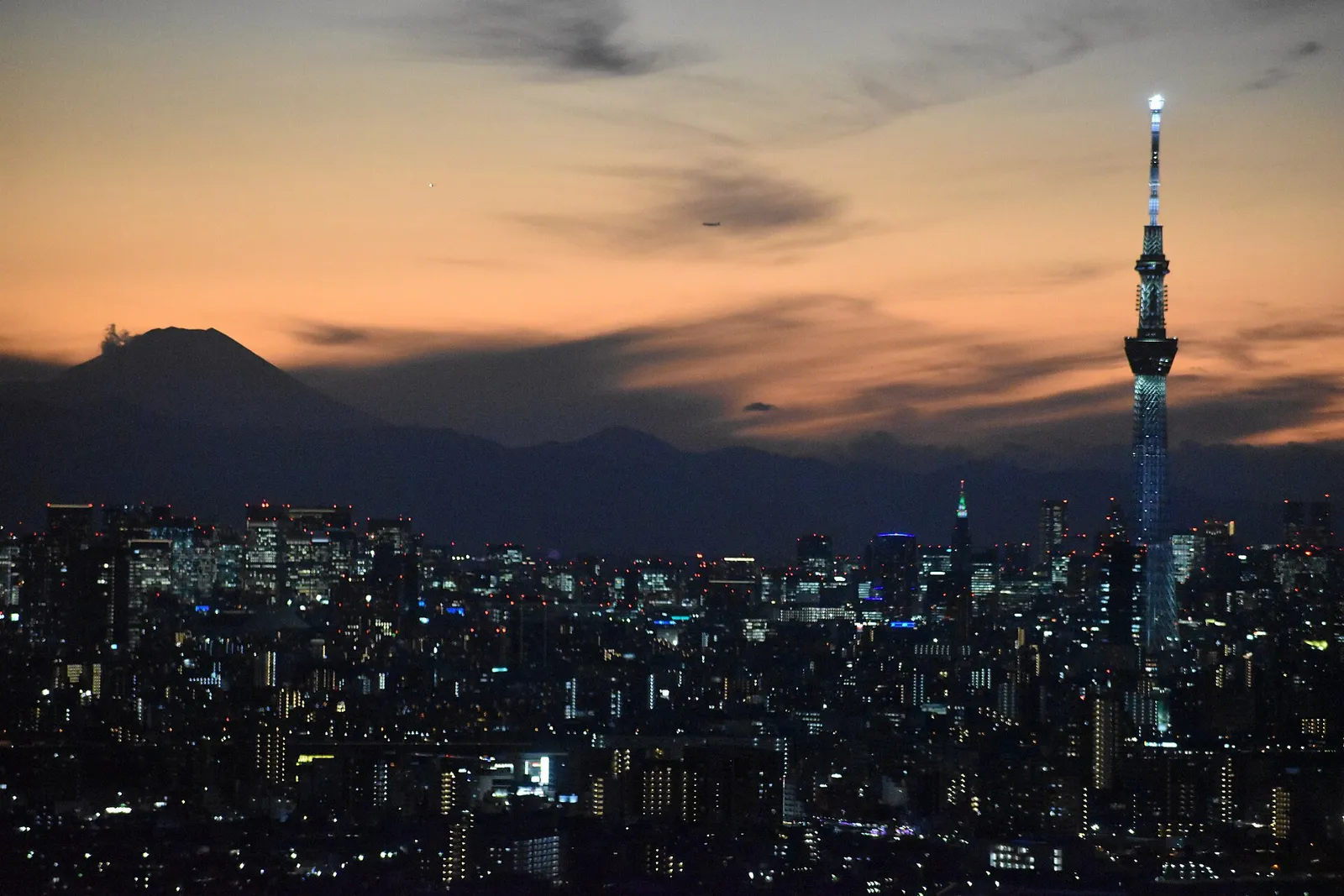
Japan is one of the easiest countries in the world to travel well and one of the easiest to overthink. The trains run to the second, the cities are astonishingly safe, and even a total stranger will walk you three blocks to the door you were looking for. What trips up first-timers is not danger or chaos, it is the small stuff: how the tickets work, when to carry cash, and the handful of quiet rules that keep everyone moving. Get those sorted before you fly and Japan unfolds like clockwork. This is the guide we wish someone had handed us the first time.
When to go
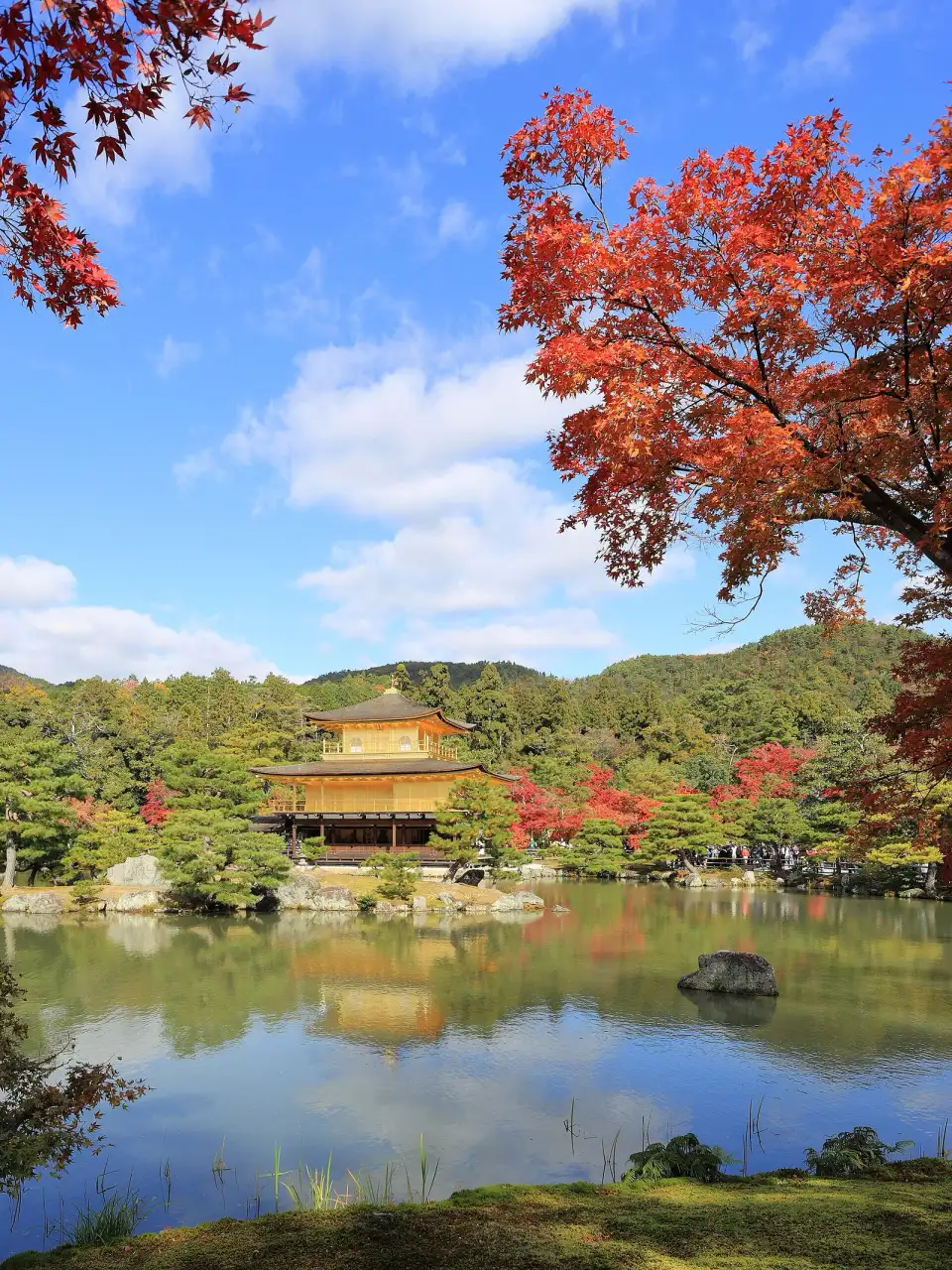
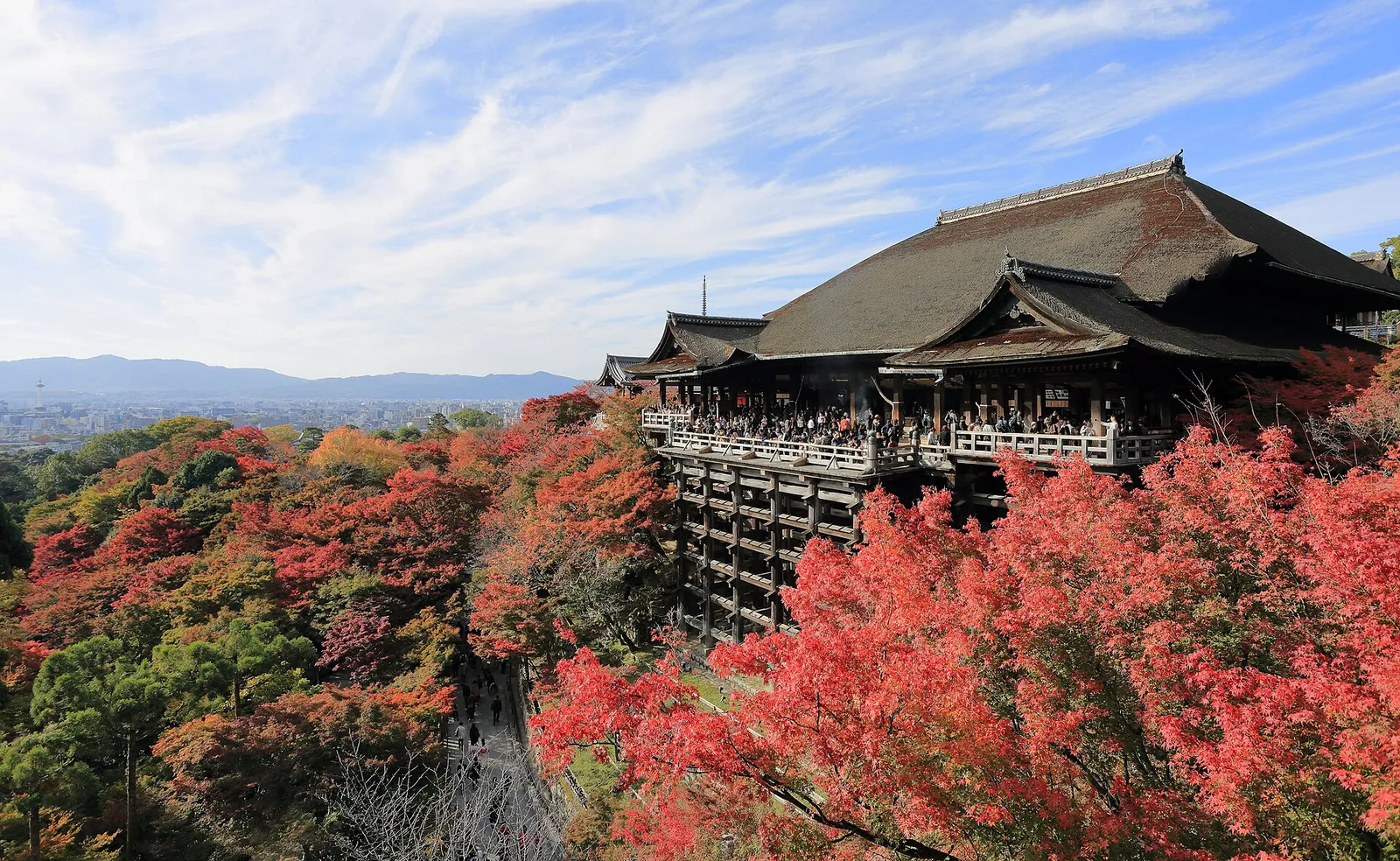
Japan has four real seasons, and the shoulders are the sweet spots. Spring brings the cherry blossoms, roughly late March to early April in Tokyo and Kyoto, and it is beautiful, busy and expensive. Autumn, especially November, delivers fiery maple leaves and some of the most comfortable weather of the year. Summer is hot and humid with a rainy stretch in June and July, though the mountains and the northern island of Hokkaido stay pleasant. Winter is cold but clear in the cities and superb for skiing and steaming outdoor onsen.
If you can, aim for late May and June before the heat sets in, or early October before the autumn-leaf rush: mild temperatures, big skies, and fewer of the peak-season crowds that swamp the headline sights. Two windows are worth planning around rather than into, because the whole country is on the move in both. Golden Week, the cluster of national holidays in late April and early May, packs the trains and the hotels. So does the second half of November, when the maples peak in Kyoto and central Japan. Whenever you go, book flights and hotels early for the cherry-blossom and autumn-leaf windows, when the whole country travels at once.
The visa, in one paragraph
Most visitors from the US, UK, Ireland, EU countries, Canada, Australia and New Zealand get up to 90 days visa-free for tourism, granted on arrival with no paperwork beyond the standard landing and customs forms, which you can now fill in online ahead of time to speed up the airport. The exception worth naming is South Africa, whose passport holders do need a visa before travelling, applied for through Japan’s official eVisa system. Check the rules for your own passport before you fly, wherever you are flying from, keep proof of onward travel handy, and make sure your passport covers your whole stay. For most people that is genuinely the entire visa story.
Getting around: trains, not cars
Forget renting a car for a first trip. Japan runs on trains, and they are the best part of getting around. Between cities you take the shinkansen, the bullet train, which links Tokyo, Kyoto, Osaka, Hiroshima and beyond at up to 320 km/h, smoothly and always on time. Within cities you take the metro and local lines, which reach almost everywhere you will want to go.
The single best thing you can do is get an IC card: Suica, Pasmo or ICOCA. It is a rechargeable tap-to-ride card (also available inside Apple Pay and Google Wallet on supported phones, which many non-Japanese Android handsets are not) that works on trains, buses and even convenience stores across most of the country. Tap in, tap out, top up when it runs low, and never queue for a paper ticket again.
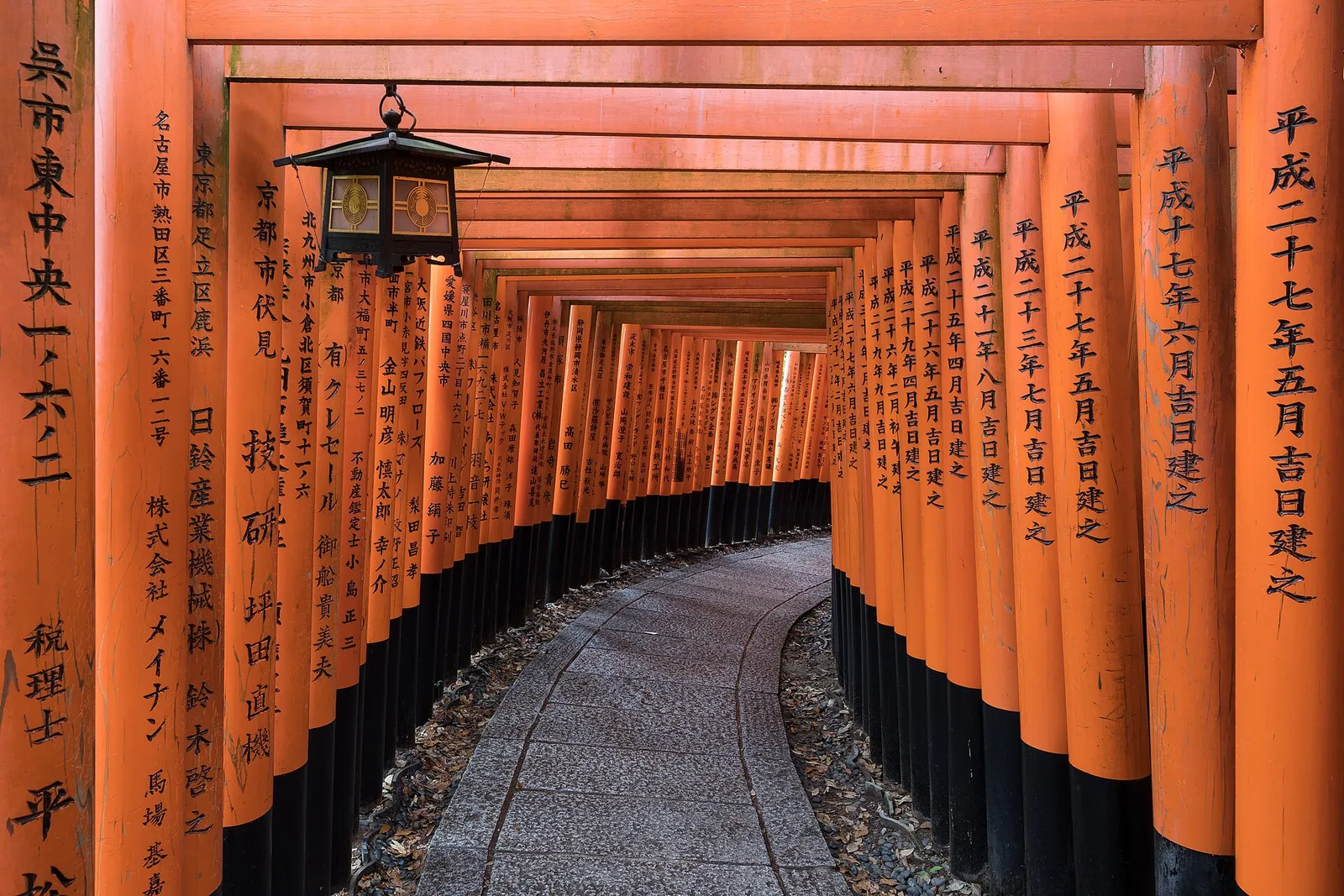
Is the JR Pass worth it?
This is the question every first-timer asks, and the honest answer is: it depends, and often no. The nationwide JR Pass rose sharply in price in recent years and went up again for passes bought through overseas agents from 1 October 2026, so it no longer pays for itself automatically. It makes sense mainly for long, multi-city trips that string together several bullet-train routes, for example Tokyo to Kyoto to Hiroshima and back within the pass window. If your trip stays around Tokyo, or Tokyo plus a single side trip, individual shinkansen tickets plus an IC card will usually come out cheaper.
Before you buy anything, add up the individual fares for the trips you actually plan to take, then compare that with the current pass price. There are also cheaper regional passes (Kansai, Hokuriku, JR East and others) that can be a much better deal if your travels cluster in one area.
Reserve your rail travel before you arriveSort your pass or bullet-train seats in advance so you land ready to rideMoney: yes, you still need cash
Japan feels futuristic, yet it remains surprisingly attached to cash. The currency is the yen (JPY), and the rate has moved a long way in recent years, so check a converter before you go rather than trusting a figure in an old guide. Big hotels, department stores, chain restaurants and convenience stores take cards happily. But small family restaurants, shrines, markets, older shops and anything rural can still be cash only.
Carry a comfortable float of notes, and top up at a convenience-store ATM: the machines in 7-Eleven and Japan Post branches reliably accept foreign cards, around the clock. One more thing that surprises everyone: tipping is not customary in Japan, and trying to tip can cause polite confusion. The service is included and genuinely excellent regardless.
The etiquette that actually matters
You do not need to memorise a rulebook, but a few habits mark you as a considerate guest. Keep your voice down on trains and set your phone to silent; the quiet of a Japanese carriage is a small national treasure. Do not eat while walking in most places; step aside and finish your snack near the shop. Slip your shoes off when a sign, a step up, or a rack of slippers tells you to, in ryokan, temples and many homes and restaurants. Carry a small bag for your rubbish, because public bins are scarce. And in an onsen, you wash thoroughly at the taps before you soak, and you go in with no swimsuit.
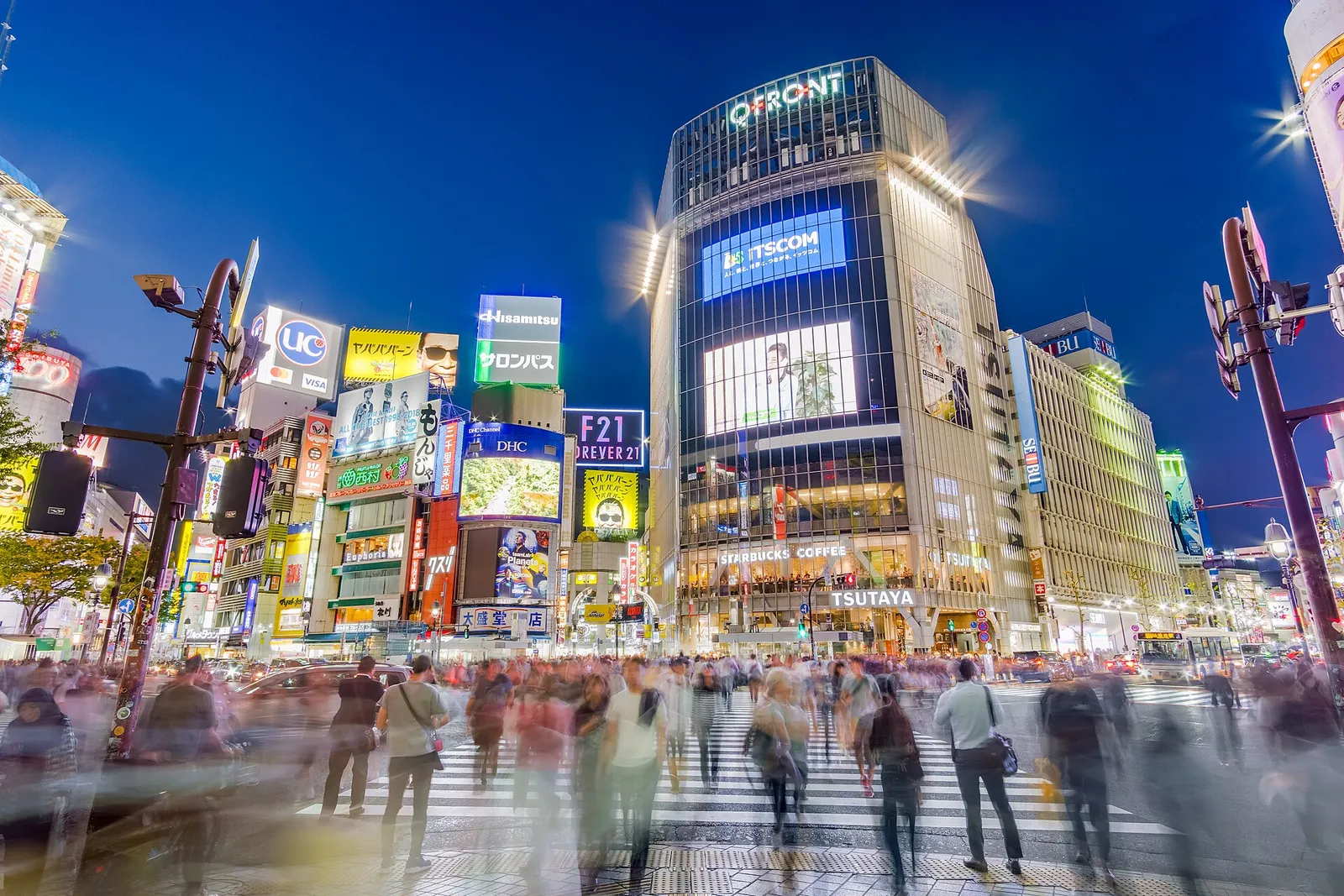
What to book ahead, and what to leave loose
Book your first two nights so you land somewhere sorted, any experiences with limited capacity (a popular food tour, teamLab, a Ghibli-adjacent ticket, a sumo tournament in season), and an eSIM so your phone has data the moment you switch it on. Reserve shinkansen seats for peak travel days. Almost everything else, restaurants, day trips, extra museums, can be arranged on the ground, so resist over-planning. Japan rewards leaving room to wander down one more lantern-lit alley.
What a first trip actually looks like
The route decides more about a first trip than any other choice, and the country’s geography makes the good answers few.
| Length | The shape | What to skip |
|---|---|---|
| One week | Tokyo plus Kyoto, shinkansen between them | A third city |
| Ten days | Tokyo, Kyoto, and Osaka or Hakone | Hiroshima unless it matters to you |
| Two weeks | The same three unhurried, plus one of Hiroshima, Kanazawa or Hakone | Hokkaido or Okinawa on a first visit |
The principle behind all three is fewer bases, longer stays. Every move costs half a day once you count checkout, station navigation, luggage and settling in, and Japan’s stations are large enough that this is not a rounding error. Fly or ride the long legs, then explore slowly from each base, where local trains are frequent and cheap.
The other reliable shape is city, then contrast. Tokyo and Kyoto sit at opposite ends of the same country and each is better for having seen the other, which is why the classic route has survived every trend in Japanese travel.
What it costs, honestly
Japan is no longer an expensive country for visitors in the way its reputation suggests, and the shape of the spending surprises people.
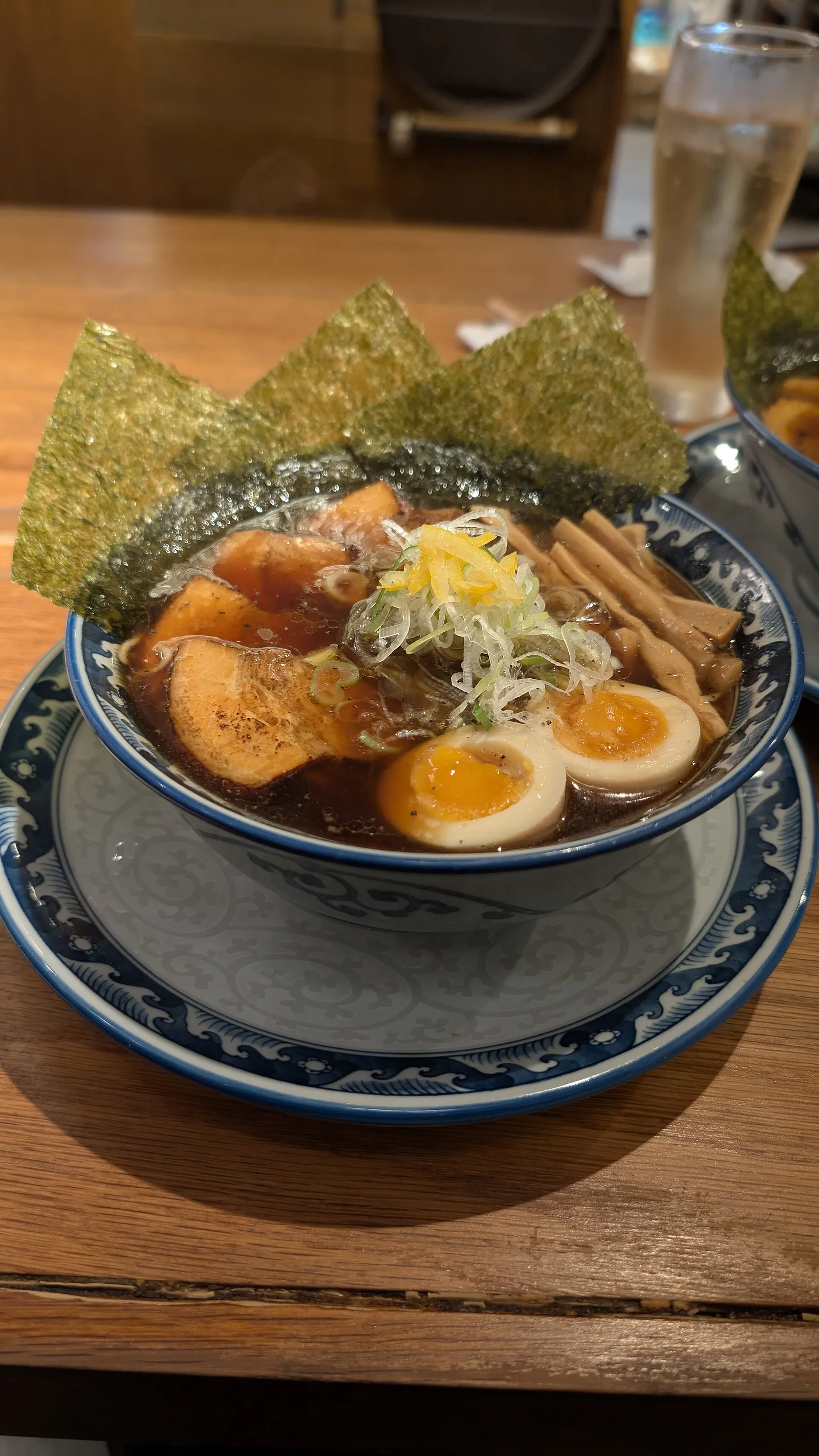
Food is cheap for the quality. A counter bowl of ramen, a standing-soba lunch or a convenience-store breakfast costs very little, and eating well every day does not require a large budget. Accommodation is the biggest line, particularly in Tokyo and Kyoto and in the peak weeks, and you pay extra for space, since rooms are compact by Western standards. Long-distance rail is the second, because it is priced properly and adds up quickly across a multi-city route. And sights are mostly inexpensive, with temples, shrines, parks and observation decks costing little or nothing.
Two things move the total more than daily habits: the season, since peak weeks can multiply hotel rates, and the exchange rate, which has swung considerably in recent years. Treat any figure you read, ours included, as a range and check a converter close to your dates.
Practicalities that make the trip smoother
Three small things solve a disproportionate share of first-trip friction.
Data. Almost everything runs through your phone here: routes, translation, restaurant queues, tickets. An eSIM bought before departure means it works the moment you land, and free wifi is not a reliable substitute once you leave the station.
Luggage. The takkyubin courier services move suitcases between hotels overnight for a modest fee, arranged at any front desk, and using one for the Tokyo-to-Kyoto leg turns the worst day of the itinerary into an ordinary one. Station coin lockers cover the short version.
Rubbish and shoes. Public bins are genuinely scarce, so carry a small bag for the day’s wrappers. And slip-on shoes are worth packing, because you will take them off more often than you expect, at temples, ryokan and plenty of restaurants.
Safety, and what to actually prepare for
Japan is among the safest countries in the world for travellers, and the preparation worth doing has almost nothing to do with crime.
Earthquakes are a normal fact of life here. Buildings are engineered for them, phones receive official early warnings, and the practical response is to follow instructions from staff and stay put rather than run. Typhoons are a late-summer possibility that can shut rail lines and flights for a day, which is an argument for slack in the schedule rather than for avoiding the season. And summer heat is a genuine health issue in July and August, when the humidity does most of the damage.
Save the local emergency numbers to your phone before you fly. It takes half a minute, and it is the one piece of preparation that is useless right up until it is not.
Two more things worth reading first
Most of what remains after logistics is pleasure rather than admin.
The food is the reason a lot of people come back, and it is also where a little knowledge goes furthest: how to order at a ticket machine, what to eat where, and the handful of table manners that matter. Our Japanese food guide covers it, and reading it before you land means your first meal is a good one rather than a nervous one.
And if you are still choosing the destination, the comparison most first-timers weigh is with South Korea, which is closer in feel than the map suggests and cheaper in several categories. Our comparison of Japan and South Korea sets the two side by side on cost, food, ease of travel and what a two-week trip actually covers.
And for the suitcase itself, where the list changes more between Japanese seasons than almost anywhere, our seasonal packing guide covers each one.
The short version
Go in spring or autumn if the crowds do not scare you, or the shoulders if they do. Get an IC card on day one, and only buy a JR Pass if the numbers say so. Carry more cash than feels normal, tip nobody, keep quiet on the train, and take your shoes off when in doubt. Do that, and your first trip to Japan will feel less like a logistics puzzle and more like the start of a lifelong habit of coming back.
A week in Japan is a real trip if you accept that it is two cities and not five. Our Japan in seven days is the honest first-timer route.