Japan is one of the easiest countries in the world to underpack for, because almost anything you forget is on sale within five minutes of wherever you are standing, at a reasonable price and usually in a better version than the one you left at home. It is also one of the easiest to pack wrongly for, because the seasons are genuinely distinct, the country runs from subarctic to subtropical, and a handful of items that never appear on a general packing list turn out to matter here every single day.
The things that matter in every season
Shoes that come off without sitting down, because you will remove them several times a day.
Socks without holes, for the same reason, and this is not a joke.
A small hand towel, which is what everybody carries and what many public toilets provide instead of a dryer.
A day bag that is not enormous, since space is tight on trains and in shops.
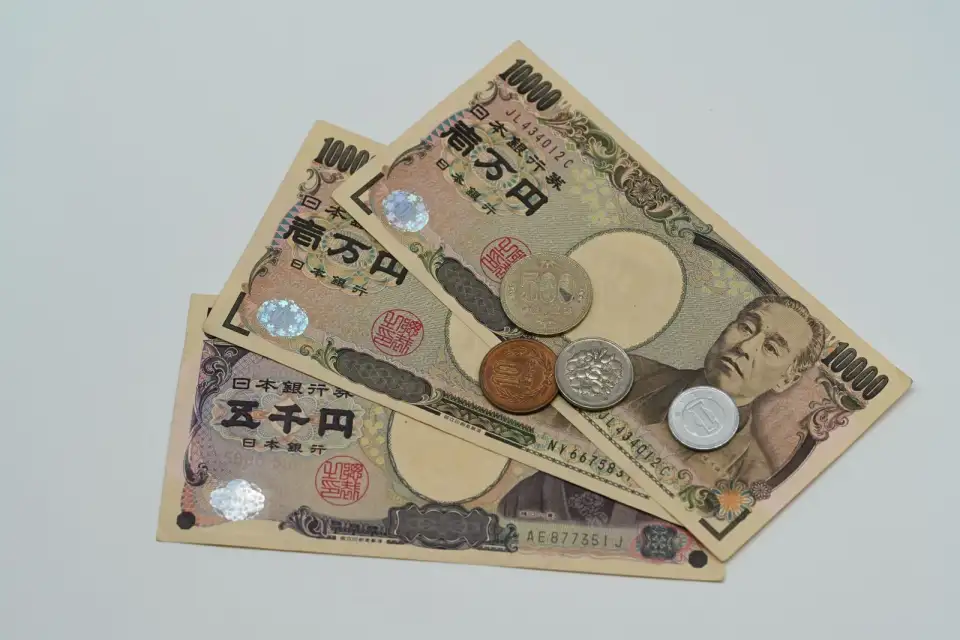
Cash and a coin purse, because coins accumulate fast here.
One tidy outfit, since Japan is neatly dressed and scruffiness stands out.
Spring, roughly March to May
Layers, because the same day runs from cold morning to warm afternoon.
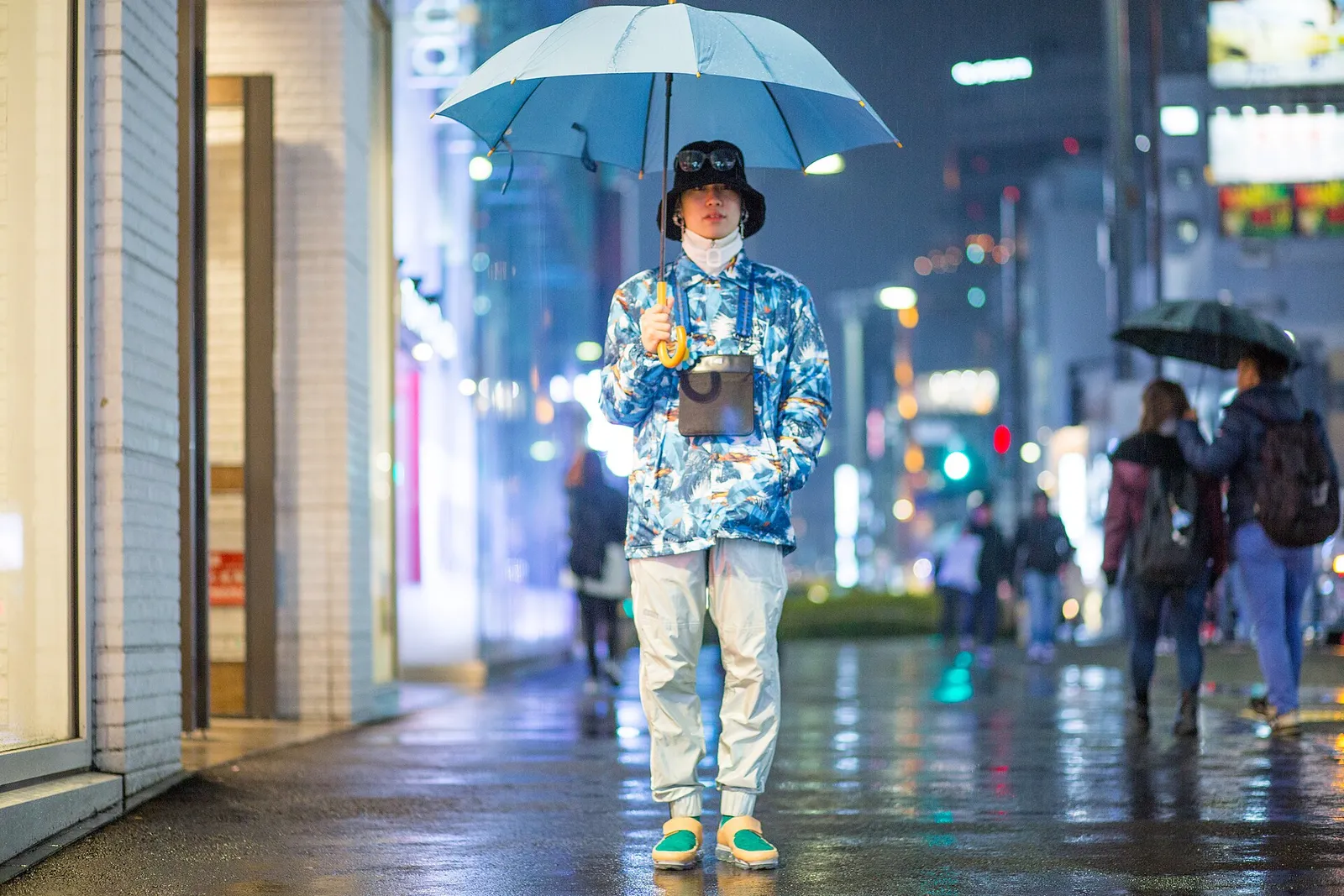
A light waterproof, since spring rain is frequent and brief.
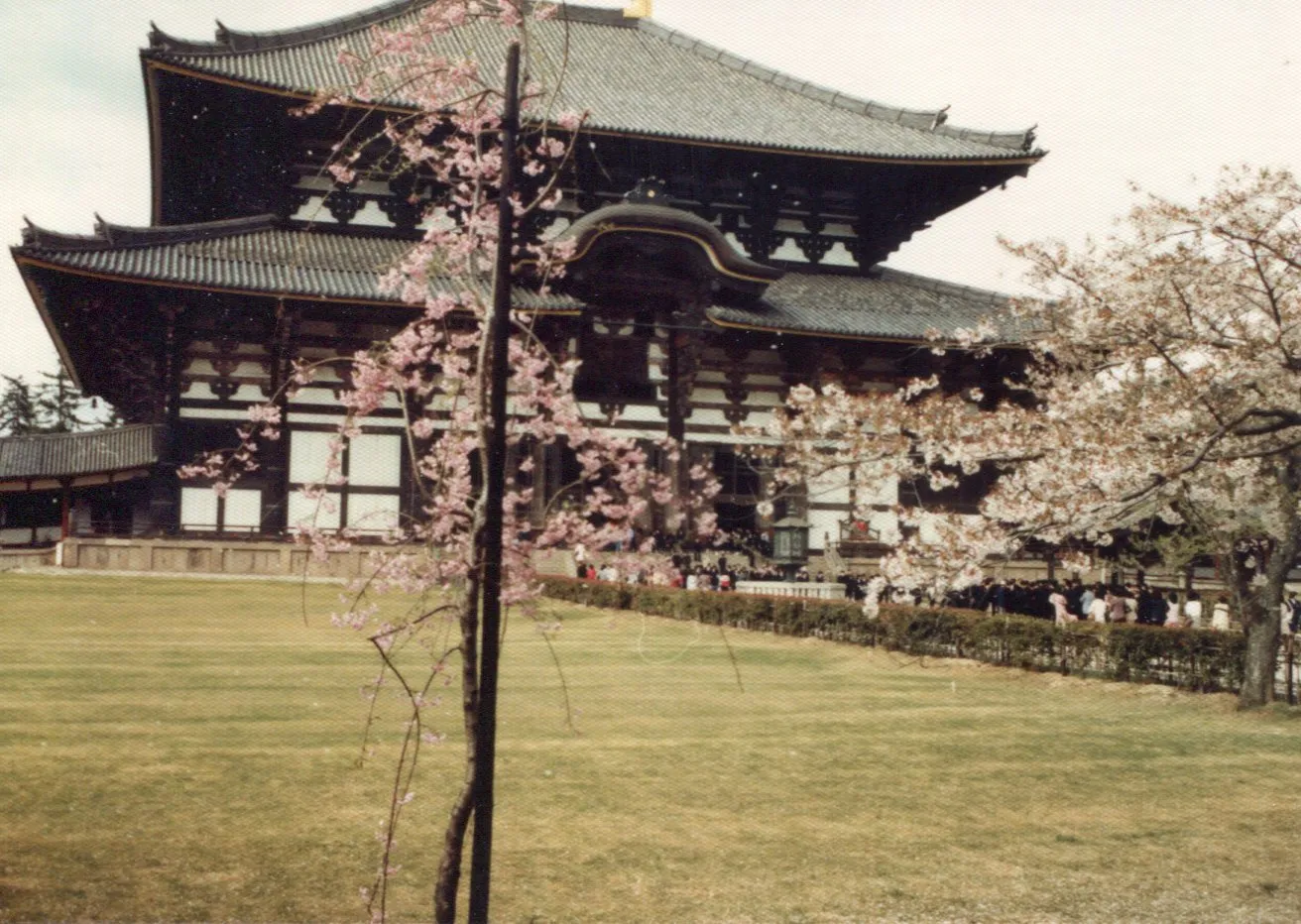
Something for the wind, which is the underrated part of blossom season.
Comfortable walking shoes, as this is the season people walk furthest.
Nothing heavy, since the cold snaps are short.
Summer, roughly June to August
Light, breathable, quick drying, because the humidity is the story rather than the temperature.
More shirts than you plan, since you will change during the day.
A hand towel and a fan, which is what everyone around you is carrying.
Sun protection, and Japan sells excellent versions of all of it.
A compact umbrella, or buy the transparent convenience store one on the first wet day.
Something warm for indoors, because air conditioning here is enthusiastic.
Autumn, roughly September to November
The best packing season, with mild days and cool evenings.
Layers again, and a proper jacket by late November.
Rain gear early on, since the typhoon season overlaps the start of it.
Walking shoes, because autumn is the other season people walk all day.
Winter, roughly December to February
A warm coat for the cities, which are cold, dry and often sunny.
Proper boots and waterproofs for the north and the Sea of Japan side, which are genuinely snowy rather than merely cold.
Layers for indoors, since heating is frequently room by room rather than central.
Gloves, hat and thermals if the plan involves mountains, snow or early mornings.
Nothing at all extra if the trip is Tokyo to Kyoto and you own a winter coat.
What to leave at home
Bulky towels, since accommodation provides them and onsen rent them.
Most toiletries, which are excellent, cheap and everywhere.
Heavy guidebooks, given the phone in your pocket.
A large suitcase, which the rooms and the trains will punish.
Tipping money, because there is no tipping here at all.
The onsen and ryokan question
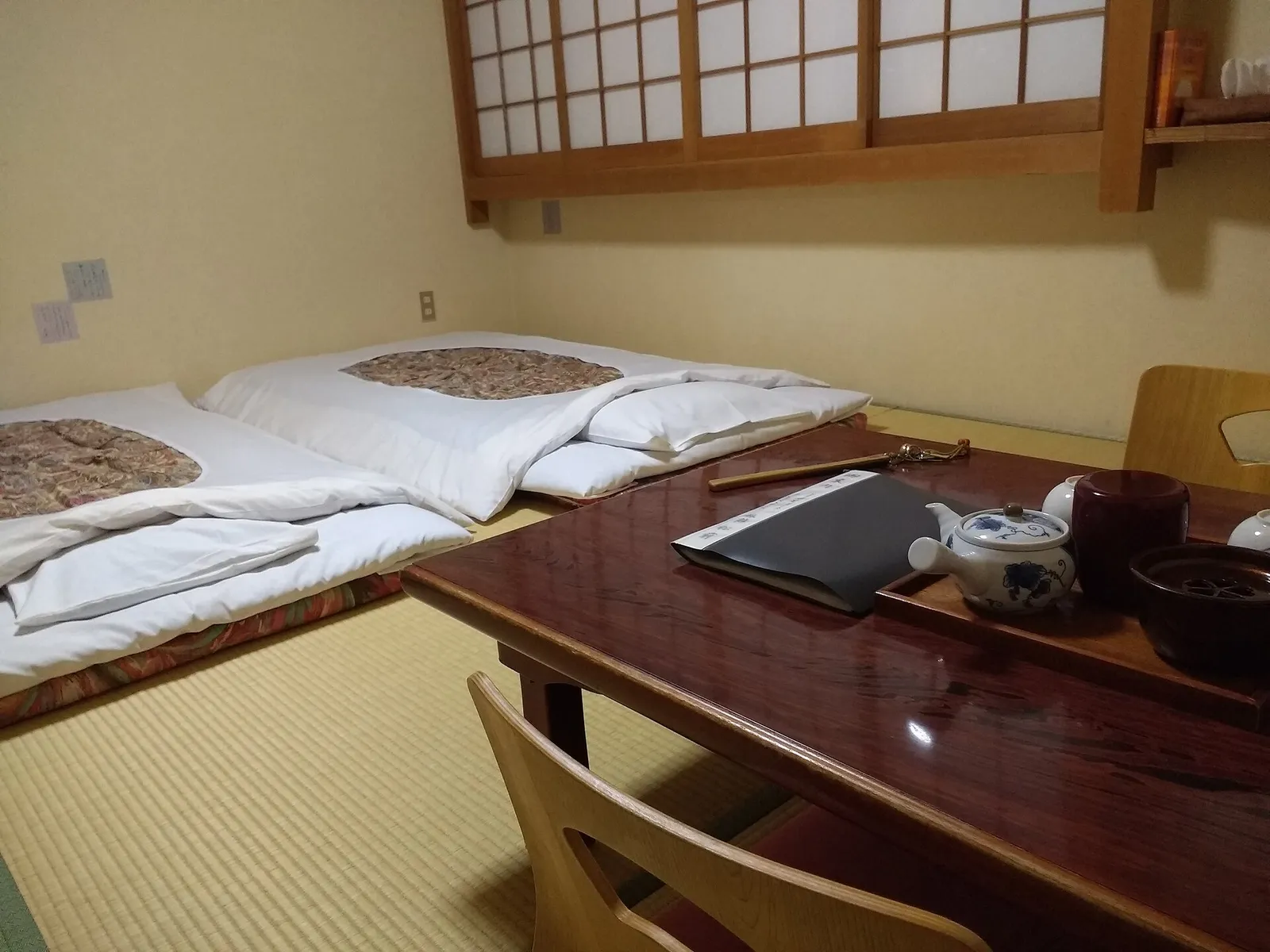
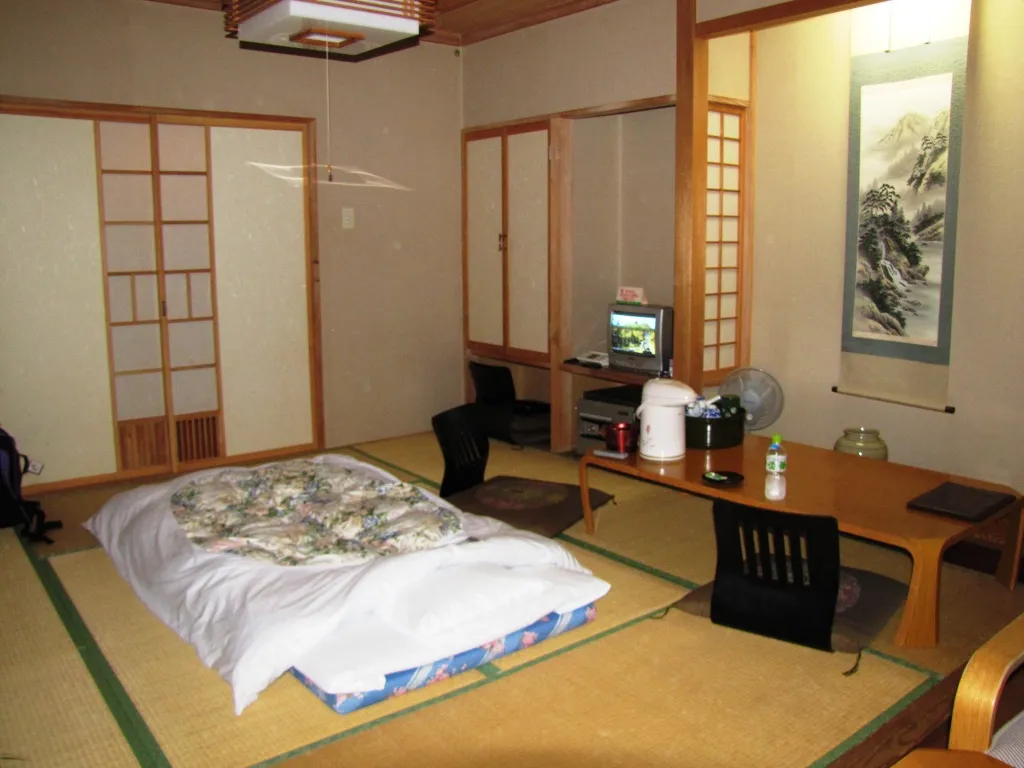
Nothing special is needed, since ryokan provide the yukata, the towels and usually everything else.
Swimwear is not worn in a traditional onsen, which is a common misunderstanding.
Tattoos are a real consideration at some baths, and the situation varies by establishment.
A small towel is used in the bathing area and is often rented or provided.
Slip on shoes again, which is the whole ryokan experience in one item.
Where this fits in a Japan trip
Twenty minutes the week before, once the dates are fixed, since the season decides most of the list.
For choosing which season you are packing for in the first place, our guide to the best time to visit Japan covers the year.
For what a night in a ryokan actually provides, which is most of what you would otherwise pack, our ryokan guide covers it.
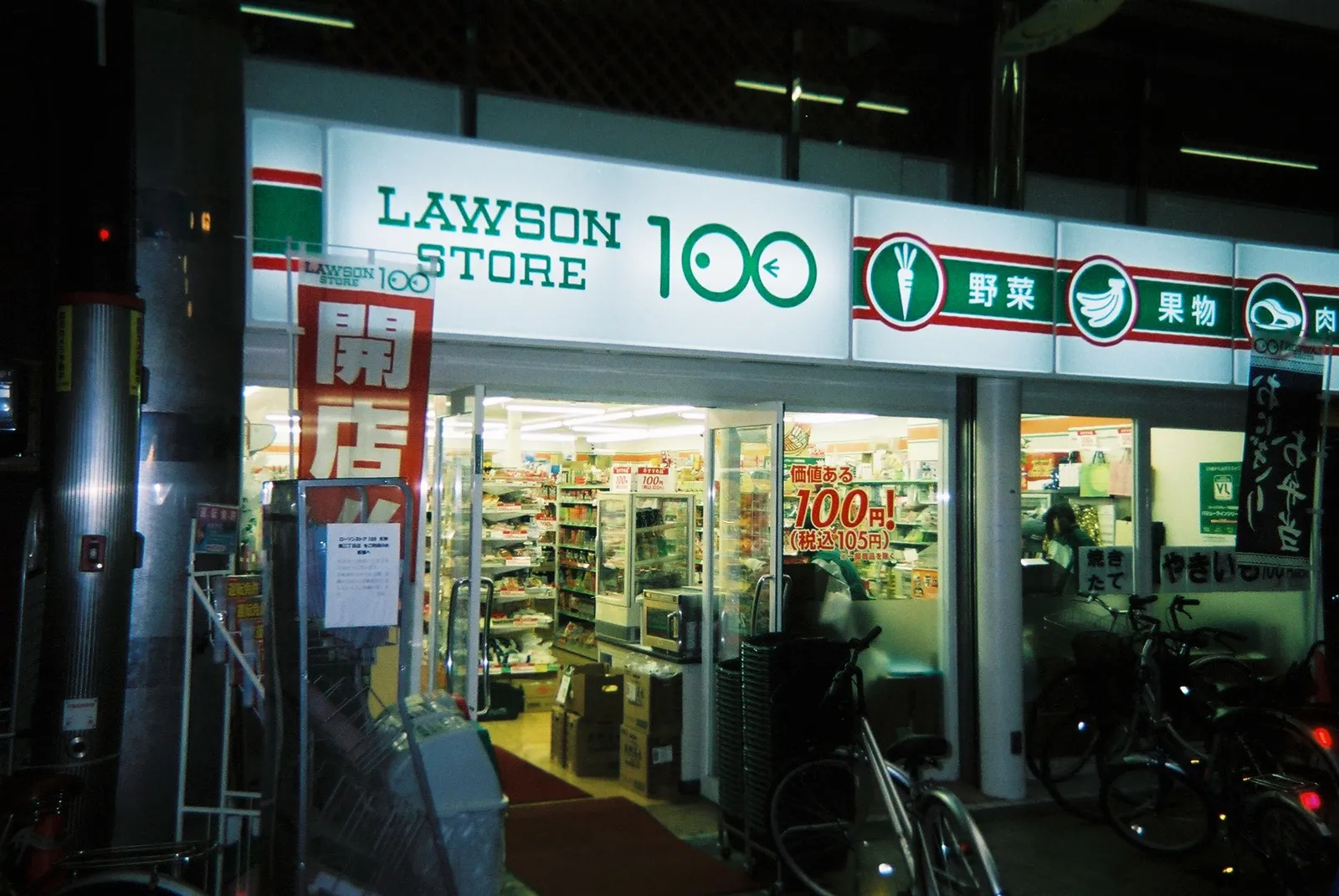
And for the shop that will supply everything you forgot, our convenience store guide explains why it is more useful than it sounds.
The short version
Pack a week of clothes whatever the trip length, take slip on shoes and socks without holes, carry a small hand towel, and leave the big suitcase at home. In summer, pack for humidity rather than heat and add something warm for the air conditioning. In winter, a city coat is enough for Tokyo and Kyoto and the northern snow country needs real boots. Bring anything prescription, anything in a large size and your own shoes, and buy everything else there, where it is cheaper, closer and usually better than what you would have carried.