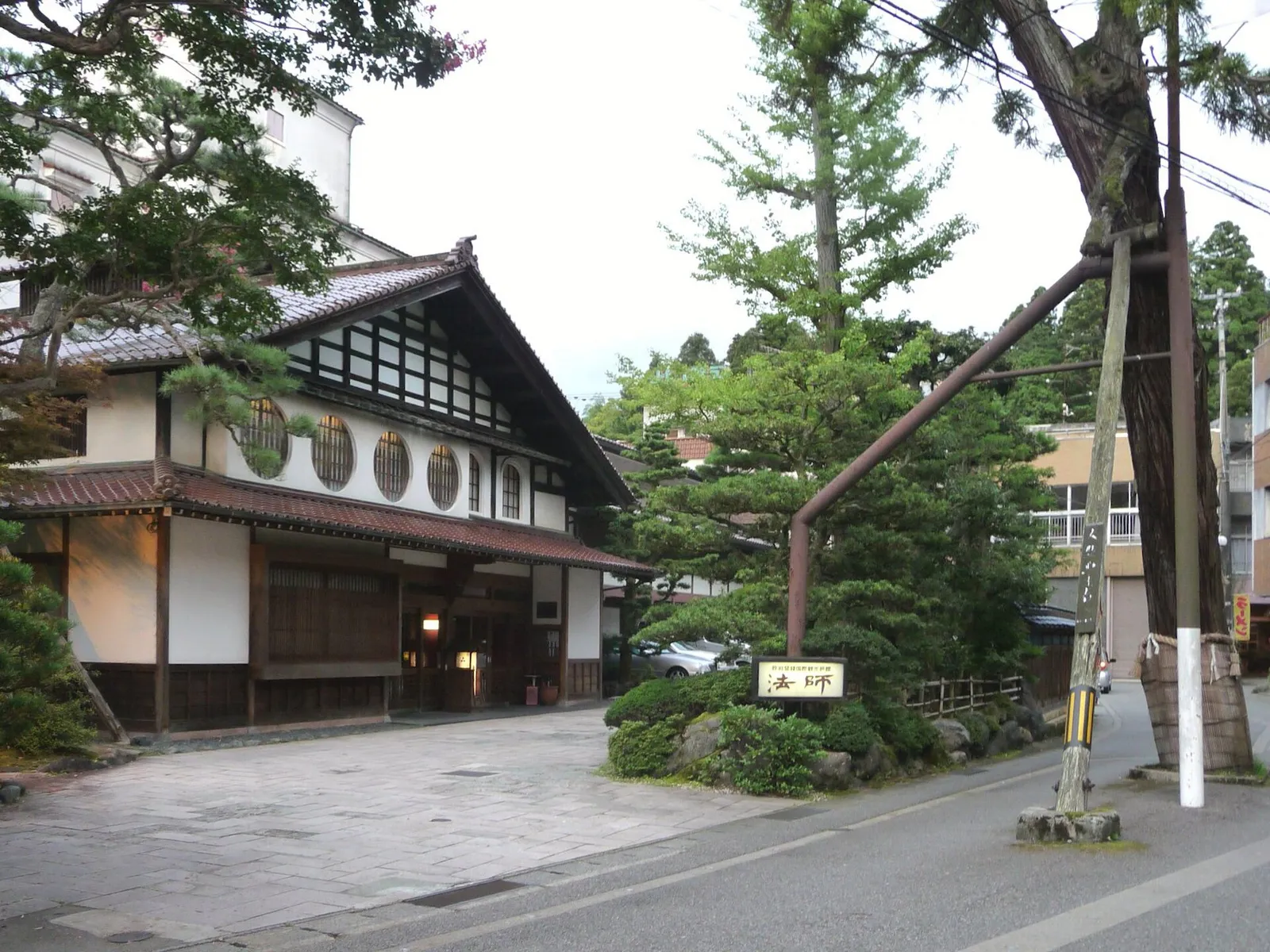
A ryokan is not a hotel with Japanese decoration. It is a different product with its own sequence, and the sequence is most of the point: you arrive in the afternoon, change into a robe, bathe, eat an extremely long dinner, sleep on the floor, bathe again before breakfast and leave in the morning. Everything is included and almost nothing is optional. Understood in advance it is one of the best nights available anywhere. Walked into blind it can feel like a series of small tests.
The sequence
Arrive mid afternoon, because the day is built around dinner and there is no point turning up at nine.
Shoes off at the entrance, into slippers, which come off again at the tatami.
Green tea and a sweet in your room, often brought by the person who shows you in.
Change into the yukata, which is what you wear for the rest of the stay.
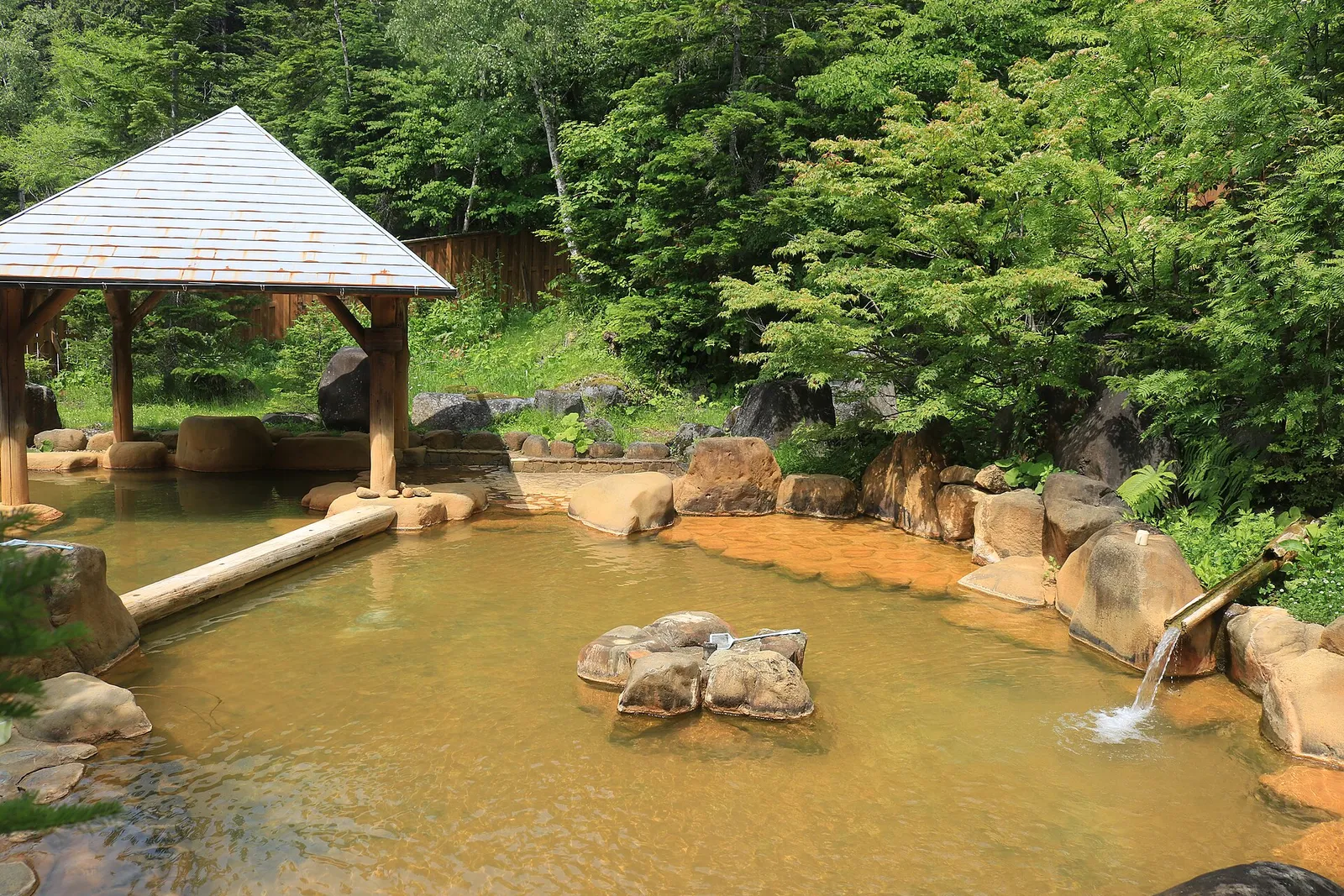
Bathe before dinner, which is the local order and the one the timing assumes.
Dinner at your chosen hour, in a dining room or in your own room depending on the inn.
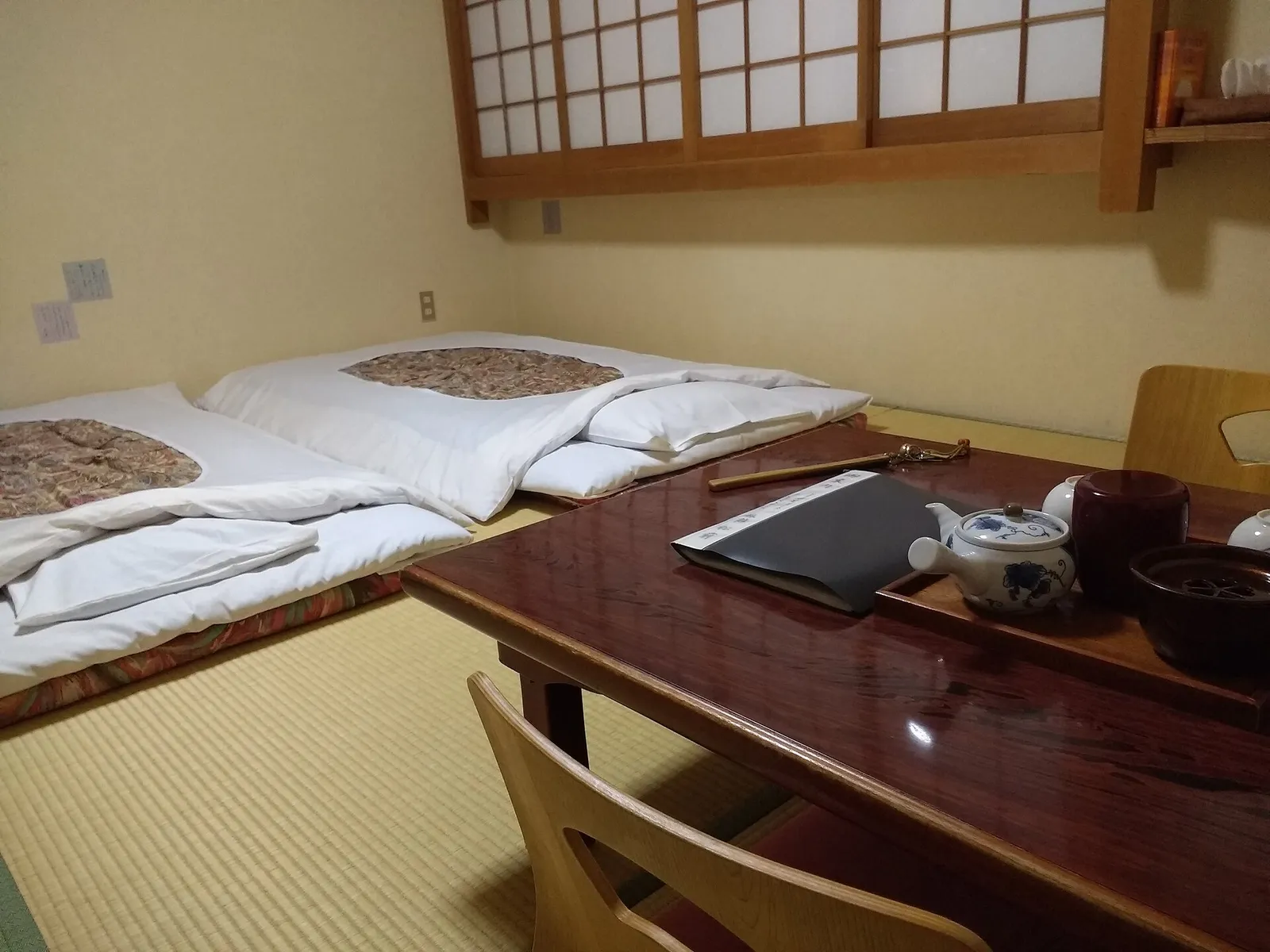
The futon appears while you are eating, laid out on the tatami.
Bathe again in the morning, then breakfast, then out by ten or eleven.
The room
Tatami floor, which means no shoes, no slippers and no suitcase wheels.
A low table and floor cushions, with the table sometimes cleared to make room for the bedding.
Sliding paper screens rather than solid walls, which means sound travels.
A veranda space with chairs by the window in older inns.
No bed until it is put out for you, which surprises a good number of guests.
A safe, a fridge and often very little else, because the room is not where the amenities are.
The meals
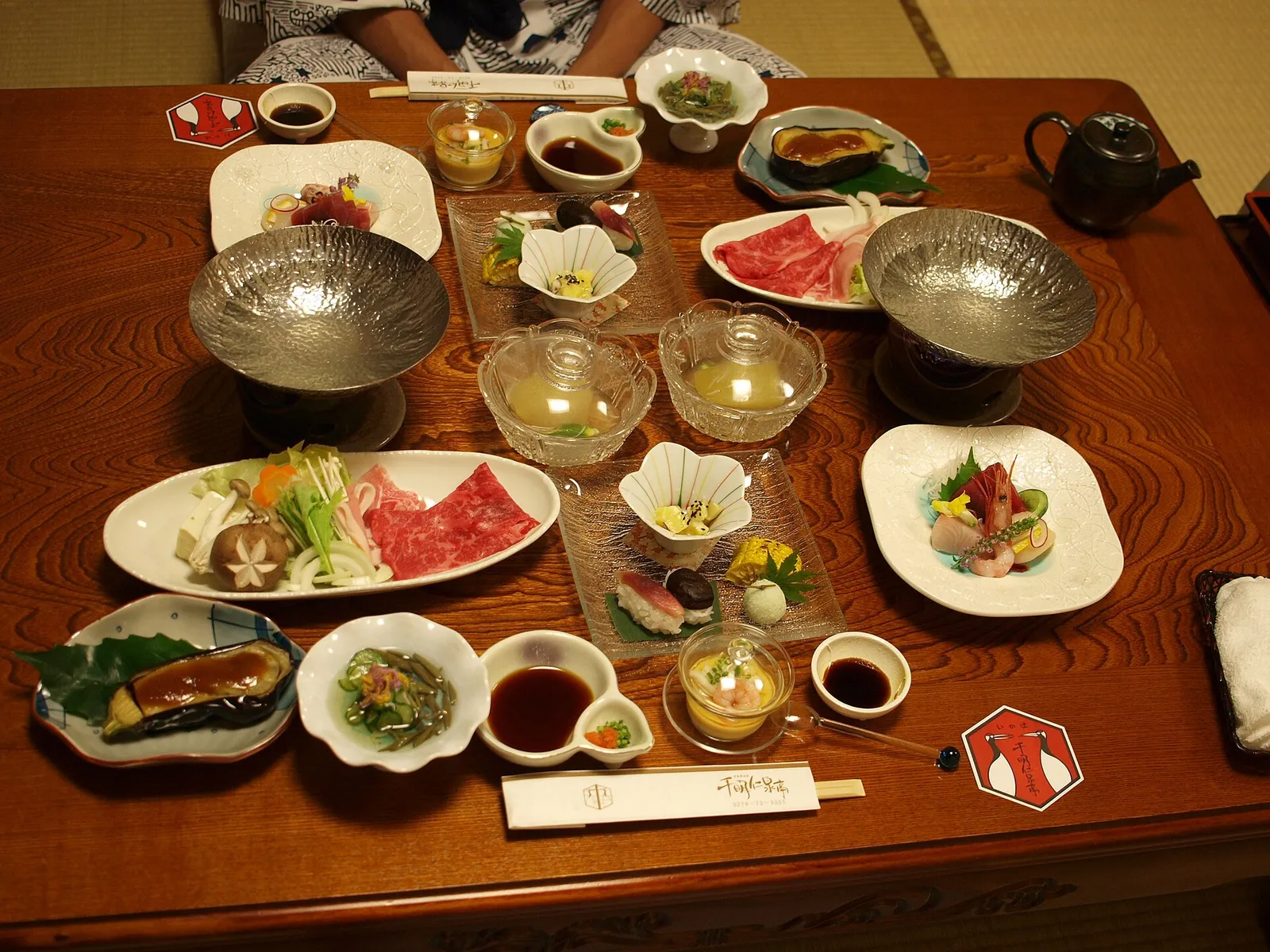
Kaiseki dinner, a sequence of small seasonal dishes, sometimes a dozen or more, served in a fixed order.
Local ingredients are the organising principle, and the menu changes with the month.
Sashimi, a grilled dish, a simmered dish, a hotpot at the table is a common shape.
Breakfast is savoury: rice, grilled fish, miso soup, pickles, egg, seaweed.
Tell them about allergies and restrictions at booking, because the menu is planned days ahead and cannot be improvised on the night.
Drinks are extra and the local sake is usually worth ordering.
Etiquette without anxiety
Left over right when wrapping the yukata; the other way is for funerals.
Wash before the bath, sitting at the taps, thoroughly.
No towel in the bath water and no swimwear.
Slippers off on tatami, and the toilet slippers stay in the toilet, which is the mistake everyone makes once.
Quiet after about ten, since the walls are paper.
Tipping is not done, and attempting it causes discomfort.
Practical notes
Rates are frequently per person rather than per room, which changes the comparison completely.
Check in and dinner times are fixed and arriving late genuinely disrupts the kitchen.
Luggage forwarding to and from a ryokan is normal and makes mountain stays much easier.
Cash is still preferred at some smaller family run inns.
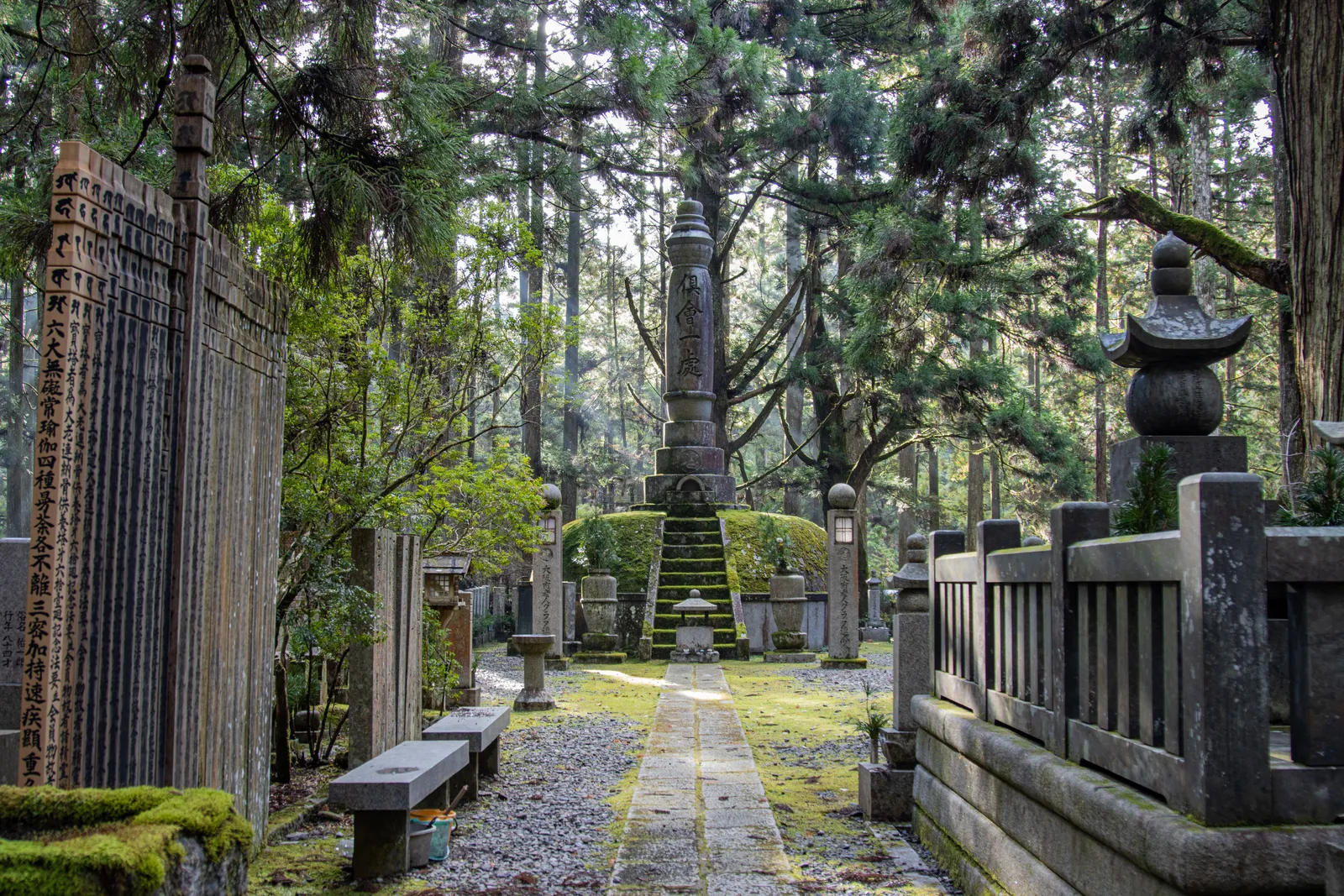
Temple lodging at Koyasan is a related experience with vegetarian food and a morning service.
Where this fits in a Japan trip
One or two nights, ideally in the middle of a trip rather than at the start.
For the bath itself, the rules and what to do about tattoos, our onsen guide covers the detail.
For the easiest region to do this from Tokyo, our Hakone guide covers the loop and the inns.
And for how a night like this fits into a trip budget, and what the rest of the accommodation should cost, our guide to Japan on a budget covers the numbers.
Where a ryokan night fits
The mountain towns are where this makes the most sense, and our five days in the Japan Alps is built around them: Kanazawa, the thatched houses at Shirakawa go, Takayama and its sake breweries, and a last day in an alpine valley.
The short version
Book one or two nights rather than a week, check whether the rate is per person, and arrive in the middle of the afternoon rather than the evening. Put the yukata on, bathe before dinner, and eat everything you are given including the fish at breakfast. Keep the toilet slippers in the toilet. Tell them about any dietary restriction when you book, not when you sit down. And forward your luggage ahead so you are not wheeling a suitcase across tatami.