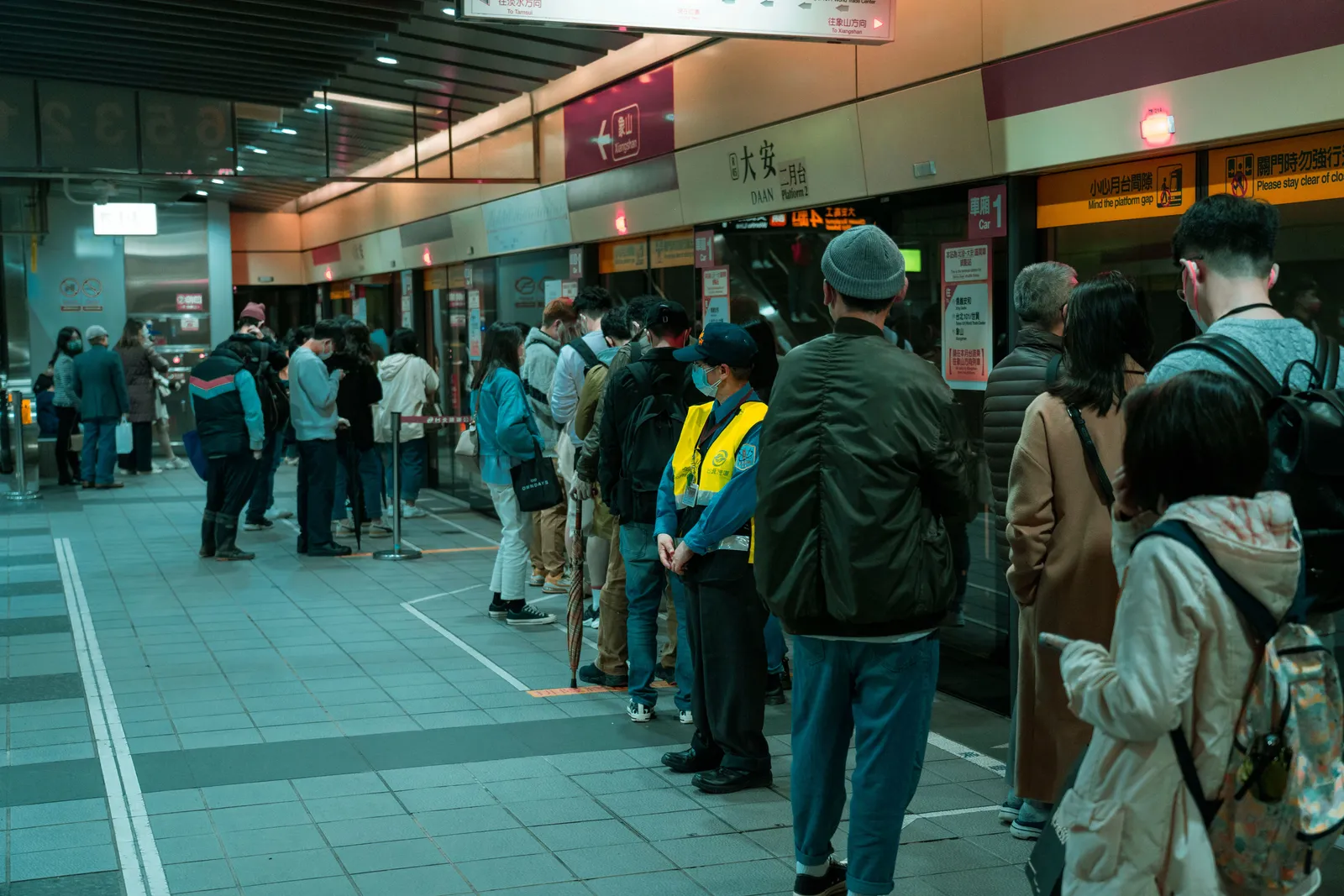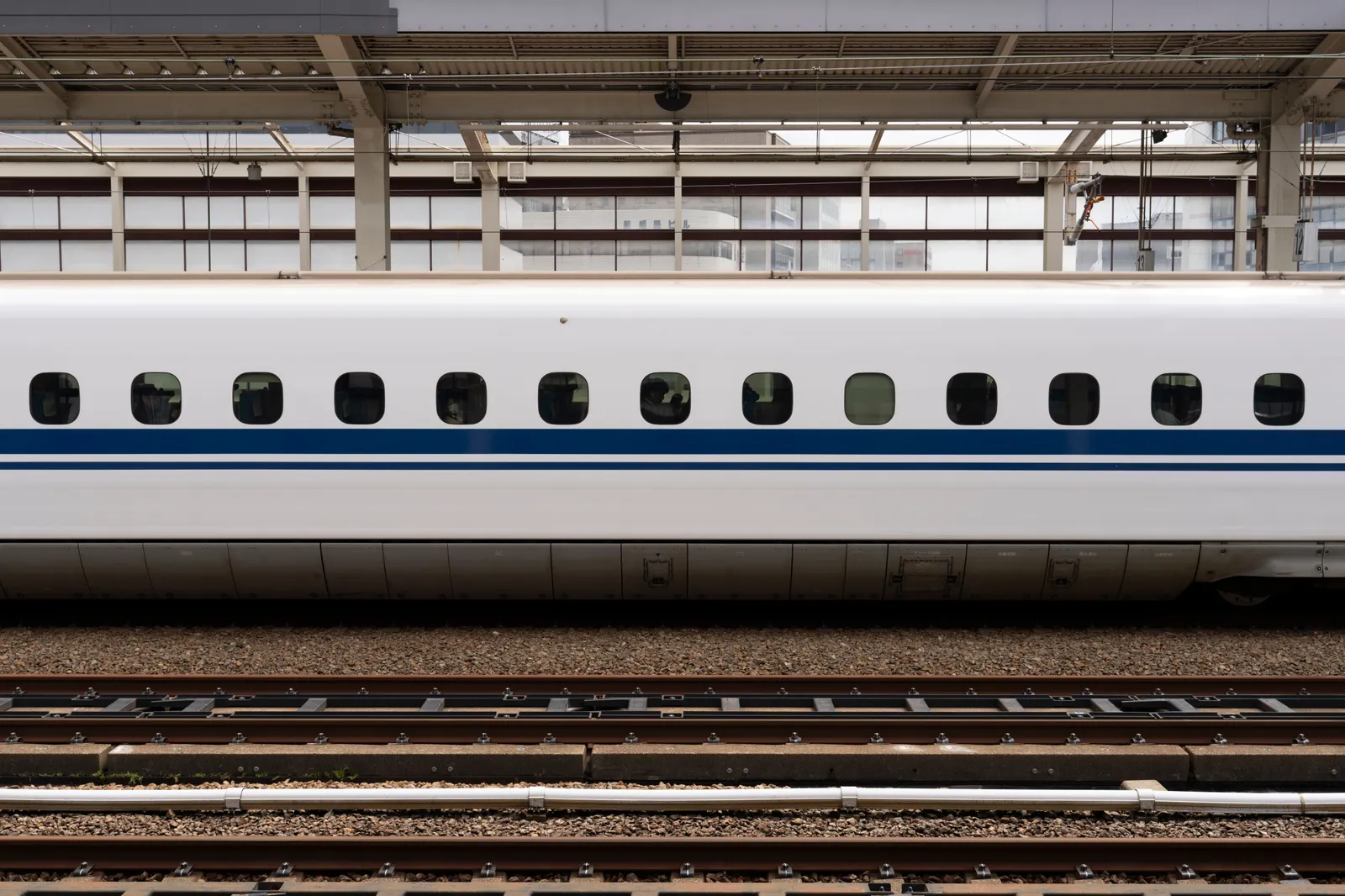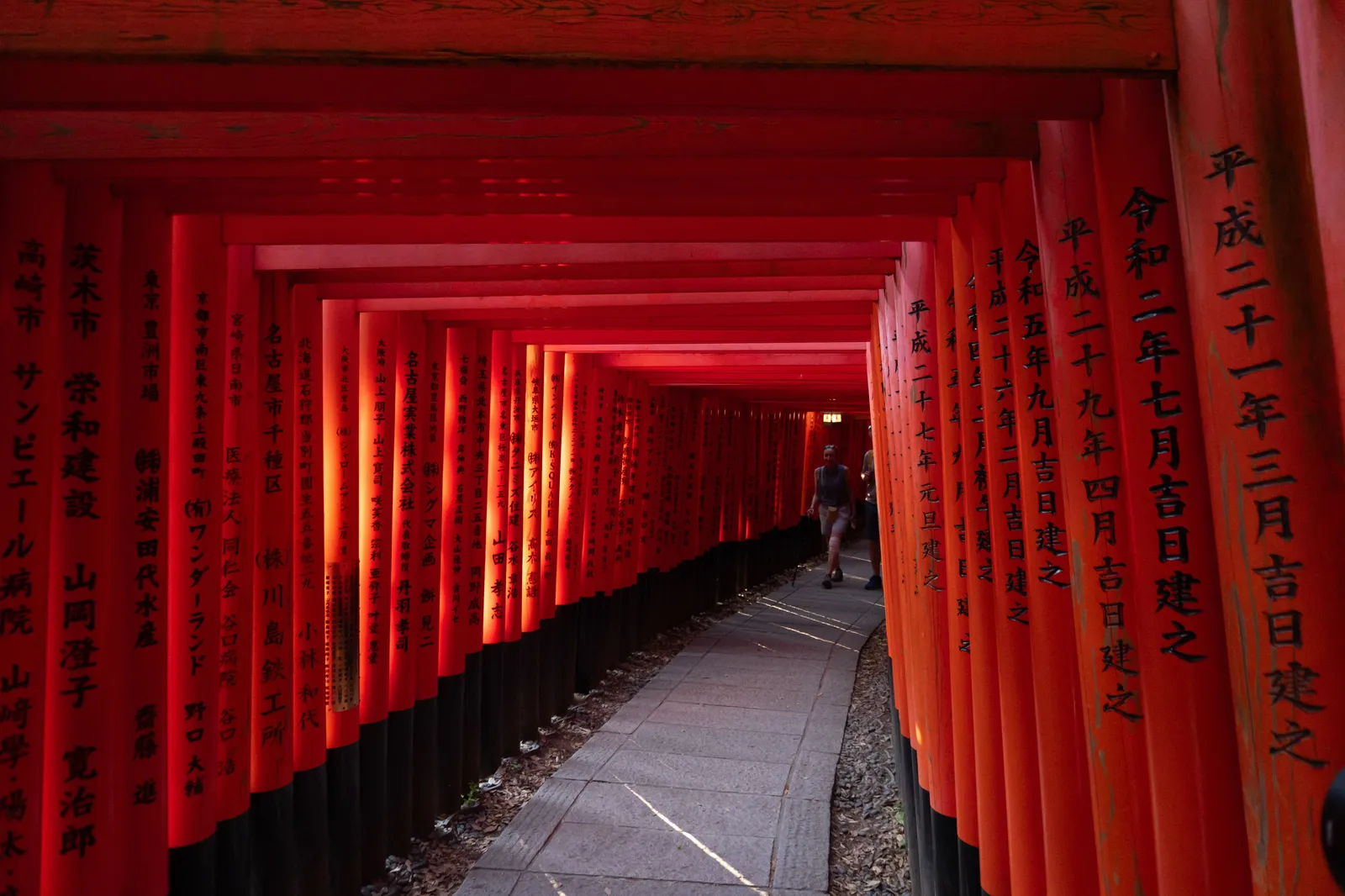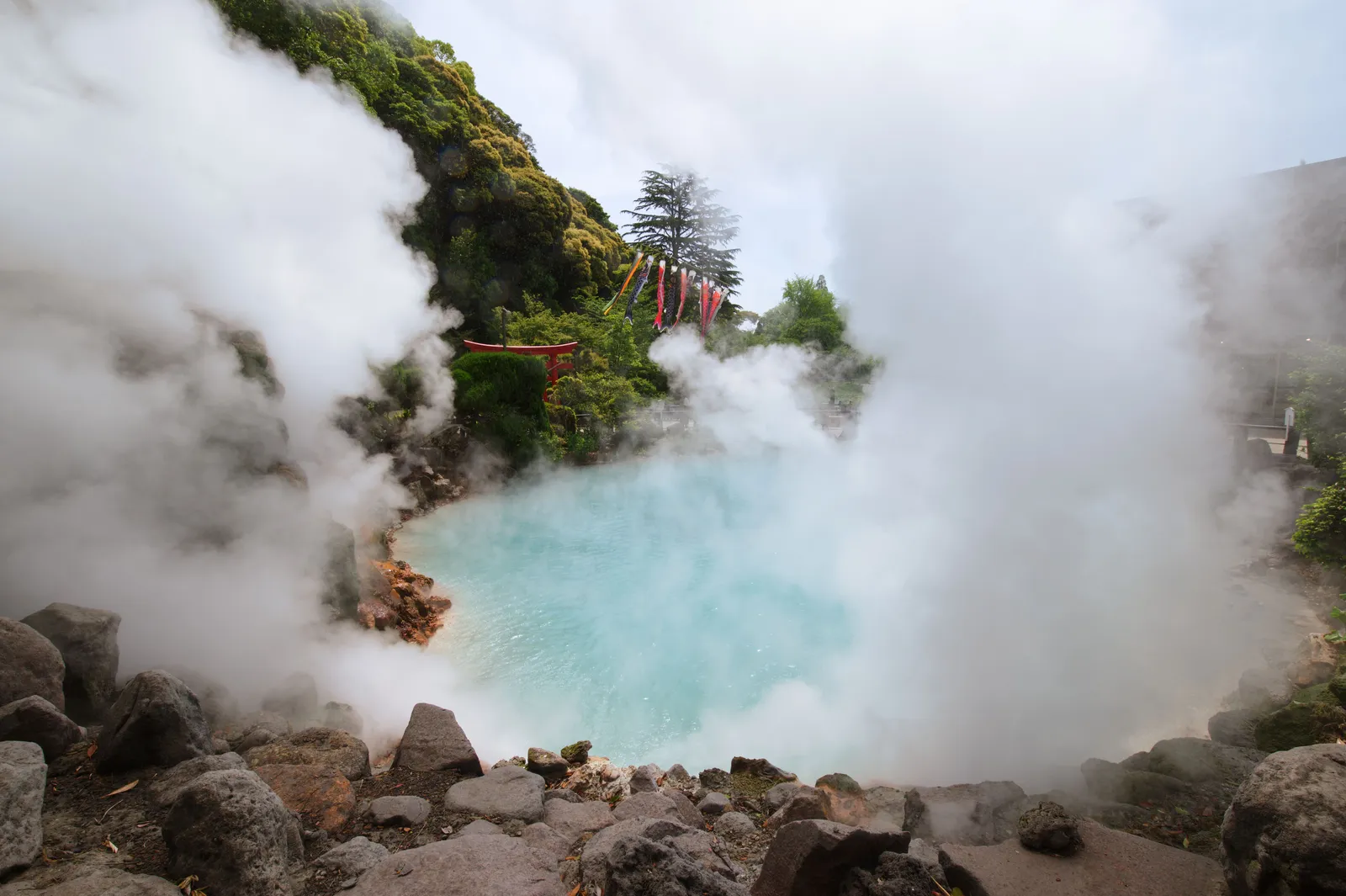
Japan spent thirty years with a reputation for being unaffordable, and a great many people still plan around it. The reality for a visitor today is more interesting: eating in Japan is cheap and extremely good, local transport is cheap, entry fees are modest, and there is no tipping. What is expensive is sleeping in Tokyo in November and crossing the country by bullet train. Most of what people believe about Japanese prices is true of exactly two lines in the budget.
Where the money actually goes
Accommodation, which dominates the budget in the big cities and in peak seasons.
Long distance rail, where a single bullet train leg costs more than a day of everything else.
Everything else, which is genuinely modest: food, subways, temples, museums.
Peak season multiplies the first two and leaves the third alone.
Shopping, which is a matter of self control rather than of Japanese pricing.
Eating cheaply and well
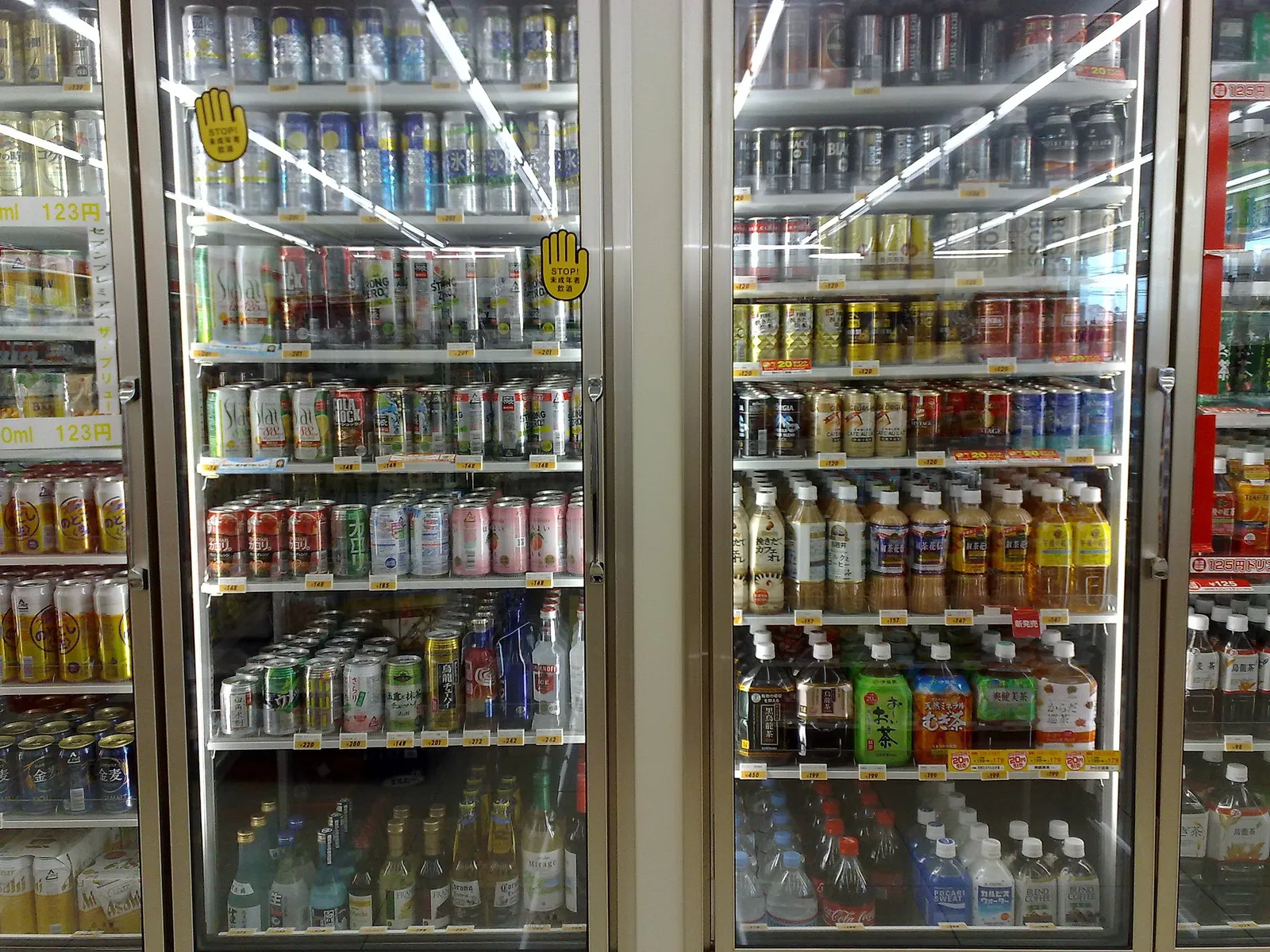
Convenience stores for breakfast, coffee, and a surprisingly good sandwich or onigiri.
Ticket machine restaurants for lunch: choose, pay, hand over the ticket, eat in fifteen minutes.
Standing bars for dinner and drinks together, at a fraction of a sit down bill.
Supermarkets after seven, when prepared food is discounted, which is what a lot of residents do.
Department store basements for high quality food at a fixed hour discount in the evening.
Set lunches at restaurants that are expensive in the evening, which is the best value in the country.
Sleeping cheaply
Business hotels, small, clean, quiet, next to stations, and the standard answer.
Capsule hotels, cheaper again, better than their reputation, and now often with women only floors.
Hostels, plentiful and of a high standard, including private rooms.
Guesthouses in smaller cities, where prices drop sharply outside Tokyo, Kyoto and Osaka.
One ryokan night rather than several, treated as an experience rather than accommodation.
Book peak seasons early, because domestic demand fills the cheap end first.
Transport
IC cards for all local transport, with no thinking required.
Individual tickets for long journeys, which now beat the national pass for many itineraries.
Regional passes, which frequently beat both for a trip in one area.
Overnight buses, considerably cheaper than the train and a night of accommodation saved.
Luggage forwarding, which costs little and lets you take cheaper local trains rather than reserved bullet train seats with suitcases.
Walking, since Japanese cities reward it and the sights are usually clustered.
Practical notes
Cash is still required in more places than you expect; convenience store machines take foreign cards.
Tax free shopping exists for visitors above a spending threshold, with passport required at the till.
No tipping, anywhere.
Coin lockers at stations, which are cheap and change how a travel day works.
Free things are abundant: shrines, gardens, observation floors in some public buildings, and the streets themselves.
Where this fits in a Japan trip
Budget is a set of decisions made at booking rather than on the ground.
For the groundwork of a first trip and what to arrange before you fly, our first time guide to Japan covers the basics.
And for getting online without a roaming bill, our guide to eSIMs and SIM cards in Japan covers the options.
For the mechanics of actually paying, which is where cards fail and convenience store machines rescue you, our guide to money in Japan covers cash, cards and IC.
The short version
For what that looks like as an actual week, our five days in Japan on a budget runs on free observation decks, standing noodle bars, a local train to Kamakura and a department store basement at closing time.
Put the savings in accommodation and long distance rail, which is where the money actually is, and stop worrying about food, which is cheap and excellent at the bottom of the market. Use business hotels, book them early for peak weeks, and take one ryokan night as an experience rather than a habit. Do the rail arithmetic against your actual route rather than buying a pass on reputation. Carry more cash than you would at home. And do not tip.