Japan has one of the most advanced small payment systems in the world running on top of one of the most persistent cash cultures, and both statements are true on the same street. You can tap a card against a vending machine for a bottle of tea, then walk into a sixty year old noodle shop where the total is written on a slip and paid in coins, and neither the shop nor the machine finds the other odd. Handling this well takes about five minutes of preparation and one habit, and getting it wrong means standing outside a bank at ten at night wondering why your card does not work.
Where cards work
Hotels and chains, essentially always.
Department stores and supermarkets, always.
City restaurants above a certain size, usually, and contactless where they do.
Major station ticket machines, though not all of them.
Anywhere aimed at visitors, which is a growing share of the country.
Where they do not
Small owner run restaurants, which is a large and delicious category.
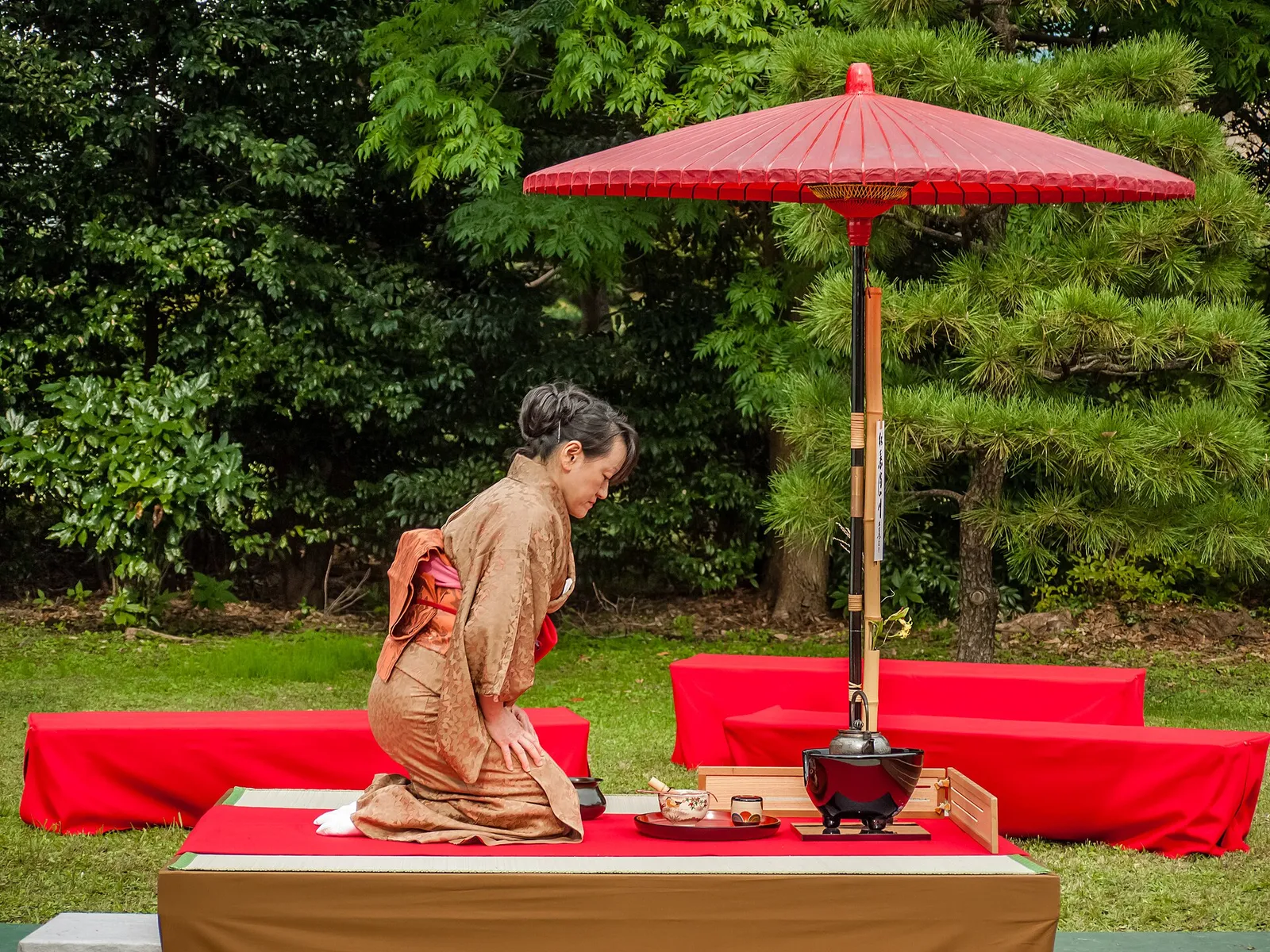
Shrine and temple offering boxes and entry desks, which are cash only as a matter of course.
Market stalls, festival food and street vendors.
Coin lockers, unless they take IC cards, which many now do.
Some rural buses and taxis, and some older ryokan.
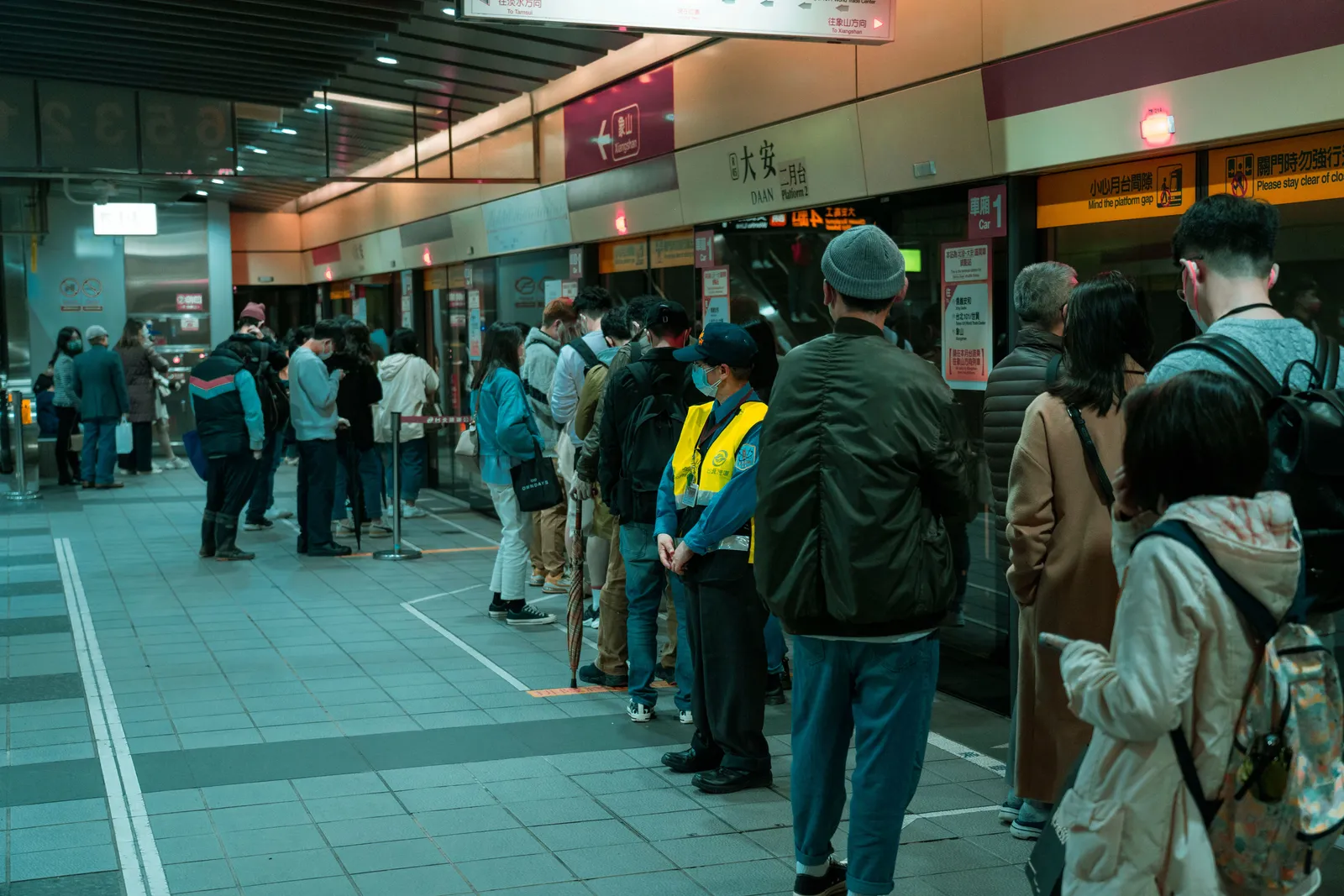
Ticket machines at minor stations, which frequently take cash and IC only.
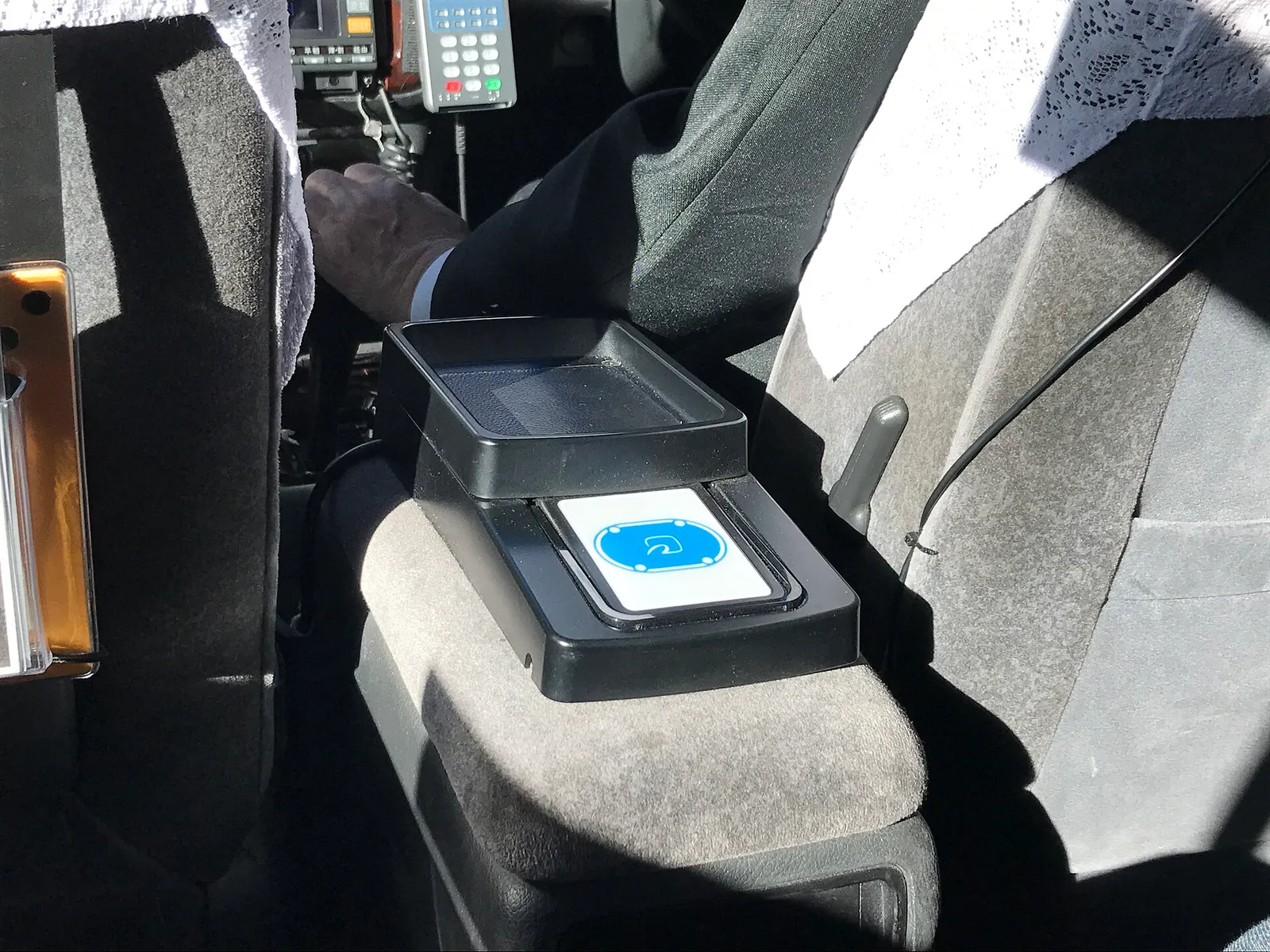
The IC card, which is the third option
Topped up with cash at any station machine, or from a linked card on the digital version.
Tapped for small purchases in convenience stores, vending machines, lockers and many shops.
Faster than either cash or card for anything under a few thousand yen.
Works nationwide, across the regional card brands, which are mutually compatible.
No account and no registration for the standard physical version.
Which makes it the default for the twenty small transactions a day that Japanese travel involves.
How much cash to carry
Enough for a day of small things, rather than a week of everything.
More in the countryside, where the card gaps are wider and the machines are further apart.
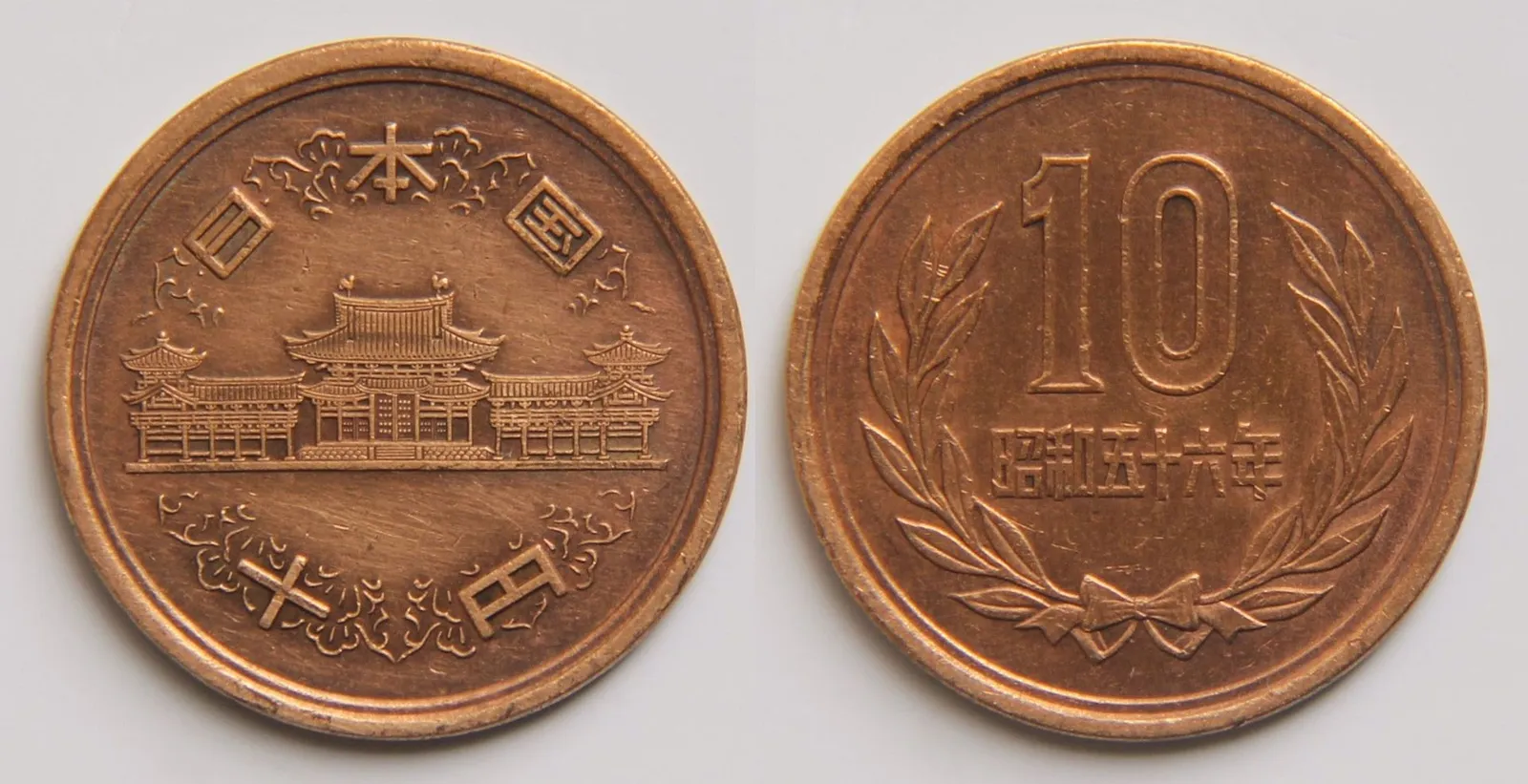
Small coins for offering boxes, and a five yen coin is the traditional one.
Notes come in large denominations, and nobody minds breaking one in a convenience store.
Coins accumulate fast, which is what the little coin tray at every till is for.
And a coin purse is not a joke here, which is why every shop sells them.
Etiquette at the till
Use the tray, which is on the counter for exactly this and is how money changes hands.
Do not hand notes directly to the cashier, which is not rude so much as simply not done.
Do not tip, anywhere, and do not leave change on the table.
Say the number of items rather than pointing, if you can, but pointing is fine.
Bags cost a few yen and are asked about at the till.
Practical notes
Tell your bank you are travelling, because a first Japanese transaction is a classic fraud trigger.
Take out larger amounts less often, since fees apply per withdrawal.
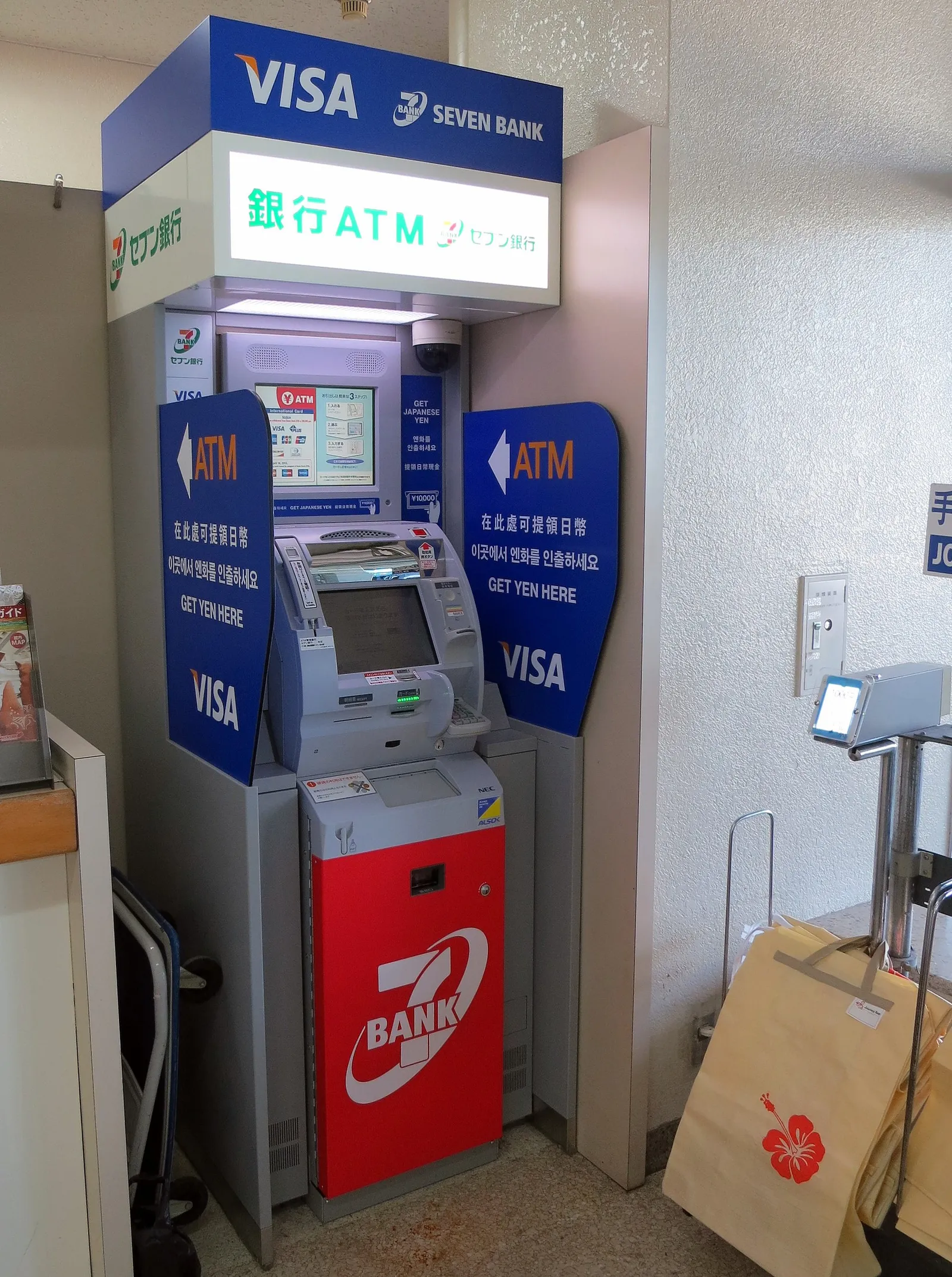
Airport machines are fine and better value than an airport exchange counter.
Exchange rates move, so check a live rate near the day rather than any published figure.
Keep a small reserve note somewhere separate, for the rural day when the machine is out of service.
And the digital wallet needs a connection, which is a reason to sort data before landing rather than after.
Where this fits in a Japan trip
Five minutes before you fly and one habit while you are there, which is to top up in convenience stores rather than hunting for banks.
For the tap card that handles most of the small payments, our Suica and IC card guide explains how it works.
For the tray on the counter, the absence of tipping and the rest of the unwritten rules, our guide to Japanese etiquette covers them.
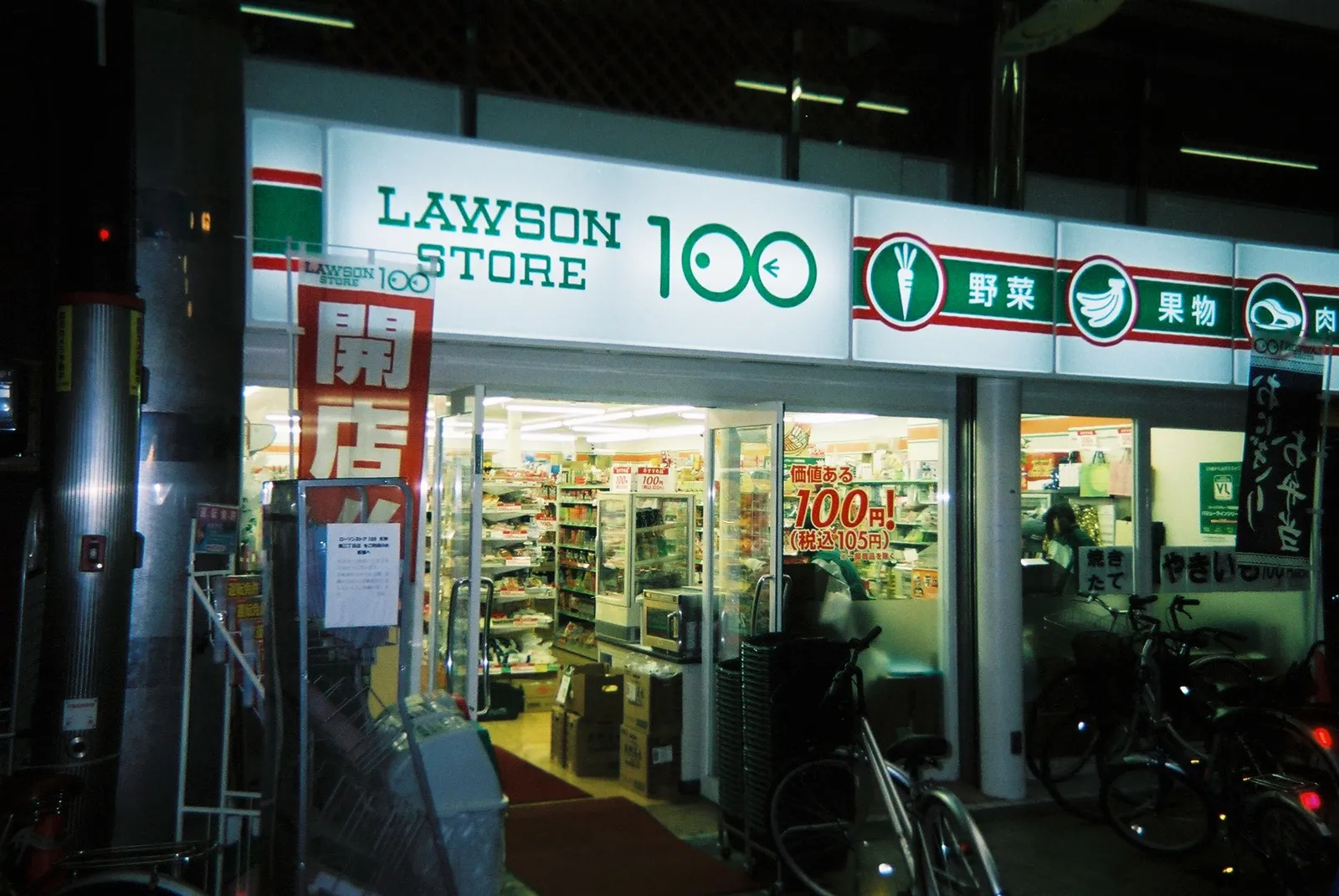
And for the shops that turn out to be the bank, the pharmacy and the dinner as well, our convenience store guide covers them.
The short version
Carry cash for a day at a time and top it up at convenience store machines rather than banks, because bank machines frequently refuse foreign cards and convenience stores are open around the clock with an English menu. Get an IC card in the first hour and use it for everything small. Expect cards to work in hotels, chains and city restaurants and to fail at small family places, offering boxes, market stalls and rural buses. Put money on the tray rather than into a hand. Do not tip, ever. And tell your bank before you fly, because the first transaction in Japan is exactly what fraud systems are watching for.