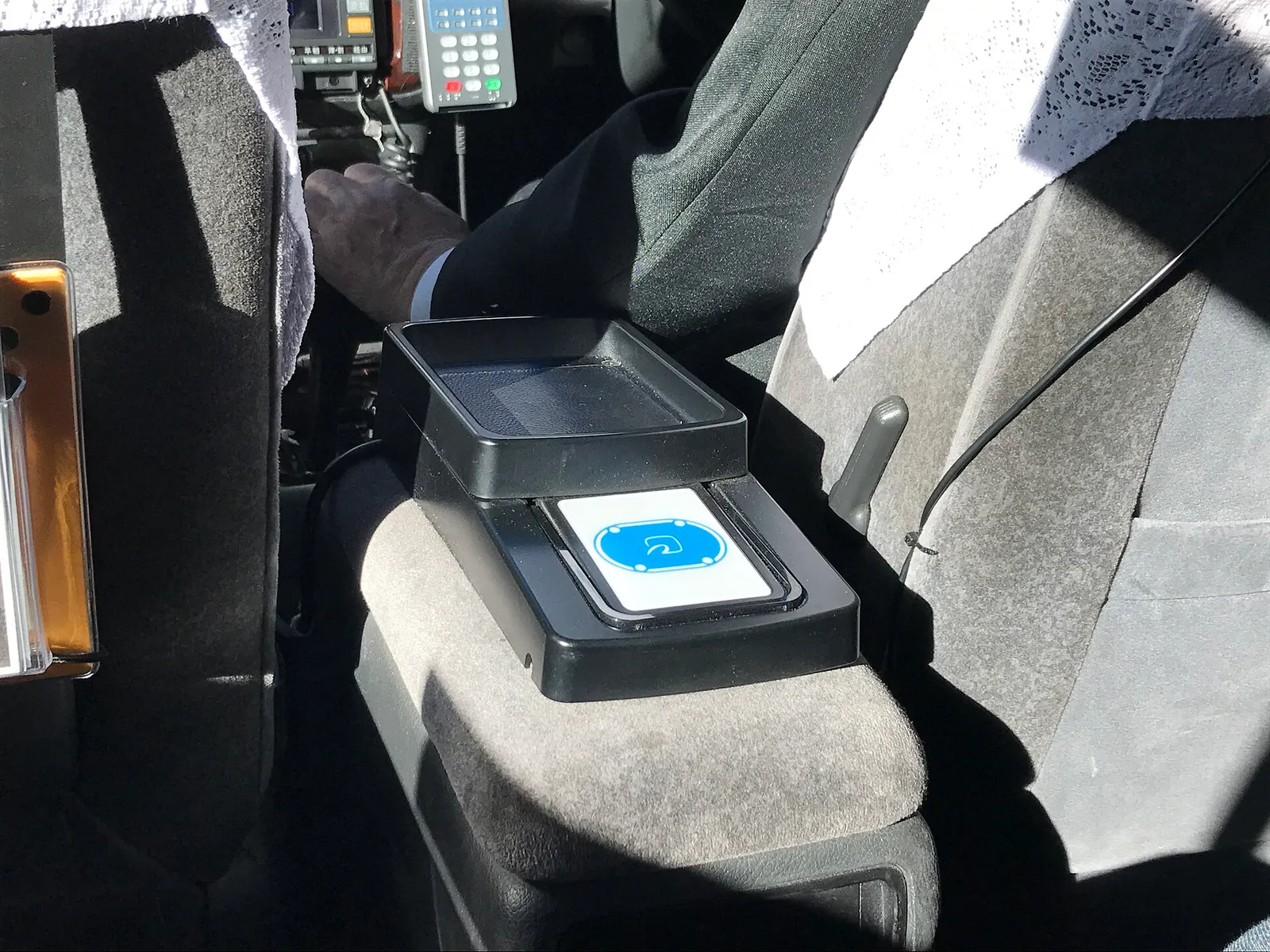
Japanese railways are run by a large number of separate companies whose lines interlock across every city, and working out which ticket you need for a journey that crosses three of them is a genuinely hard problem. The IC card solves it by removing the question: you tap in, you tap out, the correct fare comes off, and you never think about operators again. Here is how it works and the one thing that has recently complicated it.
What it is
A rechargeable tap card for trains, subways and buses.
Interoperable almost everywhere. The cards are issued by different regional operators under different names, and they work on each other’s networks across most of the country. For a visitor they are effectively the same product.
A small-payments card too. Convenience stores, vending machines, station lockers, many shops and some restaurants take it.
No account, no registration for the standard version, and no thinking about fares.
Why it matters more here than elsewhere
In most countries a transport card saves you a few seconds. In Japan it saves you a decision you are not equipped to make.
A single journey may cross several operators. Working out the correct combination of tickets at a machine with a fare map in Japanese is the classic first-day experience.
Fares are distance-based, so a ticket is specific to the journey rather than flat.
The card removes all of it. Tap in at the start, tap out at the end, correct fare deducted, including across companies.
That is the whole argument and it is why this is the first thing to get.
The digital version
For many visitors this is now the easiest route.
Added in the phone’s wallet app on supported devices, and topped up from a linked payment card.
No queue, no shortage, no deposit.
Compatibility is the catch. It depends on the device and on where it was purchased, and non-Japanese Android phones are frequently not supported. Apple devices are broadly supported. Check yours specifically rather than assuming.
It needs a charged phone, which is a genuine consideration at the end of a long day of navigation.
Topping up
Station machines, in cash, which is the standard method and takes seconds.
Convenience store counters, which is the easy alternative.
The digital card, from a linked card, which is the only method that does not need yen.
Keep a working balance. Gates reject a card whose balance is below the maximum possible fare for that station rather than merely empty, which is the usual cause of an unexpected rejection.
What it does not do
Long-distance reserved travel. The bullet train and other reserved services are booked separately, and whether to buy a rail pass for them is a separate and now less obvious question; our guide to whether the Japan Rail Pass is still worth it covers the arithmetic.
Some rural buses and small operators remain cash-only.
It is not a credit card. It is a stored balance and it will simply decline when empty.
Getting your money back
Refunds are possible at the issuing operator’s offices, generally minus a handling fee, and the rules differ between card types.
The deposit on physical cards is usually returned with the card.
The pragmatic approach most visitors take is to run the balance down on convenience store purchases in the last days and keep the card, which is free, takes no time, and means the card is ready for the next trip since they do not expire quickly.
First hour of the trip
The card is one of the two things worth sorting before you leave the airport, and the other is the journey into town itself.
Our guide to Tokyo airport transfers covers the options from both airports and which suit which luggage and which hour, and the card works on most of them.
For the wider transport picture, including the private railways, the buses, the domestic flights and how the whole system fits together, our guide to getting around Japan covers it.
The short version
Get an IC card in your first hour, either physical or in your phone wallet, and stop thinking about which railway company owns which line. It works on trains, subways and buses nationwide, and in convenience stores, vending machines and lockers as well. Top it up with cash at station machines or from a linked card if it is digital. Check the current physical-card availability rather than trusting older advice, and if your phone supports the digital version, that is now the simplest route by a distance.