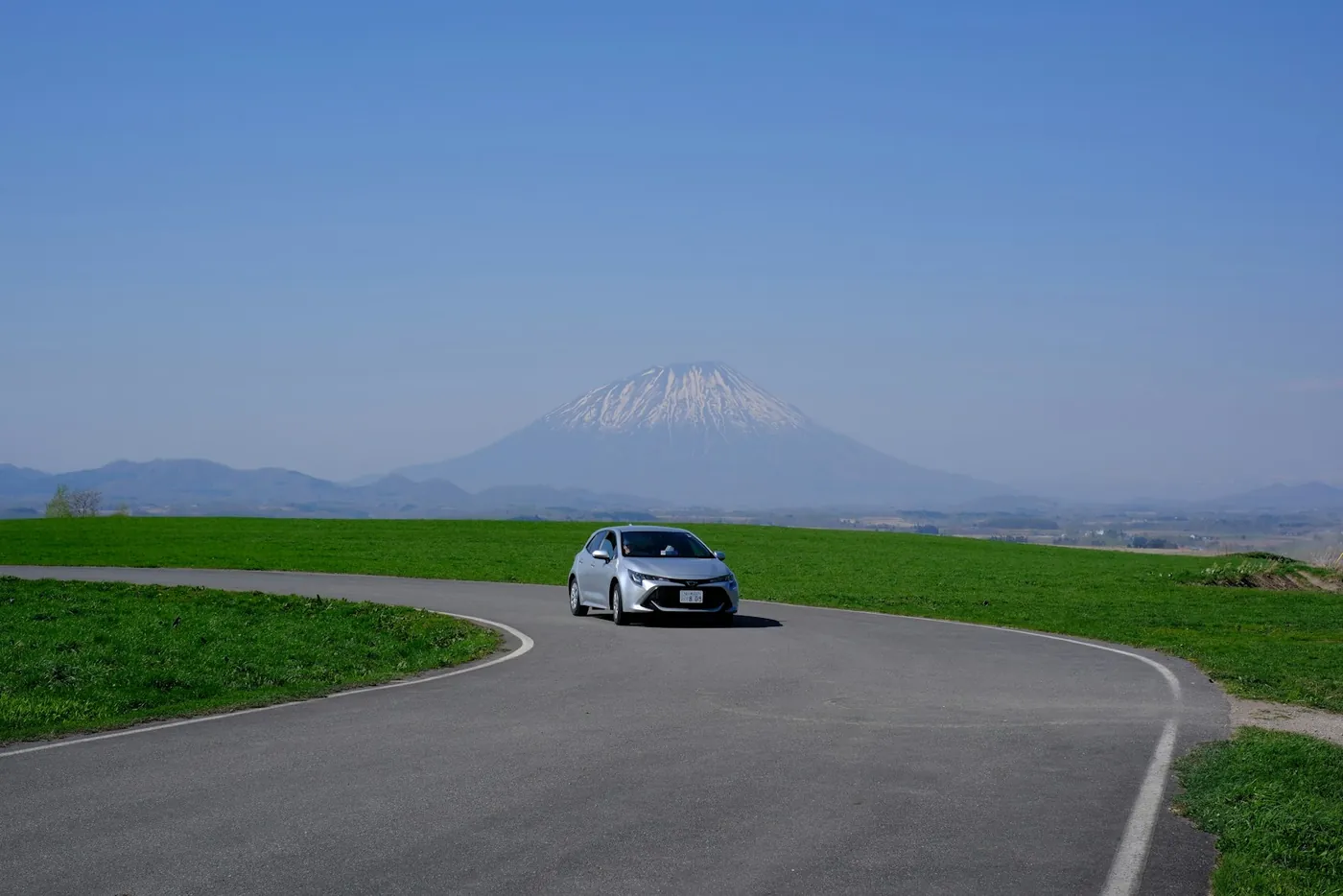
The question of whether to rent a car in Japan is answered elsewhere, and the short version is that the train wins between the big cities and loses almost everywhere else. The rail and road comparison sits in the transport guide, and what the roads and the permit rules are actually like has its own article, because the permit is the one piece of paperwork with no workaround on the day.
This page is about the other half, the part that happens after you have decided and before you are driving: the booking, the counter, and the four or five lines that separate the price you saw from the price you pay.
Before you book, one check that outranks everything
Confirm which permit your licence needs. Japan recognises the 1949 Geneva Convention permit, does not accept the 1968 Vienna Convention version that several European countries issue, and a handful of countries use an official Japanese translation of the home licence instead. The three routes look similar and are not interchangeable.
It has to be issued at home. There is no counter in Japan that will sell you one.
Check your own case, not this page. Which convention a country signed is a fact about that country, it can change, and your licensing authority or the Japanese embassy is the source that matters.
Do it for the second driver too, since an unlicensed extra driver is an uninsured one.
What the counter actually asks for
Your home licence. The permit or translation is only valid alongside it and is not a substitute.
The permit or the official translation, matching the route your country uses.
Your passport, which is checked against the licence and the booking.
The card the booking was made on, in the driver’s name, because the deposit is held against it.
The transmission you booked, which is worth confirming on the paperwork rather than at the car.
The return branch and time, since one way returns and late returns are both priced.
The insurance lines, which is where the price moves
Basic cover is normally included in the quoted rate, and it comes with an excess, the amount you still owe after damage.
The non operation charge is separate. It is a fee charged when the car has to come off the fleet for repair, and it applies even when the damage itself is covered. It surprises people precisely because it is not the excess.
The optional waiver removes both, and it is the line most worth understanding before you decline it.
Read what is excluded rather than the headline. Tyres, glass, undercarriage and keys are the usual carve outs in any country and are worth confirming here.
Your own travel policy may overlap, and the two rarely stack neatly. Knowing which one is primary is a five minute question at home and an expensive one at a roadside.
Tolls, fuel and the return
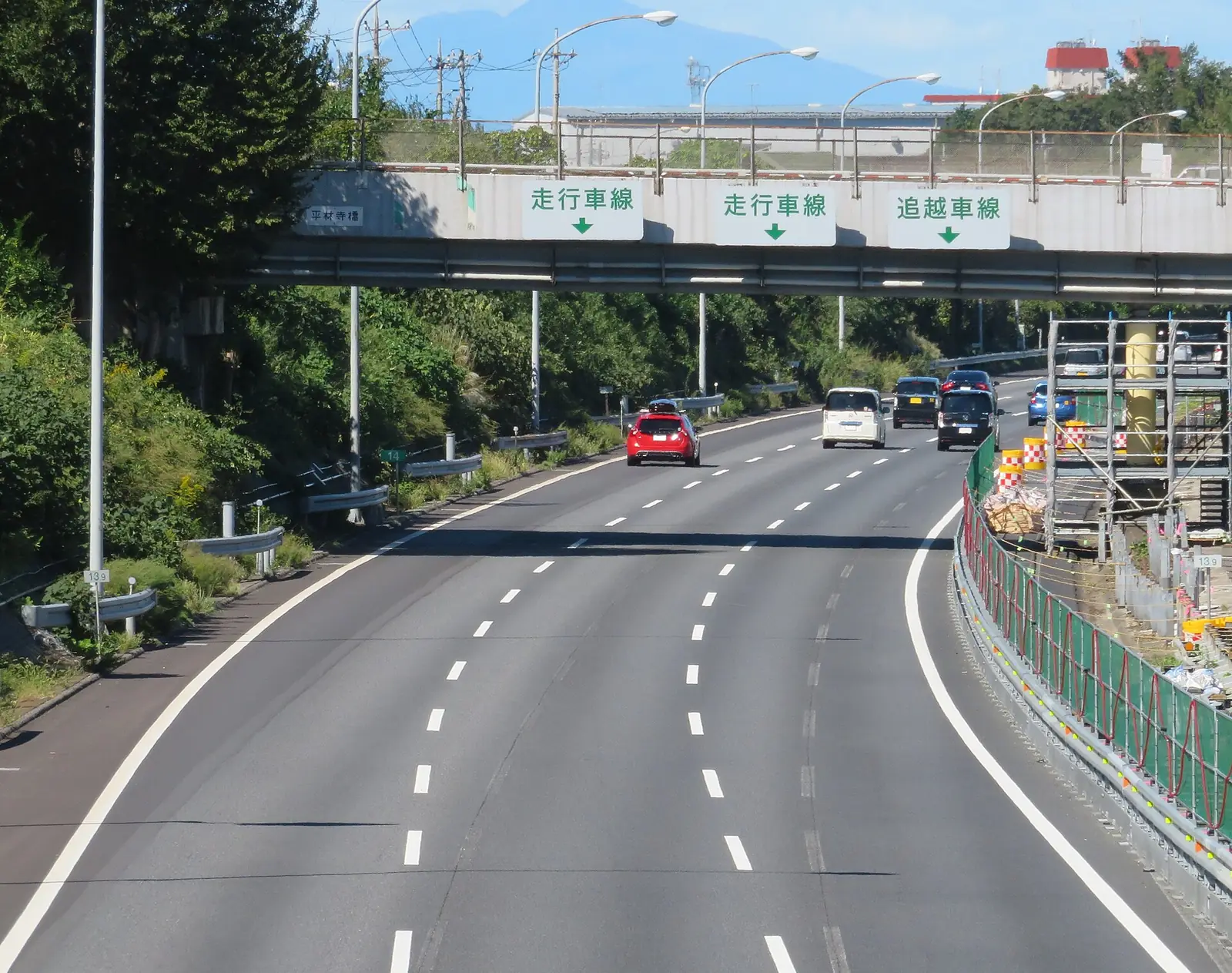
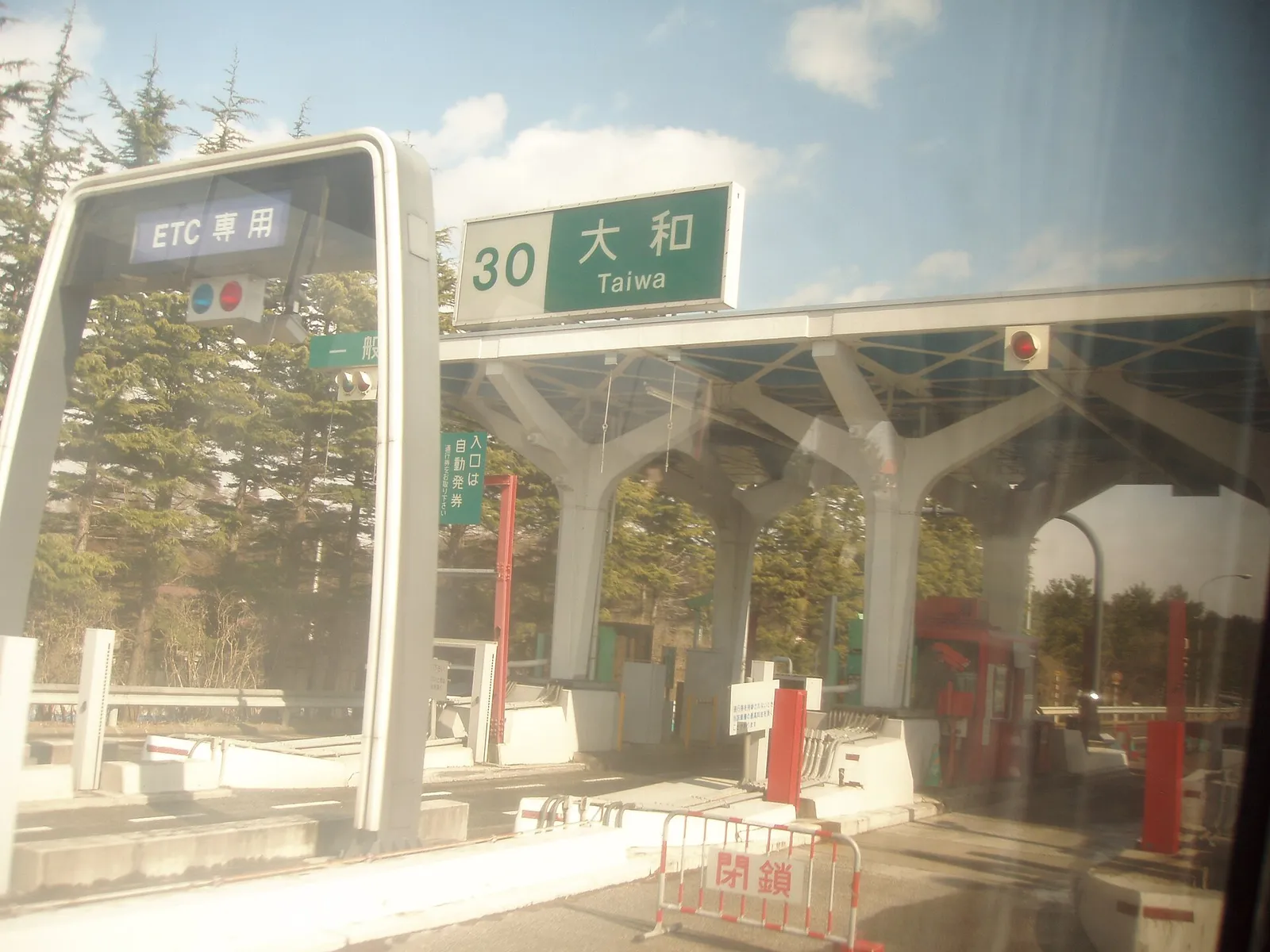
The ETC card is rented, not bought, and the tolls it records are settled when you hand the car back.
Regional toll passes exist for visitors and are area specific rather than national, so they are worth checking against your actual route rather than assumed to cover the country.
The fuel rule is usually full to full, which means a station near the return branch and a receipt.
Rural stations close early, and some do not open on Sundays, which turns an empty tank on a Sunday evening in the countryside into a real problem rather than an inconvenience.
Parking is charged nearly everywhere, including at rural attractions, and it is a running cost rather than a one off.
Build in return time. Airport branches involve a shuttle, and the queue at eleven on a Sunday is not the queue at two on a Tuesday.
Which car, and where it matters
Kei cars, the smallest licensed class, are cheap to rent and to fuel and are genuinely the right answer on narrow rural lanes and in village car parks. They are underpowered with four adults and luggage on a long expressway climb.
A standard compact is the default for two people with bags and handles both kinds of road without complaint.
Anything larger is worth thinking about twice, because Japanese parking spaces, rural lanes and older hotel car parks were not built for it.
In snow country, confirm winter tyres rather than assume them, and treat a Hokkaido road trip in January as a different activity from the same route in August.
The short version
A Japanese car rental is straightforward and well run, and the two things that go wrong are both decided before you arrive at the branch. The first is the permit, which cannot be fixed in the country. The second is the cover, which is easy to read in advance and expensive to think about for the first time while someone behind you in the queue is waiting. Sort both at home, book the automatic and the extras with the car, and the counter takes fifteen minutes.