Hokkaido is the northern quarter of Japan and it does not look, sound or taste like the rest of the country. Settled properly only in the last century and a half, and planned rather than grown, it gives you grid streets, farmland, volcanoes, crater lakes and, for four months of the year, some of the lightest snow on earth. Sapporo sits in the middle and is where almost everyone starts. Come in February and the city is white, freezing and full of carved ice. Come in July and it is green and purple while the rest of Japan sweats.
Why Hokkaido feels like a different country
None of it matches the photographs that sold you Japan. Sapporo was laid out on a grid by planners who looked to Europe and North America, farm buildings have pitched roofs and silos, and the countryside reads closer to New Zealand than to Kansai. The island’s indigenous people, the Ainu, survive in a great many place names and in cultural centres worth an hour of anyone’s time.
The other difference is scale. Hokkaido is enormous and thinly populated, and the map lies: two places that look adjacent can be half a day apart, and the train between them may run a handful of times a day. Treat it as its own trip, or one deliberate limb of a longer one, and it gives you the emptiest and best fed version of the country there is.
Sapporo, and what to do with it
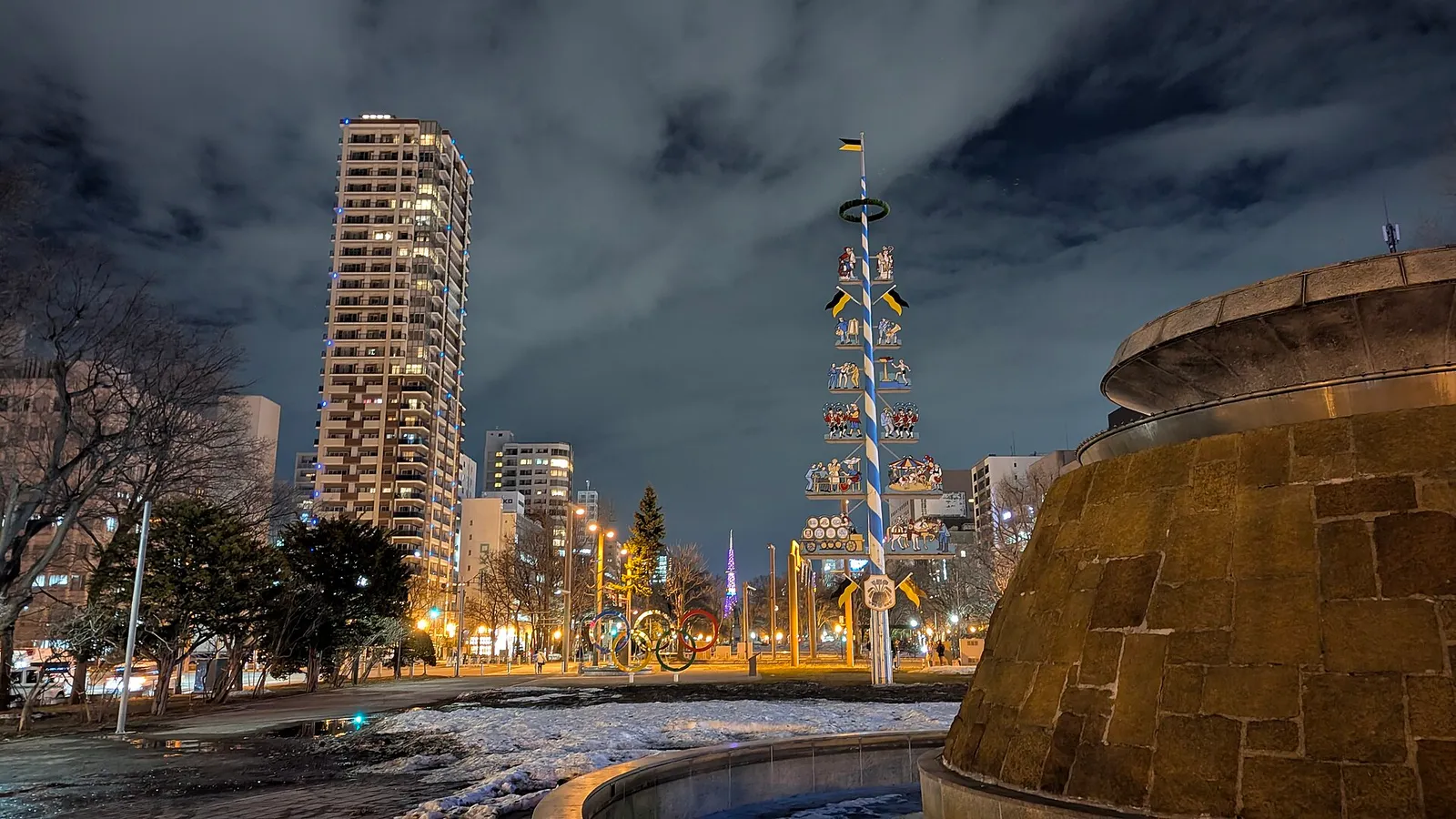
Odori Park, a strip of green running straight across the centre, agreeable in summer and the main stage of the snow festival in winter.
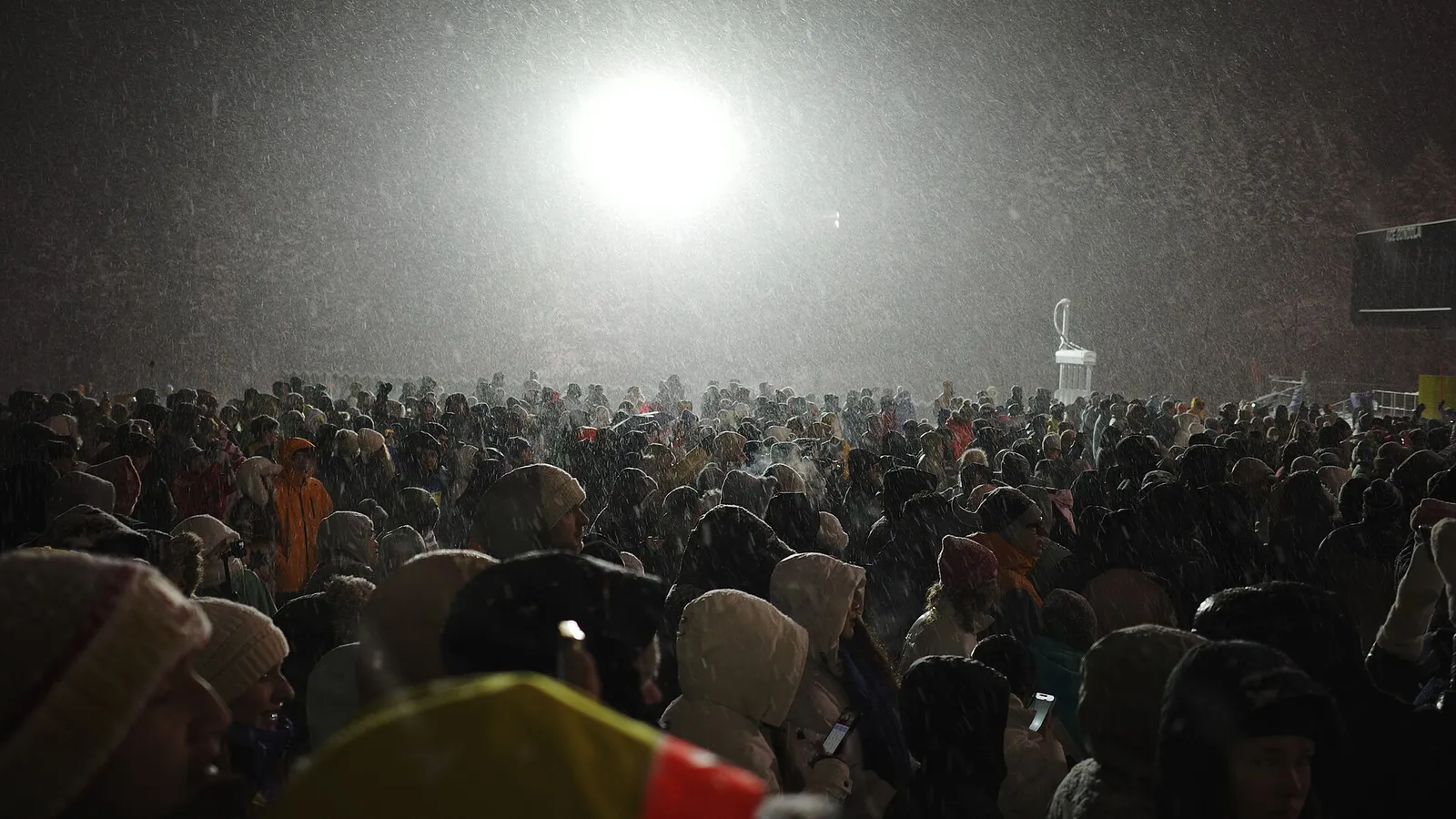
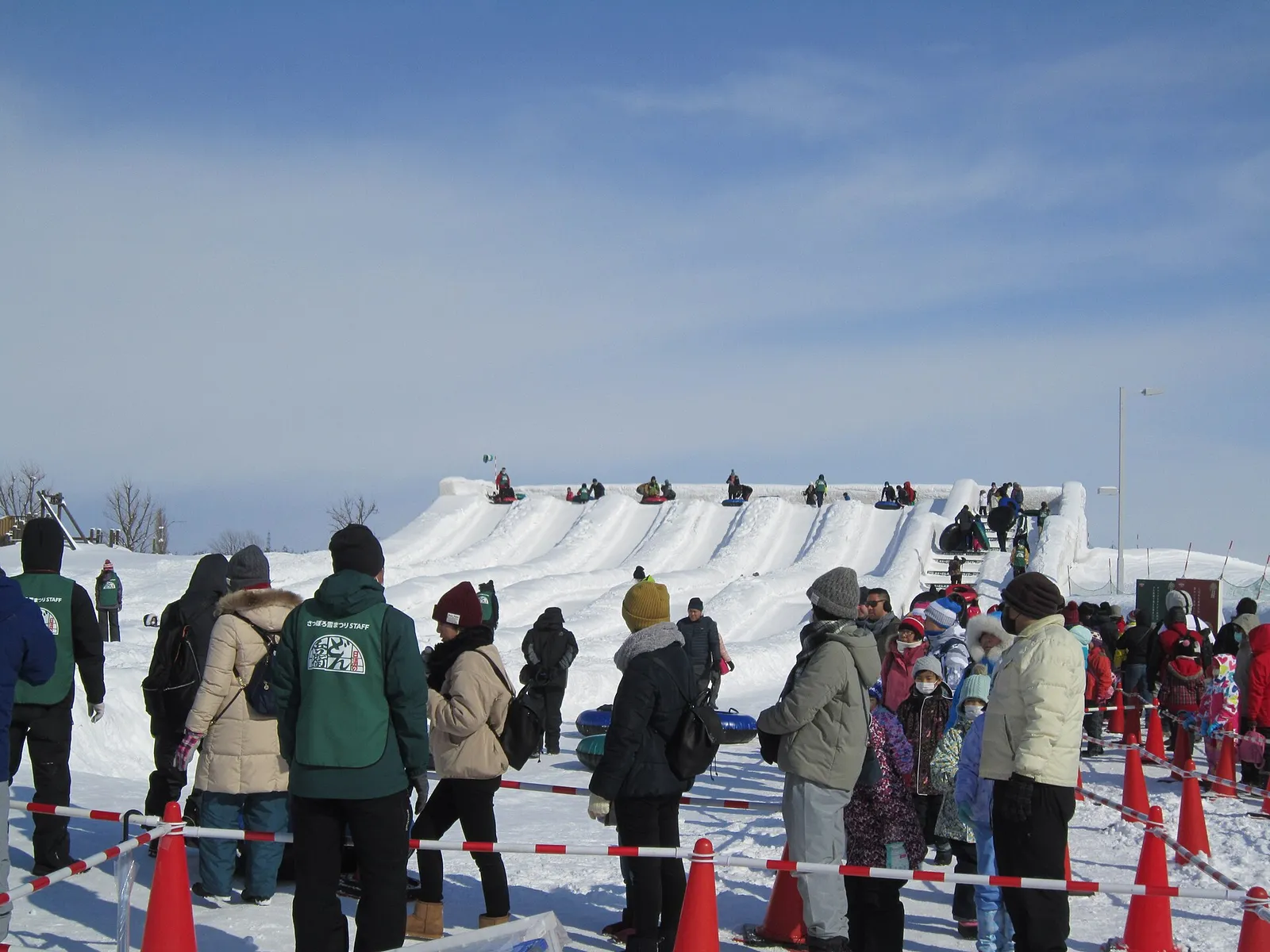
The snow festival, usually held in early February, with building sized snow sculptures along the park and finer ice carvings in the entertainment district. Dates are set afresh each year, so confirm them officially before booking.
Susukino, one of the largest entertainment districts in the country, with a covered ramen alley of counters seating a handful each.
The old brick brewery quarter, where the beer halls serve jingisukan, lamb grilled on a domed iron pan and eaten in a group.
Nijo Market, small, central and built around a breakfast of raw seafood on rice.
The underground passages, heated walkways beneath the centre that stop being a curiosity in January.
Eat well and eat early. Sapporo’s case for itself is largely culinary: miso ramen, created here to fight the cold, soup curry, bowls of scallops, salmon roe and sea urchin, crab in the cold months, corn and melon in the warm ones. The best small places have ten seats and fill fast, so a nine o’clock dinner hunt in February means a lot of closed doors.
It is not a pretty city in the way visitors expect of Japan: no ancient lanes, no street of temples. It is a place to eat, sleep and set out from.
Winter: the powder, the festival and the hot water
Cold air crosses from Siberia, gathers moisture over the Sea of Japan and drops it here as snow so dry it behaves like smoke. That is the entire appeal, and why skiers fly across the world for it. The season runs roughly from December into April, with the deepest cover in the middle of it.
Two names dominate. Niseko is thoroughly international, with English everywhere and a busy evening scene, and Furano is quieter, plainer and more Japanese in feel. Neither is an undiscovered mountain village any more.
You do not have to ski. The island is riddled with hot springs, and onsen towns such as Noboribetsu sit beside a steaming, sulphurous valley of vents known locally as the Hell Valley, a strange and excellent thing to walk around before getting into hot water. Two warnings: the snow festival is the coldest and most crowded stretch of the Hokkaido year, and pavements polish into sheet ice, so boots with a serious sole matter more than anything else you pack.
Summer: lavender, cool air and room to breathe
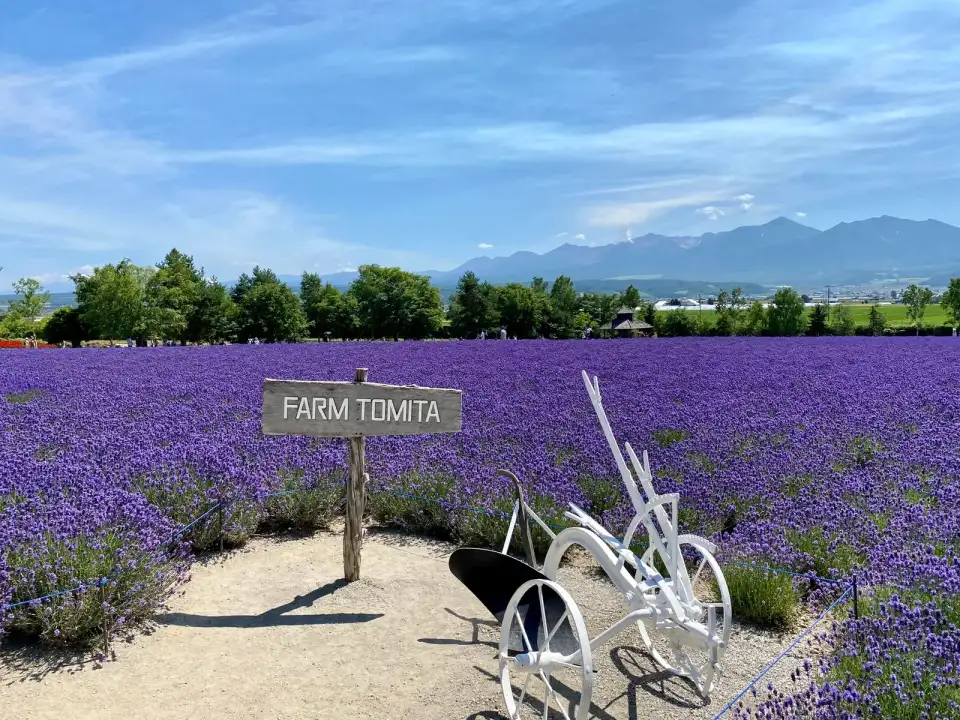
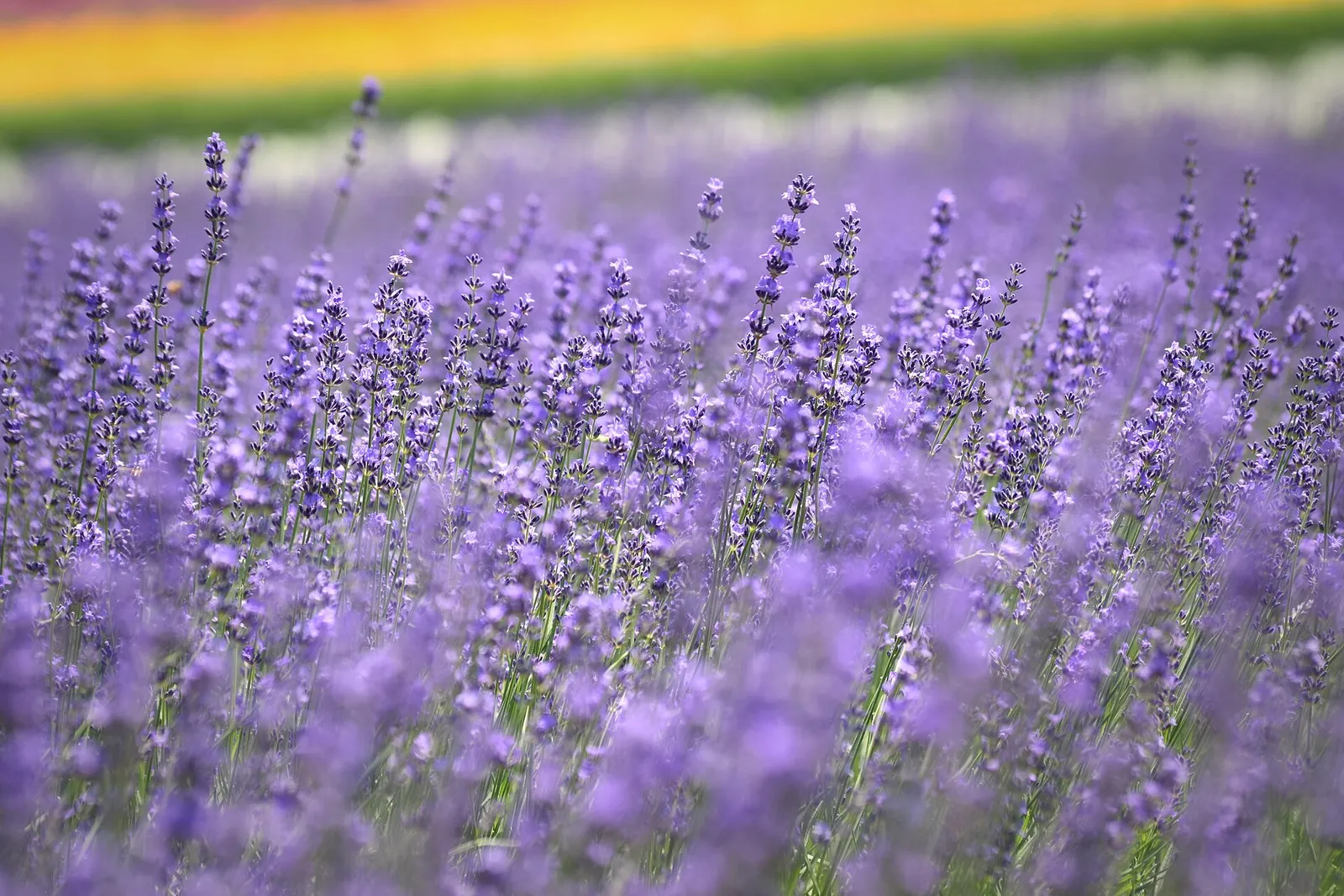
The other Hokkaido arrives in June and lasts into late August, and it is the opposite holiday. While the rest of the country is heavy with humidity, the north stays cool and dry, which makes it the season for cycling, farms, lakes and long hikes. Around Furano and Biei the flower farms open into stripes of purple, red and yellow that run to the foot of the mountains, and the pale blue pond outside Biei, with dead trunks standing in the water, rewards an early start.
Set expectations precisely on the lavender: the bloom is short and shifts with the weather, and anyone arriving outside the window finds green fields rather than the purple sea in the pictures. Check the farms’ own sites before fixing dates around them.
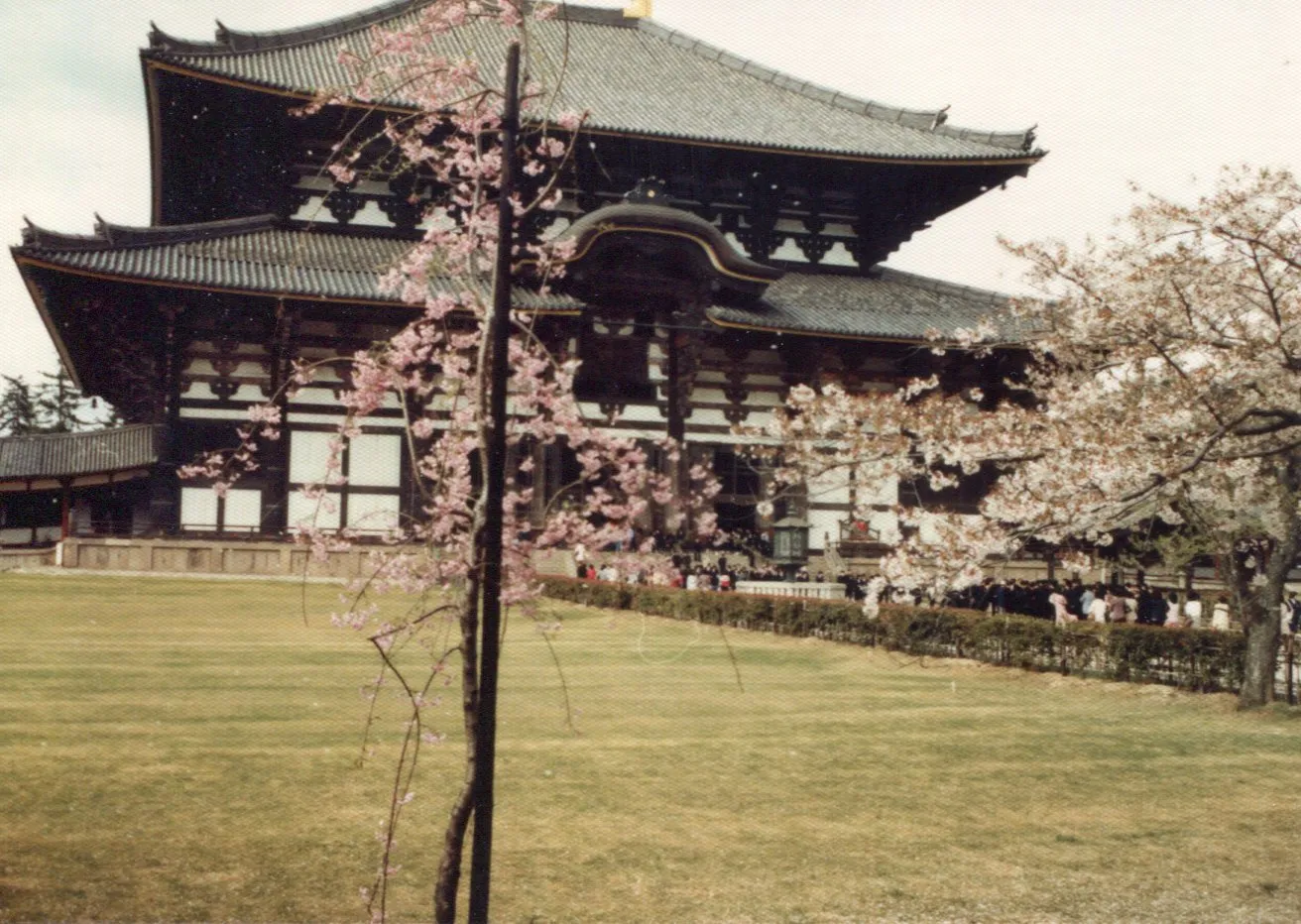
The shoulder seasons are the island’s secret. Spring arrives late, so the blossom opens here after the rest of Japan has finished, a second chance for anyone who mistimed it. Autumn starts in these mountains well before it reaches the southern cities. Both give you the place almost to yourself.
Getting there, and moving around a very large island
Fly. It is about ninety minutes from Tokyo to New Chitose Airport, with a direct train from there into central Sapporo. Advance fares on the budget carriers can fall to somewhere around 8,000 to 15,000 yen one way, with full service tickets well above that, but the range moves constantly, so price your own dates. The overland alternative goes north by shinkansen to the Hakodate area and continues by limited express, with an extension towards Sapporo under construction.
In the city everything is easy: a short subway, trams, a walkable centre and those heated tunnels. Outside it, services are far thinner than in central Japan, so check the timetable before you leave. In summer many visitors hire a car and are glad of it; in winter, unless you are experienced on ice, use the trains and the resort shuttles.
Where this fits in a Japan trip
Hokkaido is a week of its own, and the reason the usual seasonal advice falls apart.
Hokkaido’s winter is also why a good share of its visitors come at all, and our guide to skiing in Japan covers the resorts here and on Honshu, and what the snow is actually like.
For why the colour starts up here weeks before it reaches Kyoto, our guide to Japan’s autumn leaves covers the timing.
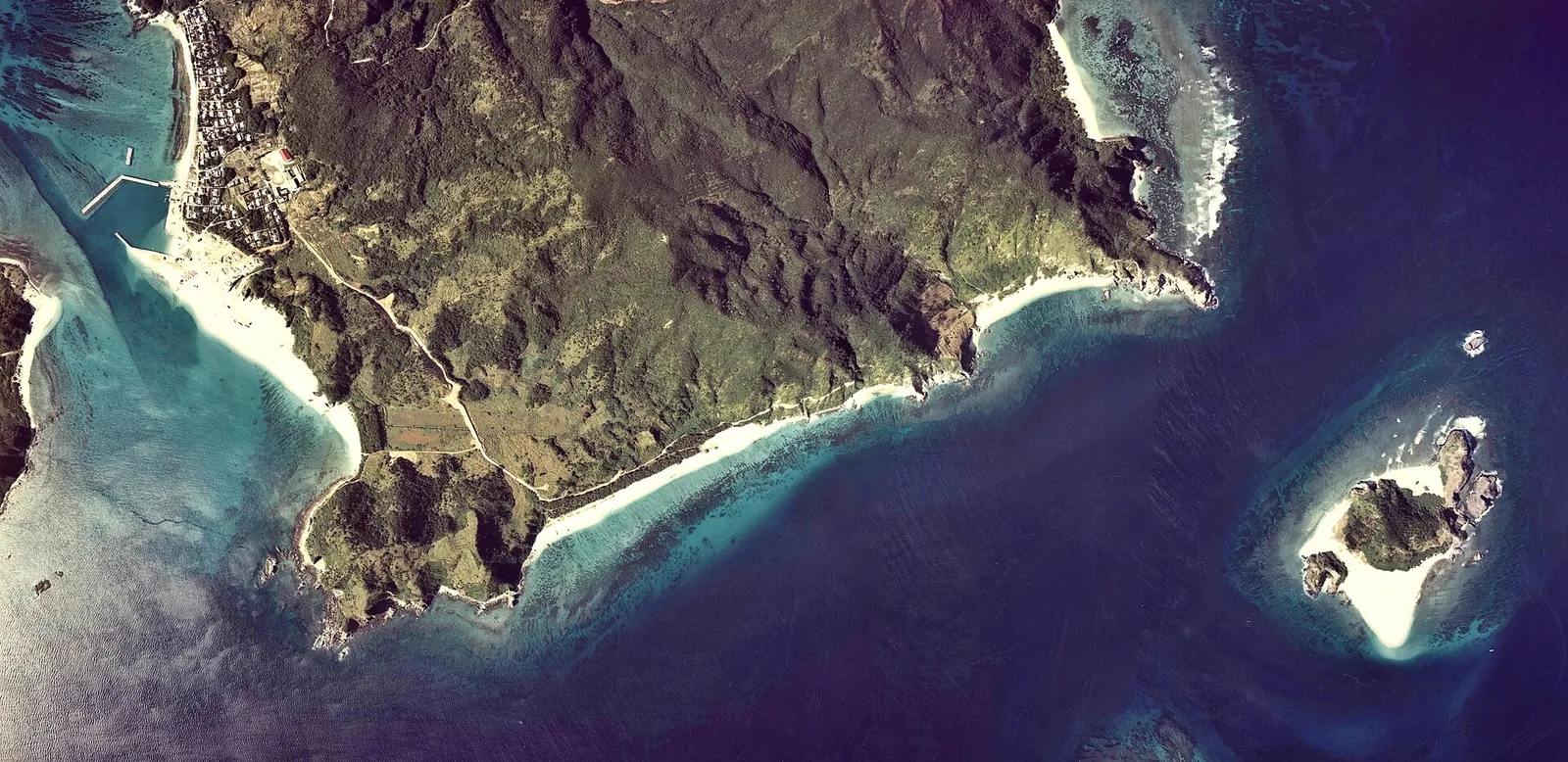
And for the country’s other extreme, at the far southern end of the same archipelago, our Okinawa guide covers the tropical islands that need a flight of their own.
And because the month you come decides whether this is a snow trip or a lavender one, our guide to the best time to visit Japan covers the year.
Come for the snow or the fields, but know this is the part of Japan that behaves least like the rest.
If the snow is the reason, our five days skiing in Japan sets out how to shape the week, and how Niseko, Hakuba and the Nagano resorts differ from each other.
Five days is enough for the city and a good deal of what lies outside it. Our five days in Hokkaido covers Sapporo, the food and the northern outdoors.