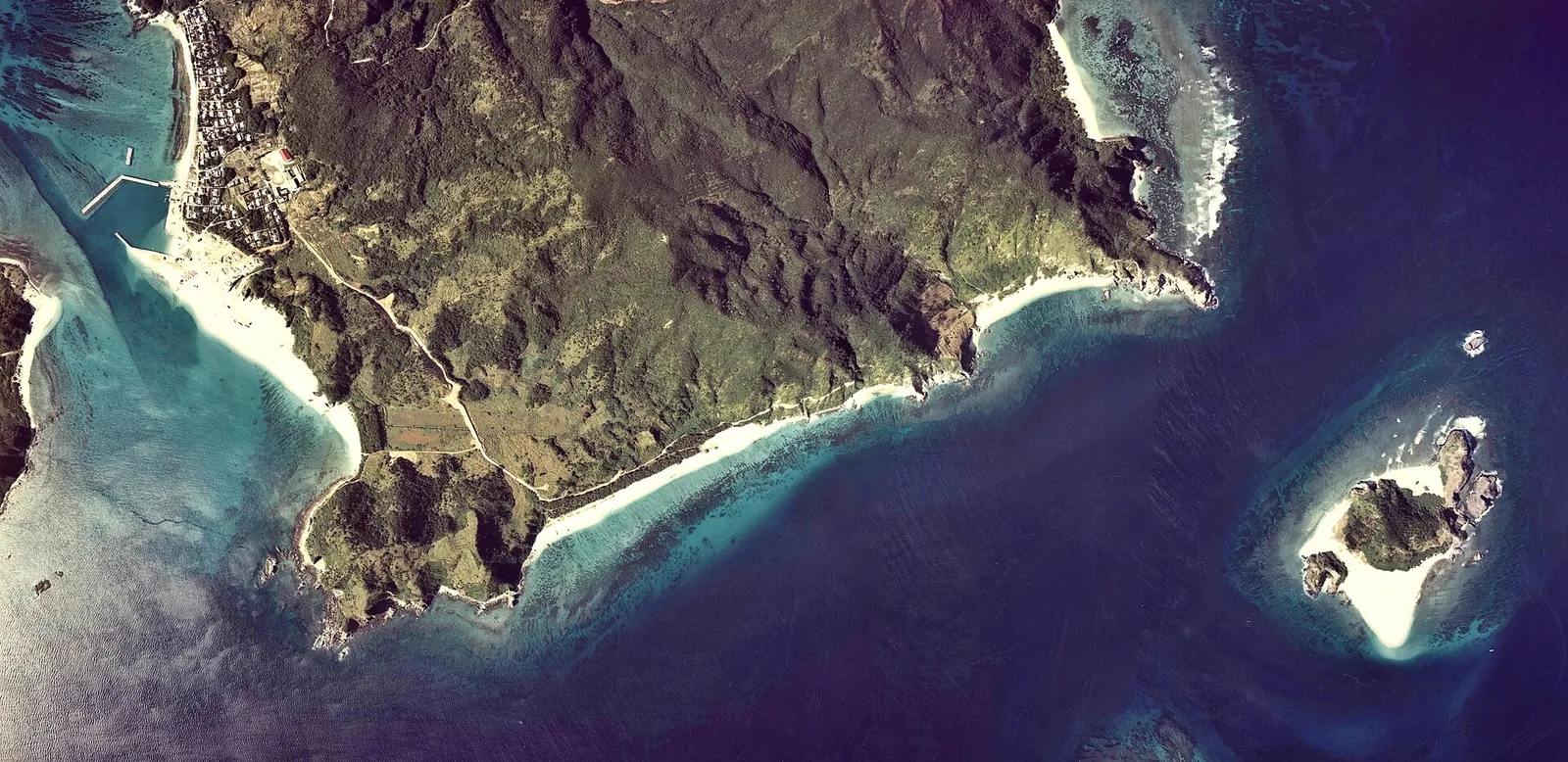
Fly far enough south from the main islands and Japan stops looking like Japan. Concrete gives way to sugar cane, stone lions sit on the rooftops, and the sea turns a colour that looks retouched. Okinawa is a chain of well over a hundred islands strung between Kyushu and Taiwan, closer to Taipei than to Tokyo, and until the nineteenth century it was not Japan at all. It is also the one part of the country where the swimming season runs in months rather than weeks.
Why Okinawa does not feel like the rest of Japan
Until the 1870s these islands were the Ryukyu Kingdom, an independent trading state with its own court, its own language and centuries of exchange with China and Southeast Asia. That inheritance is still everywhere: in the three-stringed sanshin you hear in the bars, in the shisa lions guarding the roof ridges, and in a kitchen with almost nothing in common with Kyoto.
Two later chapters shaped it just as hard. The Battle of Okinawa in 1945 was among the most devastating of the Pacific war and fell heavily on civilians, and the memorial sites and peace museum in the south tell it from their point of view. An hour there changes how the rest of the trip reads. The long American presence that followed left its own mark, on whole districts and on menus carrying taco rice alongside braised pork belly. The result is a mixed identity and a slower pulse than the mainland.
The water, and where it is best
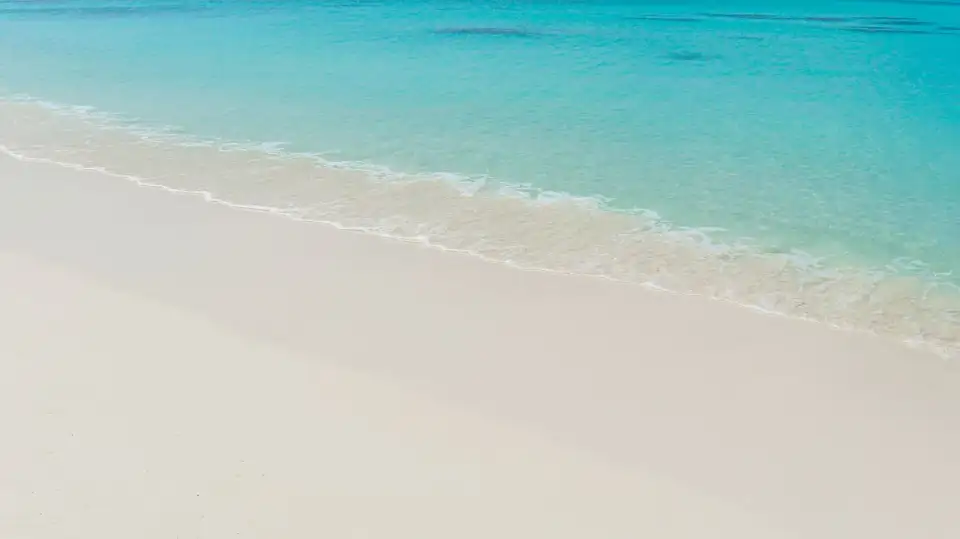
The sea is why most people come. The main island has good beaches, particularly on the west coast, plus headlands such as Cape Manzamo. But the water gets better the further you go from Naha. The Kerama Islands, a boat ride offshore, are a national park with a blue distinctive enough to have its own name, and Miyako and Ishigaki sit in the clearest water in the country.
Snorkelling here is not a consolation prize: coral, turtles and tropical fish are reachable from the shore in the right spots, and the diving is world-class. Ferries link the larger islands to their smaller neighbours, but sailings shift with the season and are cancelled outright in rough weather, so confirm times with the operator for your dates rather than a timetable you found months earlier.
Choosing your islands and how long to stay
This is the decision that shapes the whole trip, because Okinawa is not one place. The main island is the practical base: Naha, Shuri, the aquarium in the north, most of the hotels, and the only island where you can see a lot without boarding another plane. Four or five days there is a sensible shape.
The outer islands are different. Miyako and Ishigaki have the water people picture when they picture Okinawa, and both need a separate short flight from Naha. The rule that works: under a week, stay on the main island; a week or more, add one island and sleep there several nights rather than hopping between three.
And the part worth saying plainly: Okinawa is not a two day extension. The flight alone claims most of a day in each direction, so a short visit spends two travel days to buy a day and a half on the beach. If you are building a three week route through Japan, it earns its place. On ten days split between Tokyo and Kyoto, it does not.
Getting there, and why you will want a car
Every route in runs through the air: there is no shinkansen and no rail link from the rest of the country, and Naha is the gateway. Fares move sharply with how far ahead you book, and each direction is most of a travel day with airport time.
Once you land, the picture changes again. Naha has a monorail that works inside the city and goes nowhere near the coast, and buses along the island are sparse. Hiring a car is what unlocks the place. Reserve it before you fly in peak weeks, budget several thousand yen a day for a small car outside the busiest periods, and confirm the real figure with the rental company for your dates.
Settle one thing at home: most visitors need an International Driving Permit issued in their own country before travelling, and Japan does not issue them to arrivals. A few countries are not party to the relevant convention and use an official Japanese translation of the licence instead, so check what applies to yours. How transport works across Japan covers the mainland picture, and what a trip here actually costs is worth a look before you add a second flight and a hire car to the plan. The same logic applies at the other end of the country, where our Hokkaido guide covers the northern island that also needs a flight and a week rather than a weekend.
The coast roads are the trip, so book the car earlyOkinawa runs out of hire cars in peak weeks, and the counter is the worst place to find that outShuri Castle, Churaumi and the Ryukyu table
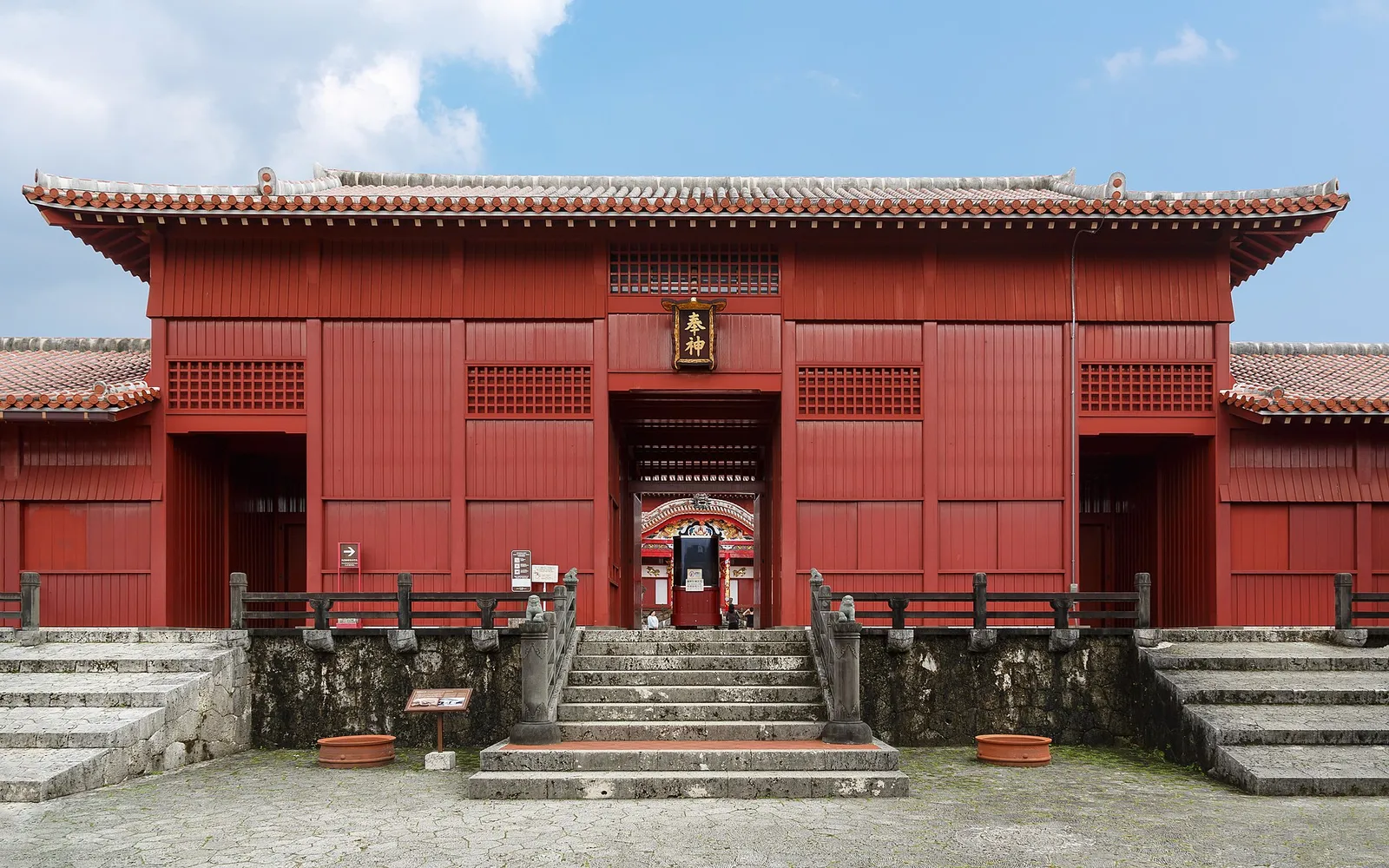
Naha deserves a day. Shuri Castle, the vermilion seat of the Ryukyu kings, lost its main hall to fire in 2019 and has been under reconstruction since, with parts of the work open to view. Check what is accessible before you go, because the site changes as the rebuild advances. Below it, Kokusai Dori and the covered market streets hold the food, the crafts and the sanshin players.
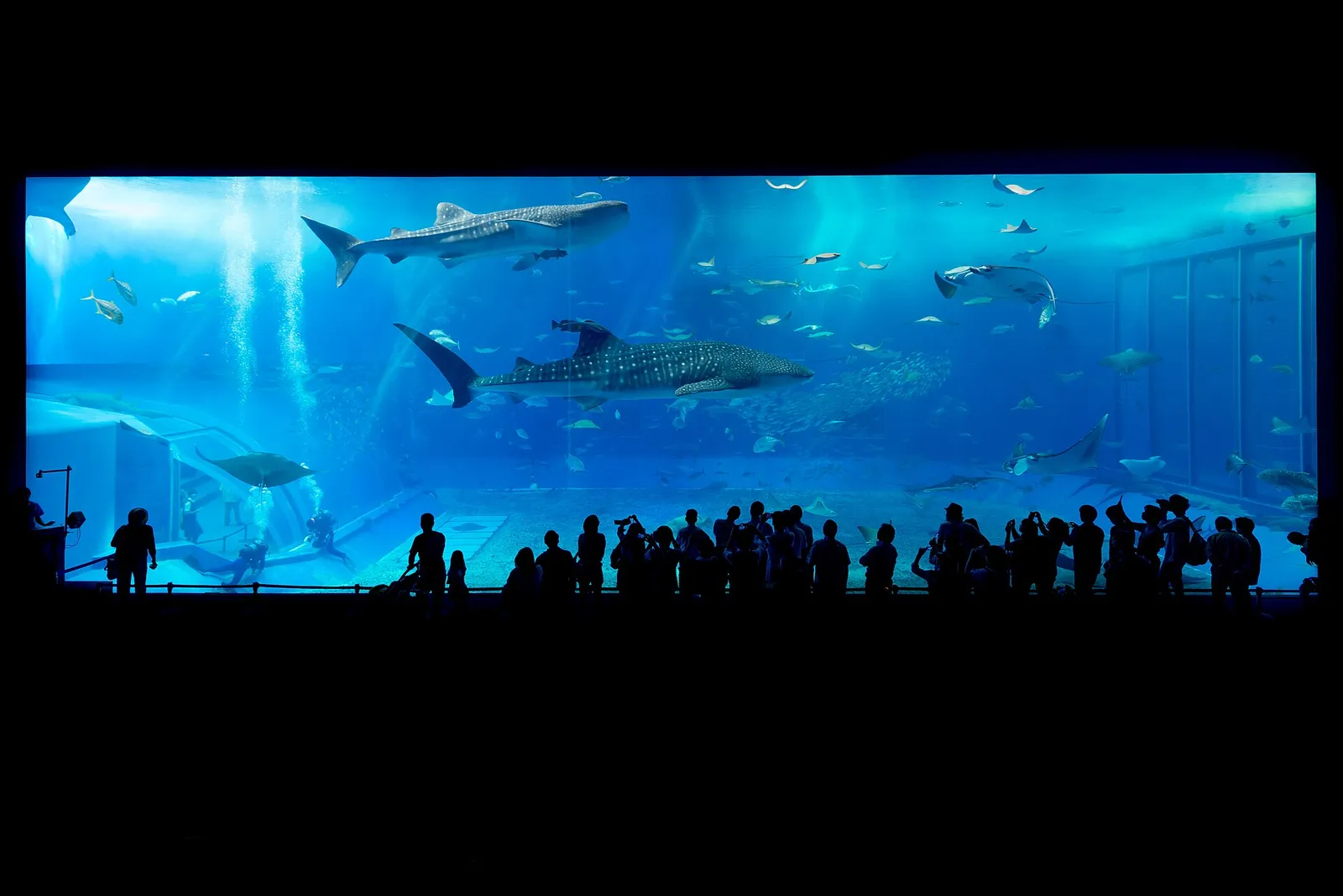
In the north of the main island, Churaumi Aquarium holds one of the largest tanks anywhere, with whale sharks and manta rays circling behind a wall of glass. It is a long drive from Naha, so treat it as a day out.
Eat locally, because the food is its own thing: goya champuru, the bitter melon stir fry that defines the island table; rafute, pork belly braised until it collapses; Okinawa soba, which is neither ramen nor the buckwheat noodle you know; and sata andagi doughnuts from a market stall. Awamori, the local distilled spirit, is what the sanshin bars pour.
Typhoons, heat and the case for the shoulder seasons
Okinawa is sub-tropical rather than tropical, which means mild winters, a long warm season and humidity that arrives well before high summer. It also means the islands sit in the path of storms forming over the western Pacific, and that risk concentrates in the late summer and early autumn stretch. Treat it as a pattern rather than a promise in either direction: quiet Augusts happen, and so do late storms.
What matters is what a typhoon actually does. It is not simply a wet day. It can close the airport, cancel the ferries to the smaller islands and stop all boat and dive activity for days. If you travel inside that window, build slack into the plan, follow the forecast in the two days before rather than the two months before, and read the cancellation terms on flights and rooms before you pay, because flexibility is worth more here than a small discount.
Late spring and early autumn are the reward: warm sea and far less rain.
Okinawa asks for a separate flight, a hire car and the better part of a week, which is why it is wrong for a first, short run through the big cities. Give it the time it needs and it repays you with something nowhere else in Japan offers: coral water, an island kitchen, a culture that was its own country, and a pace that finally slows down.
If you are giving the islands most of a week, the order matters more than the list. Our five days in Okinawa sets out a route that does not waste days on ferries.