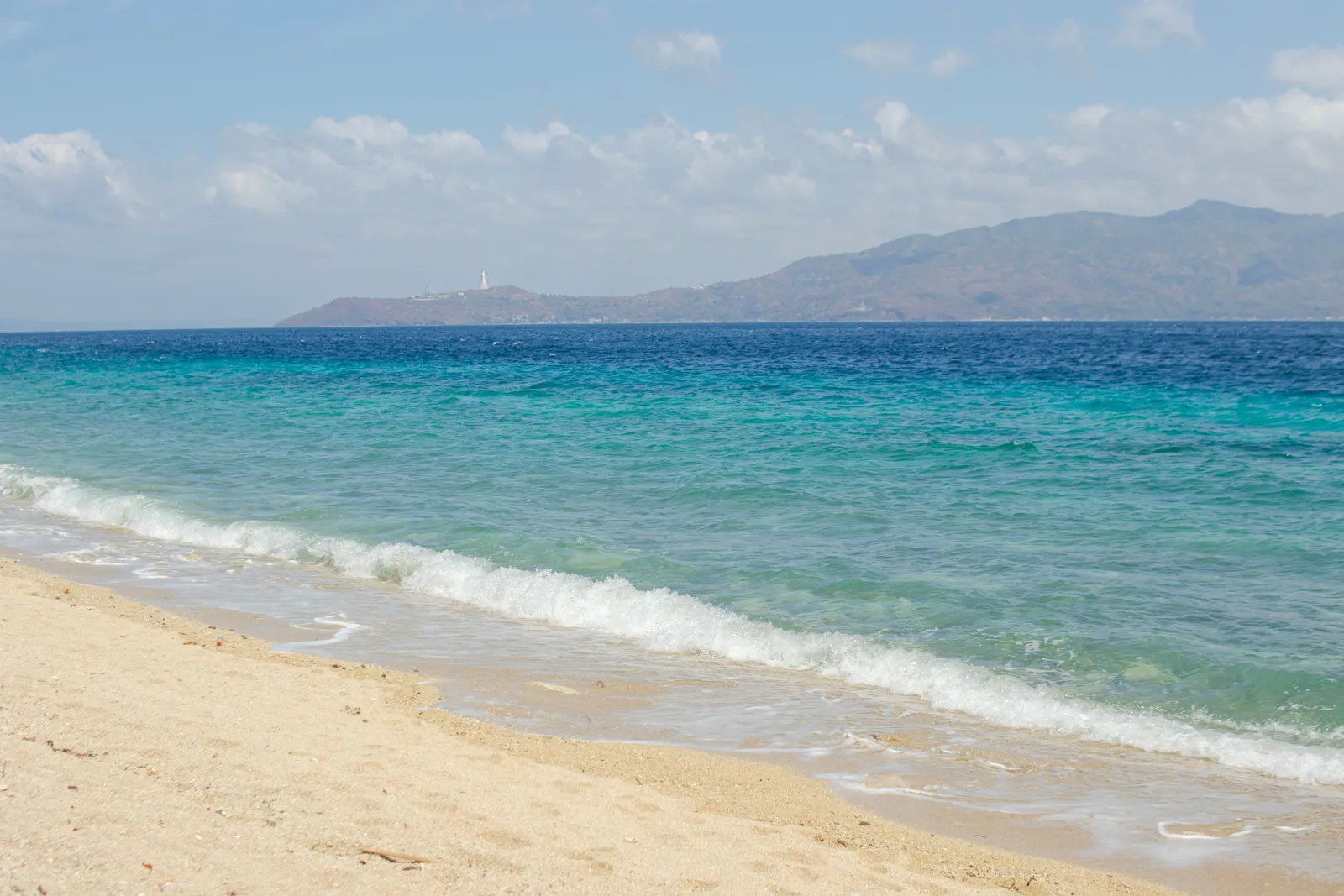
Okinawa barely feels like the same country as the mainland, and that is more or less the point of coming. Centuries as the independent Ryukyu Kingdom before annexation left a distinct language, cuisine and architecture that still sets the islands apart, layered over a subtropical climate and some of the clearest water in Japan. Five days is enough to cover Naha, the north of the main island, a full beach and sea day, and a slower final stretch of history and smaller islands. If this is your first Japan trip, first time in Japan is still worth a read even though Okinawa breaks several of the mainland’s rules. Read our travel insurance guide before you go, since the water activities here carry their own considerations, and keep emergency numbers saved on your phone regardless.
Itinerary at a glance
| Day | Base | The signature experience |
|---|---|---|
| 1 | Naha | An awamori tasting, the island’s own spirit |
| 2 | Churaumi and the north | The aquarium’s whale shark tank |
| 3 | Kerama islands | Snorkelling in some of the clearest water in Japan |
| 4 | Southern Okinawa | The Peace Memorial Park and Sefa Utaki |
| 5 | Kouri or Ie island | Sugar cane roads and empty beaches |
Day 1: Naha, Shuri castle and the old trading city
Start at Shuri castle, the seat of the Ryukyu Kingdom for centuries and a strong symbol of Okinawa’s distinct identity from mainland Japan. The site suffered a serious fire in recent years and reconstruction is ongoing, so treat a visit as watching history being rebuilt rather than expecting a finished monument, which is its own kind of interesting. Kokusai street runs through the centre of Naha, a long strip of shops and restaurants that makes an easy first orientation walk, and just off it, the Tsuboya pottery lane preserves the old kiln district where the island’s distinctive Yachimun-style ceramics have been fired for generations. For dinner, look for Okinawa soba, a wheat noodle dish in a pork-based broth that is entirely different from the buckwheat soba found on the mainland, and goya champuru, a stir-fry built around bitter melon that is something of a local point of pride.
Food: Okinawa soba and goya champuru are the two dishes to try on the first night, alongside a taco rice, a genuinely local invention that layers Tex-Mex-style seasoned meat over rice rather than a mainland dish at all. The signature experience: an awamori tasting, the island’s own distilled spirit, distinct from mainland sake and shochu and aged in a way that develops real depth over years. Optional tour: a Naha old town walking tour covering Shuri castle grounds and the Tsuboya pottery lane is a good way to get the history behind what you are looking at.
Day 2: Churaumi and the drive north
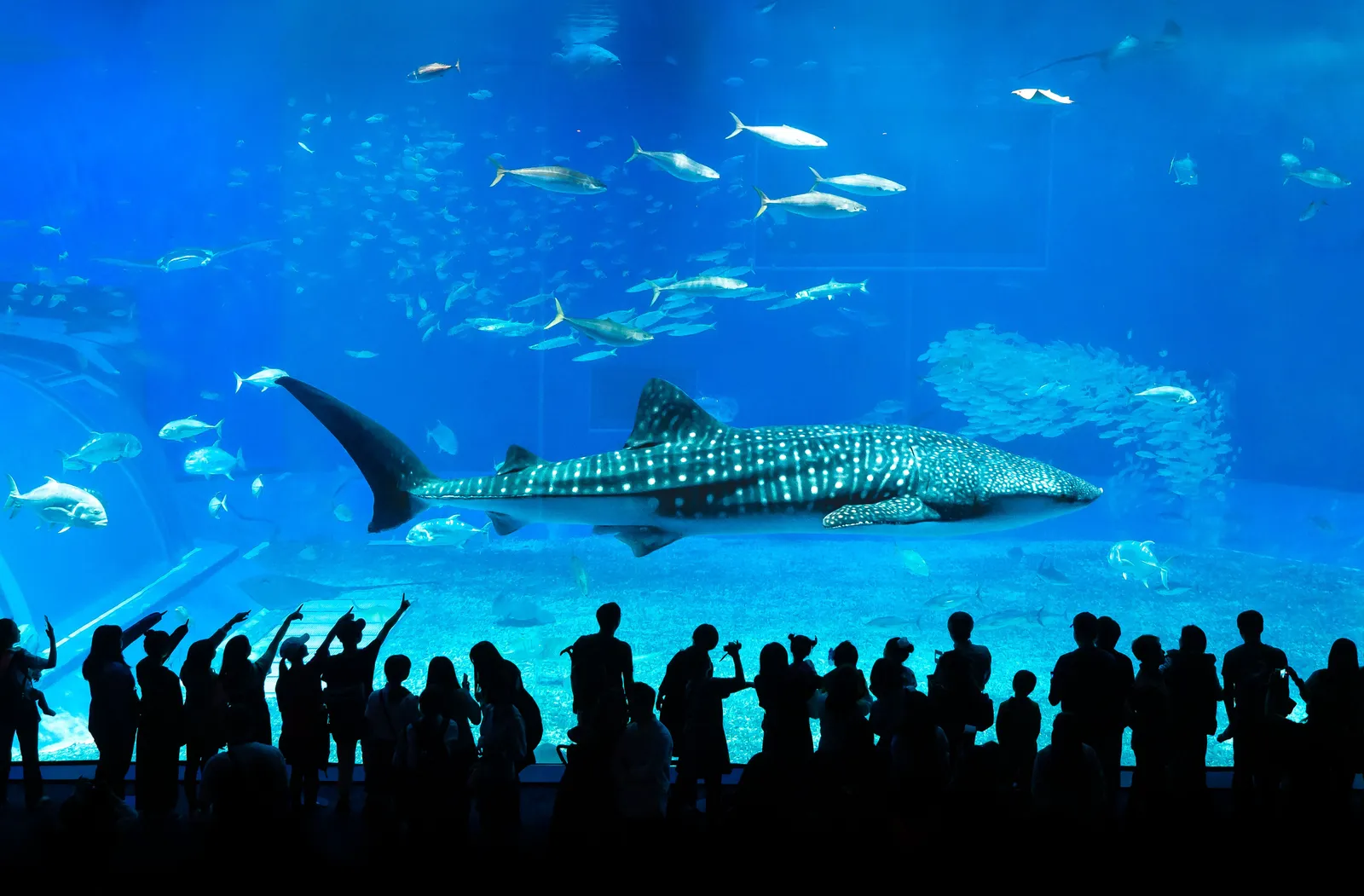
Head north for a full day built around the island’s coast. The Churaumi aquarium is the headline stop, home to one of the largest tanks in the world and a small population of whale sharks that glide past the viewing window at a scale that is hard to picture until you are standing in front of it. Nearby, the Bise fukugi tree lane is a quiet, shaded village street lined with old trees that have sheltered homes here from typhoon winds for generations, worth a slow walk rather than a quick photo stop. On the drive back, Cape Manzamo’s cliffside views over the East China Sea make a good sunset stop, the rock formation below giving the cape its name from its resemblance to a seated elephant’s trunk from certain angles.
Food: look out for pineapple and mango stalls if you are travelling in season (check Japan’s best time to visit for how Okinawa’s subtropical calendar differs from the mainland’s), both grown locally in Okinawa’s warmer climate, and a seaside soba shop near the aquarium makes an easy lunch stop. The signature experience: the whale shark tank at Churaumi, one of the aquarium’s genuine world-class draws. Optional tour: a northern Okinawa day tour covering the aquarium, Bise and Cape Manzamo in one loop is a sensible option if you would rather not drive the whole route yourself.
Day 3: Beach and sea, the Kerama islands
Give a full day to the water. The Kerama islands, a short fast ferry ride from Naha, sit inside a national park and are known locally for water clarity that has its own name, a striking pale blue that shows up clearly even from the ferry deck on the crossing. Snorkelling or a beginner dive here is genuinely rewarding, with coral and reef fish visible close to shore in many spots without needing a boat trip out. It is worth taking local safety advice seriously rather than treating it as boilerplate: currents around the islands can be strong in places, and certain jellyfish seasons call for caution, so follow the flags posted on each beach and ask locally before swimming somewhere that is not an obviously marked area.
Food: pack a light lunch or buy one before the ferry, since options on the smaller Kerama islands are limited compared with the main island. The signature experience: snorkelling in water clear enough that fish are visible from well above the surface, in a national park most first-time visitors to Okinawa never realise exists. Optional tour: a Kerama islands snorkelling or diving day tour, including equipment and the ferry crossing, is the simplest way to do this day without arranging transport and gear separately.
Day 4: History in the south
The southern part of the main island carries the heaviest history of the whole trip. The Peace Memorial Park sits above cliffs that saw some of the fiercest fighting of the Battle of Okinawa in 1945, and the museum and memorials here are a sober, important counterpoint to the beaches earlier in the week, worth setting aside real time rather than rushing through. Sefa Utaki, the most sacred site in the traditional Ryukyuan religion, is a very different kind of place: a forested sacred grove rather than a built structure, and one of the clearest windows into Okinawa’s spiritual traditions before and alongside mainland Japanese influence, so the quiet, respectful conduct covered in our Japanese etiquette guide matters even more here than at a mainland shrine. The Gyokusendo caves, one of the longest limestone cave systems in Japan, make a cooler, more physical stop later in the day, a walkway winding past stalactites formed over hundreds of thousands of years.
Food: a market lunch in Itoman, the fishing town in the south, is a good way to eat well without a reservation, drawing on the day’s catch landed at the local port. The signature experience: Sefa Utaki’s forested grove, quiet and largely unmarked, a genuinely different register from the rest of the trip. Optional tour: a southern Okinawa history and culture tour covering the Peace Memorial Park, Sefa Utaki and Gyokusendo in one day is worth it given how spread out the three sites are.
Day 5: Island hopping, Kouri or Ie
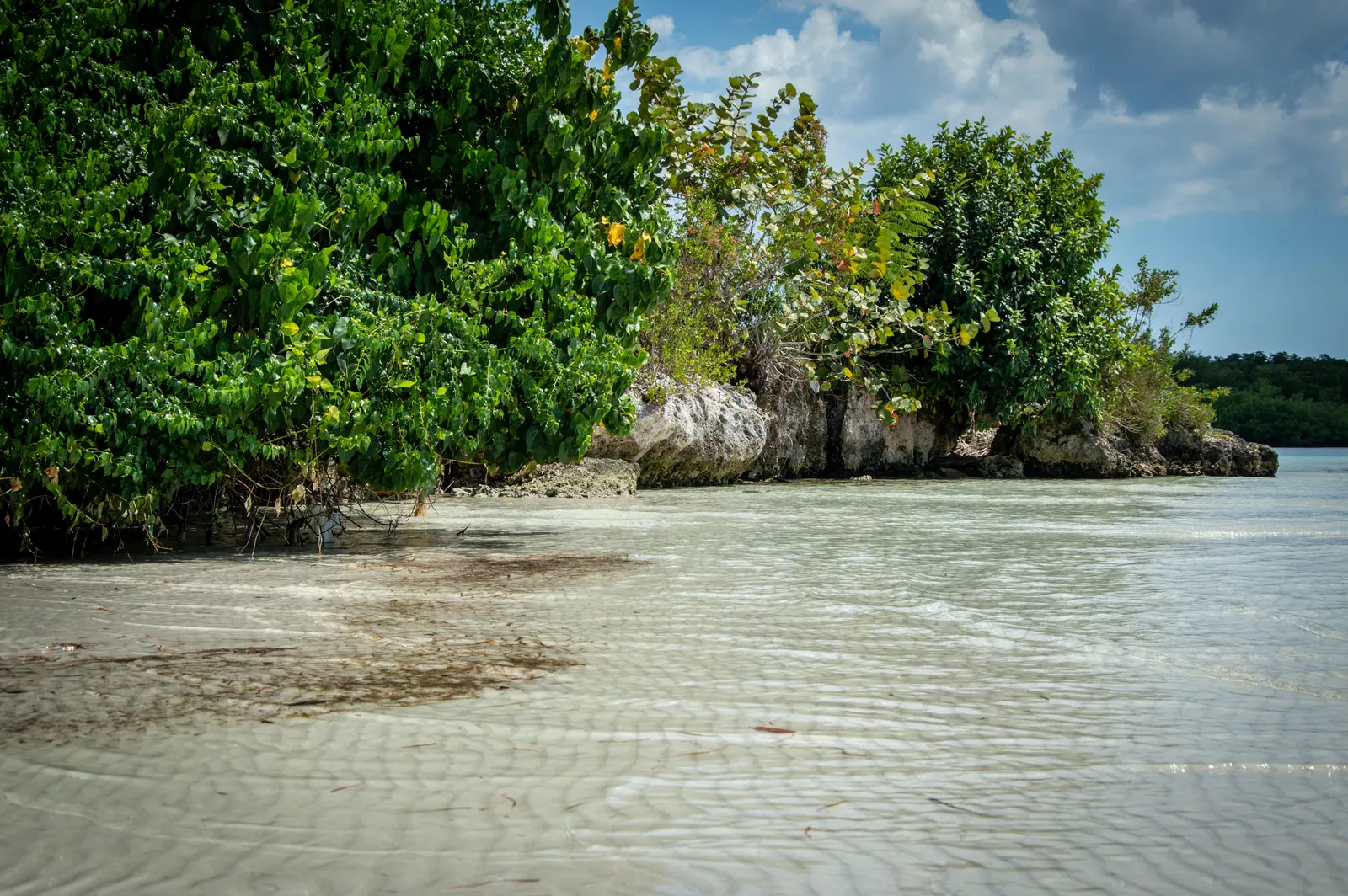
Close the trip with a slower, smaller-scale day. Kouri island, connected to the main island by a long bridge over turquoise water, is an easy half-day trip with quiet beaches and roads lined with sugar cane fields that give a real sense of rural Okinawa away from the resorts. Ie island, reached by a short ferry instead of a bridge, has a more distinct character again, a small conical mountain at its centre and beaches that stay genuinely empty even in season. Either makes a good, unhurried final stop before heading back to Naha for your flight, a contrast to the busier first day in the capital.
Food: roadside stalls on Kouri sell fresh fruit and shaved ice in the warmer months, an easy way to cool down between beach stops. The signature experience: empty beaches and sugar cane roads that feel a world away from the pace of Naha, despite being only a short drive out. Optional tour: a Kouri island day tour from Naha is a straightforward option if you would rather not manage the drive yourself before an evening flight.
Practical tips
- Okinawa’s rental car and bus network differs from the mainland’s train system; see getting around Japan for the wider context before you plan the northern and southern legs.
- Take beach safety flags and posted warnings seriously, particularly around jellyfish season and current advisories, which vary by beach and by time of year.
- Rental cars, ferries and inter-island tours add up quickly here compared with a train-based mainland trip; see Japan budget and costs for how to plan around it.
- Your travel insurance is worth checking before any snorkelling or diving day, since water activities are exactly the kind of thing a standard policy sometimes excludes without an add-on.
- Save the local emergency numbers before you travel, and know that response times on smaller islands can be longer than on the main island.
- Confirm ferry schedules to the Kerama islands, Ie island and Gyokusendo’s opening hours against their official sources before you go, since services can be reduced in poor weather or outside peak season.