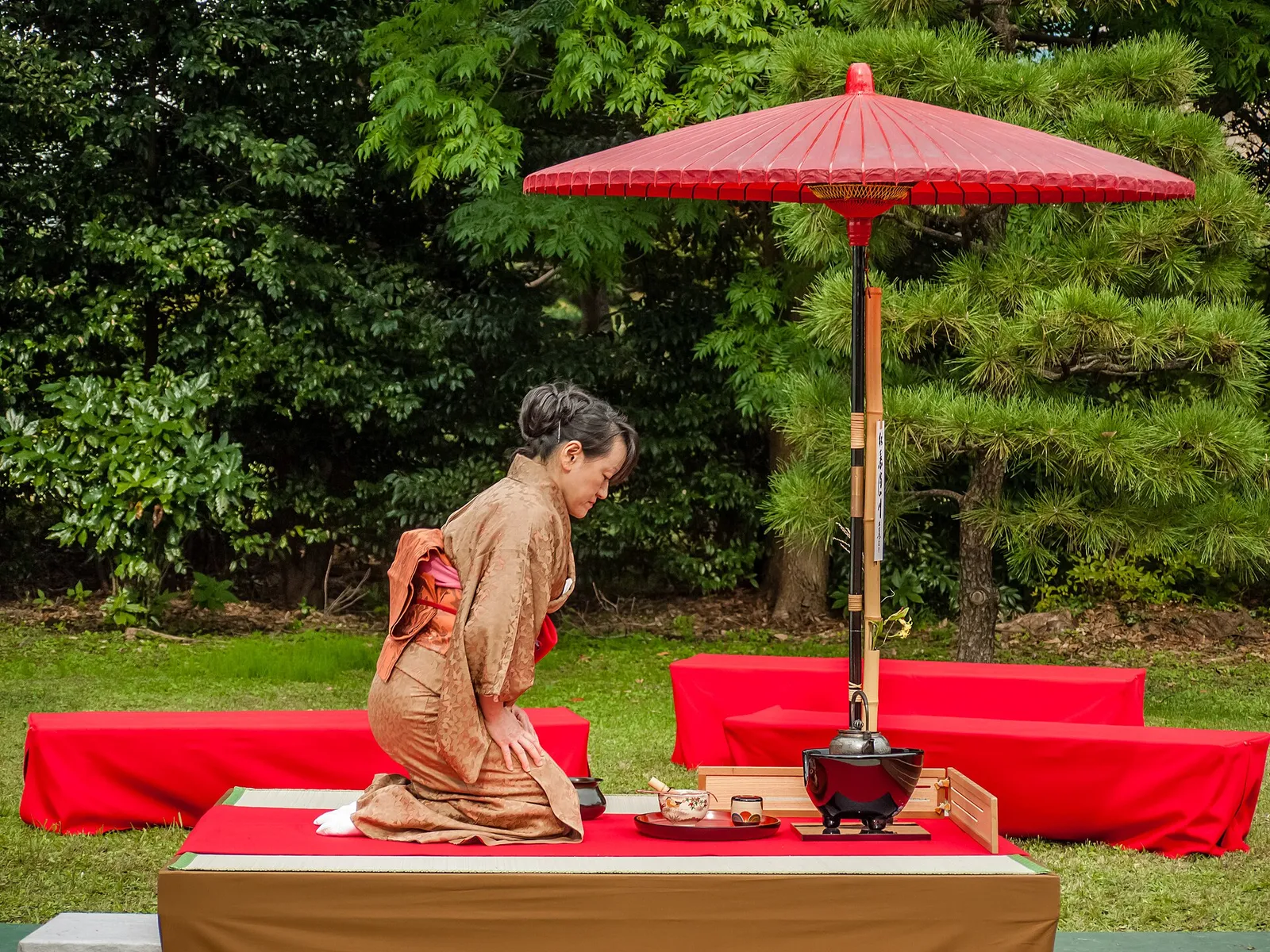
Japan has a reputation for terrifying etiquette, and it is largely undeserved. The country is enormously forgiving of foreign visitors, nobody expects you to know the deep rules, and the shallow ones take an afternoon to absorb. What is true is that a handful of small habits mark the difference between a visitor who is tolerated and one who is welcomed, and they cost nothing. Here are the rules that actually matter, and the ones you can stop worrying about.
The four that carry most of the weight
If you learn nothing else, learn these.
Shoes come off where the floor steps up. Homes, ryokan, temple halls, tatami restaurants, some clinics and changing rooms. The architecture tells you: a raised threshold, a rack, a row of slippers. Wear shoes you can slip off, and pay attention to your socks, because they are now the public part of the outfit.
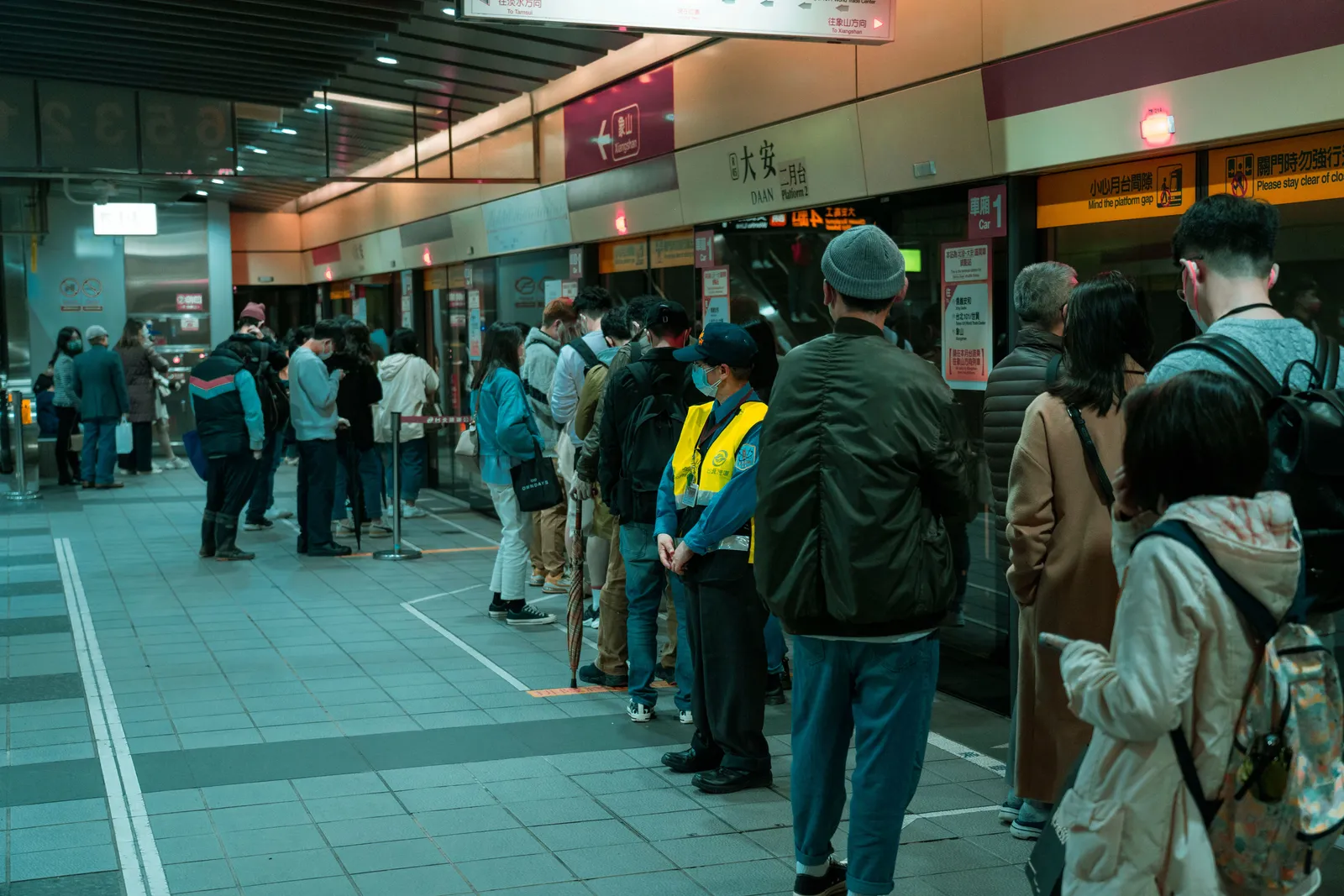
Keep quiet on trains. Phone calls are not made, phones are on silent, conversation is low. The silence of a packed Tokyo carriage is one of the small marvels of the country and visitors are the most common thing that breaks it.
Use the tray. Money and cards go onto the small tray on the counter, not into the cashier’s hand, and change comes back the same way. It is universal and it takes one transaction to learn.
Do not tip. Ever, essentially. Service is included and superb, and leaving money causes confusion rather than pleasure.
Those four cover the overwhelming majority of daily interactions.
At the table
Japanese dining etiquette is more relaxed than its reputation, with two hard rules and a handful of soft ones.
Never stand chopsticks upright in rice, and never pass food chopstick to chopstick. Both mirror funeral rituals and land badly. Everything else on the chopstick list is manners rather than taboo: do not spear food, do not gesture with them, rest them on the holder.
Lift the bowl. Unlike in Korea, it is normal and correct here to raise the rice or soup bowl towards your mouth.
Slurp your noodles. It is expected, it cools them, and it is said to improve the taste. Doing it silently marks you out more than doing it loudly.
Say the words. A quiet itadakimasu before eating and gochisousama deshita afterwards will earn you a smile in any restaurant in the country.
Use the oshibori hot towel for your hands, not your face.
Do not pour your own drink in a group. Fill others’ glasses and someone will fill yours, which is the same custom you will meet across the region.
Our Japanese food guide covers what to order and how ordering itself works, from the ticket machines at ramen counters to the plastic models in the window, which removes most of the remaining hesitation.
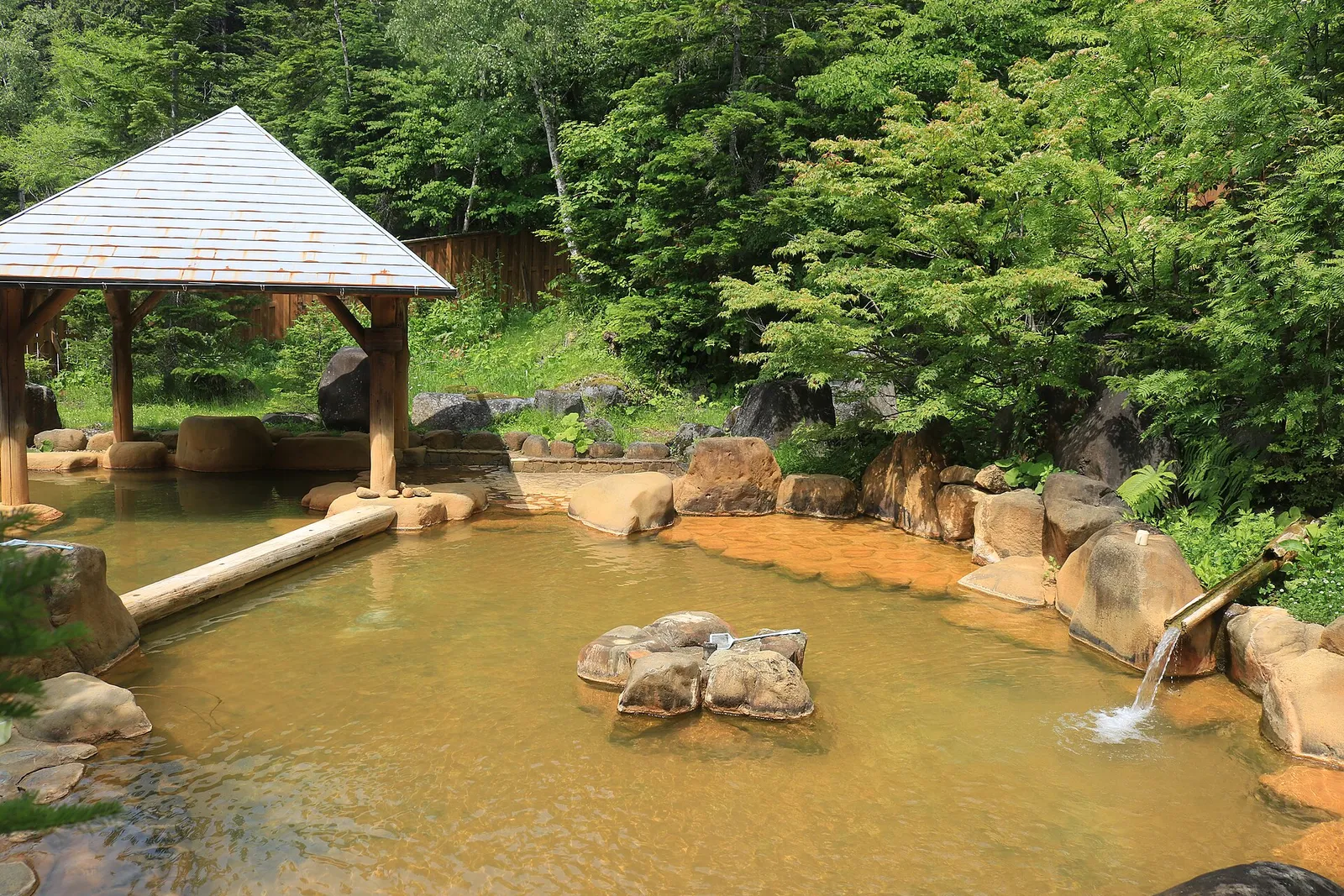
One setting has its own rules and deserves reading before you go rather than at the door: the hot spring bath, where the washing ritual, the small towel and the tattoo question all matter; our onsen etiquette guide covers the whole sequence.
In public
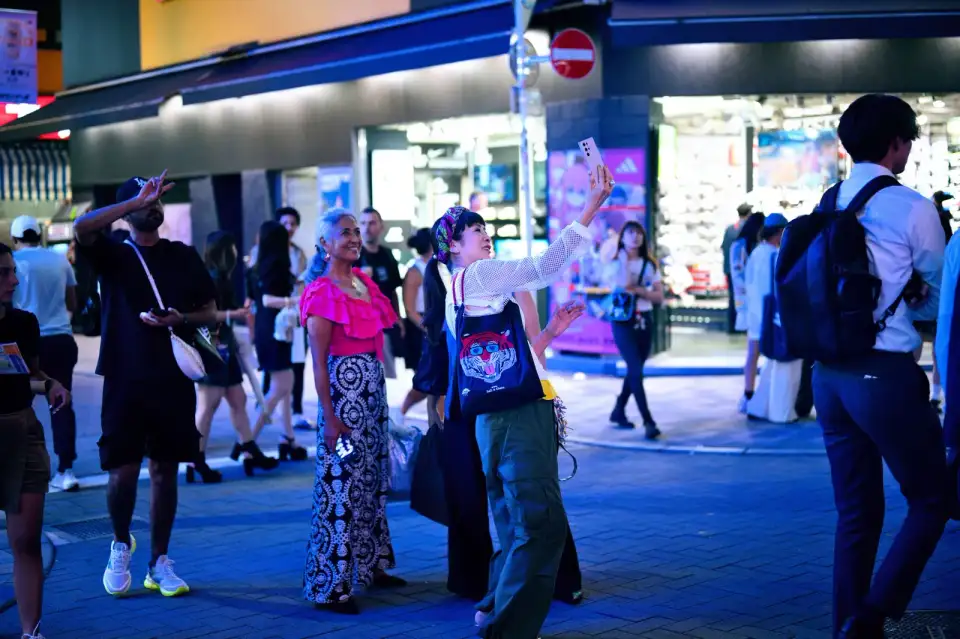
Japanese public behaviour runs on a simple principle: do not create trouble for the people around you. Almost every specific rule follows from it.
Queue properly, on the markings, and let people off before boarding.
Do not eat while walking in most contexts, and finish a snack standing near the shop that sold it. Festival streets and designated food areas are the exception.
Carry your rubbish. Public bins are famously scarce, a legacy of security measures decades ago, and everyone carries their waste home or to a convenience store. A small bag in your day pack solves it.
Keep your voice down in restaurants, on trains and in hotels, and take a backpack off in a crowded carriage so it stops hitting people.
Do not blow your nose at the table, which reads as genuinely unpleasant here. Sniffing is considered the lesser evil, which surprises Western visitors.
Smoking is the reverse of what you expect in many places: prohibited on the street in a lot of city districts, permitted in designated indoor smoking rooms. Look for the marked areas rather than assuming.
At temples and shrines
These are working religious sites and the etiquette is straightforward.
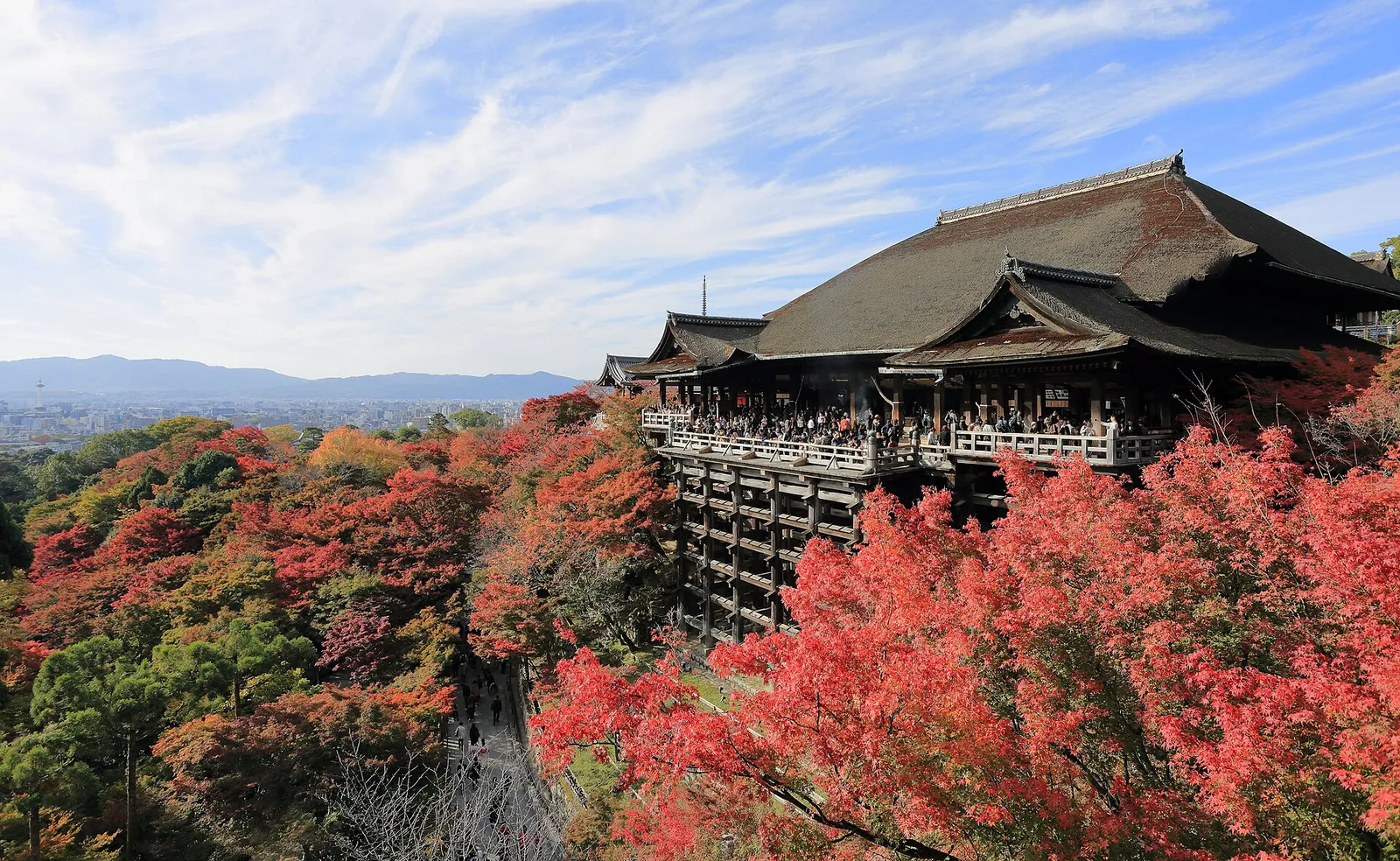
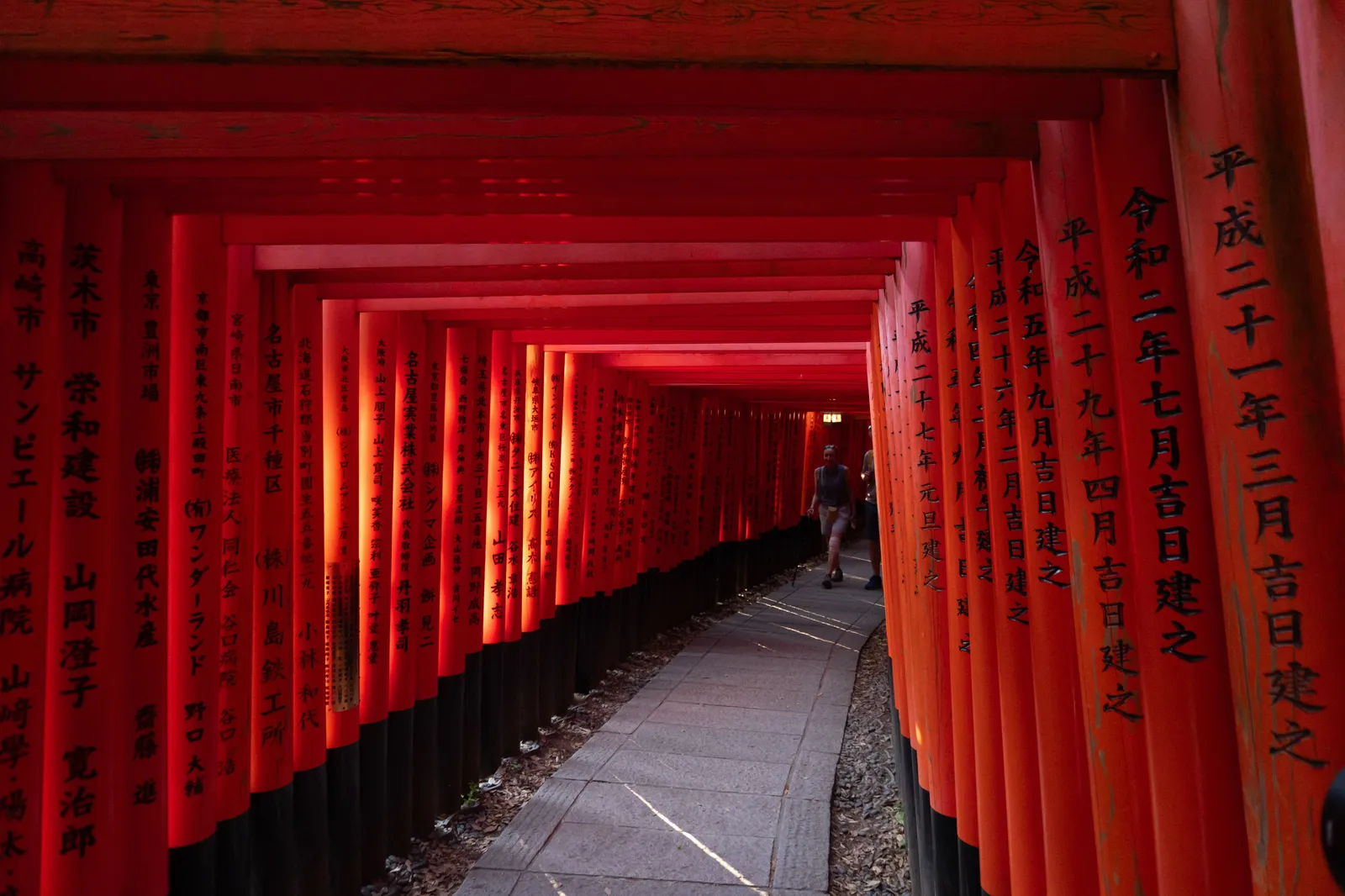
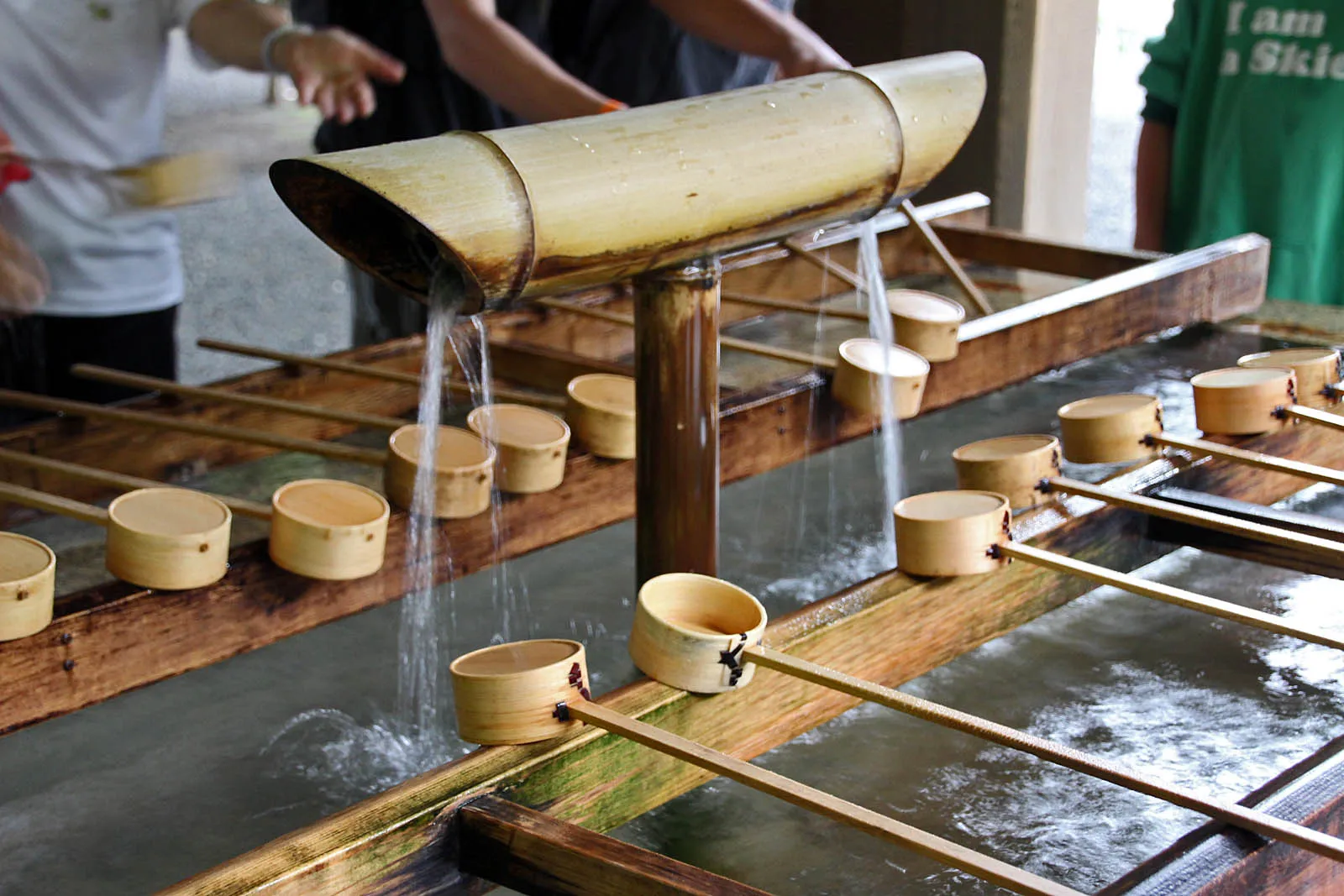
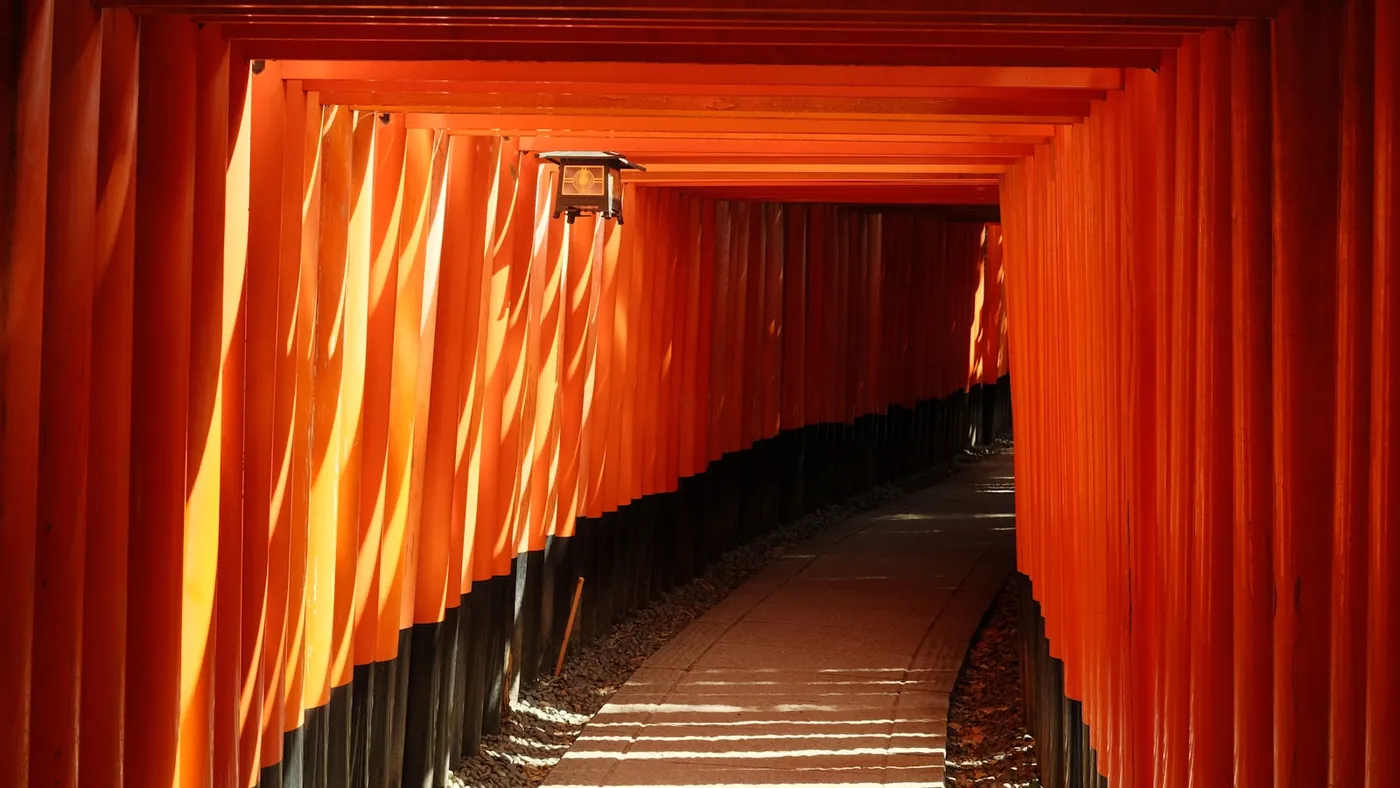
At a shrine, pass through the torii gate with a small bow, walk to the side of the path rather than down the centre, which is traditionally reserved, and purify at the water basin: rinse the left hand, then the right, then pour a little into your cupped hand to rinse your mouth, then let the water run down the handle.
At the hall, the common practice is a small offering, a bow, two claps and a bow again, though customs differ between shrines.
At a temple, there is no clapping; a bow, an offering and a moment of quiet.
Shoes off where indicated, photography off where signposted, and never point a camera at someone praying.
None of this is enforced or expected of visitors, and all of it is noticed when done.
The rules you can stop worrying about
Half the anxiety visitors bring to Japan attaches to things nobody cares about.
Your Japanese. Nobody expects it. Konnichiwa, arigatou gozaimasu and sumimasen will carry you through a trip, and the effort is what registers.
Chopstick technique. Holding them imperfectly is fine. Only the funeral gestures matter.
Bowing depth. A nod is correct for a visitor in essentially every situation you will encounter.
Slippers. You will get the toilet slippers wrong once. Everyone does, and it is treated as funny.
Being lost. Asking for help is entirely normal and the response is usually more help than you asked for, occasionally including someone walking you to the destination.
The general principle is that Japan judges effort, not accuracy, and visible effort is met with real warmth.
Gift giving, and the small exchanges
Two habits appear constantly once you notice them and neither is difficult.
Two hands for anything given or received that carries weight: a business card, a gift, a document. Money is the exception, because that goes on the tray.
Omiyage, the regional souvenir brought back for colleagues and friends, is a genuine social obligation here rather than a tourist industry, which is why every station sells beautifully packaged local sweets. If someone hosts you, arriving with something small from where you have just been is exactly right.
When something goes wrong
Two situations are worth knowing in advance, because both are handled differently here.
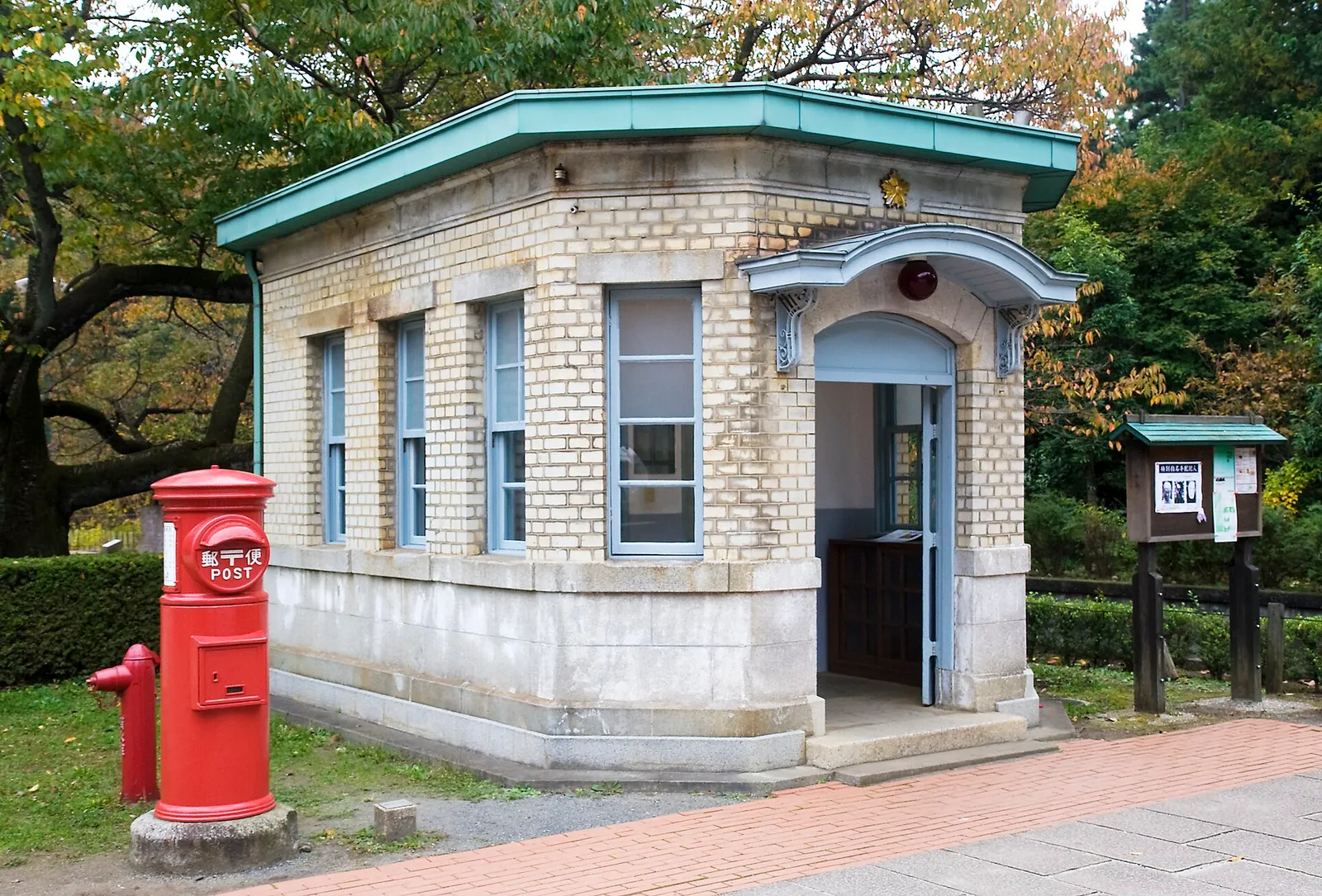
Losing something is not the disaster it would be elsewhere. Lost property is handed in as a matter of course, wallets and phones included, and station offices and police boxes have systems for it. Ask rather than assuming it is gone.
Needing help is a moment where the language gap is widest and where preparation pays. Save the numbers before you need them; our guide to emergency numbers in Japan covers which to call and what to say, and the country’s other great strength, the police box on the corner of many neighbourhoods, is staffed by people whose job includes directing lost visitors.
How Japan compares in the region
If you are travelling more widely, it is worth knowing that these rules are Japanese rather than Asian.
The most instructive comparison is with South Korea, which shares the shoe rule, the drinking custom and the general quiet on transport, and differs on almost everything at the table: rice bowls stay down, spoons do the work chopsticks do here, and the pouring hierarchy is more explicit. Our comparison of Japan and South Korea covers those differences alongside the practical ones of cost and ease.
The habit worth carrying between countries is the underlying one: watch what the table next to you is doing, and copy it. It works everywhere and it has never once caused offence.
The short version
Shoes off where the floor steps up, quiet on the train, money on the tray, and tip nobody. Never stand chopsticks in rice, lift your bowl, slurp your noodles. Carry your rubbish, queue on the markings, and keep your camera away from people who are working rather than performing. Everything else is optional, nobody expects a visitor to get it perfect, and the effort itself is what people here actually notice.