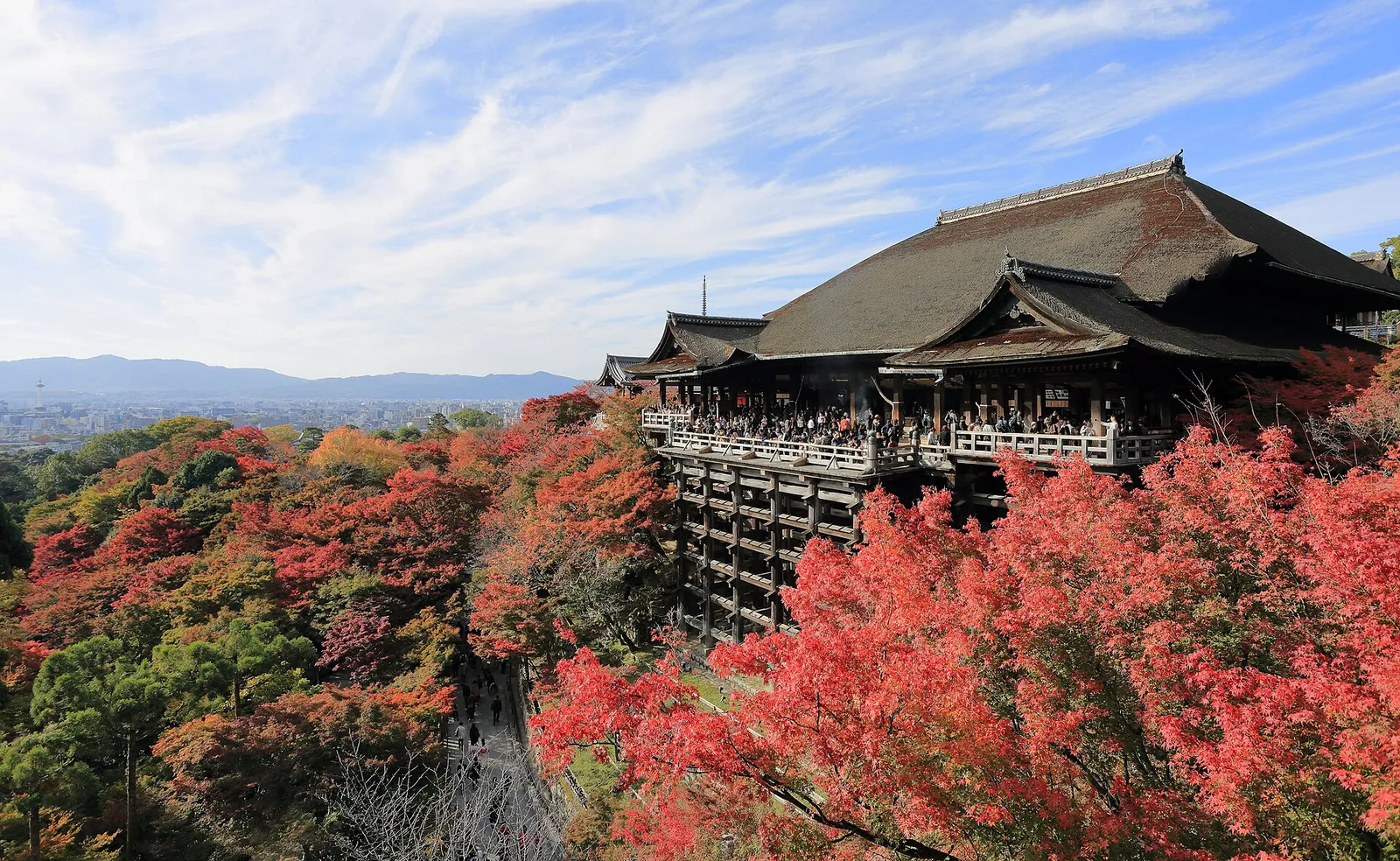
Japan and South Korea are neighbors, rivals, and the two most rewarding first trips in East Asia. Both are safe to the point of disbelief, run on brilliant trains, feed you unforgettably, and blend ancient palaces with hyper-modern cities. That is exactly why choosing is hard. The differences are real, though: they lie in texture, in cost, in how the countries pace a trip, and in what kind of traveler you are. Here is the honest comparison, written from the Japan side of the strait but with full respect for the other shore.
Culture and atmosphere
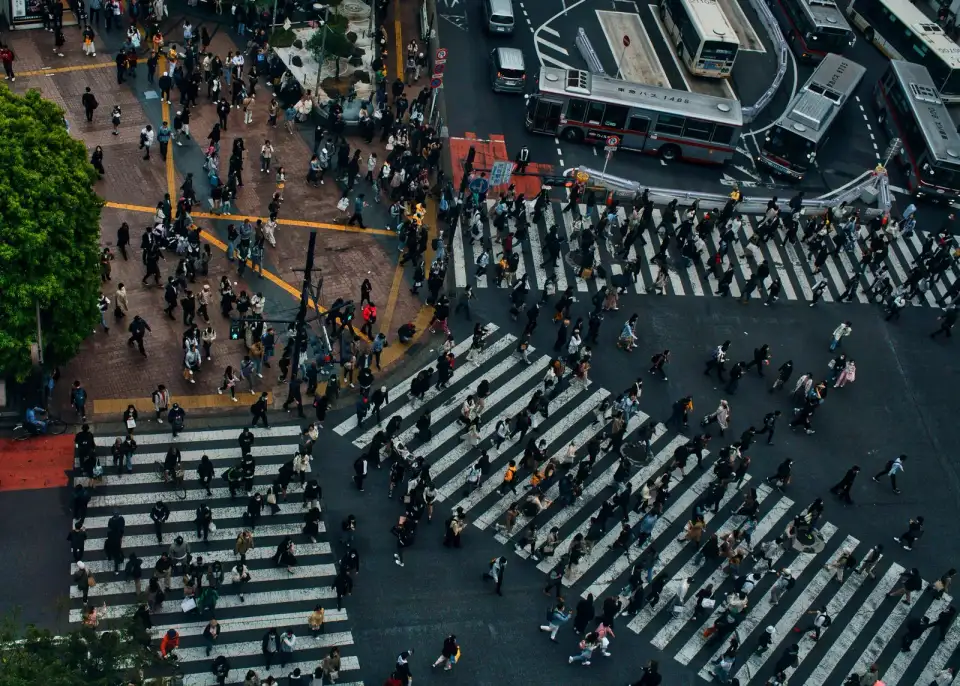
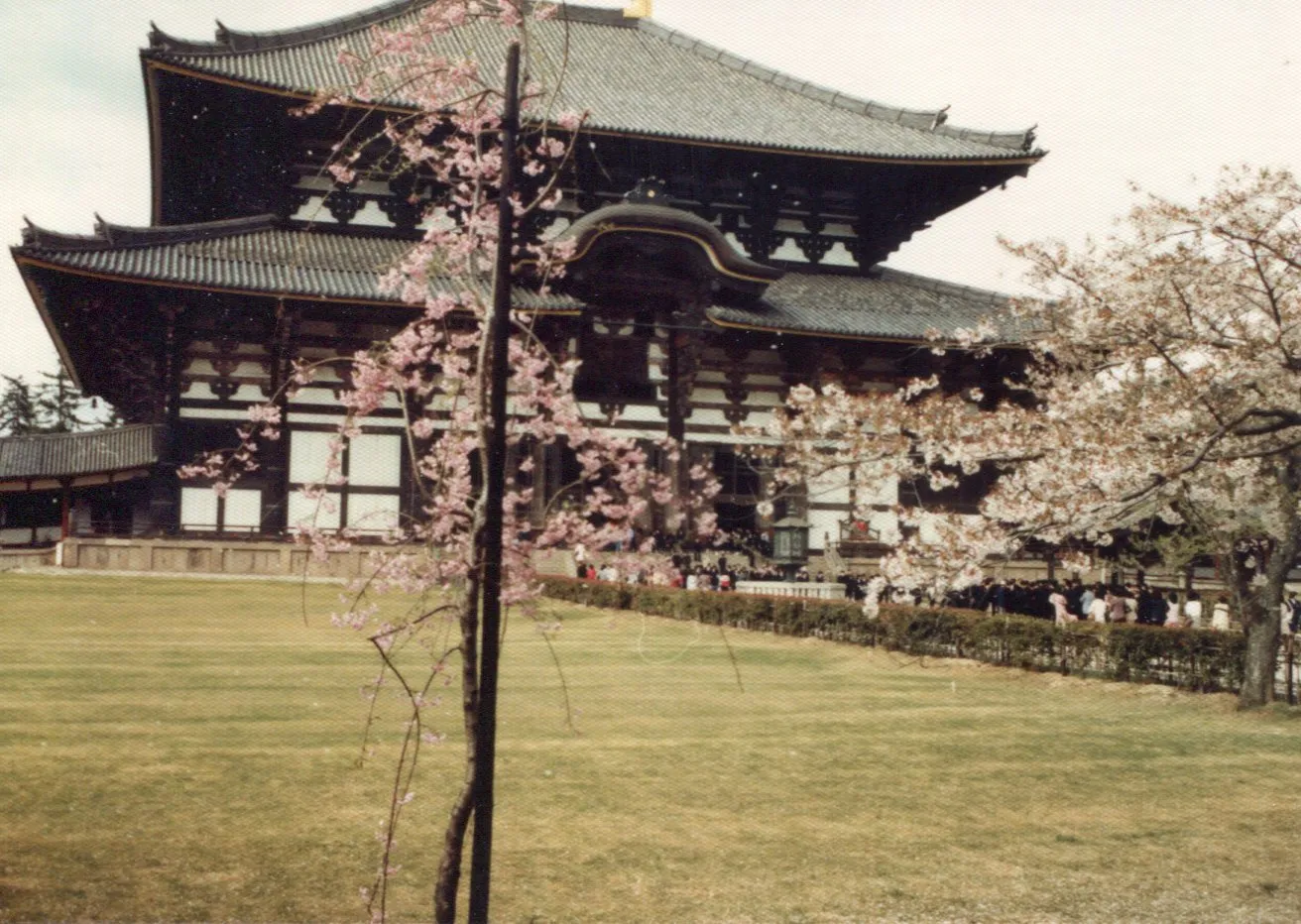
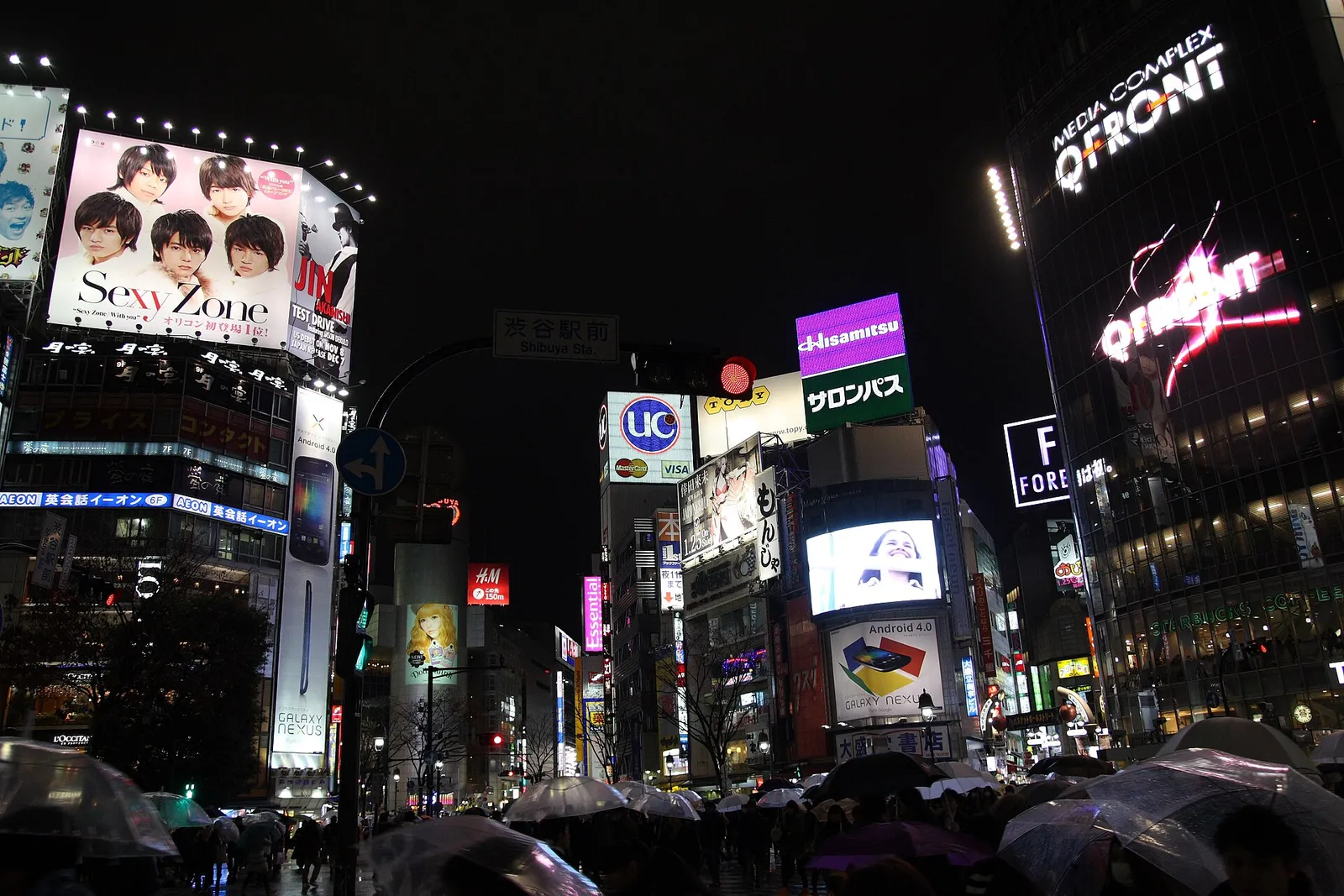
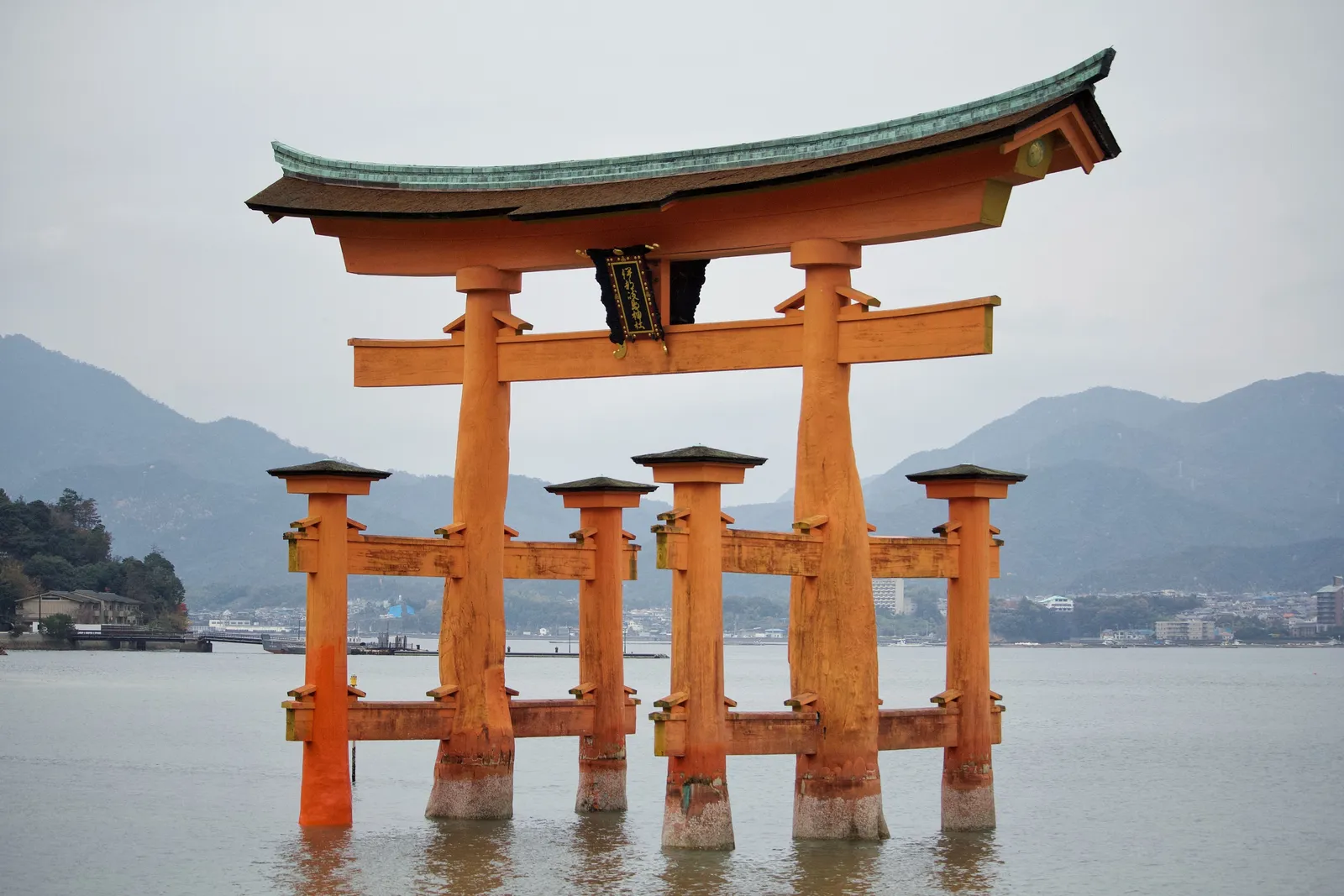
Japan offers depth and contrast that few countries on earth can match: one hour you are in a silent moss garden in Kyoto, the next under the screens of Shibuya. The aesthetic tradition, temples, ryokan inns, onsen bathing, tea, gardens, is intact, everywhere, and woven into daily life. The national mood is reserved, courteous and precise, which many travelers find calming and some find distant.
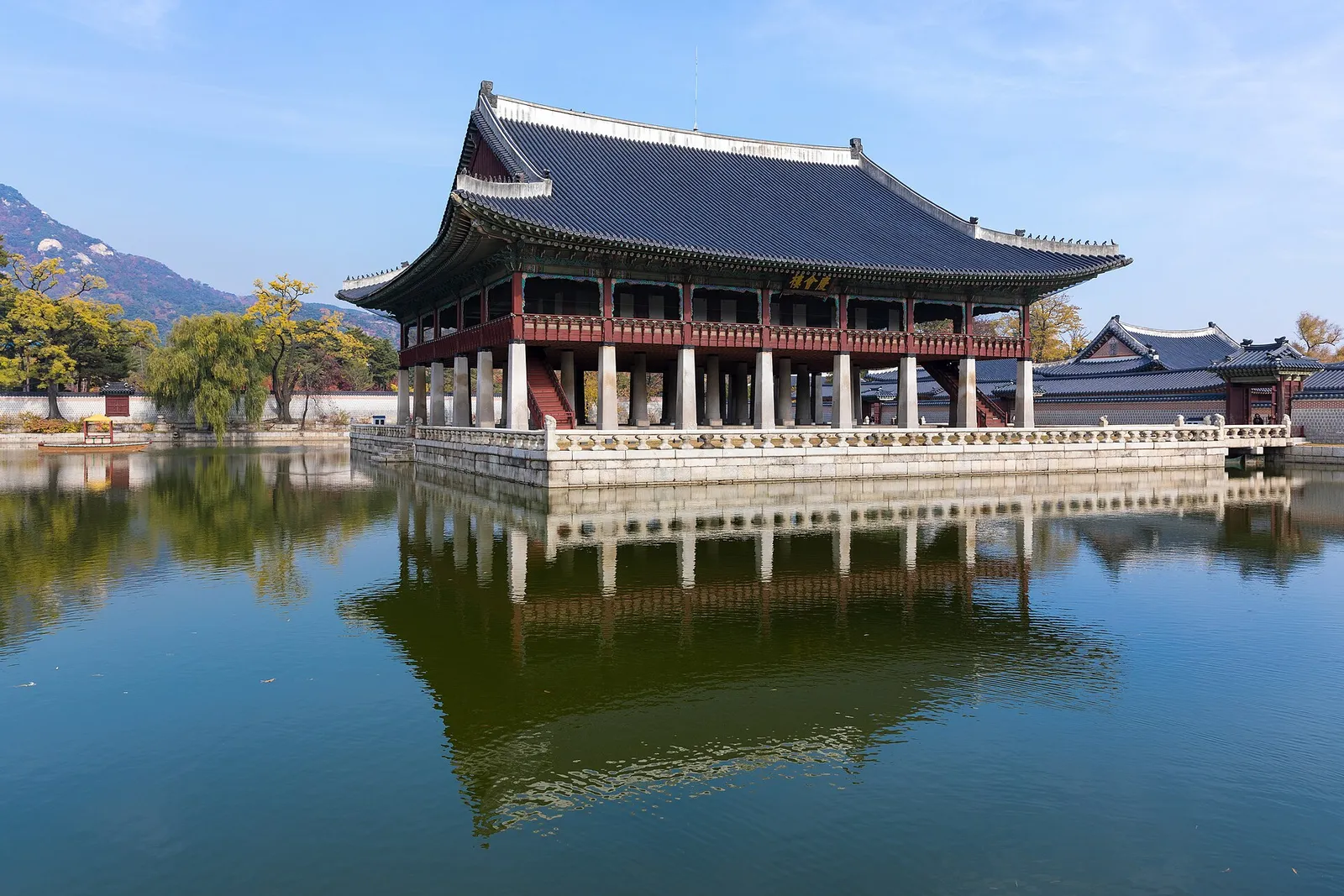
South Korea runs warmer and faster. Seoul pairs the great palaces of the Joseon dynasty, Gyeongbokgung above all, with a pop-culture engine, K-pop, K-drama, K-beauty, that now shapes global taste. Koreans are more direct and outwardly expressive than their neighbors, cafes and nightlife run later, and the historic layer, while genuine, from hanok villages to the temples of Gyeongju, is thinner on the ground than Japan’s. If deep traditional immersion is the goal, Japan wins. If contemporary energy is the draw, Korea makes its case loudly.
Food: refinement versus fire
Japanese food is the broader church: sushi, ramen, tempura, wagyu, kaiseki, izakaya grazing, regional styles that change every hundred kilometers, and the deepest fine-dining bench in the world. Flavors are precise and ingredient-led; even convenience-store food is startlingly good. Start with our Japan food guide and go hungry.
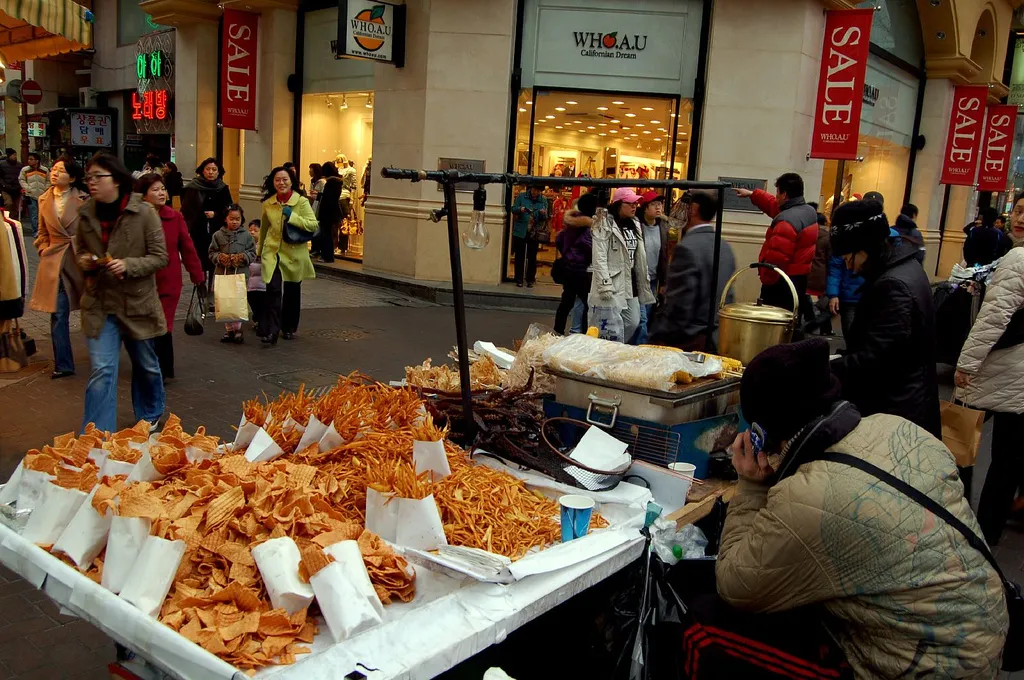
Korean food is bolder and more communal: barbecue grilled at your own table, bubbling stews, fried chicken with beer, a constellation of banchan side dishes with every meal, and street markets like Gwangjang in Seoul that rank with Asia’s best. It is also friendlier to spice lovers by default, where Japan’s heat is the exception. Verdict by palate: chile and charcoal, Korea; range and refinement, Japan. Nobody loses.
Cost: Korea leads on value, Japan closed the gap
Korea has long been the cheaper trip, and on the ground it still is, moderately. Casual meals in Seoul commonly run 8,000 to 12,000 won, mid-range hotels undercut Tokyo equivalents, and taxis and city transit are notably cheap. But Japan’s story changed: a weak yen has made the country better value for most foreign visitors than at any time in decades, with superb meals for 1,000 to 2,000 yen and business hotels at prices that surprise returning travelers. Korea still wins the budget column overall, especially on accommodation, but the margin is thinner than the old reputation suggests, and neither country will punish a mid-range wallet.
Land connected in either countryAn eSIM covering Japan and Korea keeps maps and translation working from the jet bridgeEase and getting around
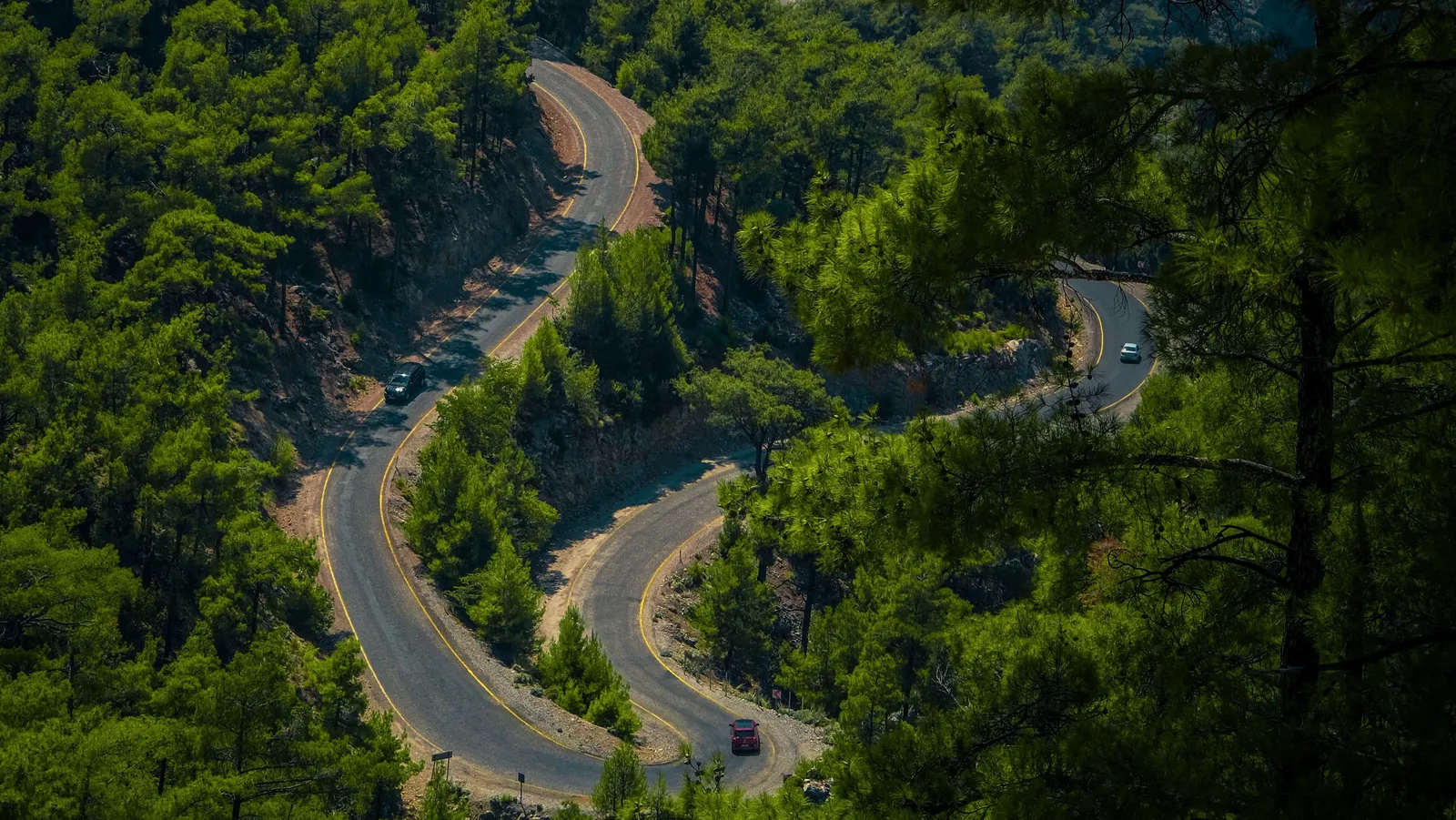
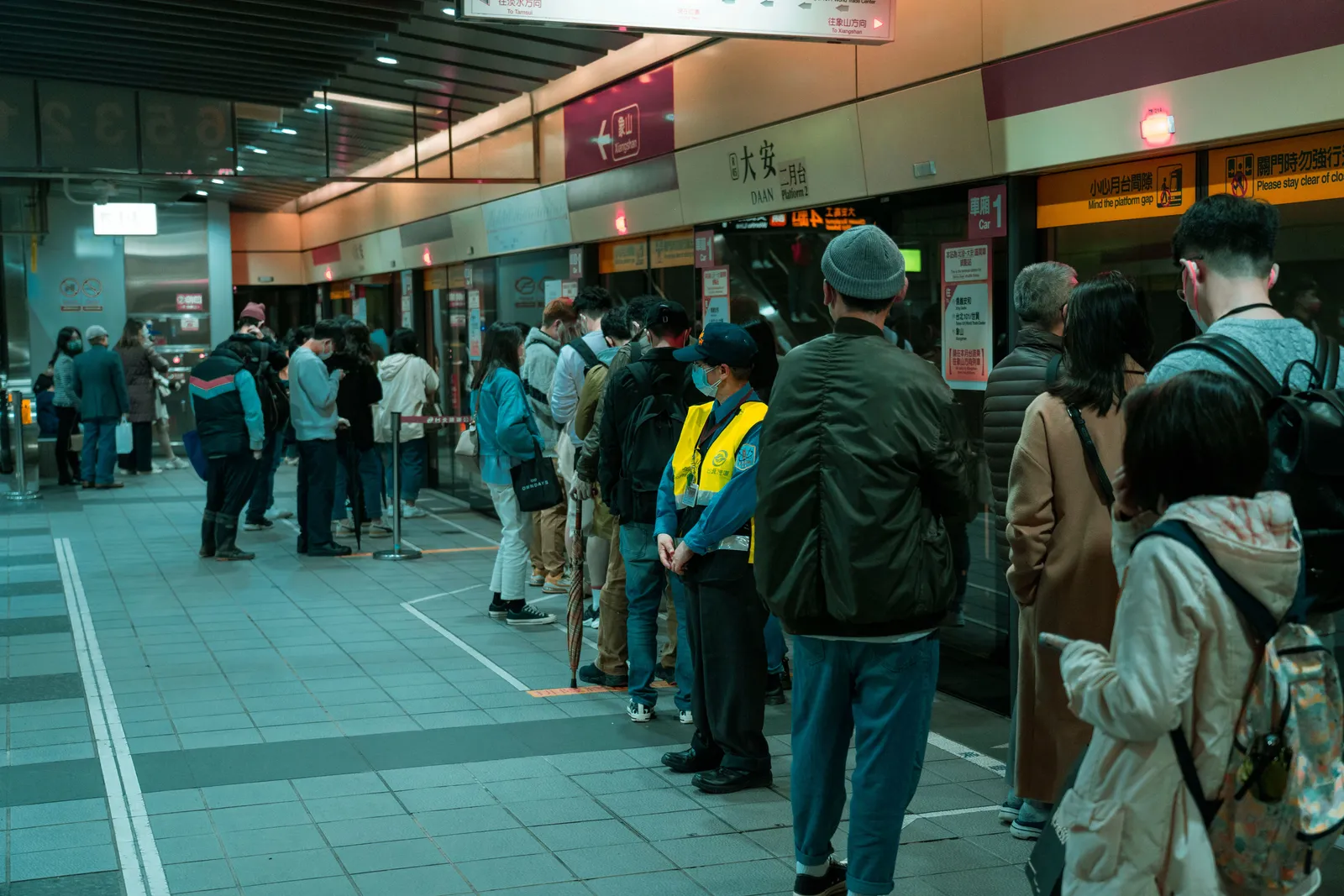
Both countries are transit paradises. Japan’s network is the larger marvel, the shinkansen stitching a whole archipelago together to the minute; the workings are covered in our getting around Japan guide. Korea’s KTX high-speed line reaches Busan from Seoul in under three hours, the Seoul metro is vast, spotless and cheap, and the T-money card mirrors Japan’s Suica. One practical note favors Korea’s rival here: in Korea, Google Maps is limited by mapping regulations, so you will use local apps like Naver Map or Kakao Map, which work well in English but add a small learning step. Both countries are extremely safe, punctual and clean; ease of travel is close to a tie, with Japan’s tourist infrastructure slightly ahead and Korea’s compactness arguing back.
Cities and nature
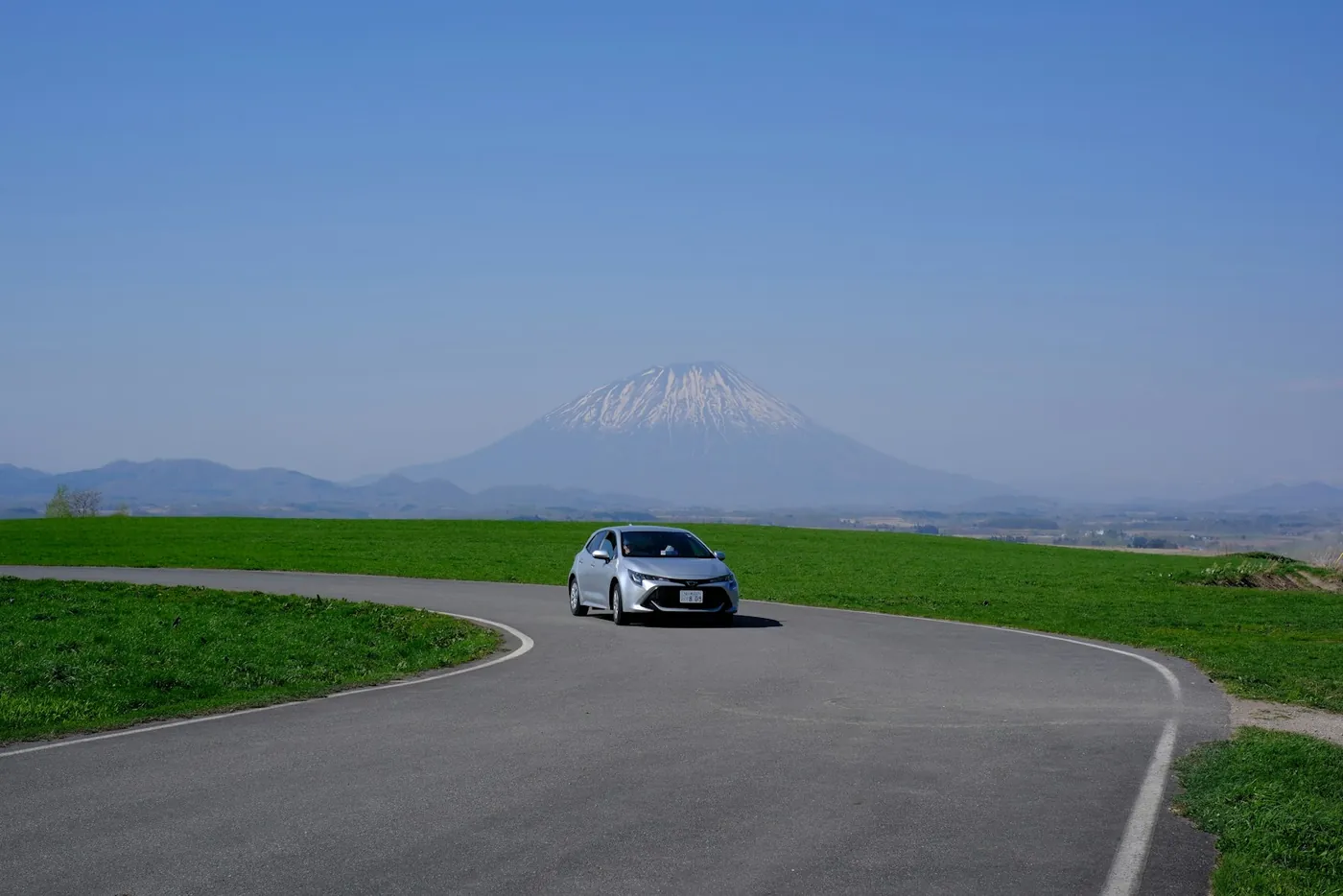
Tokyo against Seoul is heavyweight against light-heavyweight: both are dazzling 24-hour capitals, but Tokyo’s scale and neighborhood variety are unmatched anywhere. Japan’s second rank, Kyoto, Osaka, Hiroshima, Kanazawa, is also deeper than Korea’s, where Busan, with its beaches and hillside murals, is the one great second city. Nature is closer than expected in both: Korea’s national parks like Seoraksan offer superb, accessible hiking, and hiking is practically the national sport. Japan counters with the Japanese Alps, Mount Fuji, the onsen culture that turns mountains into spas, and the powder snow of Hokkaido. Japan takes both columns on depth, but Korea’s compactness means its highlights cost less time to reach.
Japan vs South Korea at a glance
| Japan | South Korea | |
|---|---|---|
| Signature strength | Depth: temples, onsen, regional variety | Energy: Seoul, pop culture, nightlife |
| Food | Widest range, refined, mild by default | Bold, spicy, communal, barbecue and banchan |
| Cost | Great value with the weak yen | Still moderately cheaper overall |
| Transport | Shinkansen network, Google Maps works | KTX and superb metro, local map apps |
| Cities | Tokyo, Kyoto, Osaka, and more | Seoul dominant, Busan strong |
| Nature | Alps, Fuji, onsen, Hokkaido powder | Accessible parks, national hiking culture |
| Ideal first trip | 10-14 days, multi-city | 7 days, Seoul plus Busan |
| Best seasons | Spring and autumn | Spring and autumn |
Whichever you choose
Two things apply to both and neither is optional.
Insurance, because healthcare in both countries is excellent, private for visitors and priced accordingly; our guide to travel insurance for Japan covers what to look for, and the same questions apply across the strait.
A realistic route, since both countries reward fewer bases than people plan. In Japan the classic decision is which city anchors the trip, and our comparison of Tokyo and Osaka takes that one seriously.
So which should you choose
First-time visitor to East Asia: Japan, by a nose. Its combination of depth, variety and traveler infrastructure is the region’s gold standard, and a 10 to 14 day route through Tokyo, Kyoto and Osaka is as good as first trips get; our first-time Japan guide lays it out.
One week only: Korea fits a single week beautifully, Seoul deeply plus Busan by KTX. A week in Japan works too, but it always feels like a preview.
Budget-focused traveler: Korea, though check current yen rates before deciding, because Japan’s value today may surprise you.
Food traveler: spice and barbecue, Korea; sushi, ramen and the world’s deepest restaurant scene, Japan.
Pop-culture fan: Korea, no contest, unless your fandom is anime and games, in which case Tokyo’s Akihabara flips the answer.
Temples, gardens and tradition: Japan, decisively.
Skiers and onsen seekers: Japan, for Hokkaido powder and steaming outdoor baths.
Two weeks and indecisive: do both. Two hours of flying separates Seoul from Tokyo, and pairing a week in each is one of the great East Asia itineraries. Sort the paperwork for each country separately, since Japan’s visa-free entry and Korea’s K-ETA travel authorisation are entirely different systems with their own rules by nationality. Then check when to go, because the same glorious spring and autumn windows apply to both shores.