Fourteen days is the length most long haul visitors actually book, and it is the point at which Japan stops being a highlights reel. A week forces you onto one corridor. A fortnight lets you keep that corridor and add the two things people most regret missing: Hiroshima with Miyajima, and a few days in the mountains where the country looks nothing like its cities.
The Shape of a Two Week Trip
The mistake at this length is not being too ambitious with distance, it is being too ambitious with bases. Every change of hotel costs roughly half a day.
Four to five bases is the working range for a fortnight.
Three nights minimum in Tokyo and in Kyoto, because both cities punish a two night stay.
Two nights in each addition, with single nights reserved for places that are genuinely a stop on the way rather than a destination.
That gives a route of Tokyo, the Fuji foothills, Kyoto with Nara and Osaka worked in as day trips, Hiroshima, and then either the Alps or a slow finish. If you have longer, the three week version redistributes the same route with far less compression.
Days 1 to 4: Tokyo and Hakone
Three nights in Tokyo, then move out to the mountains before the pace gets to you.
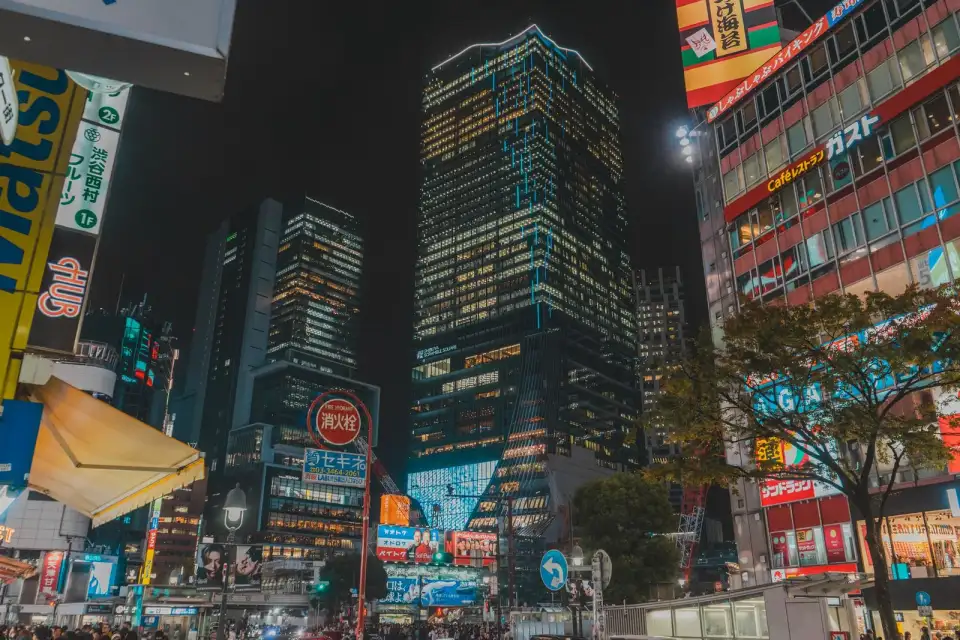
Days one to three split the city east and west: the Sumida river, Asakusa and Ueno on one side, Shibuya, Harajuku and Shinjuku on the other, with a third day for whatever the first two made you curious about.
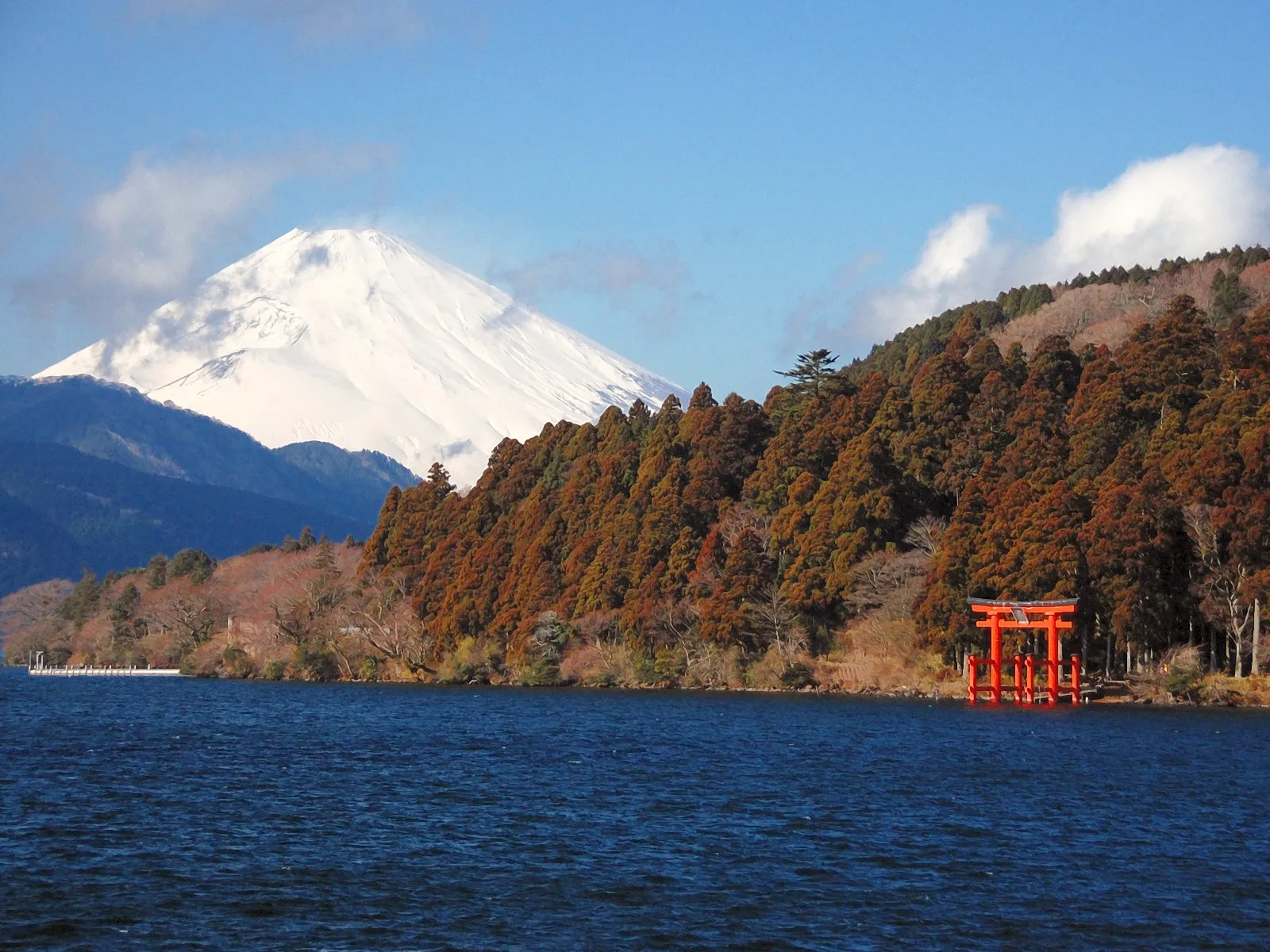
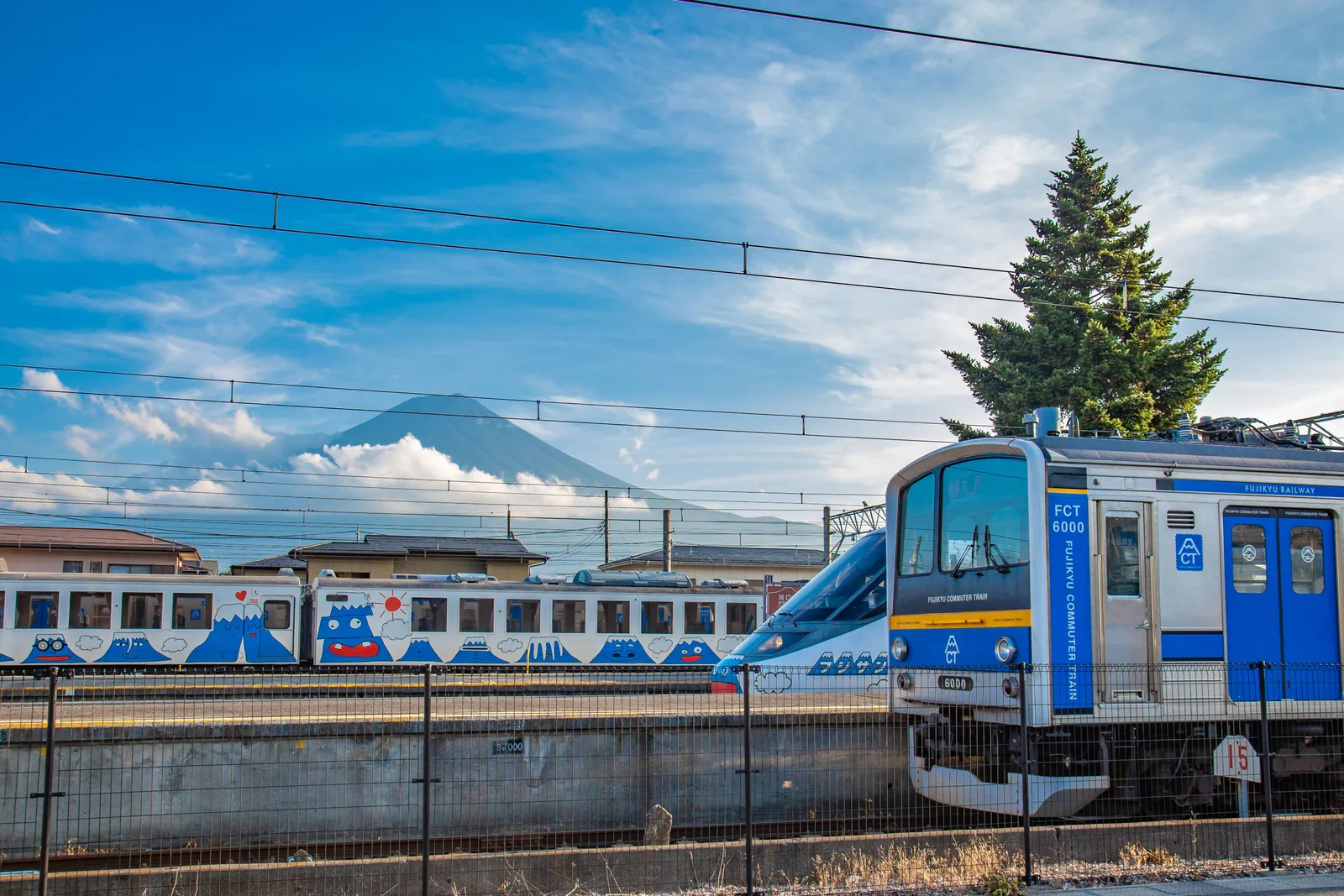
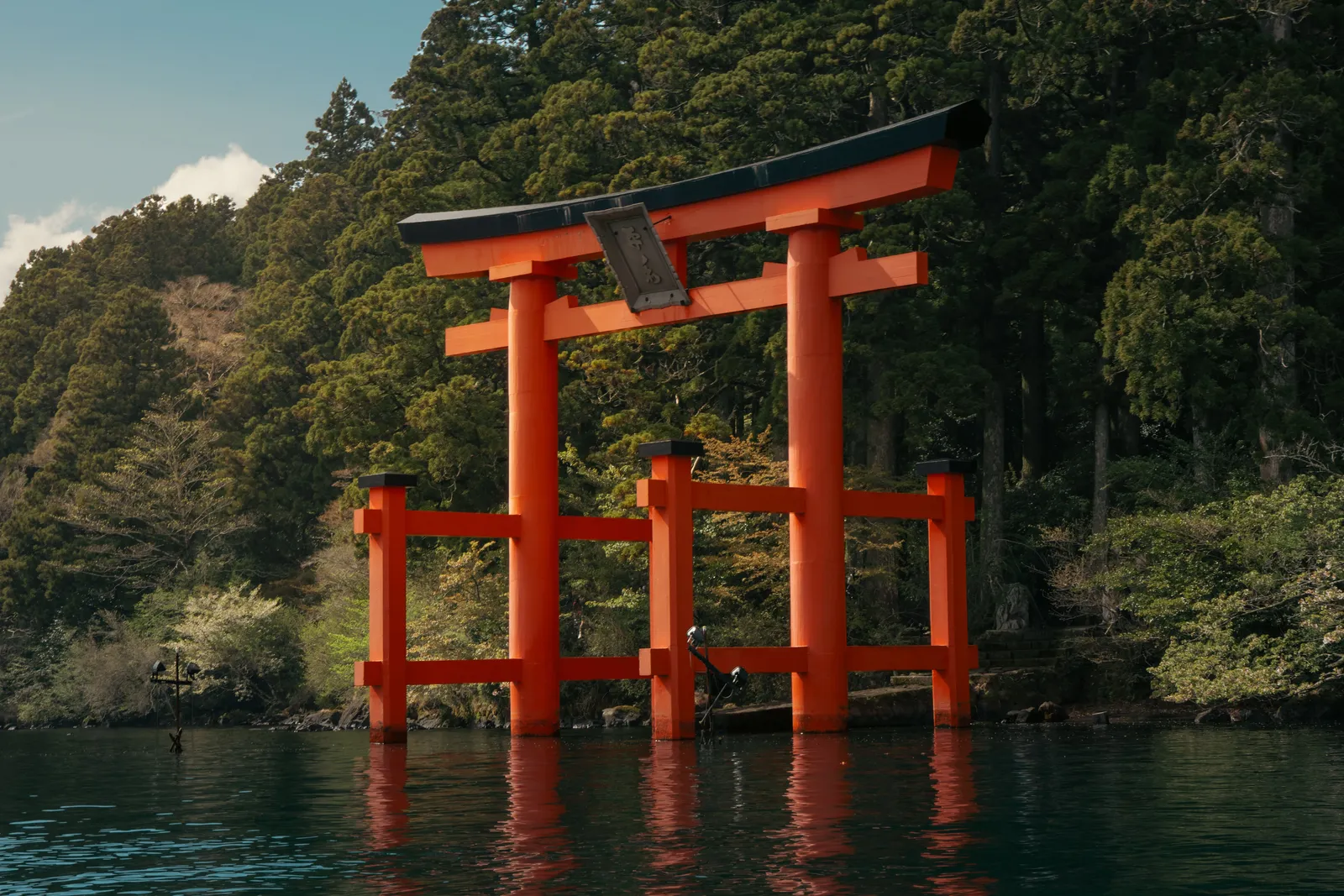
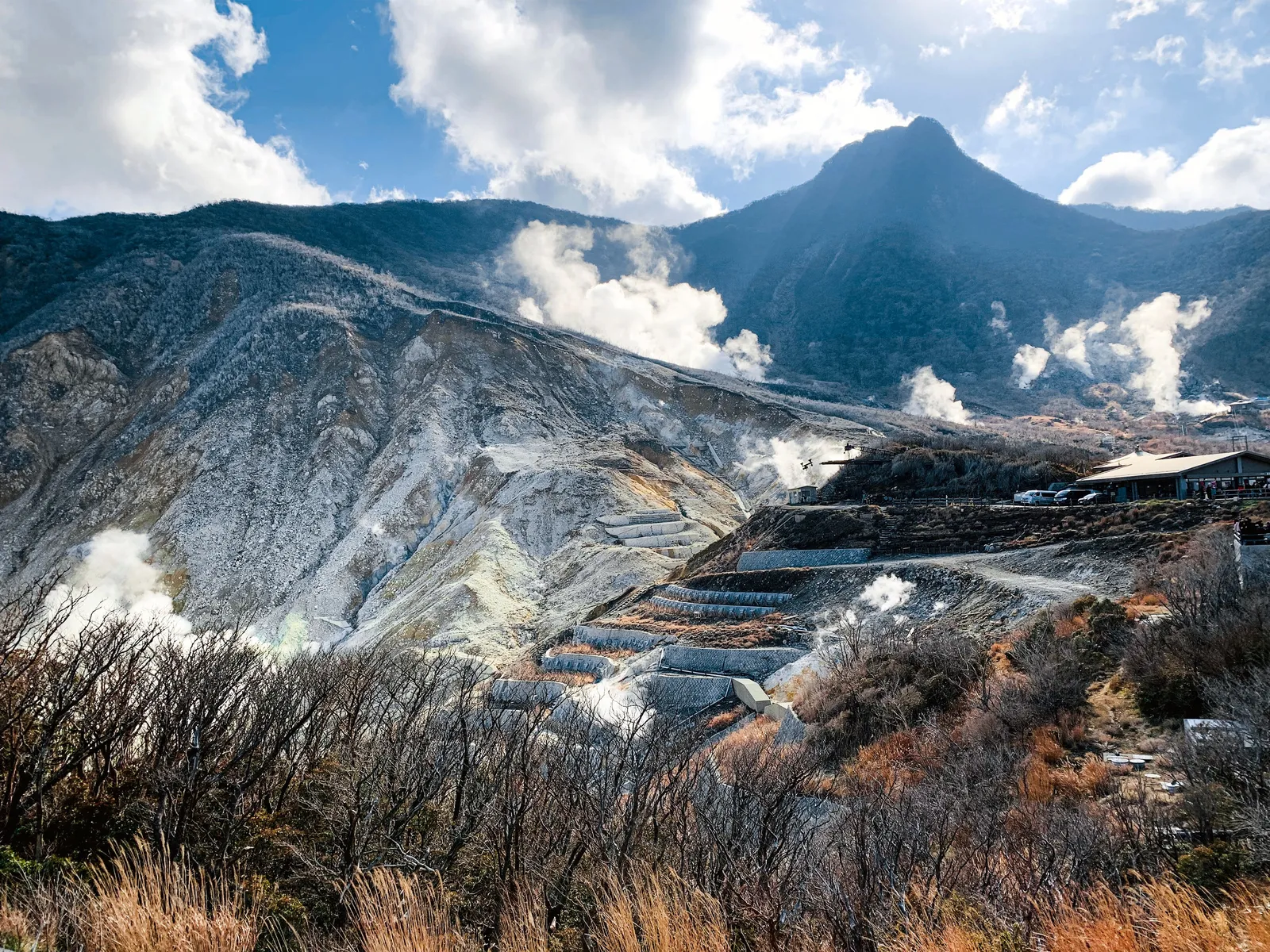
Day four goes to Hakone, around 90 minutes from Shinjuku, for the volcanic valley, the lake and, if the weather cooperates, Fuji itself. It is also the easiest place on the route to sleep in a ryokan with an onsen attached, which is worth doing early in the trip rather than saving for the end. Our Hakone guide covers the loop and where to break it.
Days 5 to 9: Kyoto, Nara and Osaka
Take the shinkansen from Odawara or back through Tokyo to Kyoto and settle in for five nights. This is the anchor of the trip and the section people most often cut too short.
Two days on Kyoto itself, one for the eastern hills and one for Arashiyama and the west. Start before eight at Fushimi Inari and Kiyomizu-dera if you want photographs without crowds in them.
One day in Nara, about 45 minutes away, for the great hall of Todai-ji and the deer park, which is more atmospheric in the late afternoon once the coach groups leave.
One day in Osaka, half an hour away, for Dotonbori, the castle and the food streets. Osaka rewards an evening far more than a morning.
One spare day, deliberately unplanned. On a fortnight you will need it, either for weather or for exhaustion.
Kyoto increased its lodging tax on 1 March 2026, and the amount now varies by the nightly room rate, with the highest band applying to the most expensive rooms. It is added at checkout rather than at booking, so read your reservation terms.
Book Kyoto accommodation early for a five night stayCentral Kyoto sells out months ahead in the blossom and autumn colour weeks.Days 10 to 12: Hiroshima and Miyajima
Hiroshima is around two hours west of Kyoto on the fastest services, and it deserves two nights rather than one.
The Peace Memorial Park and Museum need an unhurried afternoon. It is a difficult visit and rushing it does the place a disservice.
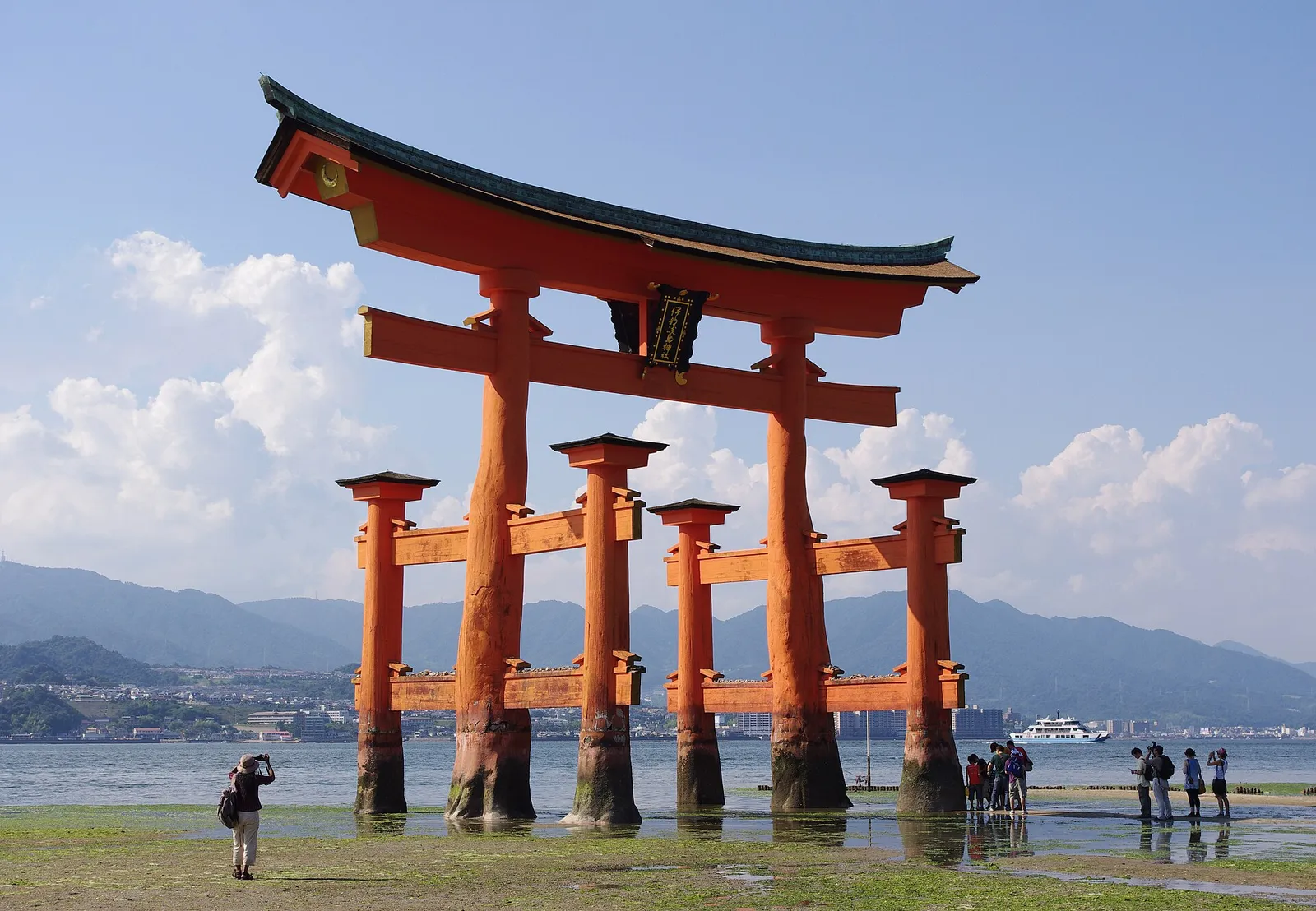
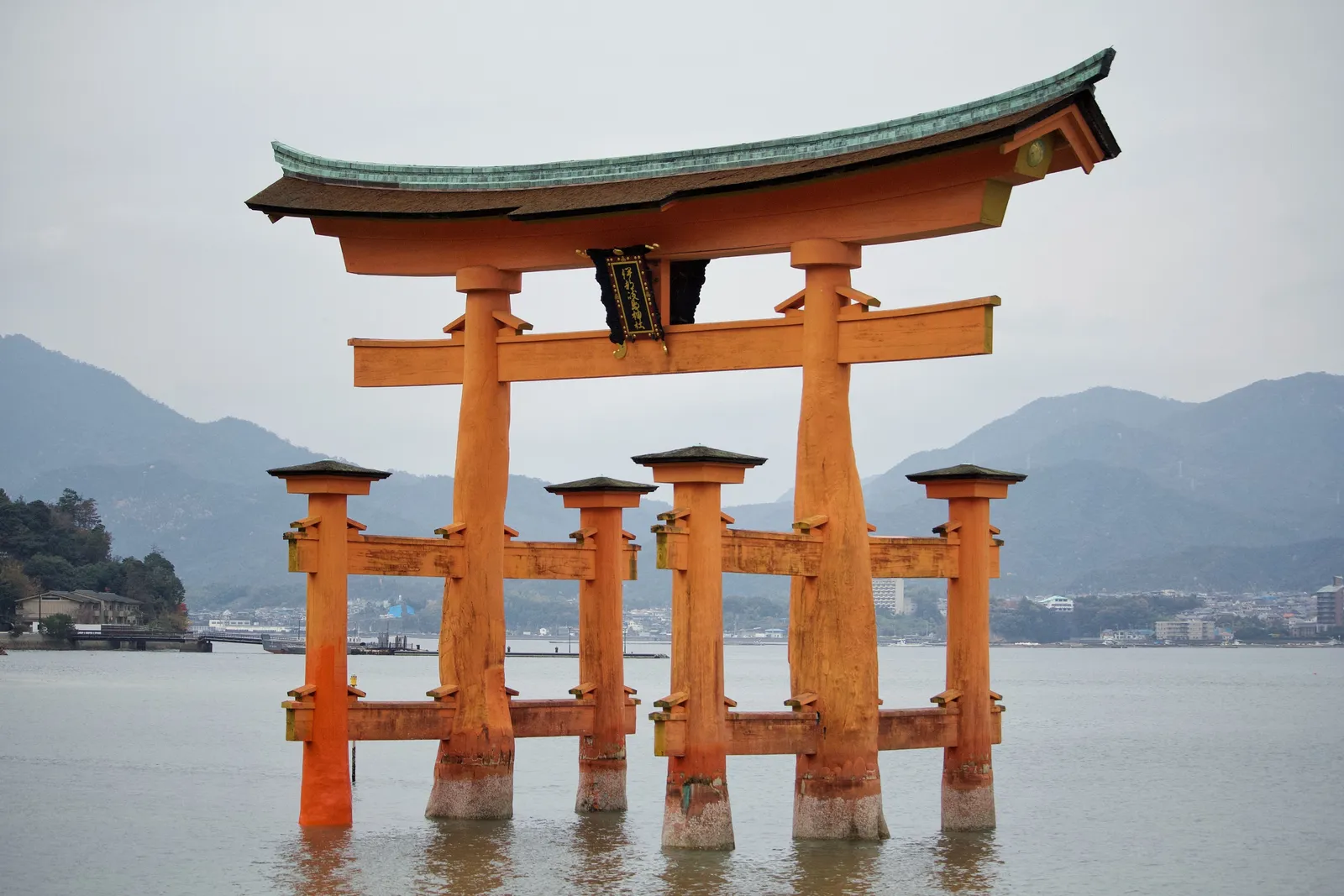
Miyajima is a short train and ferry combination from the city, and the island is best seen either early or late, when the day trippers have gone and the deer have the shrine approach to themselves.
Tides matter for the famous gate, which stands over water at high tide and on sand at low tide. Both are worth seeing, but check the tide table for the day rather than hoping. Our Hiroshima and Miyajima guide goes into the practicalities.
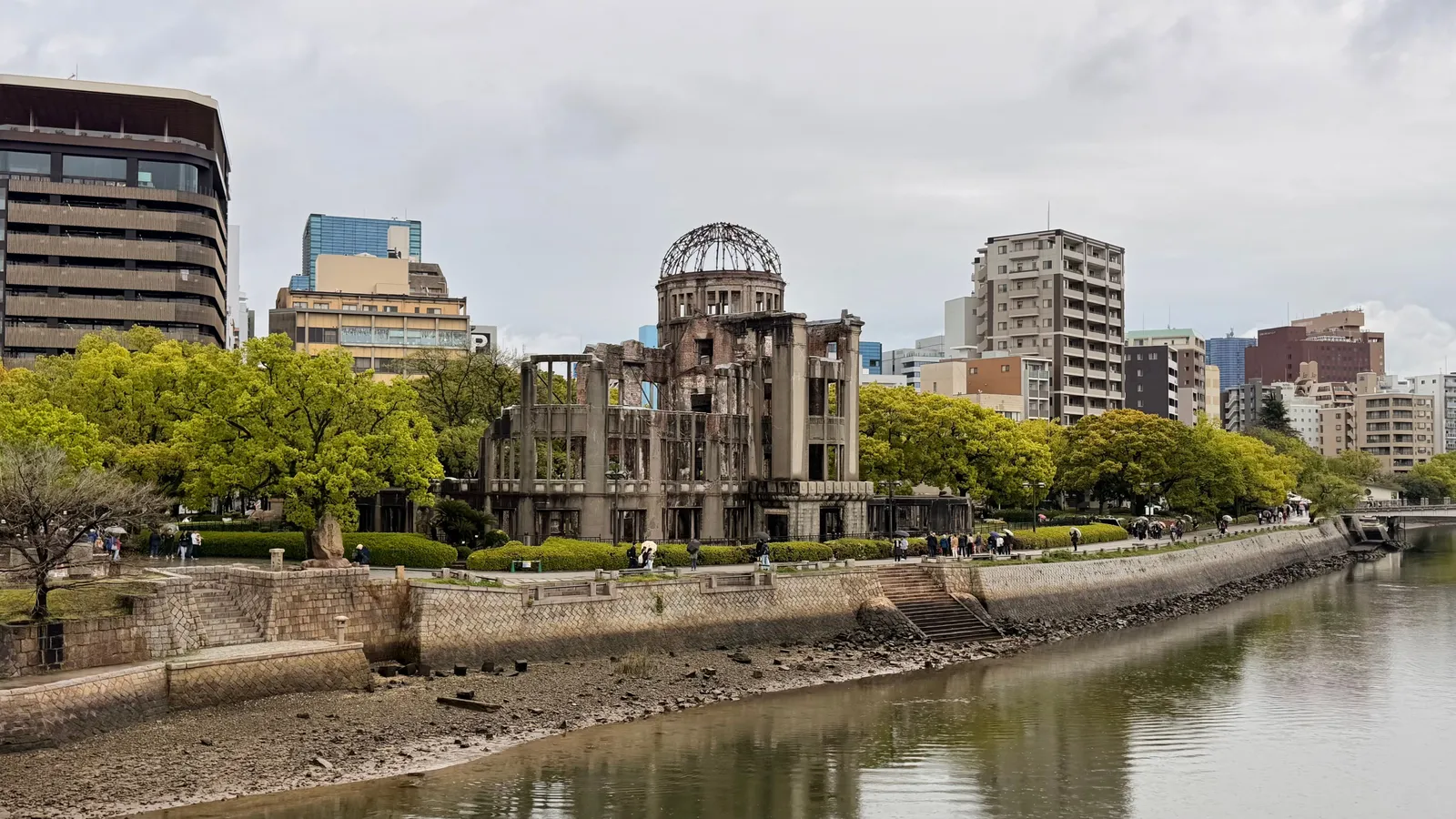
Days 13 to 14: The Alps, or a Slow Finish
You have two nights left and two reasonable ways to spend them.
The mountain option runs back east through Okayama or Kyoto and up into the Alps, with Takayama, Kanazawa or the Nakasendo post towns as the target. Expect limited express trains rather than shinkansen for parts of the route, and expect them to be less frequent. Look up the actual timetable for your date rather than assuming an hourly service, because rural connections in Japan can be sparse and the last departure is often earlier than visitors expect.
The slow option returns to Tokyo two nights early and spends them on the districts you skipped, plus a day trip to Kamakura or Nikko. It is less exotic and it is the right answer if the fortnight has already been busy.
Either way, plan the final night within easy reach of your departure airport. Flying out of Kansai from the western end of the route, or out of Haneda or Narita from Tokyo, saves a long transfer on the last morning.
The Rail Pass Decision at 14 Days
This is the one calculation genuinely worth doing for a fortnight.
Nationwide pass pricing was revised on 1 October 2026, with the 14 day ordinary pass reported at 84,000 yen and the 21 day at 105,000 yen through overseas agencies. Reporting indicates the official online service held earlier pricing for a limited period, so the figure depends on where you buy. Confirm current prices on japanrailpass.net before you commit.
Break even is route dependent and no single number covers it. A fortnight that runs Tokyo, Kyoto, Hiroshima and back to Tokyo puts you close to the line. Add the Alps or a second western trip and the pass usually wins. Stay mostly in two cities and it does not.
The Nozomi exclusion still applies. The fastest Tokaido and Sanyo services are not covered by the nationwide pass without a supplement, which adds time or money to every long leg, and matters more on a Hiroshima route than on a Kyoto one.
Regional alternatives are often better value. JR East consolidated its Tohoku and Nagano and Niigata passes into a single JR East Pass on 14 March 2026, reported at 35,000 yen for five days and 50,000 yen for ten. If your fortnight leans north and east rather than west, price that against the nationwide pass on the JR East site.
Finally, two administrative notes. The departure tax rose to 3,000 yen for departures from 1 July 2026 and is collected inside your ticket price. And no electronic entry authorisation is required for Japan today: legislation passed in May 2026 but reporting places any launch no earlier than 2029. Visa exemption for short tourist stays depends on your passport, with the United States, United Kingdom, Australia, Canada, New Zealand, Singapore and the EU and EEA states among those covered under varying terms, so confirm your own on the Ministry of Foreign Affairs site.