Three weeks is the length at which a Japan trip stops being a highlights tour and starts being a journey, and also the length at which the classic mistake becomes expensive: trying to cover the whole country, and spending a week of it on trains. The country is around three thousand kilometres end to end. The route below runs in one direction, allocates the nights honestly, and leaves room for the days when you decide to do nothing.
The shape
Fly into Tokyo, home from the west, which removes a day of backtracking.
Move west, not back and forth, along the main line.
Four to five nights in Tokyo, at the start, while jet lag is worst and the city is most forgiving of it.
One or two nights in the mountains or an onsen town in the middle.
Four nights in Kyoto, two in Osaka.
Two or three further west, or a Kyushu extension.
Two spare nights, unallocated, which you will use.
Week one: Tokyo and around
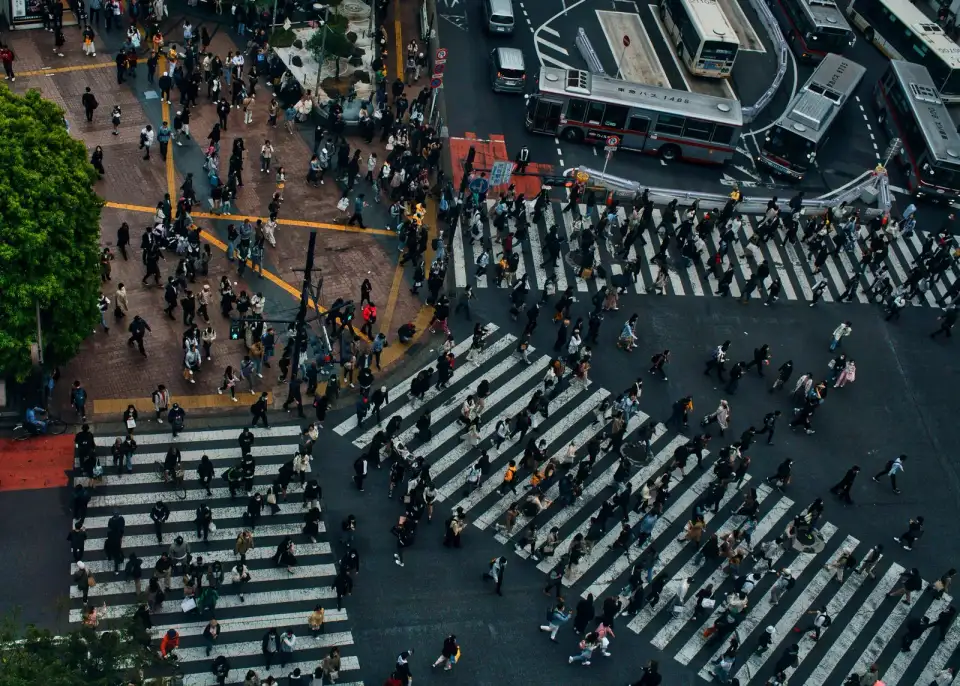
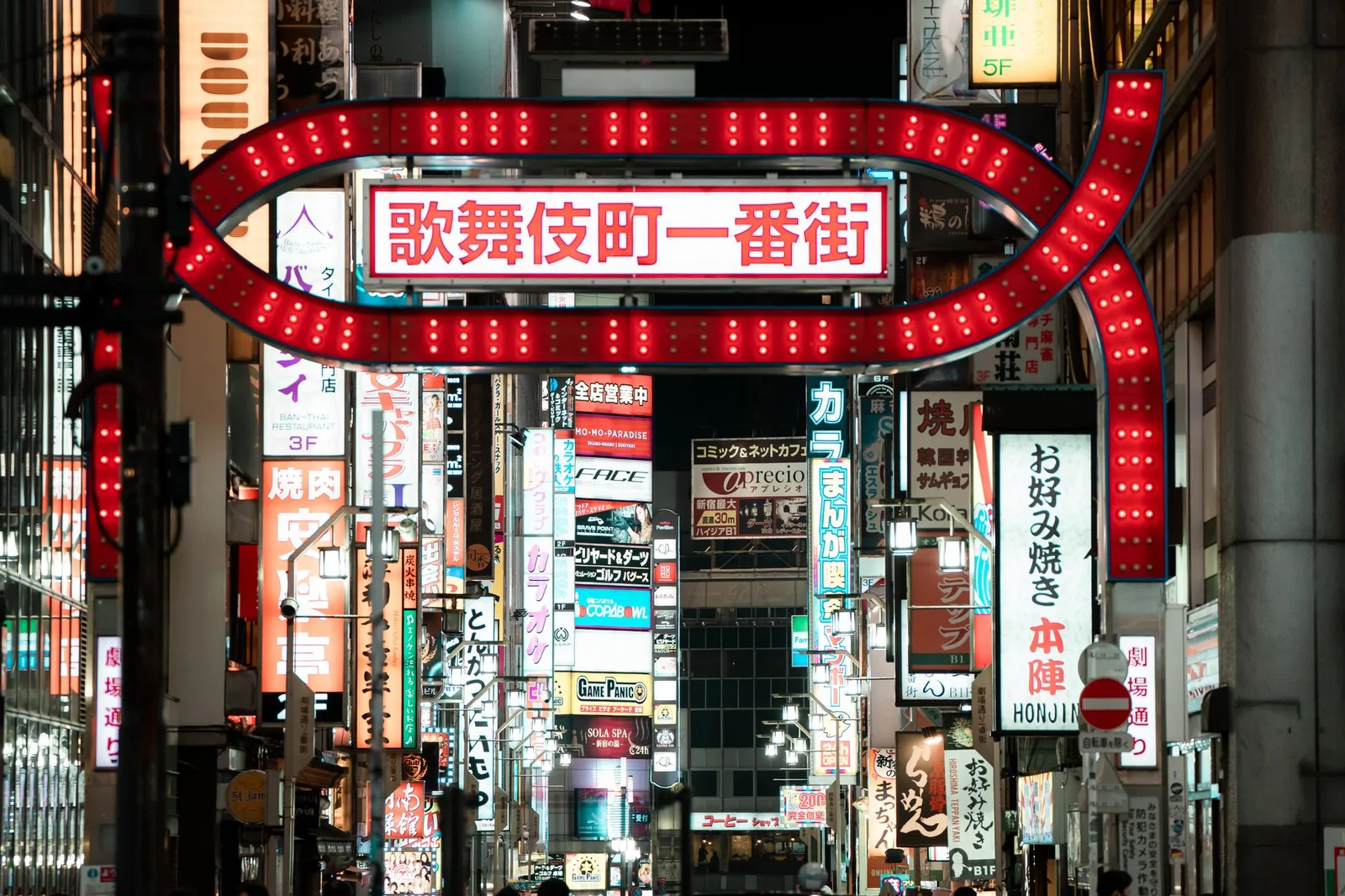
Days one to five in Tokyo, treating it as several cities and doing two districts a day.
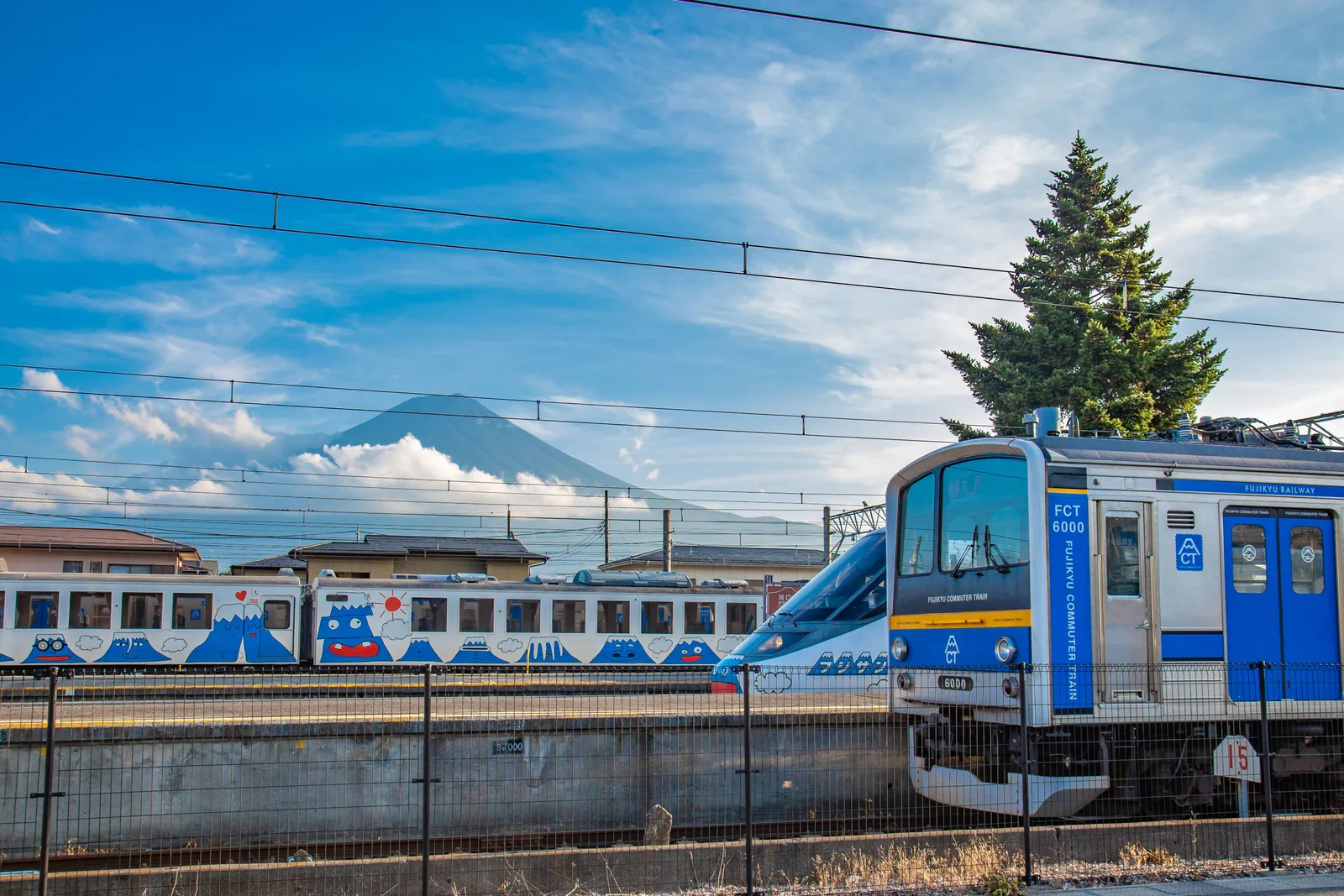
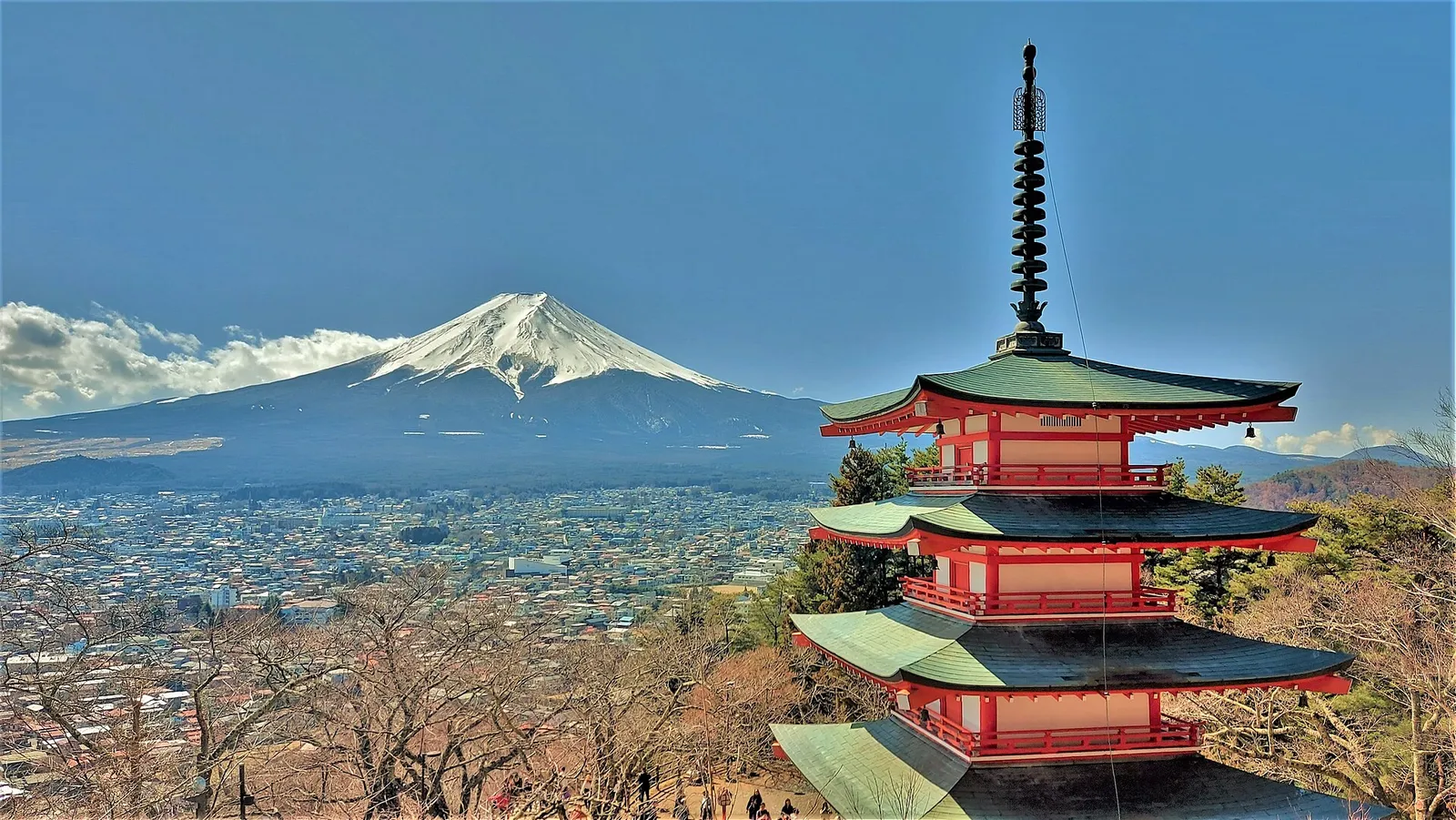
One day out to Kamakura, Nikko or the Fuji lakes.
Book teamLab before you arrive.
Use the jet lag for early mornings, which is when Tokyo is best anyway.
Then move west, with a stop rather than a straight run.
Week two: the middle and Kansai
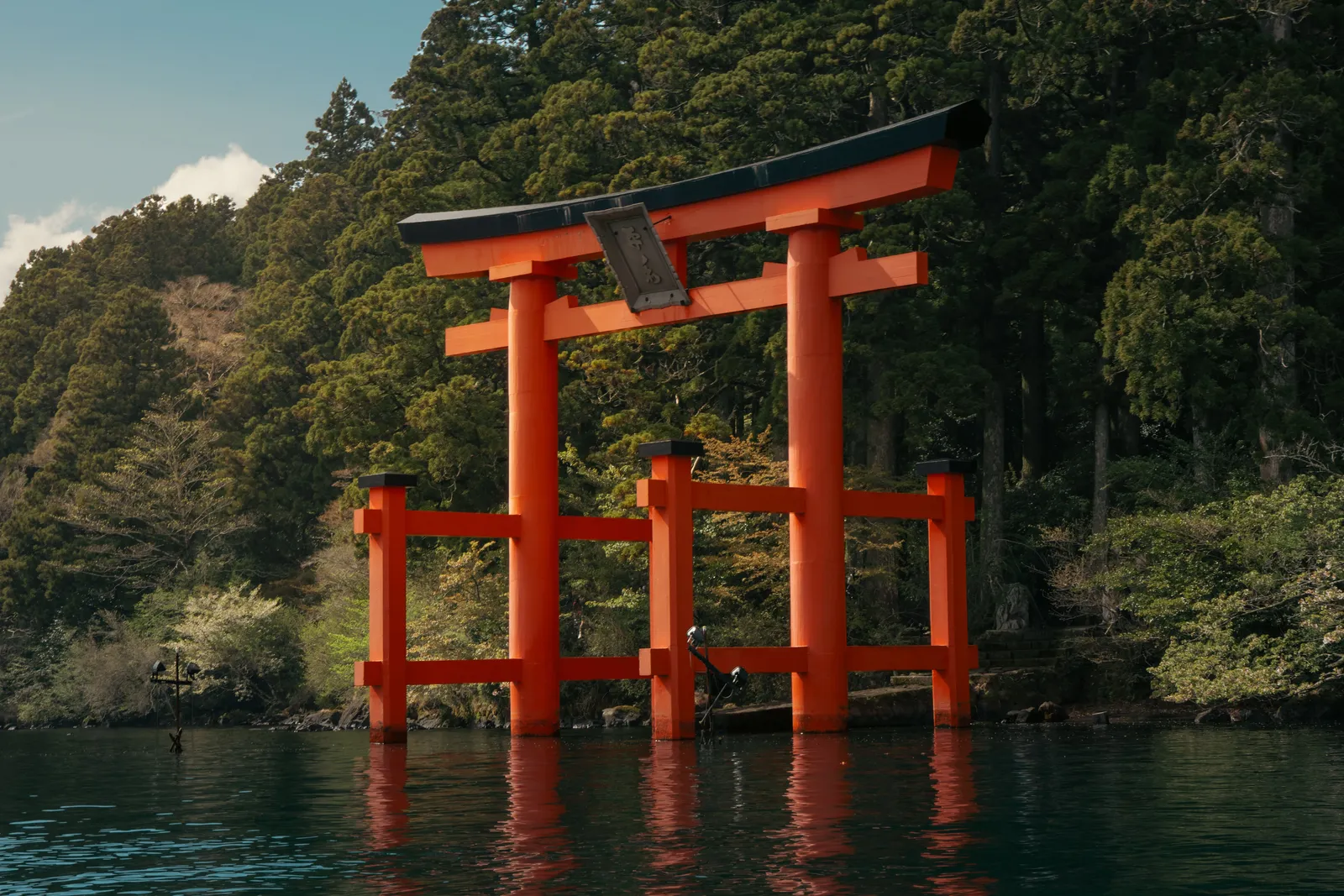
Hakone or the Alps, one or two nights, for a ryokan and hot water.
Kanazawa or Takayama if you took the mountain route, both of which are small, walkable and genuinely different.
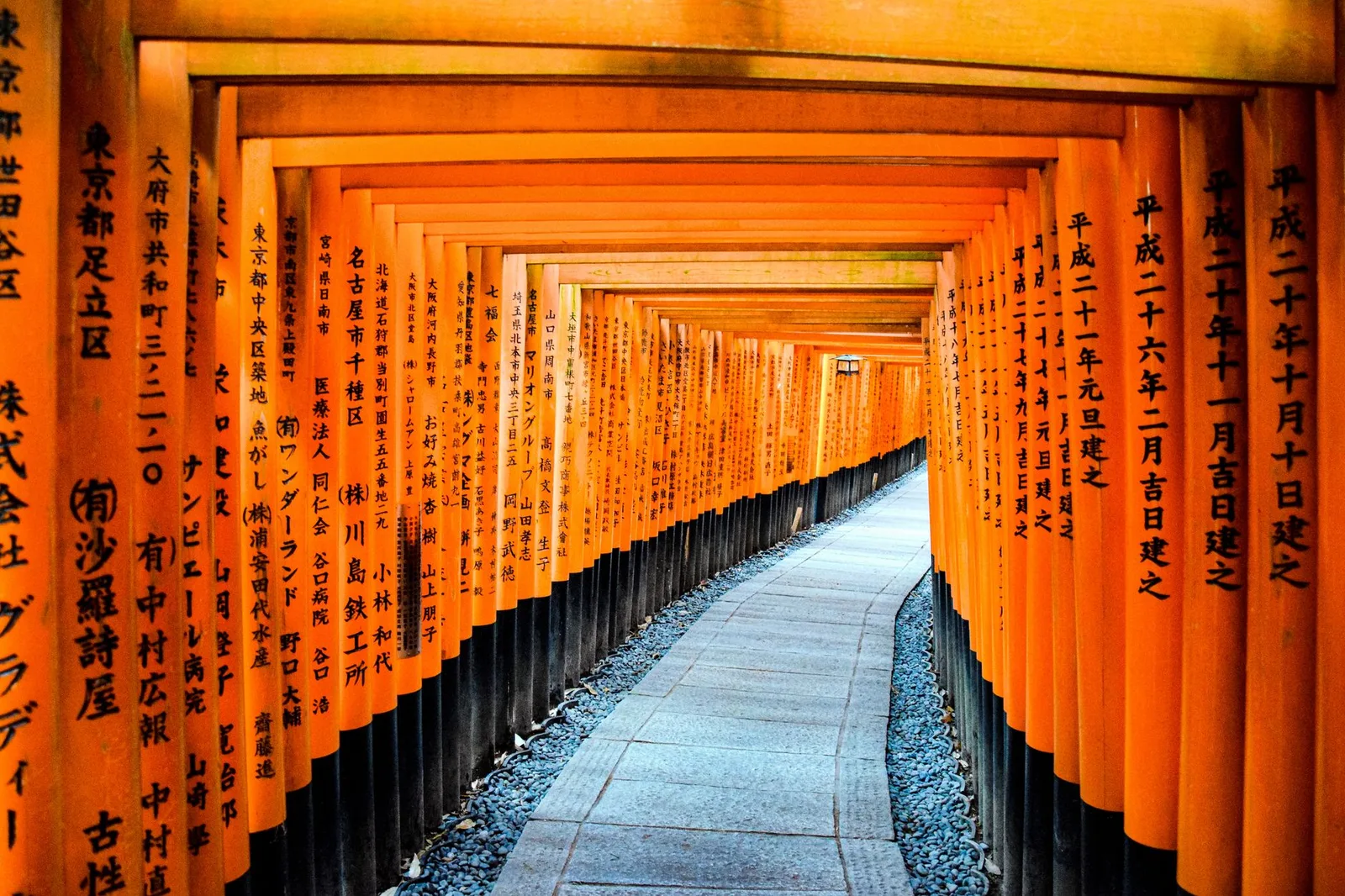
Four nights in Kyoto, using the early mornings.
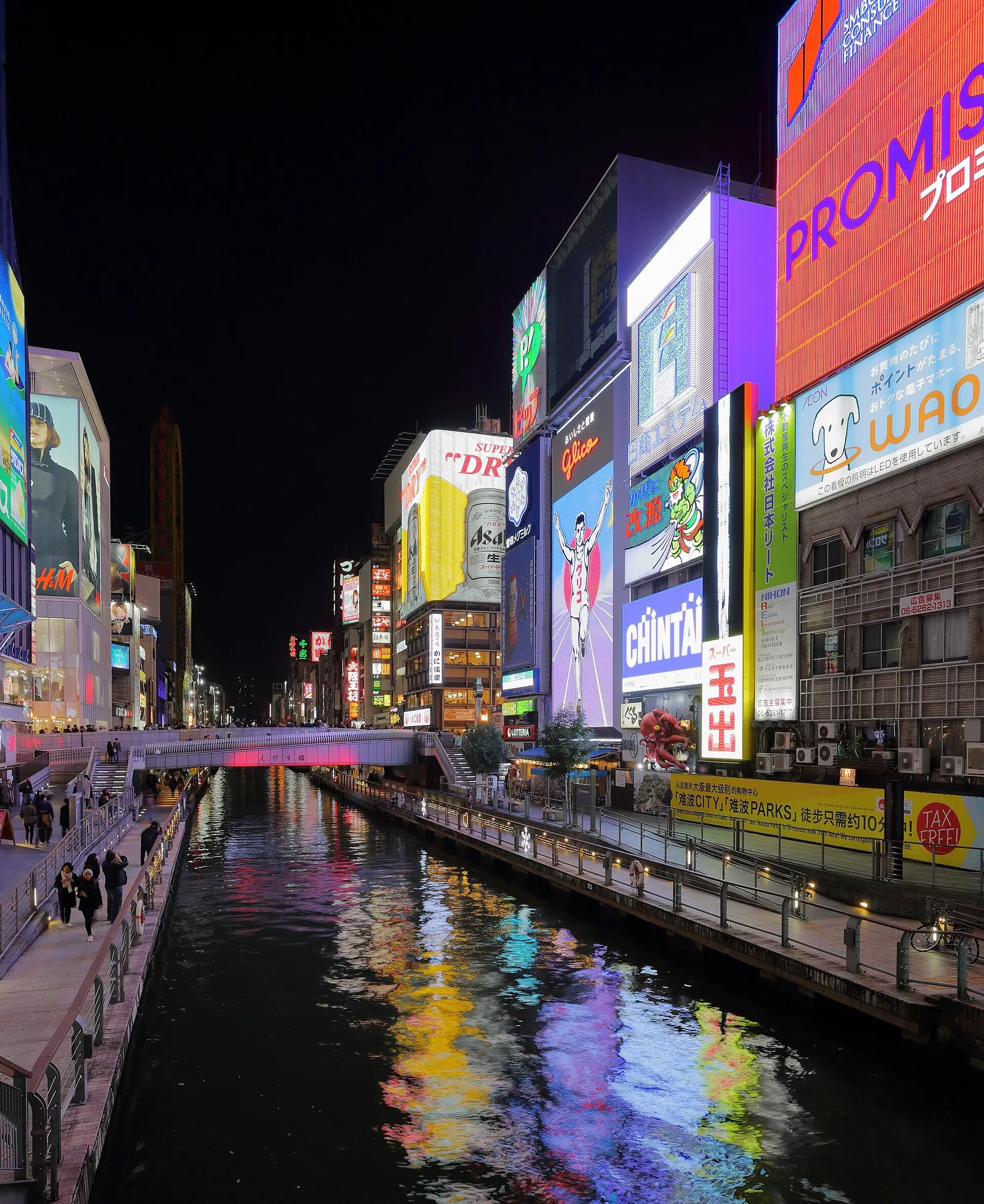
Two nights in Osaka, for the eating and as a base.
Nara as a day trip, on the first train.
Week three: choose a direction
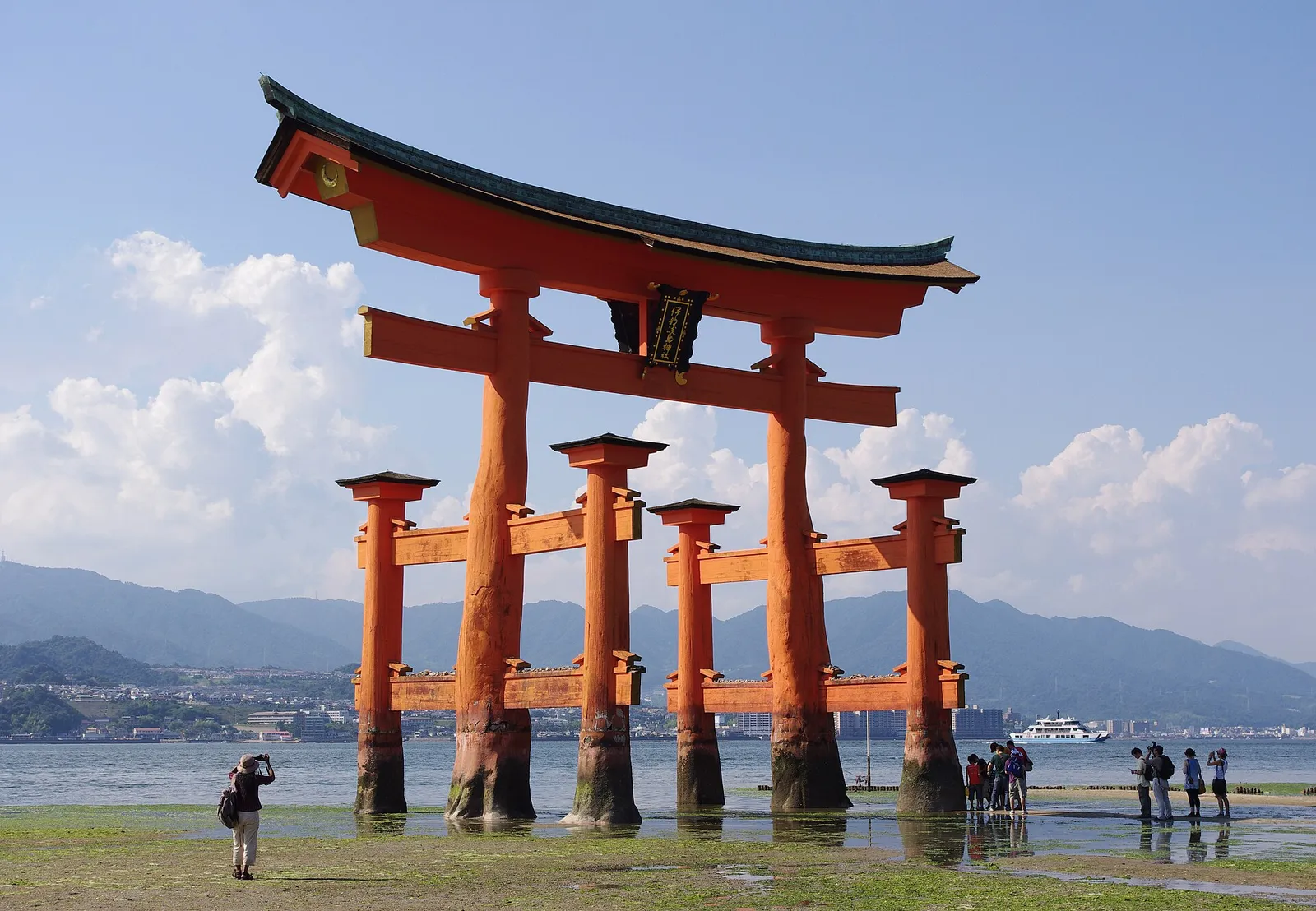
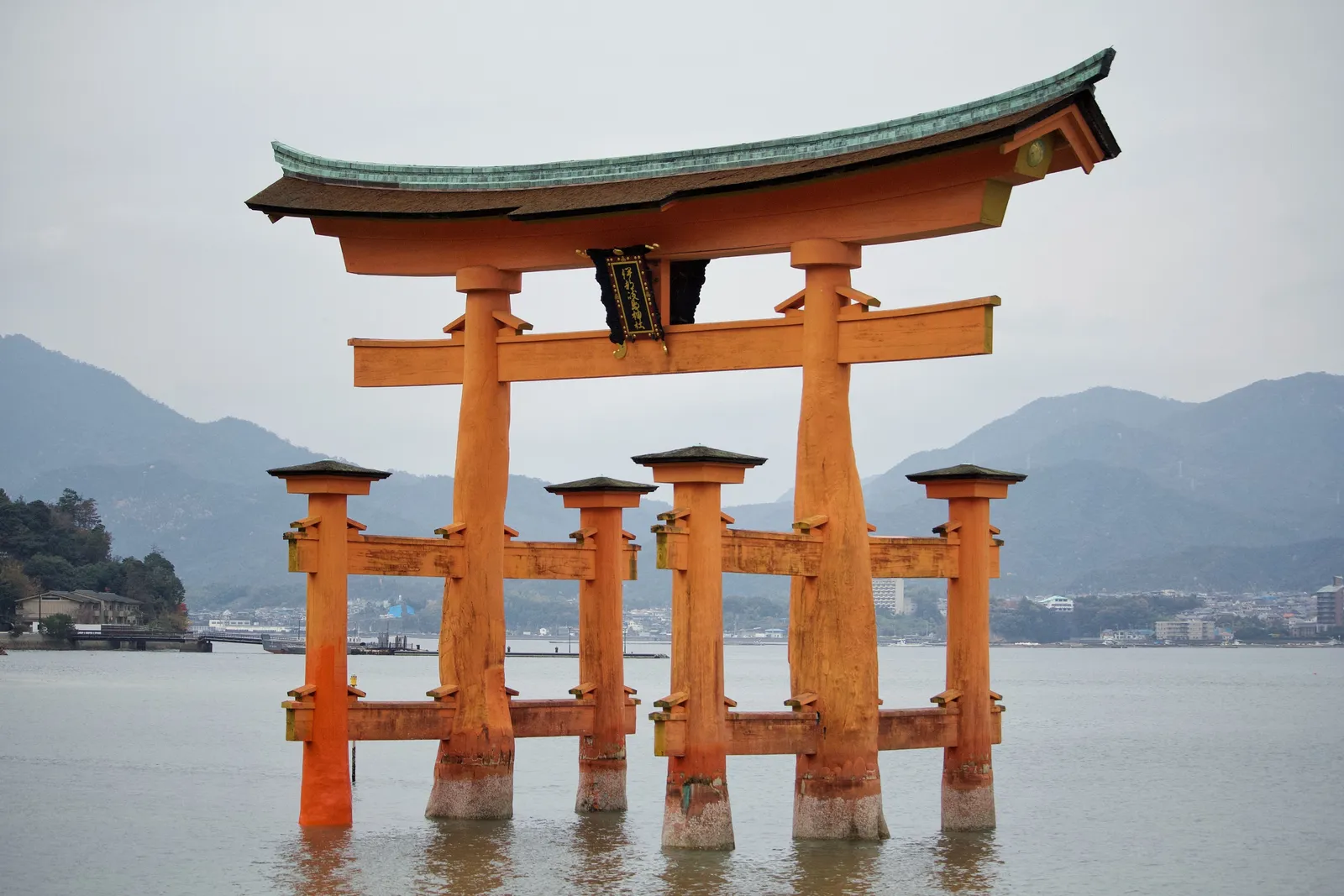
West, to Hiroshima and Miyajima, then on to Kyushu for volcanoes, hot springs and a very different food culture.
North, to Tohoku for gorges and small cities, or Hokkaido for space, seafood and, in winter, snow.
Islands, to Okinawa, which is a different climate and a different history and needs a flight.
Slow, staying in Kansai and adding Kobe, Himeji, Koyasan and the Kumano trails.
Do not do two directions, which is the mistake that turns week three into a timetable.
What to book ahead
Accommodation everywhere in peak seasons, and in Kyoto always.
One ryokan night, early, because the good ones fill.
teamLab and other timed entry attractions.
Reserved seats on the busiest bullet train legs, particularly around holidays.
A Kyoto illumination if you are there in November.
Nothing else, because the pleasure of a three week trip is being able to change your mind.
Practical notes
Luggage forwarding between hotels, which costs little and transforms travel days.
Coin lockers for the days when you check out early and leave late.
Laundry exists in most hotels and all coin laundries, so pack for a week rather than three.
Regional passes are usually better value than the national one on a directional route.
Two rest days are not a luxury on a trip this length.
Where this fits in a Japan trip
This is the frame; the individual guides fill it in.
For the groundwork, from money to etiquette to what to arrange before departure, our first time guide to Japan covers the basics.
For the western leg and how to fit both halves of it into a day, our guide to Hiroshima and Miyajima covers the trip.
And for the city that makes the best base in Kansai, our Osaka guide covers where to sleep and what to eat.
The short version
If the western end is where you want to spend real time, our five days in Kyushu covers Fukuoka, Nagasaki, Beppu, Yufuin and the caldera at Aso as a trip in its own right.
If three weeks is more than you have, the same corridor compresses: our golden route in five days does Tokyo, Fuji and Kyoto without the rest.
Book an open jaw flight, into Tokyo and home from the west, and let the route run in one direction. Give Tokyo five nights, Kyoto four, Osaka two, and a mountain or onsen town one or two. Pick one direction for week three rather than two. Never book a single night anywhere except a ryokan. Forward your luggage between cities. Leave two nights unallocated, and use them on the place you did not expect to like.
Two weeks is the length most first trips actually run to, and it changes what fits. Our two weeks in Japan adds Hiroshima and the Alps without turning the trip into a train timetable.