Kyushu is the southern island, closer to Korea than to Tokyo, and it is where Japan did its trading with the outside world when the rest of the country was shut. It also sits on so much geothermal activity that entire towns are built around it. Five days covers the two cities everyone should see, the hot spring pair in the middle, and a volcano, and the shinkansen down the west coast makes the distances manageable. Read our getting around guide and work out whether a rail pass pays, because a regional Kyushu pass often beats the national one on this route.
Itinerary at a glance
| Day | Base | The signature experience |
|---|---|---|
| 1 | Fukuoka | A yatai stall on the riverbank after dark |
| 2 | Nagasaki | The harbour city, the peace park and Dejima |
| 3 | Beppu | The steam vents, and a bath buried in hot sand |
| 4 | Yufuin | A ryokan night in a mountain town |
| 5 | Kumamoto | The castle, or the caldera rim at Aso |
Day 1: Fukuoka and the yatai
Fukuoka is the entry point and it is an easy, low rise, walkable city with a river running through the middle of it. The daytime is straightforward: Ohori park with its lake and the ruins of the castle beside it, the Kushida shrine in the old merchant quarter, and Dazaifu Tenmangu half an hour out of town, a shrine to the god of learning approached along a street of plum flavoured rice cakes grilled in front of you.
The evening is the point. When the light goes, yatai, small wheeled food stalls with a counter and a curtain, set up along the riverbank in Nakasu and stay open late. You sit shoulder to shoulder with whoever is next to you, eat tonkotsu ramen or grilled skewers, and drink a beer with your knees against the counter. This is where Hakata style tonkotsu comes from: thin noodles, a pale pork bone broth, and a card to order a second helping of noodles into the broth you have left.
Food: tonkotsu ramen at a yatai, mentaiko, the spiced cod roe the city sells everywhere, and motsunabe, an offal hotpot which is better than it sounds. The signature experience: a stool at a riverside stall with a bowl in front of you and strangers on both sides. Optional tour: a guided yatai crawl solves the awkwardness of the first stall, which is the only hard part.
Day 2: Nagasaki
Two hours south, Nagasaki sits in a steep bowl around a harbour and its history sets it apart from everywhere else in Japan. Dejima was the fan shaped artificial island where Dutch traders were confined for two centuries while the country was otherwise closed, and it has been partly rebuilt with the warehouses and the trading house furnished. Glover Garden on the hillside above holds the western merchant houses from after the reopening.
The other half of the day is heavier. The peace park and the atomic bomb museum sit north of the centre, and the museum is quieter and less visited than the one in Hiroshima but no less exacting. Give it the time it asks for. In the evening, the ropeway up Mount Inasa gives you the harbour and the hills covered in lights, which is genuinely one of the best city views in the country.
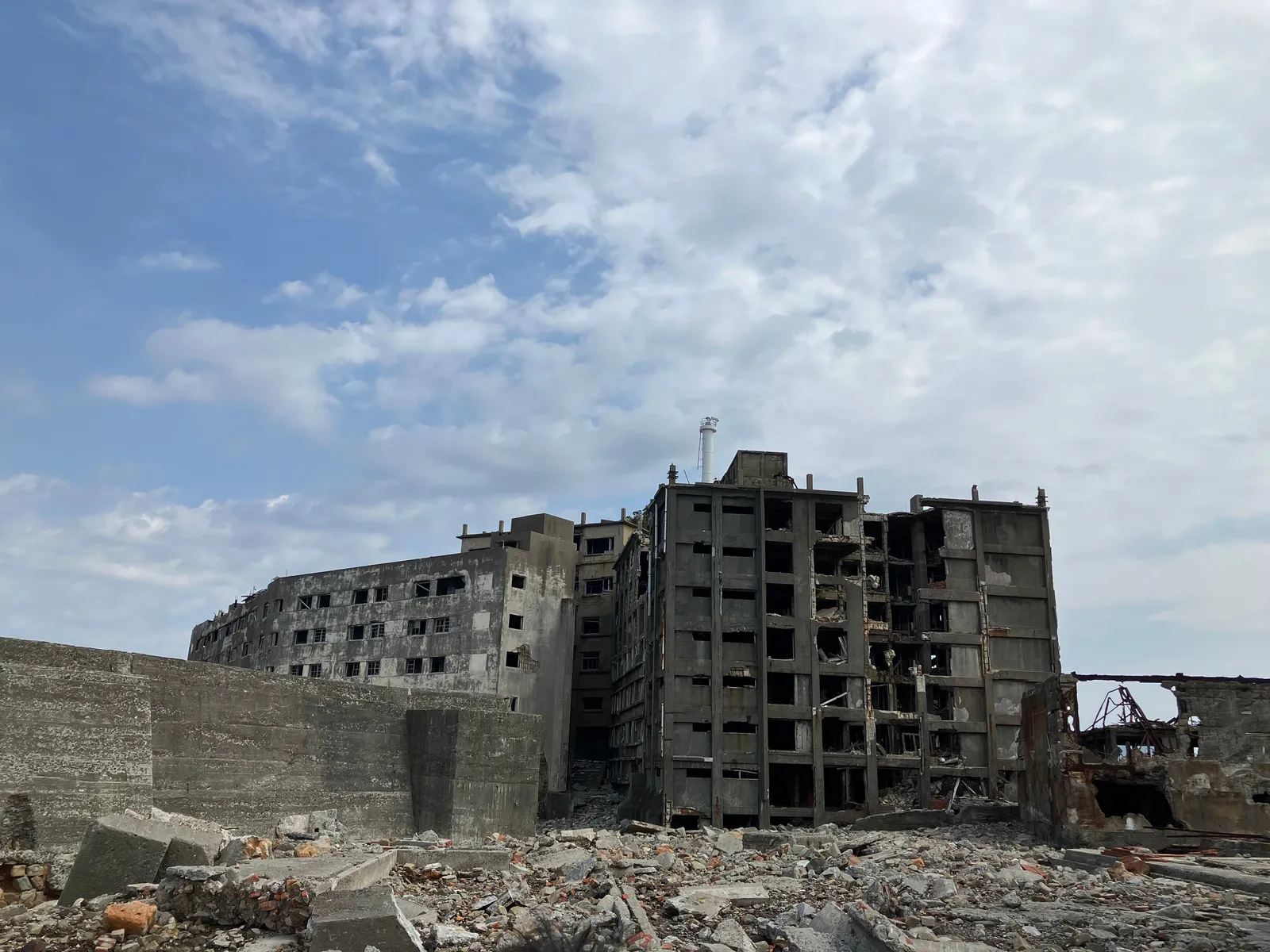
Food: champon, a noodle soup of pork, seafood and vegetables invented here for Chinese students, and castella, the sponge cake the Portuguese left behind, sold in wooden boxes. The signature experience: Mount Inasa after dark. Optional tour: a walking tour of Dejima and the Chinese quarter fills in the trade history, which is the reason this city looks unlike the rest of Japan. Boats also run out to Hashima, the abandoned coal mining island off the coast, whose concrete blocks are visible from the water; landings depend on the sea state and are cancelled often.
Day 3: Beppu and the hells
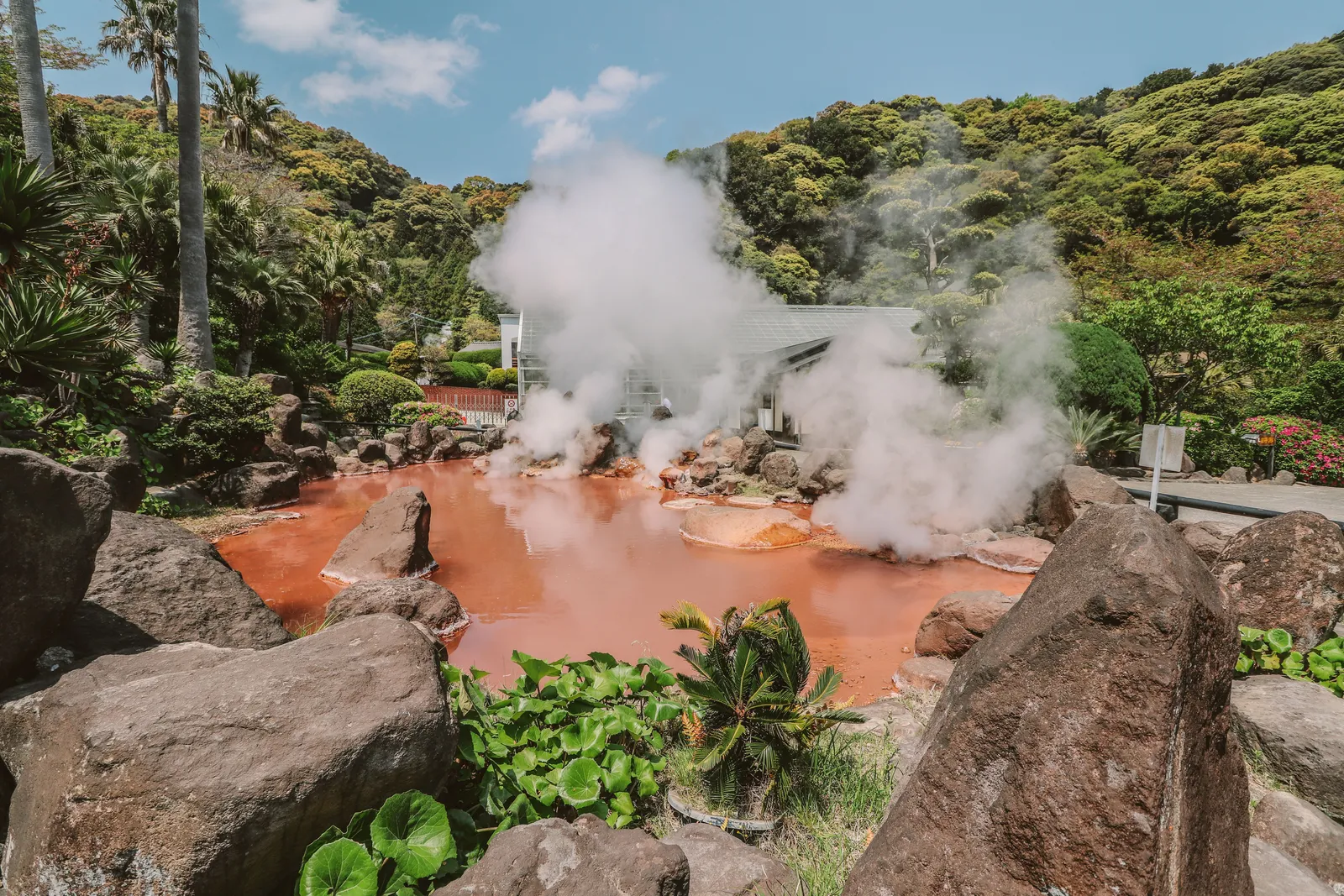
Cross to the east coast. Beppu produces more hot spring water than anywhere else in the country and it is not subtle about it: steam rises out of drains, hillsides and gardens across the town. The jigoku, the hells, are a set of thermal pools too hot to bathe in and presented as attractions, one of them cobalt blue, another blood red with iron, and they are more theme park than nature, which is part of the fun.
The bathing itself is elsewhere. Beppu has public baths at every price point, and the one to do is the sand bath: you lie in a shallow trench on the beach or in a bathhouse and attendants shovel naturally heated sand over you up to the neck for ten to fifteen minutes. It is heavy, hot and oddly wonderful. Read our onsen guide first for the etiquette, which applies to the water baths afterwards.
Food: toriten, chicken tempura, is the local dish, and the town sells eggs and puddings steamed in the hot springs. The signature experience: the sand bath, which no other hot spring town does at this scale. Optional tour: a hells circuit bus ties the pools together; the walk between the two furthest ones is not worth it.
Day 4: Yufuin
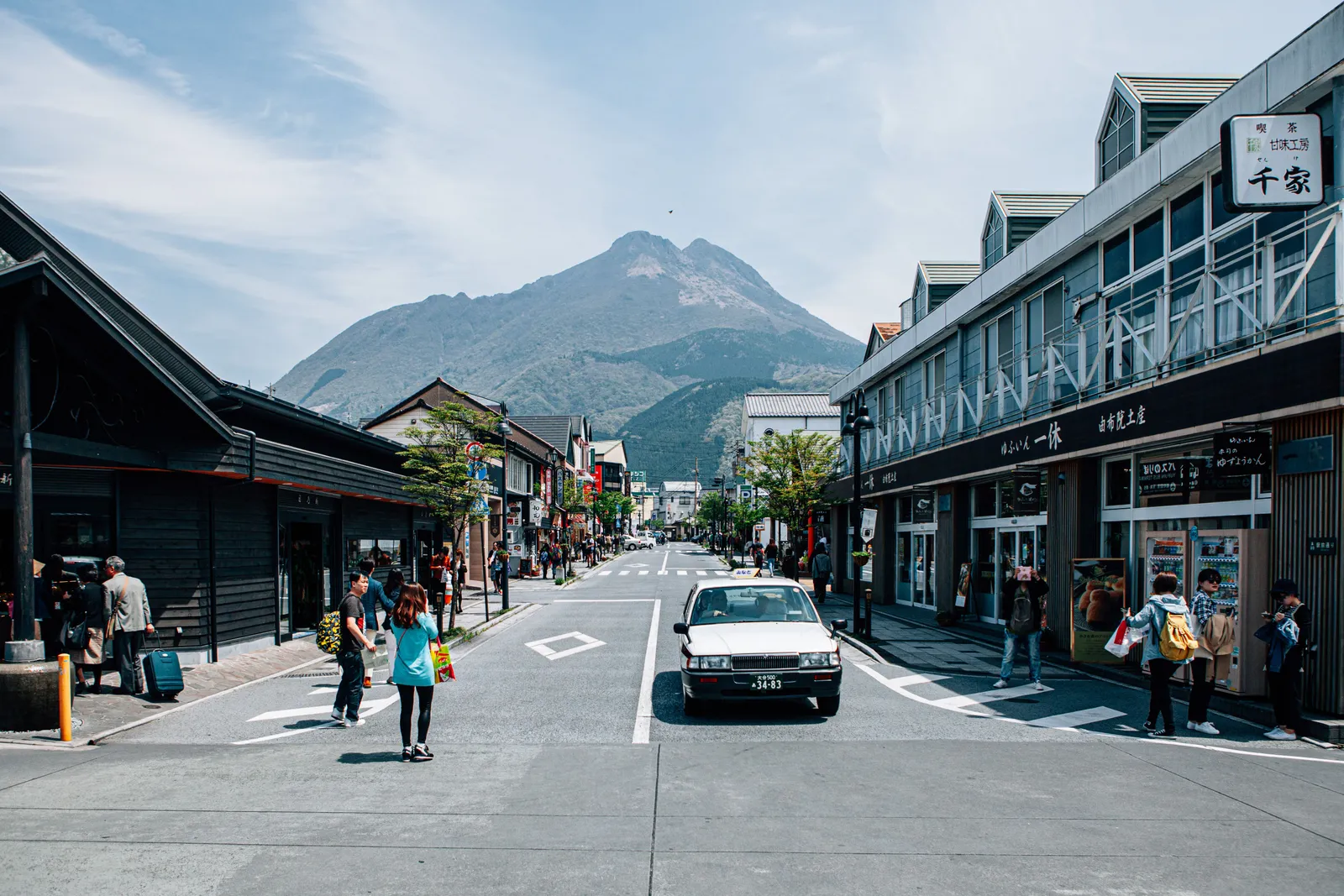
An hour inland by a small tourist train or bus, Yufuin is the opposite of Beppu: a low town under a twin peaked mountain, built around ryokan with private baths, with a craft and food street running from the station to a small lake. Kinrin lake steams in the early morning where hot water enters it, and walking there before breakfast is the reason to stay the night rather than pass through.
This is the day to book a proper ryokan, because Yufuin is where Kyushu does that best: a room with tatami and a futon, a private open air bath, and a kaiseki dinner of a dozen small seasonal dishes served in your room. Our ryokan guide covers what to expect and what is expected of you, which is the difference between a comfortable evening and an anxious one.
Food: the ryokan dinner, and on the craft street, croquettes, roll cake and soft serve made with local milk. The signature experience: the lake at dawn with the steam coming off it and nobody about. Optional tour: horse drawn carriages loop the town from the station, which is touristy and pleasant.
Day 5: Kumamoto and Aso
The last day goes west or into the middle, depending on your flight. Kumamoto castle is one of the great Japanese castles, black walled with famously steep stone bases, and it was badly damaged in the earthquake of 2016; restoration has been running for years and parts of the complex have reopened on a rolling basis, so check what is accessible before you go rather than assuming.
The alternative is Aso, the enormous caldera east of the city with a live crater at its centre, farmland and villages inside the rim, and grass covered volcanic cones you can walk up. Access to the crater itself depends on the volcanic alert level and the gas readings on the day, and it closes with no notice, so treat the crater as a bonus and the caldera rim drive as the plan. Takachiho gorge, further south east, is the third option: a narrow cleft with a waterfall you row a boat up to.
Food: Kumamoto ramen, which is milder than Hakata and uses garlic oil, and karashi renkon, lotus root stuffed with mustard miso. The signature experience: standing on the caldera rim with the whole basin and its farms laid out inside it. Optional tour: a day tour from Kumamoto covers Aso with a driver who knows whether the crater road is open, which saves a wasted trip.
Practical tips
- The Kyushu shinkansen runs down the west side from Fukuoka to Kagoshima and makes the north of this route quick; the east coast and the middle are slower and often better by bus or car.
- A regional Kyushu rail pass is usually better value than the national one for a trip this shape; check both against your actual route.
- Volcanic access at Aso and elsewhere changes at short notice with the alert level. Never build a day around reaching a crater rim.
- Hot spring towns fill at weekends and in the New Year period, and ryokan need booking well ahead for those dates.
- Tattoo policies vary between bathhouses; the onsen guide covers how to check and what the alternatives are.
- Kyushu is warmer than Honshu and its rainy season is heavy. Our seasonal guide has the pattern.