Seven days in Japan is enough for a very good trip and not enough for the country. Accepting that at the planning stage is what separates a week that works from a week spent on trains. This is the route almost everyone should take on a first visit, with the reasoning behind each choice and the two places people go wrong.
The shape: three, one, three
The route is Tokyo, a stop in the middle, Kyoto, and it is standard because it is correct. Roughly three nights at each end and one in between.
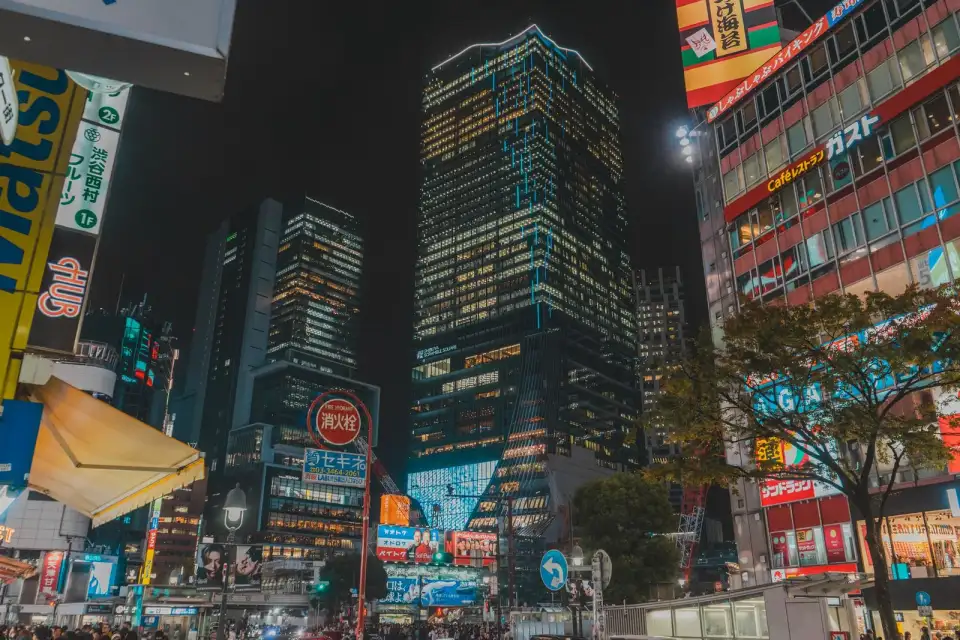
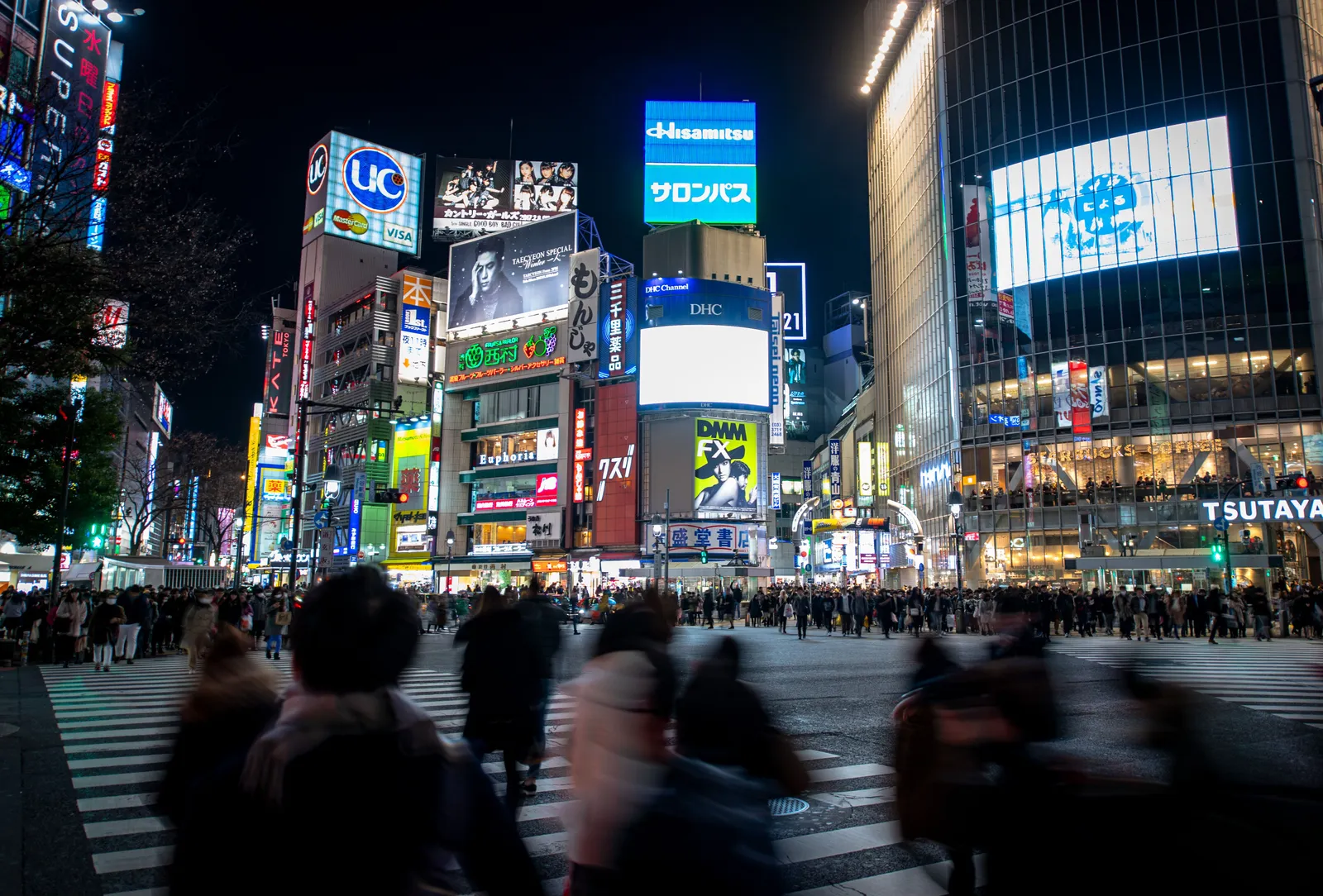
Tokyo rewards more time than visitors expect, because it is not one city but several distinct ones with different characters. Kyoto is more compact but its sites are widely spread and slow to reach on a bus network that clogs through the middle of the day.
The split is adjustable. Anyone drawn to temples, gardens and traditional architecture should move a night towards Kyoto. Anyone drawn to food, nightlife and contemporary city life should move it the other way. What you should not do is even it out to two, two and three across four places.
Day by day
Days 1 to 3, Tokyo. Arrive and do very little on the first day, which is not laziness but arithmetic: most long-haul arrivals lose a substantial part of that day regardless. Then two full days across the main districts, with a mix of the historic east and the modern west.
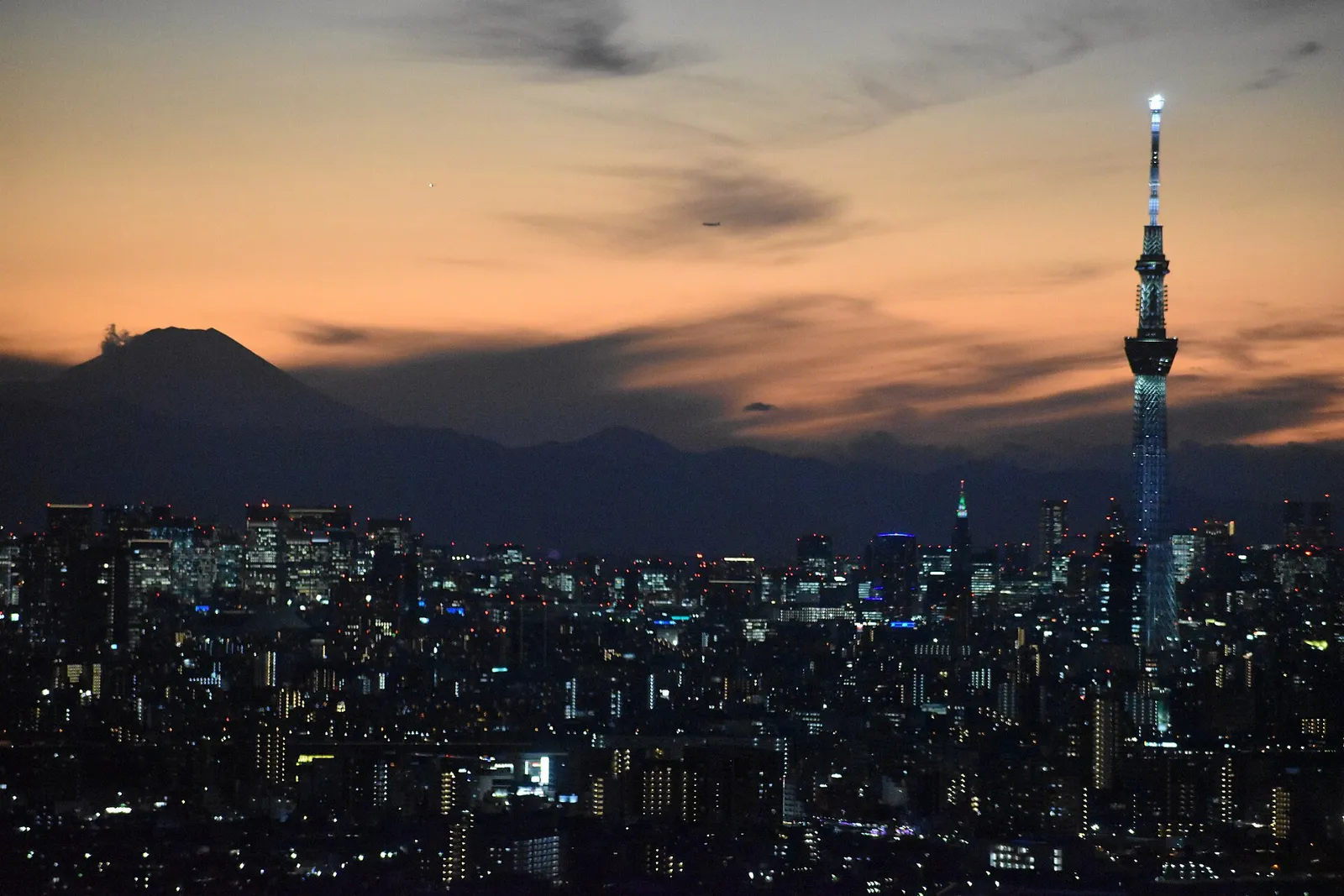
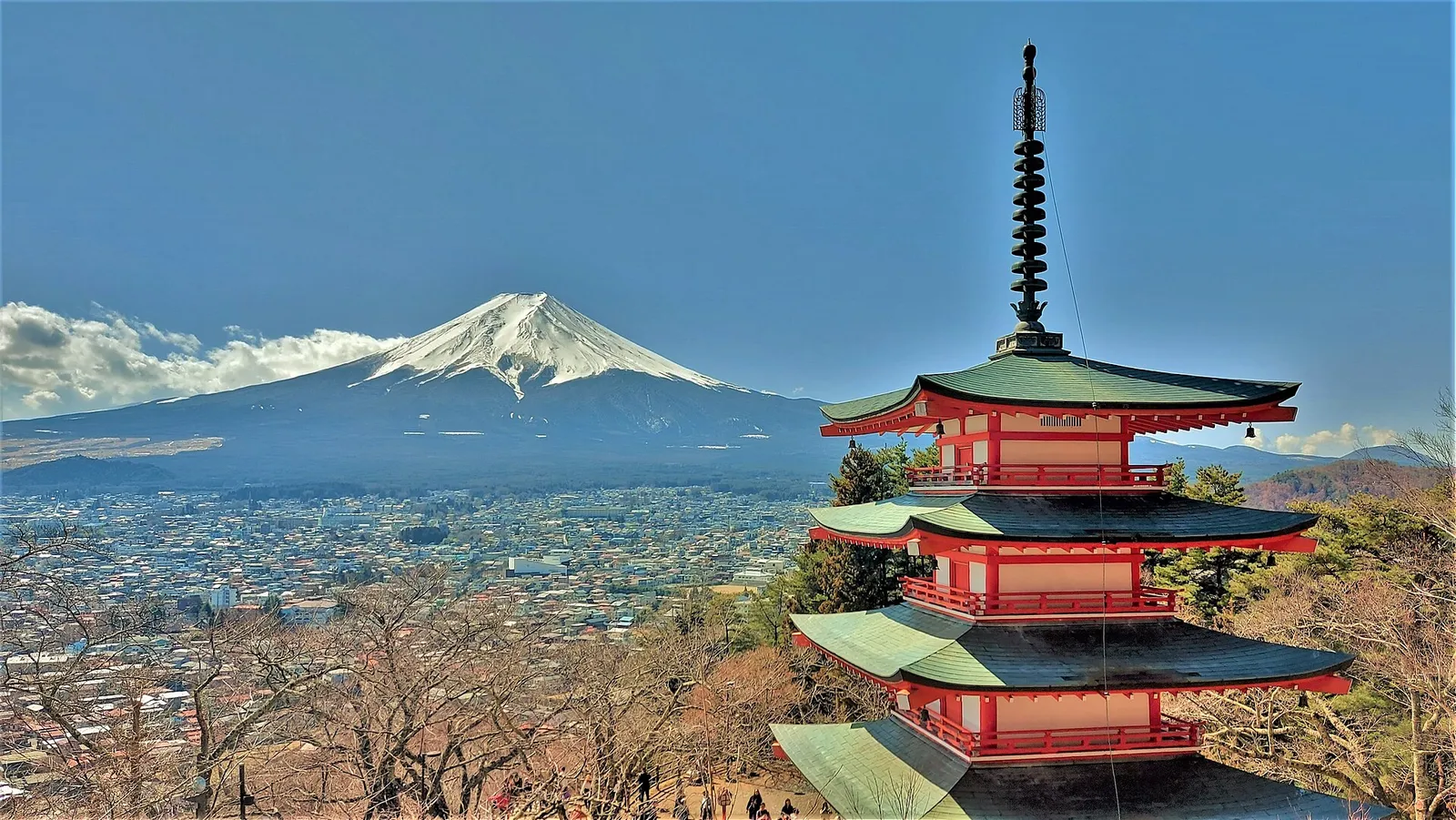
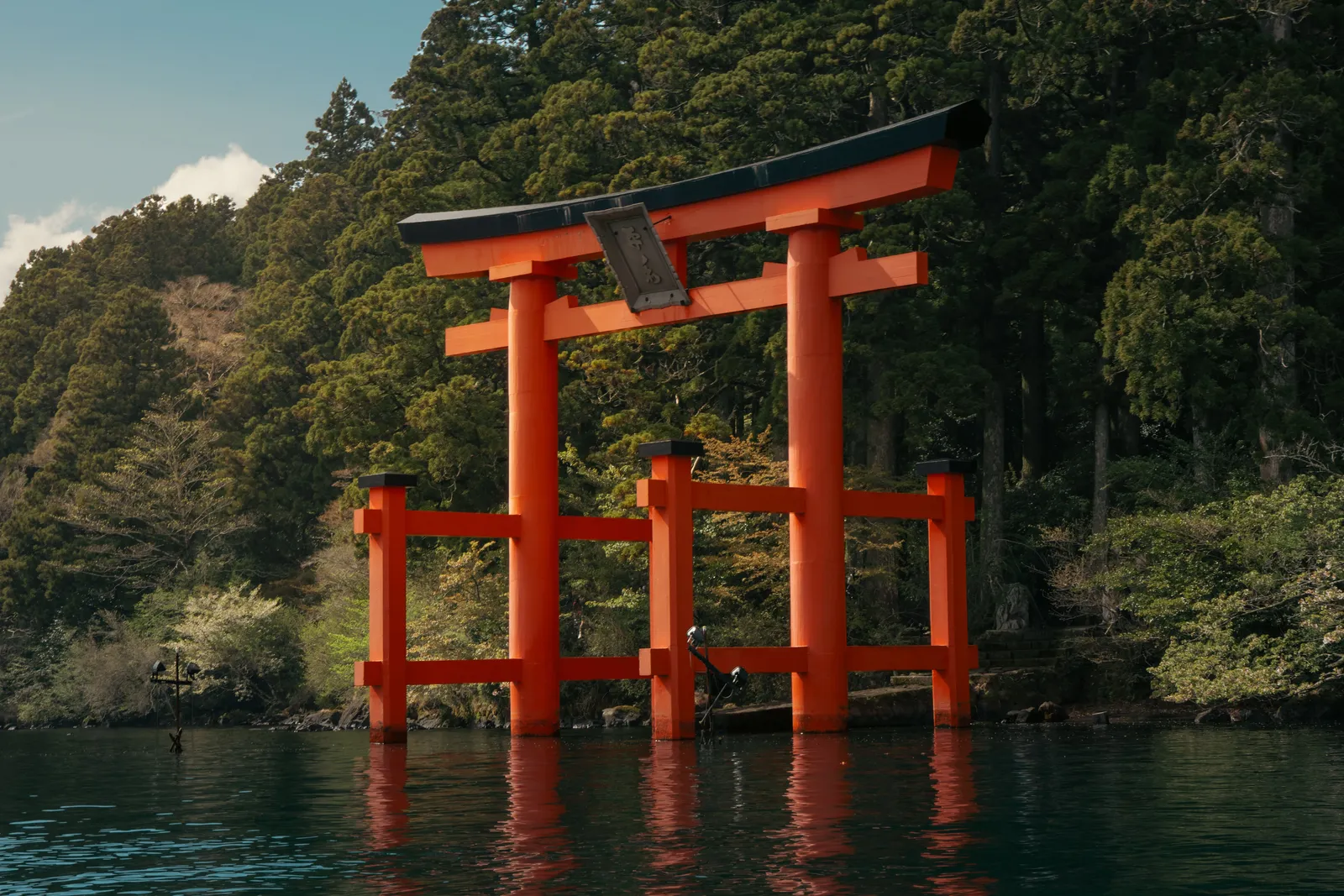
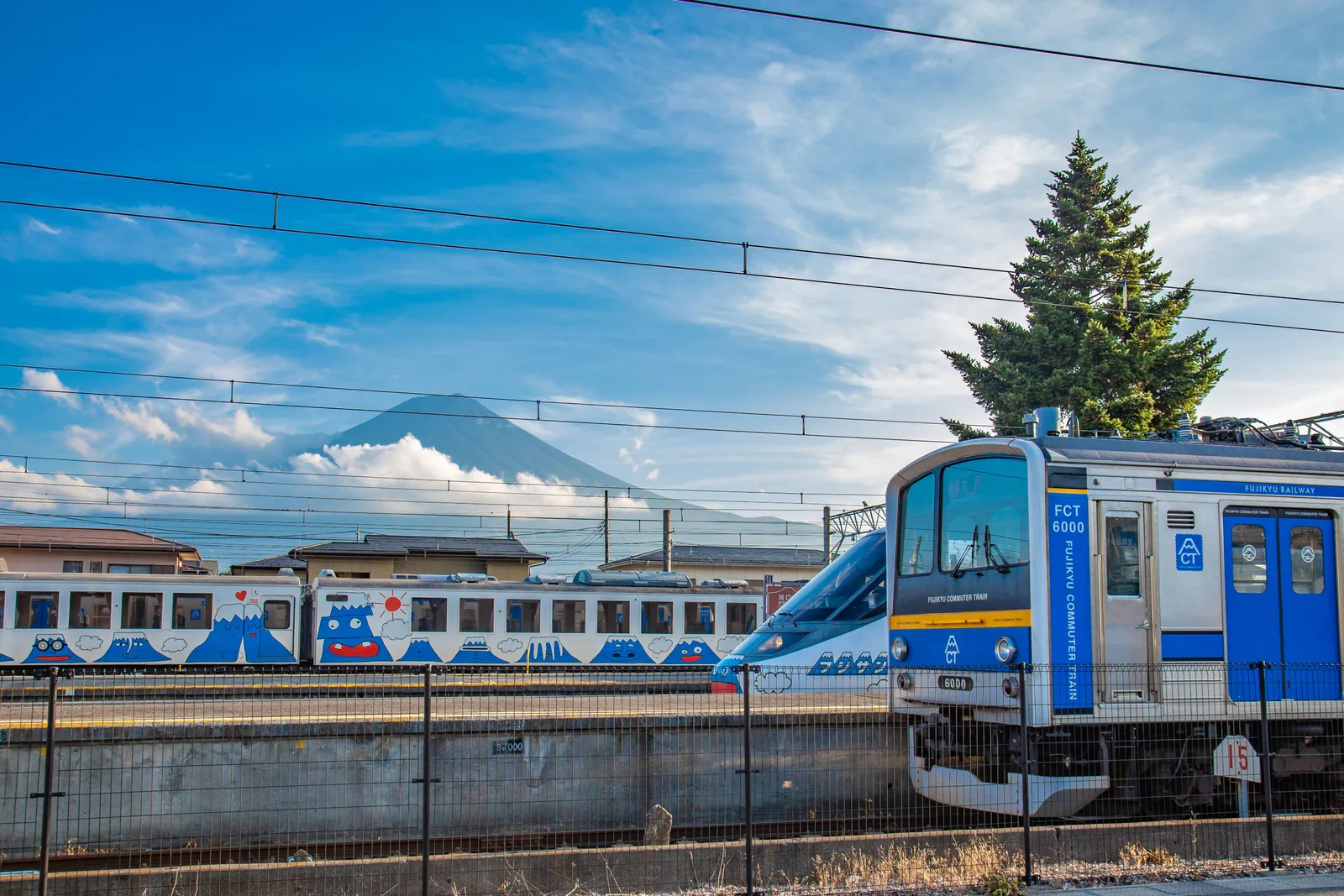
Day 4, the middle stop. Hakone is the usual choice, sitting directly between the two cities, offering hot springs, a scenic transport loop and a chance of Mount Fuji. It breaks the journey instead of adding to it. Alternatively skip it, take the direct train and gain a night at either end.
Days 5 to 7, Kyoto. Two days in the city itself, split between the eastern and western temple districts, and one day trip. Nara is the obvious one at under an hour away, with its great Buddha hall and the deer in the park.
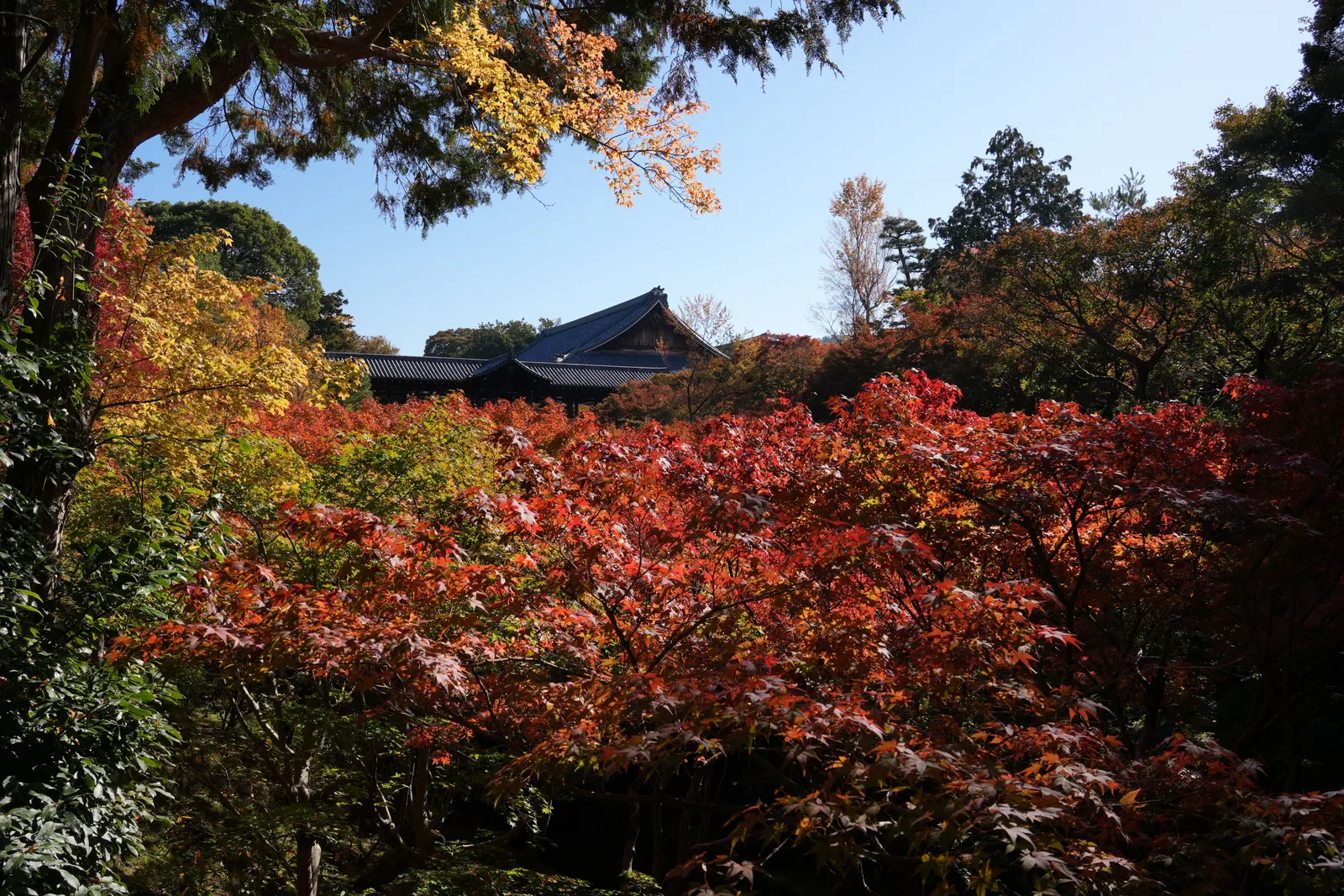
Two things about Kyoto that change how you plan it. The buses are the default way to reach the temples and they are slow and crowded from mid-morning onwards, so the eastern sites are best walked as a single chain rather than approached one at a time. And the famous places have a genuine early-morning window: arriving before the first coaches turn up is the difference between a quiet hillside and a queue, and it costs nothing but an alarm.
The open-jaw trick
This is the single easiest improvement to a week-long itinerary and a surprising number of people miss it.
Fly into Tokyo and out of Osaka. Kansai airport serves the Kyoto and Osaka end, and flying home from there removes an entire return crossing of the country. On a seven-day trip that is a meaningful fraction of the whole holiday.
Airlines frequently price these open-jaw tickets very close to a standard return. Check before defaulting to the same airport at both ends.
Kyoto is the booking constraintIt has chronically limited rooms for its visitor numbers, and the blossom and autumn weeks sell out months aheadThe rail pass question
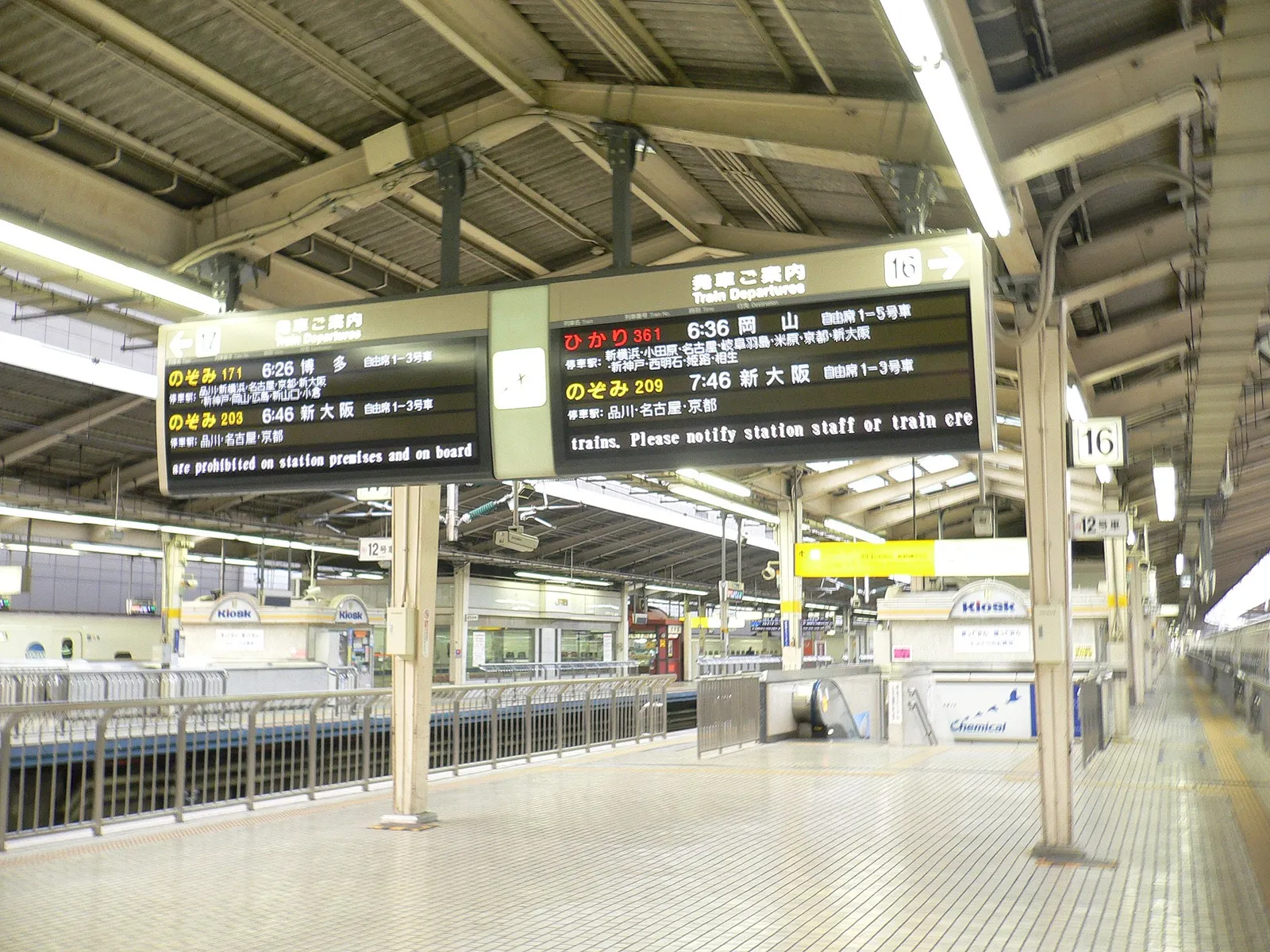
The arithmetic here changed, and a lot of advice online has not caught up. After the last substantial price rise, a single return between Tokyo and Kyoto no longer covers the cost of a seven-day pass on its own.
That means the pass is worth it only if you are adding further long-distance travel on top of the basic route. If your week is Tokyo, Hakone and Kyoto, individual tickets are likely to be cheaper. If you are adding Hiroshima or a longer detour, run the numbers again.
The honest instruction is to price your actual journeys rather than accepting a rule of thumb. Our guide to whether the rail pass is worth it sets out how to do that, and it is a ten minute exercise that frequently saves a meaningful amount.
The two mistakes
Adding a fourth city. Each additional destination costs at least half a day in travel, packing and checking in and out. On a seven-day trip that compounds fast, and the result is a holiday remembered as a series of stations. If you want Hiroshima, the Alps and Hokkaido, that is a longer trip, and our three week itinerary is the version that fits them.
Overplanning day one. Jet lag from most long-haul origins is substantial, and an ambitious first day usually gets abandoned halfway through and takes the second day down with it. Plan a walk, an early dinner and a normal bedtime.
Season changes what you book, not the route
The route holds all year. What changes is how far ahead you have to commit. Cherry blossom in spring, the autumn colour weeks and the national holiday periods are when Kyoto rooms disappear months in advance and the trains fill with domestic travellers as well. If your dates fall in any of those windows, book accommodation before flights, because the rooms run out first. Outside them a couple of weeks is usually enough, and a midweek arrival is noticeably easier than a weekend one.
What this route leaves out
Deliberately: Hiroshima and Miyajima, the mountains around Takayama and Kanazawa, Koyasan, the southern islands, and all of Hokkaido. Every one of them is worth going to and none of them fits in a week alongside the two main cities.
That is not a failure of the itinerary. Japan is considerably larger and slower to cross than the map suggests, and a first trip that does Tokyo and Kyoto properly is a better trip than one that does six places briefly. Our guide for first-time visitors covers the practical groundwork that applies whichever route you take.