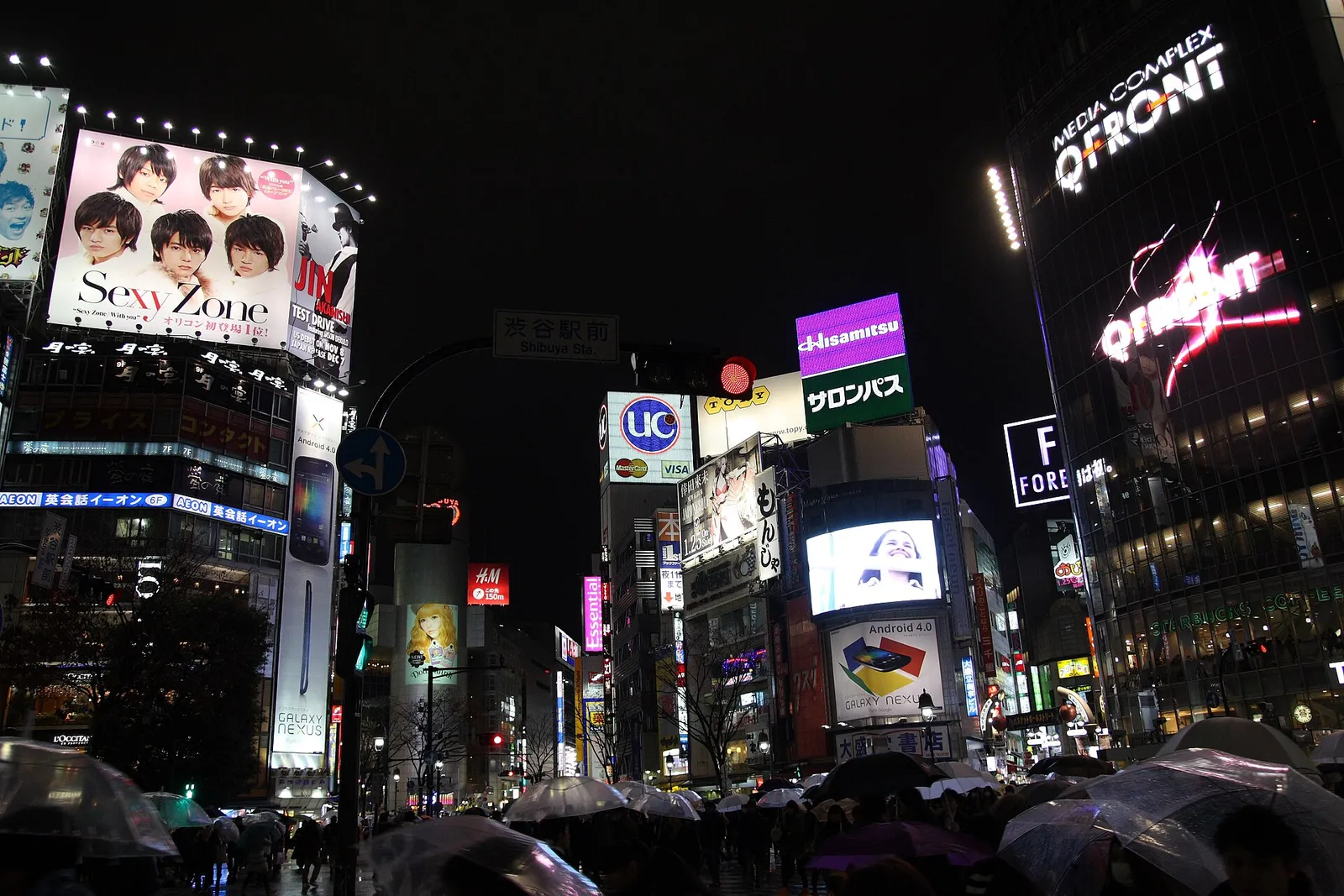
Tokyo or Osaka is one of the great friendly rivalries of Japan travel, and locals argue it as fiercely as visitors do. Tokyo is the colossus: the biggest metropolis on earth, endlessly layered, home to everything from imperial gardens to robot-lit arcades. Osaka is the challenger: smaller, louder, funnier, obsessed with food, and famously the friendliest big city in the country. If your trip is long enough, the honest answer is both, since the shinkansen links them in about two and a half hours. But if you have to choose a base, or weight your days toward one, here is how they really compare.
Sights and variety: Tokyo’s scale is unanswerable
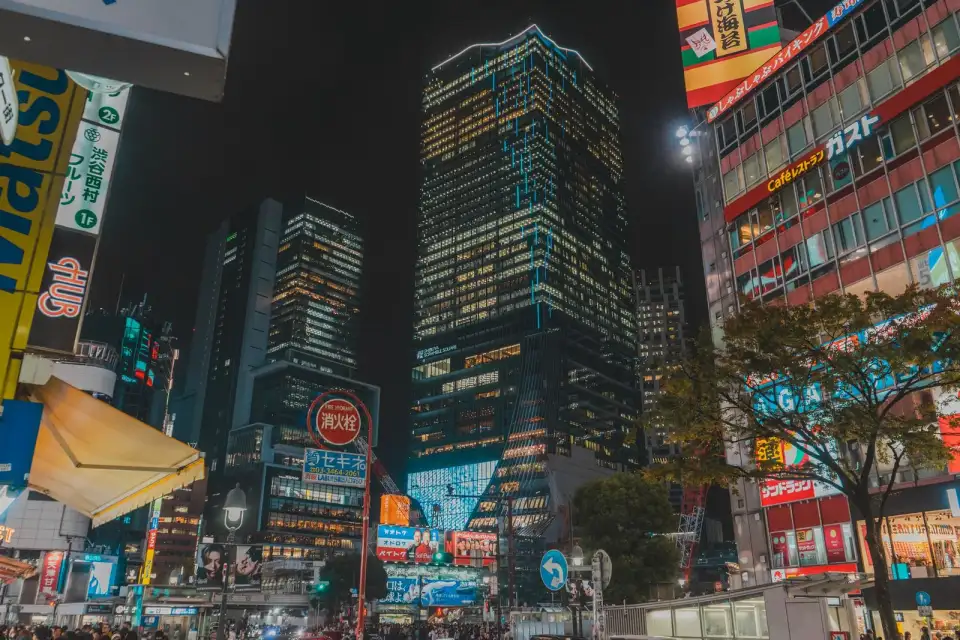
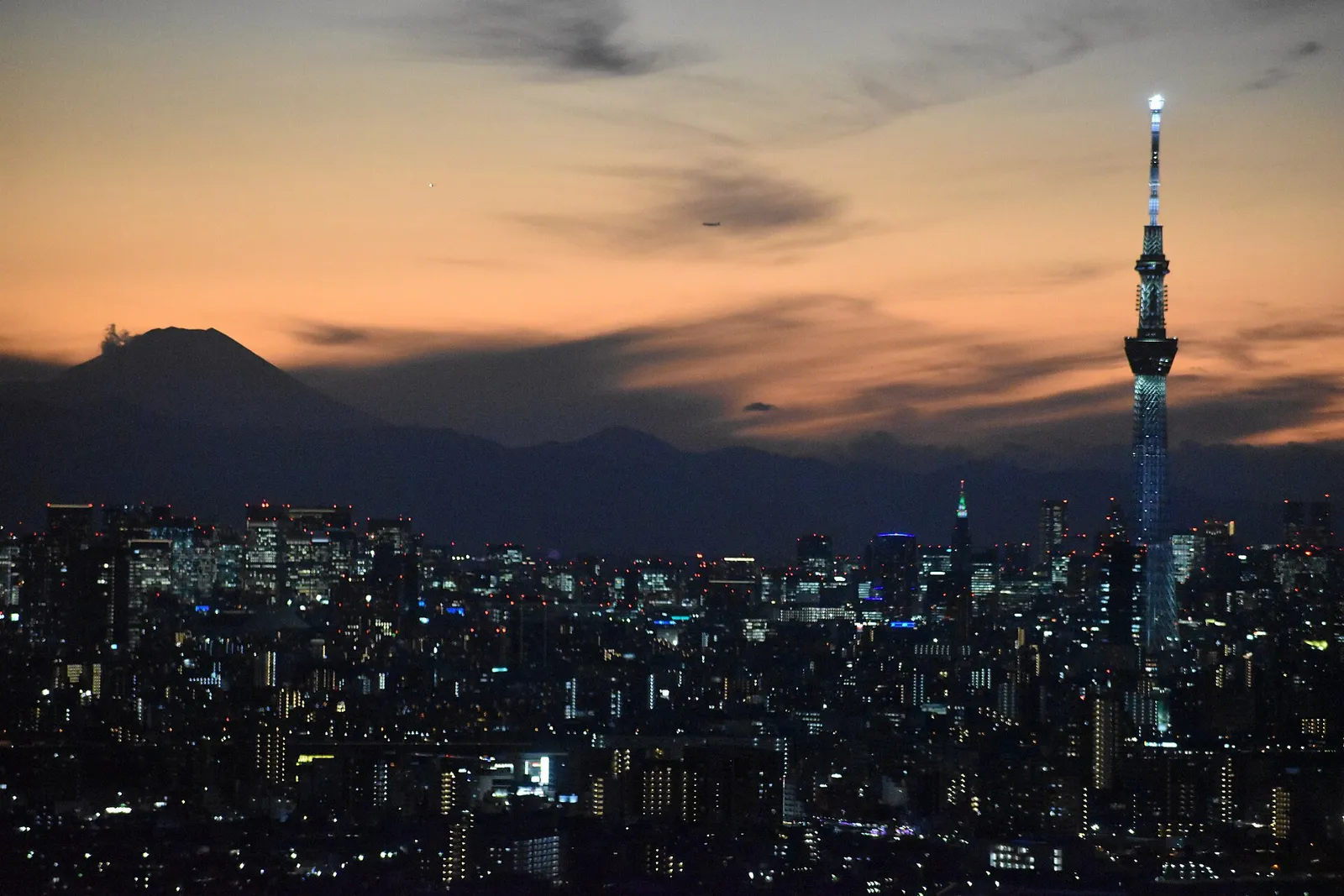
For sheer breadth, Tokyo has no rival in Japan or anywhere else. It is less one city than a constellation of them: the electric canyons of Shinjuku and Shibuya, the old temple streets of Asakusa, the fashion labs of Harajuku, the museums of Ueno, the bayfront of Odaiba, the teamLab digital-art worlds at Azabudai Hills and Toyosu, and dozens of neighborhoods each with their own gravity. You could spend two weeks and leave with a list for the next trip. Our full Tokyo guide barely contains it.
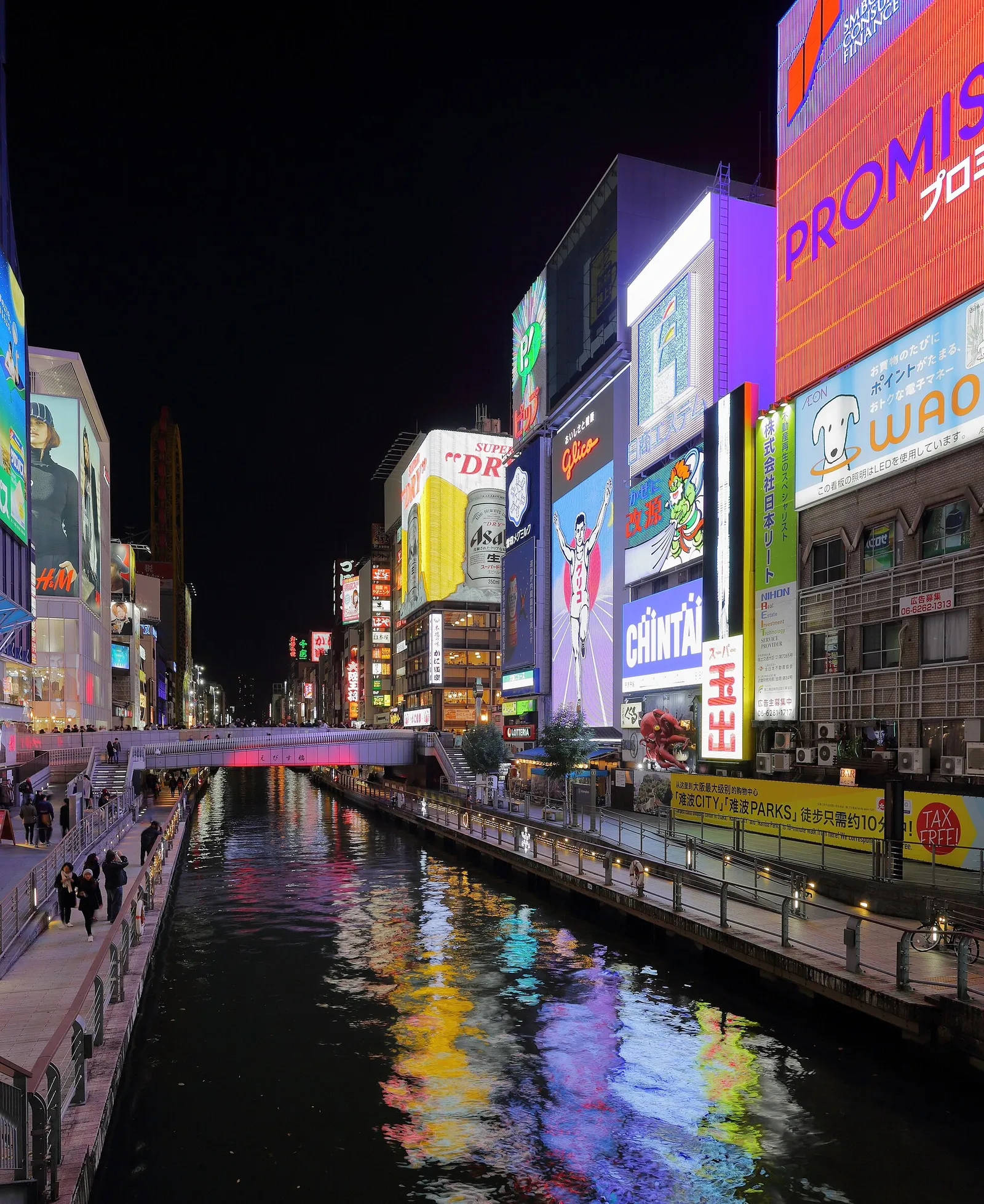
Osaka concentrates its hits: Osaka Castle in its moated park, the aquarium at Kaiyukan, the retro alleys of Shinsekai, Universal Studios Japan, and above all Dotonbori, the neon-splashed canal strip that is the city’s beating heart. It is a two to three day city on its own sights, and that is not a criticism; it just means Osaka wins on intensity per day rather than volume.
Food: Osaka is Japan’s kitchen
Tokyo offers the widest and most refined eating on the planet, from legendary sushi counters to the deepest bench of top-rated restaurants of any city in the world. Whatever cuisine or budget you name, Tokyo has a hundred versions of it.
But Osaka is the city that Japan itself associates with eating. Its nickname translates as the nation’s kitchen, and its culture of kuidaore, eating yourself broke, produced the country’s best casual food: okonomiyaki grills, takoyaki stands, kushikatsu counters where fried skewers arrive until you surrender. It is cheap, social, fast and delicious, and the standard even at random storefronts is absurdly high. If your dream trip is grazing streets rather than booking counters, Osaka is heaven. Either way, read our Japan food guide before you land hungry.
Nightlife and atmosphere
Both cities glow after dark, differently. Tokyo’s nightlife is an ocean: the bar alleys of Golden Gai, the izakaya smoke of Shinjuku’s side streets, world-class cocktail bars, clubs in Shibuya, jazz basements everywhere. It is endless but spread out, and it can feel anonymous. Osaka’s nightlife is a single glorious pot: Dotonbori and the Namba backstreets pack bars, izakaya and karaoke into a walkable riot, and the famous local friendliness means strangers actually talk to you. Osakans are Japan’s extroverts, quick with a joke and genuinely curious about visitors, and many travelers say their warmest memories of Japan happened on a bar stool in Namba.
Book the big-ticket experiences earlyFood tours, teamLab and Universal Studios sell out days or weeks aheadDay trips: Osaka’s ace
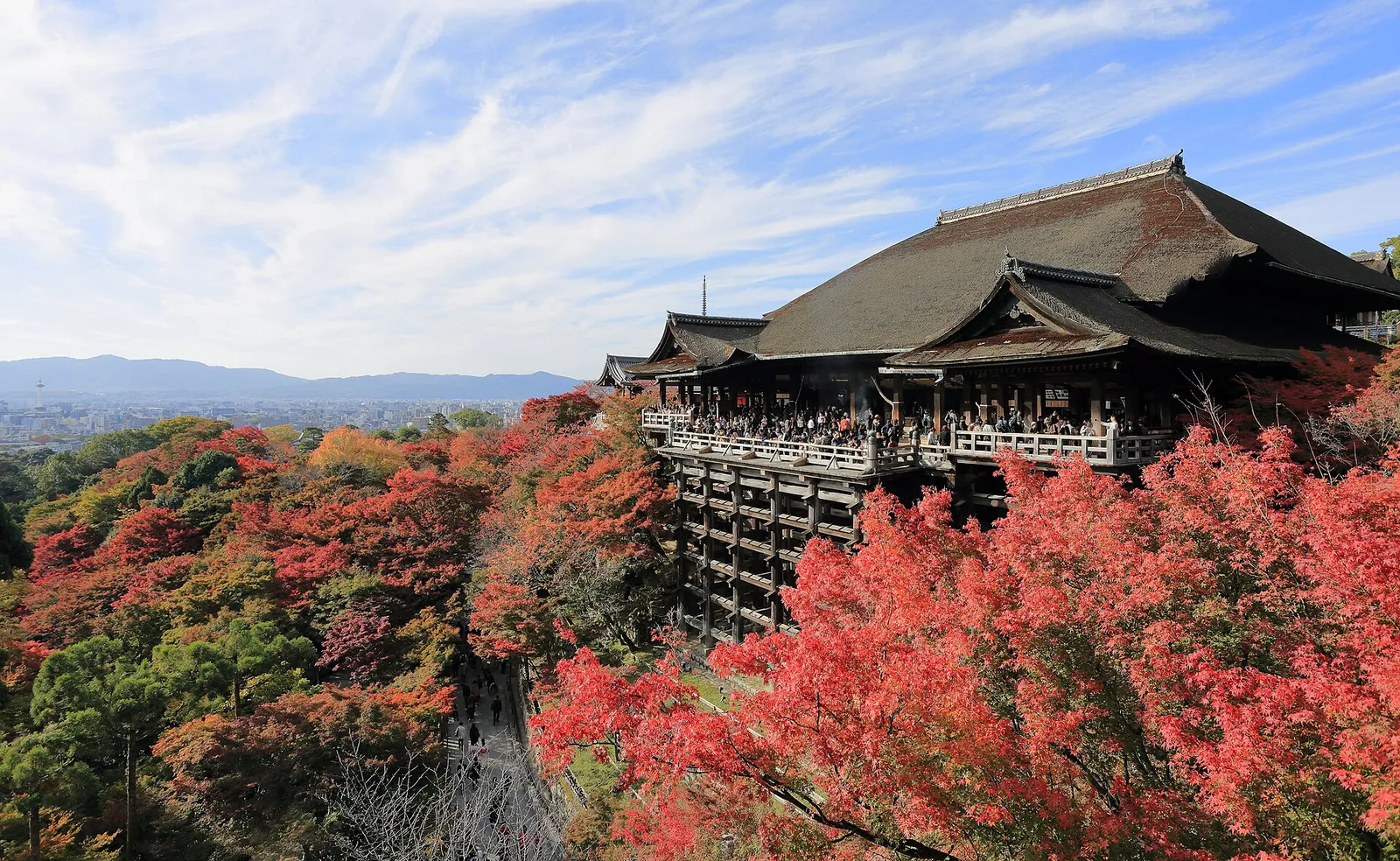
Here is where the map takes a side. From Osaka, Kyoto is 15 to 30 minutes by train and Nara, with its great Buddha and bowing deer, about 45 minutes. Kobe is 20 minutes, Himeji’s white castle under an hour. You can sleep in cheap, lively Osaka and day-trip to the greatest temples in Japan; see our Kyoto guide for what awaits. From Tokyo, the day trips are superb but farther: Kamakura, Nikko, Hakone and Mount Fuji’s lakes all sit roughly one to two hours out. Tokyo’s trips are destinations; Osaka’s trips are neighbors.
Cost: Osaka wins on value
Osaka is meaningfully cheaper. Comparable hotels typically run 20 to 30 percent less than Tokyo, decent business hotels near Namba can be found around 10,000 to 15,000 yen where central Tokyo asks more, and the city’s signature food is inherently budget food, a filling okonomiyaki dinner costing perhaps 1,000 to 1,500 yen. Transit within compact Osaka also nibbles less from the wallet than crisscrossing greater Tokyo. Over a week, the difference funds a very nice dinner or two.
Tokyo vs Osaka at a glance
| Tokyo | Osaka | |
|---|---|---|
| Character | Vast, polished, endlessly varied | Compact, loud, warm, food-mad |
| Headline sights | Weeks’ worth of neighborhoods and museums | 2-3 days of concentrated hits |
| Food | Widest range, fine-dining capital of the world | Street-food capital, unbeatable casual eating |
| Nightlife | Endless but dispersed | Dense, walkable, sociable |
| Day trips | Kamakura, Nikko, Hakone (1-2 hours) | Kyoto (15-30 min), Nara (45 min), Kobe, Himeji |
| Cost | Highest in Japan | Hotels roughly 20-30% cheaper, cheap eats |
| Airport | Narita and Haneda, most long-haul routes | Kansai (KIX), strong Asian and growing long-haul links |
| Ideal stay | 4-5 days | 2-3 days, or 5 as a Kansai base |
Whichever city anchors the trip
Two pieces of preparation apply either way.
Save the local numbers. Japan is exceptionally safe and the reason to have them is weather and geology rather than crime; our guide to emergency numbers in Japan covers what to call.
Know what you are comparing. If the decision is still open at the country level rather than the city one, our comparison of Japan and South Korea sets the two side by side on cost, food and how much ground a two-week trip covers.
So which should you choose
First-time visitor with a week or more: do not choose; fly into one and out of the other, splitting time between Tokyo and the Kansai trio of Osaka, Kyoto and Nara. It is the classic route because it works; our first-time Japan guide maps it out.
Short trip of four to five days: pick one region. Choose Tokyo if you want maximum spectacle and variety in a single city. Choose Osaka if you want Japan’s greatest hits, since its base position hands you Kyoto and Nara almost for free.
Food-first traveler on a budget: Osaka, without hesitation. The best casual eating in Japan at the lowest big-city prices.
Culture and temple seeker: Osaka as a base, spending your days in Kyoto and Nara, or Kyoto itself if nightlife does not matter to you.
Nightlife and social travelers: Osaka for warmth and walkability, Tokyo for endless depth and subculture.
Families: slight edge to Osaka, with Universal Studios, the Kaiyukan aquarium and shorter distances, though Tokyo’s Disney resort and teamLab argue back loudly.
Repeat visitor who did Tokyo last time: the answer writes itself. Osaka is waiting, and it will feed you like family.