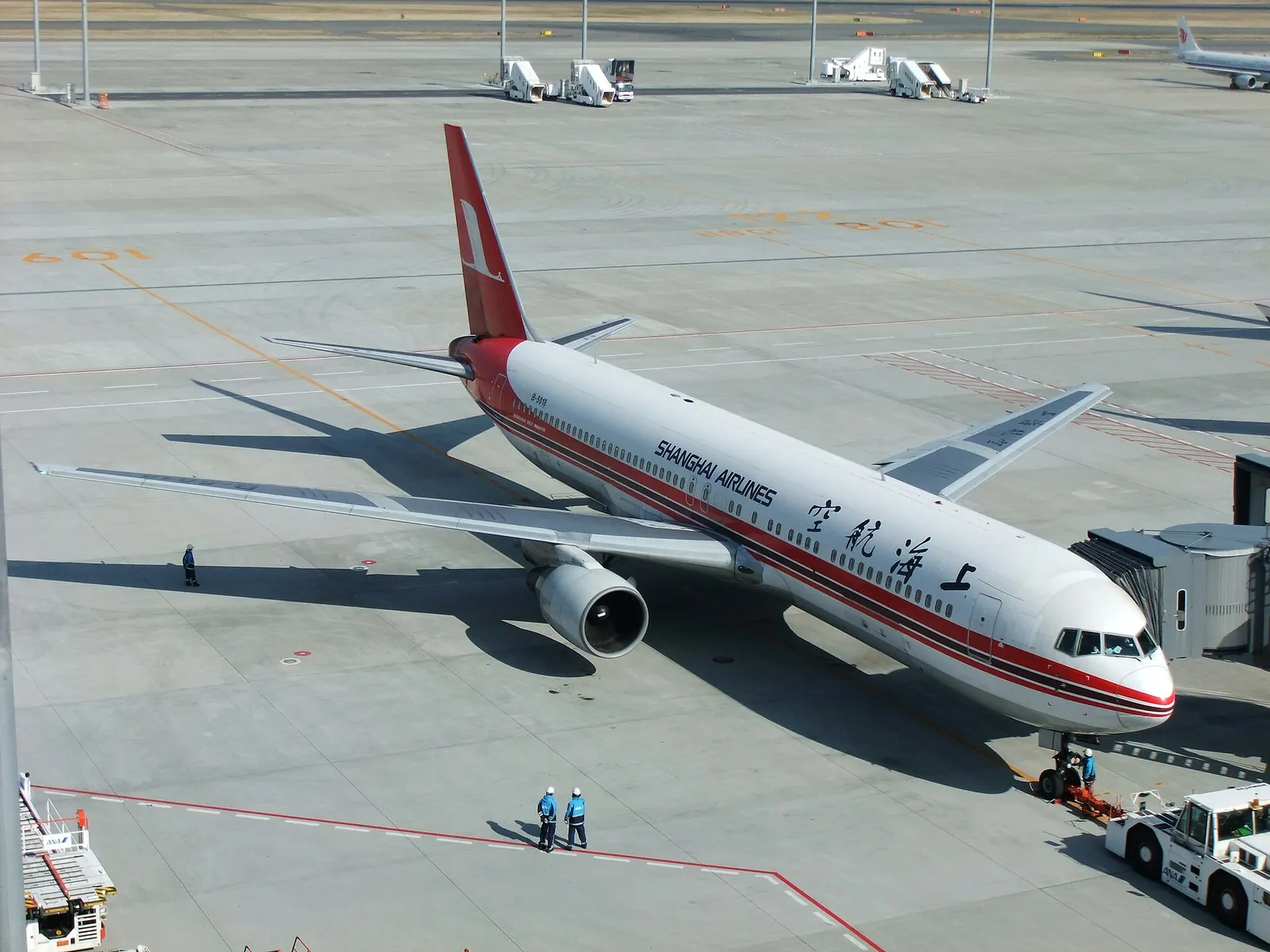
Japan is about as safe as travel gets: the crime rate is famously low, the tap water is drinkable, and the trains run to the second. So it is fair to ask why you would bother with travel insurance at all. The answer is that the risks in Japan are not the dramatic ones. They are a hospital system where visitors pay full private rates, a long-haul flight at each end of the trip, a typhoon season that shuffles schedules every year, and, for many travelers, a ski slope or a volcano in the itinerary. None of these are reasons to worry. All of them are reasons to spend a little on a good policy.
Medical costs: the big one
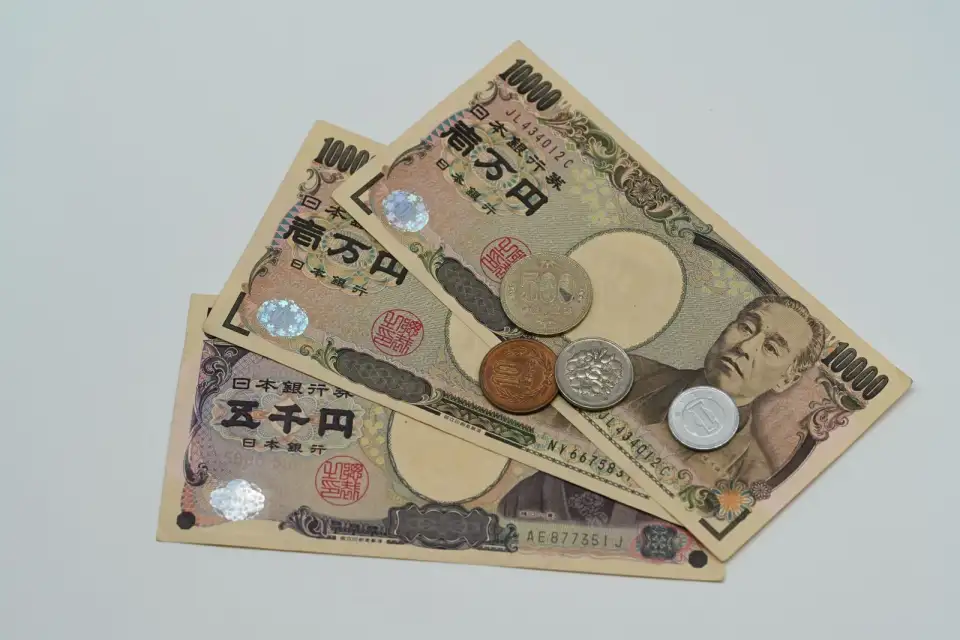
Japanese healthcare is excellent, but as a visitor you sit entirely outside the national health system and pay the uninsured private rate. A simple clinic visit for a fever might cost somewhere around 10,000 to 30,000 yen, which is annoying but survivable. The problem is anything bigger: an emergency room visit with imaging and tests can reach 100,000 yen, and a hospital admission, surgery or a broken leg treated properly can run past 1,000,000 yen, several thousand US dollars and often far more. A medical evacuation home from Asia can reach six figures in dollars.
Two practical points sharpen this. First, some Japanese hospitals ask non-residents for payment up front or proof of insurance before non-emergency treatment. A policy with direct billing or a 24-hour assistance line solves that conversation. Second, language: assistance lines can direct you to English-speaking clinics in the big cities, which is worth as much as the money when you are unwell and far from home. Aim for a policy with at least US$100,000 in medical coverage and evacuation included; more is better and costs little extra.
Skiing, snowboarding and the powder problem
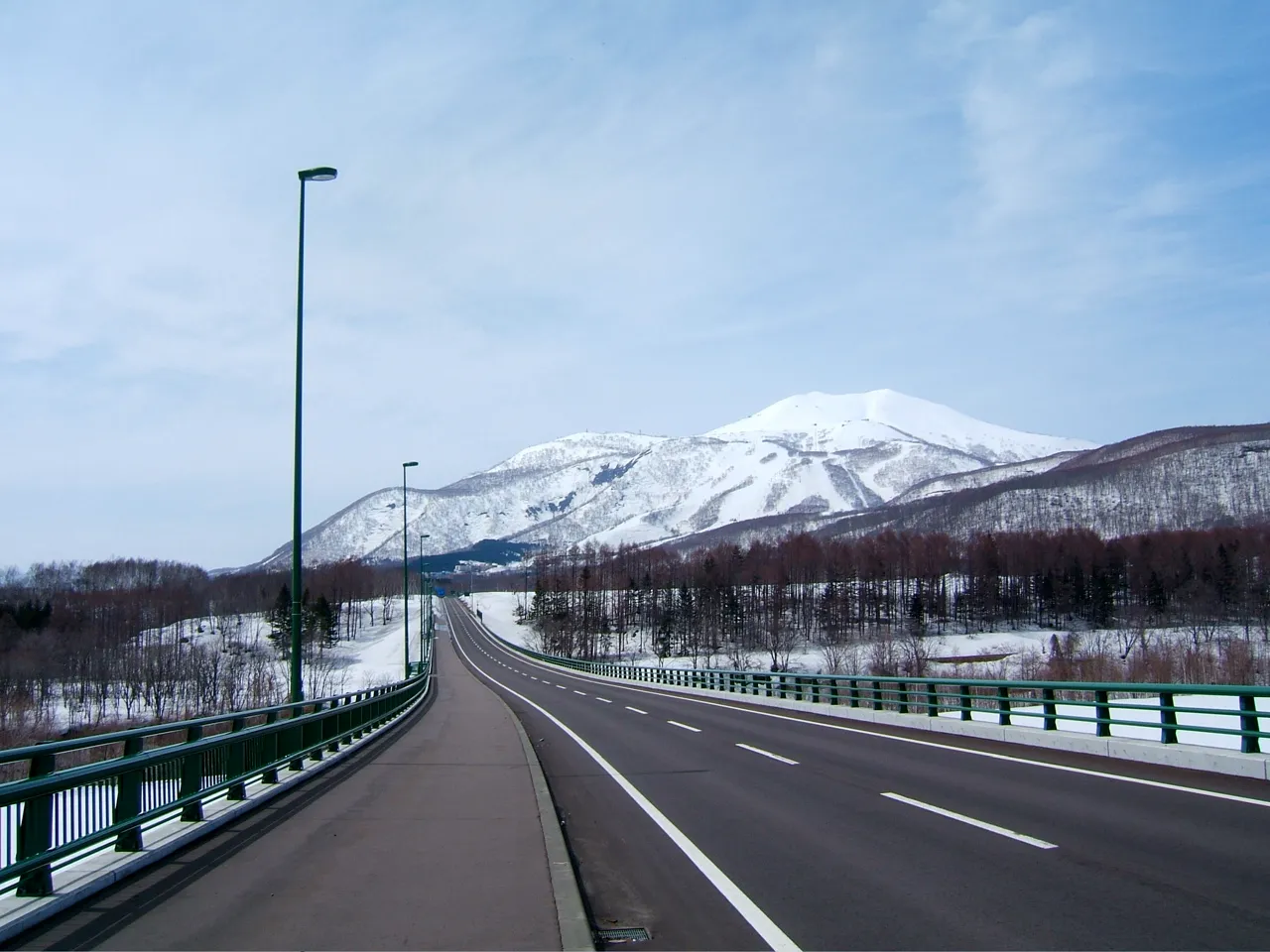
Japan has some of the best and most reliable powder snow on the planet, and resorts like Niseko and Hakuba pull travelers from every continent. Here is the catch: many standard policies exclude winter sports by default. If skiing or snowboarding is anywhere in your plan, add the winter-sports upgrade and read what it actually covers. Marked runs are the easy part. The famous Japan experience, floating through waist-deep powder between the trees off-piste, is exactly the kind of thing cheaper policies quietly exclude. Check the wording for off-piste terms, and check whether your gear is covered if a rental shop’s board disappears with your deposit.
Climbing Mount Fuji and hiking coverage
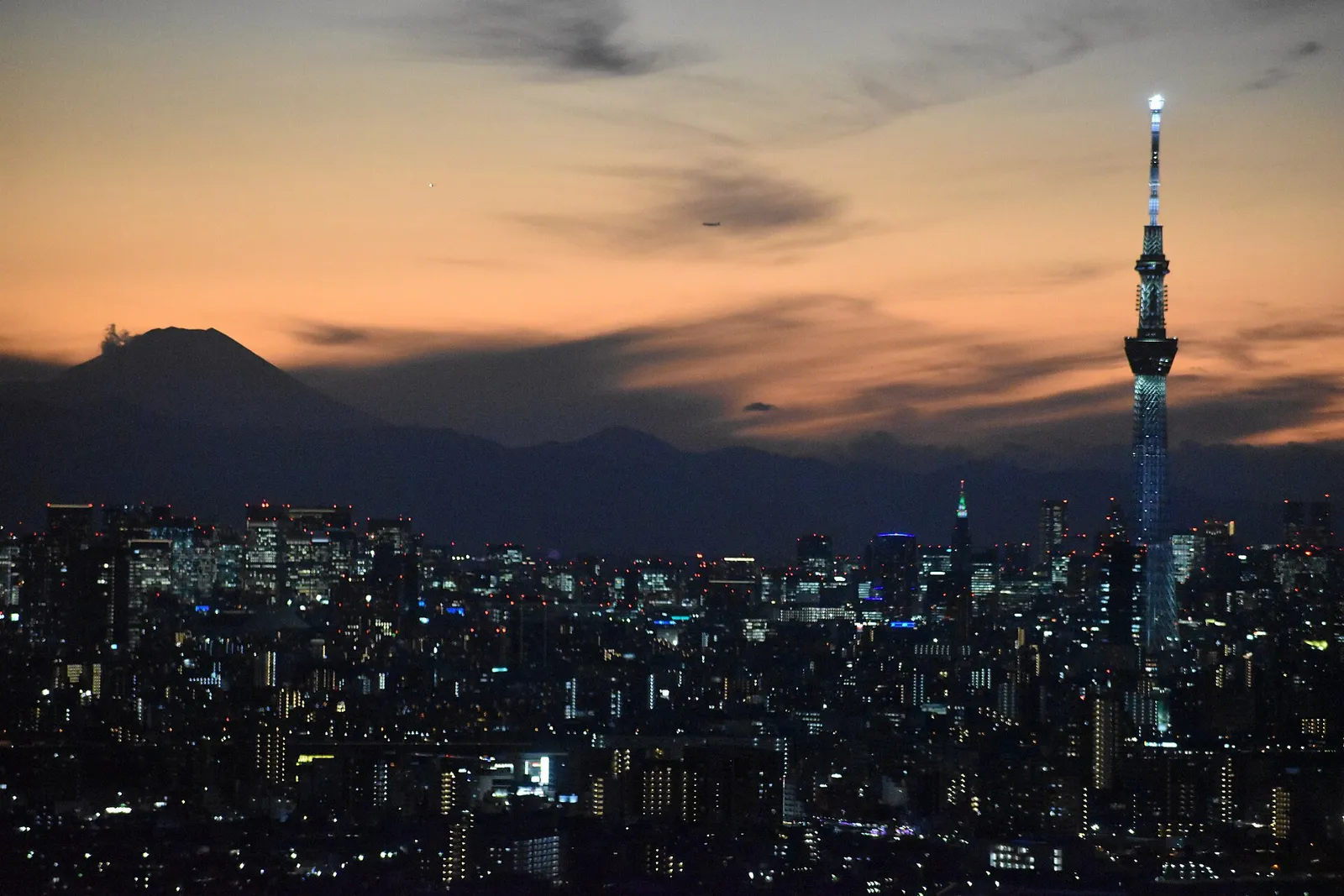
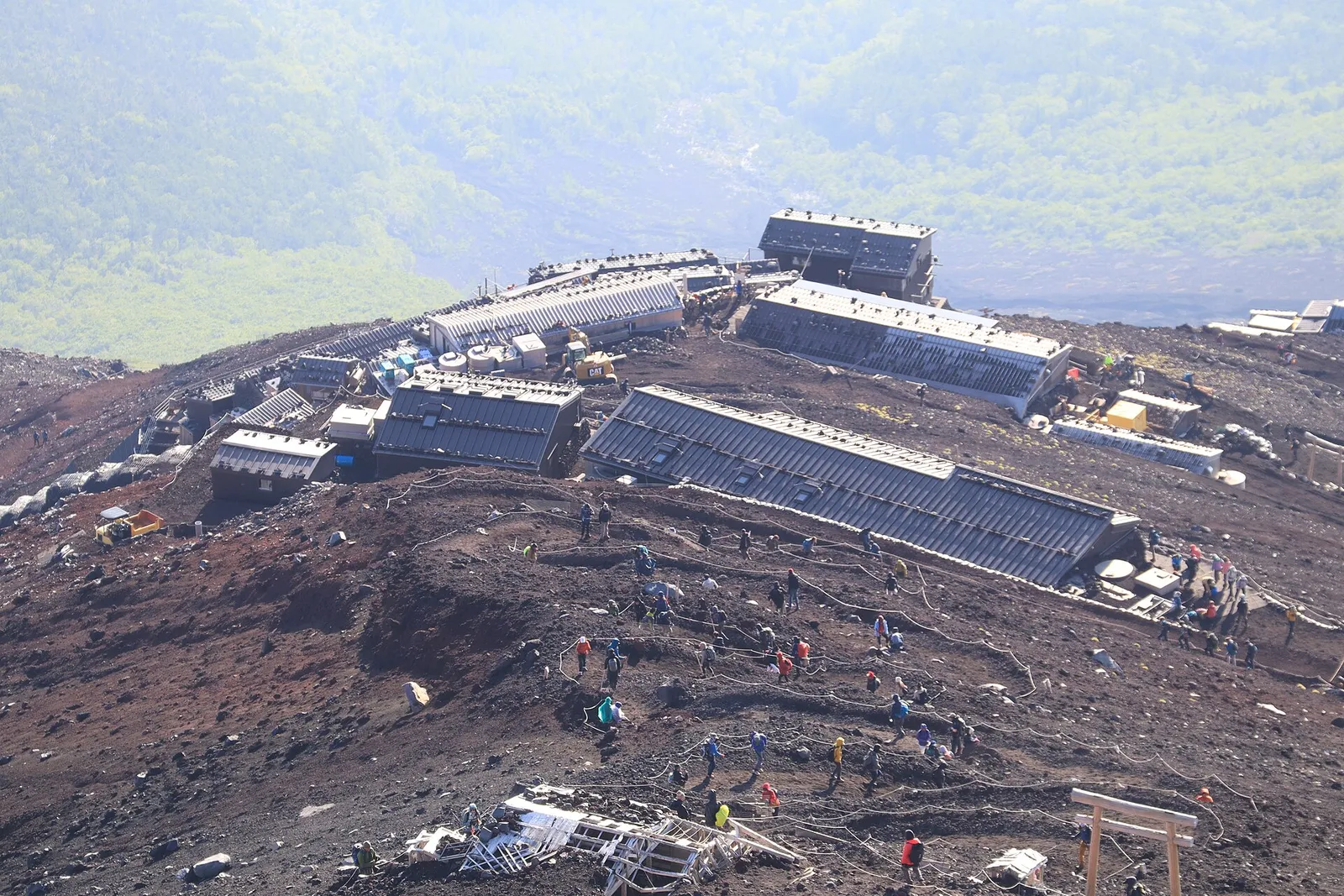
Mount Fuji tops out at 3,776 meters, and that number matters, because trekking coverage in most policies is defined by altitude bands. The common limits sit at 4,000 or 4,500 meters, which means the standard Yoshida trail climb is usually covered on an ordinary policy, but you must confirm your specific limit rather than assume. Also look for search-and-rescue coverage, since Japanese prefectures have moved toward charging climbers for some mountain rescues.
The climbing rules themselves have tightened sharply, and insurers care about them, because most policies expect you to follow local regulations. As things stand, all four Fuji trails (Yoshida on the Yamanashi side, plus Subashiri, Gotemba and Fujinomiya in Shizuoka) charge a climbing fee of 4,000 yen per person, and every climber needs a permit booked and paid for online before reaching the trailhead. Trail gates are closed overnight, roughly from mid-afternoon until the early hours, to stop the dangerous overnight dashes locals call bullet climbing, and you can only pass through if you hold a mountain hut reservation. The Yoshida trail also caps daily numbers. The official season runs roughly early July to early September, and insurers can treat out-of-season attempts as excluded high-risk activity. Because these rules have changed almost every year, confirm the fee, the booking system and the gate hours on the Yamanashi and Shizuoka prefectural climbing pages before you go. If your trip includes the Japanese Alps, Kamikochi or multi-day hut hikes, the same altitude check applies.
Flights, typhoons and earthquakes
Almost everyone reaches Japan on a long-haul flight, often with a connection, and long itineraries are where disruption compounds: one delay cascades into a missed connection, a lost hotel night and a rebooked internal leg. Good policies pay out for significant delays, missed connections and cancellations, and reimburse the extra nights and meals along the way.
Then there is the weather. Typhoon season peaks roughly August to October, and every year storms cancel flights and shinkansen services for a day or two at a time. Japan also lives with earthquakes; serious ones affecting tourists are rare, but they are the textbook case for trip interruption coverage, which pays for extra accommodation, rerouting or an early flight home if a disaster disrupts your plans. One rule governs all of this: buy the policy when you book the trip. Insurers exclude “known events,” so a typhoon that already has a name when you purchase is not covered, while the same storm bought against three months earlier is.
Baggage and the small stuff
Baggage claims are the least dramatic and the most common. A bag delayed on a long-haul routing means buying clothes and toiletries at Japanese prices while you wait; a decent policy reimburses that from the first day or two of delay. Theft is genuinely rare in Japan, but your camera can still meet the pavement in Kyoto, and your phone can still swim in an onsen town gutter. Check the per-item limits, since a policy with a US$3,000 baggage total but a US$300 per-item cap does little for a modern phone or camera. For the money side of your trip, see the wider math in our guide to planning a first trip to Japan.
What a good Japan policy looks like
| Coverage | What to look for | Why it matters in Japan |
|---|---|---|
| Medical | US$100,000+, evacuation included | Visitors pay full private rates, and big bills start around 1,000,000 yen |
| Winter sports | Explicit add-on, off-piste wording | Base policies often exclude Niseko and Hakuba skiing |
| Trekking | Altitude limit above 3,776 m, rescue cover | Covers Mount Fuji and the Japanese Alps |
| Trip interruption | Natural-disaster cover, extra nights | Typhoons (Aug-Oct) and rare earthquakes disrupt plans |
| Flight disruption | Delay, missed connection, cancellation | Long-haul routings compound small delays |
| Baggage | Sensible per-item limits | Delayed bags and pricey electronics |
International insurers such as SafetyWing, World Nomads, Allianz and IMG all sell policies that can tick these boxes, and plenty of strong regional insurers do too. There is no single best provider; the right one depends on your home country, your age, your activities and the total you have prepaid. Compare two or three quotes against the table above rather than buying the first banner you see.
Two things that shape what cover you need
What you actually plan to do. A city trip and a trip with skiing, hiking, diving or a scooter are different risk profiles and different policies. If you are still choosing the destination itself, our comparison of Japan and South Korea covers how the two trips differ in practice.
Where you are based. Medical facilities, English-speaking clinics and the practicalities of reaching them vary by city, which is one more input into the decision our Tokyo and Osaka comparison covers.
The short version
Japan will almost certainly treat you gently. Insure the trip anyway: at least US$100,000 of medical cover, the winter-sports add-on if you ski, an altitude limit that clears Mount Fuji if you climb, and natural-disaster interruption cover for typhoon season. Buy it the day you book your flights, save the policy number offline, and then forget about it, which is exactly what a good insurance policy is for. Then get back to the fun decisions, like when to go and how you will get around.