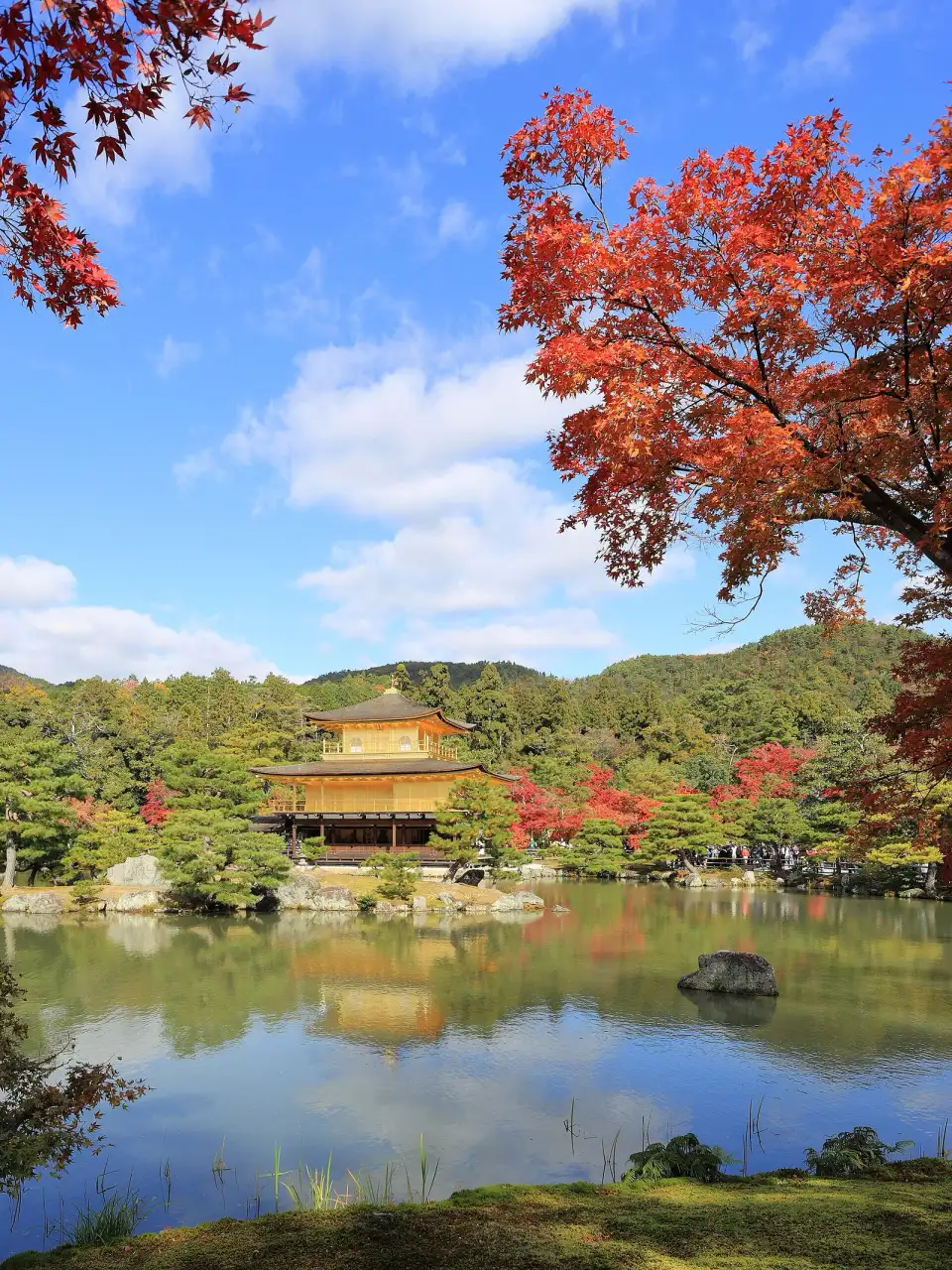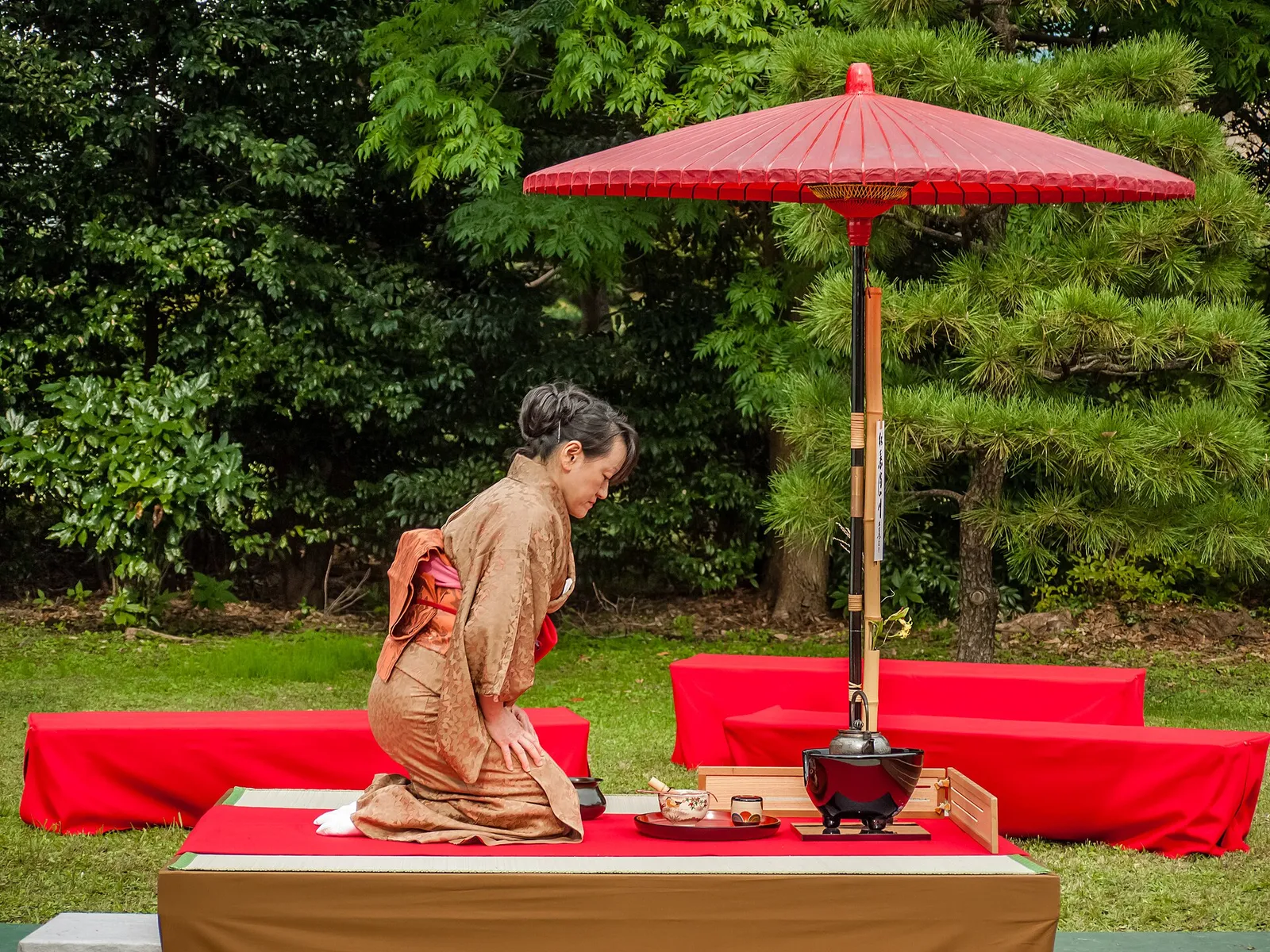
A visitor to Japan will walk through a great many religious sites, most of them without meaning to, because they are where the old buildings, the gardens and the trees are. Two traditions built them. Shinto is the indigenous one, concerned with kami, the spirits in places and things, and its buildings are shrines. Buddhism arrived from the mainland in the sixth century, and its buildings are temples. The two were formally intertwined for over a thousand years and forcibly separated in the nineteenth century, which is why many Japanese people are married in one and buried by the other and find the question of which they belong to slightly odd.
Telling them apart at the gate
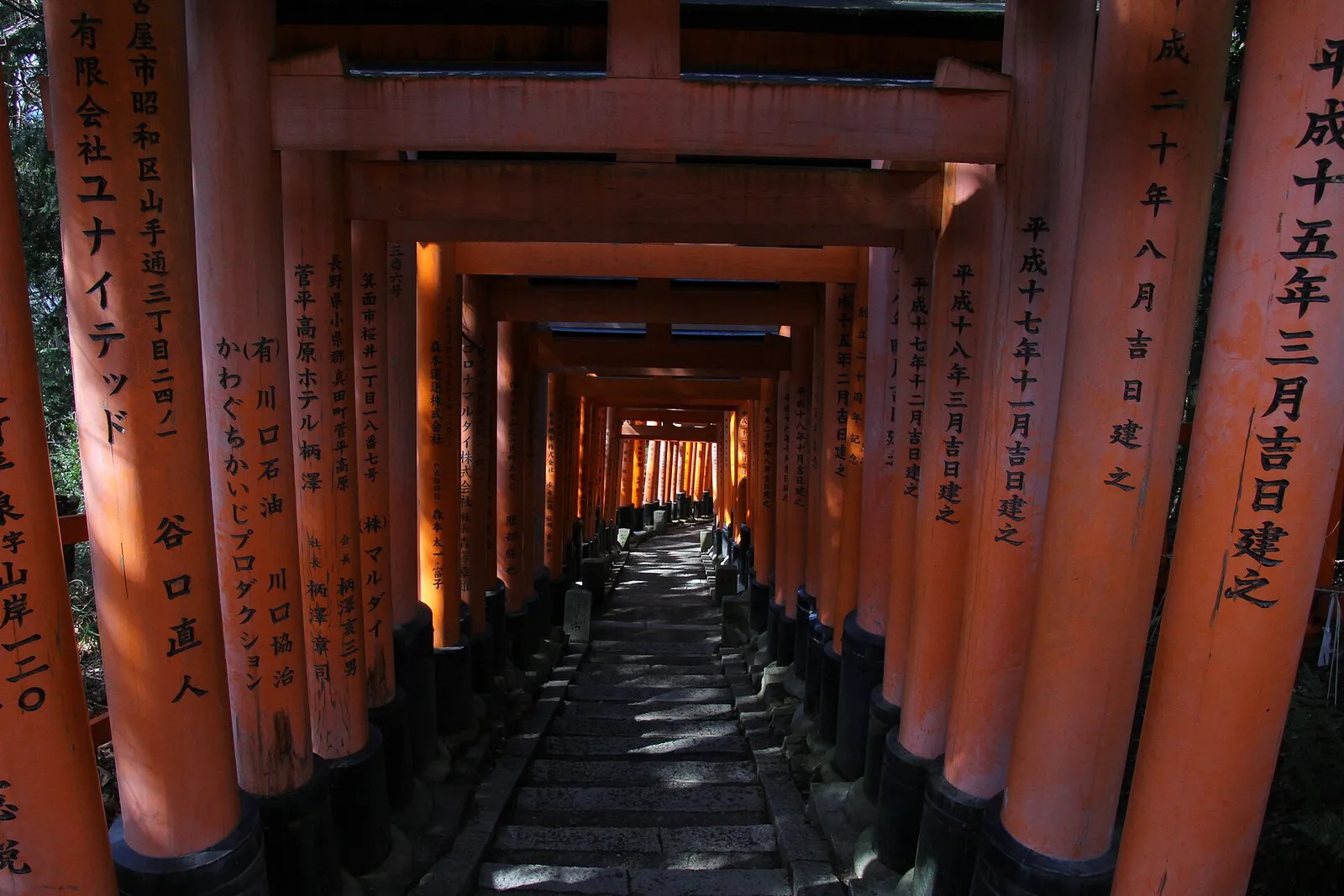
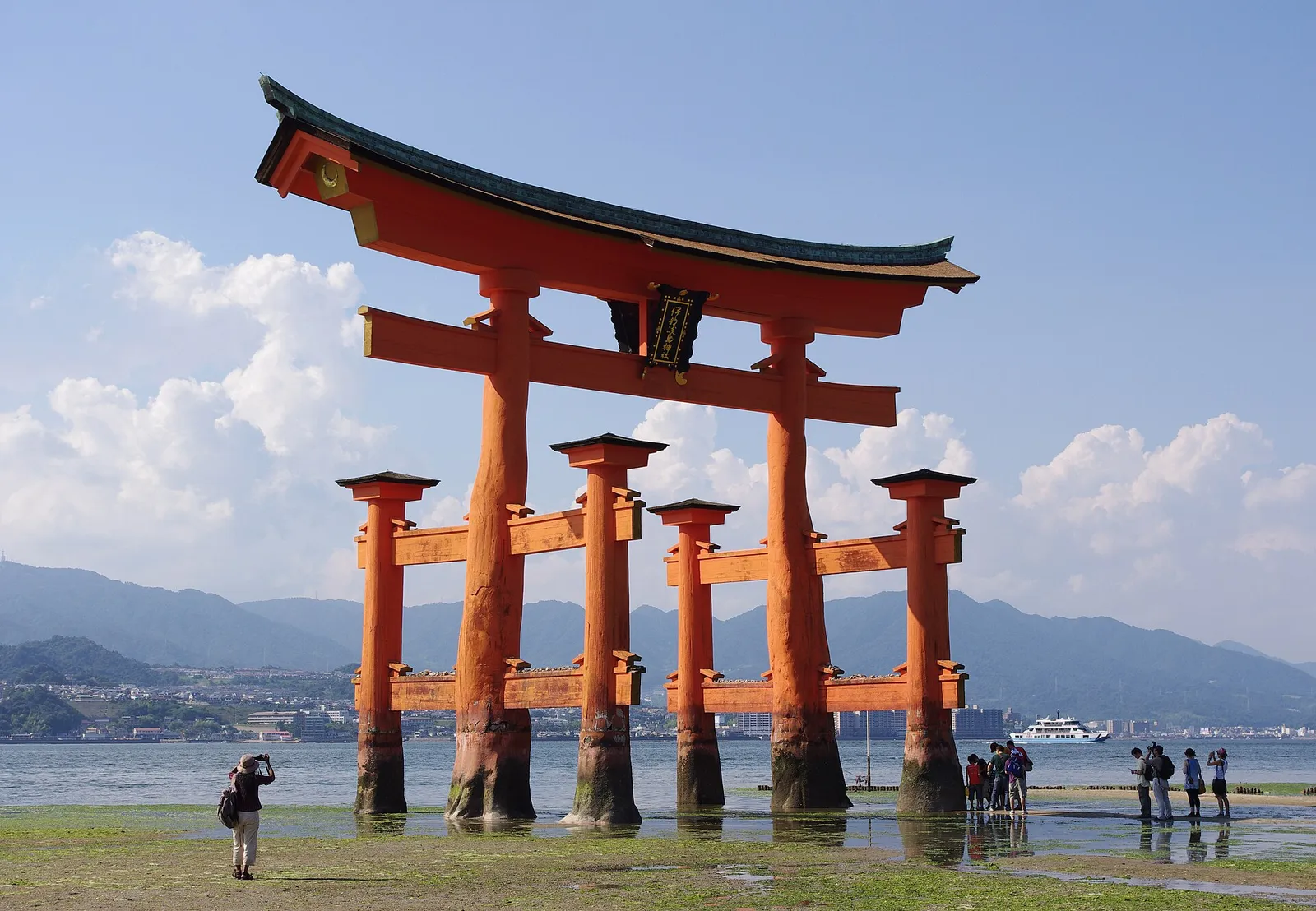
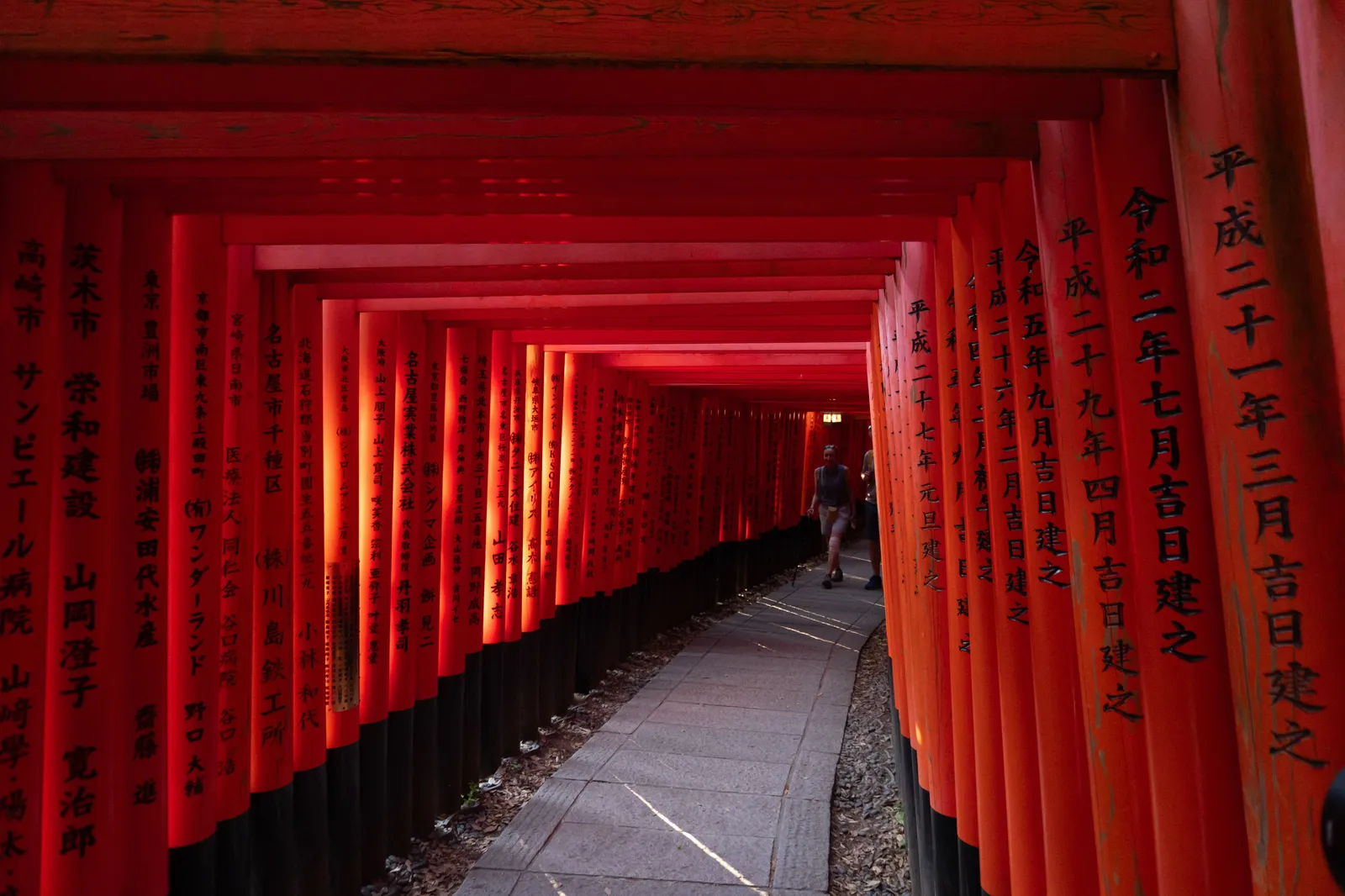
A torii means a shrine: two uprights and two crossbeams, often vermilion, sometimes stone or wood.
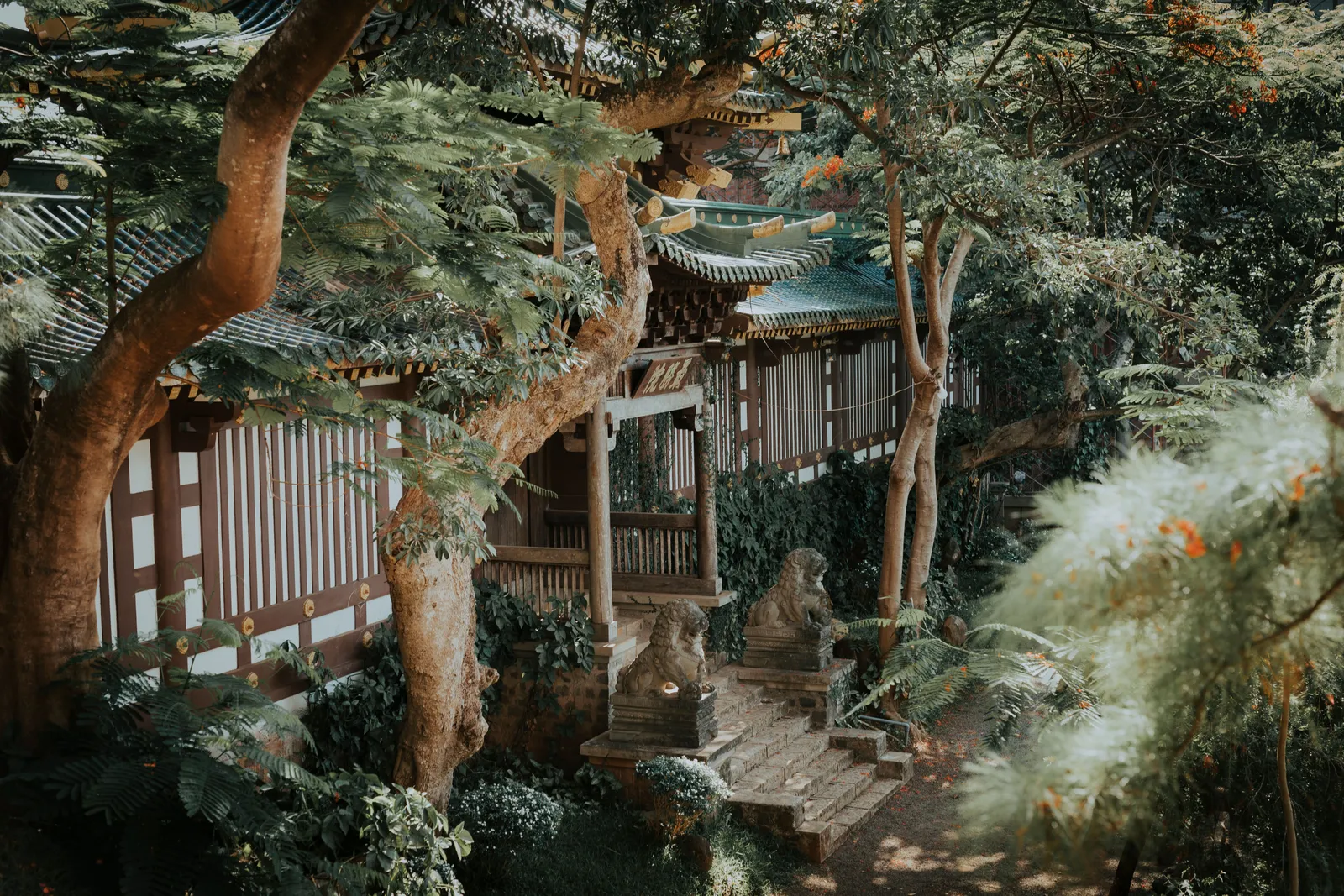
A roofed gate means a temple, frequently with a pair of fierce guardian figures standing inside it.
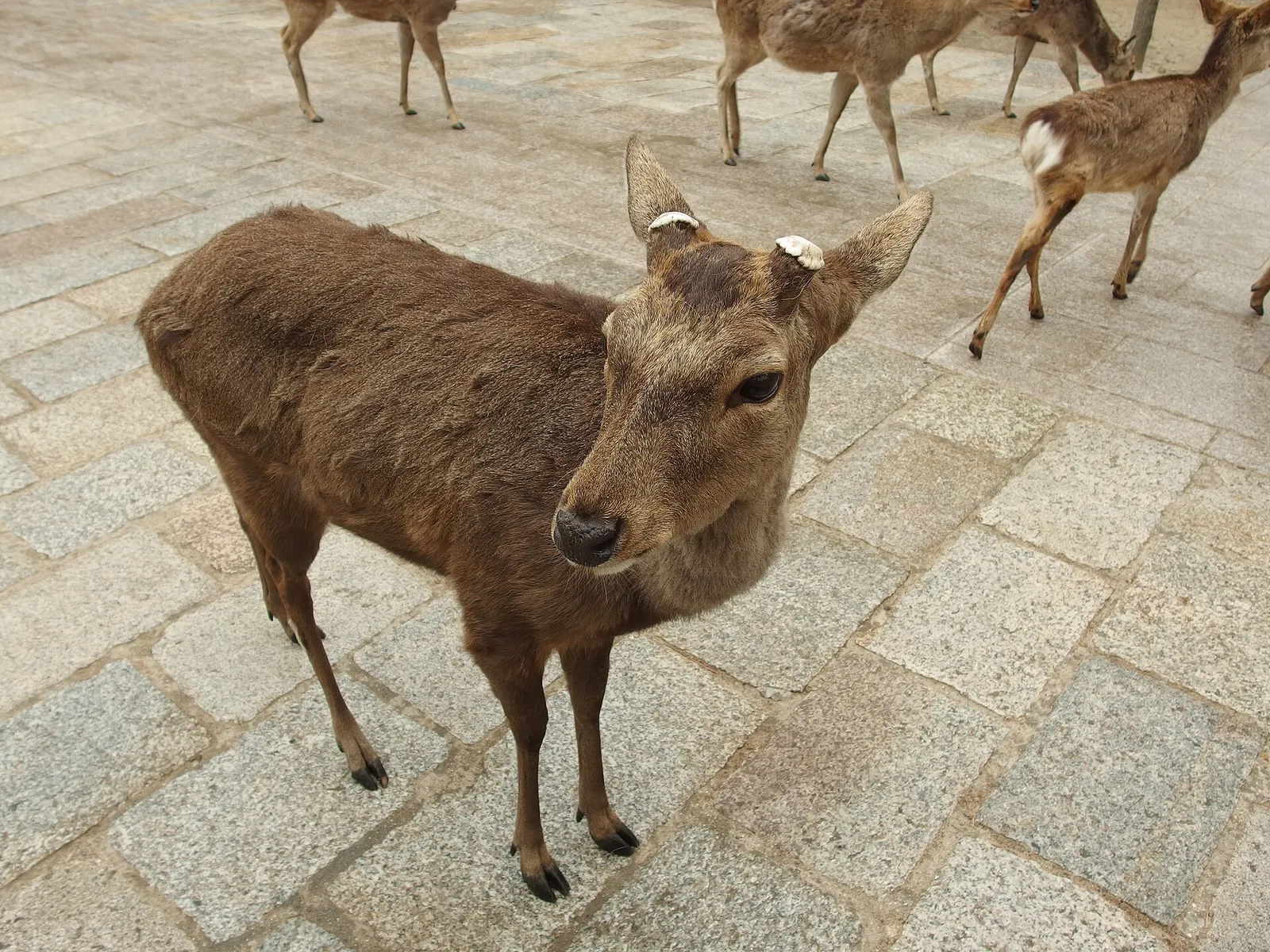
Guardian animals flanking a shrine path, usually lion dogs, sometimes foxes, occasionally deer or horses.
A pagoda means a temple, always.
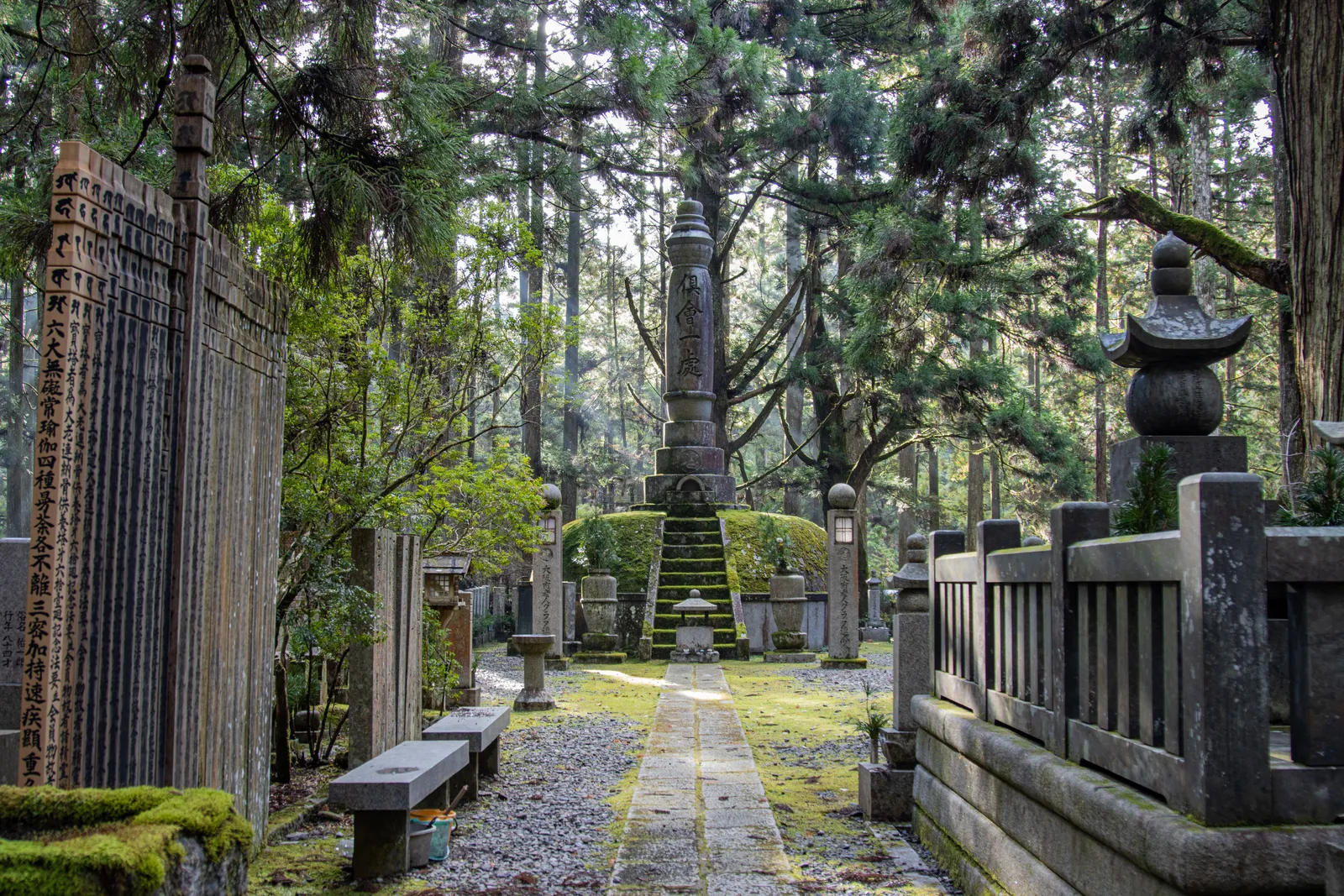
A cemetery means a temple, since Buddhism handles funerals here and Shinto avoids death entirely.
An incense burner means a temple, and there is no incense at a shrine.
The names
-ji, -dera, -in: Buddhist temple.
-jinja, -jingu, -gu, -taisha: Shinto shrine.
Which holds most of the time, and fails at a handful of sites that kept both identities.
What to do at a shrine
Bow once at the torii before you go through it.
Walk to the side of the path, since the centre is traditionally the deity’s.
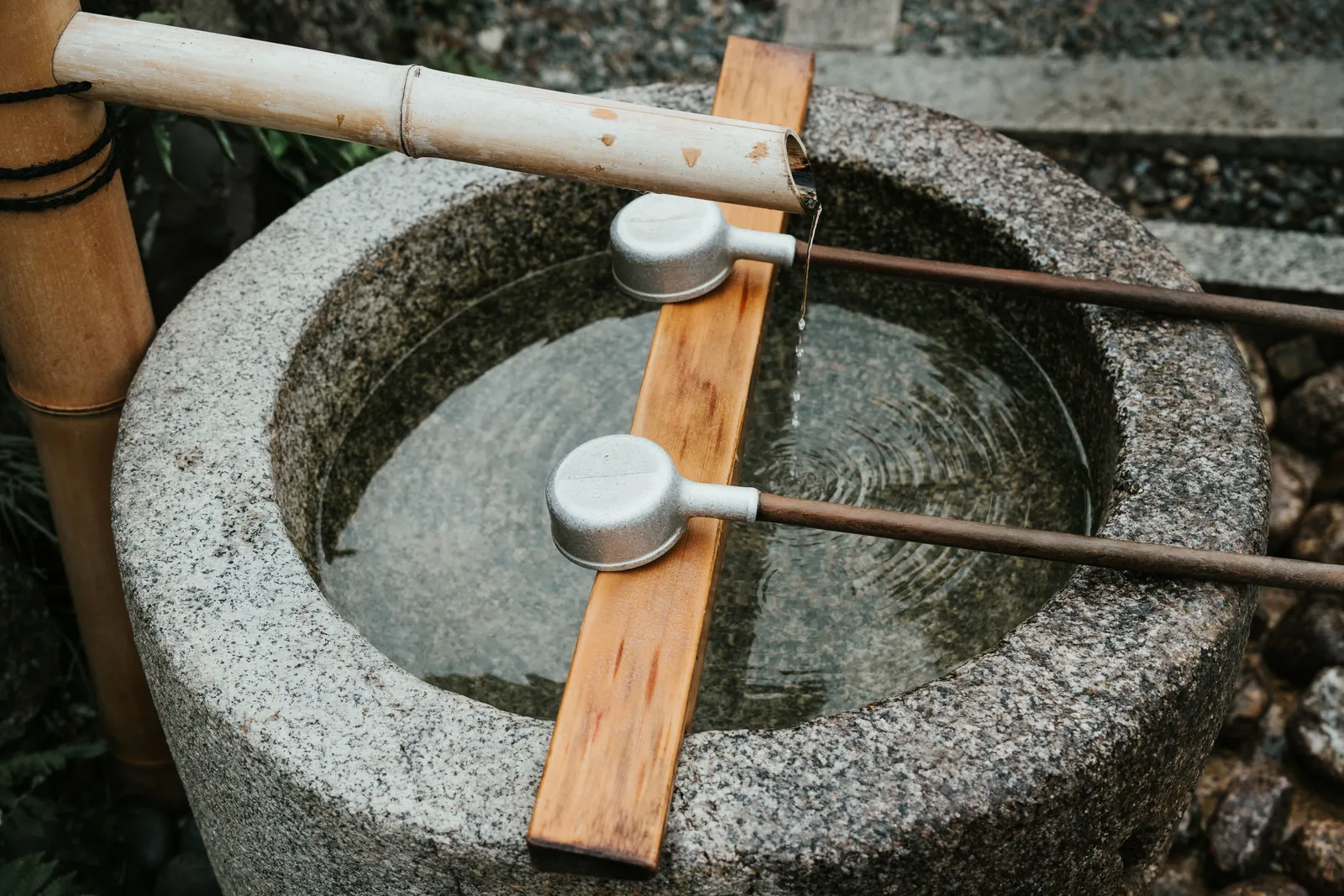
Rinse at the water basin if there is one: left hand, right hand, then a little water into the left hand for the mouth, spat beside the basin rather than into it.
At the hall: coin in the box, bow twice, clap twice, pause silently, bow once.
Bow again on the way out, facing back through the gate.
What to do at a temple
Bow at the gate, and use the water basin the same way if there is one.
Waft a little incense smoke towards yourself if a burner is lit, which is optional and common.
At the hall: coin in the box, bow, hands together in silence, bow. No clapping.
Shoes off where there is a step up into a wooden building, and there will be a rack.
Quiet inside, and no photography where a sign says so, which is normal in main halls.
The things you will see and wonder about
Wooden plaques hung in rows, which carry written wishes.
Paper fortunes tied to a frame or a tree, which are the unlucky ones being left behind.
Amulets sold at a counter, bought for specific purposes: study, childbirth, road safety.
A book of stamps, carried by pilgrims and collected in calligraphy at each site for a small fee.
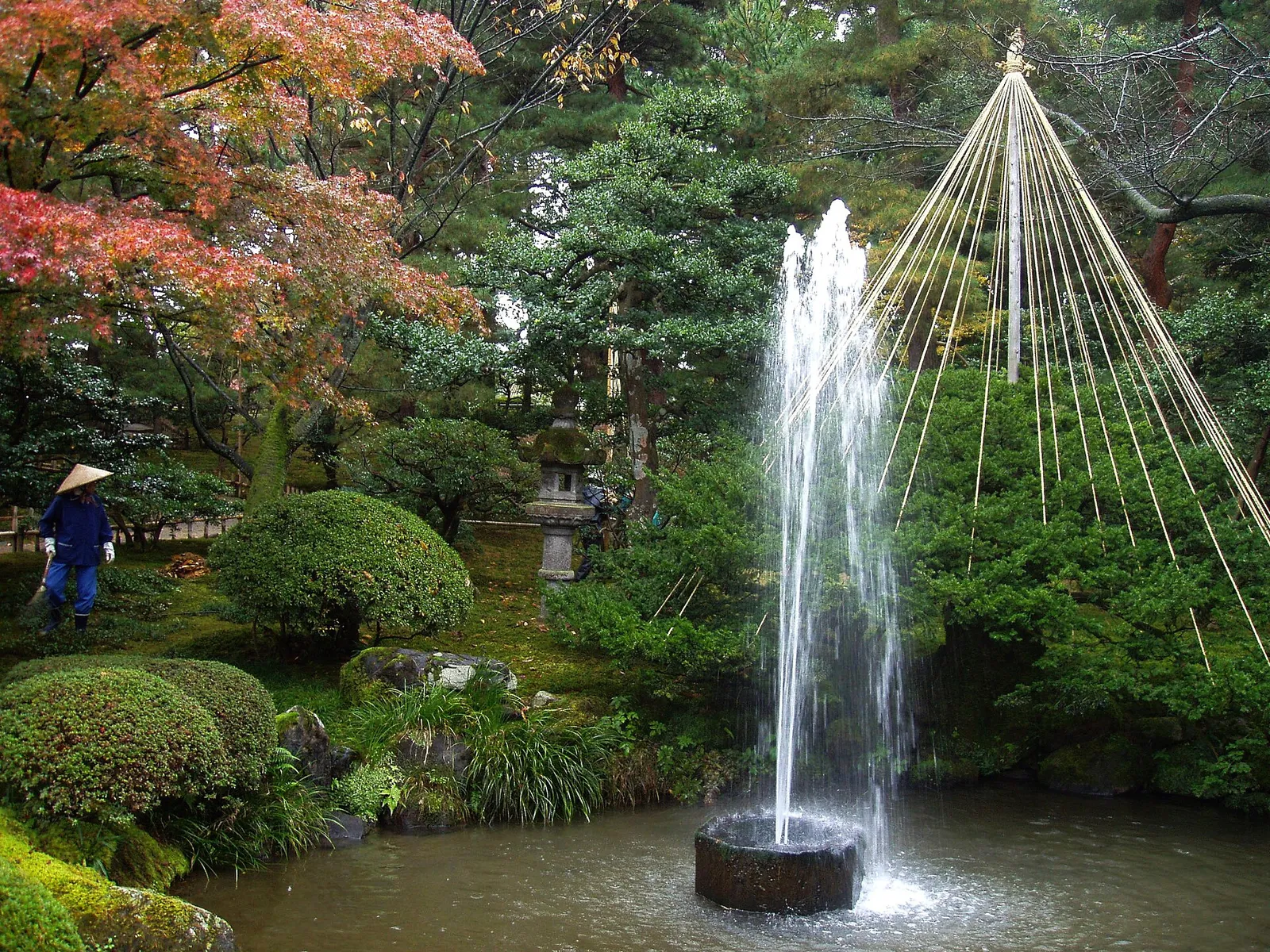
Ropes with folded paper marking something as sacred, including trees and rocks.
Statues in red bibs, which are Jizo, associated with the protection of children and travellers.
Practical notes
Cover your shoulders and knees at the major sites, and nobody enforces it at the minor ones.
Cash for the offering box, in small coins, and a five yen coin is traditional.
Fees, where they exist, are modest, and vary by site and season, so check on the day rather than budgeting from a number.
Mornings are the answer at anywhere famous, before the coaches.
Do not walk into a roped area to get the photograph, which is the one thing that will get you spoken to.
And accept the overlap, because a great many sites hold elements of both and nobody there considers that a contradiction.
Where this fits in a Japan trip
As twenty minutes of reading before the first temple day, which changes every religious site you see afterwards.
For the wider set of rules that govern shared space in Japan, our guide to Japanese etiquette covers the ground.
For the densest concentration of both kinds in the country, our guide to Kyoto’s temples and Fushimi Inari covers the city.
And for the day trip where the shrine, the temple and the deer are all one afternoon, our Nara day trip guide covers it.
The short version
A torii gate means a shrine and a roofed gate with guardians means a temple, and if the gate is ambiguous, a pagoda, a cemetery or an incense burner all mean temple. Names ending in -ji or -dera are temples and names ending in -jinja or -taisha are shrines. At a shrine, bow twice, clap twice, pause, bow once. At a temple, do the same without any clapping, which is the mistake almost every visitor makes. Keep to the side of the path, rinse at the basin, carry small coins, and go early. Everything else you can learn by watching the person in front of you.
One mountain in Wakayama lets you sleep inside the distinction rather than read about it. Our guide to Koyasan covers the temple lodging, the vegetarian dinner and the morning service.