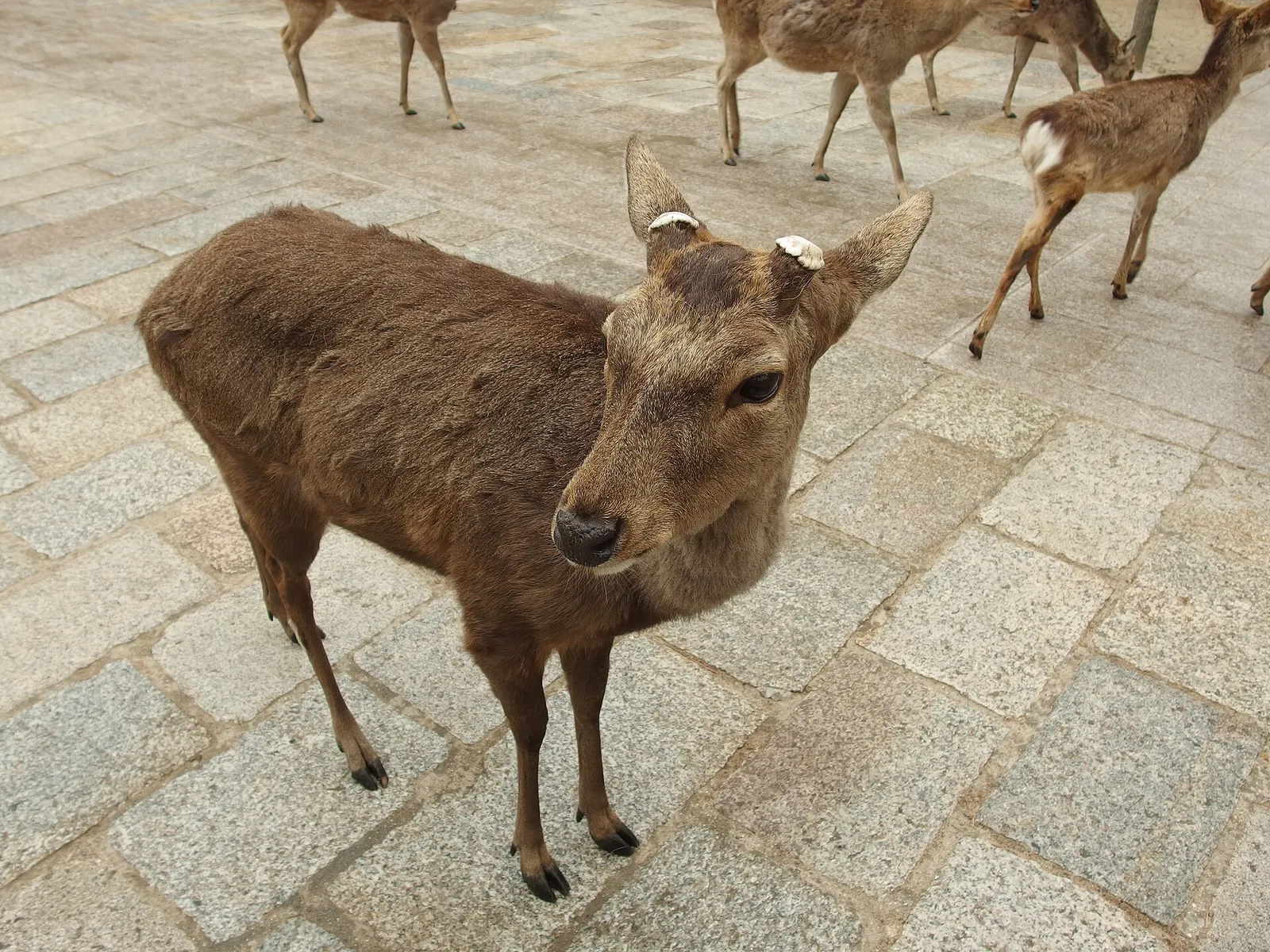
Nara was the capital of Japan for most of the eighth century, before the court moved to Kyoto and left it alone for the next twelve hundred years. What survives is a green park at the foot of wooded hills, holding some of the oldest wooden buildings on earth, a colossal bronze Buddha, a shrine lit by three thousand lanterns, and a herd of about twelve hundred deer that wander through all of it and have learned to bow at people carrying biscuits.
What to see
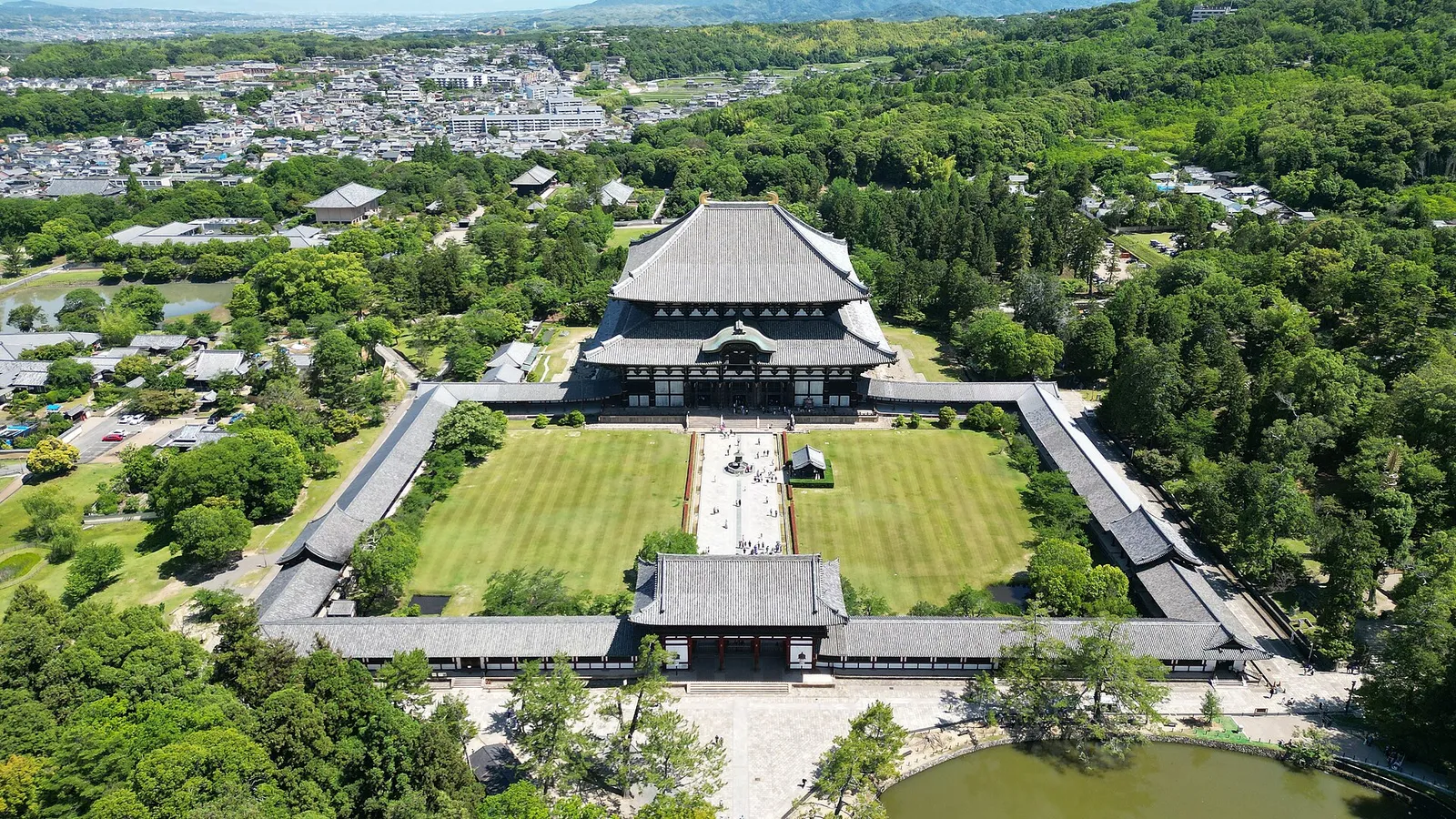
Todaiji, the great temple, with a bronze Buddha nearly fifteen metres tall in a hall that is among the largest wooden structures anywhere.
The Nandaimon gate in front of it, with two eight metre guardian figures carved in the thirteenth century, which most people walk past.
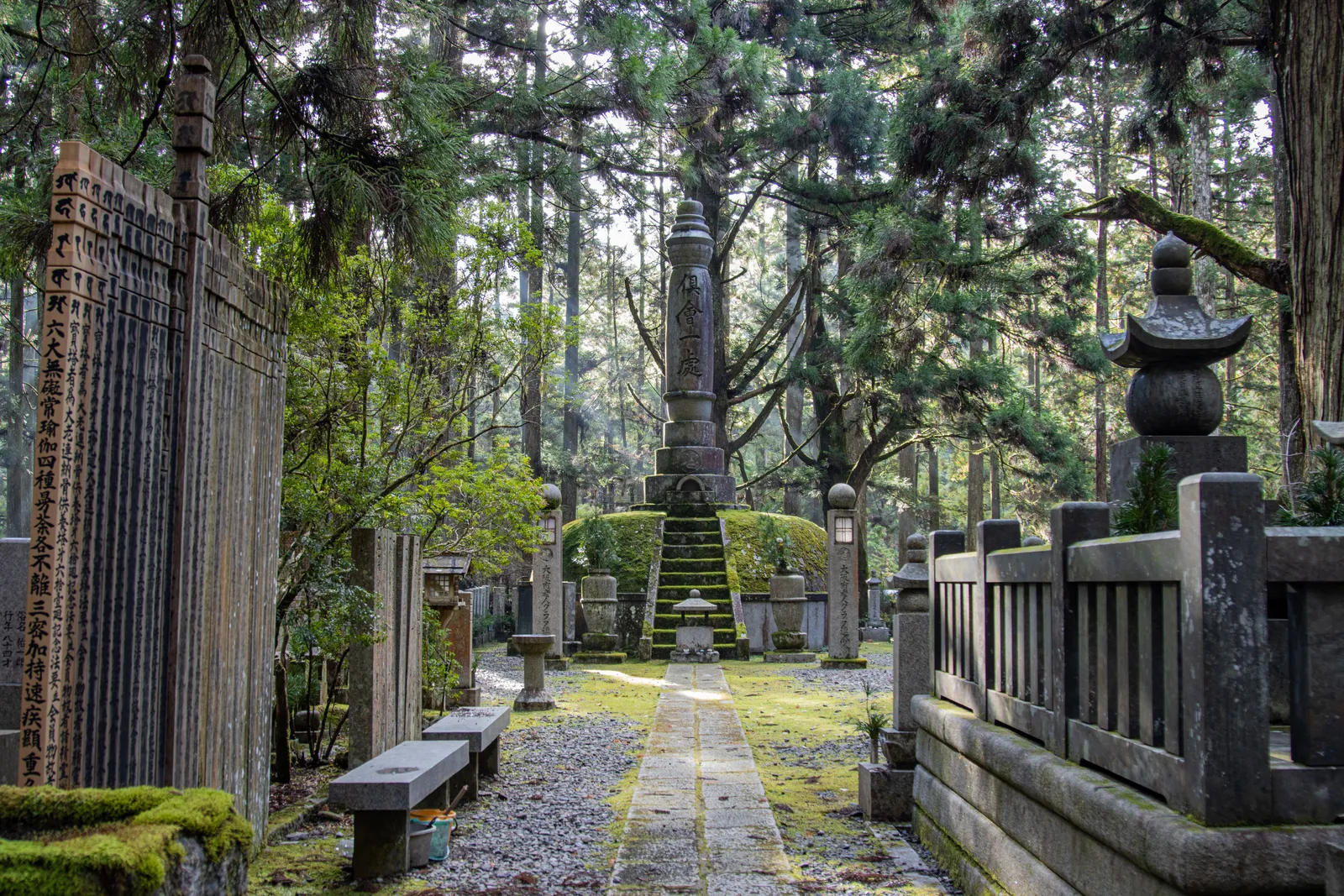
Kasuga Taisha, the shrine at the far end of the park, approached through a forest lined with stone lanterns and hung inside with bronze ones.
Kofukuji, with its five storey pagoda, on the near side as you come from the station.
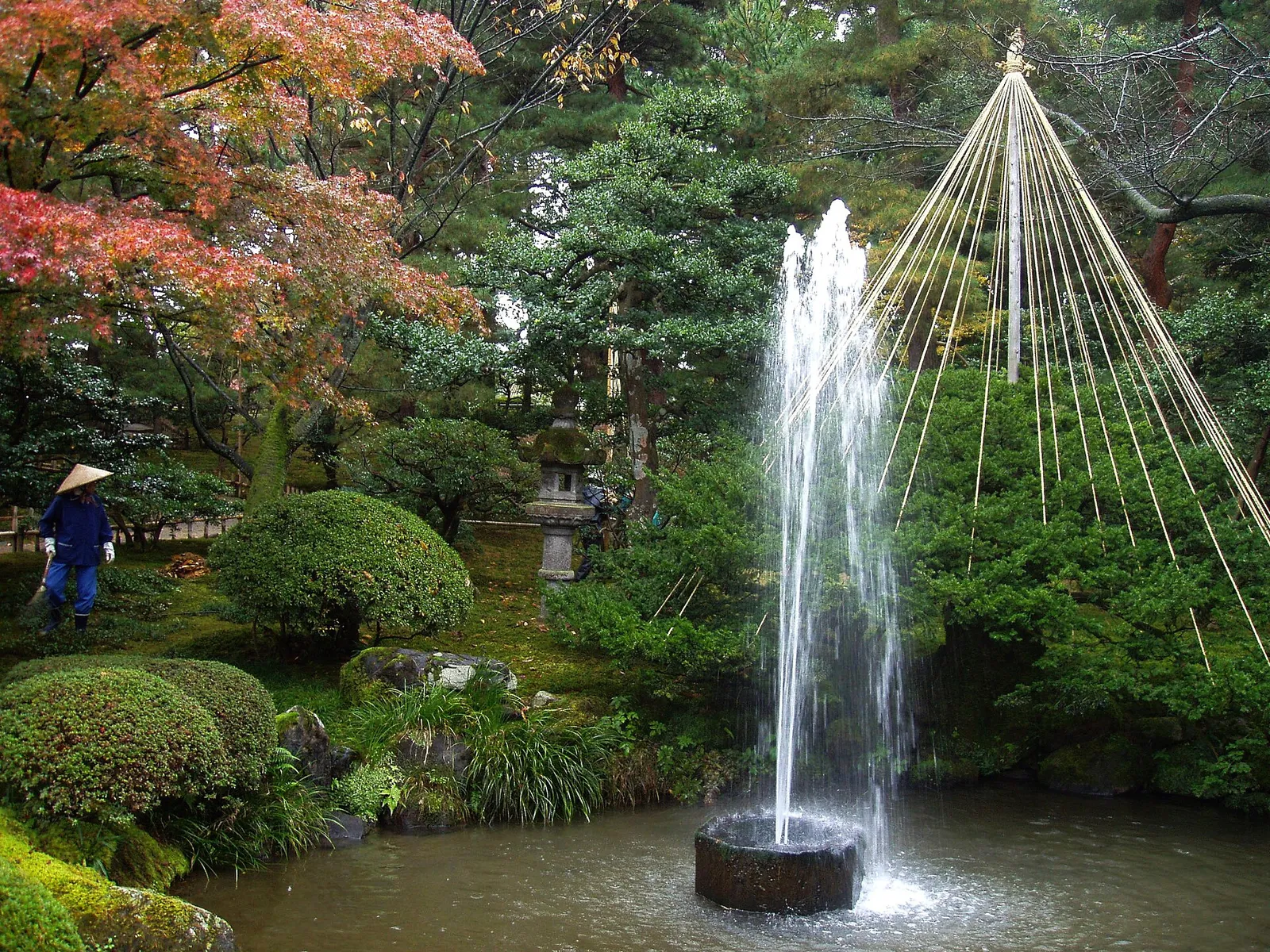
Isuien and Yoshikien gardens, small, formal and almost empty, immediately beside the crowds.
Naramachi, the old merchant quarter south of the park, with lattice fronted houses and small shops.
The deer
About twelve hundred of them, roaming free through the park and out onto the surrounding streets.
Officially protected as messengers of the shrine’s deity, which is why they have been left alone for centuries.
Crackers are sold at stands throughout the park and are the only thing you should give them.
They bow when they want one, and they stop being charming the moment they realise the packet is empty.
They eat paper. Maps, tickets and paper bags all disappear.
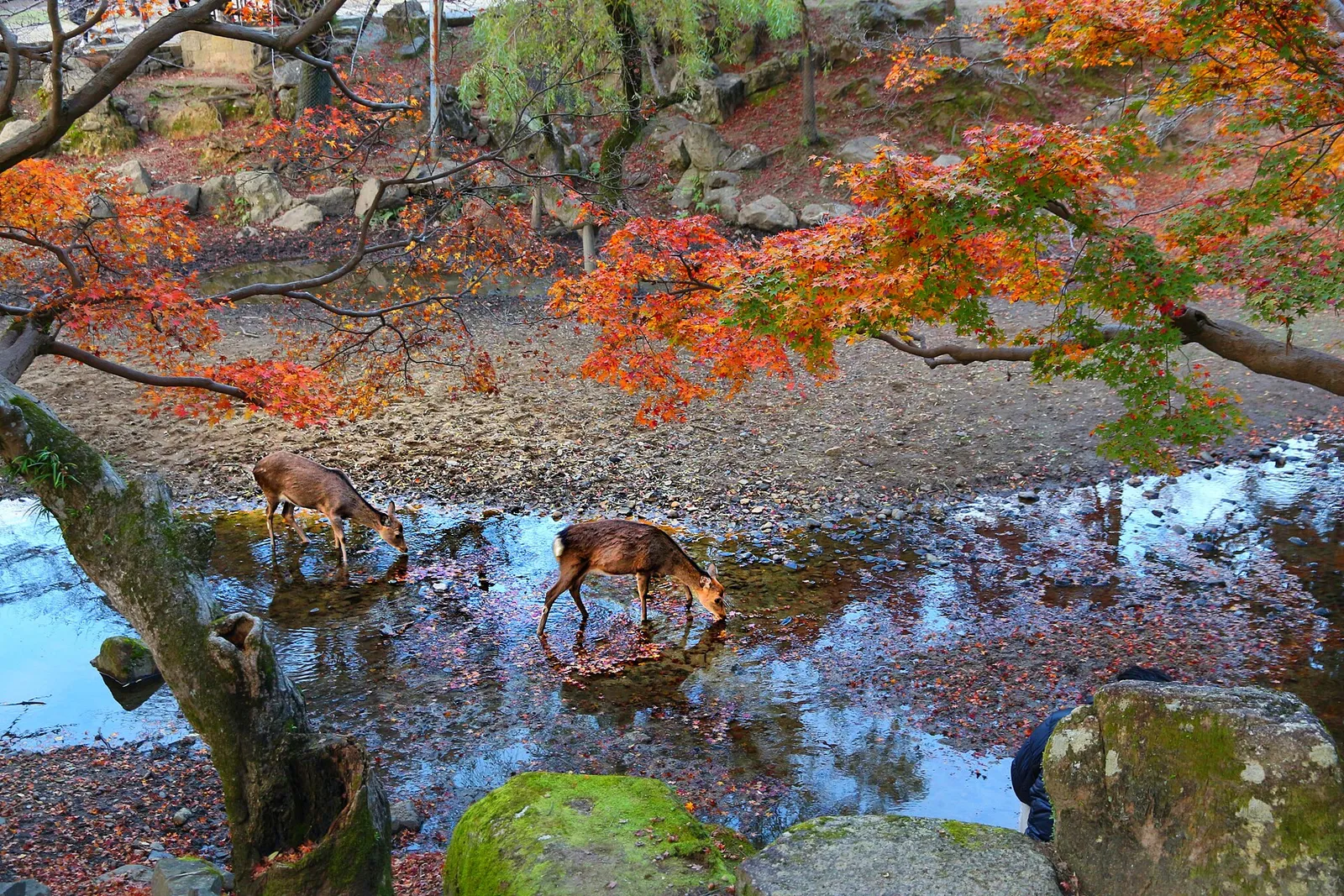
Autumn is rutting season, when the males are genuinely unpredictable, and the signs saying so are not decoration.
Beyond the park
Horyuji, half an hour west, which holds the oldest surviving wooden buildings in the world and receives a fraction of the visitors.
Mount Wakakusa, the grassy hill behind the park, a short climb with a view over the whole basin.
The Kasugayama primeval forest, protected since the ninth century and walkable on marked paths.
Naramachi’s small museums, including a merchant house you can walk through.
Yakushiji and Toshodaiji, two more eighth century temples on the western edge.
Practical notes
Two stations, run by different railway companies, at slightly different distances from the park. The nearer one saves you fifteen minutes on foot.
The park is large and largely flat, and comfortable shoes matter more than any timetable.
Deer crackers are inexpensive and sold everywhere; nothing else should be fed to them.
Todaiji charges entry, as do the gardens and parts of the shrine, while the park itself is free.
Lunch is easiest in Naramachi rather than around the temple entrances.
Summer is hot and the park has real shade, which makes it a better July choice than most Kansai sights.
Where this fits in a Japan trip
Nara is a half day from Kyoto or Osaka and the easiest good one either offers.
For the city most people base themselves in for this, and how to use it, our Kyoto guide covers the ground.
For the temples on the other side of the same region, including the torii tunnel, our guide to Kyoto’s temples and Fushimi Inari covers what to prioritise.
And for the bamboo grove and the western hills, which pair well with a Nara day on a longer stay, our Arashiyama guide covers the district.
The short version
Take the first train rather than the ten o’clock one, and you will have the Great Buddha and the deer largely to yourself. Walk from Kofukuji through the park to Todaiji and on to the lantern shrine, which is an easy two hours. Buy the official crackers and give the deer nothing else, keep your map in your bag, and take the autumn warnings seriously. Then walk down into Naramachi for lunch, and if you have the day, go out to Horyuji, where the oldest wooden buildings on earth stand almost empty.