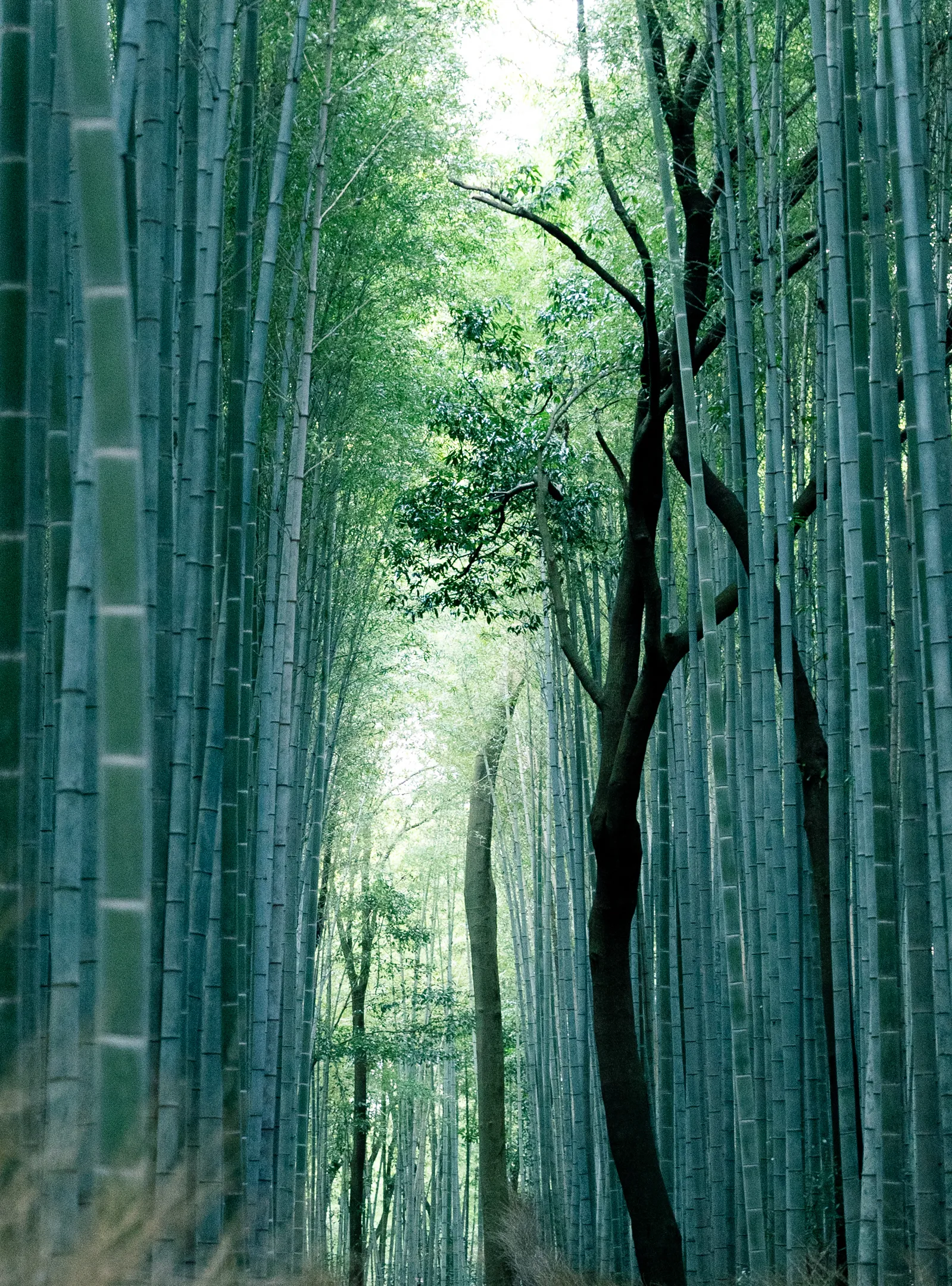
Arashiyama is the western edge of Kyoto, where the city runs into wooded hills and a river comes out of a gorge under an old wooden bridge. It is famous for a path through a bamboo grove that is on every poster of Japan and is about the length of a football pitch. It is also, if you walk another twenty minutes in almost any direction, one of the more rewarding half days in the country.
What is actually there
The bamboo grove, a few hundred metres of path between walls of green stems, best before eight and unpleasant after ten.
Tenryuji, a Zen temple with a garden laid out in the fourteenth century and never redesigned, which backs directly onto the grove.
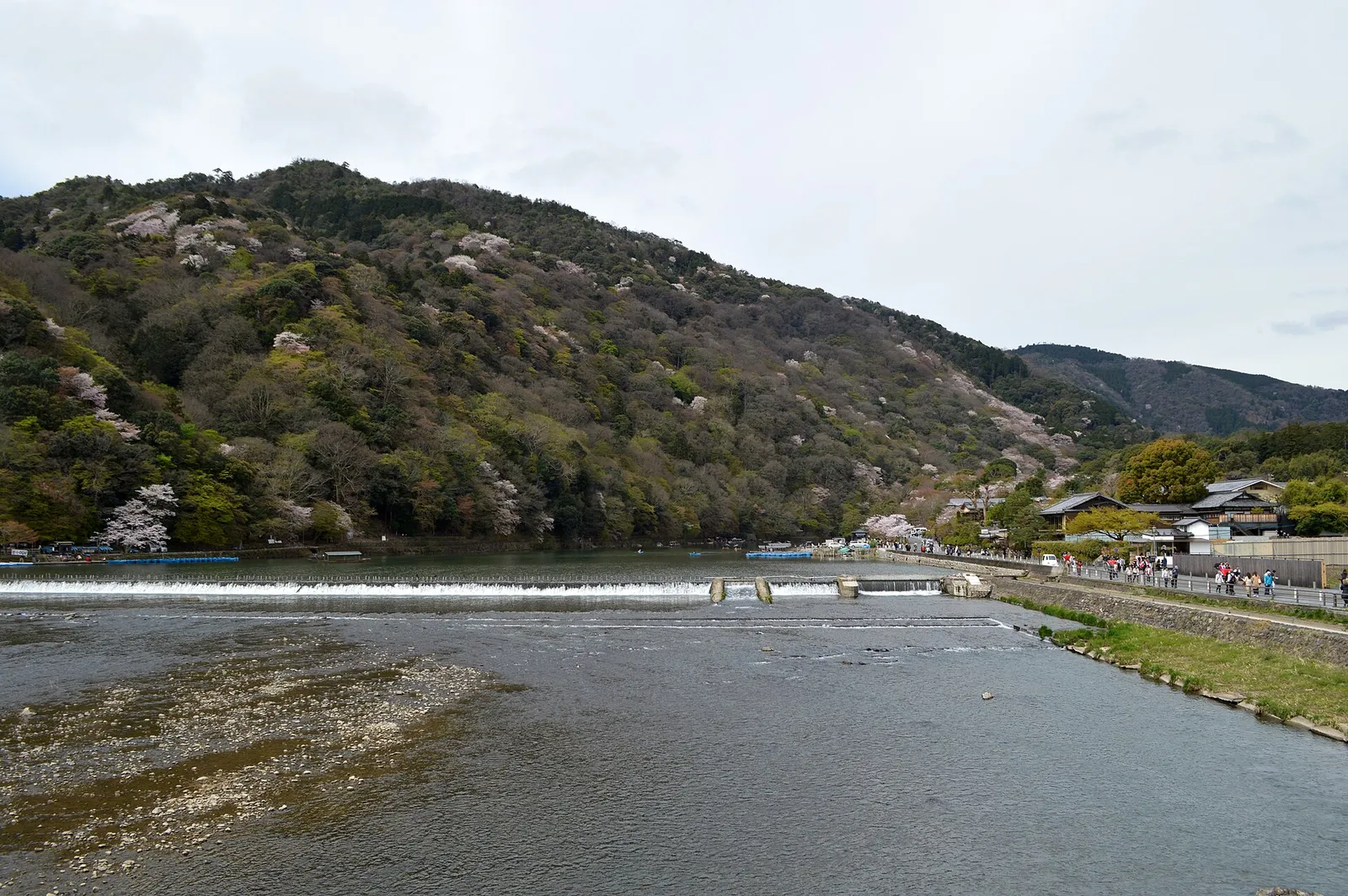
Togetsukyo, the bridge, with the hills behind it, which is the district’s other postcard.
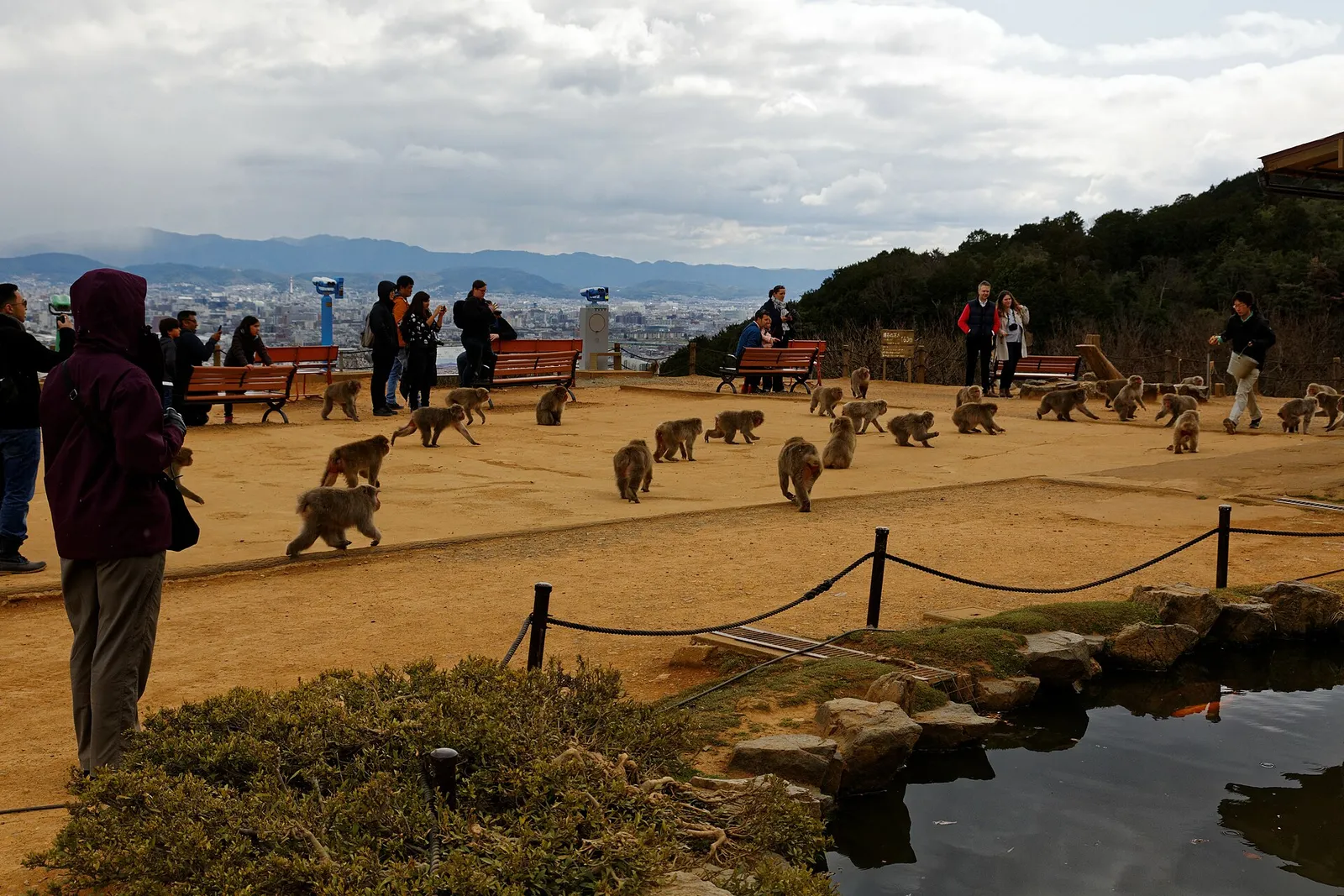
The monkey park, up a steep path on the southern bank, with wild macaques and the best view over Kyoto.
Okochi Sanso, a film actor’s villa and garden on the hill above the grove, expensive, and almost empty because of it.
Gioji and the northern temples, small, mossy and quiet, twenty minutes’ walk from the crowds.
Timing it
Before eight for the grove, which is the single decision that determines whether you enjoy this place.
Tenryuji opens early and its garden in the first hour is superb.
The monkeys are best in the morning, before the heat.
The bridge at dusk, with the hills going dark behind it.
Autumn here is extraordinary and requires accepting a genuine crush.
The river
The gorge boat, starting upstream and coming down through rapids over about two hours, worked by boatmen with poles.
Rowing boats hired by the hour from beside the bridge, which is a pleasant and cheap way to spend an afternoon.
The scenic railway along the gorge, running in the opposite direction to the boat, which many people pair with it.
Cormorant fishing demonstrations on summer evenings, lit by braziers.
Cherry trees and maples along both banks, which is why the seasons matter here.
The monkeys
A twenty minute climb, steep and continuous, from the southern bank.
Wild macaques, free ranging, at the top, with a hut where visitors stand inside and feed them through mesh.
A view over the whole of Kyoto, which is the underrated part.
Rules: no eye contact, no touching, no food outside the hut, no showing them a bag.
Not for anyone unsteady on a slope, and hot work in summer.
Practical notes
Three separate railways serve the district; the small tram line is the most fun and the slowest.
The main street is lined with food stalls and gets extremely busy at lunchtime.
Autumn weekends are the busiest days of the Kyoto year here.
Rickshaws operate around the grove and are a genuine local business rather than a gimmick.
Bicycle hire at the station works well for reaching the northern temples.
Where this fits in a Japan trip
Arashiyama is a half day if you rush and a very good full day if you do not.
For the rest of Kyoto and how to structure the days, our Kyoto guide covers the city.
For the other temples worth your time and the hours to see them at, our guide to Kyoto’s temples and Fushimi Inari covers the shortlist.
And for the season that makes this particular valley worth planning a trip around, our guide to Japan’s autumn leaves covers the timing.
The short version
Get to the bamboo grove before eight, walk it in silence, and then forget about it. Go straight into Tenryuji when it opens for the fourteenth century garden. Climb to the monkeys for the view as much as the macaques. Walk north to the small mossy temples where nobody goes. Book the gorge boat before you arrive if you want the best thing here. And come in late November if you can take the crowds, because the colour in this valley is the best in Kyoto.