If Tokyo is Japan’s present tense, Kyoto is its memory. The old imperial capital packs more than a thousand temples, a preserved geisha quarter, imperial villas and moss gardens into a city small enough to cross on a bicycle. It is also, in peak season, one of the most crowded places in the country. The trick to loving Kyoto is not seeing more, it is timing better: arriving early, walking between sights, and giving the famous spots their quiet hour before the tour buses land.
How Kyoto works
Kyoto is flat, compact and, unusually for Japan, more of a bus city than a train city. The subway covers a couple of main lines, but many temples are reached by bus, which can crawl at peak times. An ICOCA or Suica IC card works across buses, subways and trains and saves you fumbling for change. For the cluster of eastern temples, though, the smartest move is often to walk: the lanes between them are half the pleasure. A rented bicycle is another lovely option on the flat.
The temples worth your time
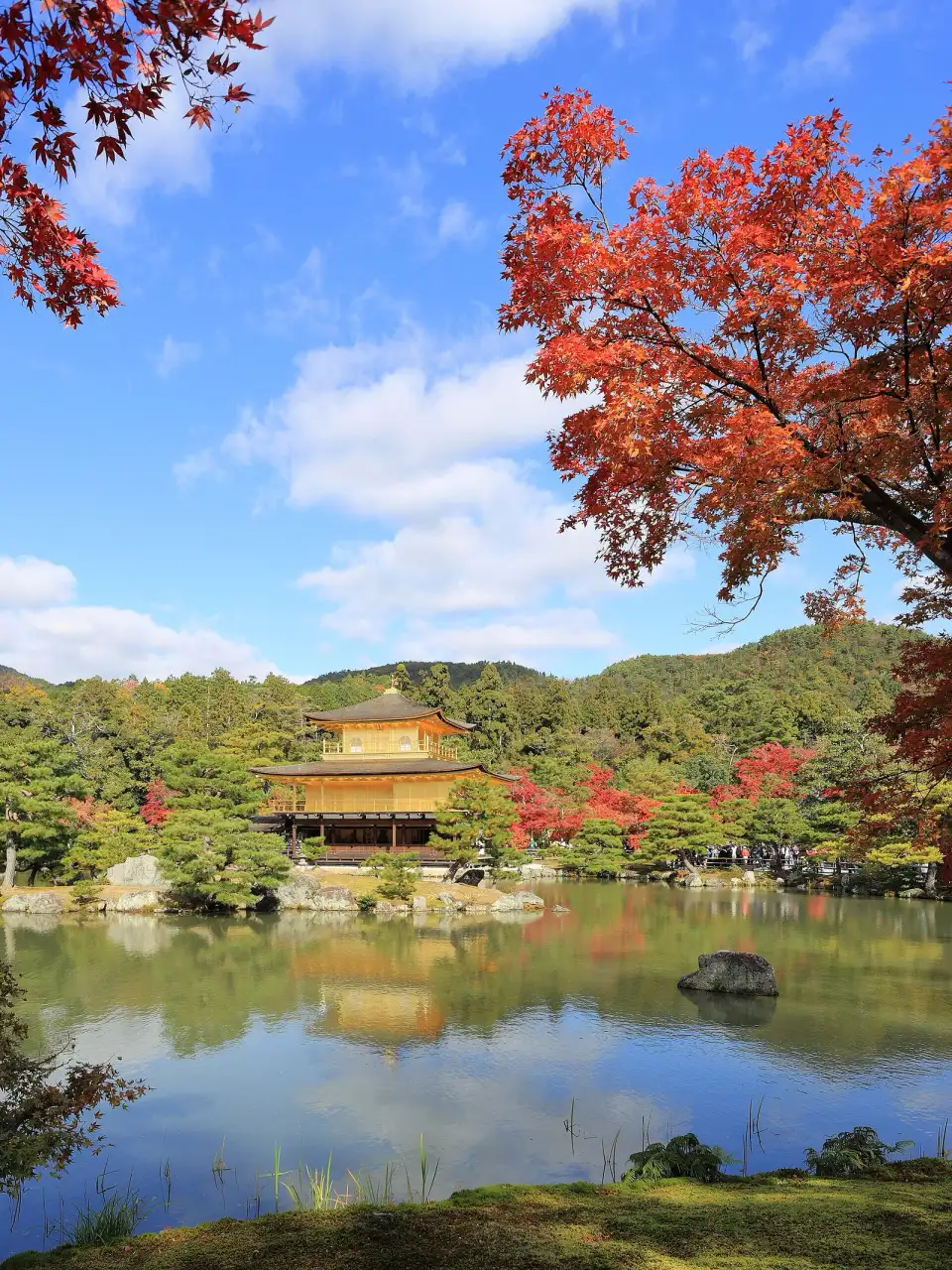
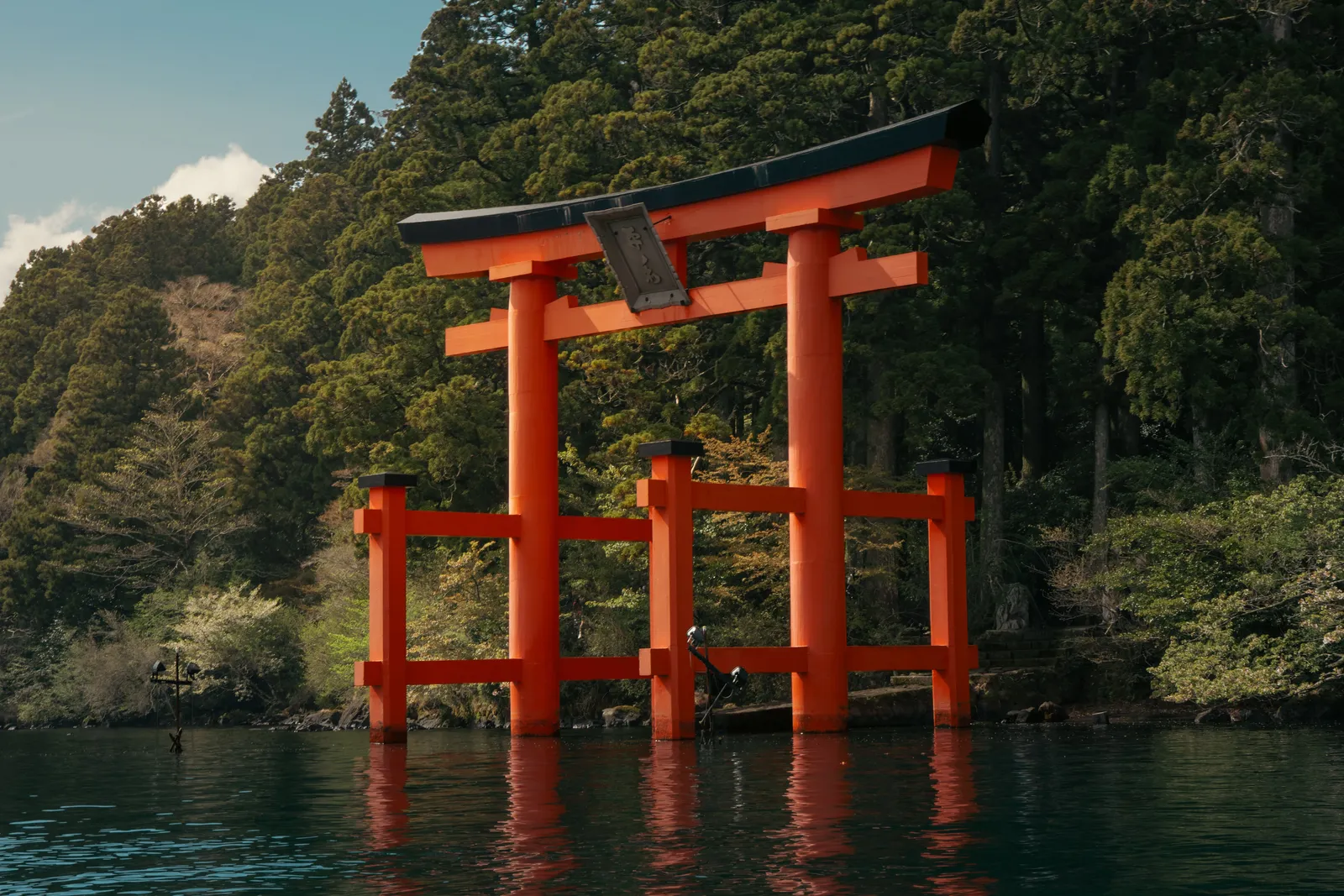
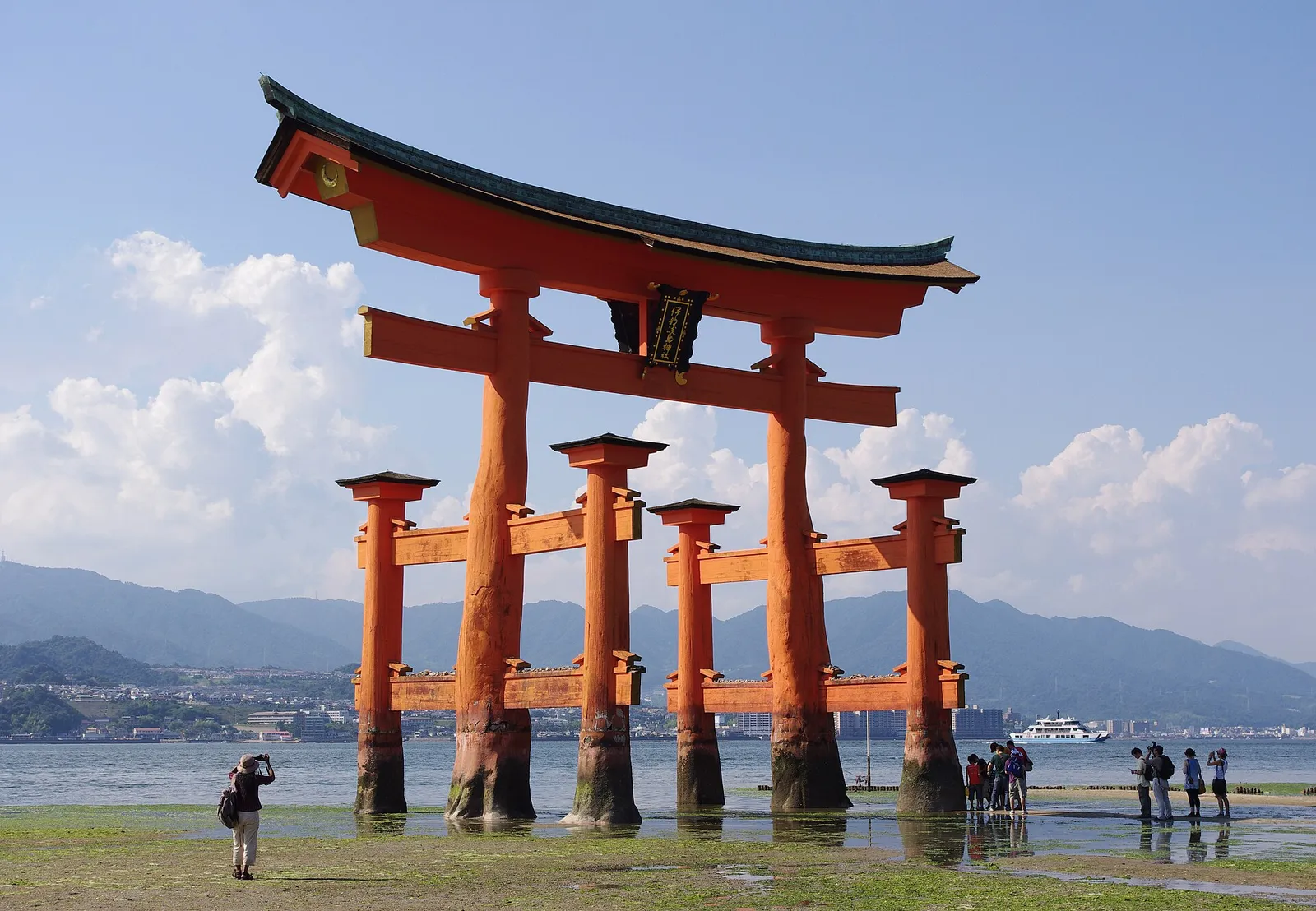
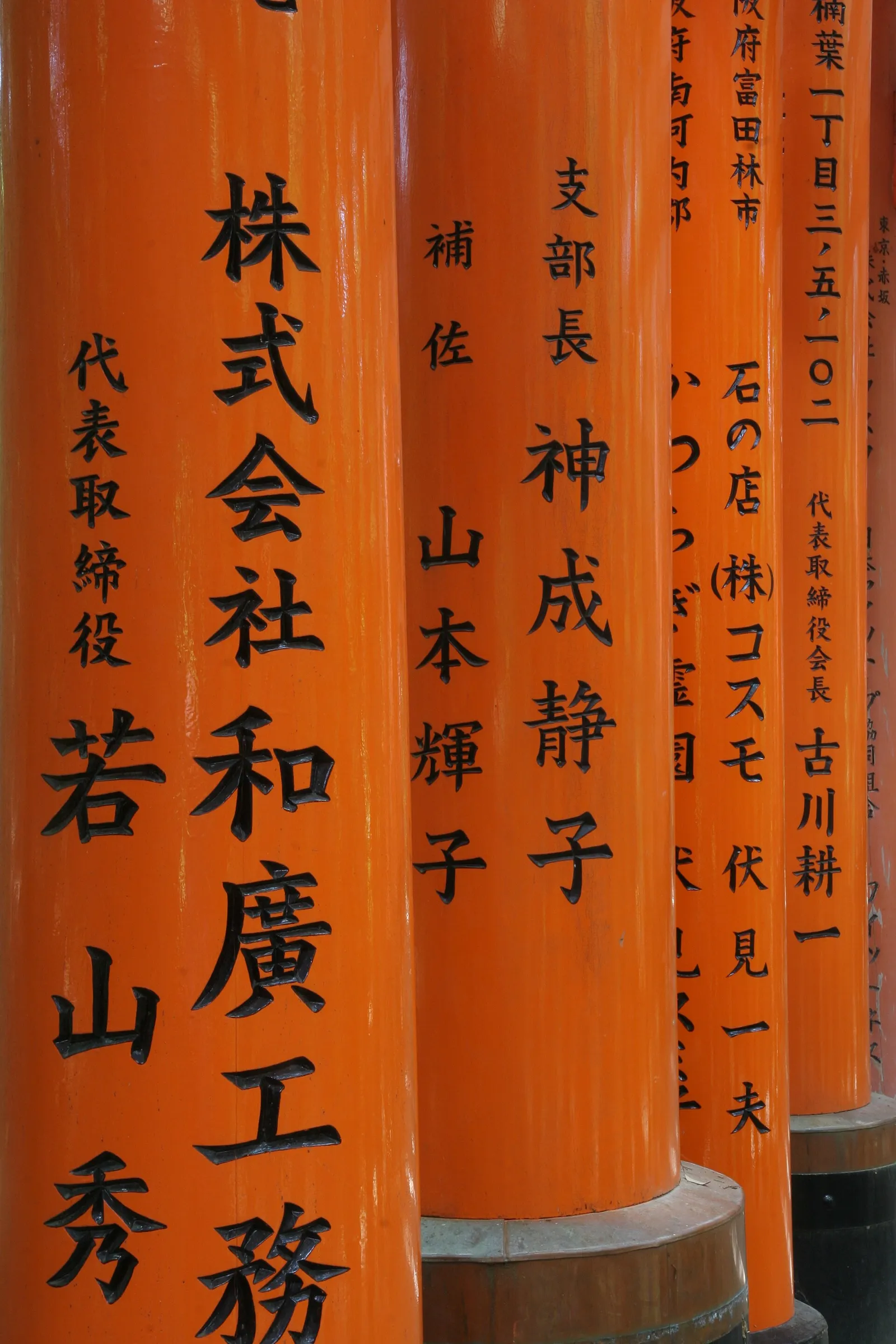
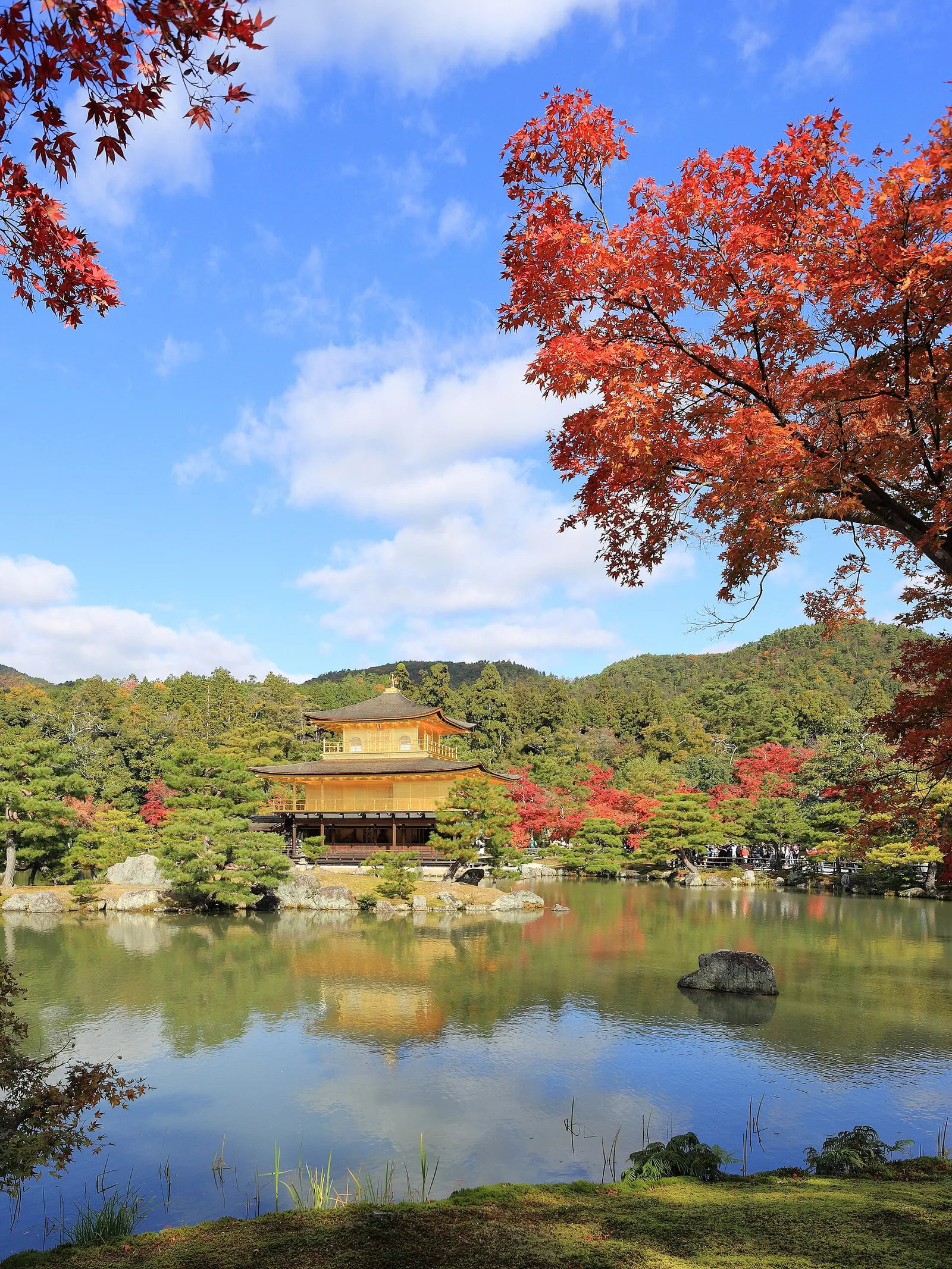
You cannot see a thousand temples, so choose a handful and see them well. Fushimi Inari, with its endless tunnels of vermilion torii gates climbing a wooded mountain, is the most photographed sight in Japan and best at dawn or after dark, when the crowds thin and the lanterns glow. Kiyomizu-dera sits on a hillside of wooden stilts with a sweeping view over the city, wonderful just after opening. Kinkaku-ji, the Golden Pavilion, floats on its mirror pond and needs only twenty minutes. And Ginkaku-ji, the Silver Pavilion, anchors the northern end of the Philosopher’s Path, a canal-side walk that is pure serenity out of season.
Gion and the geisha district
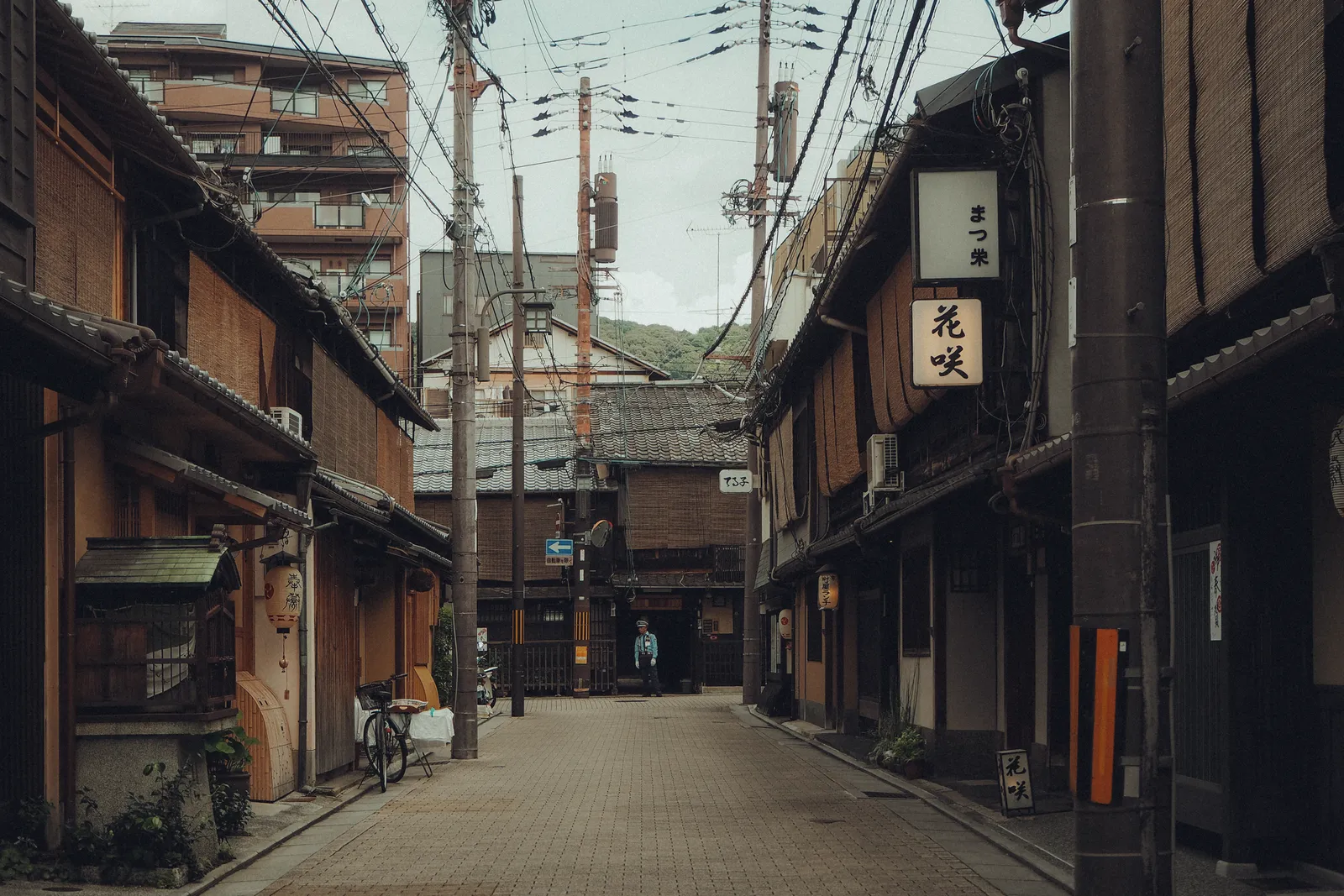
Gion is Kyoto’s famous entertainment quarter, a grid of wooden machiya townhouses, teahouses and lantern-lit lanes where you may glimpse a geiko (Kyoto’s word for geisha) or a maiko (an apprentice) hurrying to an appointment at dusk. Walking the public streets in the early evening, especially Hanamikoji and the willow-lined Shirakawa canal, is one of the loveliest hours in the city.
Two things to get right. First, some private lanes are now closed to tourists after years of bad behavior, so respect the signs. Second, never chase, crowd or photograph a geiko or maiko without consent: they are working, not performing for the street. If you want to actually experience the art, book a proper cultural show, a dinner with a maiko, or a tea ceremony, where you will learn far more than you would from a stolen snapshot.
Experience Gion the respectful wayA guided evening walk or a tea ceremony beats chasing photos on a cornerArashiyama and the west
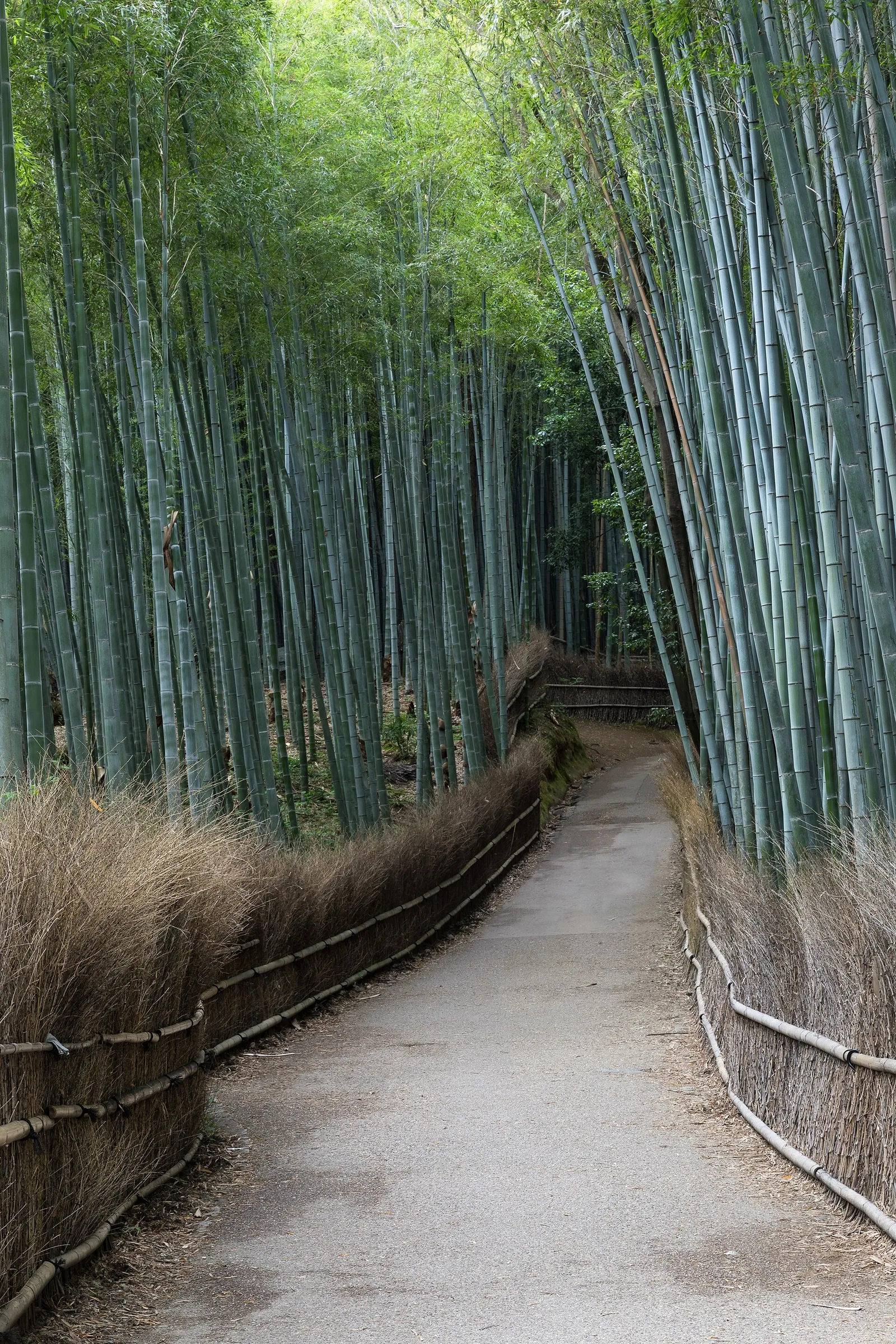
On the western edge of the city, Arashiyama is worth half a day. The bamboo grove is the headline, a green cathedral of towering stalks, and it is magical if you arrive before eight, packed if you do not. Beyond it lie the Tenryu-ji temple garden with its borrowed-mountain backdrop, the riverside, a monkey park up the hill, and quiet lanes of tofu restaurants. Come early, do the grove first, then let the neighborhood slow you down.
A perfect two-day plan
Day one, the east. Start at Fushimi Inari at opening, then work north through Kiyomizu-dera and the preserved slopes of Sannenzaka and Ninenzaka, stopping for matcha and street snacks. Amble the Philosopher’s Path to Ginkaku-ji in the afternoon, then finish in Gion as the lanterns come on and the streets empty of day-trippers.
Day two, the west and north. Beat the crowds to the Arashiyama bamboo grove, tour Tenryu-ji, and lunch by the river. In the afternoon, cross the city to the Golden Pavilion and the raked-gravel Zen garden of Ryoan-ji nearby. If you have a third day, take the quick train to Nara to meet the bowing deer and the great bronze Buddha.
Etiquette and small courtesies
Temples and shrines are living places of worship, not just backdrops. Keep your voice low, remove your shoes where the racks and steps tell you to, and look for the small signs banning photography inside halls. At a shrine gate, a slight bow as you pass is a kind gesture. On the busy lanes, do not eat while walking, and step out of the flow to take your photo rather than stopping dead in the middle. A little restraint is exactly what keeps Kyoto beautiful.
Where to stay
Kyoto is small enough that no base is wrong, but the three obvious areas suit different trips.
Kyoto Station is the practical choice: every train and most buses start here, the hotel choice is the widest in the city, and it is the right call if you are arriving by shinkansen or day-tripping out. It is not the prettiest place to wake up.
Downtown, around Karasuma and Kawaramachi, sits in the middle of the eating, drinking and shopping, within walking distance of Nishiki Market and Gion, and it is the best all-round base for a two-night stay.
Higashiyama, on the eastern slopes, is the atmospheric one, all wooden houses and lantern light, and it costs accordingly. Its real advantage is arithmetic rather than romance: being a ten-minute walk from Kiyomizu-dera means you can be there when it opens without setting an alarm you will resent.
Whichever you choose, a traditional ryokan for one night is worth building into the trip, ideally at the start when the tatami, the bath and the early night do the most good against jet lag.
Eating in Kyoto
Kyoto food is not Osaka food, and expecting it to be is the commonest disappointment here. This is a refined, seasonal, vegetable-forward kitchen shaped by temple cooking and the imperial court, and its pleasures are quiet ones.
Kaiseki is the full expression, a long procession of small seasonal courses, usually booked ahead and priced as an occasion. Shojin ryori, Buddhist temple cuisine, is the vegetarian ancestor of it and is served at several temples. Yudofu, simply simmered tofu, sounds like nothing and tastes like the city. Obanzai, the home-style small plates found in downtown izakayas, is where locals actually eat, and it is affordable.
Nishiki Market is the easy introduction, a covered lane of pickles, tofu skin, skewers and knives, though it is at its worst in the middle of the day. Go early. And matcha, in tea, in sweets and in soft serve, is genuinely better here than anywhere else in the country.
Getting to Kyoto, and out again
Kyoto has no airport of its own, which surprises people. Almost everyone arrives by train, and the two routes are straightforward.
From Tokyo, the shinkansen runs frequently and takes a matter of hours rather than half a day; it is the single easiest long journey in Japan and worth doing in daylight for the view. Our Tokyo guide covers the other end of that line. And once you are here, the crowding at the headline sights is a distribution problem rather than an unavoidable one: our guide to the quieter side of Kyoto covers the northern mountain villages and the temples a few streets away from the queues.
From Kansai International, the airport most convenient to Kyoto, a direct limited-express service and slower alternatives both run into Kyoto Station. Coming from Osaka, trains run constantly and the trip is short enough to make either city a base for the other, which is exactly the decision our comparison of Tokyo and Osaka is about.
Reserve shinkansen seats in the busy seasons, especially with luggage, and note that large suitcases on some services need a reserved space rather than simply being carried on.
Day trips worth taking
Kyoto sits at the centre of the country’s densest cluster of good half-days.
Nara is the classic, reachable in well under an hour, with the great bronze Buddha of Todai-ji and a park of famously bold deer. It is the best single day trip in Japan and works even on a tight schedule.
Osaka is close enough to be an evening rather than a day: go for the food, the neon and the completely different energy, then come back. Uji, between the two cities, is the home of Japanese green tea and a lovely low-effort morning. And Kurama and Kibune, in the northern hills, offer a short forest walk between two shrines and a river valley that is several degrees cooler in summer.
The rule that governs all of them: leave in the morning, come back for the temple hour at dusk. Kyoto is at its best at the ends of the day, and a day trip that eats the evening has cost you more than it gave.
The short version
Kyoto is not a race, it is a rhythm: up early, on foot, and off the beaten lane by mid-morning when the crowds swell. Pick a handful of temples and give them their quiet hour, walk Gion at dusk with your camera down and your manners up, and slip out to Arashiyama or Nara for air. Do it this way and the old capital gives you the thing everyone else is elbowing for and missing: stillness.