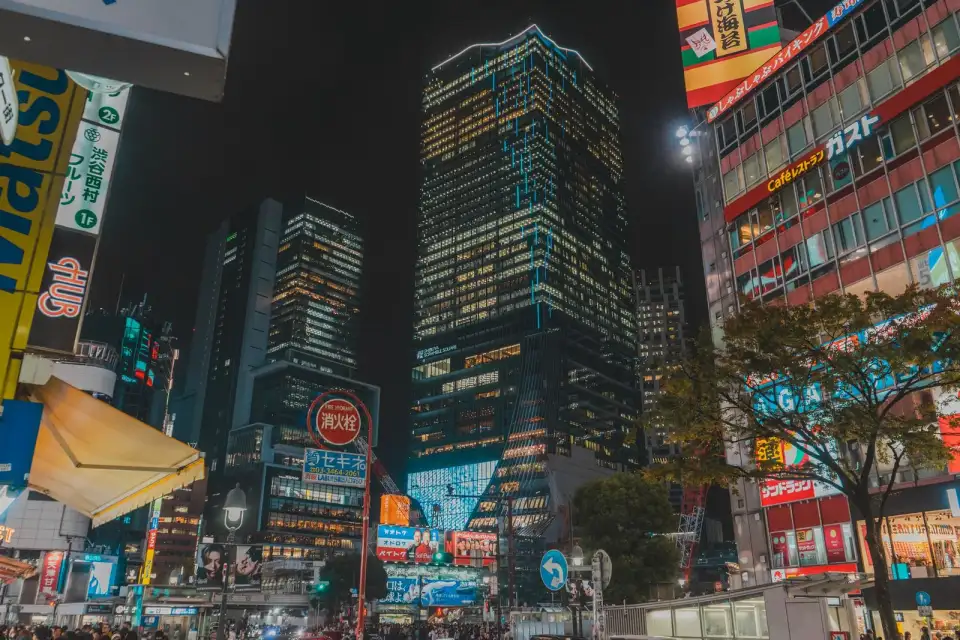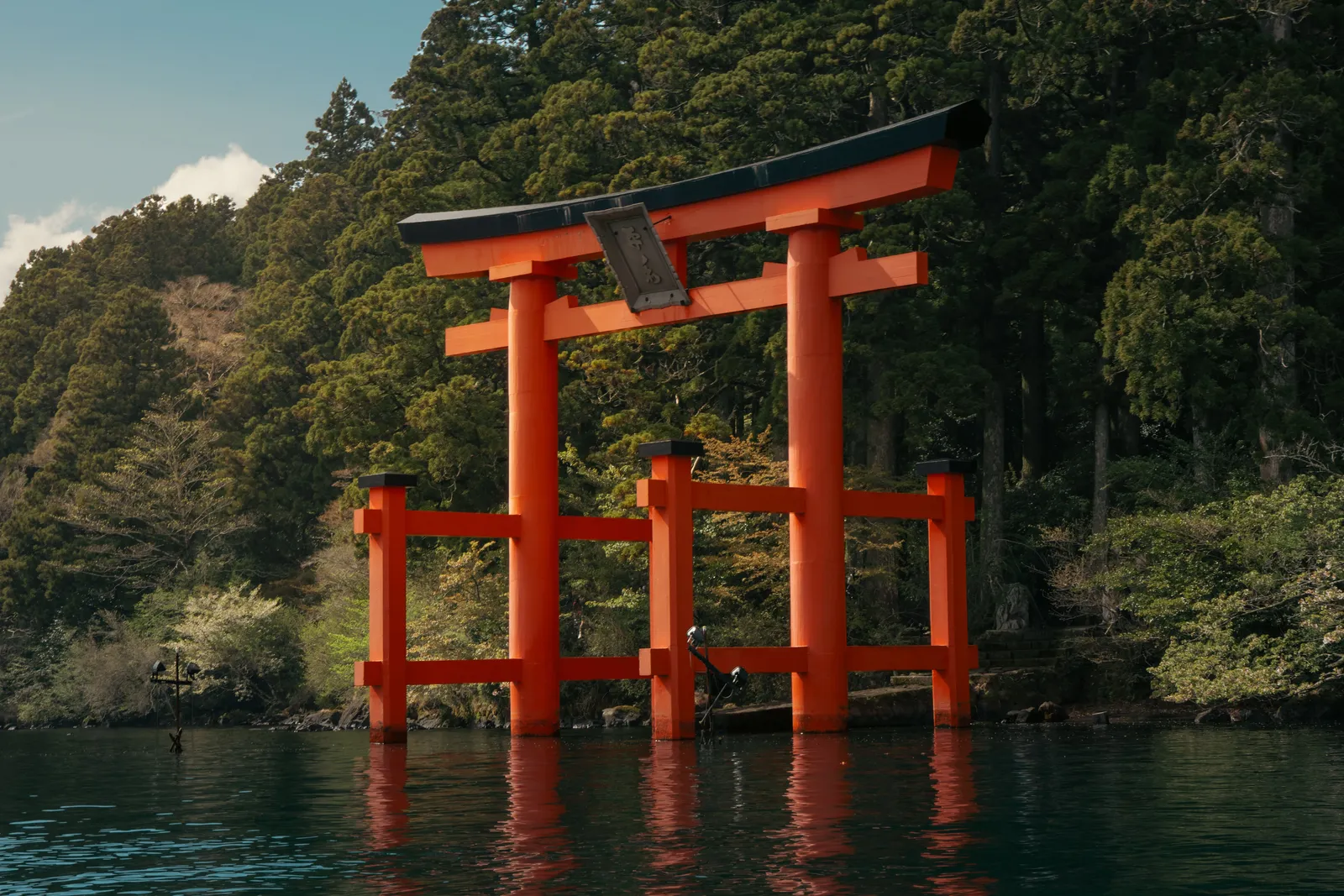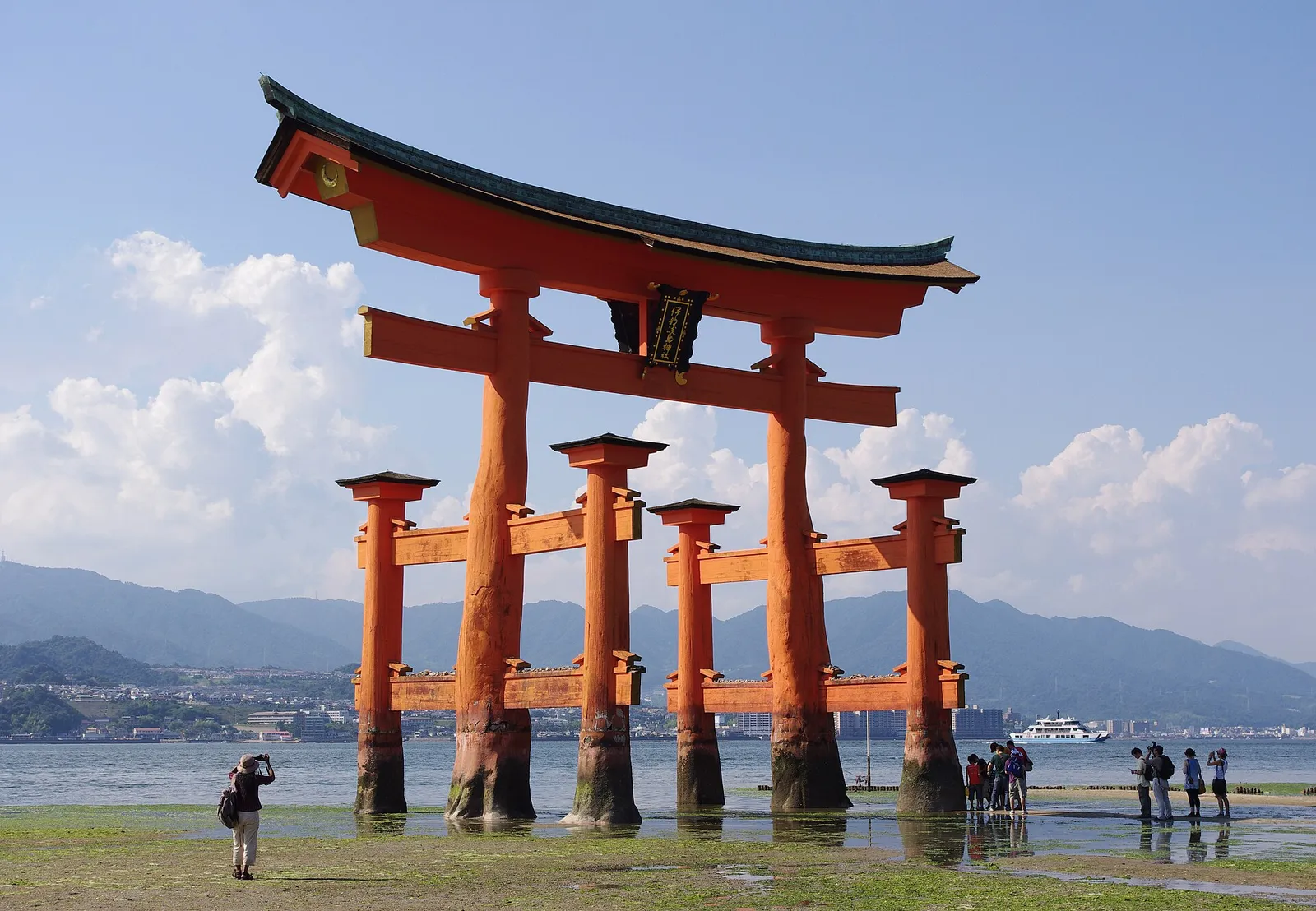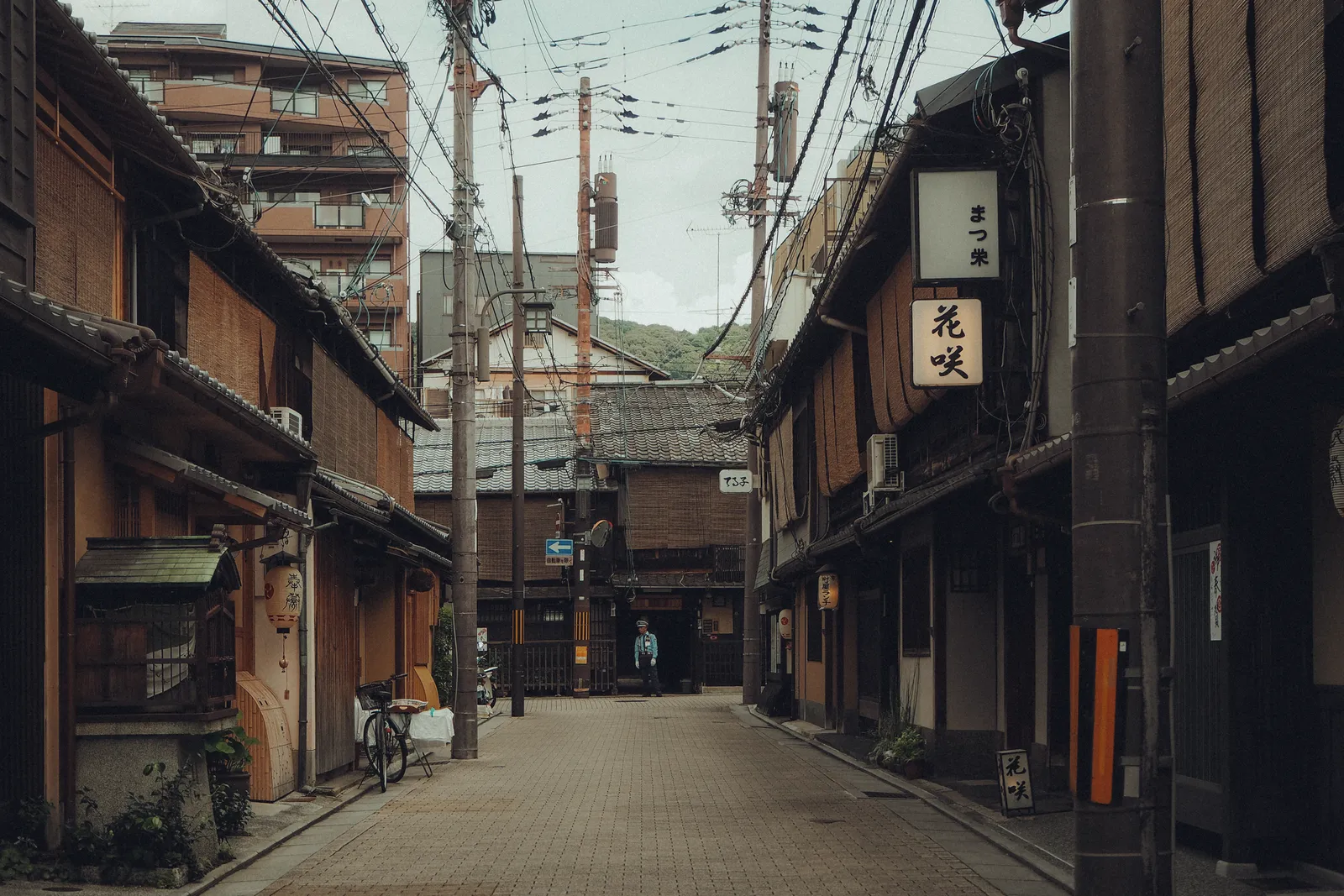
The complaint about Kyoto is always the same: too many people, in too few places, all photographing the same three things. The complaint is fair and it is also easily solved, because the crowding is a distribution problem rather than a capacity one. A city with well over a thousand temples and shrines is funnelling most of its visitors into a handful of them. Our Kyoto guide covers those headline sights properly; this one is about the rest of the city.
The mountain villages an hour north
The most reliable escape is to leave the valley floor entirely, and it takes less effort than it sounds.
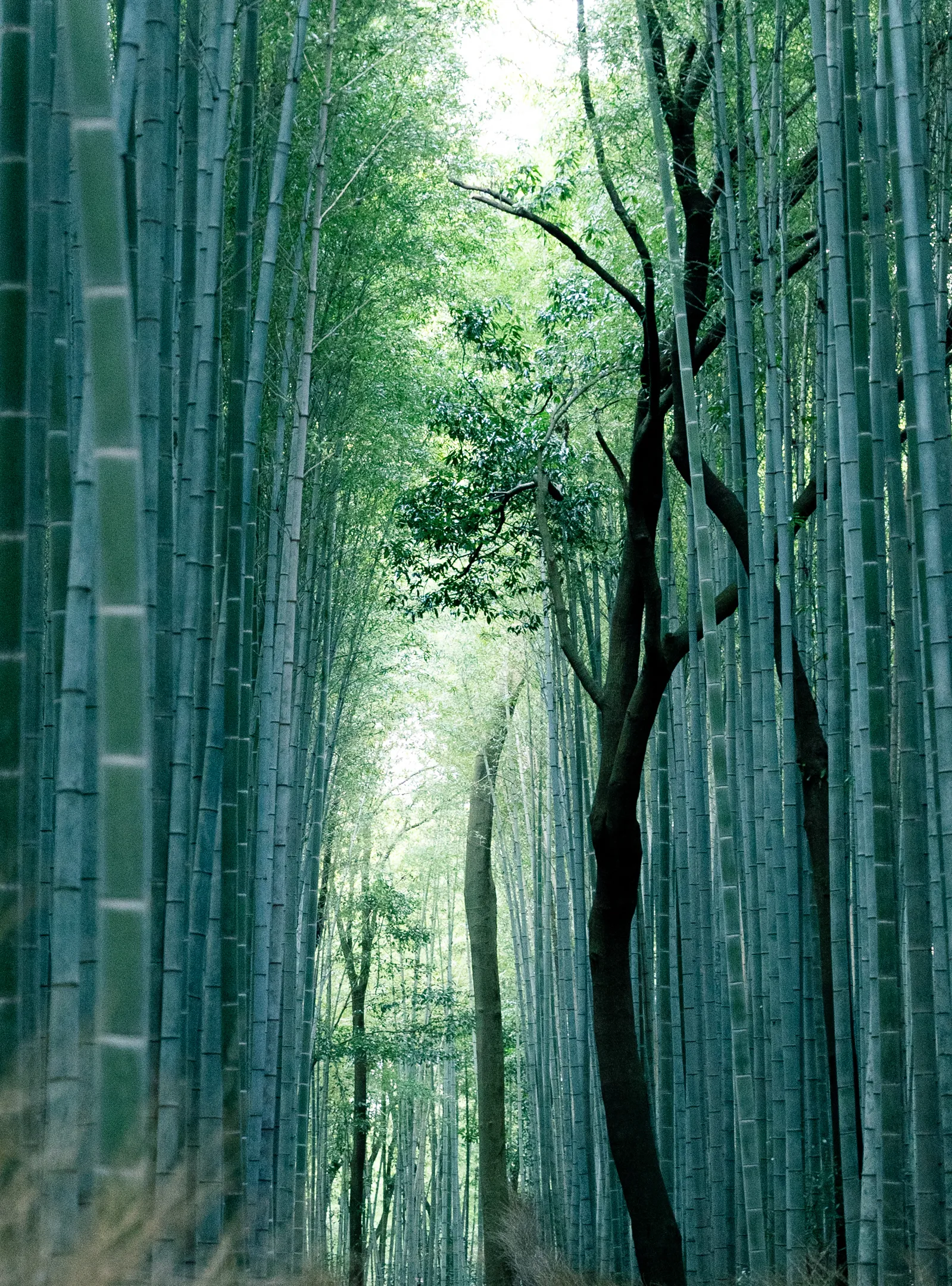
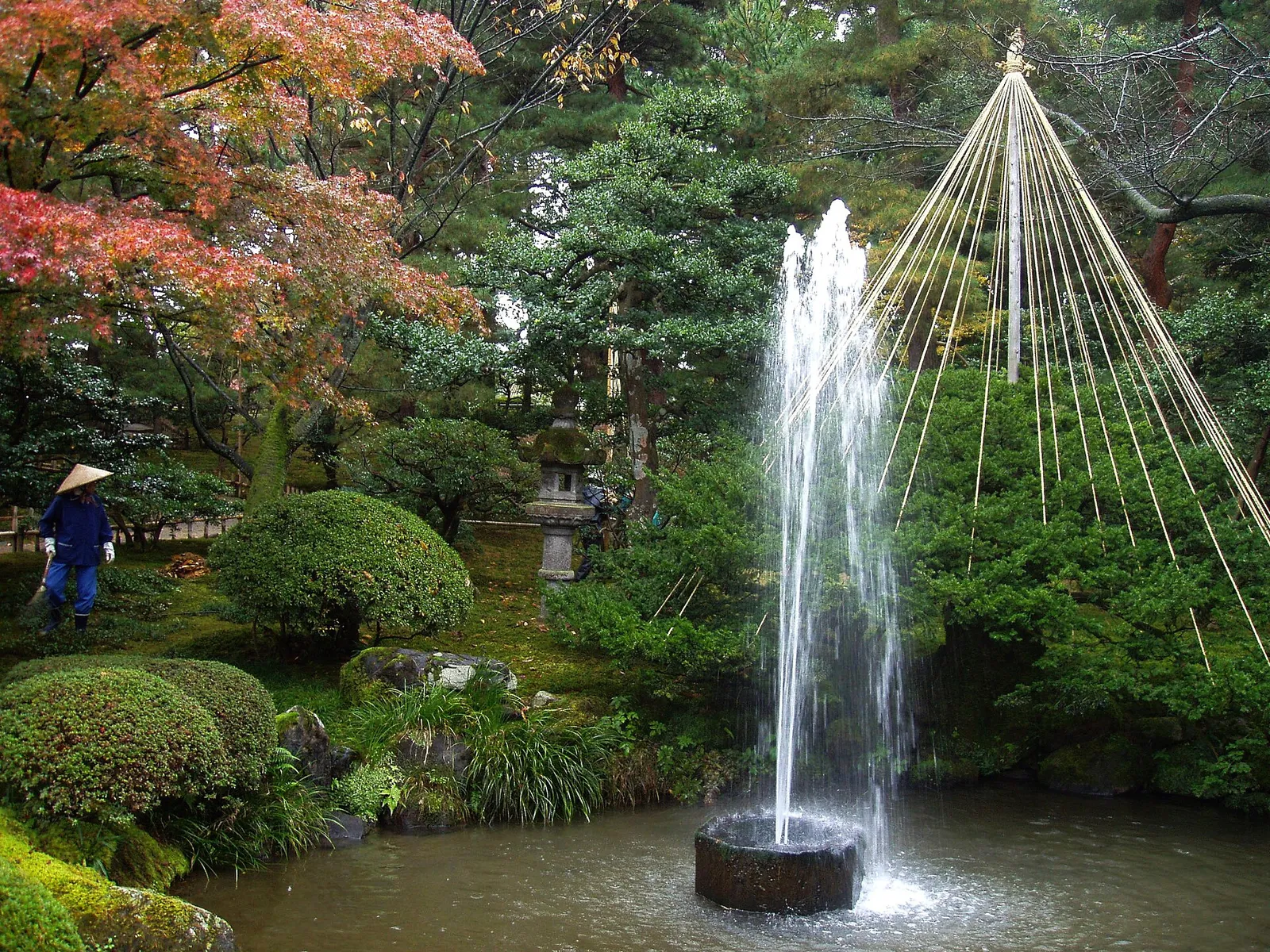
North of the city the land rises into small settlements built around temple complexes, reachable by ordinary local buses and trains within about an hour of the centre. What you get for that hour is a different order of quiet: moss gardens with nobody standing in them, cedar forest, and in autumn a display that rivals anything in the city with a fraction of the audience. Some of these villages sit high enough to run a week or two behind the city for autumn colour and blossom alike, which makes them a useful second chance when the timing in town has already passed.
Two practical notes. Services out there are less frequent than in the city, so check the return times before you commit to the last temple. And the temperature drops noticeably with the altitude, which is welcome in August and worth a jacket in November.
Quiet temples inside the city
You do not have to leave Kyoto to get away from the crowd. Some of the calmest places in the city sit a few streets from ones with a queue at the gate.
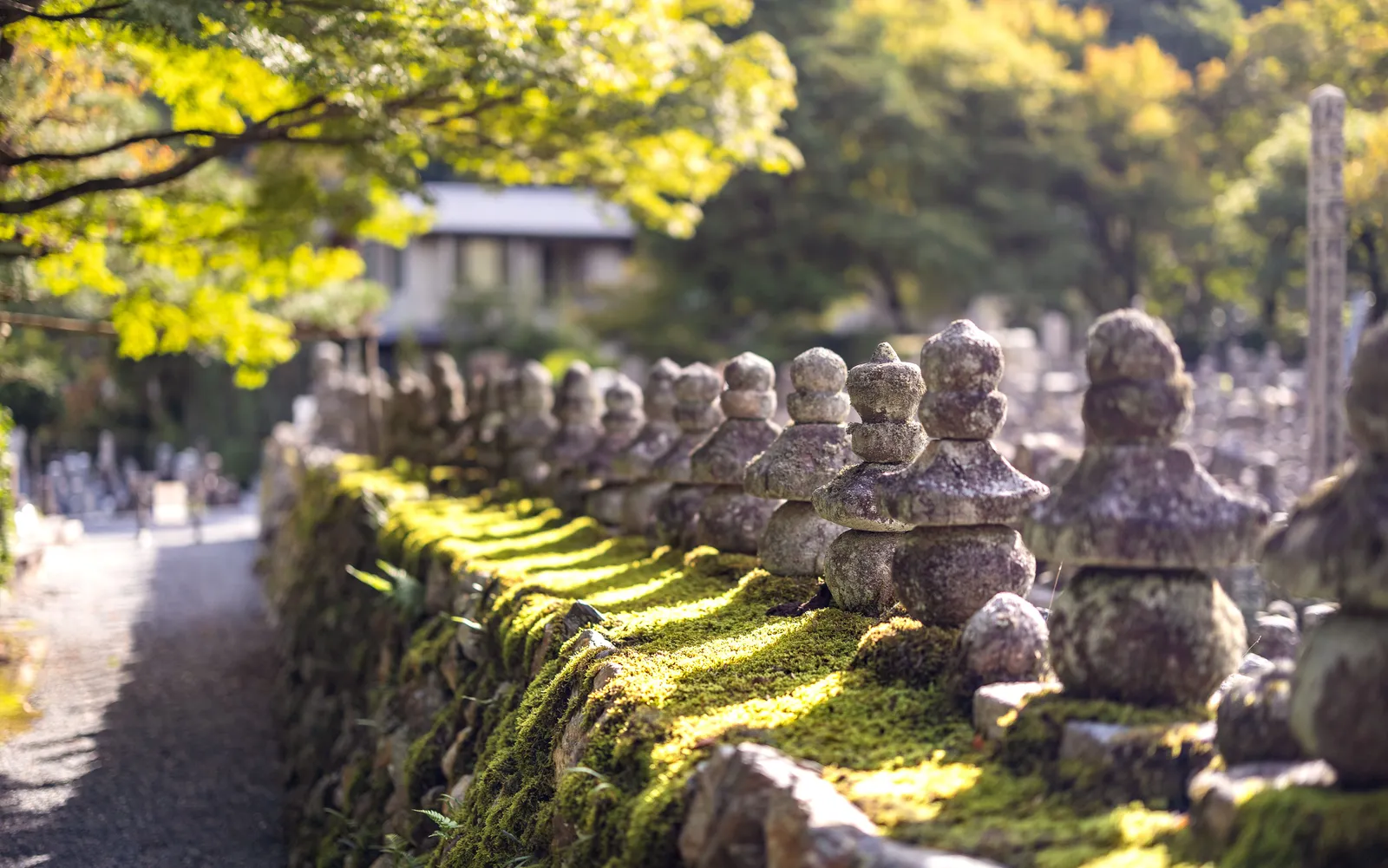
What to look for is a temple whose appeal is a garden rather than a single photogenic object. Sites built around a view that has to be sat with, rather than stood in front of, filter out anyone on a tight schedule. Sub temples within larger complexes work the same way: the main hall draws the visitors and a side gate a hundred metres away opens onto a raked gravel garden with a handful of people in it.
Rock gardens and moss gardens in particular reward the visitor who sits down for twenty minutes, and punish the one who does not, which is precisely why they stay quiet.
The neighbourhoods that still feel lived in
Kyoto’s preserved streets are beautiful and, in the middle of the day, extremely busy. The residential districts around them are not.
Walk a few blocks off the main preserved lanes and the wooden townhouses continue, except now there is a bicycle outside, a shop selling things residents actually need, and somebody sweeping the step. Along the canals in the north of the city, tree lined paths run past small cafes and craft workshops with no coach parking anywhere near them. This is the part of Kyoto that most rewards having no plan at all: an afternoon of walking with a vague direction beats a list of destinations.
Fitting the quiet parts around the famous ones
The mistake is treating this as a choice between two versions of Kyoto. It is not, and the trip that works uses both.
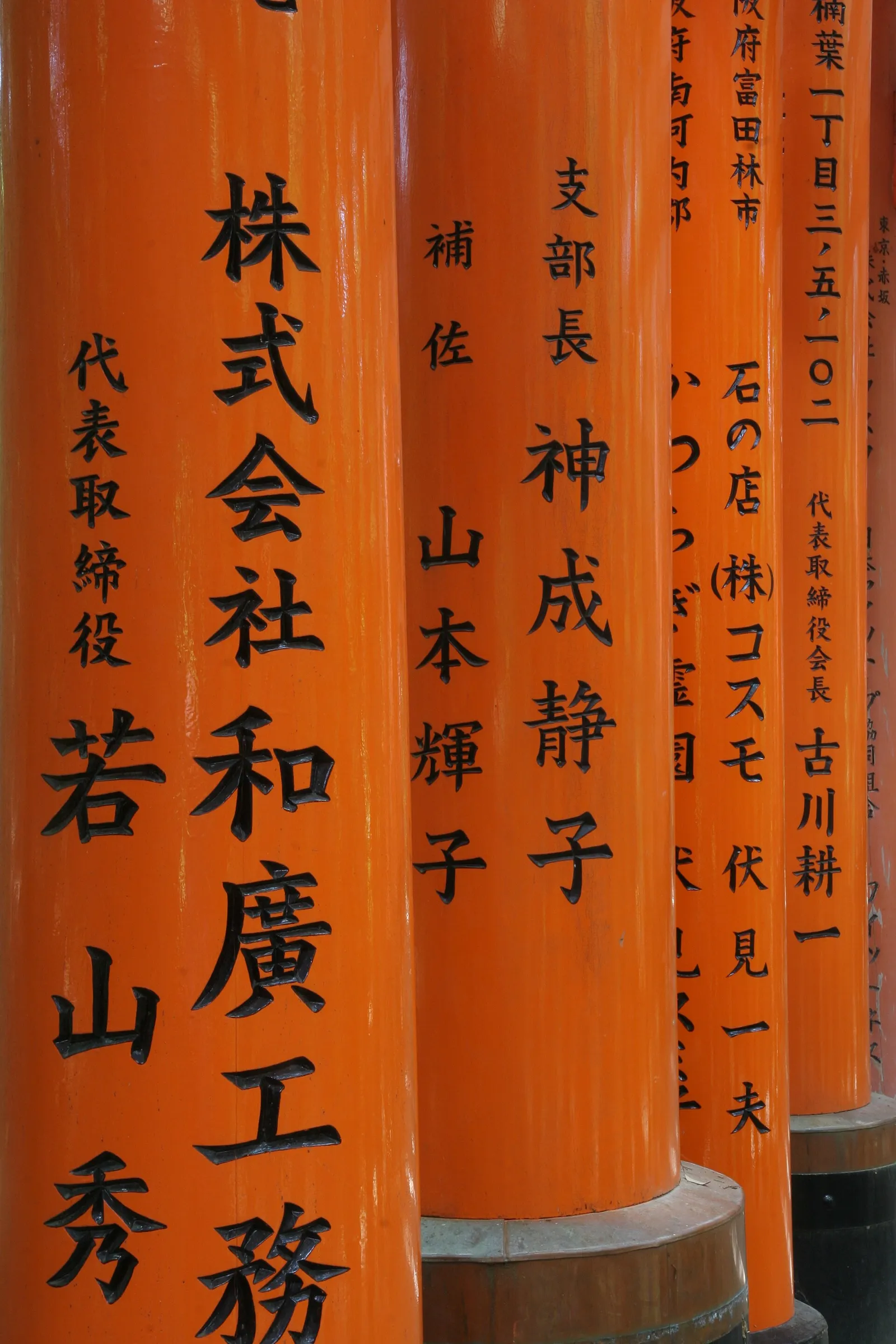
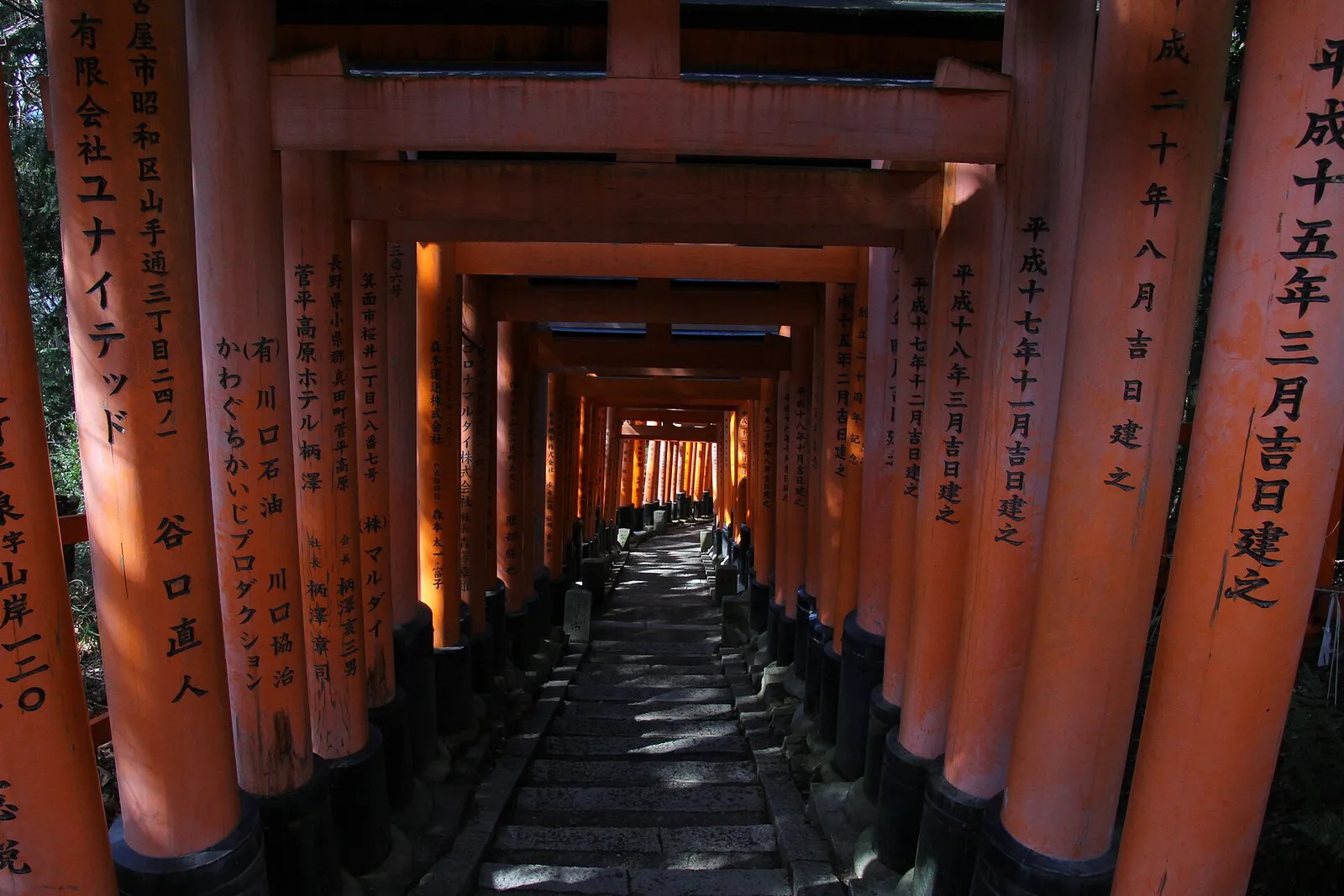
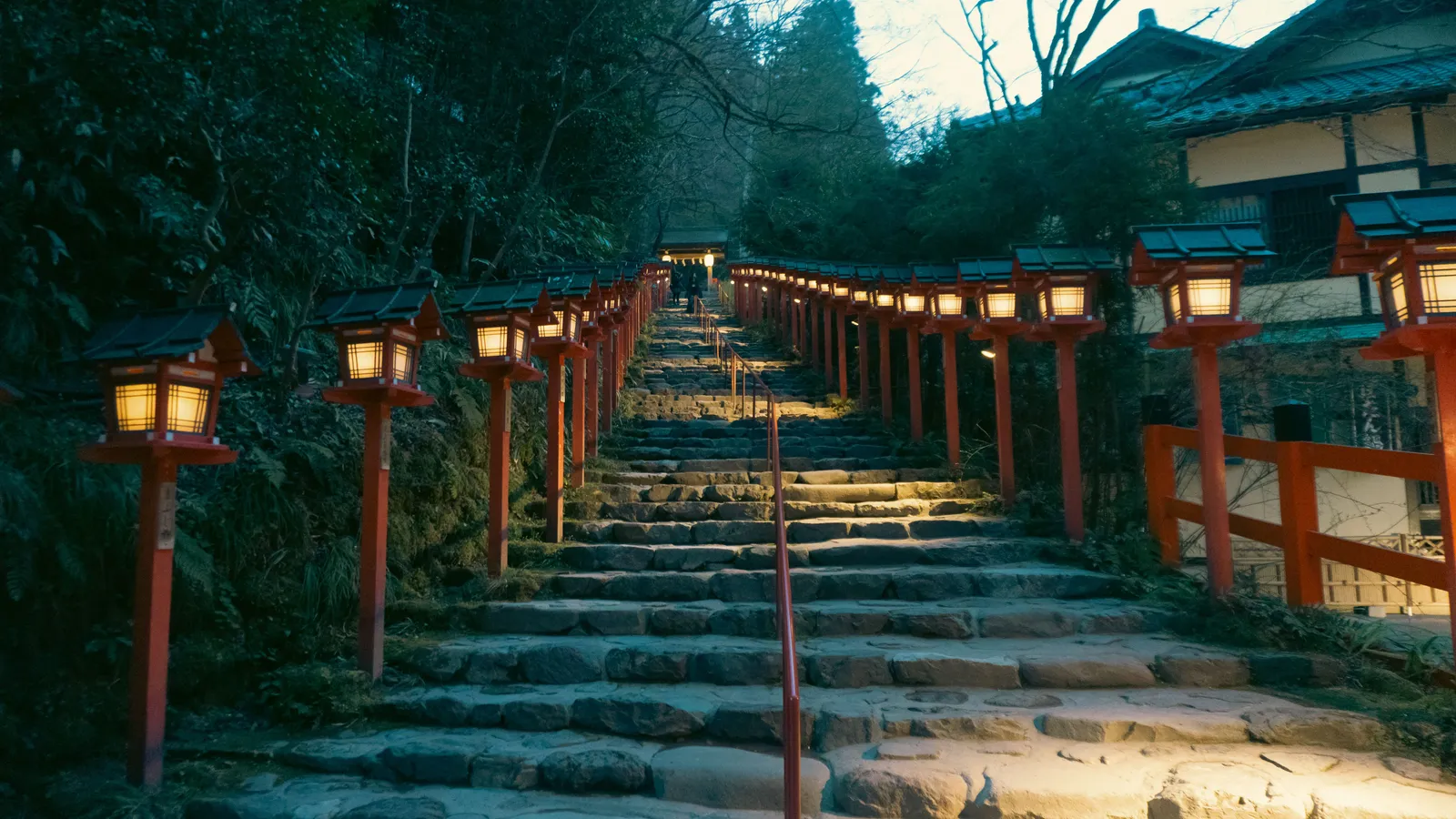
The shape that works is simple: give the early hours to the famous sites, when they are at their best, and give the middle of the day to somewhere that does not care how many people are in the city. Then take the late afternoon back for a second famous site as the crowds thin. Sites that run into the evening, such as the shrine paths that stay open and lit after dark, are ideal for that last slot. Our guide to the temples and Fushimi Inari covers which of the headline sights hold up outside daylight hours.
Over three days that pattern gives you the whole city rather than a choice between its two halves.
Getting out there without a car
None of this requires driving, which surprises people who assume the quiet places must be inaccessible.
The northern villages are served by ordinary city buses and by the small local railway lines that run up into the hills, and the journeys are simple enough: one bus or one train, an hour at most, no changes to worry about. The city bus network reaches almost everything inside Kyoto itself, and a day pass pays for itself quickly if you are making several hops.
The two things that catch visitors out are frequency and the last service. Buses and trains into the hills run far less often than in the centre, sometimes to a rhythm of one an hour or worse, and the last one back is earlier than you would expect from a big city. Photograph the return timetable at the stop when you arrive. It removes the only real risk in a day out there.
When to go, and what it costs
Autumn and spring bring the crowds and also the reason for them. If those are your dates, the material above matters more, not less, and the northern villages become the difference between a good trip and a frustrating one. Early summer and late autumn, either side of the peaks, are the underrated windows: gardens at their best, temperatures manageable, and considerably more room.
Costs stay modest. Most temples charge a small admission in yen, gardens and sub temples are occasionally ticketed separately, and a day bus pass covers a lot of ground in the city itself. Carry coins, because some of the smaller places still take cash only, and confirm opening hours before travelling out to the villages, since they close earlier than the city sites and vary by season.