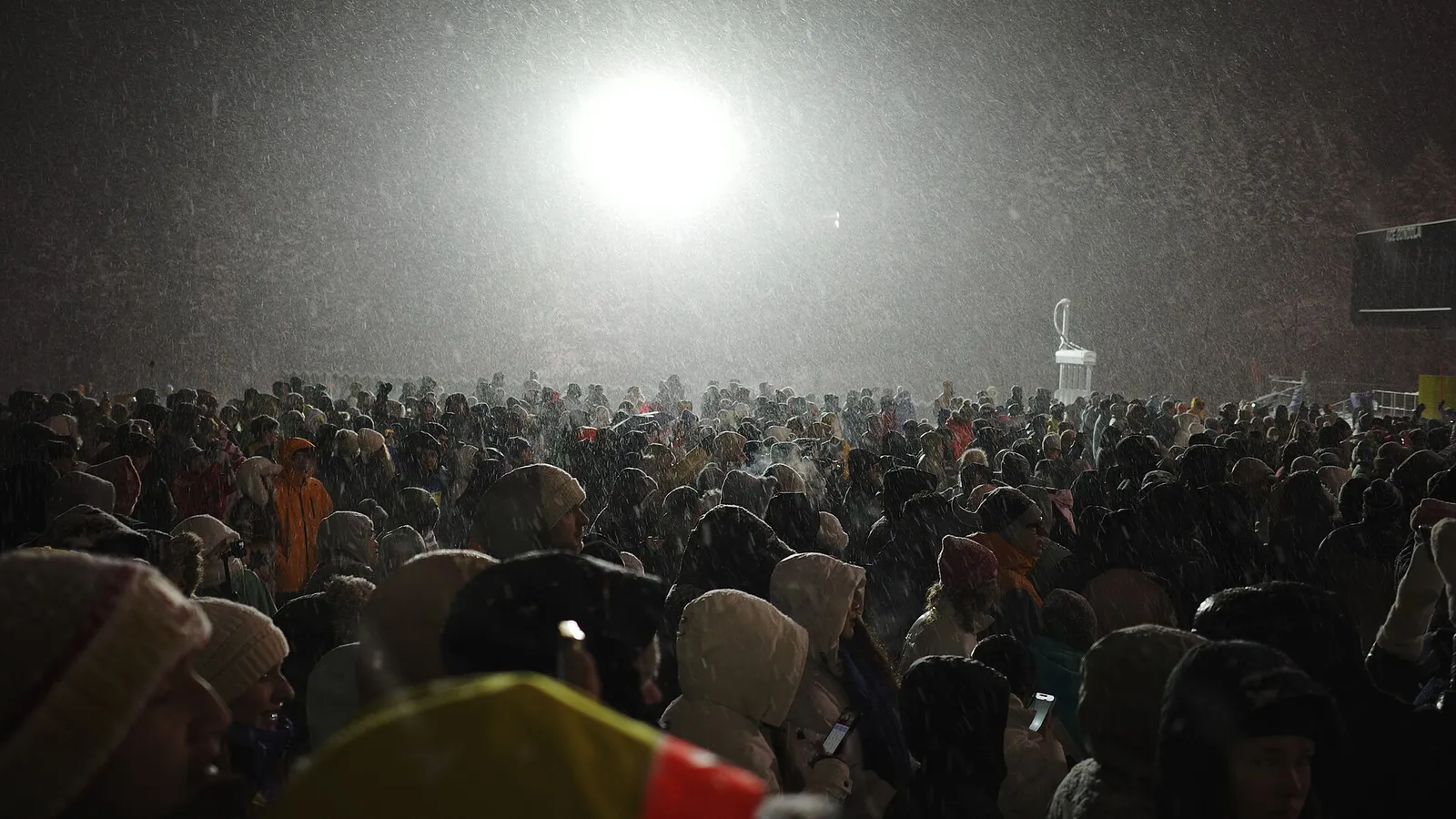
There is one reason experienced skiers and total beginners both fly across the entire planet to stand on a mountain in Japan, and skiers have a nickname for it: Japow. It is not just marketing talk. Japan gets some of the driest, lightest snow found anywhere it falls, in quantities that keep resorts buried and runs replenished through the coldest stretch of winter, and once you have skied it, groomed European corduroy can start to feel like an entirely different sport. This guide covers where to find the best version of that snow, what a trip like this actually costs, and what changes once you are off the mountain.
Why the snow here is different
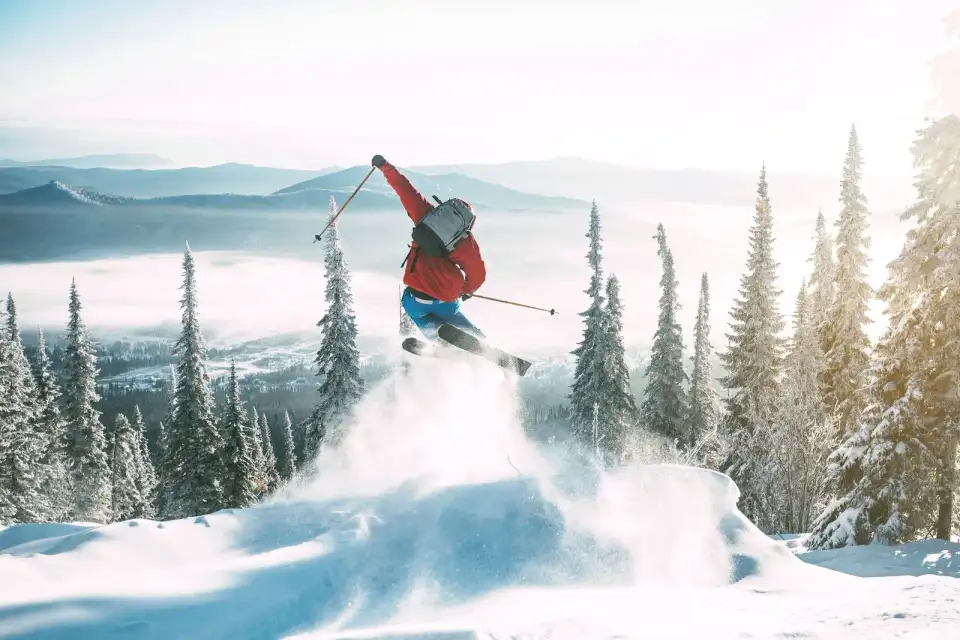
Cold air rolls off the Asian continent, crosses the Sea of Japan, picks up moisture from water that is still relatively warm, and runs straight into the mountains that stretch the length of the country. What falls out the other side is snow with very little water weight in it: dry, fine and so light that a ski or a board sinks into it rather than carving across the top of it. Skiers who learned on European pistes often describe the same odd sensation on their first Japanese powder day, a kind of falling forward that never quite becomes falling, because the snow gives way and holds you at the same moment. Japan’s total snowfall is genuinely among the heaviest recorded anywhere skiing happens, and storms arrive often enough through the coldest months that a fresh dump feels closer to routine than event. Season length shifts by region too, running longest in the north and shorter, if usually more reliable, further south, and the exact opening and closing moves with the year rather than the calendar. Treat any specific date you read, this guide included, as a rough guide, and check the resort’s own site once you have a travel window in mind. For how a ski trip sits against the rest of Japan’s year, our three week Japan itinerary works through the calendar in full.
Hokkaido, Honshu and the resorts almost nobody flies in for
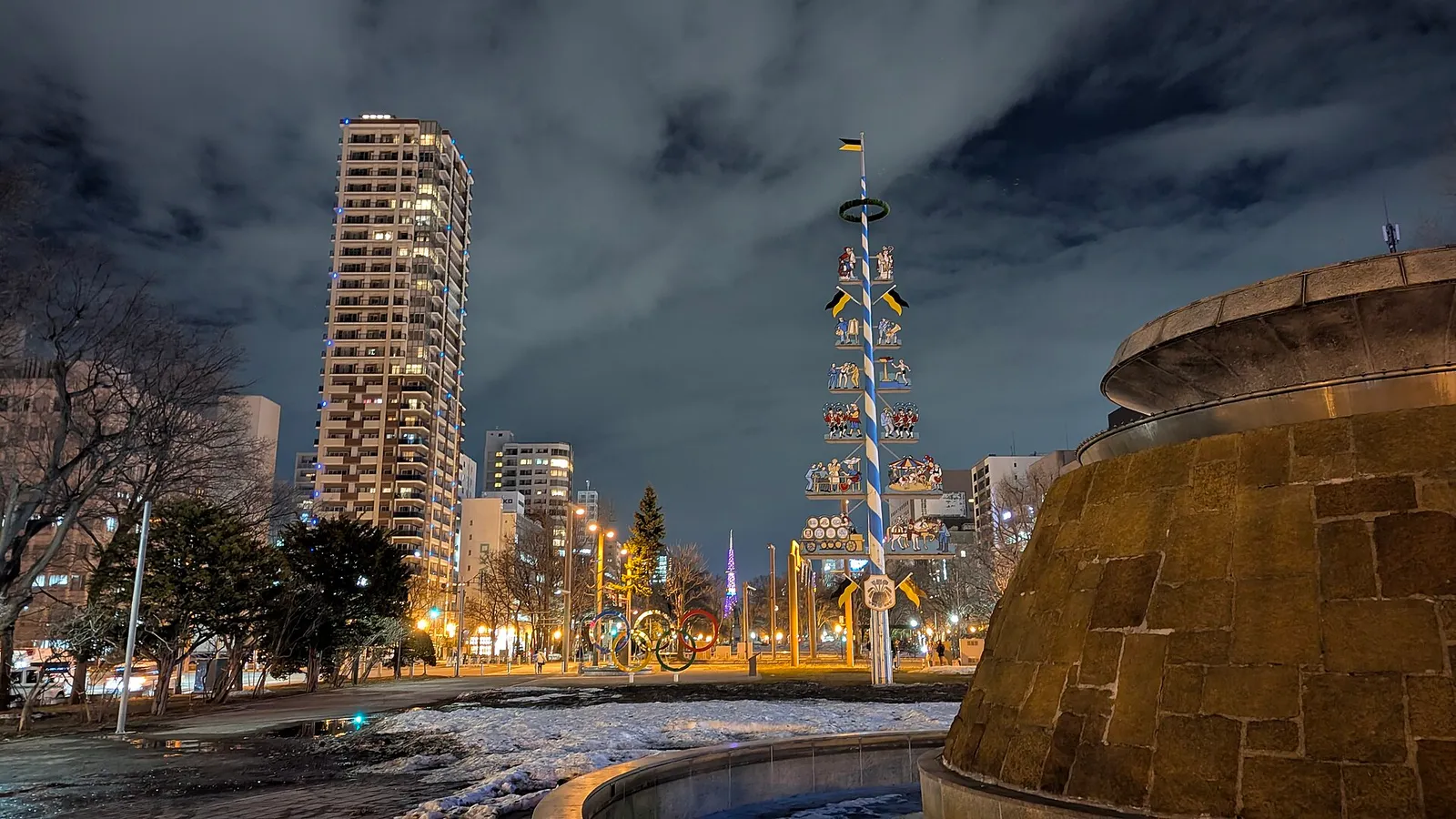
Most first time visitors land in one of two places. Hokkaido, the northern island, is where Japan’s international ski reputation was built, mainly around Niseko, which has grown into a genuinely bilingual mountain town, and the quieter Furano further inland, which gets similarly reliable snow with a much more local feel. For the rest of the island, from Sapporo’s food scene to the lavender fields that take over in summer, our Hokkaido and Sapporo guide covers the ground this one does not.
Honshu, the main island, does its skiing in the Japanese Alps around Nagano, host of the 1998 Winter Olympics, and its best known resort town, Hakuba. Terrain here tends to run steeper and more varied than Hokkaido’s rolling volcanic slopes, the peaks are properly alpine rather than gentle, and the whole area sits close enough to Tokyo to pull in a strong mix of domestic and foreign skiers, which changes the mood at the base compared with the more international feel further north.
Then there is Tohoku, the northern stretch of Honshu, home to resorts most travelers have never heard of and rarely book flights specifically for. The snow can rival anything further north, prices tend to run gentler, and English is far less common, which reads as either a drawback or the whole appeal depending on what you are after. Zao Onsen here is known for its frost coated fir trees, nicknamed snow monsters, a sight that forms nowhere else quite the same way.
Base at the resort, or day trip in
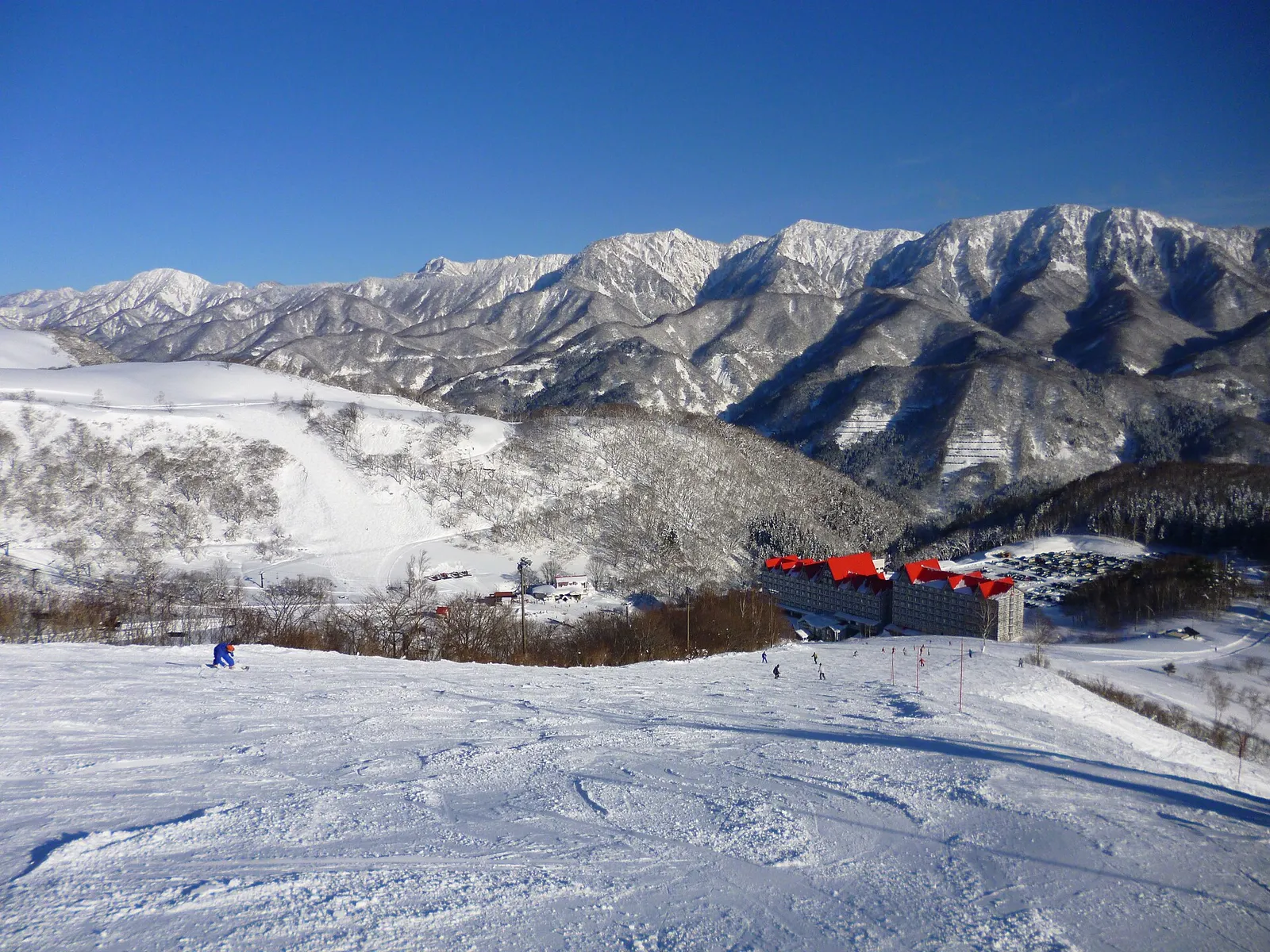
Hokkaido more or less makes this decision for you: it sits far enough from Tokyo that basing at the resort for several days is the only sensible plan, and trying to day trip in defeats the point of flying there at all. Honshu’s resorts sit much closer to the main tourist route, and a handful are genuinely reachable as a long day out from Tokyo by train and shuttle bus, which suits a shorter trip or a traveler who wants one ski day folded into a wider itinerary rather than a dedicated ski holiday. The tradeoff is time on snow: a day tripper loses hours to travel that a resort based skier spends on the lift, and the best conditions of the morning are often gone by the time a day tripper reaches the base.
What it costs, next to the Alps and North America
Skiing in Japan has traditionally undercut its European and North American rivals on almost every line item: lift tickets, gear rental and food at the base among them. It generally still does, though the gap has narrowed as visitor numbers from abroad have climbed sharply and currency movements shift the calculation from one season to the next. Treat any specific figure you come across, including broad comparisons like this one, as a starting point rather than a quote, and check current lift ticket and rental pricing directly on the resort’s own site before you build a budget around it.
Trees, gates and rules stricter than they look
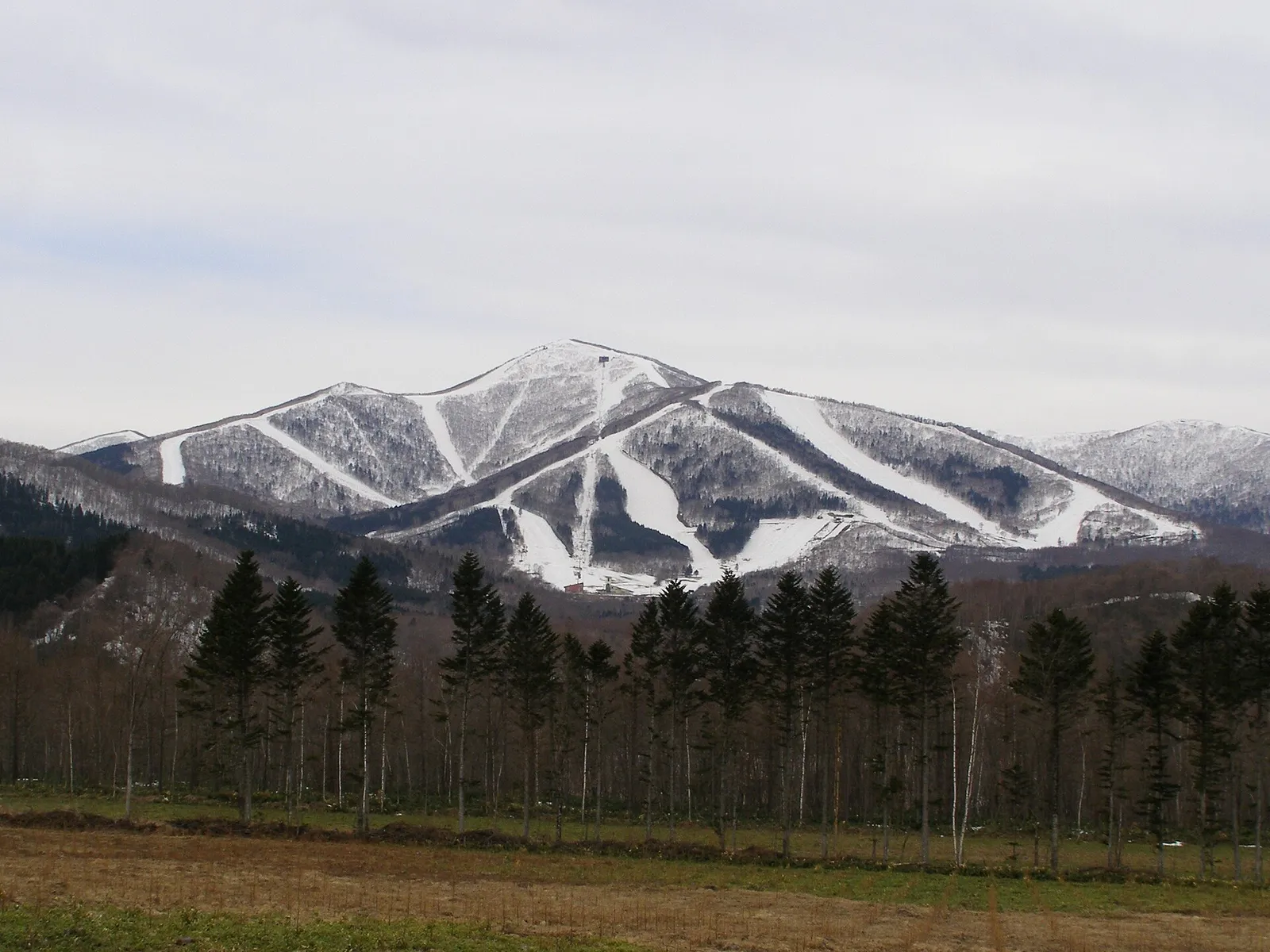
The tree skiing that made Japan famous with international skiers is real, but it is not a free for all. Resorts generally mark their in bounds tree runs and gate off anything beyond the boundary rope, and those gates open and close by the day depending on the ski patrol’s read on avalanche risk rather than on a fixed schedule. Ducking a closed rope is treated seriously, and the avalanche danger behind the closure is real rather than theoretical caution. Rules differ by resort and shift with conditions, so check the specific gate and backcountry policy at your resort before you plan a day around untracked snow, rather than assuming what worked at the last mountain applies here too.
The reason to come back: onsen after the mountain
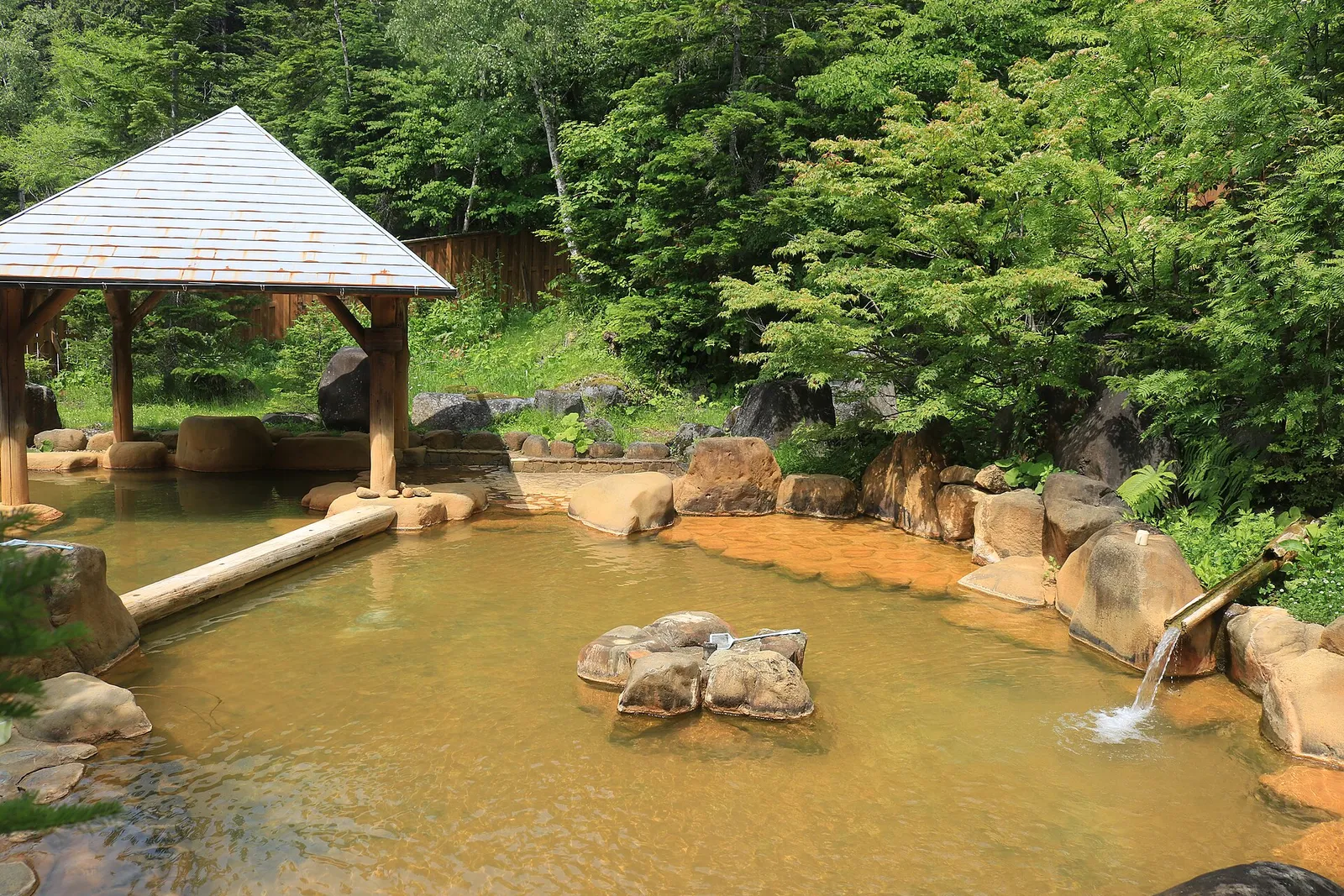
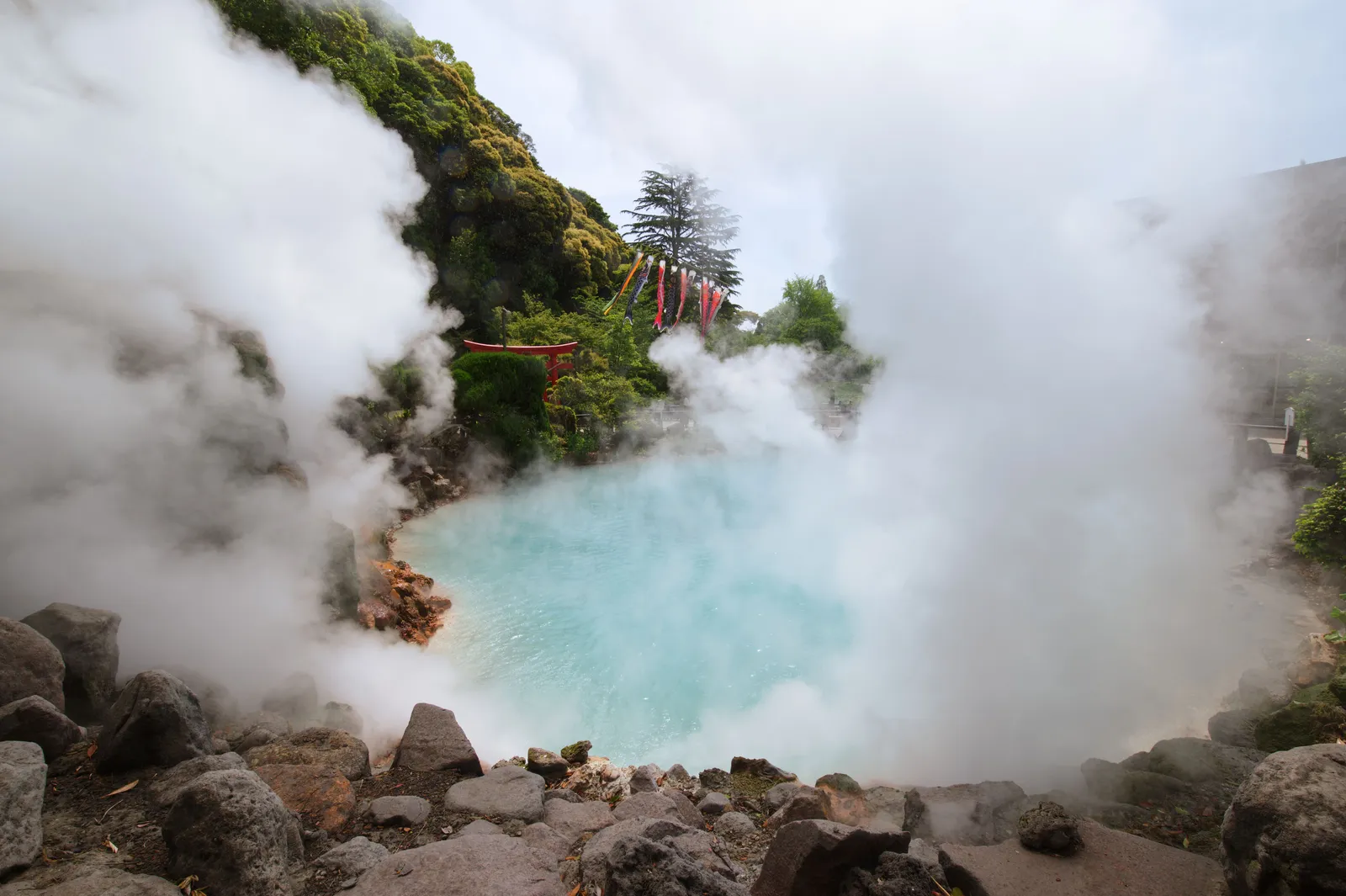
The part of a Japanese ski trip that visitors talk about for years is not on the mountain at all. Almost every ski area here sits near a hot spring, and the ritual of soaking outdoors in steaming natural water while snow keeps falling around you, after a full day on the snow, is genuinely hard to match anywhere else. Some ski towns, Nozawa Onsen among them, built their whole identity around bathhouses that predate the lifts by centuries. If this is your first onsen, read our onsen guide first: there are real etiquette rules around washing before you get in and around visible tattoos that are worth knowing before you turn up with just a towel.
Hokkaido’s endless powder or a Honshu week folded into a wider Japan trip, either way, pack boots with real grip for the ice near the lifts, and save one evening for the hot water.