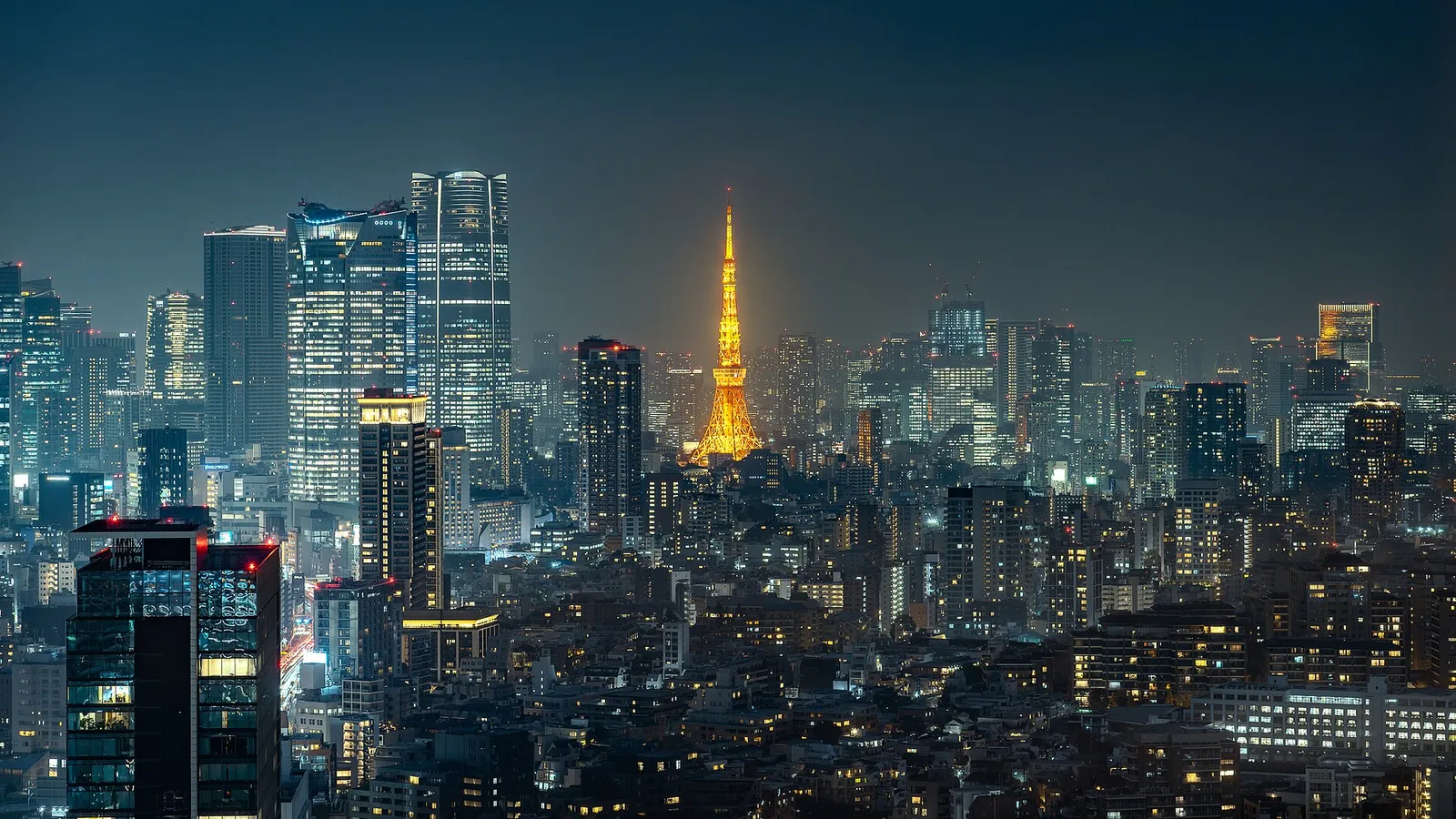
Tokyo is not one city, it is a dozen cities stitched together by the best train network on earth, and every one of them has its own mood. That is the thing to understand before you arrive: you will never “see Tokyo,” and you should not try. You pick a few neighborhoods, go deep, eat everything, and let the trains carry you between them. Do that and the biggest metropolis in the world starts to feel not intimidating but strangely welcoming.
How Tokyo is put together
The mental map that helps most is the Yamanote line, the JR loop that circles central Tokyo and strings together most of the districts you have heard of. Inside and around that loop sit the neighborhoods, each an easy train hop from the next. Get a Suica or Pasmo IC card at the airport, load it, and tap in and out; with Google Maps in your pocket, you will navigate the whole system within a day. You will barely need a taxi.
The neighborhoods that matter
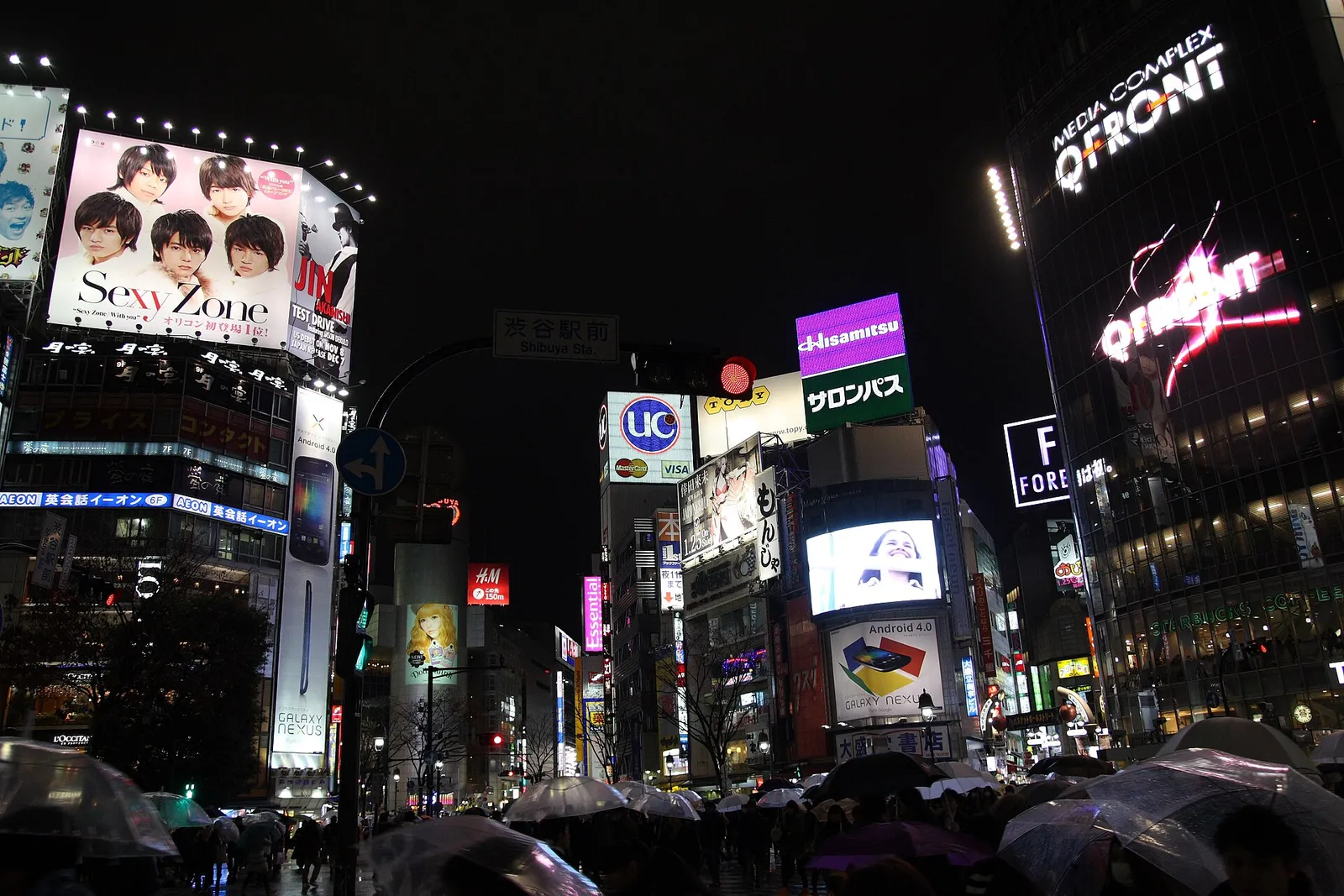
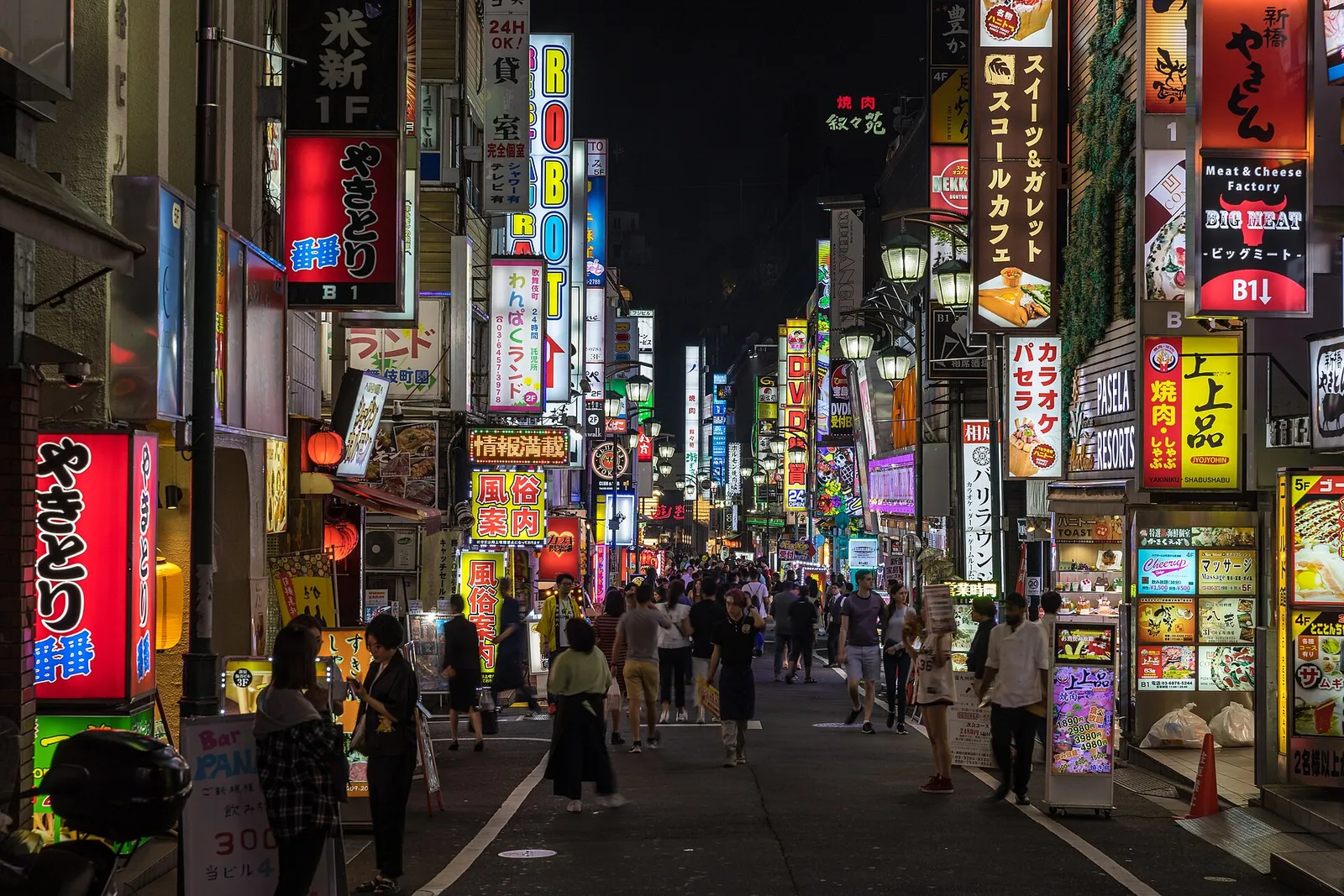
Shinjuku is Tokyo turned up to full volume: the world’s busiest station, neon canyons, department stores, the tiny lantern-lit bars of Golden Gai and Omoide Yokocho, and the calm of Shinjuku Gyoen park a few minutes away. Shibuya is younger and louder still, home to the famous scramble crossing, fashion, and a nightlife that runs late. Harajuku and Omotesando, next door, swing from teenage street style on Takeshita Street to serious architecture and quiet backstreet cafes.
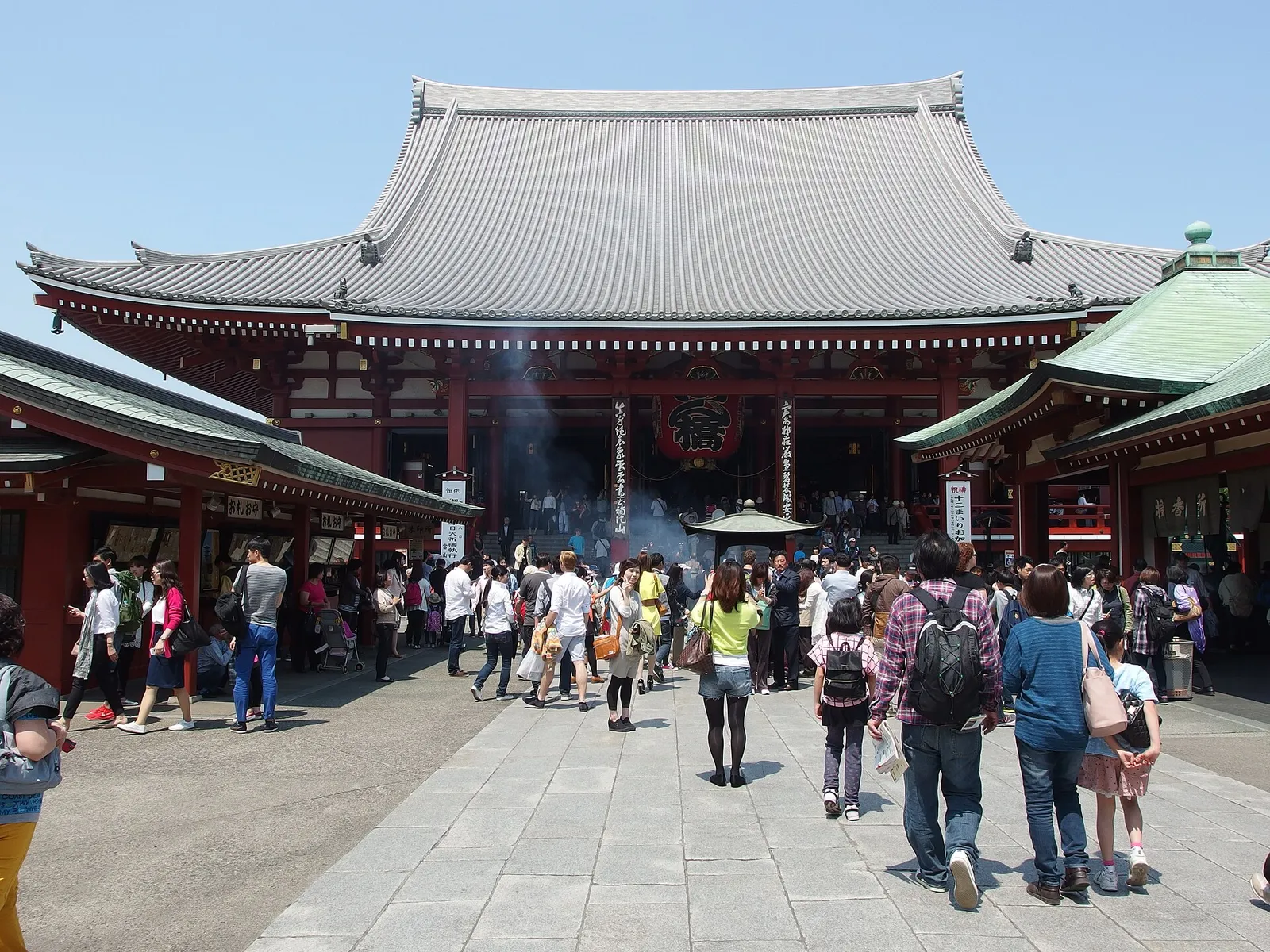
Asakusa is the old town: the great Senso-ji temple, its lantern gate and souvenir lane, rickshaws and a lower, more traditional skyline. Across the river the Tokyo Skytree gives you the view. Ginza is the polished luxury district, best on a weekend afternoon when the main avenue closes to cars. And Akihabara is the electric heart of anime, gaming and gadget culture, gloriously overstimulating.
What to actually do
Start with the free and the human. Watch the Shibuya crossing surge from the window of the Starbucks above it, then walk it yourself. Wander Senso-ji early, before the crowds. Spend a slow hour in a park: Shinjuku Gyoen, Yoyogi, or the grounds of the Meiji Jingu shrine, a forest hiding in the middle of the city.
Then pick your splurges. The teamLab digital-art museums are unforgettable and sell out, so book ahead, and check the address twice: Borderless moved out of Odaiba in 2024 and now sits at Azabudai Hills, near Roppongi, while teamLab Planets is a separate venue over in Toyosu. The Tokyo National Museum in Ueno is a quiet marvel. If you are traveling with kids, or are a kid at heart, Tokyo Disney Resort and the Ghibli attractions are worth a day. And at least one evening, ride an observation deck or a rooftop bar at dusk and watch the largest city on the planet switch on its lights.
Book the tickets that sell outteamLab, food tours and headline experiences fill up fast, so reserve the big ones earlyWhere to eat
Tokyo has more Michelin stars than any city on earth, but the everyday food is the real story. Eat ramen at a counter where you order from a vending machine at the door. Eat sushi off a conveyor belt for a few dollars a plate, or splurge on an omakase counter. Duck into an izakaya for grilled skewers and cold beer, and do not skip the convenience stores: a 7-Eleven or Lawson egg sandwich, onigiri rice ball or hot fried chicken is a genuine, beloved Tokyo experience.
Head to Toyosu for the modern fish market, or the surviving outer stalls of Tsukiji for a street-food breakfast. Then let curiosity lead: some of the best meals in Tokyo happen when you follow the smell of grilling yakitori down a side street with no English sign.
Nightlife, done right
Tokyo after dark is a choose-your-own-adventure. For atmosphere, squeeze into the six-seat bars of Golden Gai in Shinjuku. For energy, dive into the clubs and izakaya of Shibuya. For a quieter night, find a whisky bar where a precise bartender carves a single ice sphere, or belt out songs in a private karaoke room until the small hours. Trains stop around midnight and restart at five, so either plan the last one or plan to stay out.
Easy day trips
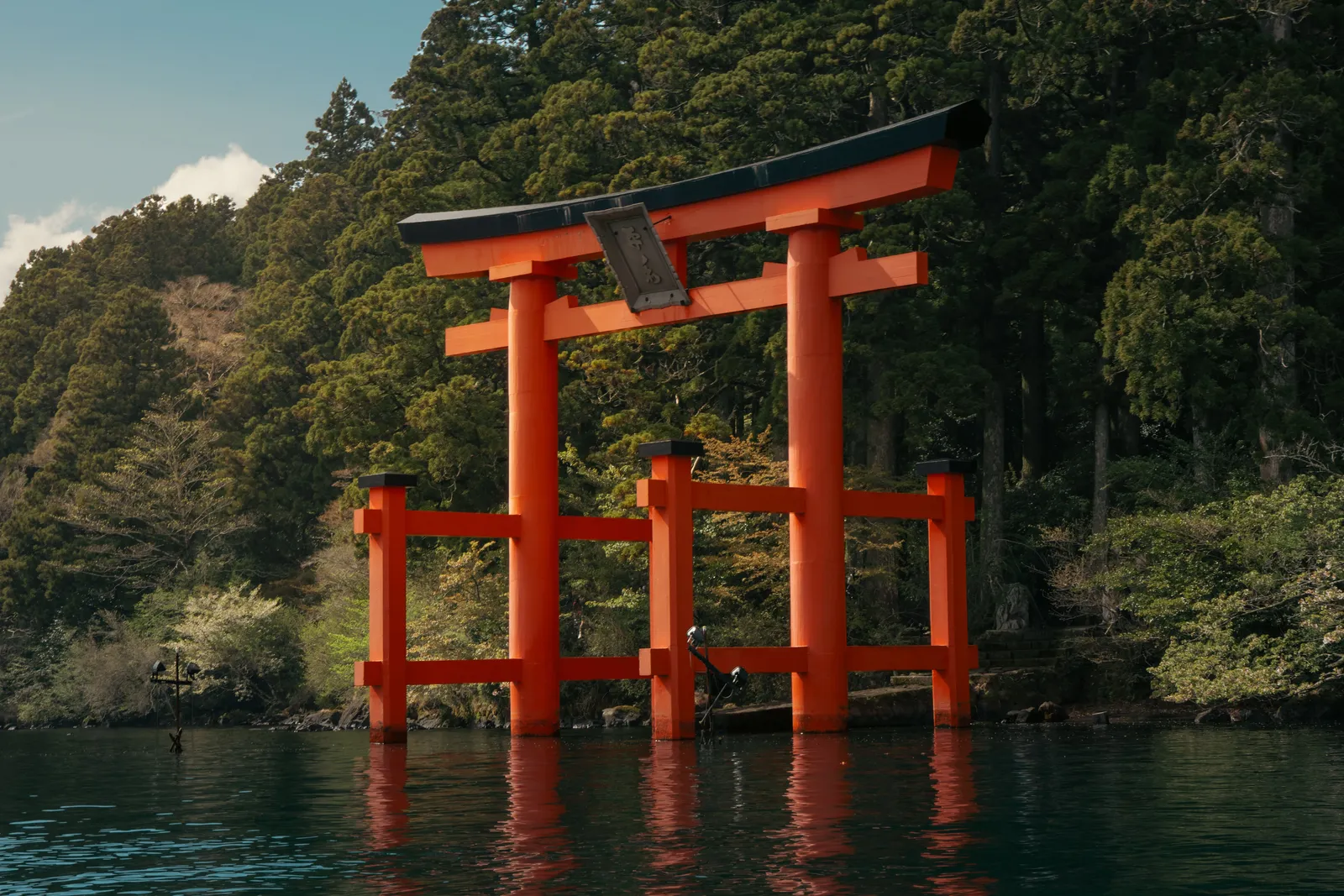
When the city gets loud, the escape valves are close. Hakone, roughly ninety minutes out, offers hot springs, a lake and Mount Fuji views. Nikko rewards you with lavish shrines set in cedar forest. Kamakura, on the coast, has its great bronze Buddha, temples and beaches. And on a clear day, the Fuji Five Lakes around Kawaguchiko give you the postcard view of the mountain itself. Each is an easy train ride, and each makes Tokyo feel even bigger by showing you how quickly it ends.
Where to base yourself
The right base in Tokyo is defined by the train line, not the postcode. Anywhere within a few minutes’ walk of a Yamanote or major metro station works, and the difference between the areas is mood rather than convenience.
Shinjuku and the Tokyo Station area are the first-timer choices, with the deepest transport links, the widest hotel range and easy shinkansen access for onward travel. Shibuya suits anyone whose evenings matter more than their mornings. Asakusa is the calmest and often the cheapest, with an older, low-rise feel and a slightly longer ride to the western districts. Ueno splits the difference, near museums, a big park and the airport train.
Two practical notes. Tokyo rooms are small, and paying more usually buys space rather than luxury, so read the square metres rather than the star rating. And a hotel within one line of your arrival airport route saves the most annoying hour of the trip, the one spent hauling luggage through a station with three levels and eleven exits.
What Tokyo actually costs
Tokyo’s reputation for expense is a decade out of date, and the shape of the spending is unusual: getting here and sleeping here are the costs, and living here day to day is not.
Food is the surprise. A counter bowl of ramen, a standing-sushi lunch or a convenience-store meal costs very little, and the quality at that price has no equivalent in most Western cities. Transport is cheap per ride and adds up gently. Sights are mostly modest, and the best of the city, its parks, shrines, street life and night views from free observation floors, costs nothing at all.
The genuine budget lines are accommodation, which is expensive for the space you get, headline tickets like teamLab or the theme parks, and day trips, where the train fare is the whole cost. Exchange rates move, so treat any figure you read as a range and check a converter close to your dates rather than trusting a number in an old article.
Pairing Tokyo with the rest of Japan
Almost nobody flies to Japan for Tokyo alone, and the two natural continuations pull in different directions.
The classic is Kyoto, a few hours away on the shinkansen and the perfect counterweight: temples, gardens and a slow evening rhythm after the volume of the capital. Two nights there is the realistic minimum, and our Kyoto guide sets out how to do it without the crowds swallowing the day.
The other is Osaka, which is closer in spirit to Tokyo than to Kyoto and is where a lot of visitors end up eating best. Our comparison of Tokyo and Osaka weighs the two directly, which matters most if you are choosing one base for a short trip rather than moving between them.
The practical constraint is that every move costs the better part of half a day once you count checkout, station navigation and settling in. Three bases in two weeks is comfortable. Six is a train holiday.
A few practicalities before you go
Three things are worth sorting before you land, because they are all harder to fix afterwards.
Data. Almost everything here runs through your phone: routes, translation, restaurant queues and tickets. An eSIM bought before departure means it works from the moment you switch on in the terminal, and public wifi is not a substitute.
Luggage. Japan’s takkyubin courier services move suitcases between hotels overnight for a modest fee, and using one for the Tokyo-to-Kyoto leg is a small luxury that transforms the day. Station coin lockers handle the smaller version of the same problem.
Insurance. Japanese healthcare is excellent and, for a foreign visitor without cover, expensive; hospitals also frequently expect payment at the time of treatment rather than billing later. It is worth reading what your policy actually covers before you rely on it, and our guide to travel insurance for Japan explains what to look for, including the exclusions that catch people out.
The short version
Do not try to conquer Tokyo, inhabit a few corners of it. Base yourself near a big train line, get an IC card, and give each day to one or two neighborhoods with plenty of eating in between. Book teamLab and any headline tickets ahead, save a night for the tiny bars, and slip out to Hakone or Kamakura when you need air. Tokyo does not reward the checklist. It rewards the wanderer.
Tokyo is also a base, and several of the best days out are under two hours away. Our guide to the best day trips from Tokyo ranks them by how much of the day they really take.