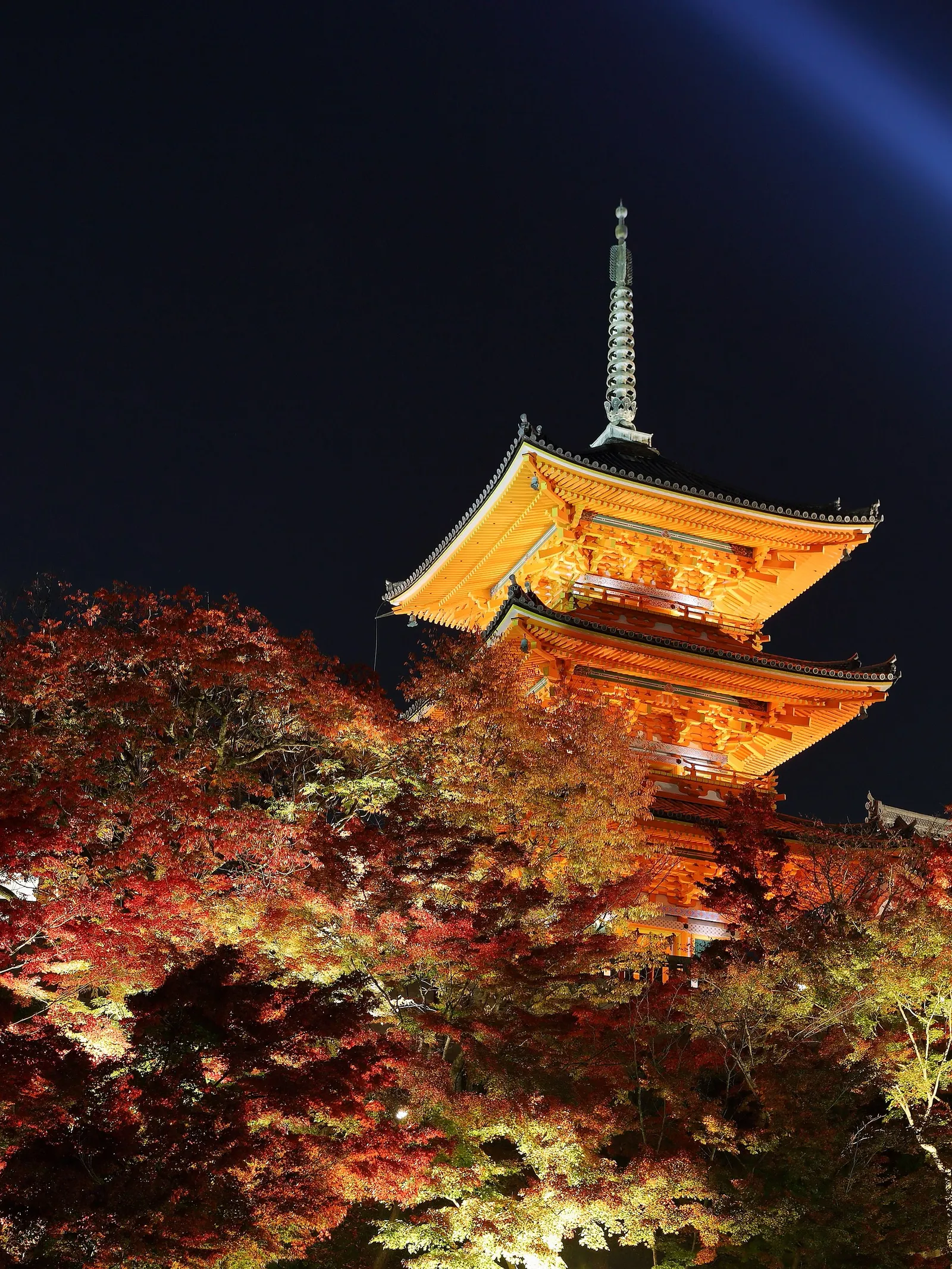
Japan takes autumn as seriously as it takes the cherry blossom, tracks it with the same nationwide forecasts, and gives it its own word: koyo. The difference is that the maples turn over weeks rather than days, the weather in October and November is the most reliable of the year, and the colour comes in layers, because the ginkgos go yellow while the maples go scarlet and the cedars stay dark green behind them. If you can only come once, this is arguably the season to pick.
How the season works
North to south, and high to low, which is the opposite of the blossom.
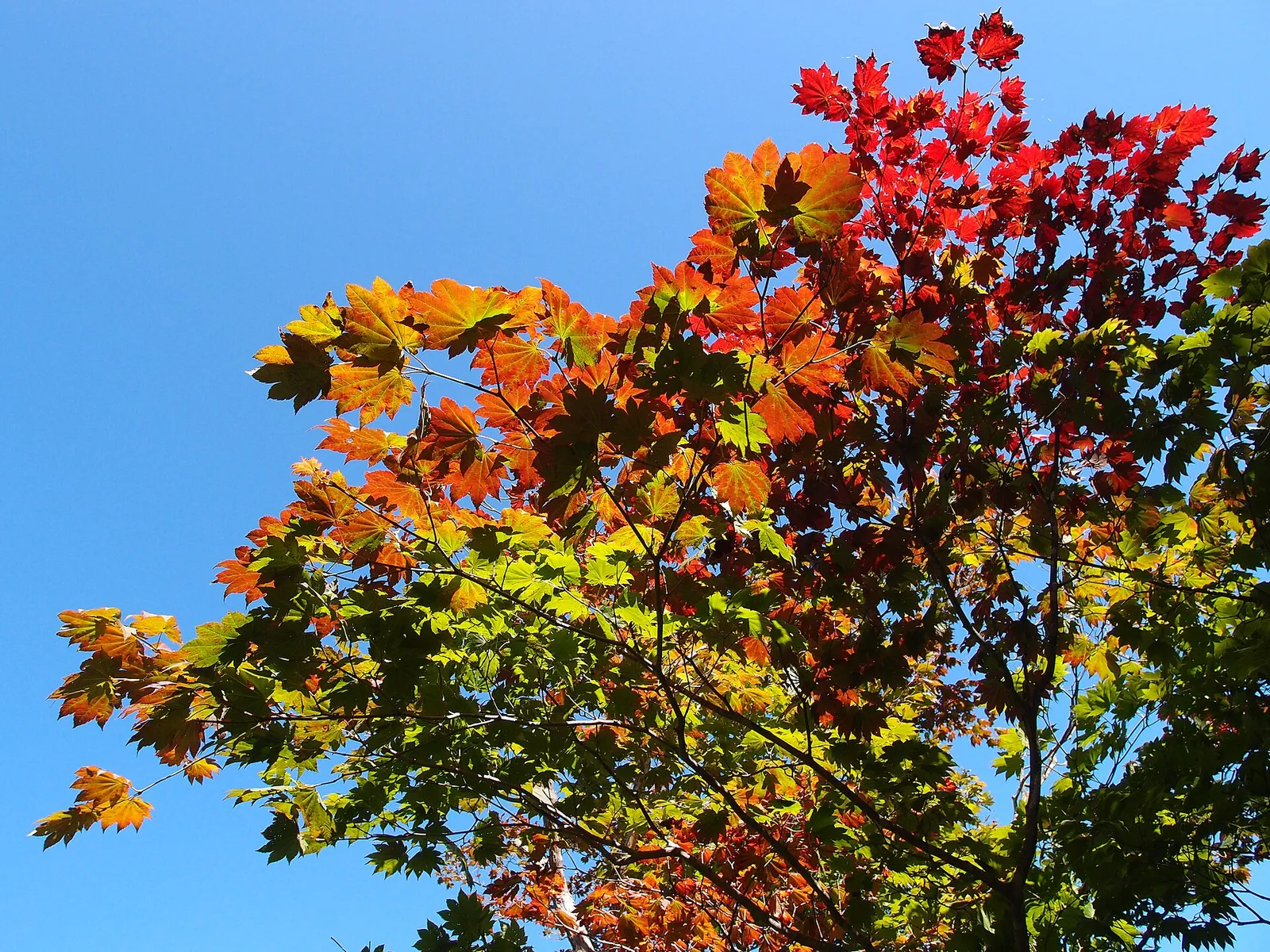
Late September in the Hokkaido mountains, October through the Alps and Tohoku, mid to late November in Kyoto and Tokyo, into December in the south.
Two to three weeks of good colour in any one place rather than one.
Forecasts are published from late summer and updated weekly.
Altitude is the lever: a valley floor and the ridge above it can be a fortnight apart.
A wet, warm autumn dulls the colour, and a cold snap sharpens it.
Where to go
Kyoto, where the temple gardens were designed for this and several are opened at night with the maples lit.
Nikko, a couple of hours north of Tokyo, with a gorge, a lake and a shrine complex in the trees.
The Japanese Alps, Kamikochi and the valleys around Takayama, in October.
Tohoku, the northern gorges and the Oirase stream, from early October.
Hakone and the Fuji lakes, in November, with the mountain behind.
Hokkaido, first of all, in the second half of September.
Doing it well
Start early at the famous temples, exactly as in any other season.
Go up. A rope-way, a mountain railway or a walk uphill will usually find you better colour than the valley floor.
Look at the ground as well as the trees; the moss gardens under maples are the point in several Kyoto temples.
Combine with an onsen, since the season and the hot water were made for each other.
Take a train with big windows, because several of the mountain lines are the sight.
Do not chase peak day. A few days either side is beautiful and considerably less crowded.
Practical notes
Kyoto in late November needs booking months ahead; almost nowhere else does.
Reserved train seats are worth having on the relevant weekends.
Layers, because the temperature swing between sun and shade and between afternoon and evening is large.
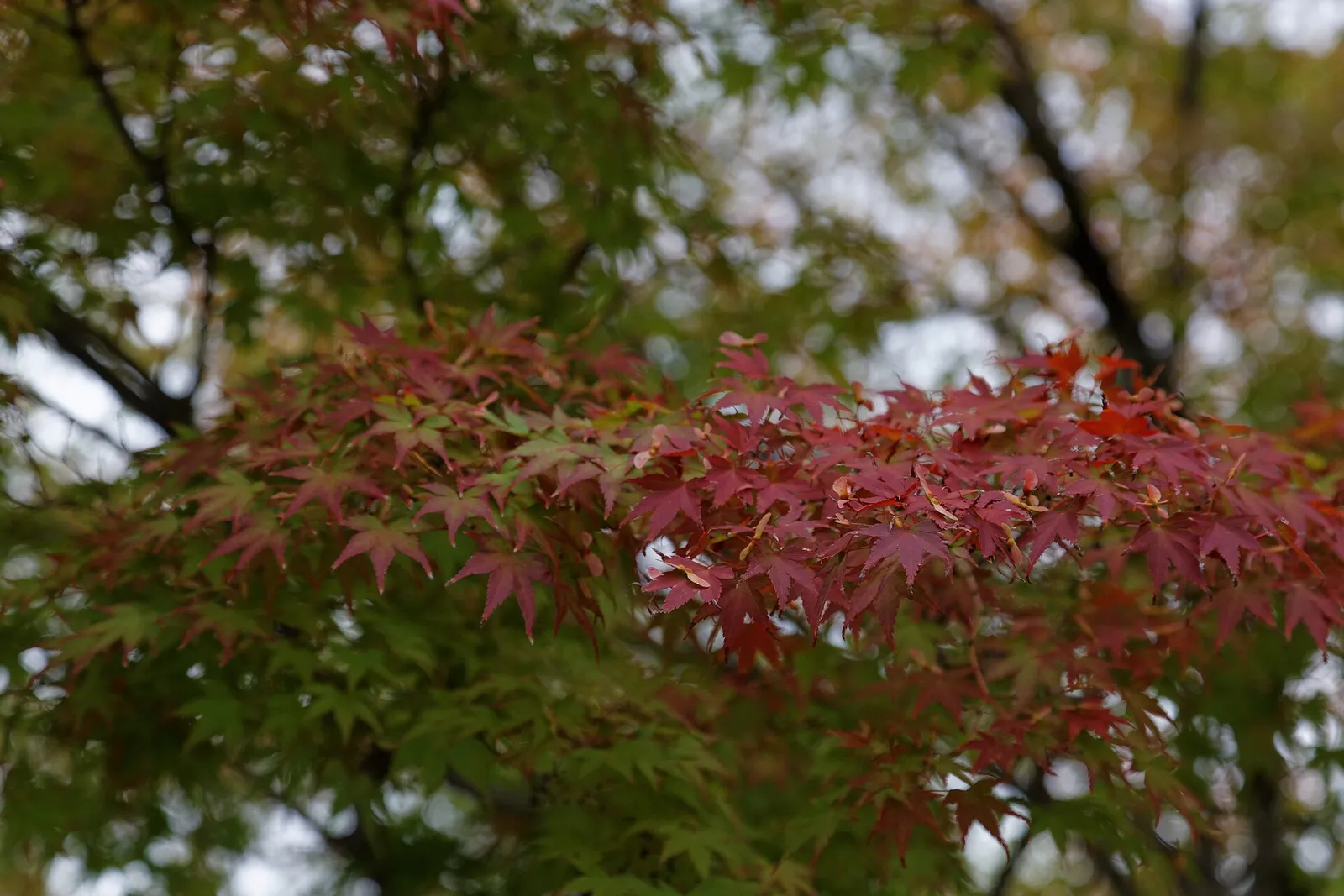
Rain in autumn is less disruptive than in spring, and wet maples photograph better than dry ones.
Public holidays in November add domestic crowds to specific weekends.
Illumination tickets are separate from daytime entry and sell out.
Where this fits in a Japan trip
Autumn is the season to build a trip around if the dates are yours to choose.
For the full year and how the other months compare, our guide to the best time to visit Japan covers the calendar.
For the other famous season and how the planning differs, our cherry blossom guide covers spring.
And for the Kyoto temples that are the heart of the November colour, our guide to Kyoto’s temples and Fushimi Inari covers which to choose.
The short version
The colour reaches the north weeks before Kyoto, and our five days in Tohoku follows it through Matsushima, Ginzan Onsen, Yamadera and Hirosaki, where the crowds are a fraction of the ones further south.
Come in autumn rather than spring if the choice is yours, because the season lasts weeks rather than days and the weather is better. Follow the colour downhill and southward: the northern mountains in late September, the Alps in October, Kyoto in the second half of November. Book Kyoto months ahead and almost nothing else. Get a ticket for one or two evening illuminations and take the earliest slot. And go a few days either side of peak, which looks almost identical and feels completely different.