Hokkaido feels like a different country from the rest of Japan, and it more or less is: wider roads, colder winters, a shorter history of settlement and a food culture built around fishing grounds and dairy farms rather than rice terraces. This plan bases you in Sapporo and works outward, with one day built to flex entirely between seasons, since Hokkaido in summer and Hokkaido in winter barely resemble each other. See getting around Japan for how travel here differs from the main islands, and check the best time to visit before you lock in which version of this trip you are taking.
Itinerary at a glance
| Day | Base | The signature experience |
|---|---|---|
| 1 | Sapporo | The Nijo market breakfast and the city’s brewing history |
| 2 | Otaru | A glassblowing workshop by the canal |
| 3 | Noboribetsu or Jozankei | An onsen town where the whole village smells of sulphur |
| 4 | Furano and Biei, or a ski day | Flower fields in summer, powder skiing in winter |
| 5 | Sapporo | The chocolate factory or Cape Kamui on the coast |
Day 1: Sapporo, ramen alleys and the Odori spine
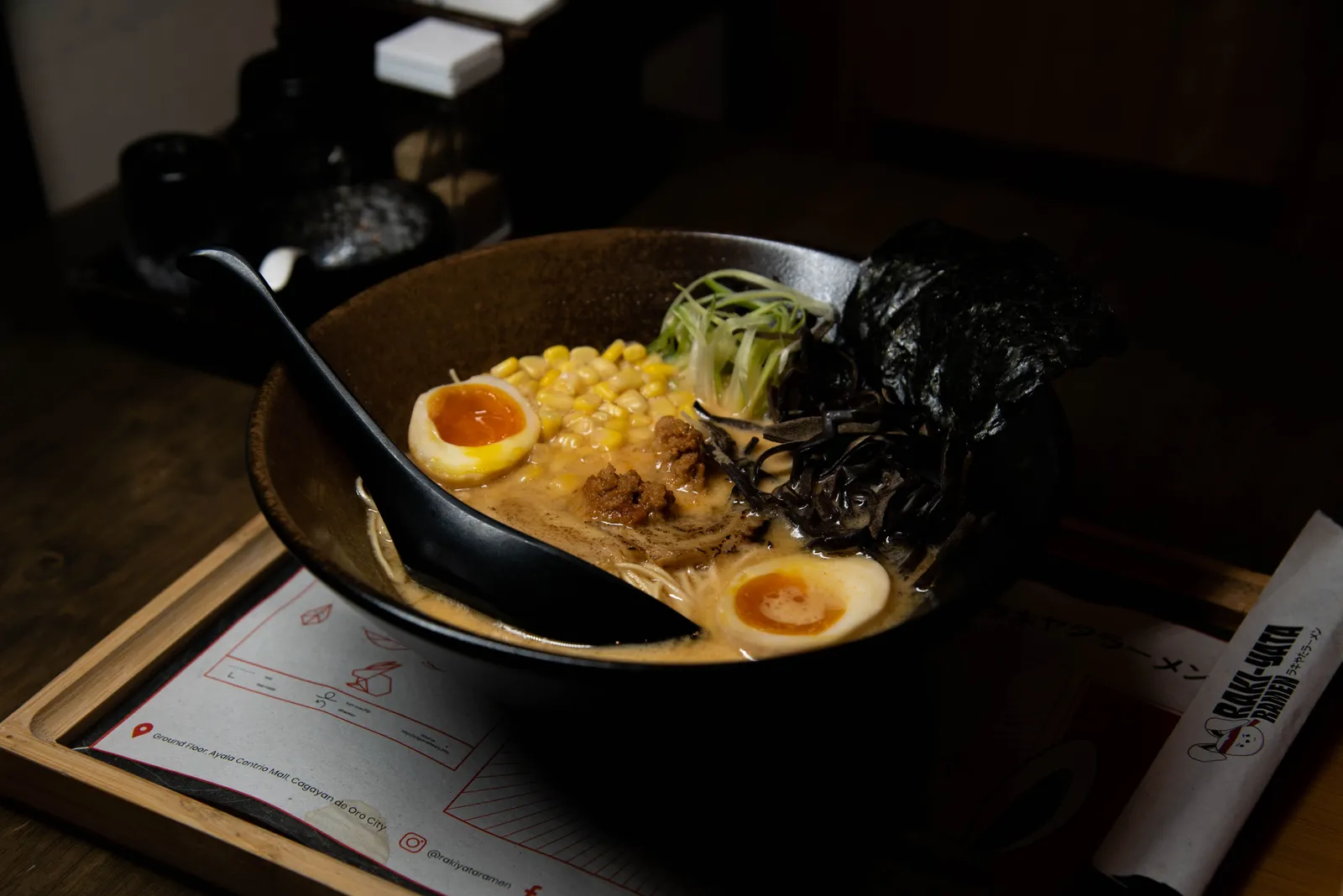
Sapporo is built around a wide, walkable spine, and Odori Park runs straight through the middle of it, a good orientation walk before you dive into the food the city is famous for. The clock tower, one of the oldest Western-style buildings in the city, is a small but genuinely historic stop, and the nearby beer museum covers Hokkaido’s long relationship with brewing, going back to the island’s earliest Western-style industry in the late nineteenth century. For lunch or an early dinner, look for the alley that has built its whole reputation around miso ramen, a rich, buttery style that Sapporo more or less invented and that suits the northern cold far better than the lighter styles found further south. Grilled lamb cooked over a distinctive dome-shaped grill, the fat draining away from the meat as vegetables cook around the rim, is another Hokkaido specialty worth seeking out on your first night.
Food: Sapporo miso ramen is the dish to build the day around, and the dome-grilled lamb makes an excellent, sociable dinner if you are travelling with others to share a grill. The signature experience: the Nijo market breakfast, working through stalls of fresh seafood, crab and seasonal produce while the market is still waking up. Optional tour: a Sapporo food and brewing history tour is a good way to understand how the city’s cuisine developed differently from the rest of Japan.
Day 2: Otaru, canals and glass
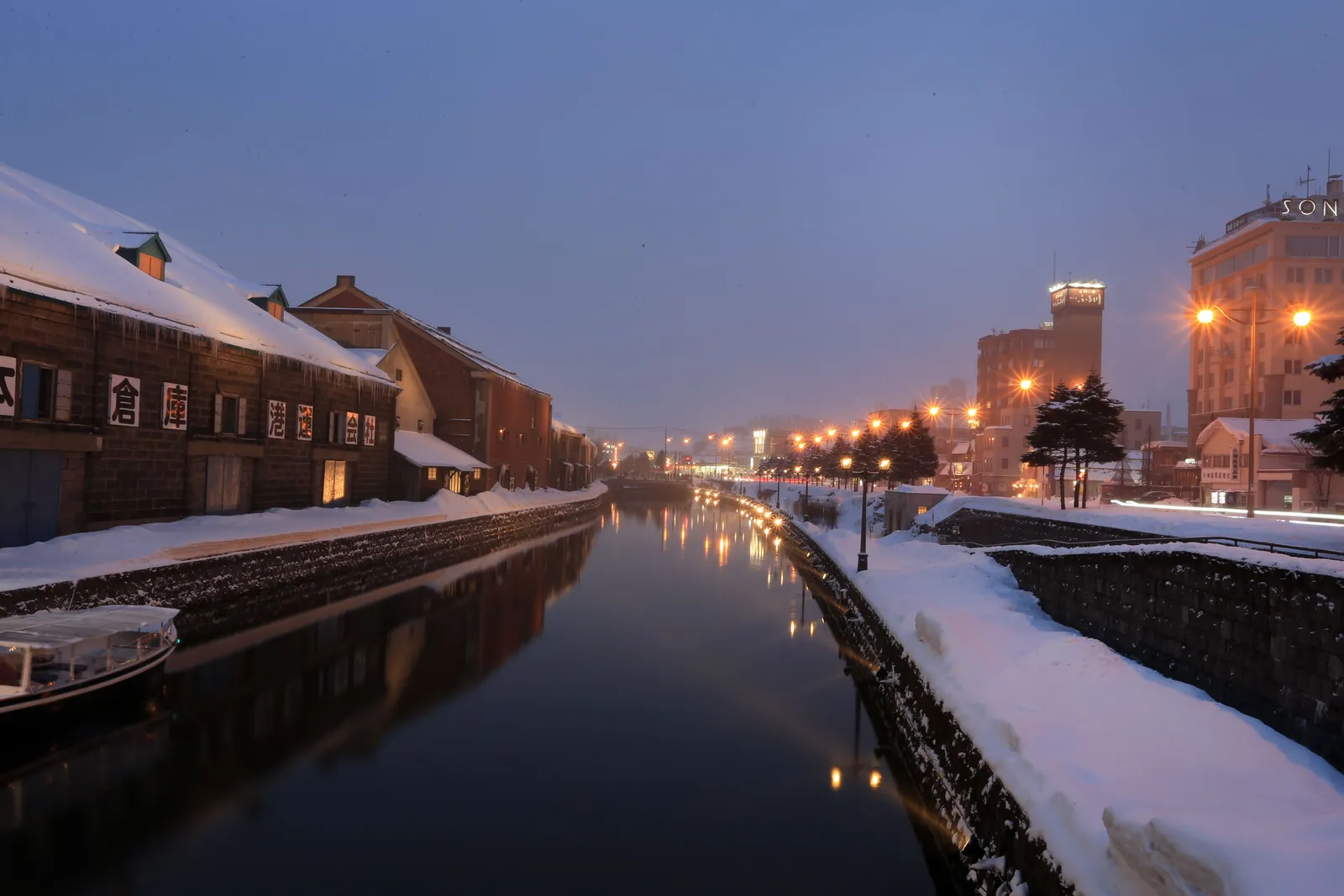
A short train ride brings you to Otaru, a former herring-trading port whose old stone warehouses now line a picturesque canal, particularly striking once the gas lamps come on in the evening. The town built its wealth on glass and herring in an earlier era, and that history survives today in a run of workshops where you can try your hand at glassblowing or decorate your own music box under instruction, both good, low-pressure ways to spend an hour. Otaru’s sushi street runs close behind the canal, drawing on the exceptional seafood landed nearby, and uni and scallops here are about as fresh as either dish gets anywhere in Japan.
Food: uni and scallops, often served the same day they are landed, are the reason people make the trip to Otaru in the first place. The signature experience: a glassblowing workshop in one of the studios near the canal, taking home something you made rather than something you bought. Optional tour: an Otaru canal evening walking tour, timed for the lamps coming on, is a pleasant, unhurried way to see the district at its most atmospheric.
Day 3: An onsen town, Noboribetsu or Jozankei
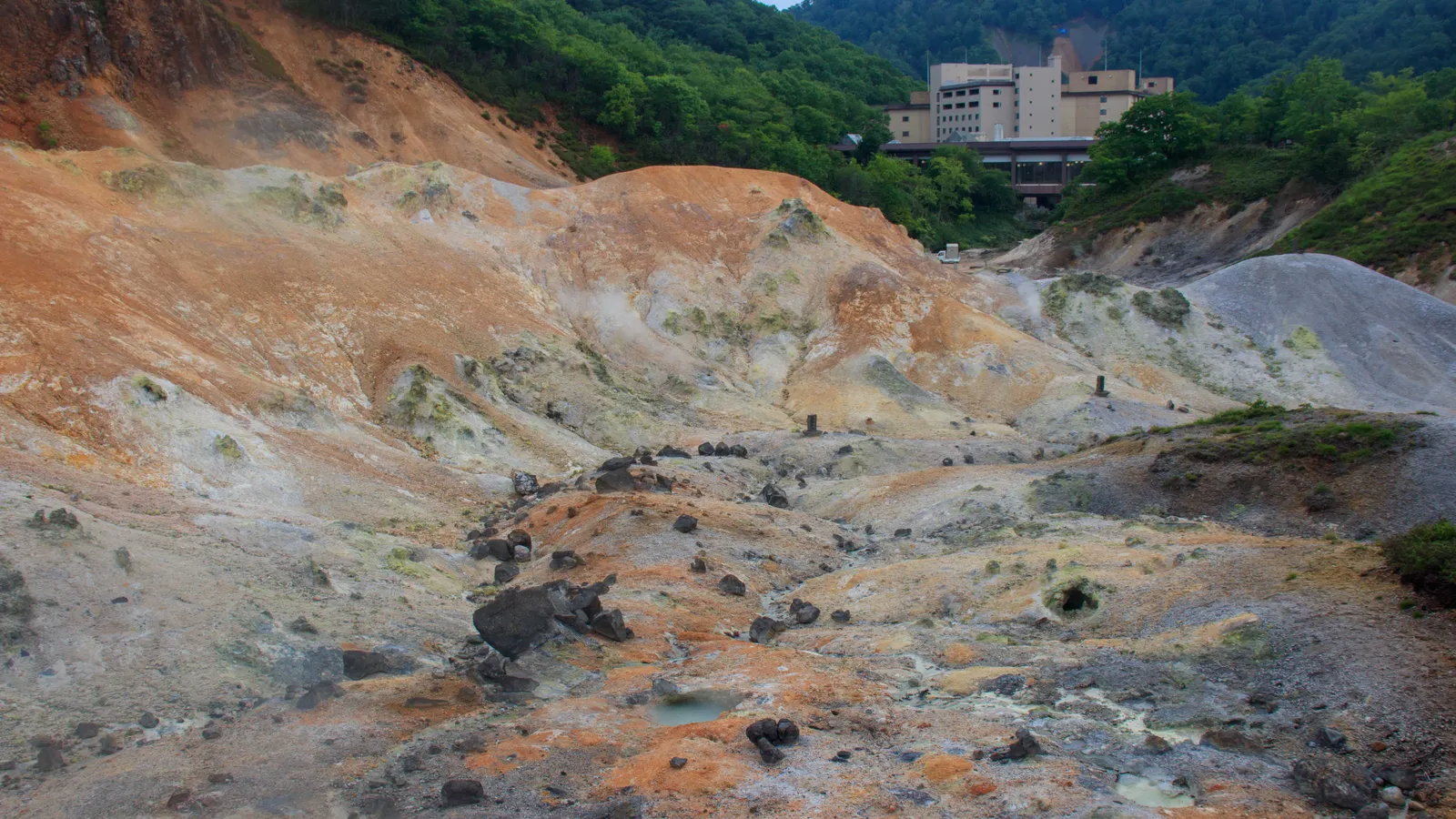
Give the third day to hot springs, choosing between two well-known onsen towns depending on how far you want to travel. Noboribetsu centres on Jigokudani, or hell valley, a volcanic basin of steaming vents and bubbling pools that gives the whole area its name and its distinctive sulphur smell. Jozankei sits closer to Sapporo, a gentler river-valley onsen town that makes for an easier half-day trip if you would rather not commit a full day to travel. Whichever you choose, an evening at a ryokan built around its own hot spring, with a proper multi-course dinner, is the point of the detour rather than a side note.
Food: an onsen town ryokan dinner, typically a seasonal set menu built around local seafood and mountain vegetables, is worth planning the evening around. The signature experience: the steaming vents of Jigokudani at Noboribetsu, a genuinely dramatic landscape that explains exactly why this whole area became a hot spring resort. Optional tour: a Noboribetsu day tour from Sapporo is a straightforward option if you would rather not manage the return journey yourself in a single day.
Day 4: Furano and Biei, or a day on the snow
This is the day the season decides for you. In summer, Furano and Biei are Hokkaido’s postcard landscape, rolling hills striped with lavender and other flower fields in season, and a scenic drive through the two towns covers most of the highlights without needing to plan a complicated route. A farm cafe lunch, often built around the region’s dairy and, later in summer, its melon harvest, fits naturally into the day. In winter, swap the flower fields for a ski day instead: the interior mountains within roughly an hour of Sapporo are known for a particularly dry, light snow that skiers travel from across the world specifically to ride, and a single day is enough to understand why the reputation exists.
Food: in summer, a farm cafe serving local dairy and, when it is in season, Hokkaido melon, is the natural lunch stop; in winter, a hearty lodge meal after a morning on the slopes serves the same purpose. The signature experience: the rolling flower fields of Furano and Biei in summer, or the powder snow of the interior mountains in winter, depending entirely on when you have come. Optional tour: a Furano and Biei scenic drive tour in summer, or a guided ski day with equipment rental in winter, both remove the logistics from a day that otherwise depends on a car or specialist gear.
Day 5: Shiroi Koibito or the coast, then home
On your final day, choose between two very different closing notes. The Shiroi Koibito chocolate factory, built around Hokkaido’s best-known souvenir biscuit, is a genuinely charming stop even if chocolate factories are not usually your thing, with a mock European facade and a small museum on the biscuit’s history. Alternatively, the coast road out towards Cape Kamui on the Shakotan Peninsula gives you cliffside views over water known locally for its striking blue colour, a quieter and more scenic way to spend a last morning before heading back to Sapporo for your flight.
Food: pick up a box of the local chocolate biscuit as a souvenir if you visit the factory, and a coastal seafood lunch is the better choice if you head out towards Cape Kamui instead. The signature experience: the cliffside views along the Shakotan Peninsula coast road, one of Hokkaido’s least crowded scenic drives. Optional tour: a Shakotan Peninsula day tour covers the coast road without requiring you to drive yourself on your final day.
Practical tips
- This itinerary changes completely between summer and winter, so confirm the season before you book, and treat day four as the one to plan around your season rather than a fixed date.
- Hokkaido is large and public transport thins out away from Sapporo and Otaru, so a rental car is worth considering for the Furano, Biei and coastal legs.
- Winter driving in the interior requires proper tyres and caution; if you are not confident on snow and ice, a guided tour is the safer choice, and keep Japan’s emergency numbers saved regardless.
- Check that your travel insurance covers skiing or snow sports before you book a ski day, since standard policies do not always include them.
- Pack for genuinely different conditions from mainland Japan: Hokkaido summers are milder and winters considerably colder and snowier.
- Check current opening hours and seasonal closures for workshops, farms and ski facilities against their official pages, since many operate on a shortened schedule outside peak season.