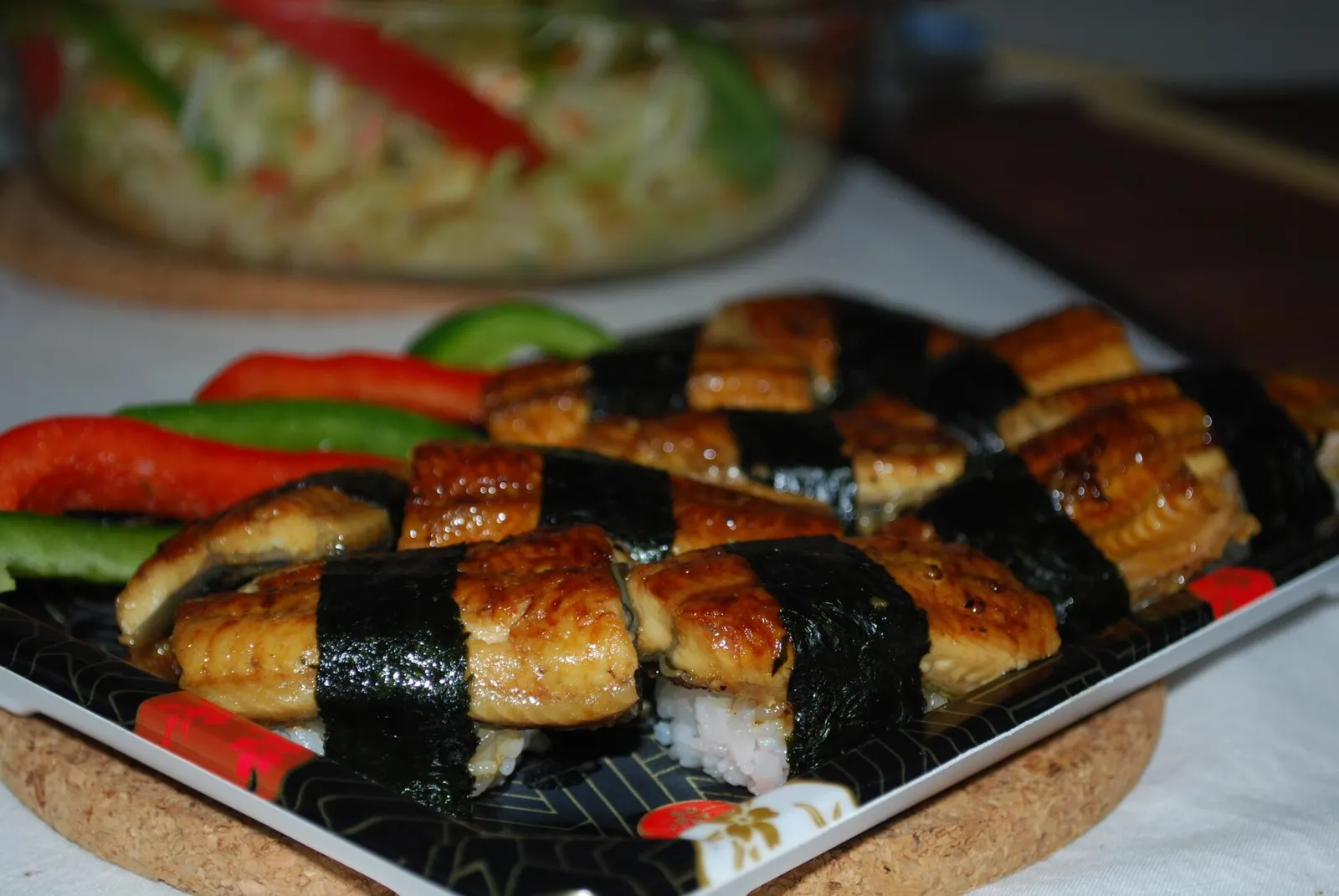
Sushi in Japan is not one restaurant at one price. It runs from a plate off a conveyor belt costing less than a coffee to a silent counter where a meal costs more than a hotel night, and the two ends have almost nothing in common except the rice. Visitors tend to know the extremes and miss everything between them, which is where most of the good eating is.
The four tiers
Think of sushi in Japan as four distinct formats rather than a quality ladder.
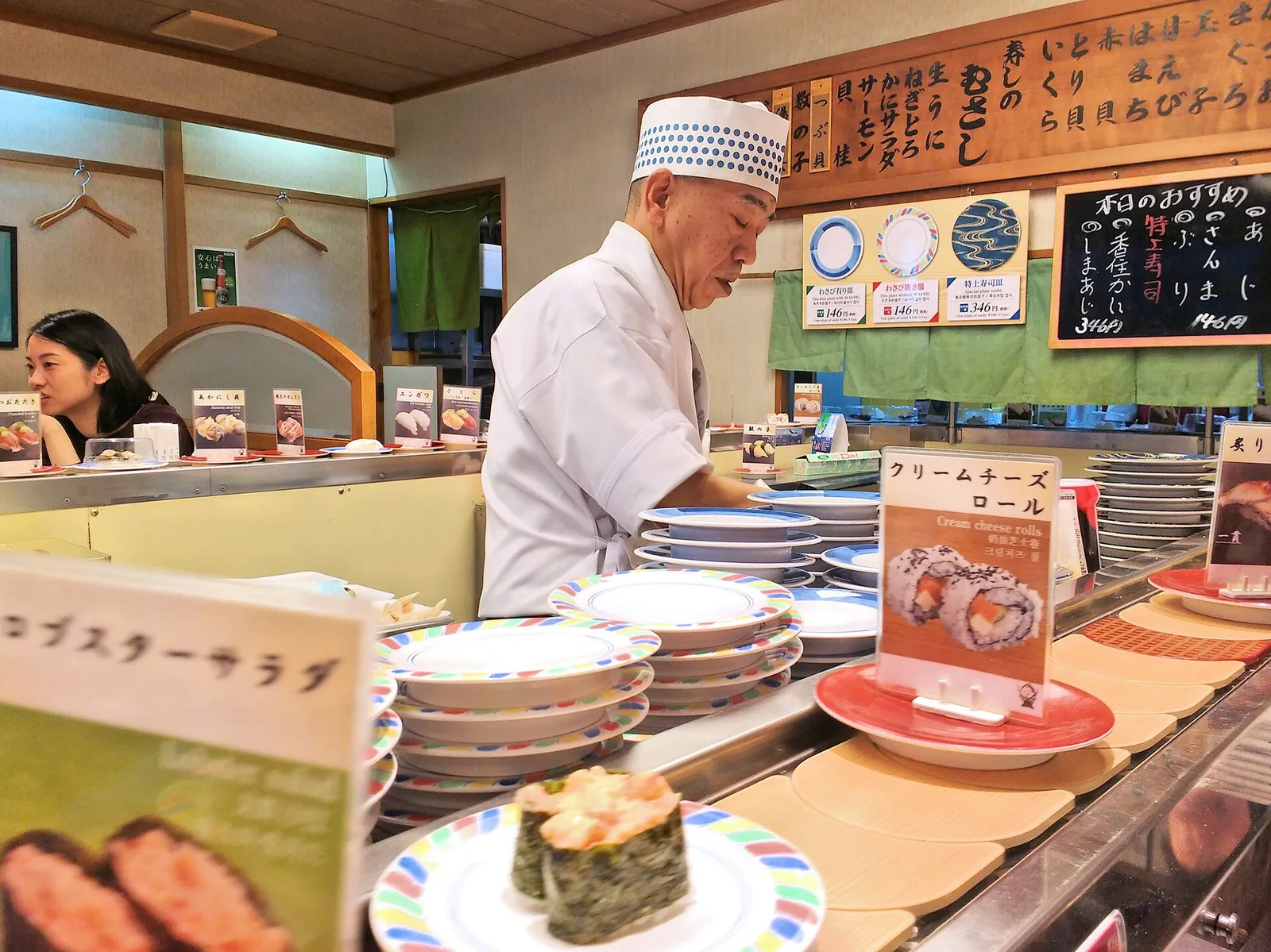
Kaitenzushi, the conveyor belt. Plates circulate, or you order on a touchscreen and it arrives on its own express lane. Priced per plate by colour. Cheap, fast, consistent, and where a great many Japanese families eat.
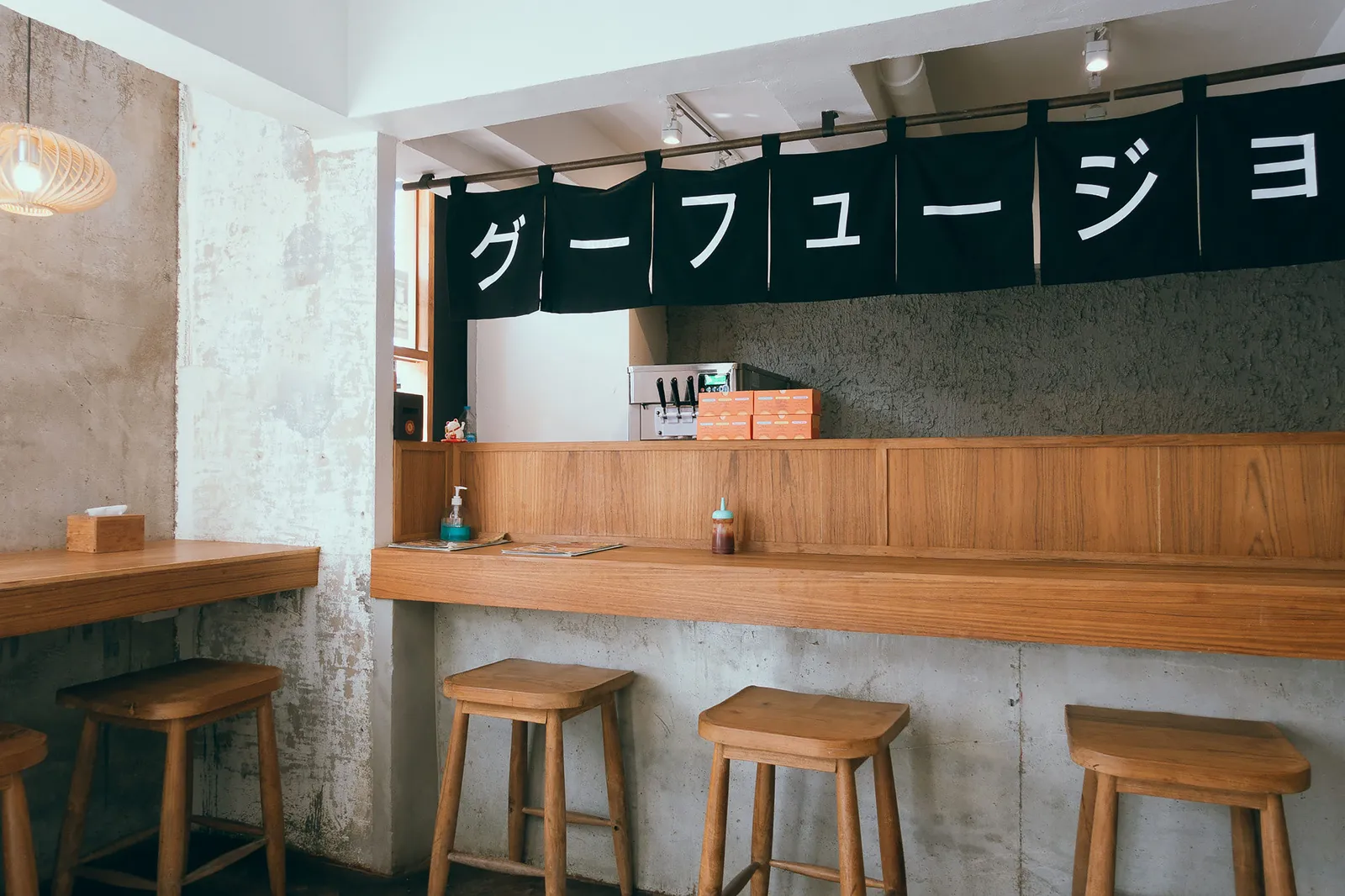
The standing bar. A counter with no seats, near stations and markets, where you eat a handful of pieces and leave. Fast, inexpensive and often surprisingly good.
The neighbourhood shop. A small owner-run restaurant with a counter, a few tables and a lunch set. The tier visitors miss and the best value in the country.
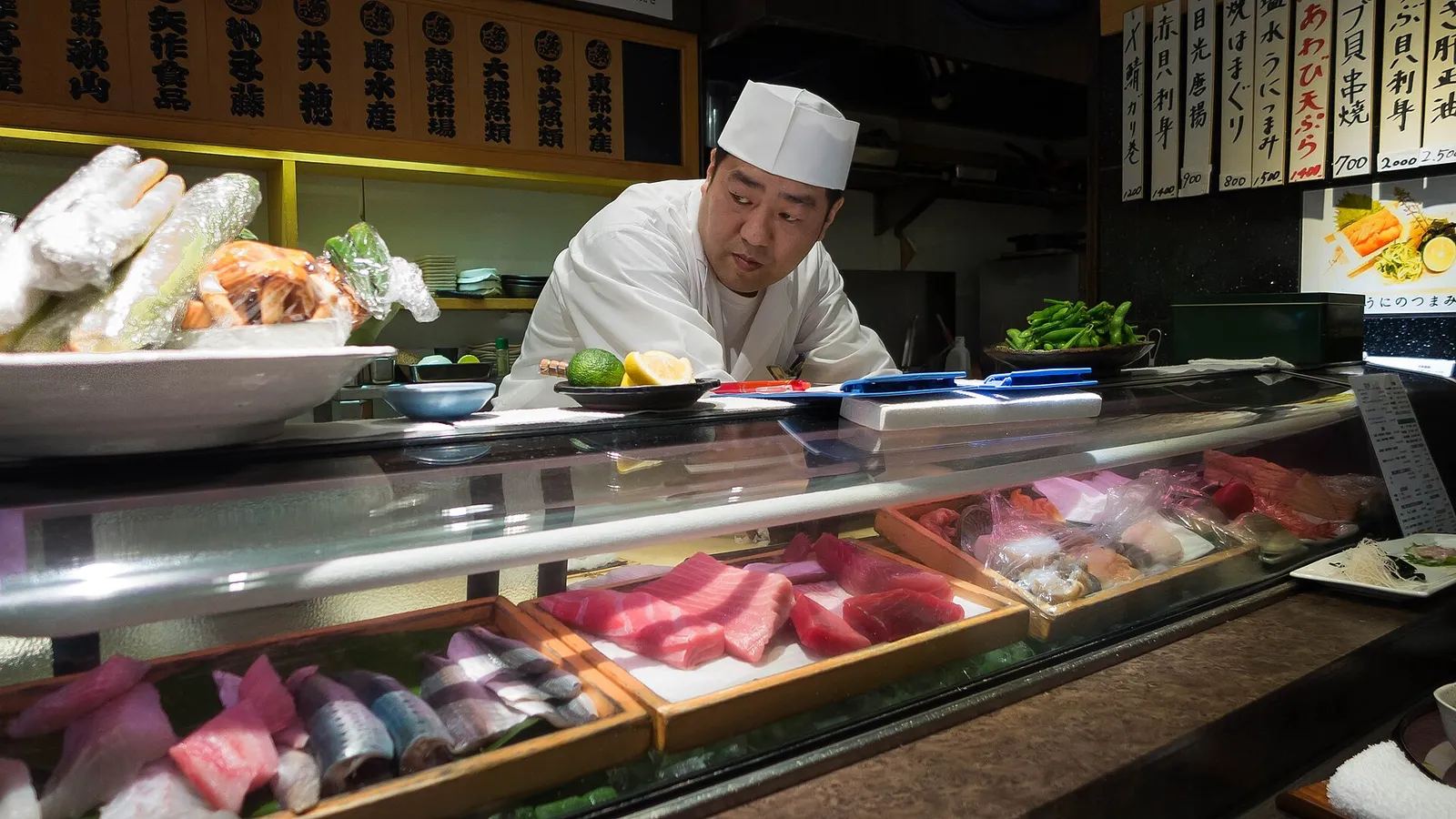
The counter omakase. A dozen seats, no menu, pieces served one at a time by the chef in front of you. The version that costs serious money, booked out months ahead at the top.
None of these is a compromised version of another. They are separate meals for separate occasions.
Conveyor belt sushi, done properly
The large chains are the easiest restaurant in Japan for a visitor to walk into, and they deserve better than the reputation they get abroad.
You take a ticket at the door and wait for your number, which at busy times is a real wait.
You order on a screen, usually with English and photographs of everything, and the food arrives on a belt or a small express tray.
Plates are priced by pattern, and the bill is counted or scanned from the stack at the end.
The menu is not only sushi. Fried chicken, noodles, soup and an ambitious dessert section are standard, which makes this the reliable answer for a family with a child who does not want raw fish.
Quality varies between chains and branches, and a good branch in a coastal town can be excellent for the money.
The neighbourhood shop, which is where to eat
If you take one recommendation from this page, take this one.
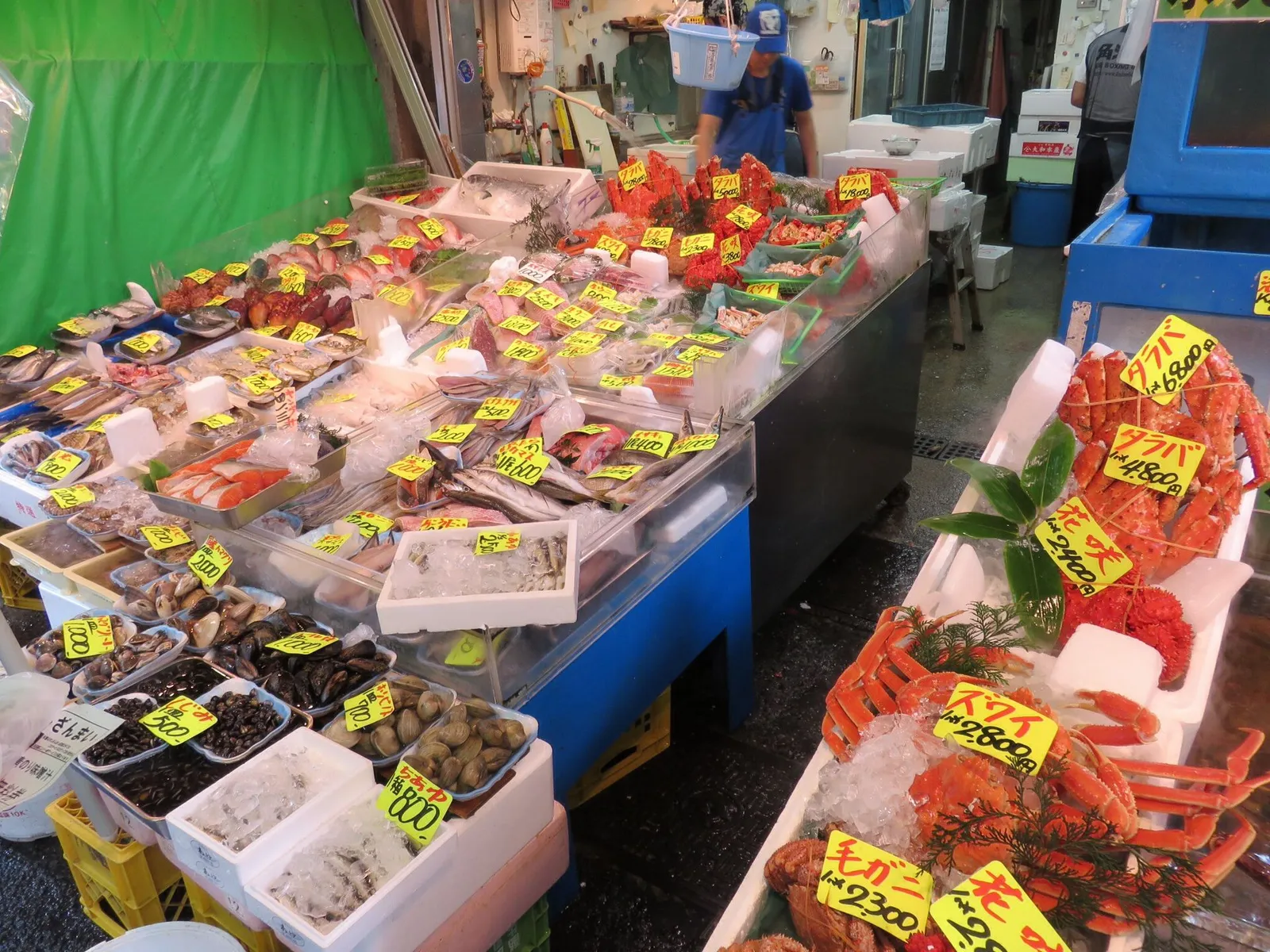
A small owner-run sushi restaurant on an ordinary street, with a counter and a handful of tables, is the best value eating in Japan and the tier most visitors never try. The fish is bought at the market that morning by the person serving it to you.
Go at lunch. Sushi lunch sets are one of the great bargains in Japanese eating, and the same shop at dinner costs several times more.
Do not be put off by no English. Point at the set menu, usually a photograph or a lacquered board with two or three options at different prices, and you will be fine.
Look for shops busy with local office workers, which is the only quality signal you need at midday.
Counter etiquette without the anxiety
Sushi etiquette is written about far more than it is enforced, and the rules that matter are few.
Eat each piece straight away. Nigiri is assembled at a temperature and a moment, and letting it sit while you talk is the one thing that genuinely disappoints a chef.
Hands are fine. Nigiri has always been finger food, and using them at a counter is normal rather than a faux pas.
Dip the fish, not the rice. Turn the piece and touch the fish lightly to the soy sauce. Rice-first means it soaks up, falls apart and overwhelms the fish.
Do not add wasabi yourself. At a proper counter the chef has already put the right amount between fish and rice, and the dish of wasabi is there for sashimi.
Ginger between pieces, not on them, and no strong perfume, which is a real request at a good counter.
Nobody expects a visitor to be fluent in this, and a chef would far rather you enjoyed the meal than performed it correctly.
What to order, tier by tier
At a conveyor belt, start with salmon, tuna, prawn and egg, then try the things you cannot identify, because at that price a mistake costs almost nothing.
At a neighbourhood shop, take the set. It is chosen to show what the shop does well and priced to bring you back.
At a counter, take the omakase, and say at the start if there is something you cannot eat rather than pushing it aside later.
Everywhere, the seasonal item is the point. Japanese sushi shops change what they serve through the year in a way that is invisible on a translated menu, so asking what is good today is the most useful question you can ask.
Where sushi fits in a trip
Sushi is not the whole of Japanese food, or even the everyday half of it. The cheap and brilliant eating is spread across a dozen other formats, from noodle counters to izakaya to department store basements, and our guide to food in Japan covers how the landscape fits together.
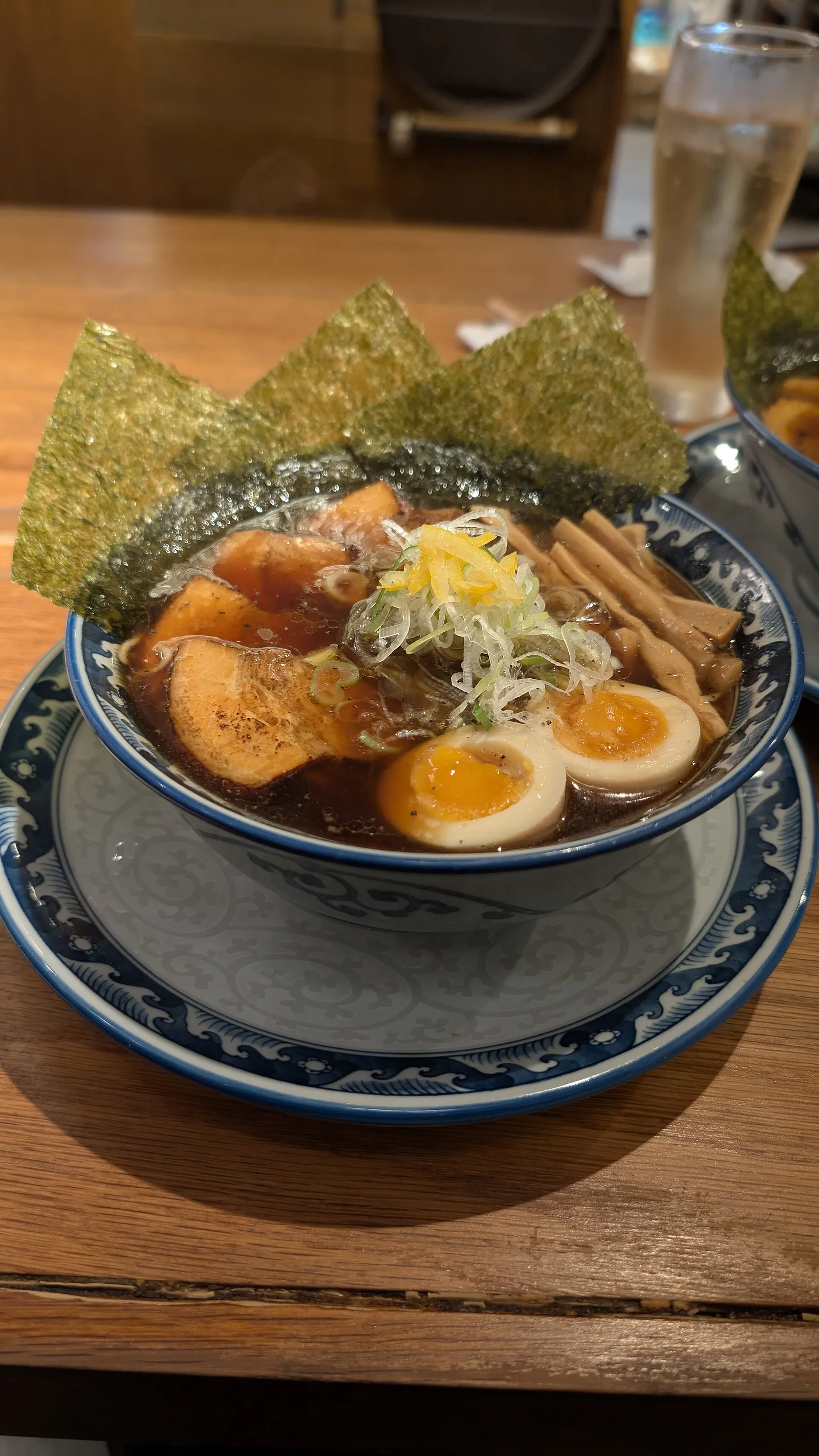
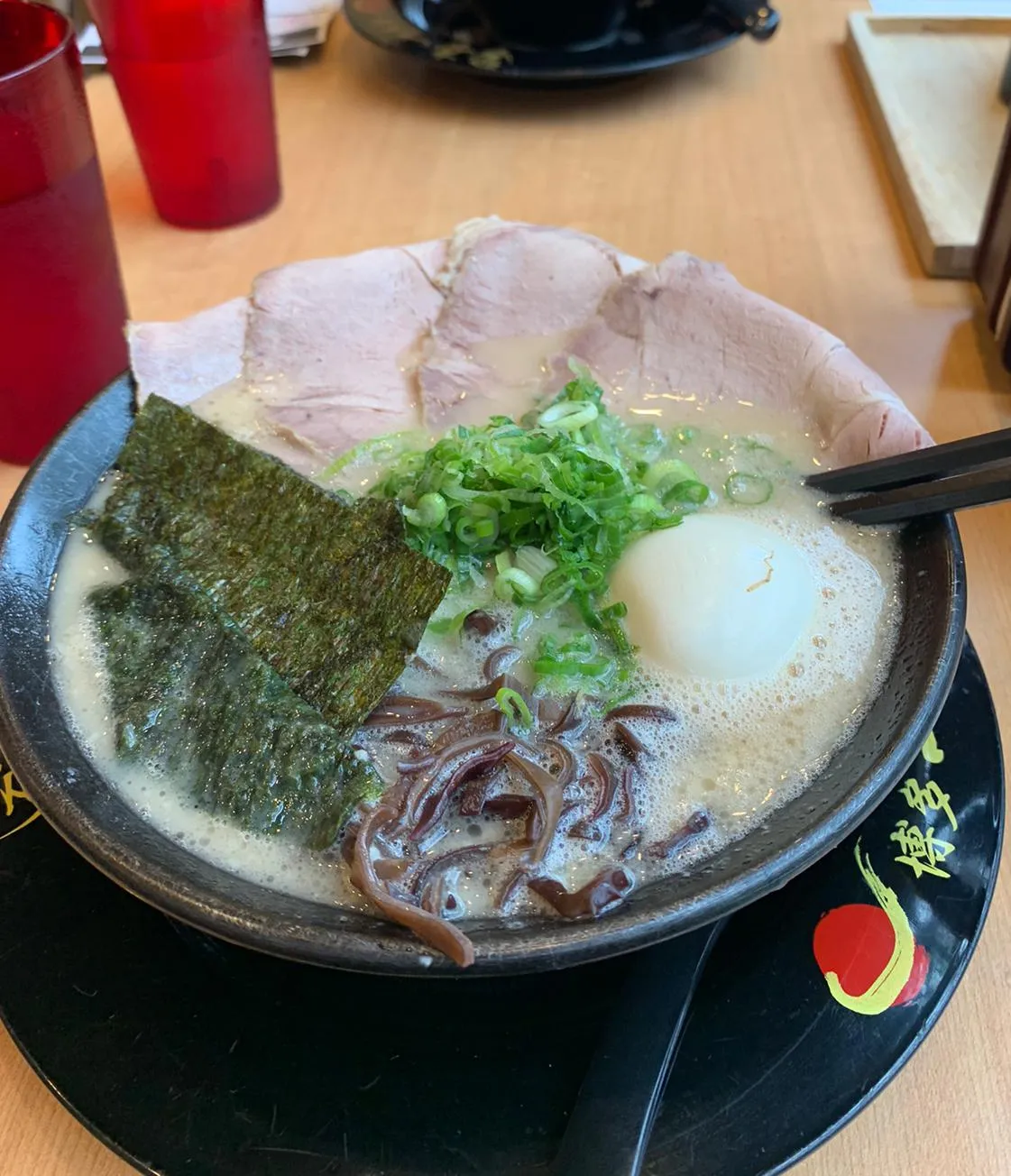
For the most useful cheap meal in the country, our regional guide to ramen covers ordering from a ticket machine and the differences between the broths. And for the meals between the meals, our guide to Japan’s convenience stores explains why you never go hungry here whatever the hour.
The short version
Treat conveyor belt sushi as a real option rather than a fallback, since it is cheap, easy and where Japan actually eats. Find a small neighbourhood shop and go at lunch, because the set there is the best value fish in the country. Save the counter omakase for one evening, book it, and establish the price before you sit down. Then eat each piece as it arrives, use your hands, dip the fish rather than the rice, and ask what is good today.