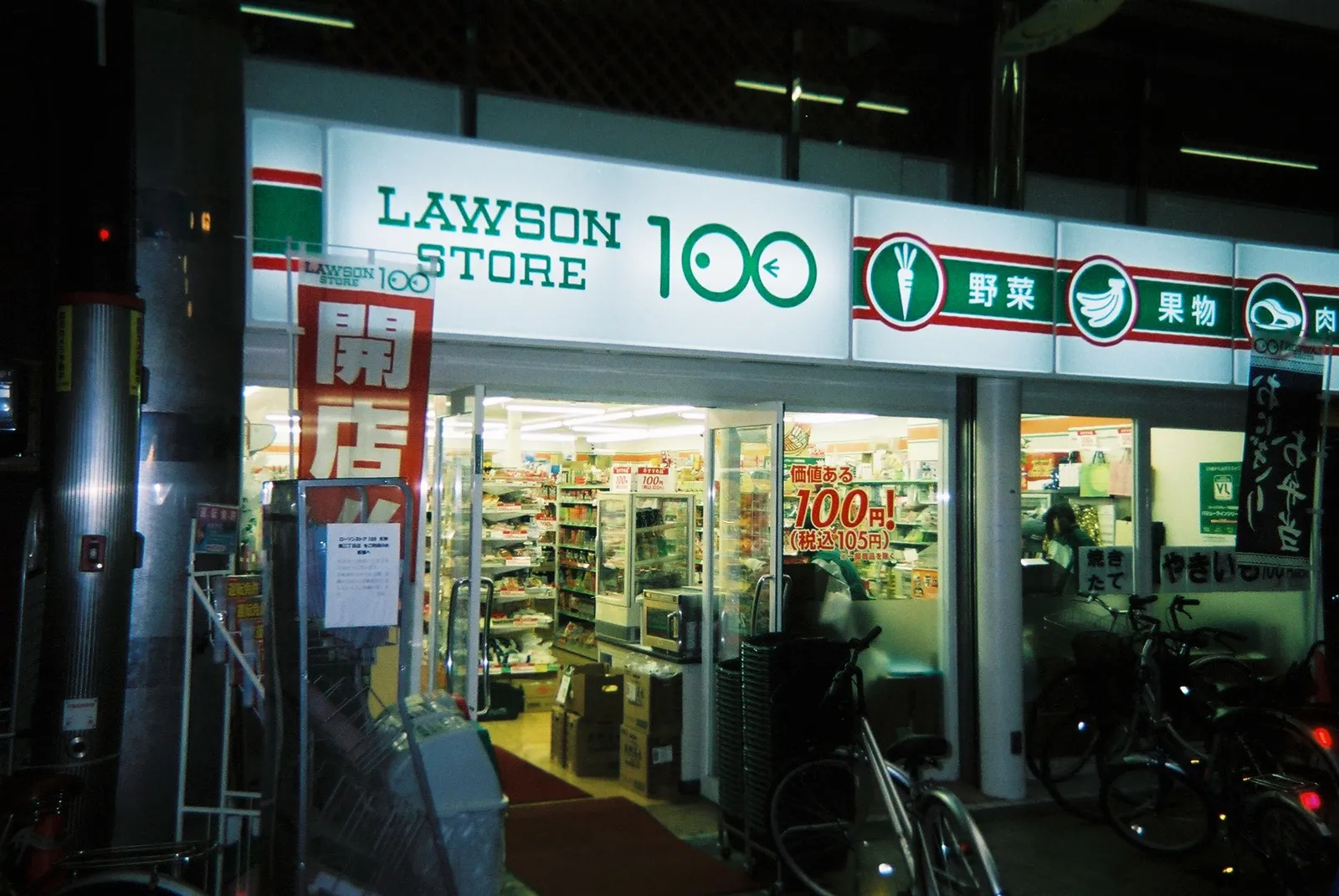
The convenience store is the piece of Japanese daily life that visitors talk about most on the way home, and it is genuinely difficult to explain to anyone who has not been. These are not petrol station shops. They are open at every hour, they are everywhere, and the food in them is good enough that people who could eat anywhere eat there regularly. For a traveller they quietly solve cash, breakfast, the long train journey, the late arrival and the printer you suddenly need.
The three chains
Three national chains dominate and you will pass all of them constantly. The differences are real, small, and a running argument among residents.
One is generally held to have the best fried chicken at the hot counter, which is a bigger deal than it sounds and has a genuine following.
One is known for its own-brand bakery and coffee, and for a range of premium versions of ordinary items.
One is rated highest for sandwiches and desserts, and tends to be the one people name for the fresh food case.
Regional chains exist too, and in some parts of the country they are better than any of the three. In practice you use the one on your corner, and if you are there long enough you develop an opinion.
What to actually buy
The fresh case is the point, and it is restocked several times a day.
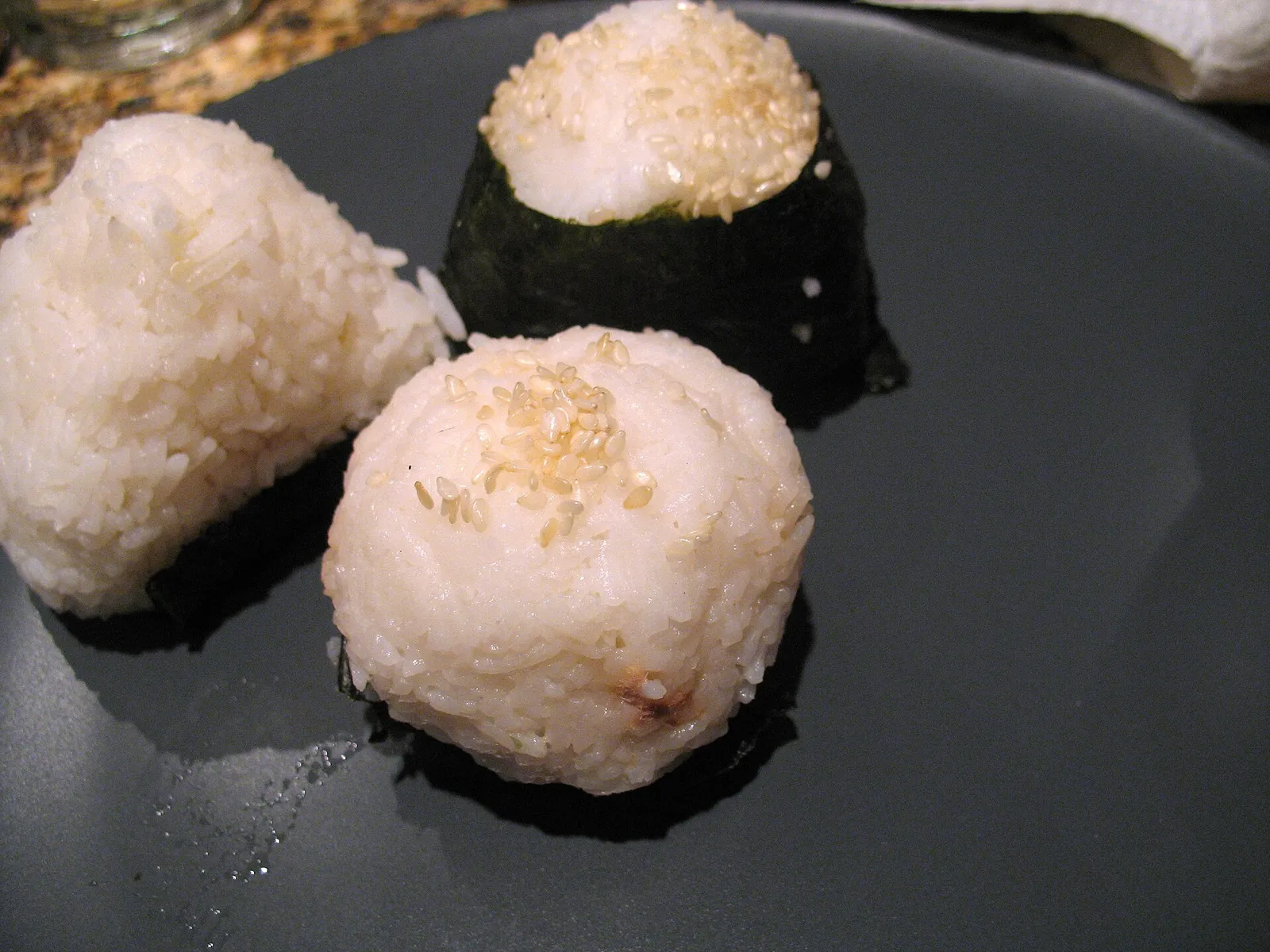
Onigiri. Triangular rice balls wrapped in nori, filled with grilled salmon, cod roe, pickled plum, tuna mayonnaise and a dozen other things. There is a packaging trick that keeps the nori separate from the rice until you open it, and the numbered tabs on the wrapper are the instructions. This is the cheapest good meal in Japan.
Sandwiches. Soft white bread with the crusts off, egg salad above all, plus fruit and cream versions that sound wrong and are not.
Bento and pasta. Full meals, heated at the counter on request, and the standard answer for a train journey.
The hot counter by the till. Fried chicken, croquettes, steamed buns in winter, and in colder months a pot of oden simmering away.
Drinks. An entire wall of them, including hot cans of coffee and tea in winter from a heated cabinet, which is one of the small pleasures of a Japanese January.
The services nobody tells you about
This is where a convenience store stops being a shop.
Printing. The multifunction machines print from a phone, a USB stick or a cloud account, which solves a boarding pass, a booking confirmation or a form at eleven at night.
Luggage and parcels. You can send a suitcase from one hotel to another and travel with a day bag, which transforms a multi-city trip on trains with limited luggage space.
Tickets. The machines sell tickets to concerts, museums, theme parks and events, and are frequently the cheapest or only way to buy some of them.
Bill payment and collection points for online orders.
Toilets, clean and free, in most branches.
Umbrellas, for a few hundred yen, at exactly the moment you need one.
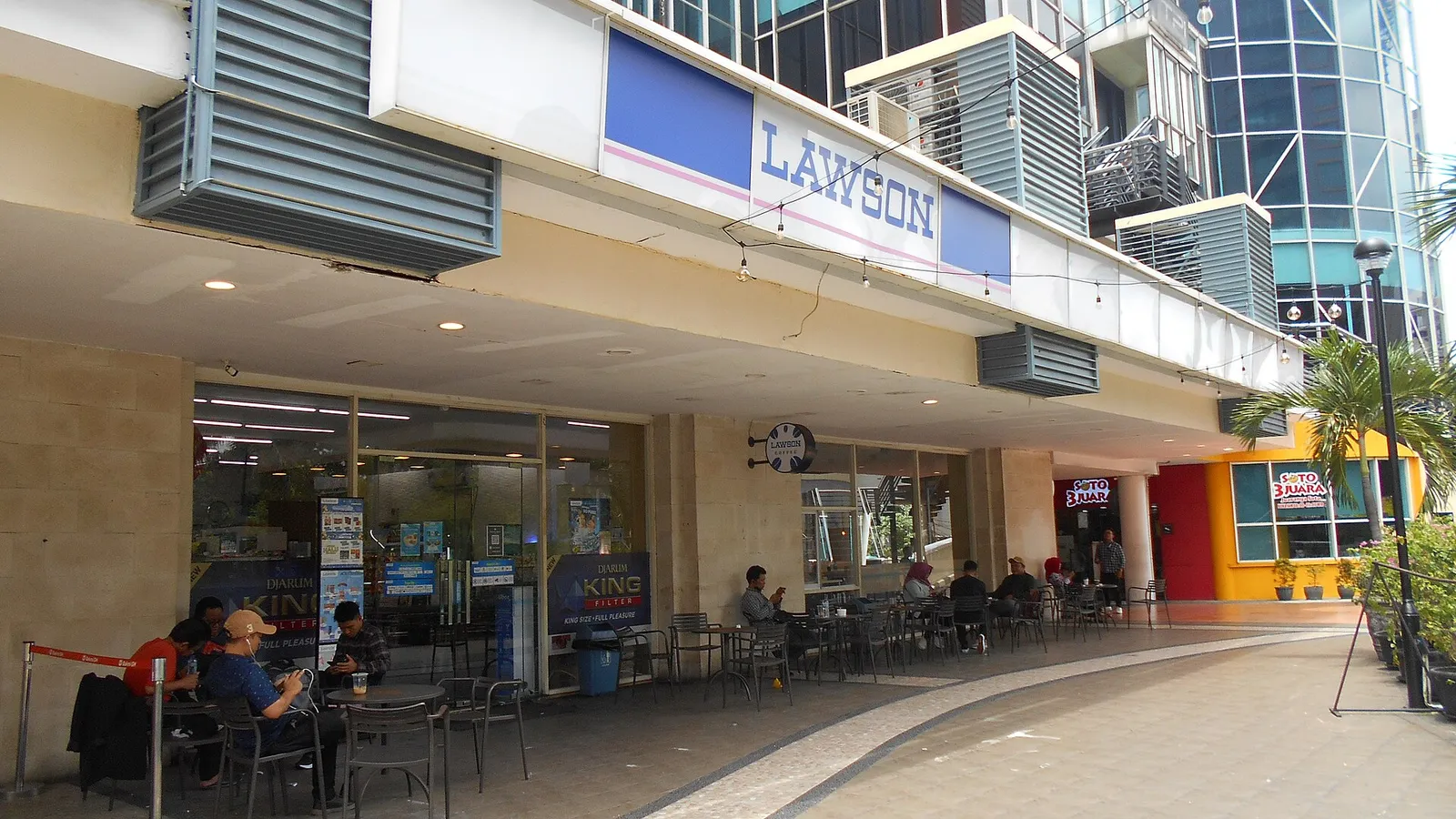
Using them well
A few habits make the difference between using a konbini and relying on one.
Breakfast here is a good decision, not a compromise. Hotel breakfast in Japan is frequently expensive and a rice ball, a coffee and a piece of fruit costs almost nothing.
Stock up before a long train journey. Station platforms have less than you expect and long-distance trains have limited service.
Heating is offered and expected. The staff will ask whether you want a bento warmed, and chopsticks, a straw or a spoon come with it.
Bins are inside the store, not on the street, which is the other thing every visitor eventually learns. Japanese streets have almost no public bins, and the convenience store is where your rubbish goes.
Eating while walking is mildly frowned on in a way that varies by place. Standing near the shop or sitting down is the safer habit.
Cashless works nearly everywhere here, including foreign cards and transport IC cards, so this is one of the easiest places in Japan to pay without notes.
Where this fits with eating properly
None of this is an argument for eating your way around Japan out of a fridge case.
The country is one of the great eating destinations on earth at every price level, and our guide to food in Japan covers what to eat, where the cheap brilliant meals are, and how the restaurant formats differ from what you are used to.
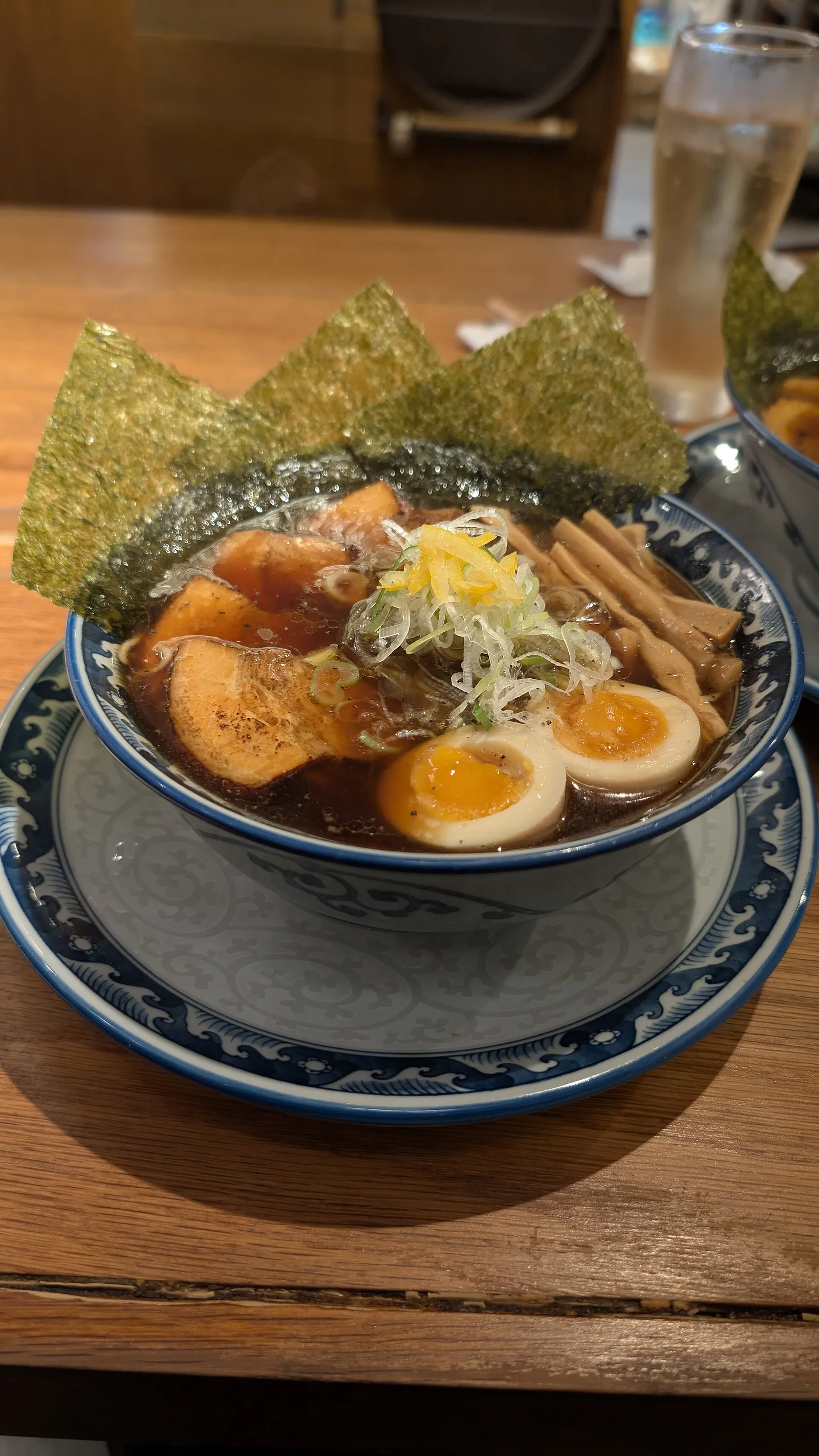
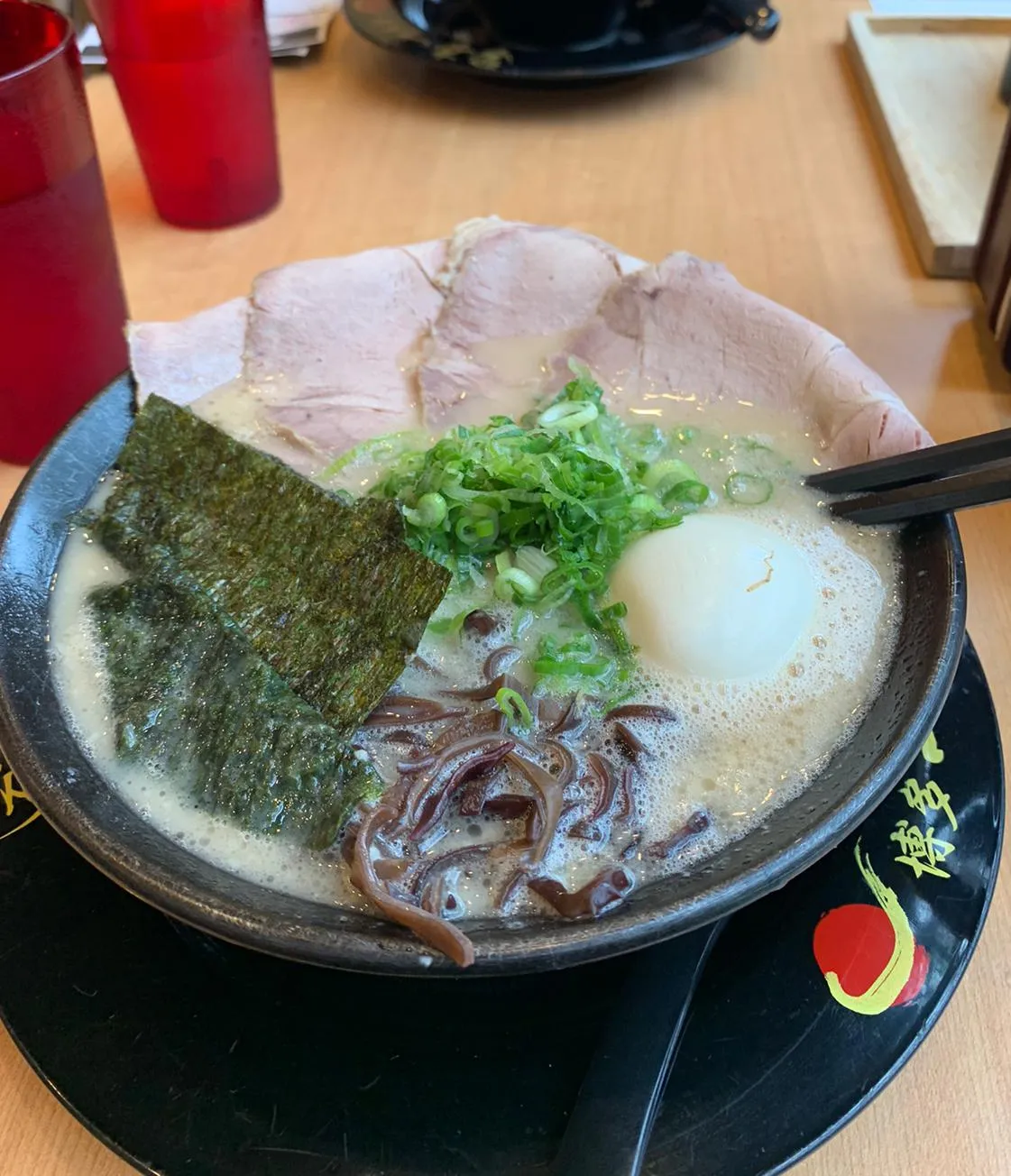
For the best value hot meal in the country, our regional guide to ramen covers ordering from a ticket machine and what separates the broths.
And for the meal that people plan a trip around, our guide to sushi in Japan covers the full range from the conveyor belt to the counter, including the middle tier that most visitors never find.
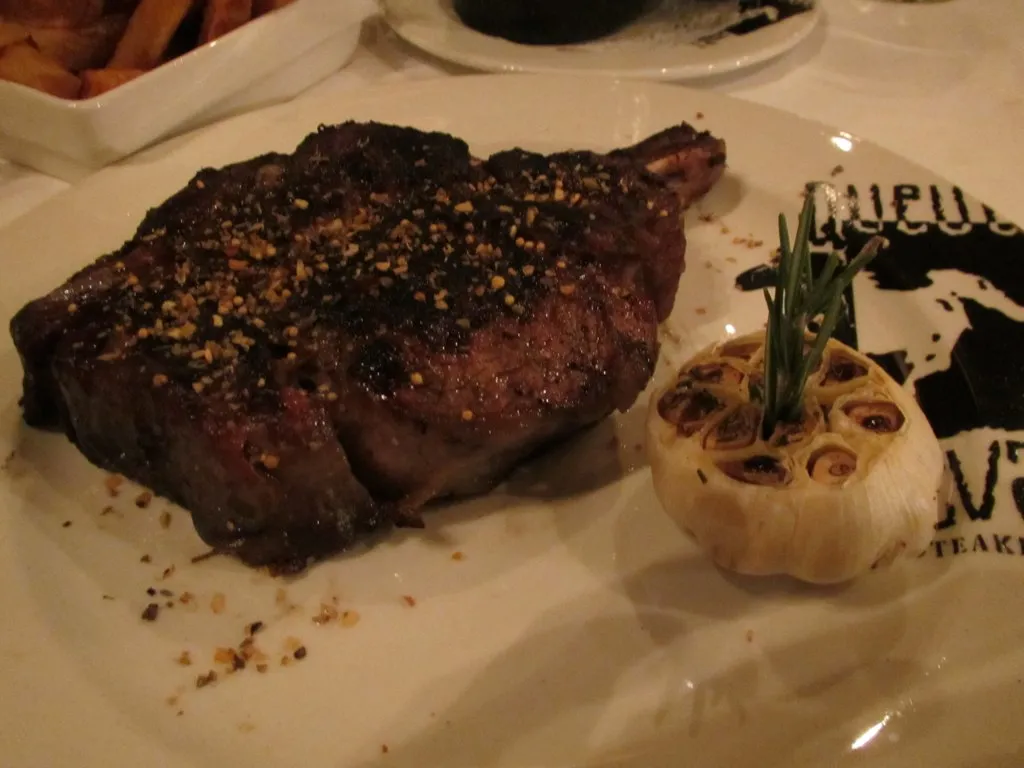
At the other end of the scale entirely, our guide to wagyu and Kobe beef covers the one dinner worth breaking a budget for, and how to tell what you are actually being sold.
The right use of a konbini is the gaps: breakfast, the train, the late arrival, the walk back at midnight, and the morning you cannot face a decision.
The short version
Convenience stores in Japan are open at all hours, are everywhere, and sell food that is genuinely good rather than merely available. Buy onigiri, sandwiches and the fried items at the hot counter, and stock up before any long train journey. Use the ATM inside for cash, since it is the most reliable place for a foreign card in the country and it is open at three in the morning. Remember the printer, the luggage service and the ticket machines, put your rubbish in the bin inside the shop, and treat all of it as the thing that fills the gaps between proper meals rather than as a replacement for them.