Japan is not a country with a large Jewish history, and what it does have is unusual enough to be worth knowing. The community here is small, concentrated in two cities and largely a product of the last century and a half of foreign trade. There is no old quarter to walk and no medieval story to tell. What there is instead is a wartime chapter that surprises almost everybody who encounters it, two working communities that are used to hosting travellers, and a food question that is more solvable than it looks provided it is solved before you land rather than after.
What is actually here
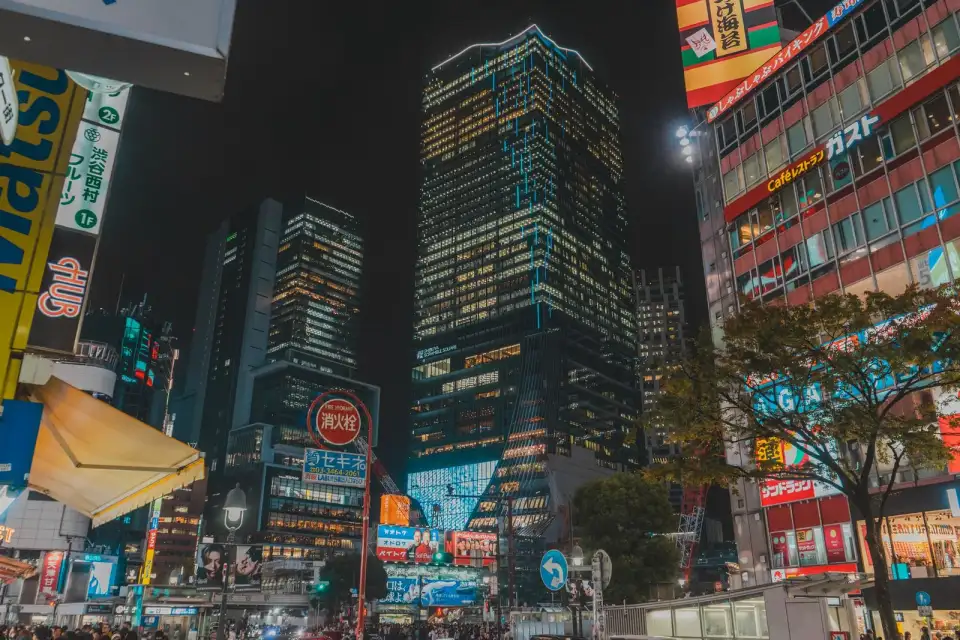
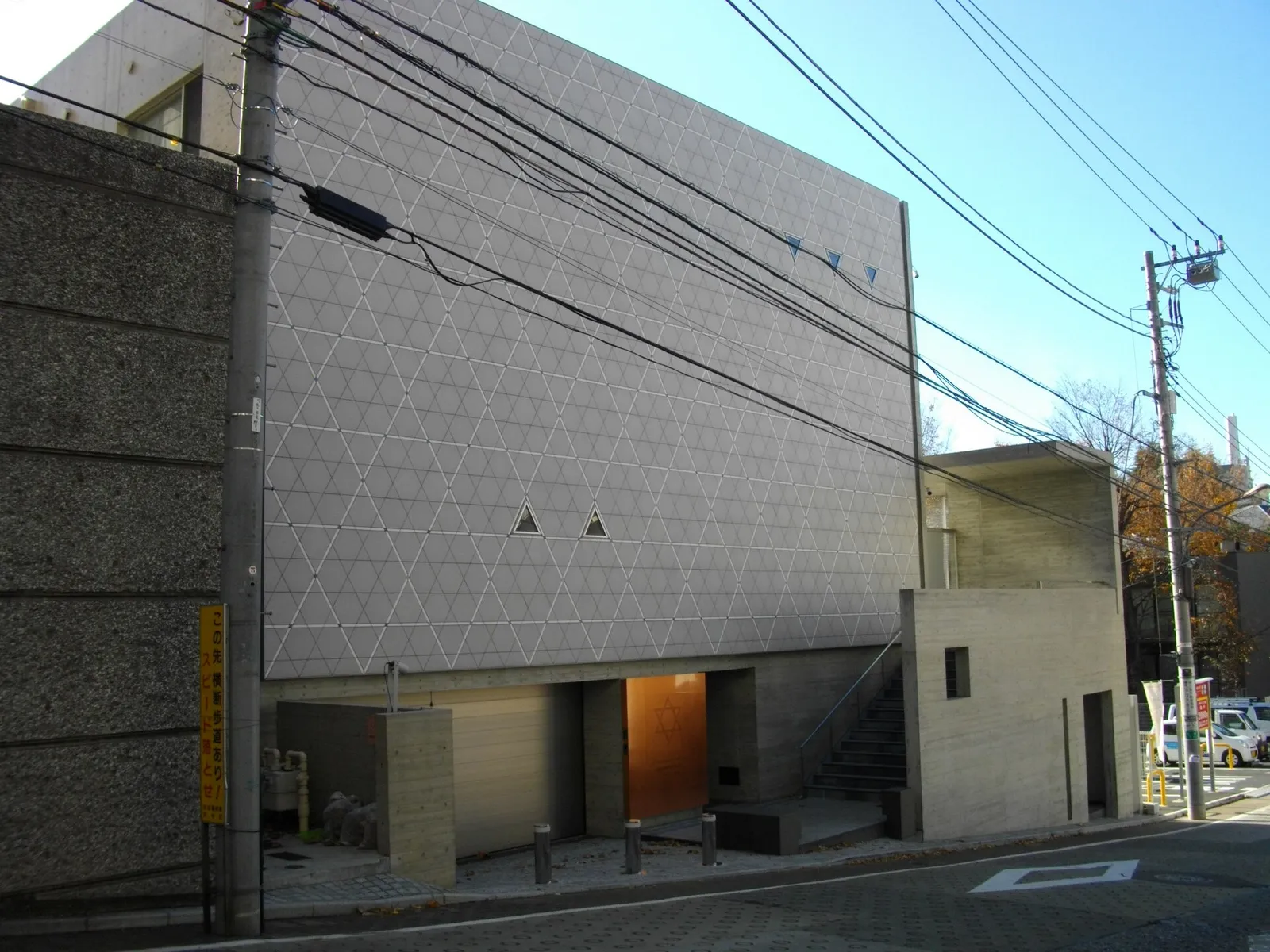
Tokyo, where the main community and synagogue are, in the capital’s western districts.
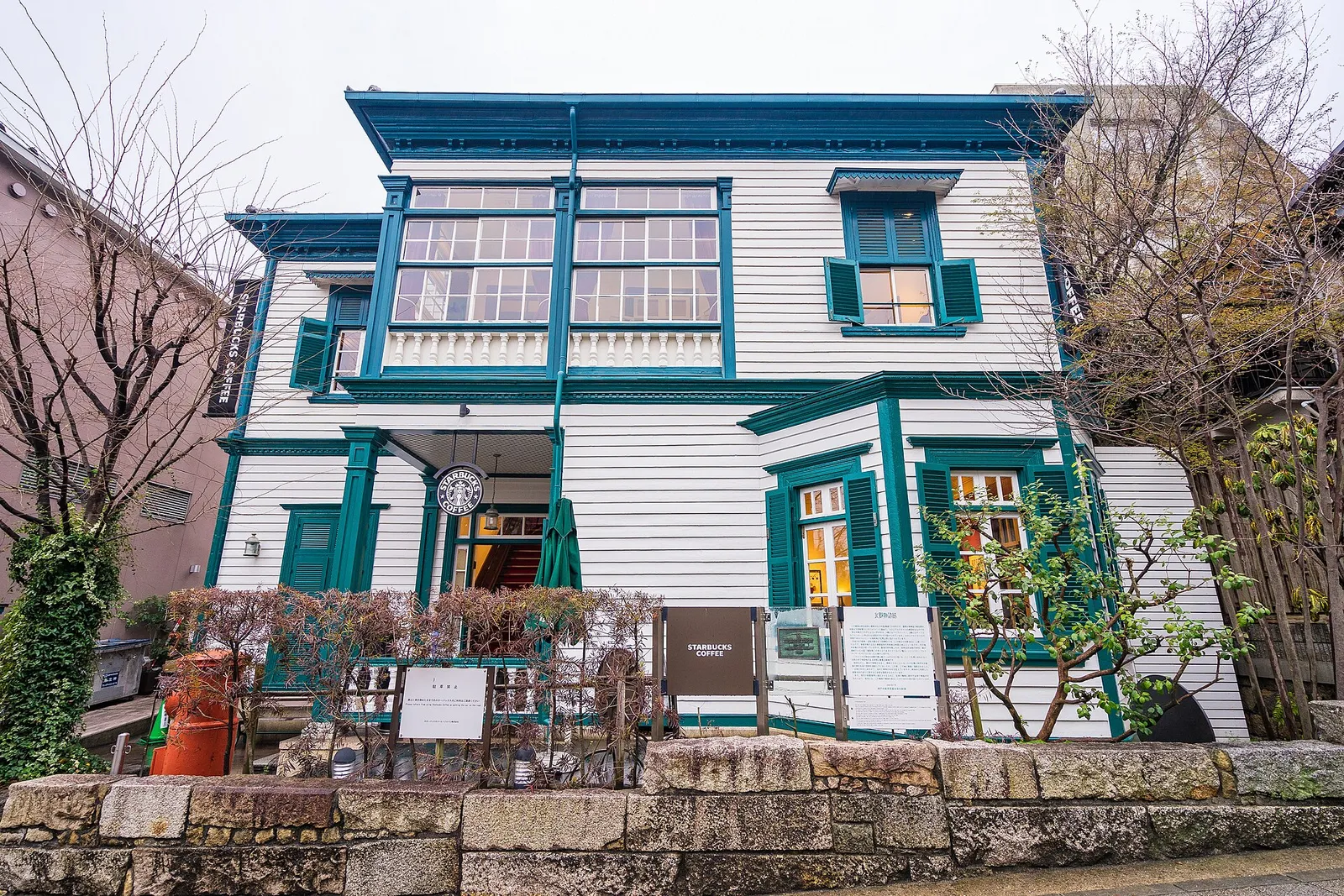
Kobe, which has the older of the two communities, dating from the port’s foreign settlement era.
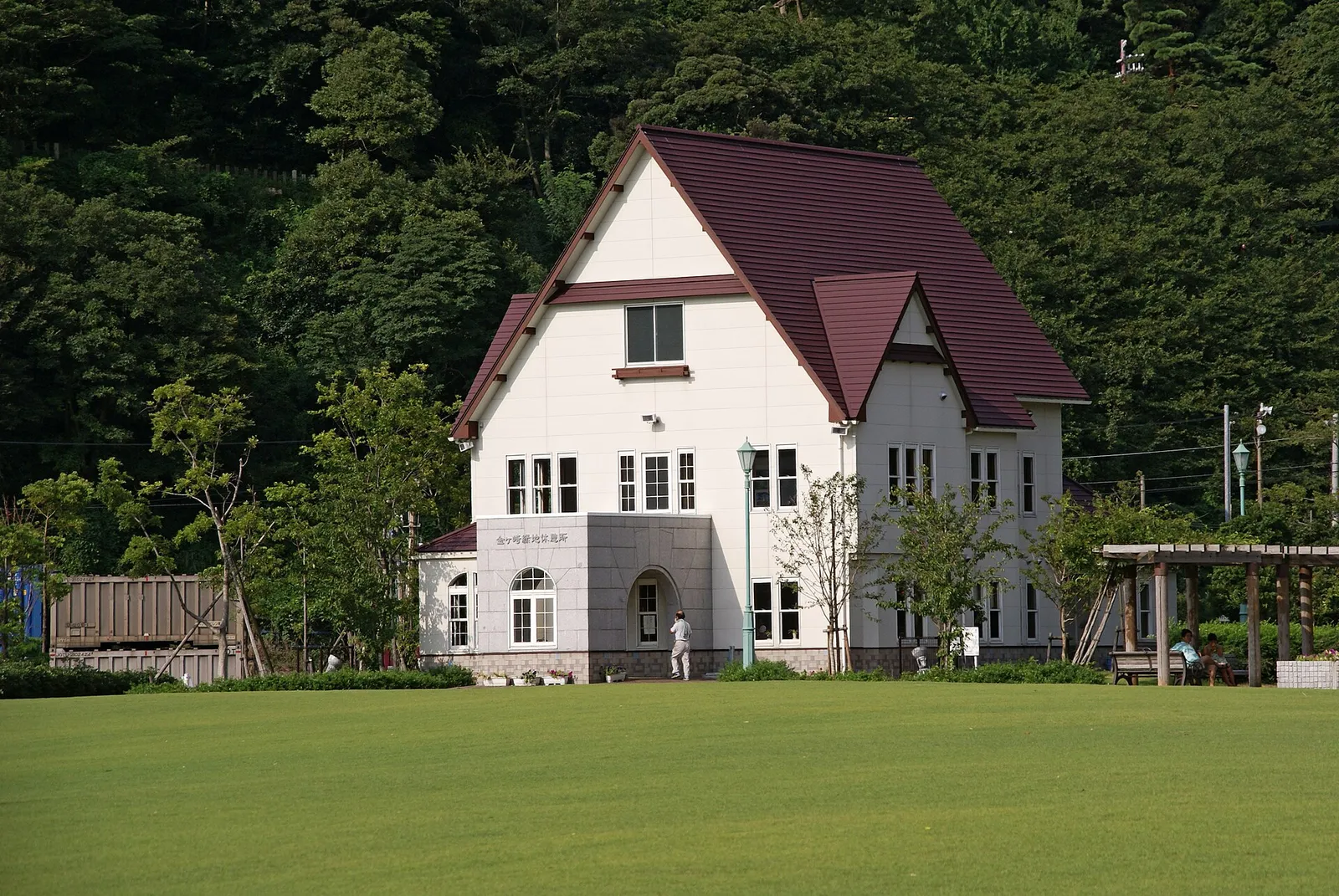
Tsuruga, the port on the Sea of Japan where wartime refugees arrived, with a museum commemorating it.
No historic quarter in the European sense, and no significant pre modern presence.
A community used to visitors, and reachable in advance, which is the practical point.
The wartime history
Several thousand refugees fleeing Europe passed through Japan during the Second World War.
They arrived at Tsuruga and moved on to Kobe, where many stayed for a period before travelling onward.
A museum in Tsuruga tells the story at the port itself.
It is not well known, including among Jewish visitors, and it is the most affecting thing on this list.
Kobe’s foreign settlement is where the community of the period was based, and parts of it survive.
Eating, and the dashi problem
Ask about ingredients rather than dishes, because the answers here are specific.
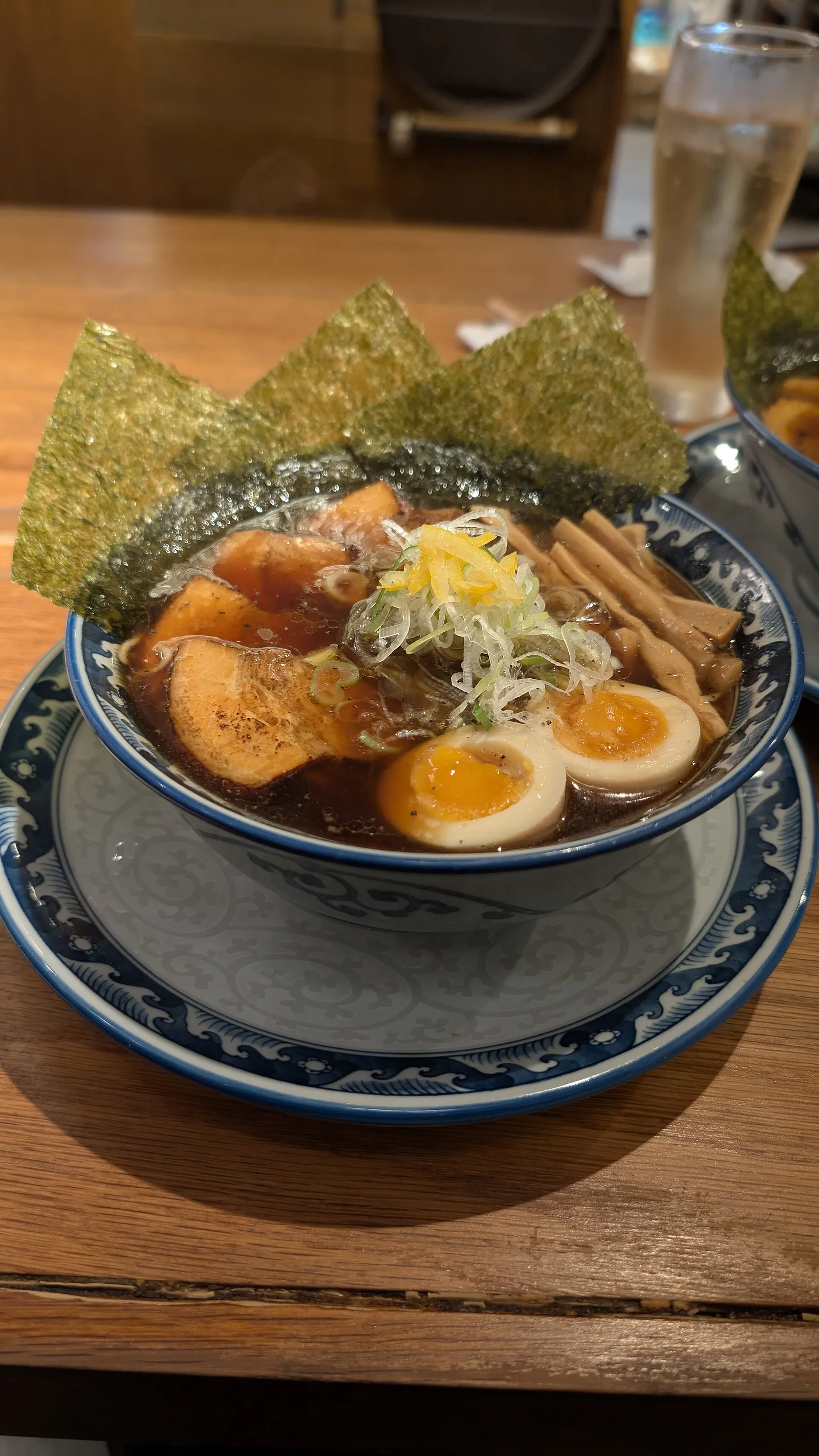
Dashi is the recurring issue: a fish based stock present in a great many dishes that look plant based, including miso soup and most noodle broths.
Shojin ryori, the Buddhist temple cuisine, is the one genuinely reliable tradition, and it is available around some temples and in Kyoto.
Self catering is easy, with excellent supermarkets and fresh produce everywhere.
Fruit, bakery goods and packaged foods cover a lot of ground, and labelling is thorough though in Japanese.
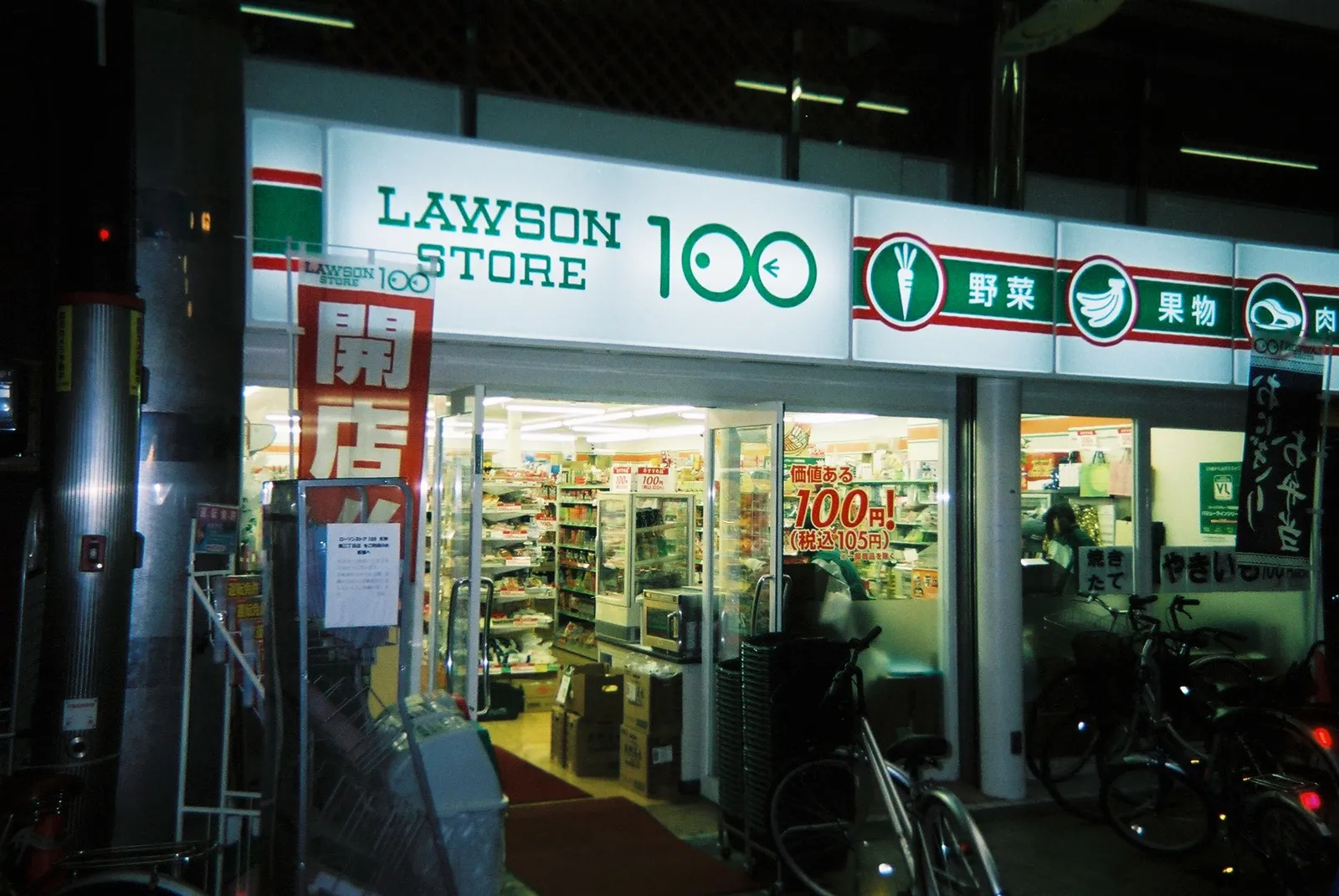
Convenience stores solve more gaps than expected once you can read the labels or photograph them into a translation app.
Practical notes
Contact ahead for any service, since arrangements are not generally published in English.
Both cities are large, so proximity matters more than it would in a compact European city.
Photograph ingredient labels into a translation app, which handles Japanese packaging well.
Carry snacks on travel days, particularly for the mountains and rural areas.
Kobe and Osaka are close, which makes a combined stay straightforward.
Tsuruga takes a day from Kyoto or Kanazawa and is worth building in.
Where this fits in a Japan trip
As a thread through a normal itinerary rather than a circuit: the community where you are, a day at Tsuruga if the route allows, and the food question settled before departure.
For the wider kitchen this sits inside, and what is in the dishes, our Japanese food guide covers it.
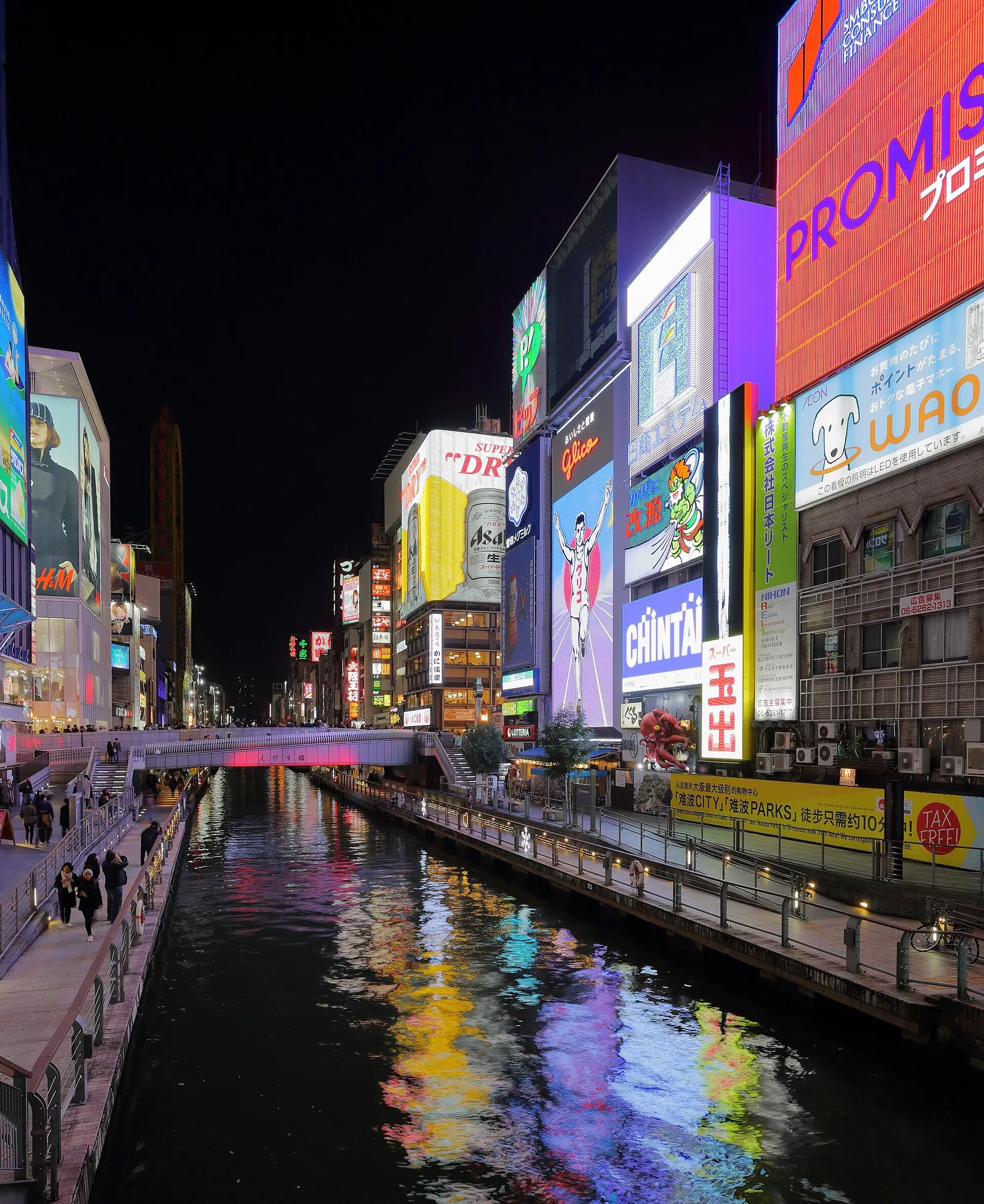
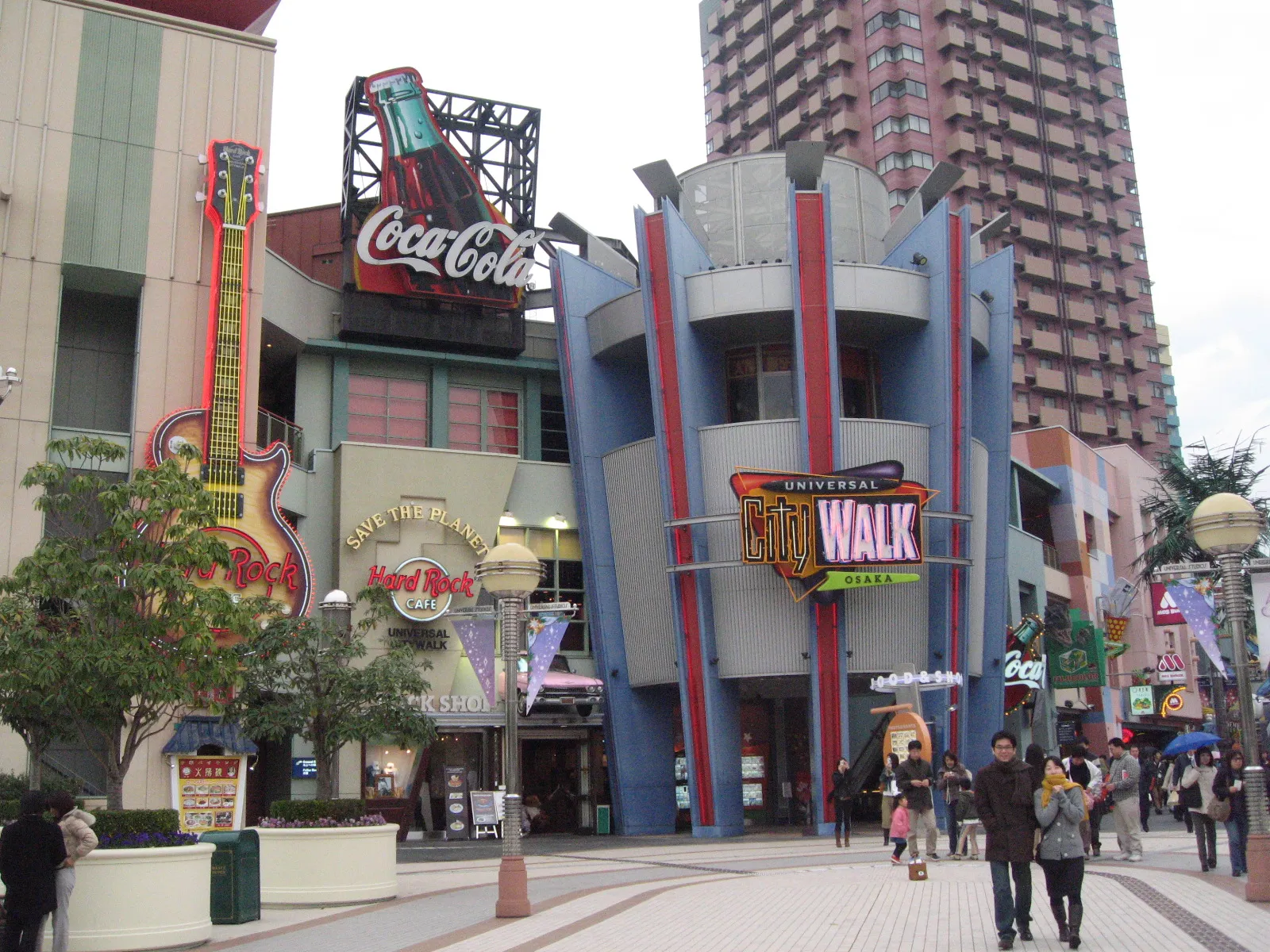
For the city next door to Kobe and the natural base for that half of the trip, our Osaka guide covers it.
And for the shops that quietly solve a great many dietary gaps, our convenience store guide explains what is in them.
The short version
The communities are in Tokyo and Kobe and both are reachable in advance, which is the single most useful thing to know. Write to them a couple of weeks before you fly and ask what is currently available rather than trusting any published list, because kosher arrangements here are small scale and change. Book accommodation within walking distance of wherever you intend to spend Shabbat, since Japanese cities are large and the trains are what you will not be using. Learn the word for dashi, because it is in more dishes than you expect. And if the route allows, give a day to Tsuruga, which tells a wartime story most visitors have never heard.