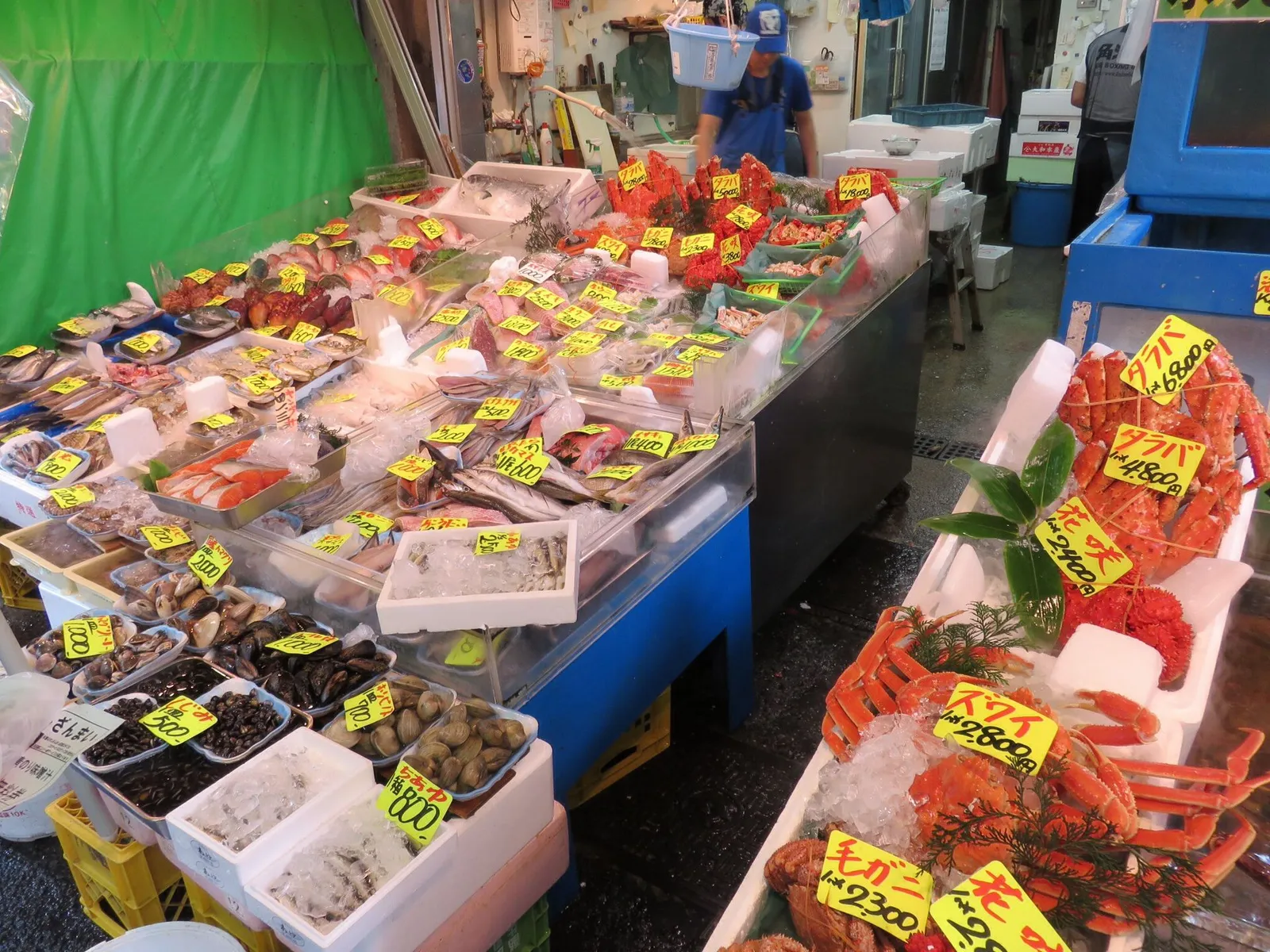
Tokyo does not have one food market. It has several, spread across the city, each built for a different job, and mixing them up wastes a morning. The most common mix up is Tsukiji and Toyosu: visitors expect one market and find two, because the wholesale trade moved across town years ago while a second market kept working under the old name. Get that straight first and the rest of the city’s markets, from the shouting street under the tracks in Ueno to the quiet department store basement, fall into place. Here is where to eat.
Tsukiji: the outer market that stayed
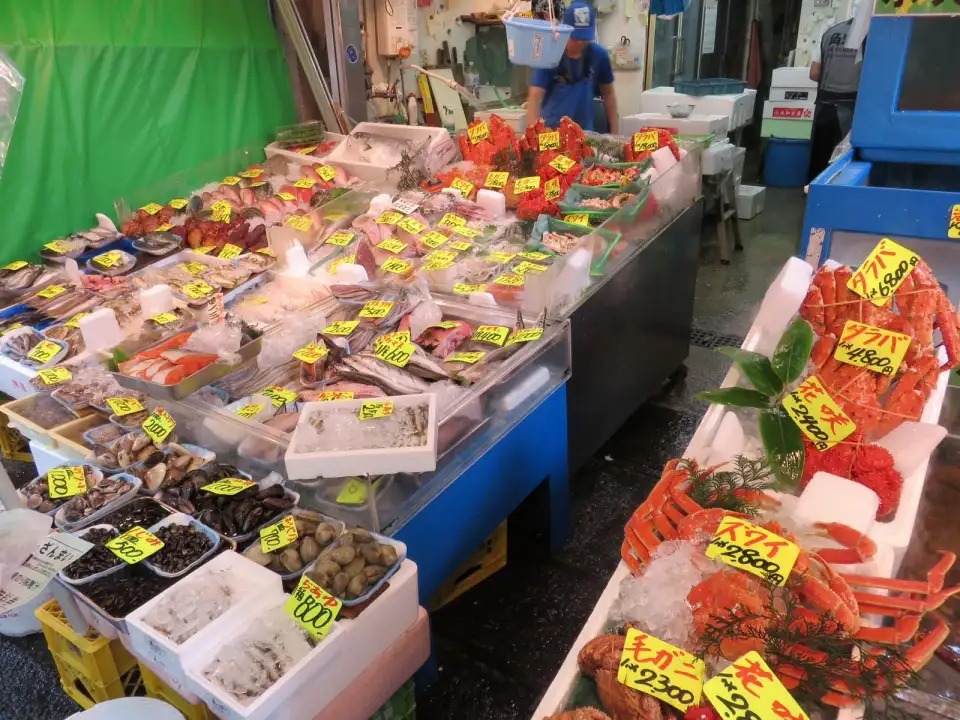
The wholesale fish market that made Tsukiji famous moved out in 2018. What stayed behind, and what most visitors mean today when they say Tsukiji, is the outer market: a tight grid of lanes packed with small shops and food stalls that never relocated. It is where you actually eat.
Walk it slowly and graze rather than aim for one sit down meal: tamagoyaki, a sweet layered omelette on a stick; oysters and scallops grilled to order in front of you; unagi (grilled eel) over a small bowl of rice; and skewers of tuna or wagyu, sized for grazing down the lane. Seasonal fruit, strawberries especially, is sold at a size and sweetness that takes getting used to. Treat any figure you hear as a rough guide only: a single item runs from a couple of hundred yen up to a few thousand for something like a whole grilled scallop, and confirming the price at the counter before you order is completely normal.
Carry cash. Some smaller stalls still do not take cards, and even the ones that do move faster with coins and small notes.
Toyosu: where the wholesale trade went
Toyosu is the market that replaced Tsukiji’s wholesale trade in 2018, a modern complex built out over Tokyo Bay and reached from central Tokyo in about twenty minutes on the driverless Yurikamome line, itself worth riding for the view. Several of the old sushi counters that sat beside the wholesale stalls moved here too, often run by the same families, and an early sushi breakfast is still the main reason most visitors make the trip.
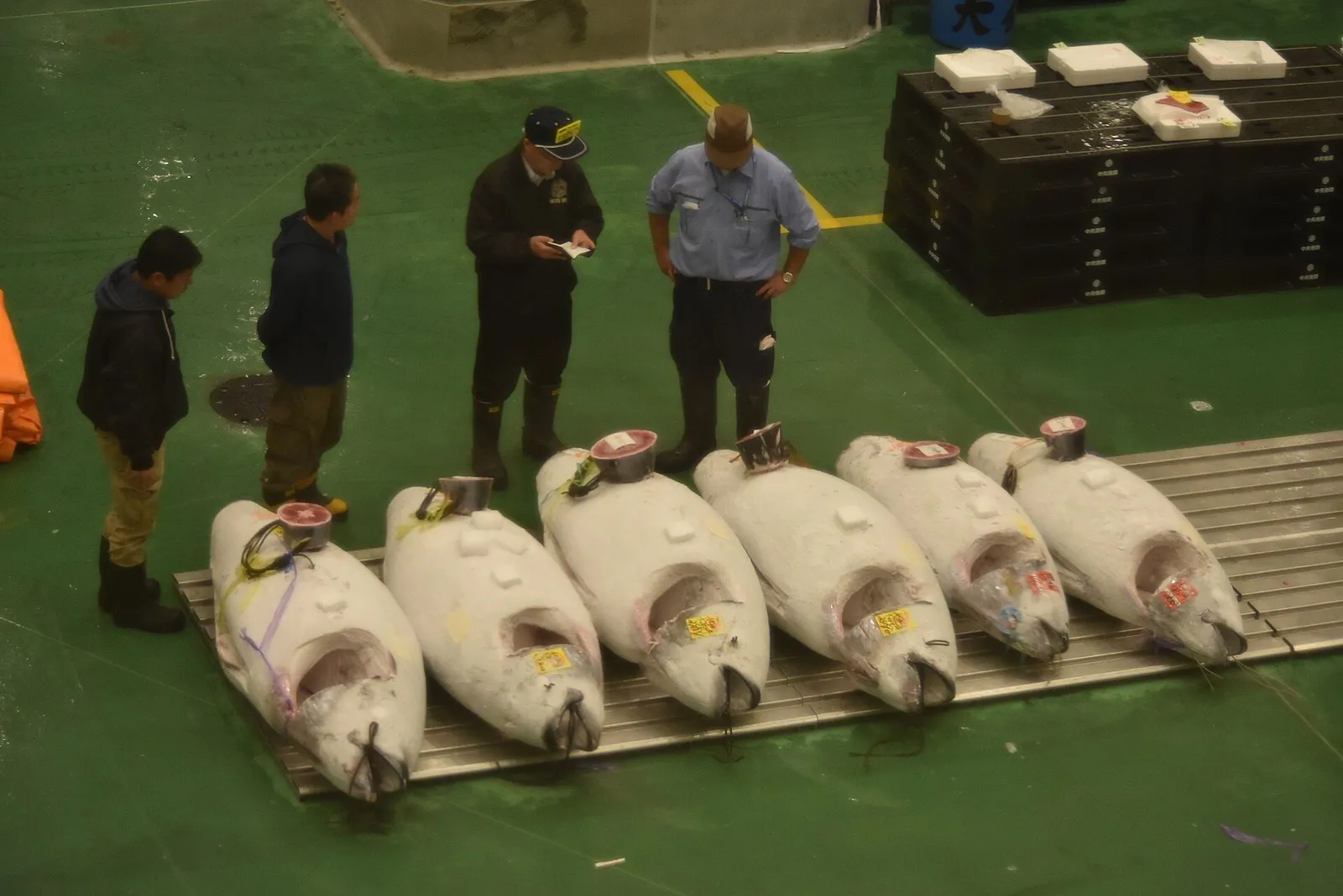
The other draw is the tuna auction, which continues here much as it always did: buyers walking a floor of whole frozen tuna, inspecting them before bidding opens. How visitors watch it has not stayed the same. The arrangement, including how far ahead you need to register and which area you can stand in, has changed more than once since the move and is likely to change again, so treat anything you read about a specific booking method or time, including here, as out of date, and check the market’s own official page close to your travel dates.
Ameyoko: the market under the tracks in Ueno
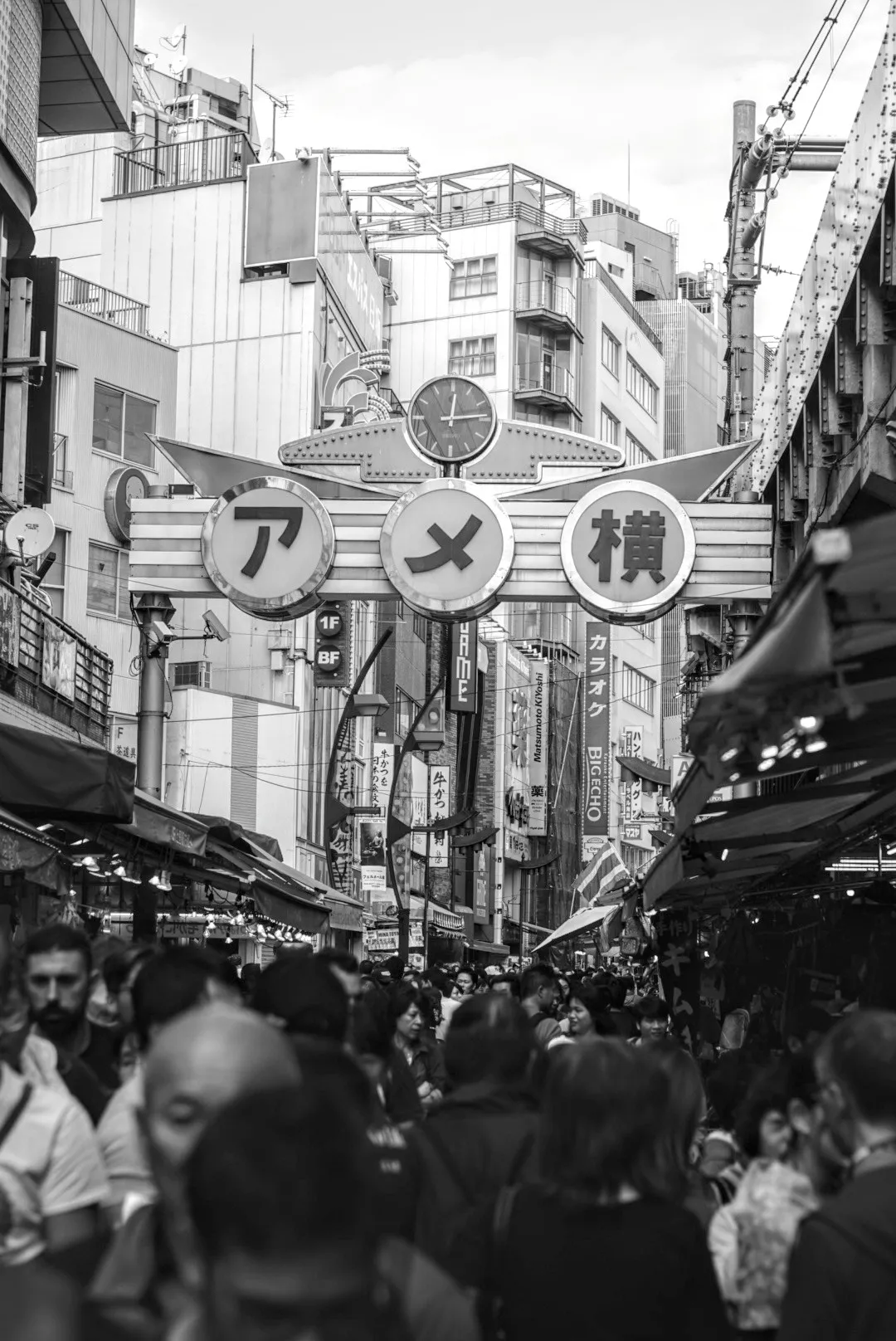
Ameyoko runs along and underneath the elevated train tracks in Ueno, and it feels like a different city from Tsukiji or Toyosu. The street grew out of black market trading after the war and kept the energy: narrow lanes packed with dried fish and seaweed stalls, fruit piled in crates, discount cosmetics and sneakers, and food stalls selling skewers, buns and bowls well below central Tokyo prices. Vendors call out prices, which rarely happens elsewhere in the city, closer to a market in Bangkok or Taipei than to the quiet politeness most visitors expect here.
Treat it as a good, cheap lunch stop, and a fine place to pick up snacks for later. Come with an appetite and no fixed plan.
Stay central and reach these markets before the crowdsRooms near Tsukiji, Ginza and UenoDepachika: the basement almost nobody visits on purpose
Ask someone who lives in Tokyo where they actually buy food and a good number will say a department store basement, a place almost no first time visitor thinks to look. Depachika, literally department store basement, is a full floor, sometimes two, of food beneath stores such as Isetan in Shinjuku or Mitsukoshi in Ginza: prepared dishes by the container, bento boxes built to a standard that would pass for a restaurant meal, wall after wall of wagashi (traditional sweets), tea, sake, pickles and bakery counters, sold by staff in white gloves behind spotless glass.
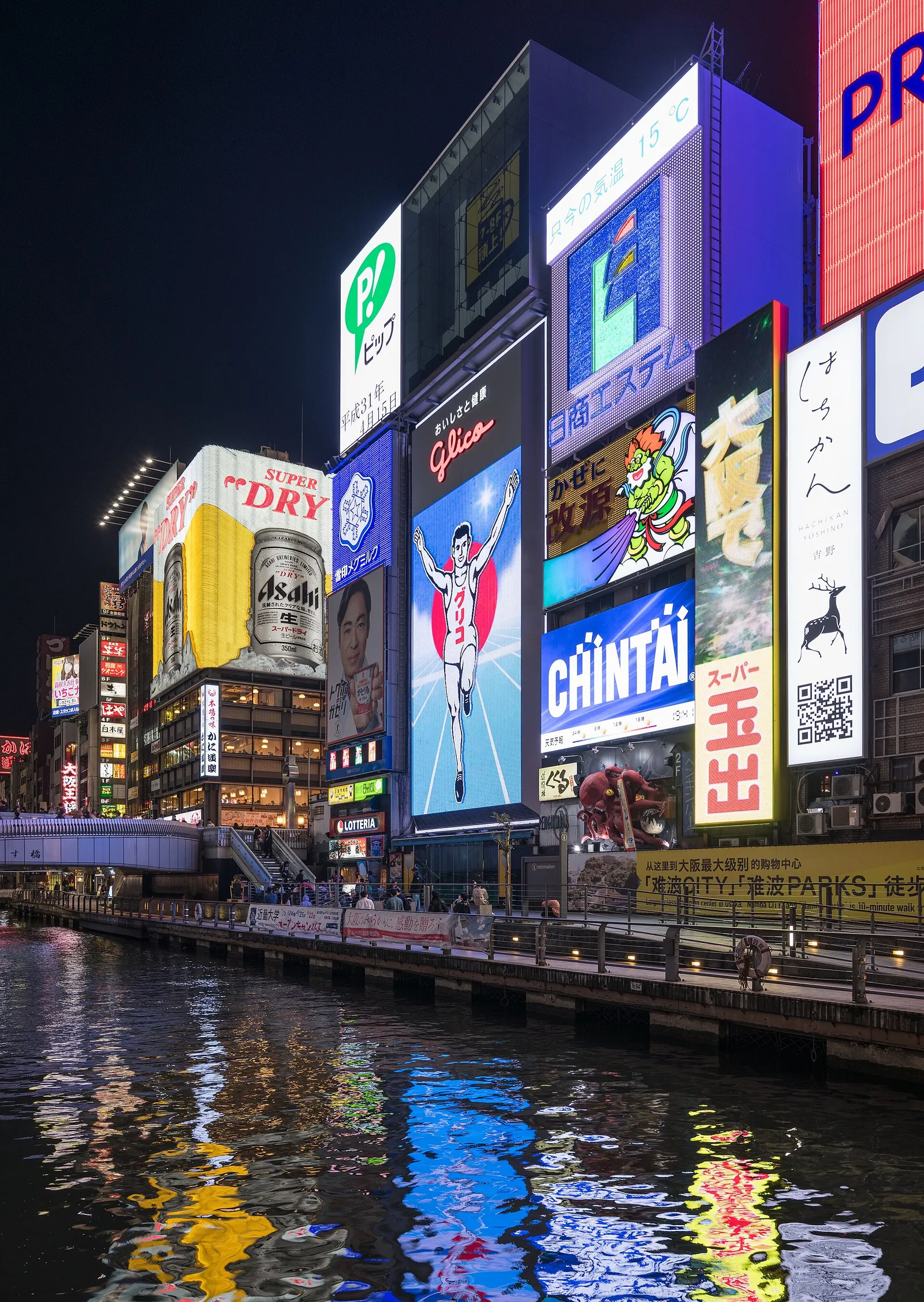
From street level it reads as pure grocery shopping, which is exactly why visitors walk past it. Go in anyway. Take the free samples on offer, buy a bento or a few small dishes, and carry them to a nearby park, since almost nothing here has anywhere to sit and eat. Many counters cut prices on unsold food in the hour or so before closing, so a late afternoon visit can be the better value trip. For the same thing done outdoors and considerably louder, our guide to Dotonbori street food covers Osaka’s version.
The smaller streets in between
Away from the named markets, Tokyo is threaded with shotengai, covered or open neighbourhood shopping streets built for the people who live nearby, not for visitors: a fishmonger, a rice shop, a place that only sells tofu, a bakery, a couple of small restaurants with a handwritten menu taped to the window. Every ward has several, they rarely appear on a tourist map, and walking one for twenty minutes is one of the more honest ways to see how the city actually eats.
None of this needs planning. If you are staying somewhere residential, find the nearest covered arcade and walk it once before dinner.
Timing, closing days and eating on the move
Every market here is fundamentally a morning business. Deliveries land at dawn, the best stalls sell out by late morning, and things wind down from early afternoon, so arriving after lunch means catching the tail end.
Closing days vary shop by shop rather than following one citywide rule, though many close on Sundays and public holidays, and some take an extra day off their neighbours do not share. There is no single reliable calendar for this, so check the specific market or shop for your dates rather than trusting a fixed schedule, including this one.
On eating while you walk: check rather than assume. Some stalls and lanes, especially the busiest ones, discourage it outright and ask you to eat standing at the counter instead of carrying food off, while others sell snacks clearly meant to travel. When unsure, eat where you bought it and carry your rubbish out, since public bins are scarce across Japan.
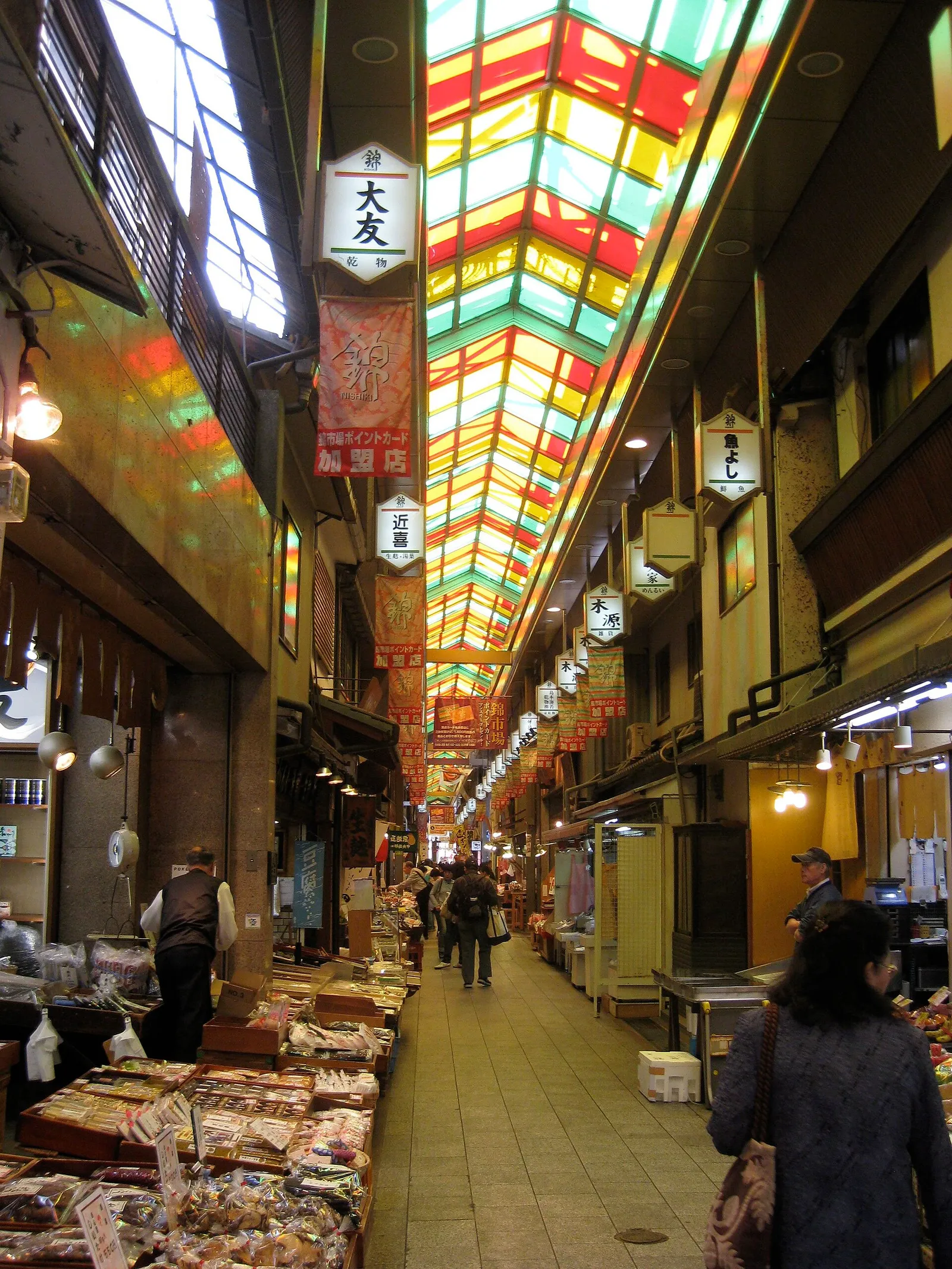
If Kyoto is also on the itinerary, the contrast is worth knowing: Tokyo’s markets are scattered across the city and each does one thing well, while Nishiki Market puts the same idea into a single four hundred metre covered lane. Build the rest of the day around a market morning with our Tokyo guide, which covers the neighbourhoods around Tsukiji, Ueno and Ginza.