Ramen is not one dish. It is a framework, and Japan has spent a century filling it in differently in every region, in every city and frequently on every street. A shop typically makes one version, has made it for decades, and has no interest in making another. That is why a country with thousands of ramen shops has almost no bad ones, and why choosing between them is the only difficult part.
The four broths
Everything else is a variation on these.
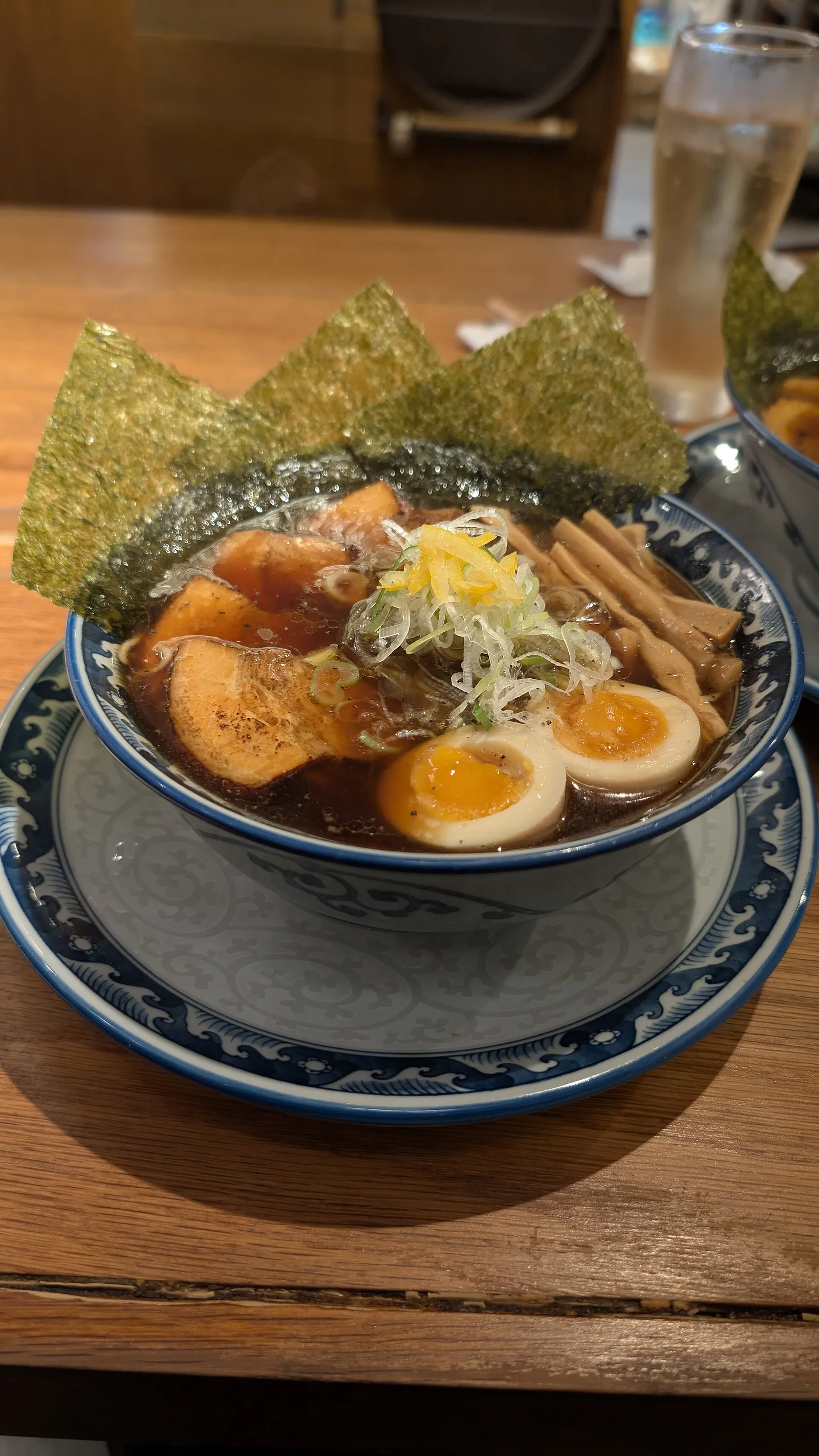
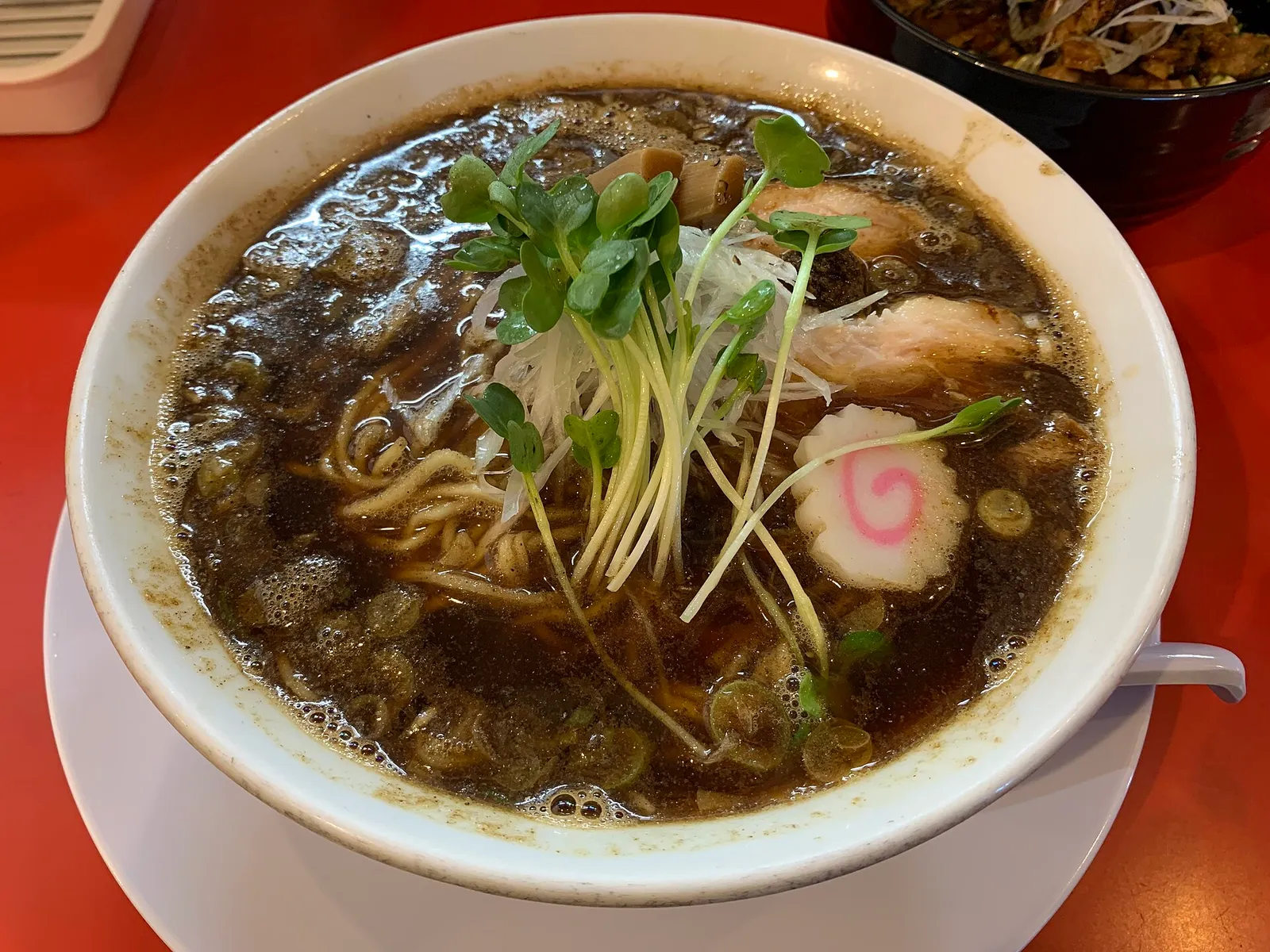
Shoyu. Soy-sauce seasoned, clear brown, savoury and relatively light. The Tokyo standard and the oldest of the four.
Shio. Salt-based, the lightest and clearest, and the one where the quality of the stock has nowhere to hide.
Miso. Fermented soybean paste stirred into the broth, thick, sweet and deeply savoury, associated with the north where a hot heavy bowl makes obvious sense.
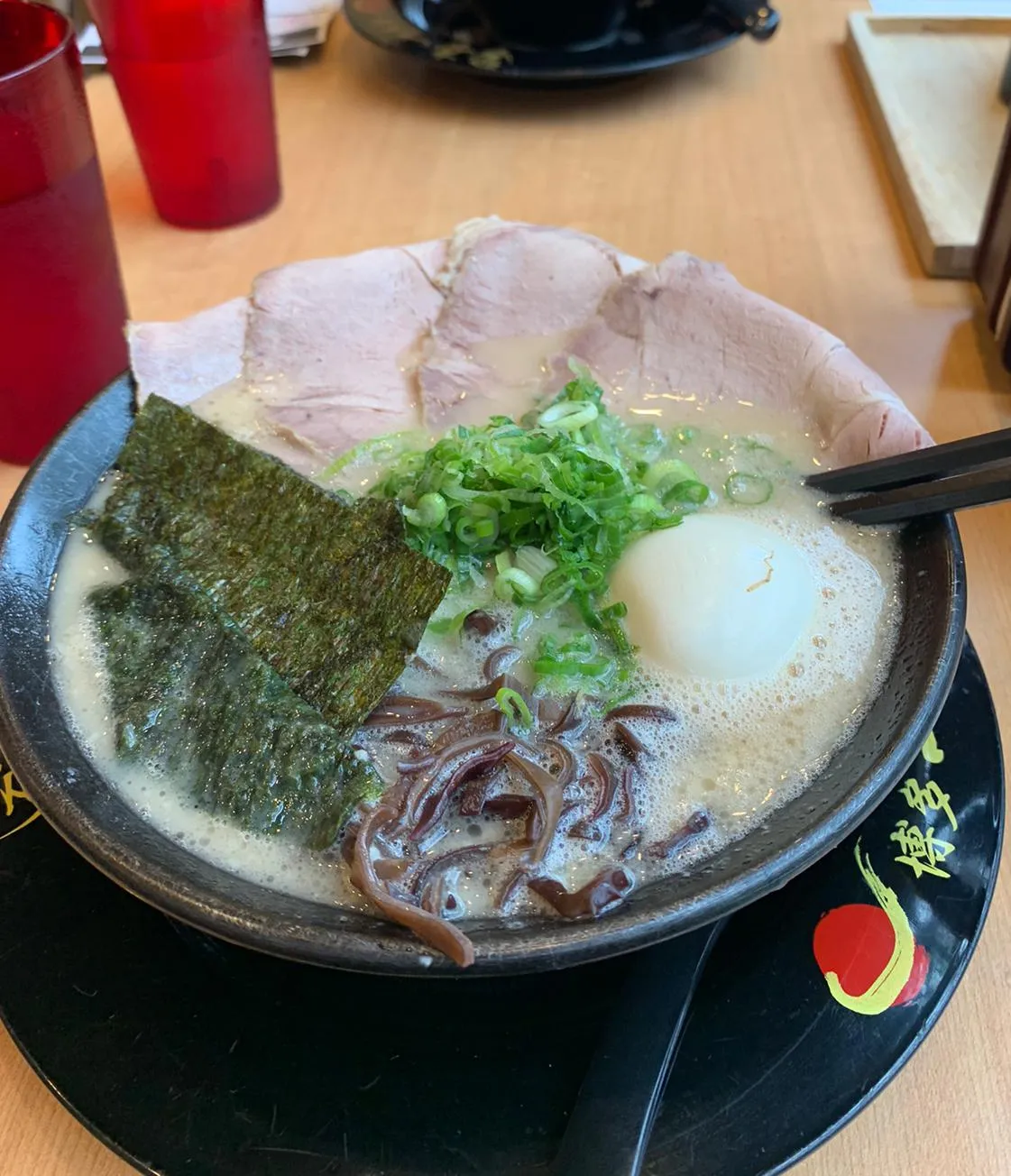
Tonkotsu. Pork bones boiled for many hours until the broth turns opaque and creamy, rich to the point of being a different food. The signature of the south.
Beyond these are regional versions with their own names and fierce local loyalty, plus the whole separate category of dipping noodles, where the noodles arrive dry and you dip them into a concentrated broth.
Ordering, which is the part visitors fear
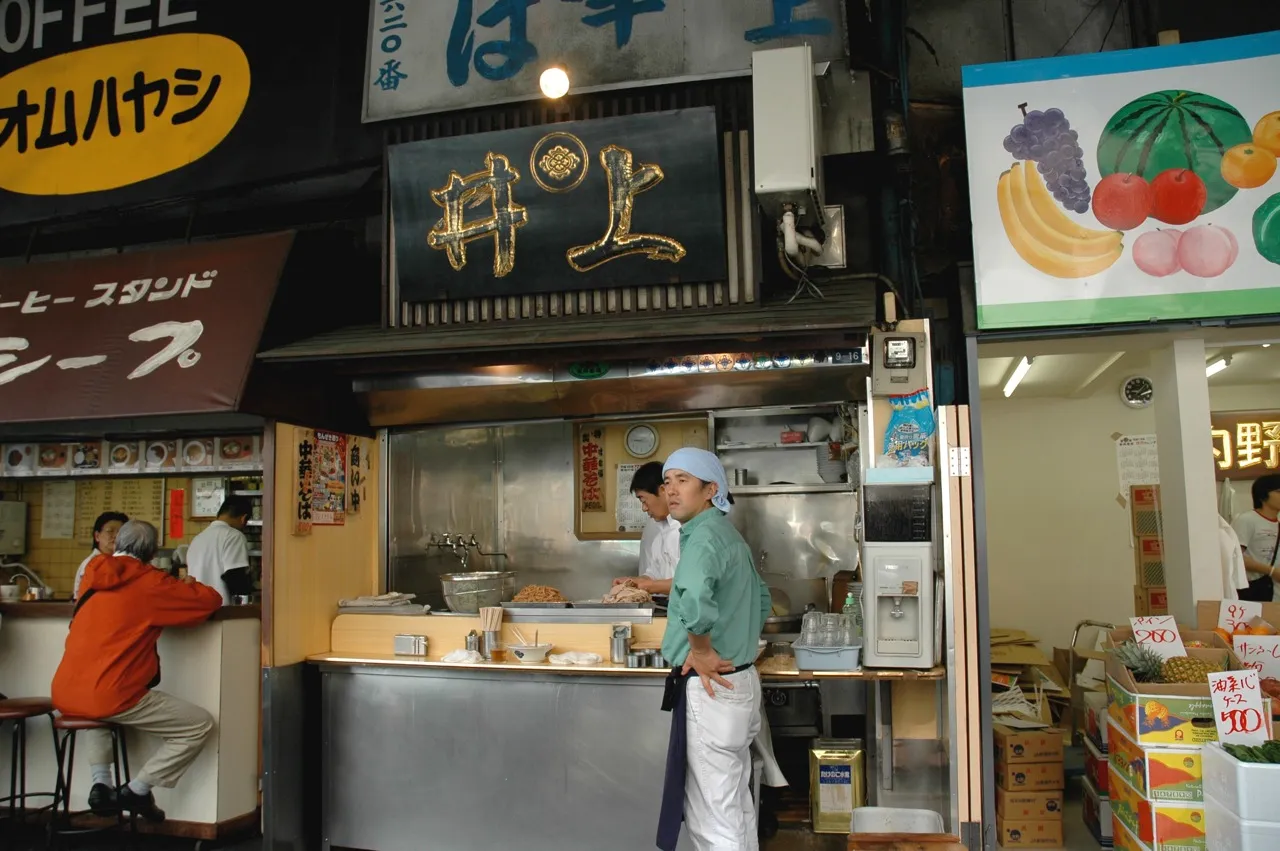
Most ramen shops use a ticket machine by the door, and it is far simpler than it looks.
Put the money in first. The buttons will not light up until you do.
Press the button for your bowl. The top-left button is conventionally the shop’s signature, which is the safe choice and usually the right one.
Take the ticket to the counter and put it down. That is the entire transaction.
Extras have their own buttons: a soft-boiled egg, extra pork, extra noodles, all cheap and all worth it.
Some shops ask questions about firmness of noodle, richness of broth or amount of oil, particularly in tonkotsu shops. Standard is a perfectly good answer to all of them.
The etiquette, briefly
Slurp. It is normal, it cools the noodles and it is expected.
Eat promptly and do not sit over an empty bowl. The seat is needed.
Water is self-service, from a jug or a dispenser, and free.
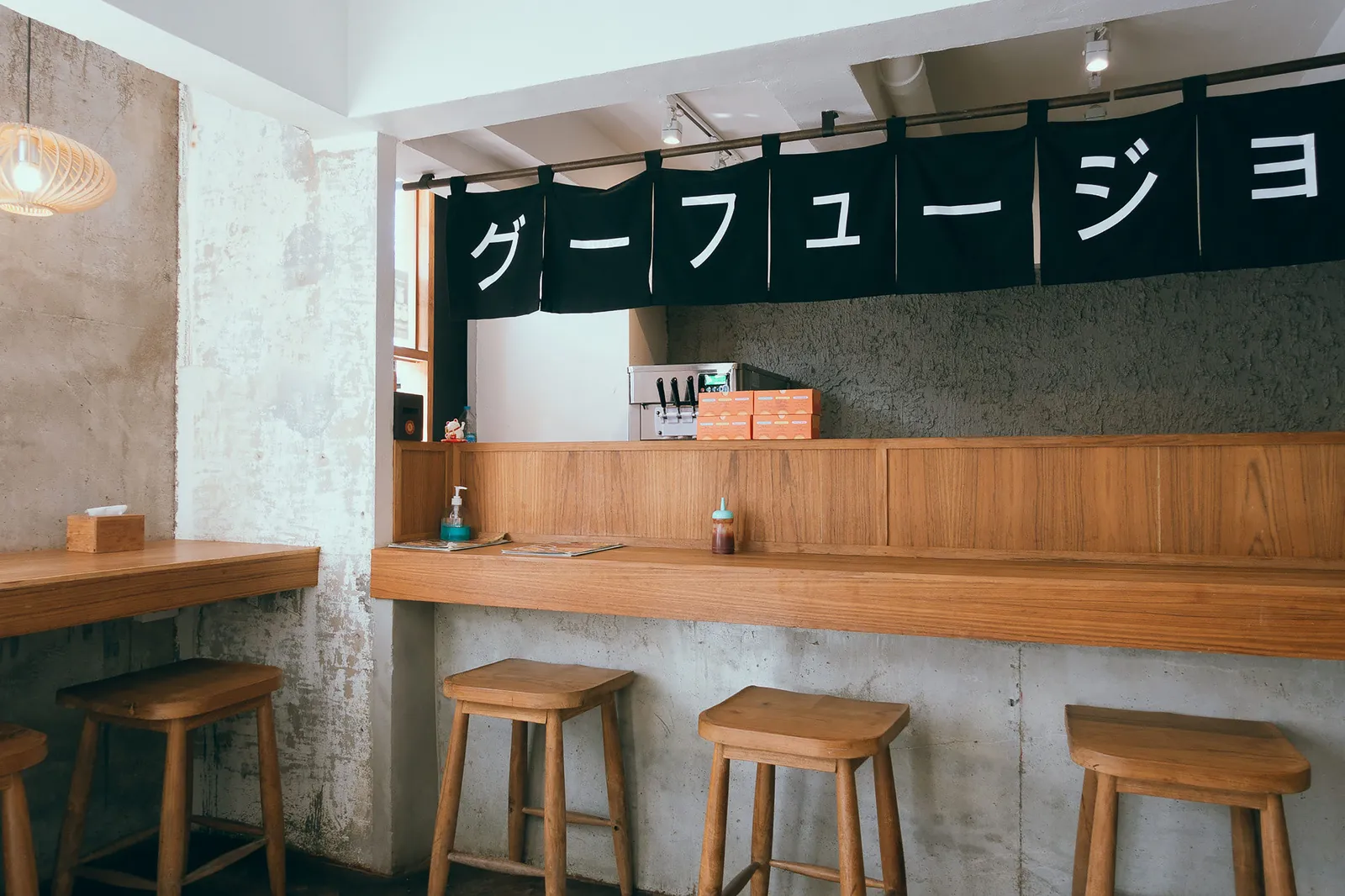
Counters are built for solo diners, sometimes with dividers, and eating alone here is completely normal rather than sad.
Say thank you on the way out, which is the whole of the social requirement.
Cash is still common in the smaller shops, and the ticket machine may not take cards.
Finding a good bowl
Look for a queue, which is the universal signal and is entirely reliable here.
Look for a small shop that does one thing. Nine seats and one broth is a better bet than a large menu.
Do not overthink the city. Every Japanese town has good ramen, and chasing a famous shop across a city usually means an hour of travel and a longer queue for a bowl that is marginally better than the one round the corner.
Try the regional version where you are. The point of the regional map is that the north does miso properly and the south does tonkotsu properly, so eat what the place is for.
Late night counts. A great many shops run late and a bowl at eleven at night after a few drinks is a genuine Japanese institution.
Where it sits in eating in Japan
Ramen is the cheap, fast, everywhere meal, and it pairs naturally with the other two staples of a visitor’s eating.
Sushi is the other dish everyone comes for, and it spans a far wider range of price and formality than most visitors expect; our guide to sushi in Japan covers the whole range from conveyor belt to counter.
The convenience store is the third pillar and is genuinely good, which surprises people.
And the wider picture, from izakaya to regional specialities to the department store food halls, is in our Japan food guide.
The ticket machine counter is also the best institution in the world for eating by yourself, and our guide to travelling Japan alone covers why this country suits solo trips better than any other.
The short version
Four broths cover most of it: shoyu in Tokyo, miso in the north, tonkotsu in the south, shio anywhere the stock is good. Order from the machine by the door by putting money in first and pressing the top-left button if you cannot read it. Slurp, eat quickly, and do not photograph the bowl for five minutes while the noodles soften. Look for small shops with a queue and one broth, and eat the version the region is known for rather than chasing a famous name across town.