In a city the size of Tokyo, the single decision that shapes your whole trip is where you put your head down. Get the neighborhood right and the entire metropolis is a short, smooth train ride away; get it wrong and you lose an hour a day just reaching the good stuff. The other half of the question is what kind of room you sleep in, because Tokyo offers everything from a futon on tatami to a pod the size of a bunk to a tower suite in the clouds. Here is how to choose both.
Location first: stay near a train line
Before you fall for a specific hotel, look at the map. The golden rule in Tokyo is to be within a few minutes’ walk of a major train or subway line, ideally the JR Yamanote loop or a well-connected metro station. Do that and the whole city, plus both airports, is within easy reach. A cheaper room that is a fifteen-minute walk from the nearest station will cost you more in time and taxi fares than you saved. Prioritize connectivity over everything, then worry about the view.
The best neighborhoods to base yourself
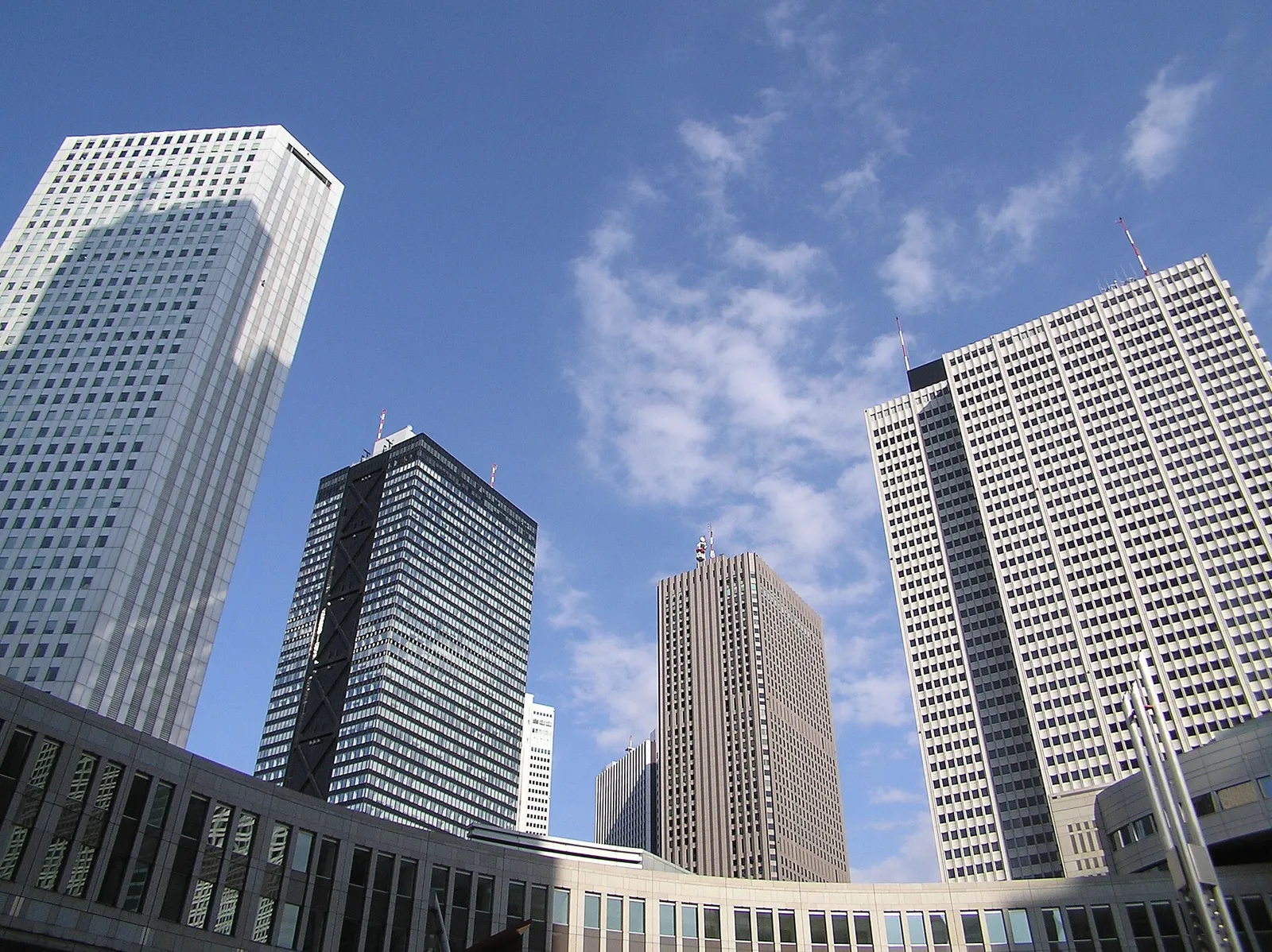
Shinjuku is the classic first-timer base: the world’s busiest station puts every corner of Tokyo and the airport limousine buses at your feet, and you are surrounded by restaurants, department stores, nightlife and a big park. It is busy and bright, which is the point.
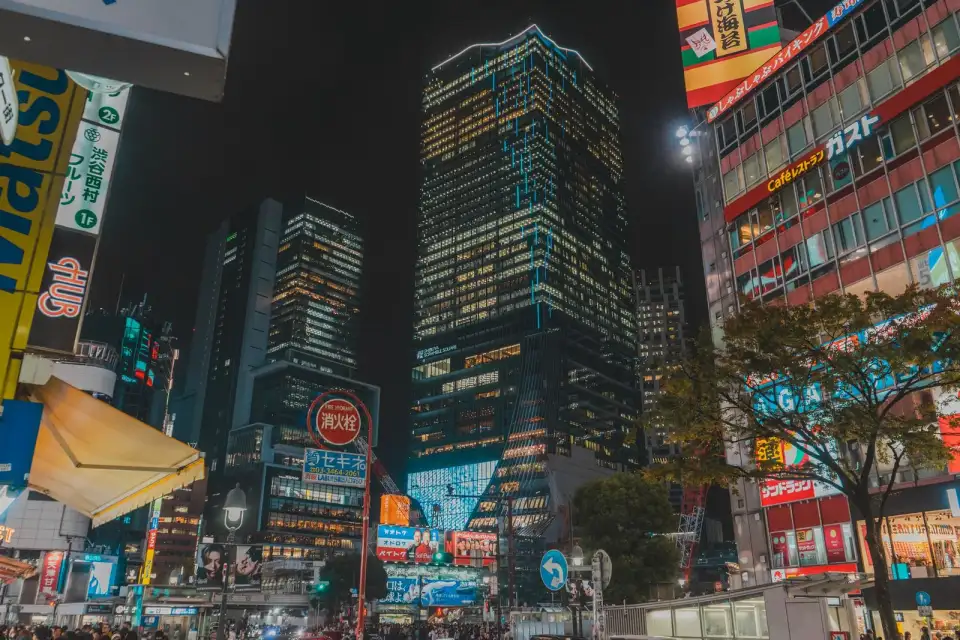
Tokyo Station and Marunouchi suit travelers who want polish and unbeatable rail links, including the shinkansen platforms right downstairs for side trips. Shibuya is the pick for nightlife, shopping and a younger energy, with the famous crossing on your doorstep. Ginza is refined and central, great for a calmer, upscale stay. And Asakusa, in the old east, trades neon for lantern-lit lanes, temples and lower prices, a lovely choice if you want a more traditional, laid-back feel and do not mind being a train ride from the nightlife.
Business hotels: the reliable default
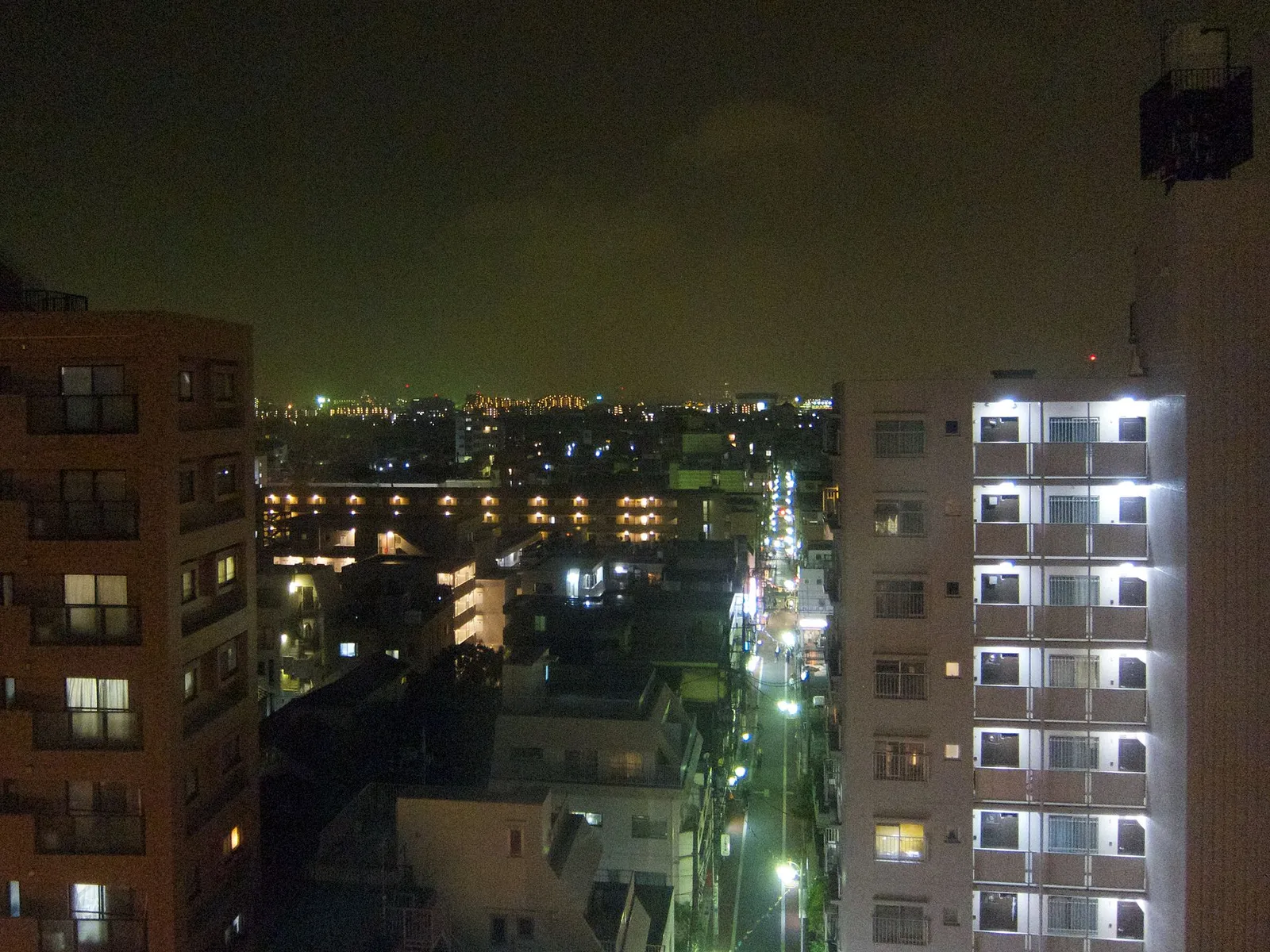
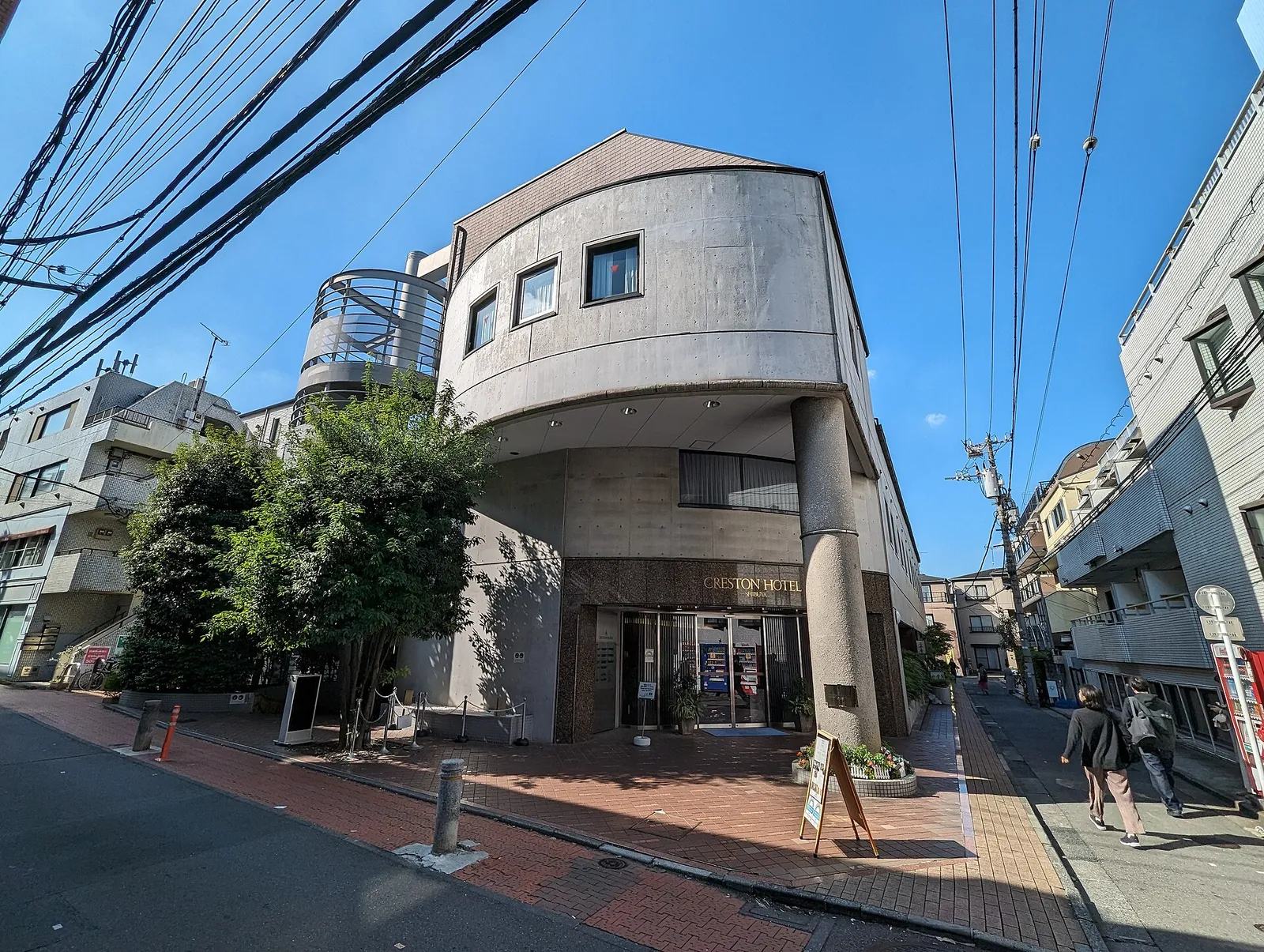
For most visitors, the workhorse of a Tokyo trip is the business hotel: chains like the ones you will see everywhere, offering compact, spotless, well-run rooms at a fair mid-range price. Do not let “compact” scare you, Tokyo rooms are famously small, but they are efficient, quiet and comfortable, with everything you need and nothing you do not. Pay for a good location and a decent bed rather than floor space, and you will sleep well and wake up ready to explore. Many also have coin laundry, a huge plus on a longer trip.
Lock in your Tokyo base earlyWell-located rooms sell out fast in peak season, so book the first nights aheadRyokan: the traditional experience
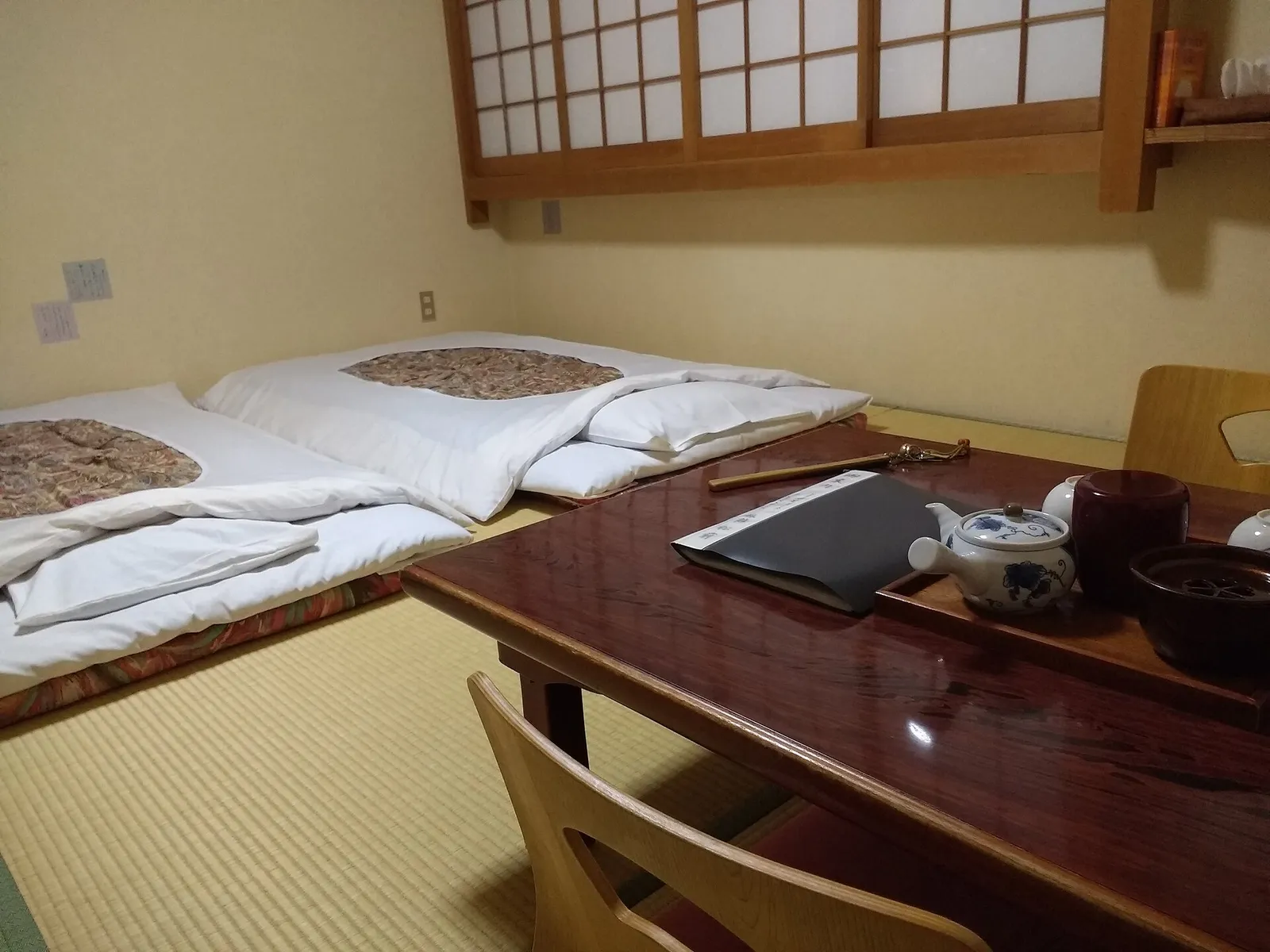
A ryokan is a traditional Japanese inn, with tatami-mat floors, futon bedding laid out for you, sliding paper screens, and often a multi-course dinner and a hot-spring onsen bath. Staying in one is one of the most memorable nights you can have in Japan. The catch is that central Tokyo, being a modern business city, has relatively few classic ryokan, and the truly special ones lie out in Hakone, Kyoto or the mountains. So the common play is to book practical hotels for your Tokyo days and save a ryokan night for a side trip, where the setting does it justice. If you do want the flavor in the city, Asakusa has some lovely traditional-style inns.
Capsule hotels: try it once
The capsule hotel is a genuinely Japanese invention worth experiencing at least once. You get a clean, private sleeping pod, snug but comfortable, with shared bathrooms, lockers and lounge areas, for a fraction of a hotel room. Modern capsules have come a long way: many are stylish, quiet, and designed with real care, some almost boutique. They suit solo travelers, budget trips, and nights when you just need somewhere smart to sleep near the last train. Note that many are single-sex by floor and not built for couples or luggage-heavy stays, so read the details before you book.
Apartments, hostels and the rest
Beyond the big three, Tokyo has plenty else. Serviced apartments and vacation rentals give you a kitchen and more room, a real bonus for families or longer stays, just check the property is properly licensed. Hostels in Tokyo are famously clean and design-led, often with great common spaces and private rooms alongside the dorms, ideal for social or budget travelers. And at the top, the city’s luxury towers deliver some of the best hotel service on earth with skyline views to match, worth a splurge for a special night.
Matching the room to your trip
Think about who you are traveling as. Solo or budget: a capsule or a design hostel near a big station. First-timer couple: a mid-range business hotel in Shinjuku or by Tokyo Station for easy everything. Family: a serviced apartment with a kitchen and a bit of space, near a park and a train line. Special occasion: a luxury tower for the view, or a Hakone ryokan for the onsen. And almost everyone: mix it up, a few practical city nights plus one traditional splurge, and you get the best of both worlds.
Booking: when to lock it in, and what to check
Tokyo has more hotel rooms than almost any city on earth, which makes it forgiving most of the year and unforgiving in a handful of weeks.
Timing. Cherry-blossom season, the autumn-leaf peak and the big domestic holiday weeks are when the whole country travels at once, and the first thing to disappear is the sensibly priced, well-located mid-range room. Book those windows months out. Outside them, a few weeks is usually plenty, and last-minute deals genuinely exist.
What to read before you click. The distance to the station, in walking minutes and by line, is the number that matters most. After that: room size in square metres, because star ratings say nothing about space here; whether the rate includes tax and any local accommodation levy; whether the room is non-smoking, since Japan still has smoking rooms and floors; and whether there is a lift, which small older properties sometimes lack.
A trap for families. Japanese rooms are often strictly limited to two occupants, children included, and a booking that quietly breaks that rule can be refused at check-in. Read the maximum occupancy rather than assuming a third person can share.
Matching your base to the airport you land at
Where you sleep and where you land are the same decision, and getting it wrong costs you the most tiring hour of the trip.
Tokyo is served by two airports at very different distances from the centre, and the connection from each favours different neighbourhoods: some areas have a direct train or a limousine bus that drops you at the door, while others mean a transfer with luggage through one of the busiest stations in the world at rush hour.
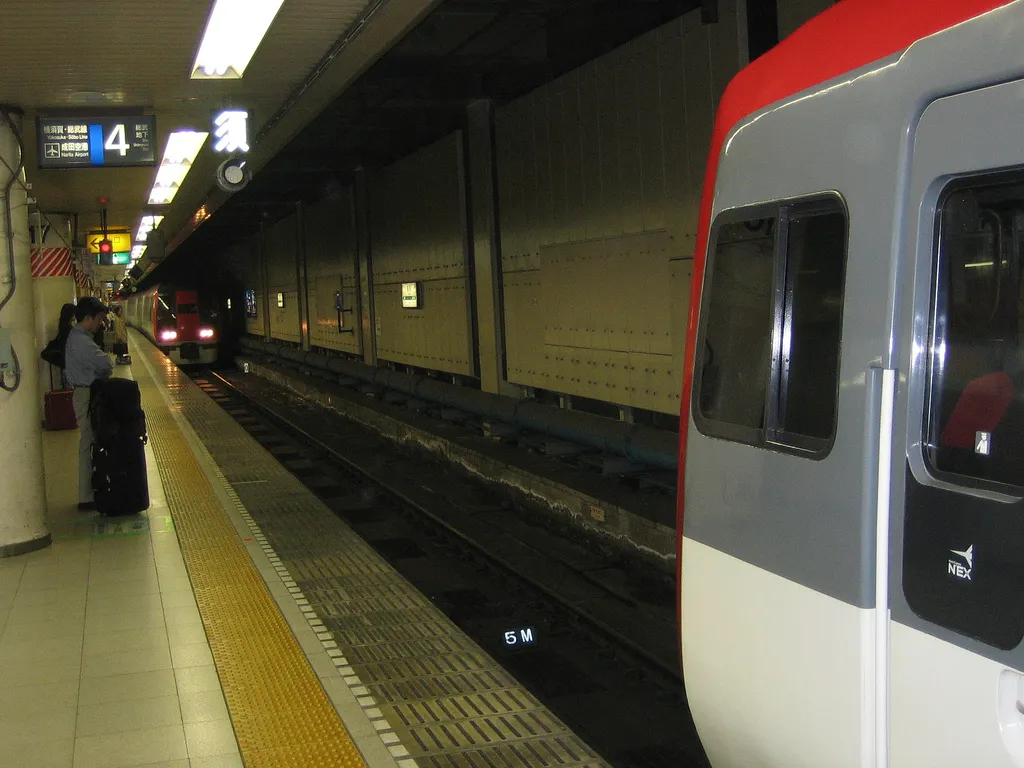
The practical rule is to check the route from your arrival airport to your specific hotel before booking the hotel, not after. A room that is fifteen minutes further from the centre but sits on a direct airport line is often the easier stay. Our guide to Tokyo’s airport transfers sets out the options from each airport, how long they take and which parts of the city they suit.
One more scheduling note: Japanese check-in times are enforced more strictly than in many countries, and early arrival usually means leaving your bags at the desk rather than getting the room. That is completely normal and every hotel expects it.
Two things to sort before you book anything
Accommodation is the middle of the planning, and two pieces of admin sit either side of it.
The first is entry. Most Western passports enter Japan without a visa for tourism, but the exact allowance and the entry paperwork depend on your nationality and change from time to time, and several hotel bookings ask for passport details anyway. Our Japan visa and entry guide sets out what applies to yours and what to complete before you fly.
The second is insurance. Japan is exceptionally safe, and the reason to have cover here is cost rather than risk: medical treatment for a visitor without insurance is expensive, hospitals frequently expect payment at the time rather than billing later, and a cancelled or shortened trip in peak season is a large sum in prepaid hotel nights. Our guide to travel insurance for Japan explains what to look for, including how cancellation cover interacts with non-refundable rates, which is exactly what most peak-season Tokyo bookings are.
The short version
In Tokyo, location beats everything: stay a few minutes from a major train line and the whole city comes to you. Use a comfortable business hotel as your reliable base, save a ryokan for a side trip where it shines, and try a capsule at least once for the story. Match the room to your trip and your budget, book the well-placed rooms early in peak season, and the biggest city on earth will feel, somehow, like it fits you perfectly.