Not every Japan trip needs to be a checklist of temples and neon. This one slows right down, built around the mountains west of Tokyo where hot water and long views do most of the work. Five days here covers a full loop of Hakone, a quieter art and rest day, and two more relaxed days circling the Fuji Five Lakes, with almost nothing that requires an early alarm. Read our Hakone guide and onsen guide before you go, and check ryokan etiquette so your first night in traditional lodging feels familiar rather than confusing.
Itinerary at a glance
| Day | Base | The signature experience |
|---|---|---|
| 1 | Hakone | The mountain railway, cable car and ropeway loop |
| 2 | Hakone | An afternoon in a private onsen bath |
| 3 | Kawaguchiko | The Chureito pagoda staircase and lake views |
| 4 | Fuji Five Lakes | A quieter lakeside morning at Saiko or Motosu |
| 5 | Odawara or Enoshima | The castle, or the island and coast with Fuji across the bay |
Day 1: The full Hakone loop
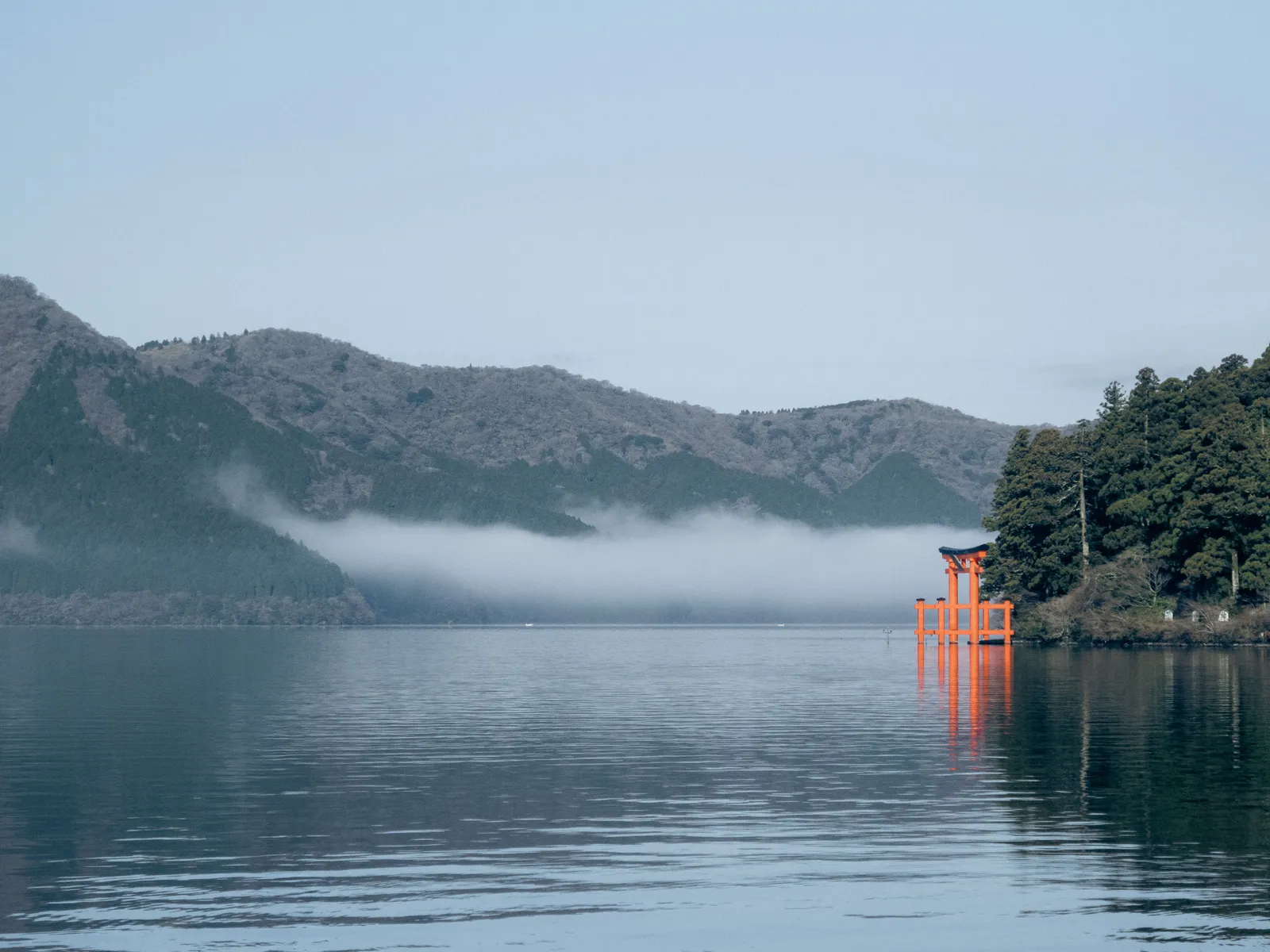
Hakone’s transport loop is the attraction in itself, and this is deliberately a day about moving through it rather than rushing between fixed stops. Start on the mountain railway, a switchback route that climbs slowly through forest and past hydrangeas in season, then transfer to a cable car and finally a ropeway that carries you directly over Owakudani, an active volcanic valley where sulphur vents still steam from the ground. Local tradition says an egg boiled in the valley’s hot springs, its shell turned black by the minerals, adds years to your life, and the black eggs sold at the top make a genuinely good, slightly odd snack. Down the far side, a lake cruise crosses Ashi, often with Mount Fuji visible across the water on a clear day, arriving near a bright red torii gate that appears to float just offshore.
Food: the black sulphur-boiled eggs at Owakudani are the local ritual, and a soba lunch near the lake is a easy way to refuel between transport legs. The signature experience: the loop itself, moving from railway to cable car to ropeway to boat in a single unhurried circuit through changing scenery. Optional tour: a guided Hakone loop tour is worth it if you would rather not manage transfers and timing on your own, particularly on a day with uncertain weather.
Day 2: Art, rest and a private onsen
Give the second day a slower shape. The open-air sculpture museum scattered across wooded hillside grounds is one of Hakone’s quieter highlights, large-scale works set among trees rather than confined indoors, with enough space between pieces that it never feels crowded. The torii gate at Hakone shrine, standing in Lake Ashi, is worth a return visit in different light from the first day’s cruise past it, since the shrine itself sits in forest just behind the shoreline. Save the afternoon for the actual point of coming to Hakone: a private onsen bath, booked for your own use rather than a shared public bathhouse. It removes any question about tattoos or etiquette entirely and turns a soak into an unhurried hour with the mountain air cooling around you. If you are staying in a ryokan, the evening kaiseki dinner served in your room is usually the meal of the trip.
Food: a ryokan kaiseki dinner, a multi-course seasonal set served in your room, is worth planning the whole evening around rather than treating as background. The signature experience: an afternoon in a private open-air onsen bath, which many travellers later describe as the single best few hours of their entire trip. Optional tour: the open-air sculpture museum has an audio guide worth renting, since the placement and history of individual works are not always obvious from the signage alone.
Day 3: Kawaguchiko and the Chureito pagoda
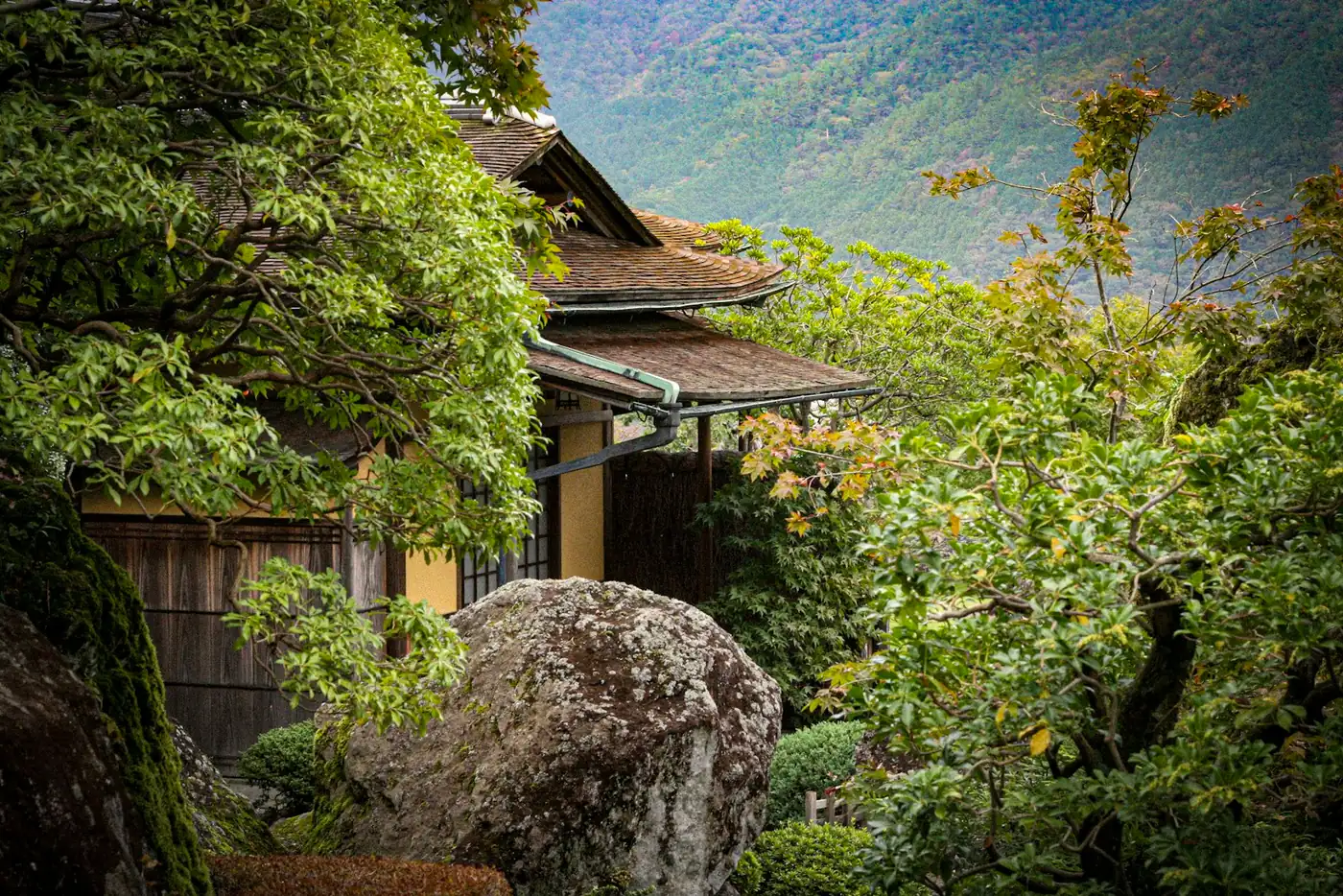
Move on to Kawaguchiko, the most visited of the Fuji Five Lakes and the base for the mountain’s most photographed angle. A bicycle or the local bus loop around the lake shoreline gives you a changing view of Fuji through the day, sharper in the early morning before haze builds. The Chureito pagoda, reached by a long staircase up a hillside above the town of Fujiyoshida, frames the mountain behind a red five-storey pagoda in the shot that shows up in nearly every Japan travel feature, and it is worth checking the weather forecast carefully before you commit to the climb, since Fuji hides behind cloud on a large share of summer days. The Fuji panoramic ropeway, on the opposite side of the lake, offers a wider, calmer view for anyone who would rather skip the stairs.
Food: hoto, a thick hand-cut noodle stew simmered in a miso-based broth with vegetables, is the dish this whole lake region is built around, and it suits a cool lakeside evening particularly well. The signature experience: the view of Fuji from the Chureito pagoda, worth the staircase on a clear morning and worth rescheduling for if the mountain is hiding. Optional tour: a sunrise photography tour to the pagoda is popular for good reason, since early light and thinner crowds both work in your favour at the same time.
Day 4: The quieter Fuji lakes
Kawaguchiko draws most of the visitors, which makes the other lakes in the group worth a full day on their own. Saiko and Motosu, west along the chain, are noticeably quieter, with fewer facilities but correspondingly fewer crowds and a stronger sense of being somewhere genuinely rural. The Narusawa ice cave, formed inside a lava tube from an old Fuji eruption, keeps a near-constant chill year round and makes an unusual midday stop regardless of the season outside. Oshino Hakkai, a small village built around a set of spring-fed ponds, is famous for water so clear it barely seems to exist, fed by snowmelt that has filtered down through the mountain over decades before resurfacing.
Food: village shops around Oshino Hakkai sell simple noodle and grilled dishes, a good match for the unhurried pace of the day. The signature experience: a lakeside morning at one of the quieter lakes when the mountain is at its clearest, before any afternoon cloud builds in. Optional tour: a full Fuji Five Lakes day tour is a sensible option if you would rather not drive or manage bus connections between the more spread-out western lakes.
Day 5: Return via Odawara or Enoshima
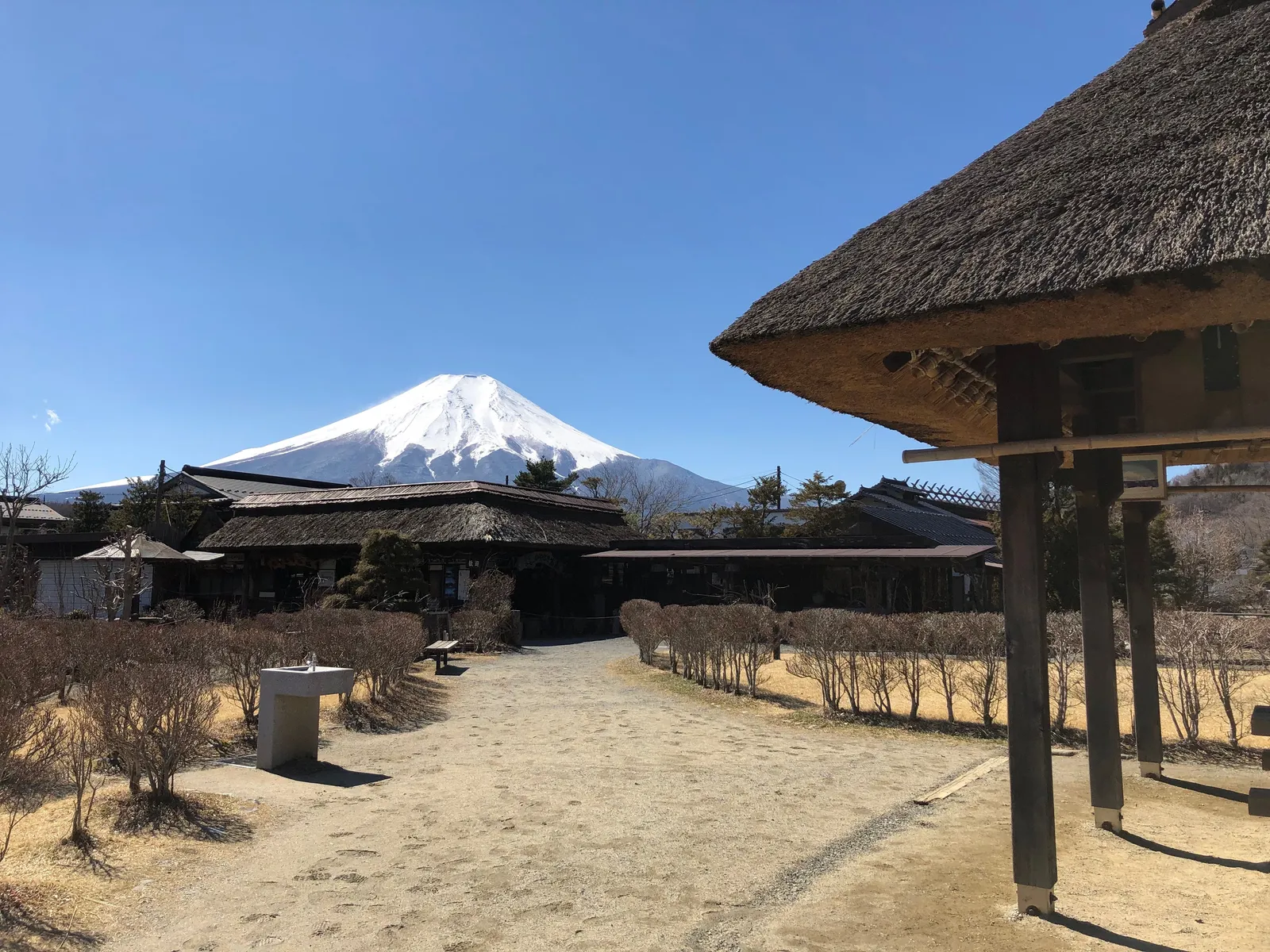
On your way back towards Tokyo, break the journey rather than heading straight in. Odawara Castle, rebuilt above the town that shares its name, is a manageable stop with good views from the keep and a far calmer atmosphere than the more famous castles further afield. Alternatively, Enoshima, a small tied island just off the coast, gives you a different kind of final day: a walk out across the causeway, shrines set into the cliffside, and on a clear day, Fuji visible across the bay from the coast road, a genuinely striking way to close out a trip that started in the mountains and ends by the sea.
Food: the coastal towns near Enoshima are known for fresh seafood, particularly shirasu, tiny whitebait served over rice, a local specialty worth trying before you head back into the city. The signature experience: Fuji seen across the water from the Enoshima coast road, a genuinely different perspective on the mountain from the lake views earlier in the trip. Optional tour: a combined Enoshima and Kamakura day tour is worth considering if you have a little flexibility and want to add a temple town to the coastal stop.
Practical tips
- Before your first soak, brush up on onsen etiquette, since washing beforehand and, for some venues, tattoo policies are worth knowing in advance rather than discovering at the door; our wider Japanese etiquette guide covers the rest of what to expect.
- A ryokan first stay comes with its own small rules: futon bedding, set mealtimes and how the yukata robe works, all worth reading up on before you check in.
- Weather in the Fuji region can change quickly, so build slack into any day that depends on the mountain being visible.
- The Hakone loop transport works as a single connected system, but check current routes before you travel, since sections occasionally close for maintenance after volcanic activity; see getting around Japan for how the passes and connections work more broadly.
- Confirm opening times and any reservation requirements for the sculpture museum and individual onsen against their official pages before you go.