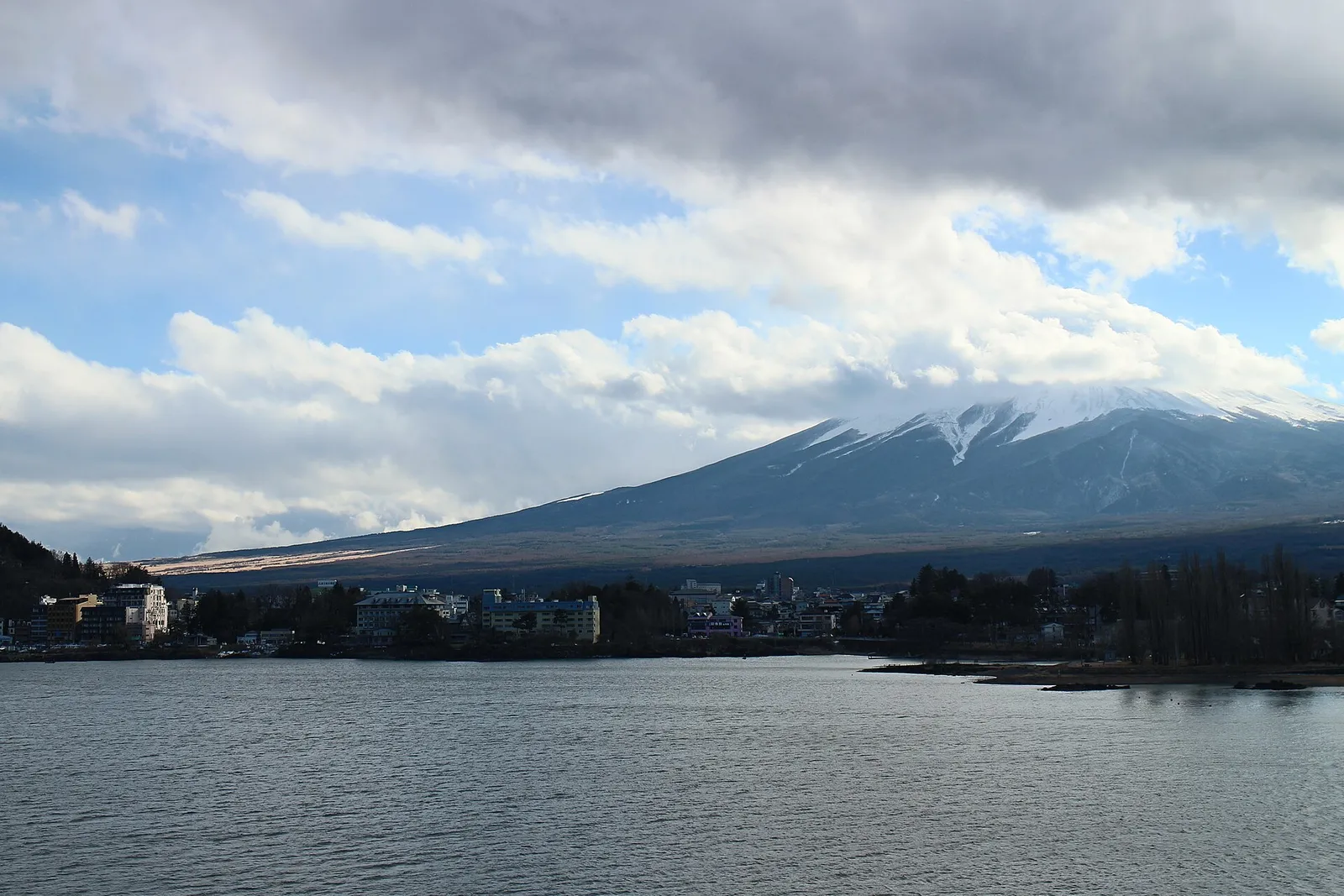
Mount Fuji is on every poster of Japan and is invisible for a great deal of the year. It generates its own cloud, it disappears for days at a time in summer, and a large number of visitors come home having stood in the right place at the wrong hour and seen a white sky. The mountain is entirely worth the effort. It just needs to be planned like weather rather than like a monument.
Where to see it from
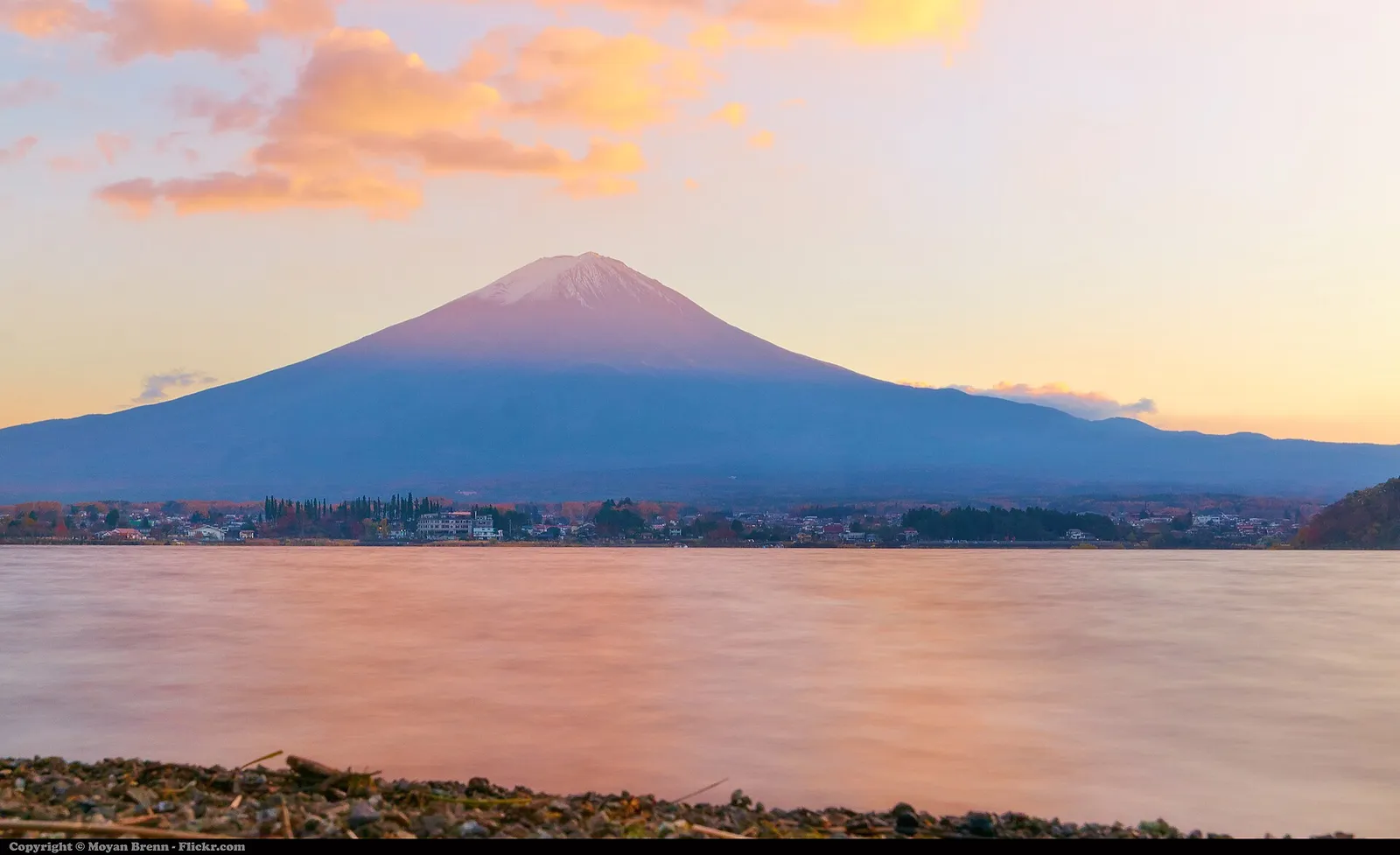
Kawaguchiko, the most accessible of the Fuji Five Lakes, with the mountain across the water and a town along the shore.
Chureito Pagoda, a short ride away and about four hundred steps up, for the classic pagoda, cherry blossom and mountain composition.
Lake Yamanaka and Lake Motosu, quieter, with the latter giving the view printed on the banknote.
Oishi Park, on the northern shore, with flower beds in front of the mountain.
Hakone, further east, for a more distant view over a crater lake.
Tokyo itself, from a tower or a west facing hotel window, on the clearest winter mornings.
The odds
November to February are the best months by a wide margin: cold, dry air and frequent clear mornings.
Summer is the worst, humid and hazy, with the mountain hidden much of the time, which is ironic given it is the only season you can climb it.
Mornings beat afternoons in every season, often decisively.
Cloud builds through the day, so a mountain visible at seven can be gone by ten.
Two mornings double your chances, which is the practical argument for staying over.
What else is there
The Kachi Kachi ropeway above Kawaguchiko, for a viewpoint over the lake with the mountain behind.
Oshino Hakkai, a small village of thatched houses around clear spring pools fed by snowmelt.
The lava caves in the forest on the northern slopes, cold enough to hold ice into summer.
Fuji-Q Highland, an amusement park with several record holding roller coasters, right under the mountain.
Cycling around the quieter western lakes, where almost nobody goes.
Onsen with the mountain in view, which is the best possible use of a cold clear morning.

Climbing it
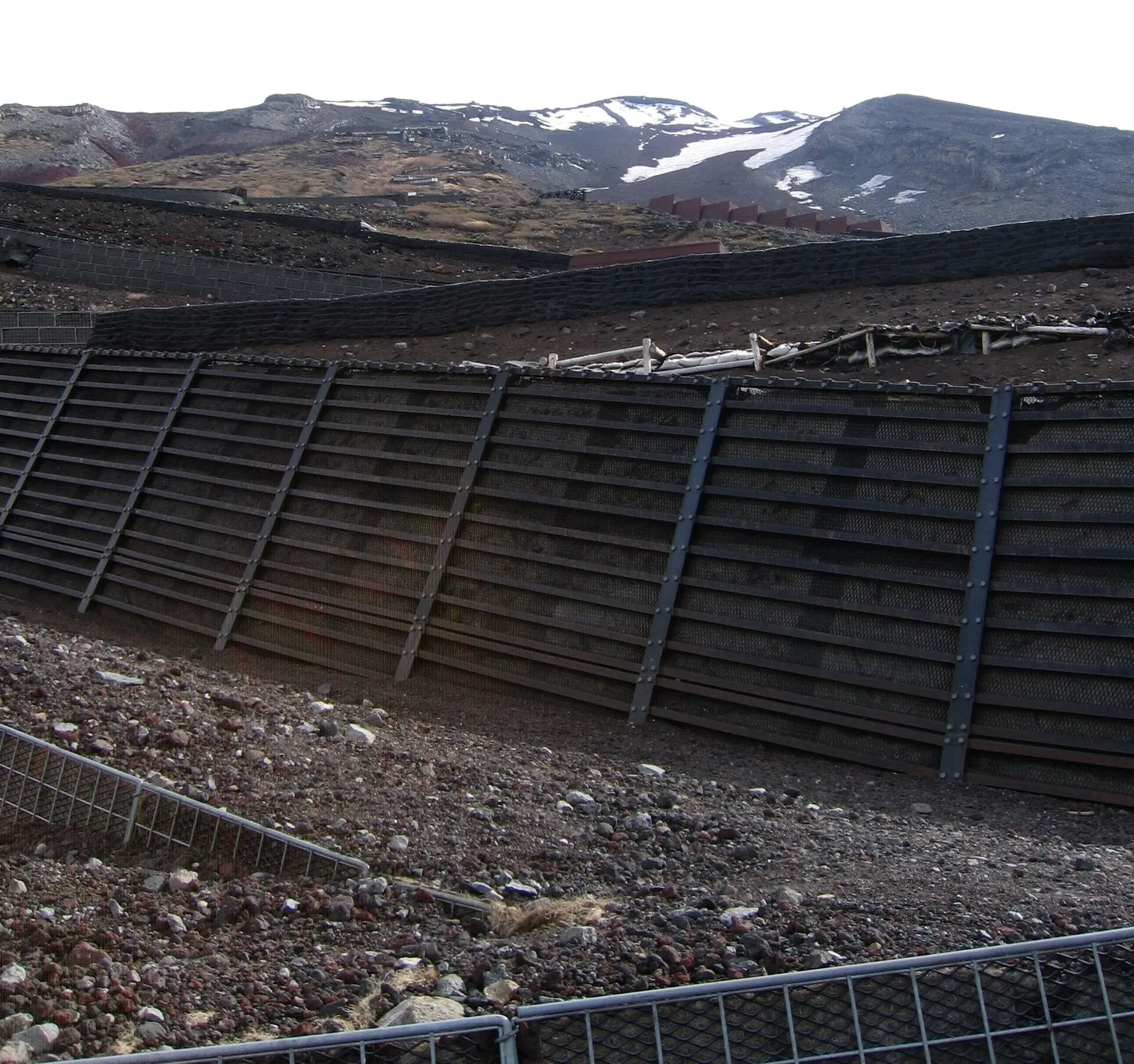
July and August only. The official season is when the huts, the trails and the mountain rescue infrastructure are open.
Outside that window it is a serious mountaineering proposition, with snow, ice and no support, and people die on it every year.
Access rules have changed. Daily numbers, entry fees and gate hours on the main trail have been introduced and revised, so check the current position with the prefectural authorities.
It is a long slog rather than a technical climb, usually done overnight to reach the summit at dawn.
Altitude affects people at over three thousand metres, and going too fast is the usual cause.
Practical notes
Express buses from Tokyo are the standard route and need booking at peak times.
Rail passes do not necessarily cover the approach; check before relying on one.
The local bus loops around the lake are how most visitors get about.
Autumn colour around the lakes is exceptional and correspondingly crowded.
It is colder here than Tokyo at any time of year, and noticeably so at dawn.
Where this fits in a Japan trip
The lakes are a night from Tokyo and the best answer to a clear winter forecast.
Everything above is about looking at the mountain rather than standing on it. If you are considering the ascent instead, that is a different trip with a short official season and its own rules, and our guide to climbing Mount Fuji covers what it involves.
For the other Fuji viewing area, closer to Tokyo and easier as a single night, our guide to the best time to visit Japan covers the loop.
And for the season that turns these lakes into the best place in the country to be, our guide to Japan’s autumn leaves covers the timing.
The short version
Come between November and February if the mountain is the point, stay one night at Kawaguchiko, and look out of the window at dawn on both mornings. Take the express bus from Tokyo and book it in advance. Climb the steps to Chureito Pagoda for the classic composition, ride the ropeway, and fill the rest of the time with the caves, the thatched village and a bath with a view. Only consider climbing in July or August, and check the current access rules before you plan it.