Tokyo rewards travellers who slow down. Rather than sprint between famous names, this plan settles you into one base and lets each day belong to a neighbourhood, with time for a long lunch, an unplanned lane and a proper sit-down coffee. For where to sleep, see where to stay in Tokyo, and for the wider picture start with our Tokyo guide and first time in Japan.
Itinerary at a glance
| Day | Area | Signature experience |
|---|---|---|
| 1 | Asakusa and Ueno | A river boat down the Sumida towards the bay |
| 2 | Shibuya, Harajuku, Omotesando | An observation floor at sunset |
| 3 | Imperial Palace, Yanaka | A booked tea ceremony or craft workshop |
| 4 | Akihabara and Shinjuku | Bar-hopping in Golden Gai |
| 5 | Kamakura | The Great Buddha and the coast |
Day 1: Old Tokyo, Asakusa and Ueno
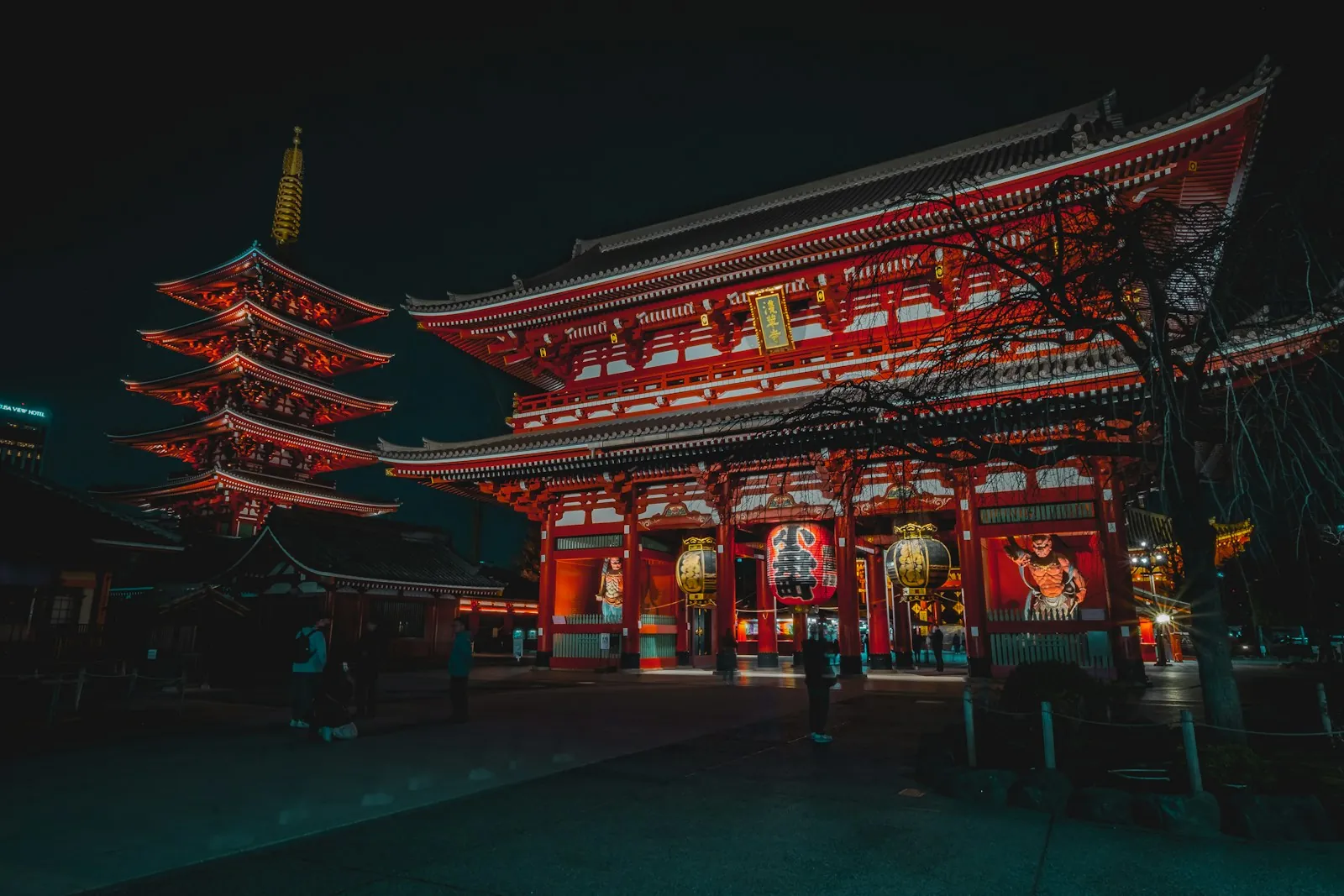
Arrive early at Senso-ji, before the tour groups fill the courtyard, then wander back through the Nakamise lane as the shutters roll up. Grab a fish-shaped taiyaki from a street window, warm and filled with sweet red bean. Walk or ride south to Ueno Park and give an hour to the Tokyo National Museum, the best single collection of Japanese art in the country. For lunch, graze the stalls of Ameyoko Market beneath the tracks, or start the day earlier with breakfast at the Tsukiji Outer Market. Both, and the department store food halls almost no visitor thinks to go down to, are covered in our Tokyo food markets guide. In the evening, try monjayaki, a runny Tokyo griddle dish that often contains seafood and dairy, so ask if you avoid either.
Hands-on experience: cook your own monjayaki at the table. Optional tour: a small-group Asakusa walking tour. Wow moment: board a Sumida River cruise on the futuristic Himiko or Hotaluna boats, designed by manga artist Leiji Matsumoto, and glide under the bridges towards Hamarikyu Gardens.
Day 2: Modern Tokyo, Shibuya to Harajuku
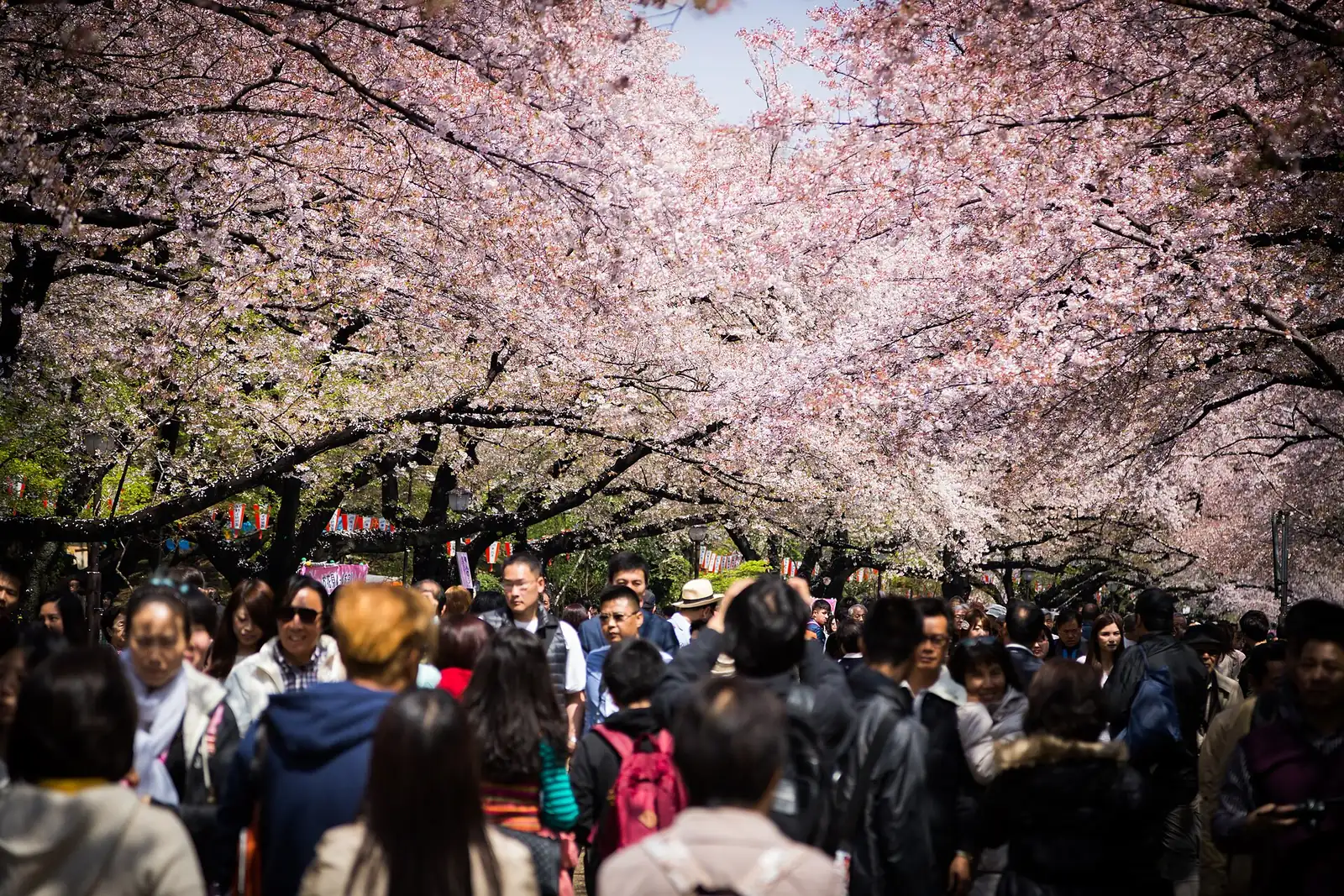
Stand at the edge of the Shibuya scramble, then find a window high above to watch the choreography from the calm. Fuel up with a plate at Uobei Shibuya Dogenzaka, where sushi arrives on a little bullet train, then take a slow pour-over at Blue Bottle Coffee Shibuya. Walk north through Harajuku and its side lanes to leafy Omotesando, pausing for a bowl of yuzu-bright ramen at Afuri Harajuku, which keeps vegan options, or a crisp cutlet at Tonkatsu Maisen Aoyama. Between the two districts, step into the forest around Meiji Jingu, a shrine that feels a world away from the crowds outside.
Hands-on experience: write a wish on an ema plaque at Meiji Jingu. Optional tour: a Harajuku street-fashion and backstreets tour. Wow moment: ride up to Shibuya Sky for sunset, then finish the night at The Bellwood, a theatrical Taisho-era cocktail bar tucked off the main streets.
Day 3: Culture and craft, the palace and Yanaka
Begin in the Imperial Palace East Gardens, free to enter and quietly grand, with old stone ramparts and seasonal blooms. Refuel from the dazzling food hall at Mitsukoshi Nihombashi Depachika nearby. Afterwards, head to the Nezu Museum for its serene collection and, behind it, one of the loveliest hidden gardens in the city. End in Yanaka, an old low-rise quarter that survived the last century, where you can eat house-made soba and pick up something warm from a neighbourhood bakery. Later, a bowl at Ramen Kagari Ginza makes a rich, creamy chicken-broth dinner.
Hands-on experience: book a tea ceremony or a craft workshop, such as indigo dyeing or ceramics, well ahead of your trip. Optional tour: a guided Yanaka old-town stroll. Wow moment: the Nezu Museum’s wooded garden, with its stone lanterns and tucked-away tea houses, an unexpected pocket of calm.
Day 4: Otaku by day, alleys by night
Give the morning to Akihabara: multi-floor electronics halls, retro game arcades and shelves of collectibles. When hunger hits, buy a ticket at the vending machine outside Fuunji in Shinjuku for its famous dipping ramen, which uses a pork and fish broth. As dusk falls, wander the smoky lantern-lit lane of Omoide Yokocho for an izakaya crawl of skewers and beer, then move on to a satisfying bowl at Ramen Nagi Golden Gai.
If the night is still going after that, karaoke in Japan is a private room you rent by the hour rather than a stage in a bar, and our karaoke guide explains how walking into one actually works.
Hands-on experience: an izakaya crawl, ordering a dish or two at each tiny counter. Optional tour: a guided Golden Gai bar-hopping evening, ideal if the etiquette feels daunting. Wow moment: Golden Gai itself, six narrow alleys holding some two hundred bars that seat only a handful of drinkers each. Many still serve regulars only, so look for the ones that clearly welcome visitors on the door, and expect a small cover charge at some.
Day 5: Day trip to Kamakura
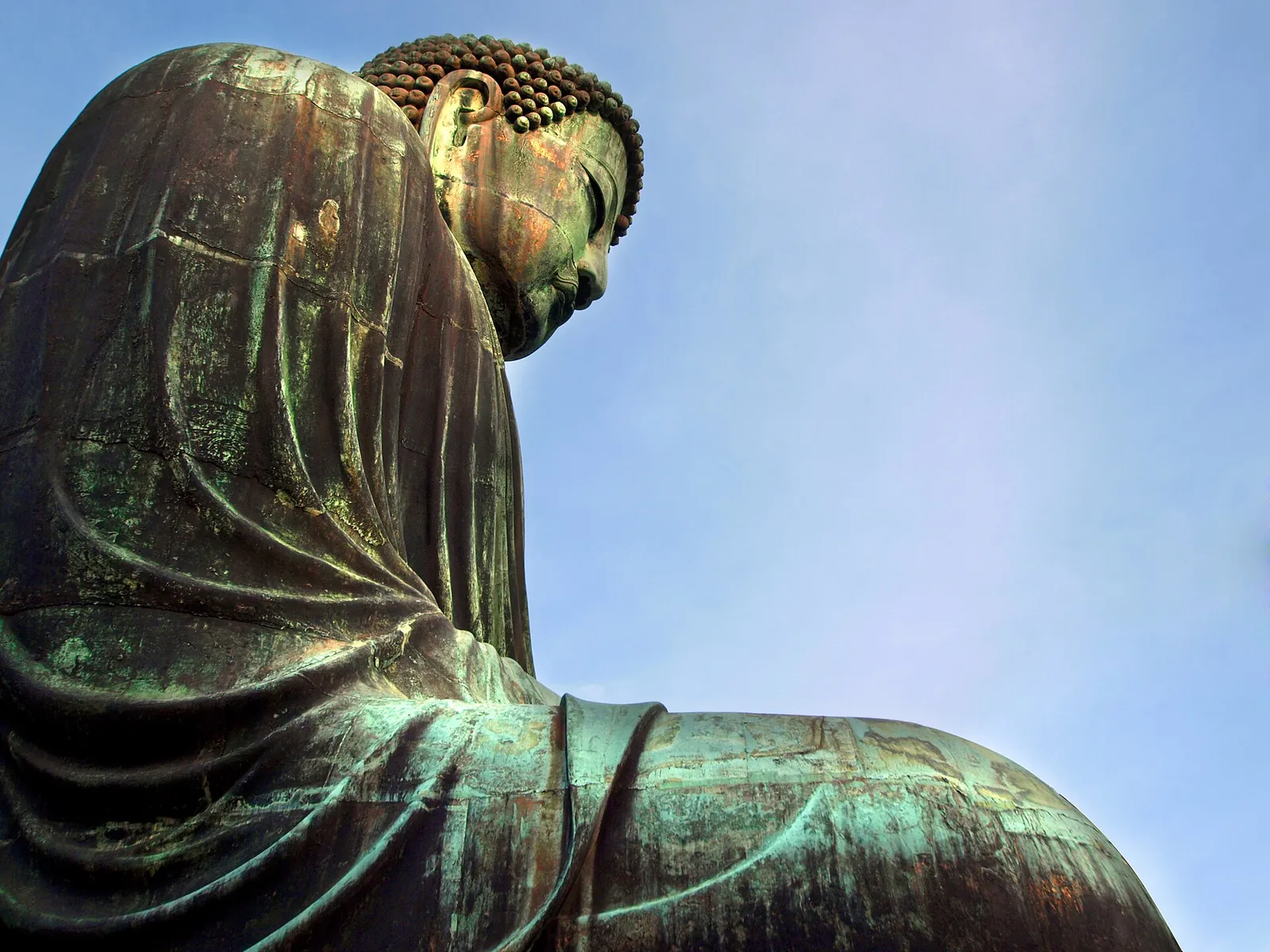
Swap the city for the coast. In Kamakura, stand before the great bronze Buddha at Kotoku-in, then climb to Hasedera for its hillside views over the bay. Walk the approach to Tsurugaoka Hachimangu, browse Komachi Street and pause for matcha and a sweet at Kamakura Chacha. The beach is a fine place to breathe salt air, though swimming is seasonal and only advised where lifeguards are present. Back in Tokyo, round off the trip with tsukemen or a food-hall feast at Isetan Shinjuku Depachika.
Hands-on experience: hike the short Daibutsu trail between temples. Optional tour: a Kamakura temples and coast day tour. Wow moment: Hokoku-ji, the small bamboo-grove temple where you can sip matcha among the swaying stalks, far quieter than the famous groves of Kyoto.
If you would rather trade the coast for mountains, Nikko is the other great day out of Tokyo: a couple of hours north on the direct Tobu line from Asakusa, with a gilded UNESCO shrine complex at the bottom of the hill and a caldera lake and waterfall above it. It needs an earlier start than Kamakura does, so pick one or the other rather than trying for both.
Practical tips
- Base yourself once and use the trains: our getting around Japan guide explains passes and IC cards, and Tokyo airport transfers covers the arrival leg.
- Opening hours and entry fees change often, so confirm times and any reservation rules with each venue’s official source before you go.
- Carry some cash: many small bars, especially in Golden Gai, do not take cards.
- Flag pork, shellfish, raw egg or dairy clearly when you order, as many signature dishes include them.
- For the best seasons to visit, see Japan’s best time to travel.
- If one of the six annual sumo tournaments falls in your dates, it is worth building a day around: our sumo guide covers tickets, what a tournament day is actually shaped like, and why arriving mid-afternoon is the informed move.
- Two Tokyo attractions need booking long before you arrive rather than on the day, so decide early whether you want them: the Ghibli Museum in Mitaka, which releases a strictly limited number of timed tickets, and Tokyo Disney Resort, where the two parks each take a full day and DisneySea exists nowhere else in the world.
- If Tokyo is the opening leg of a longer trip rather than the whole thing, our ten days in Japan plan gives the city three of these days and then runs on to Hakone, Kyoto, Nara and Osaka by shinkansen.