There is exactly one thing that separates a Studio Ghibli visit from almost everything else on a Japan itinerary: you cannot decide to go on a whim. Both the museum in Tokyo and the newer park near Nagoya sell every ticket in advance, for a specific date and a specific time, and neither has anything like a ticket window at the door. Get the booking sorted early and the rest of the day looks after itself. Leave it too late and you are looking at the gate from outside.
The Ghibli Museum in Mitaka
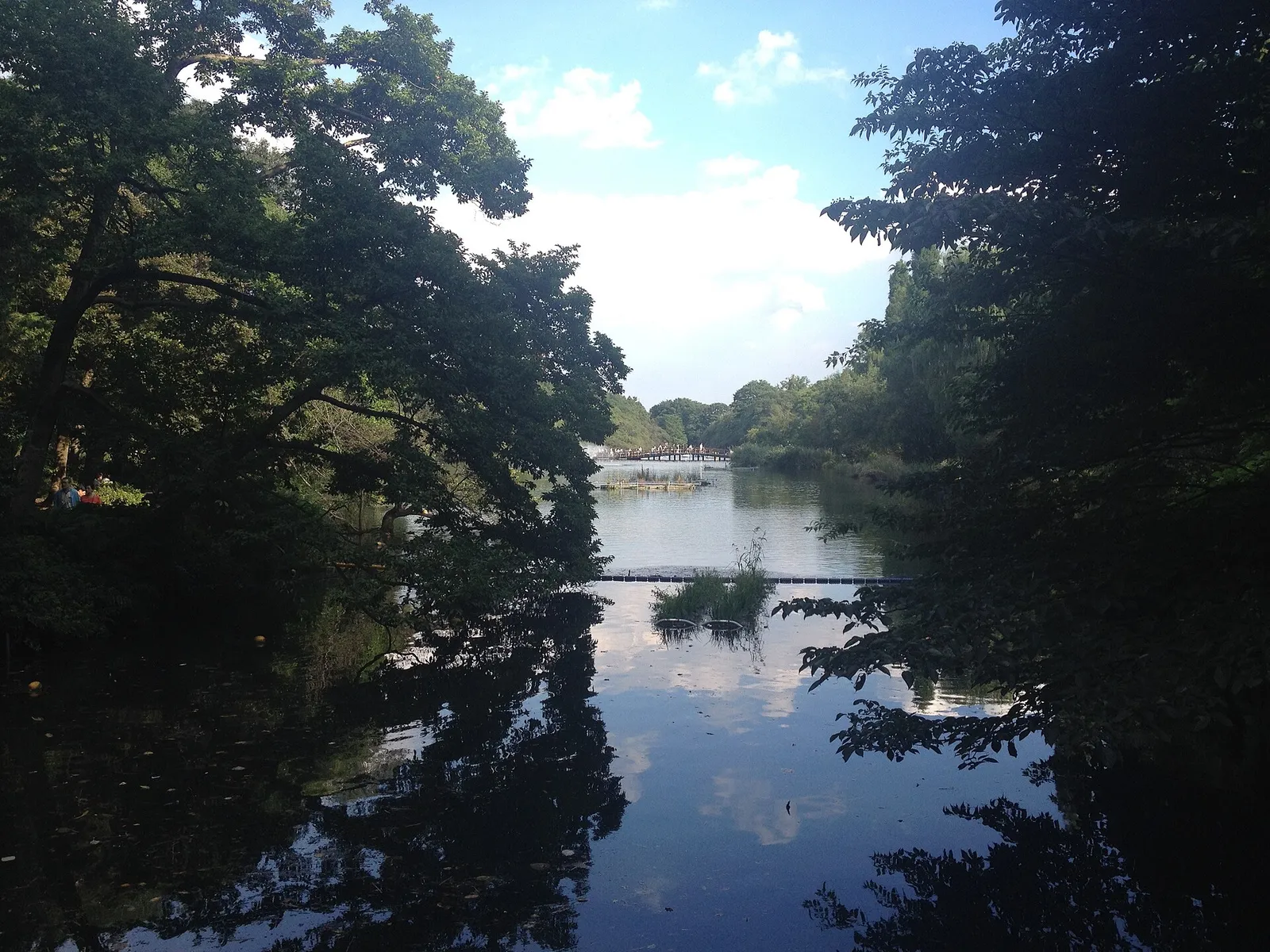
The museum sits in Mitaka, a quiet, leafy district in west Tokyo next to Inokashira Park, and the building looks like it stepped out of a film before you even go inside: stained glass windows, a spiral staircase, small bridges connecting rooms that never quite follow a straight line. On the roof stands a full-size robot soldier from Castle in the Sky, rust coloured and weathered against the sky, and one of the most photographed spots in the city.
Photography is not allowed inside the building, and it is a deliberate choice rather than an oversight. Take the phones out of the equation and people genuinely look up instead. The centrepiece is a tiny cinema showing a short, original piece of animation that is not screened anywhere else and changes every few months, alongside an exhibit on how animation is made by hand, a well stocked gift shop and a small rooftop cafe. Nothing about the place is large. Two to three hours covers it in comfort, and that scale is part of the appeal rather than a shortcoming.
Families tend to do particularly well here. The one unmissable feature for younger children is a soft, oversized Catbus that they can climb onto and burrow into, and it is usually the moment they talk about afterwards more than anything else in the building.
Ghibli Park, near Nagoya
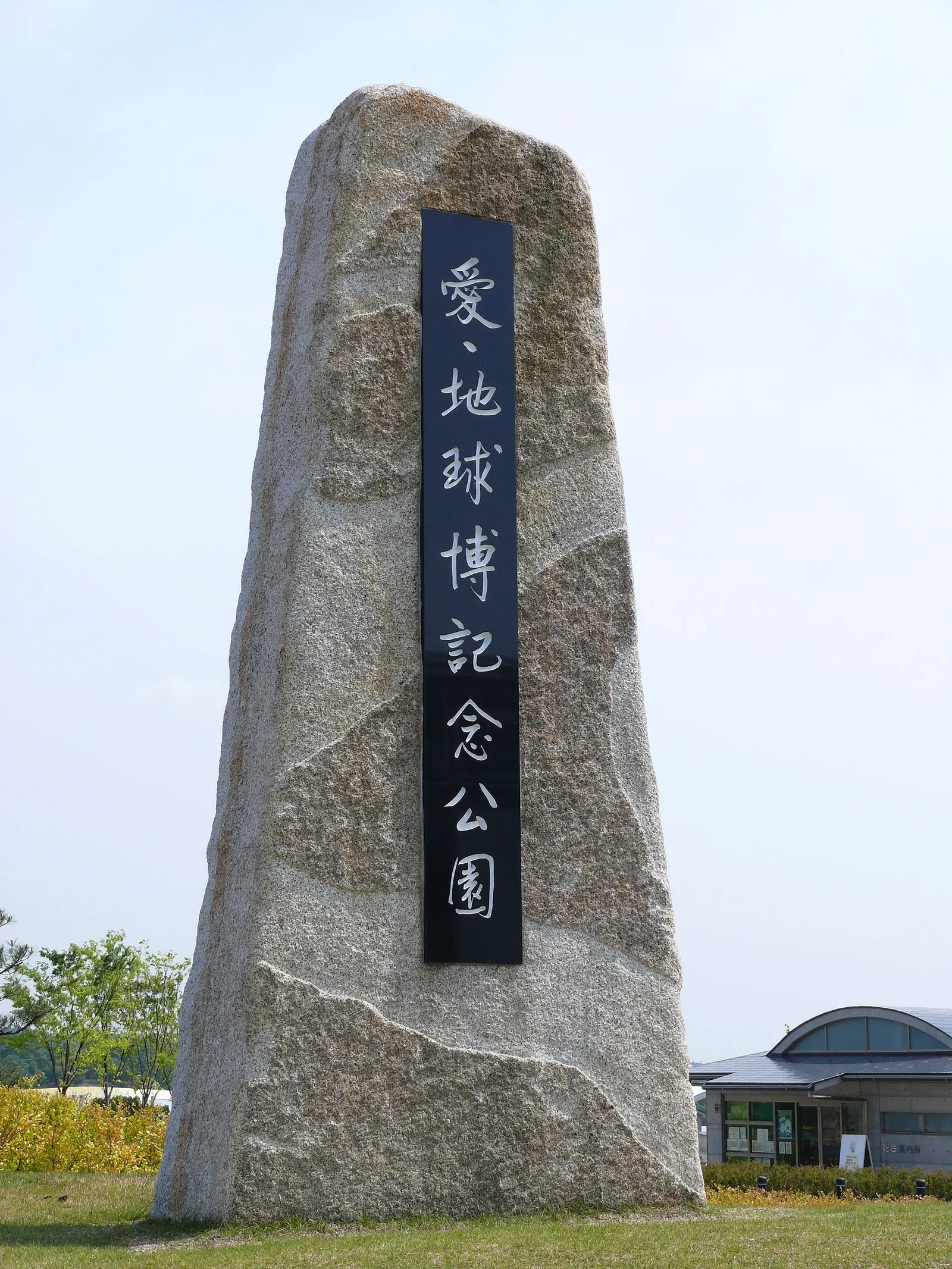
Ghibli Park opened in 2022 on a large wooded site outside Nagoya, reachable by shinkansen from Tokyo or Kyoto and then a short ride on the Linimo maglev line. This is not a theme park with rides and queues. It is closer to an actual forest with pieces of the films built into it: a recreation of Mei and Satsuki’s house from My Neighbor Totoro in an area called Dondoko Forest, Mononoke Village drawn from Princess Mononoke, and Witch Valley, themed around Kiki’s Delivery Service and Howl’s Moving Castle, spread across five zones.
The day ticket is sold by zone, so you choose in advance how much of the park to see, and a proper visit runs close to a full day rather than an afternoon. Comfortable shoes matter more here than at the museum, since most of the site is outdoors and the walking between areas adds up.
Set side by side, the two attractions solve different problems for a traveller:
| Ghibli Museum, Mitaka | Ghibli Park, near Nagoya | |
|---|---|---|
| Location | Inside Tokyo, about half an hour from the centre | Near Nagoya, a shinkansen journey away |
| Scale | Small and intimate | Large, close to a full day |
| Exclusive film | A short cinema piece shown nowhere else | None |
| Best suited to | A short Tokyo stay, younger children | Committed fans with a full day free |
What the visit actually feels like
Set your expectations before you book, because this is not a theme park in the usual sense. There are no big rides, no queue for a rollercoaster and no single climactic moment everyone is waiting for. What you get instead is a world built with real care, and most of the visit is spent walking slowly, noticing small details someone clearly spent a long time on: a door handle, a mural, the way light falls through a coloured window.
That is also part of why photography stays off the table indoors. Instead of chasing the right angle, you actually look, and it works better than it sounds. Save the camera for outside, above all for the rooftop and the robot.
One honest note: this suits people who know the films far more than people who do not. A house or a moment you recognise from childhood does most of the emotional work, and without that memory what remains is still handsome and carefully made, just not especially moving. Younger children respond to the scale and the textures regardless of the story, while older visitors connect more once they start recognising things. The pace is unhurried rather than exciting, so pairing it with time in an open park afterwards suits a child who needs to run around.
Buying tickets: the one rule that matters
This is the part that makes people anxious, so here is how to think about it. Both the museum and the park sell tickets exclusively in advance, online, for a set date and time slot, and there is no way to buy one on arrival. The release schedule and the platform used for sales have both changed more than once over the years, so treat any specific date or process you read, including in this article, as something to double check on the official site rather than something to rely on outright. In busy periods, popular dates can sell out within minutes of release.
Two habits are worth building into the plan. First, secure the ticket before committing to flight dates, since doing it the other way round can leave you holding flights for a date with nothing left to book. Second, buy only through the official channel. Resale is not permitted, and a ticket bought elsewhere carries a real risk of being worthless at the gate.
If you cannot get tickets
It happens to plenty of people, and it does not have to sink the trip. Start by checking the other site: the museum and the park run separate ticketing systems, so a sold out date at one sometimes still has room at the other. If neither works for your dates, swap the day for something else rather than forcing it. Our guide to teamLab, another Tokyo attraction with the same advance only ticketing, makes a solid stand in and is worth comparing before you book either. The least popular option, and often the most sensible one, is to leave Ghibli for a future trip to Japan rather than building an entire holiday around chasing one ticket.
Fitting it into a Japan trip
Mitaka sits on the JR line west of central Tokyo, and it pairs naturally with a morning in Inokashira Park or a walk through nearby Kichijoji, one of the more relaxed neighbourhoods in the city. From there it is an easy ride back east to continue exploring the rest of the city covered in our Tokyo guide. If a free day opens up and you would rather see temples, a coastline and a bronze Buddha than more animation, our Kamakura day trip guide makes a genuinely different alternative for the day.
Whichever site you choose, leave real time for the gift shop at the end. People walk out with a stuffed Totoro under one arm and no regrets about it.
Either way, the ticket comes first and the itinerary follows it, not the other way round.