teamLab is the reason a large number of people under forty put Tokyo on a list. It is a collective that makes digital installations at building scale: rooms where projected flowers bloom and die on the walls in response to where you stand, halls of thousands of hanging lamps that change colour in waves, floors of mirror and water, and a space where you wade knee deep while projected carp break into flowers when you touch them. Photographs do not do it justice and also entirely explain why it is so heavily photographed.
The two Tokyo venues
A large permanent museum, where the works are not confined to rooms and drift from one space to another, so that a piece may walk past you into the next hall.
A water focused venue, where sections are waded barefoot, with an orchid garden and rooms that respond to touch.
Separate tickets and separate journeys, on different sides of the city.
Both are timed entry with real capacity limits.
Both take two to three hours and reward sitting still in at least one room.
Practical preparation
Trousers or shorts rather than a skirt or dress, because of the mirrored floors.
Something you can roll above the knee for the water sections.
Shoes off and stored, with lockers provided.
A phone in a strap or a pocket, since dropping it in water is a common and expensive mistake.
Nothing you need to carry, because large bags go in lockers.
Expect to be wet to the knee if you do the water rooms.
With children
A dedicated section with a slide, a climbing structure and drawing stations.
Drawings are scanned and the creature you coloured swims into the projection on the wall, which reliably delights.
Dark rooms and uneven floors can frighten toddlers.
Pushchairs are difficult and there is somewhere to leave them.
Wet legs are a certainty at the water venue, so bring a change for small children.
If you want more of the same
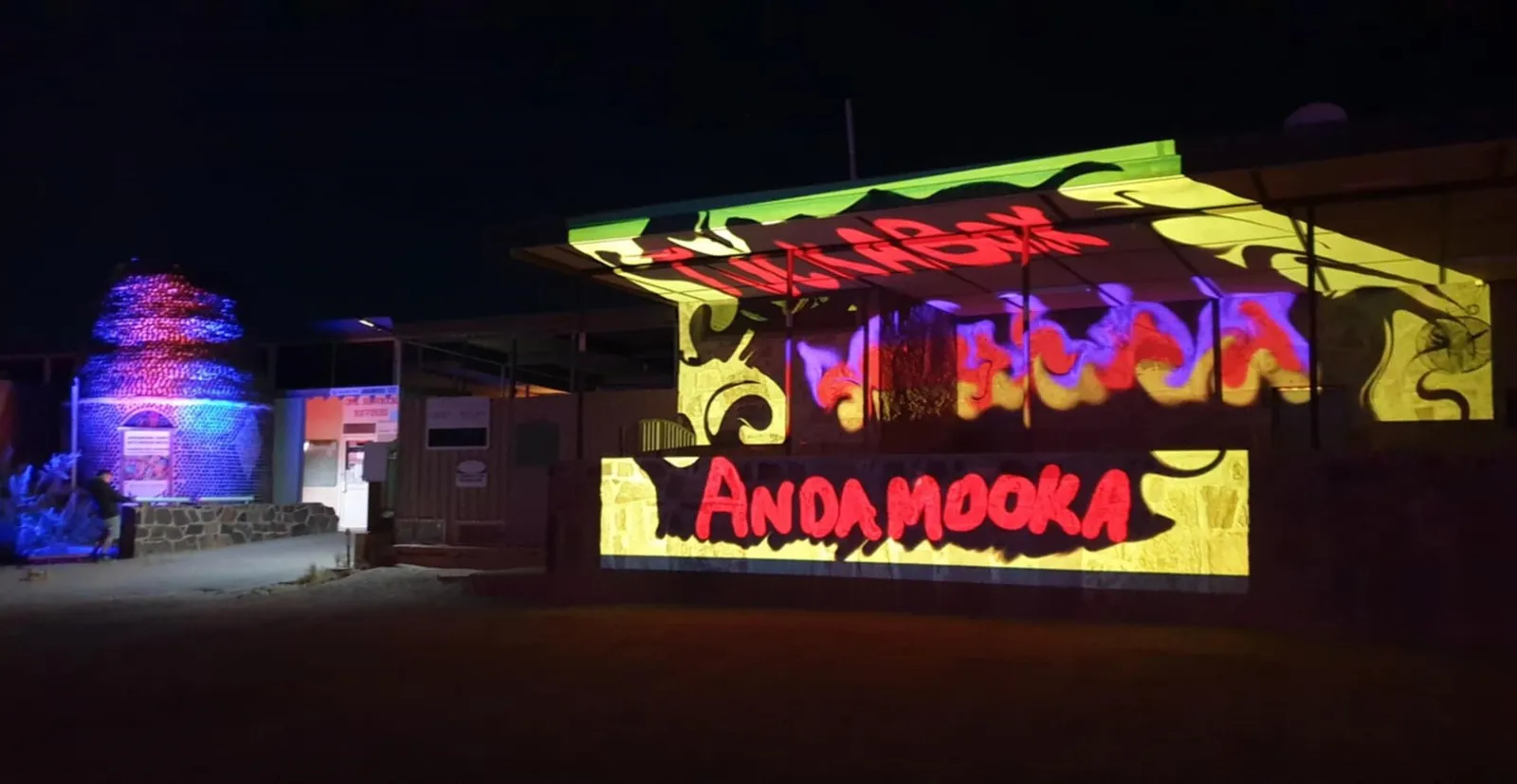
Other digital art venues have opened across Tokyo following the same idea with varying success; read what is actually in them before booking.
Team Lab installations outside Tokyo, including permanent ones elsewhere in Japan, which are worth checking if you are travelling further.
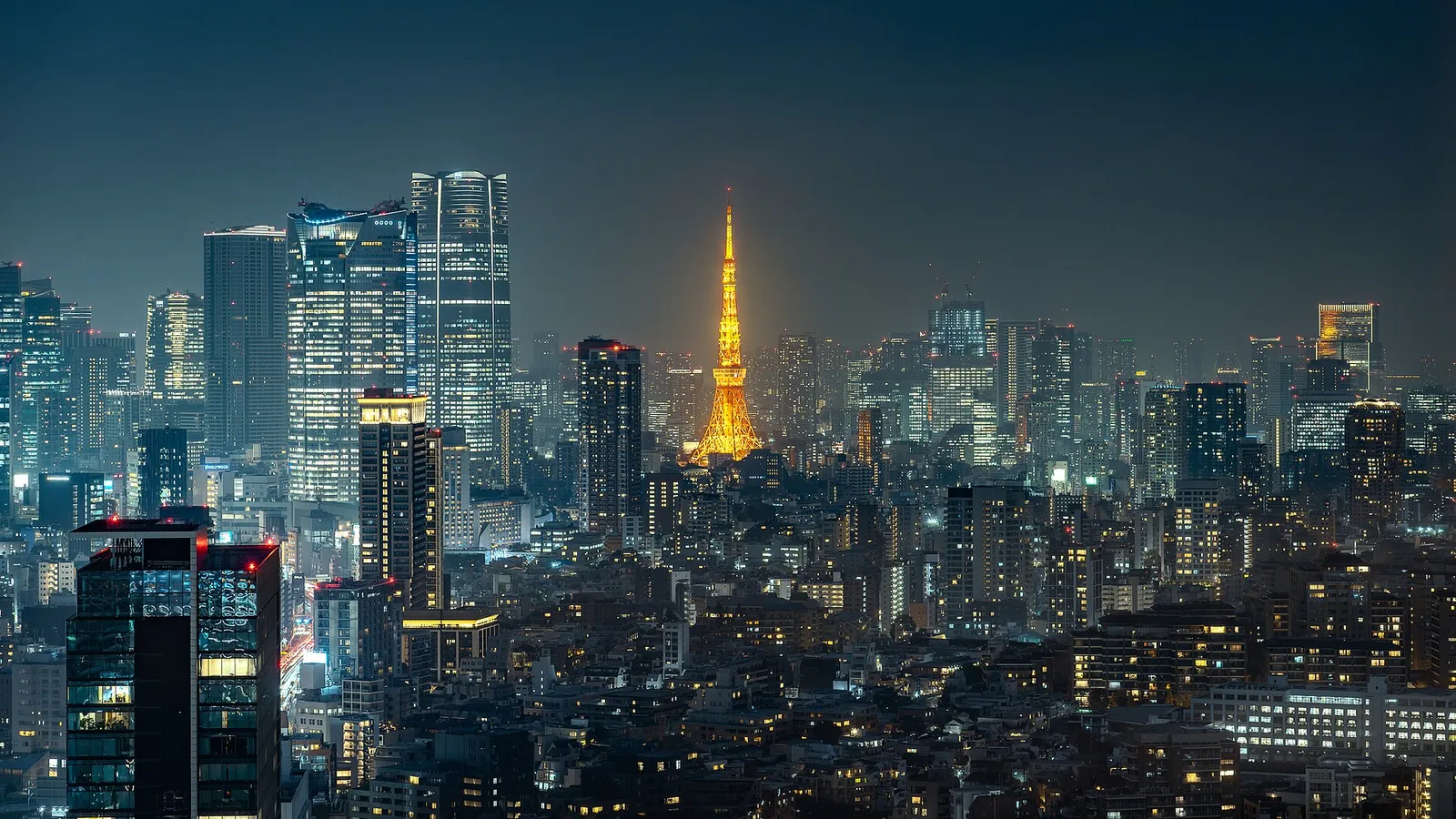
The observation decks at dusk, which are a different kind of light and cost less.
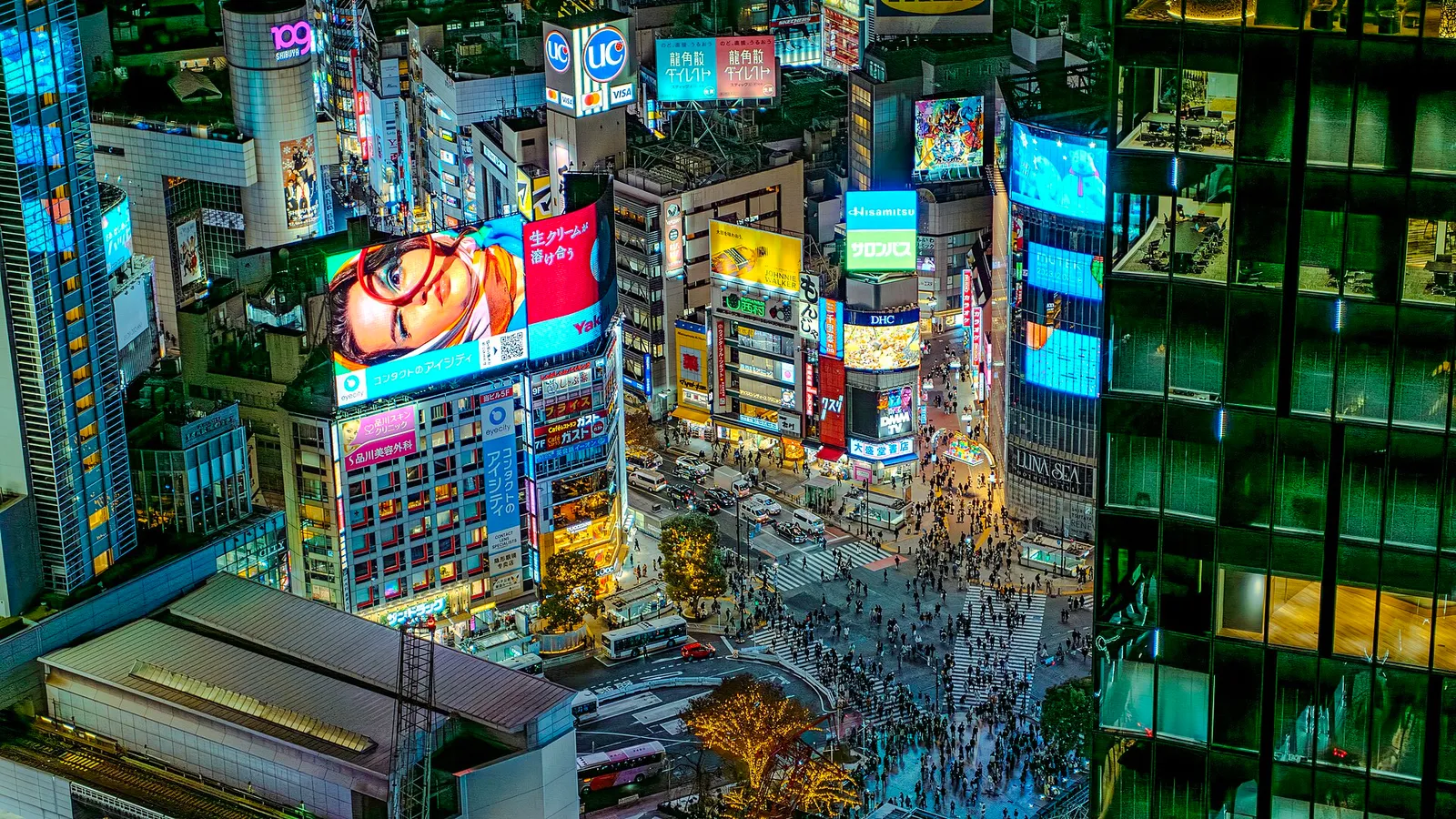
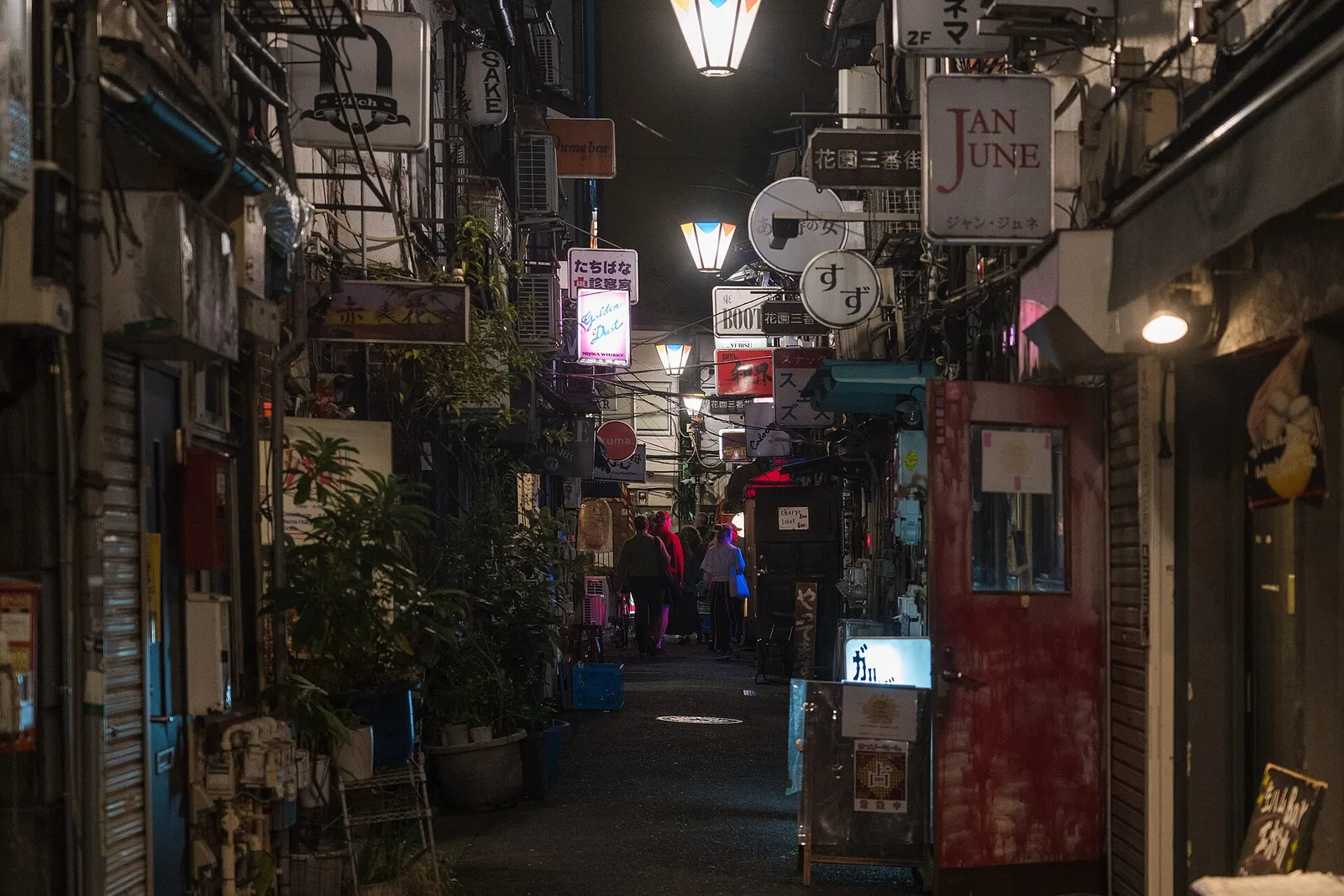
Kabukicho and the neon districts, which are free and equally photogenic in a completely different register.
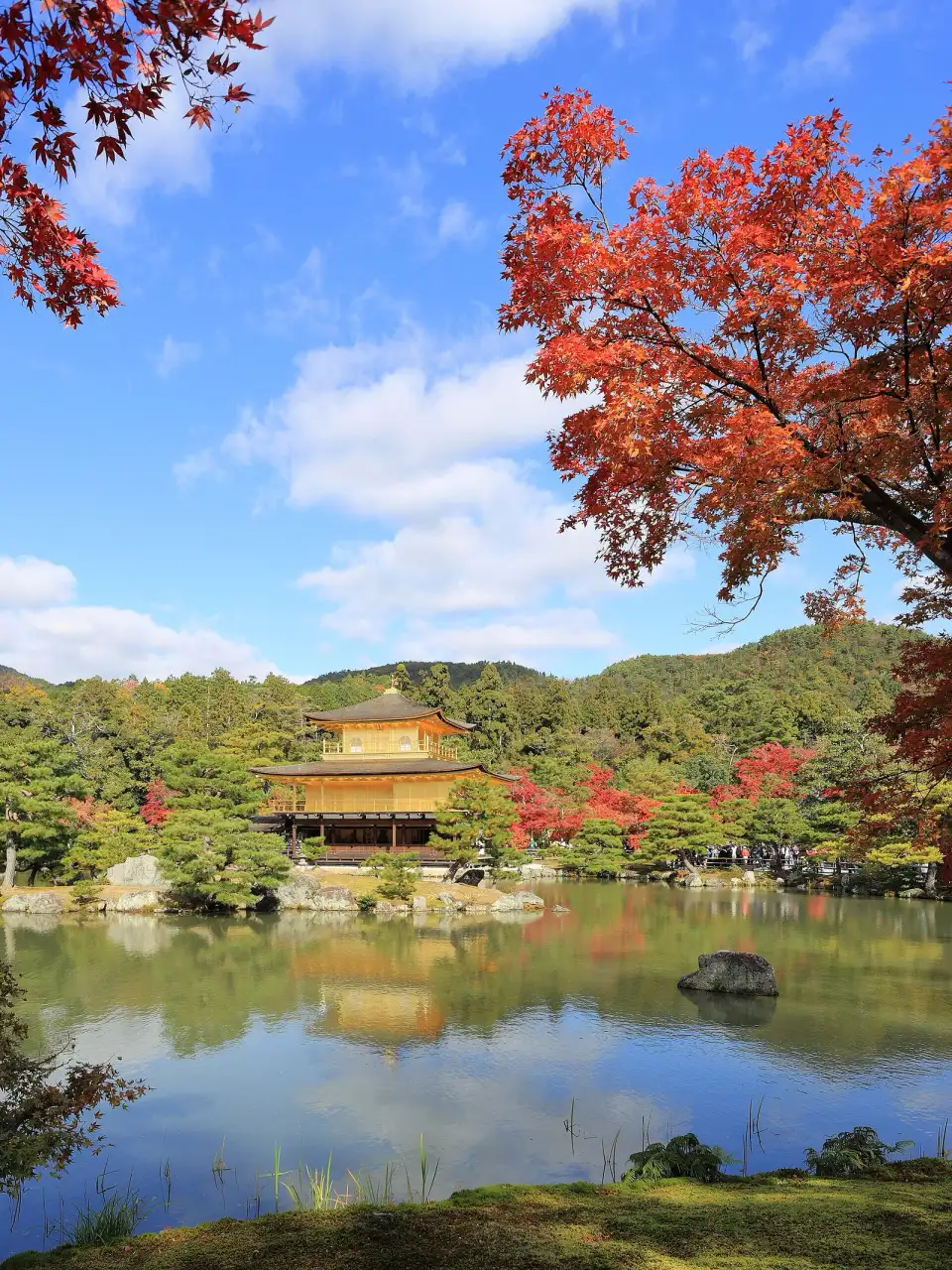
A projection mapped temple illumination in Kyoto in season, which is the traditional version of the same instinct.
Practical notes
Both venues are away from the centre and involve a real journey; check which one your ticket is for.
Slots are strictly timed and arriving late can mean losing entry.
Photography is allowed and the crowd behaves accordingly.
There is a cafe at each, and one of them serves drinks with flowers projected into the cup.
Accessibility varies by venue and by section; check ahead if it matters.
Where this fits in a Japan trip
This is a half day and it belongs in the middle of a Tokyo stay rather than at either end.
For the city as a whole and what else needs booking ahead, our Tokyo guide covers the overview.
For the districts around the venues and how to plan Tokyo days by area, our guide to Tokyo neighbourhoods covers the map.
And for what to do with the evening after a late afternoon slot, our guide to Tokyo nightlife covers where to go.
The short version
Book a timed slot days ahead, take a weekday morning, and choose one of the two venues rather than trying to do both. Wear trousers you can roll up, leave the skirt at the hotel because of the mirrored floors, and expect wet legs. Then find one room, sit down and stay for twenty minutes, which is the difference between a set of photographs and the thing people actually remember.