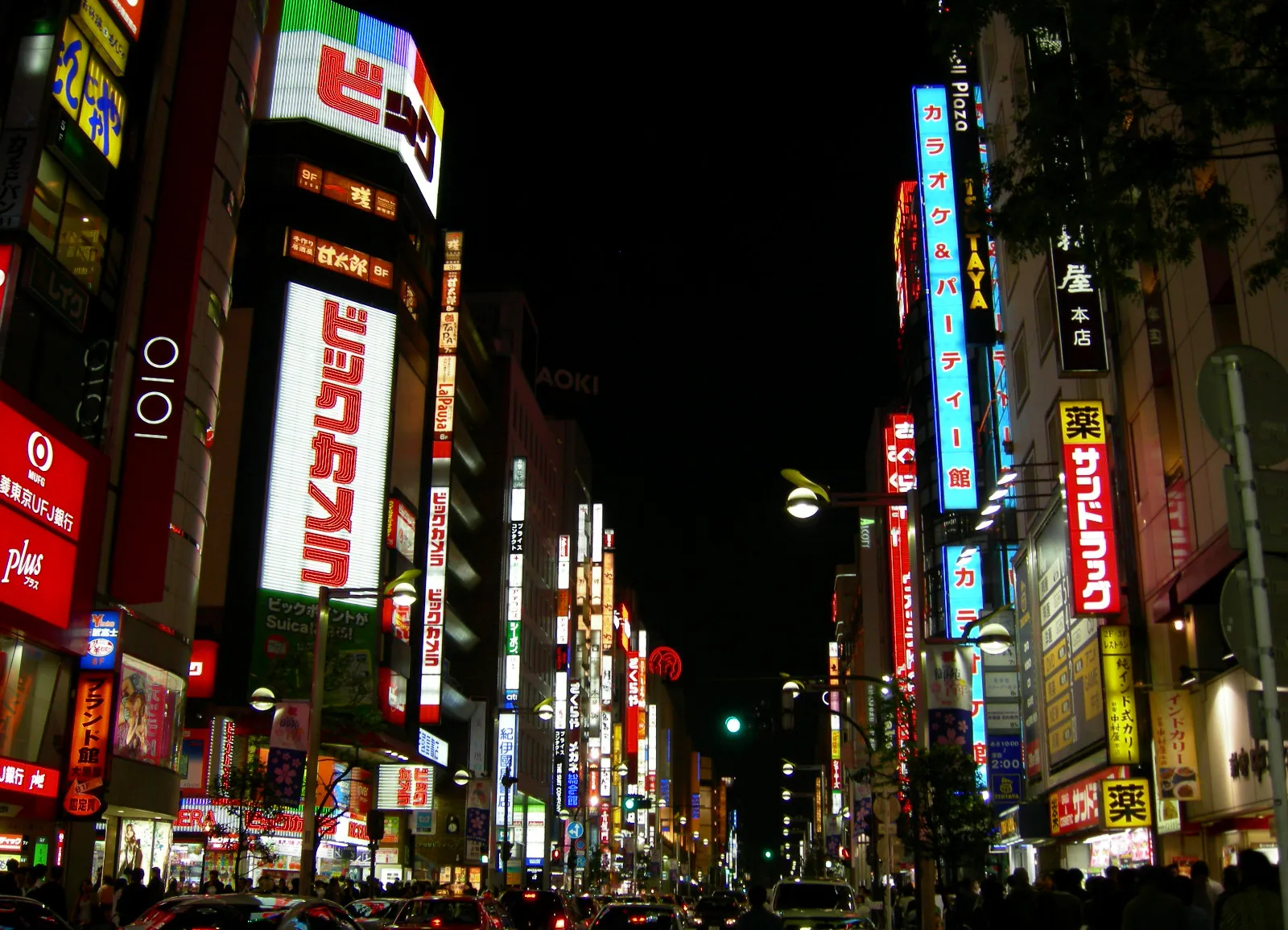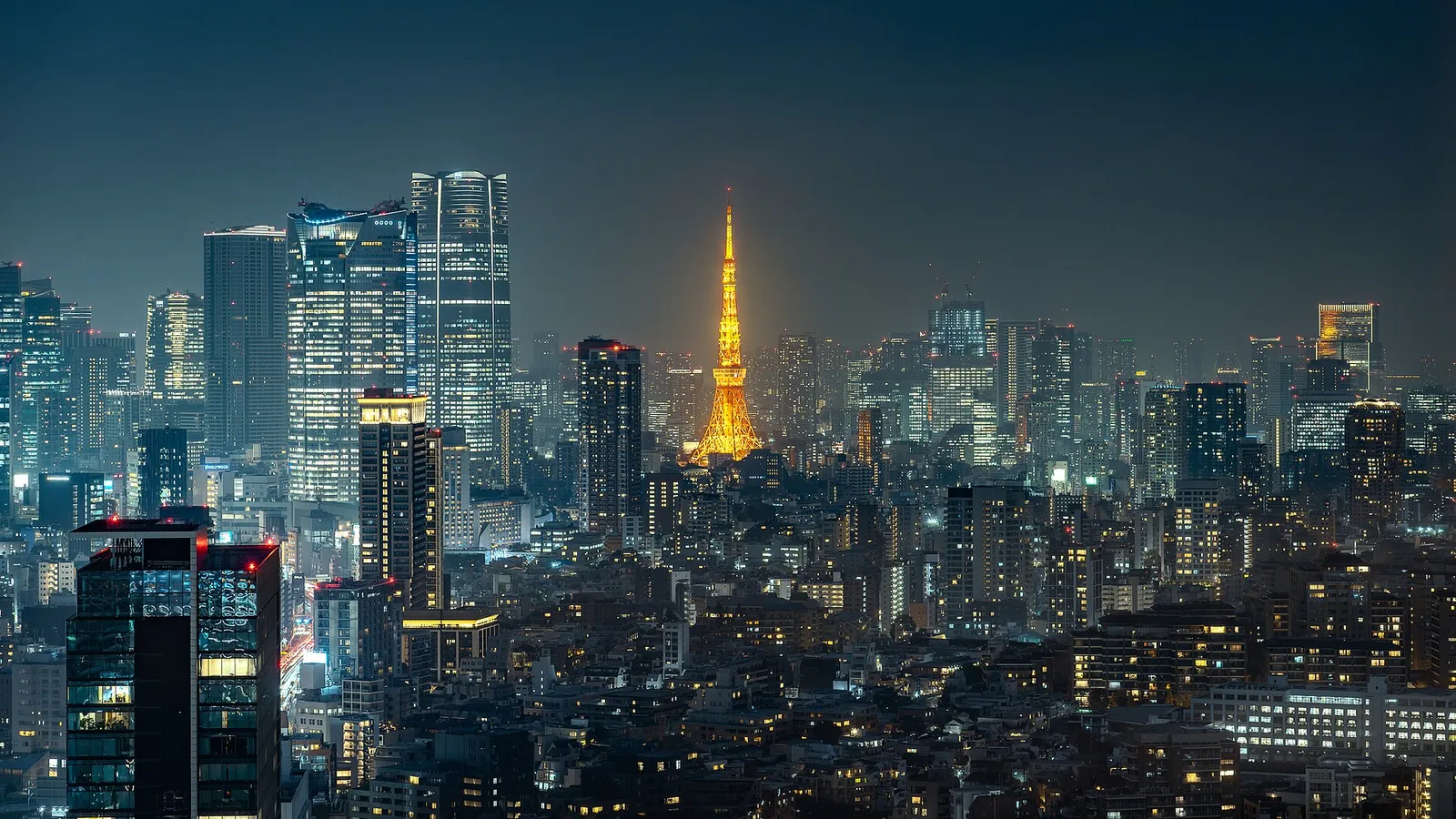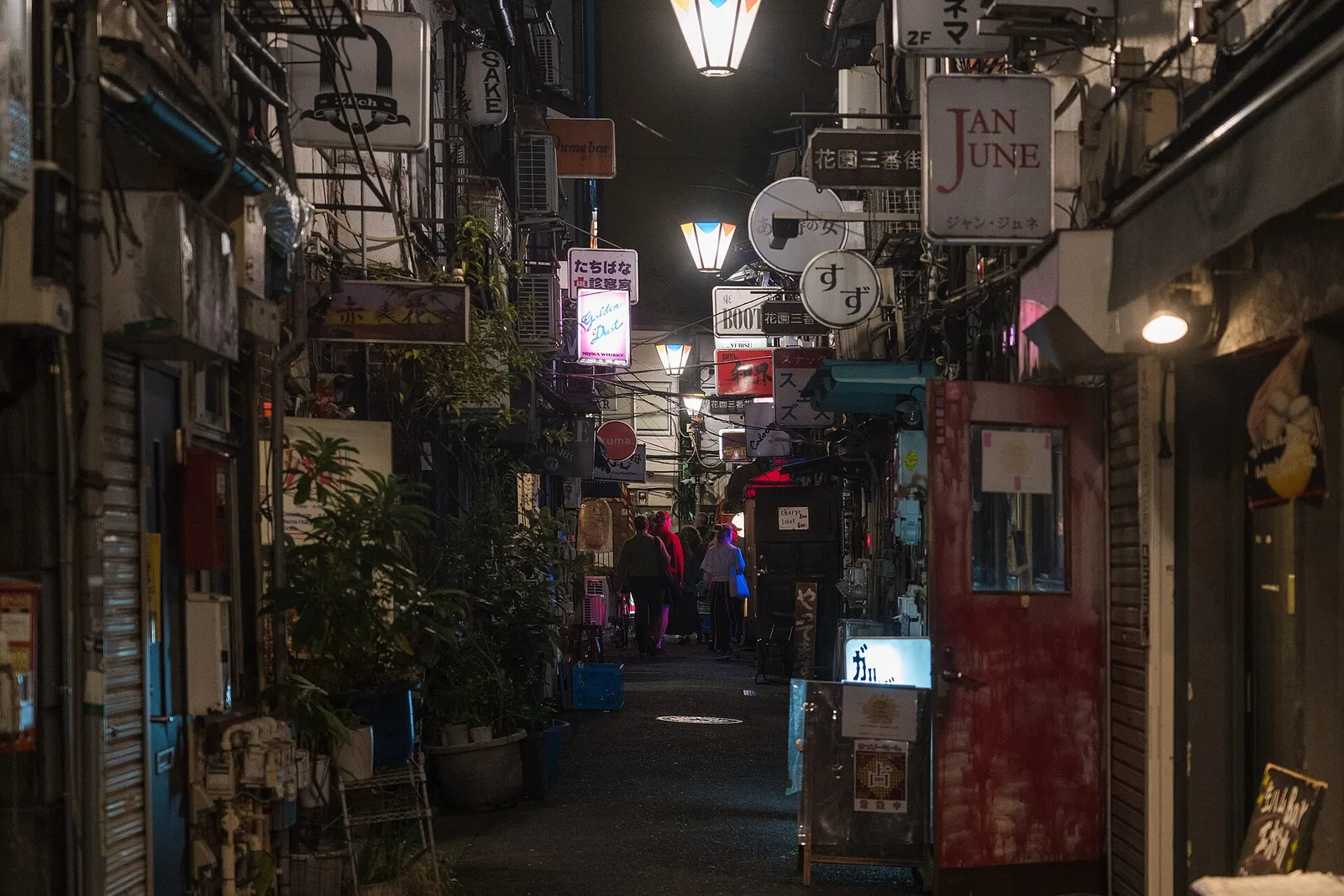
Tokyo at night is not one thing. It is a stack of parallel worlds: salarymen three deep at a standing bar under a railway arch, a six seat room in a wooden alley where the owner chooses the record, a karaoke box on the ninth floor of a building with fourteen other businesses in it, and a district where the neon is so dense it reads as daylight. Almost all of it is safe, most of it is cheap, and the whole thing is governed by the time of the last train.
The districts
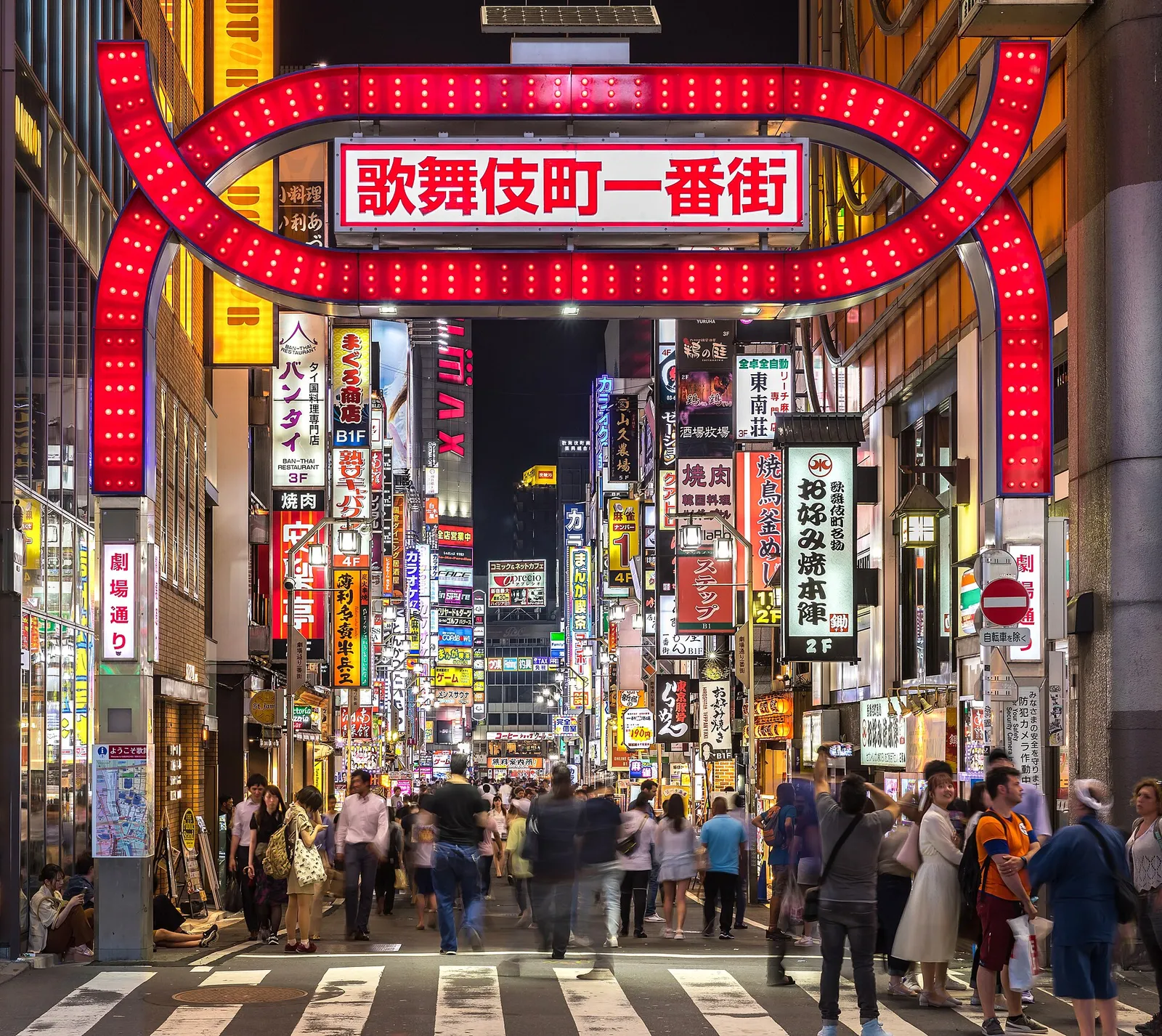
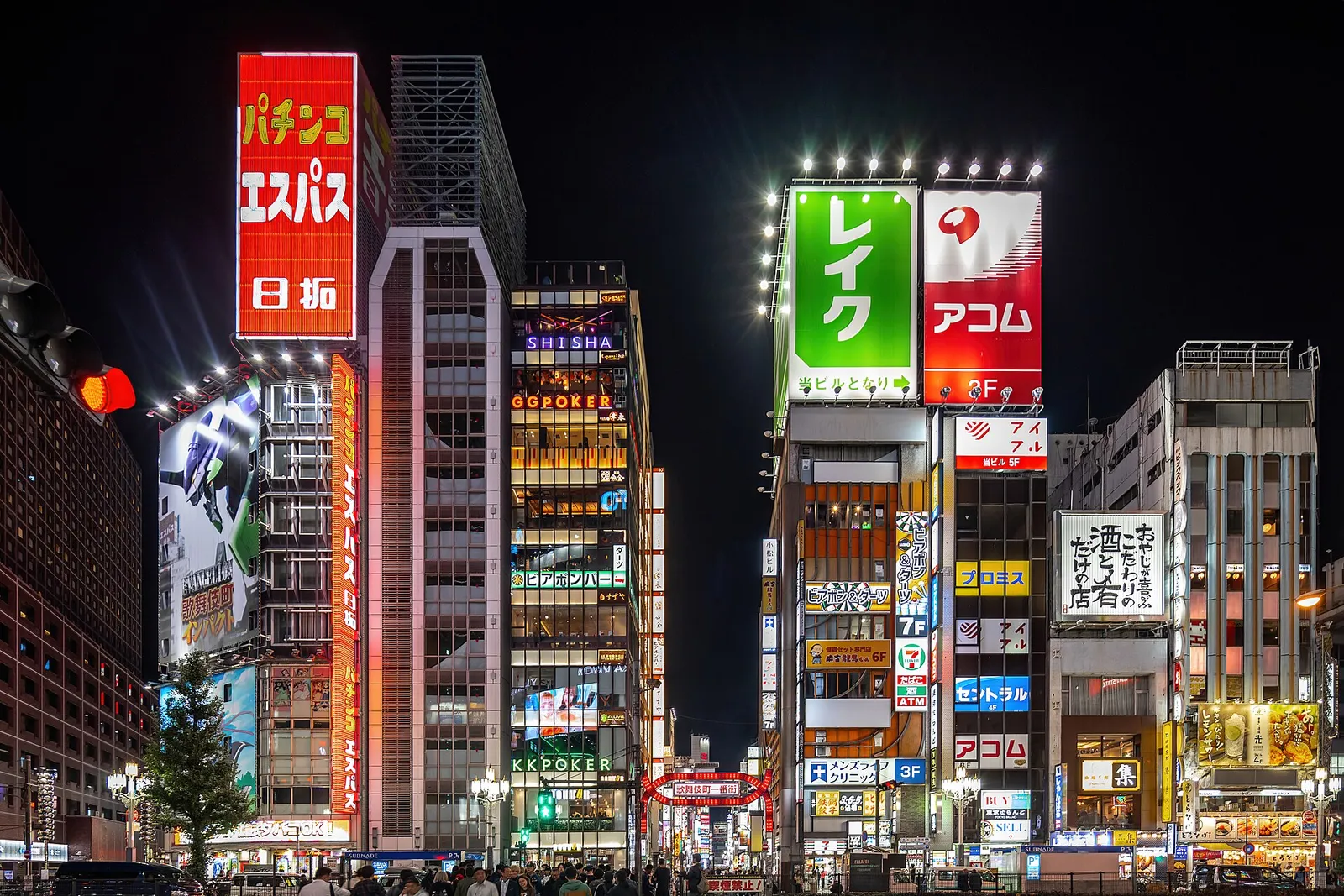
Shinjuku, the densest: Kabukicho for volume and neon, Golden Gai for two hundred tiny bars in a few lanes, Omoide Yokocho for smoky yakitori under the tracks.
Shibuya, younger and louder, with clubs, cheap izakaya and a scramble crossing that is itself a nightlife activity.
Ebisu and Nakameguro, calmer, more adult, with good wine bars and small restaurants.
Koenji and Shimokitazawa, live music, punk, cheap standing bars and second hand records.
Roppongi, international, expensive and the district with the worst reputation for touts.
Ginza, the serious cocktail bars, several of them among the best in the world, and priced accordingly.
The formats
Izakaya, the pub with food, ordered continuously and shared.
Tachinomi, standing bars, very cheap, often under railway arches, and a genuinely good way to meet people.
Yokocho, the alleys of tiny bars, where each door is a different world.
Karaoke boxes, private rooms hired by the hour with drinks brought to the door.
Kissaten and listening bars, for coffee, whisky and a serious sound system rather than conversation.
Konbini and a park bench, which is entirely legal and is what a lot of nights end with.
Opening a door you cannot see into
Look for a menu or a price list outside; its absence is not a warning but its presence is a comfort.
A curtain over the door means open, not closed.
Say the number in your party at the door and let them tell you whether there is room.
Small bars are not private clubs, though a handful genuinely are members only and will say so.
A cover charge is normal; an undisclosed one that appears at the end is not.
Never follow a tout, in any district, for any offer.
Karaoke, properly
A private room by the hour, not a stage in front of strangers.
Drinks by phone from the room, and food in most places.
Free time deals late at night, which are how the small hours get filled.
English song books are standard.
Two hours is the usual dose and it is almost always extended.
Practical notes
Cash is still useful at the smallest bars, though cards are increasingly accepted.
Smoking rules have tightened and vary by venue size, so some tiny bars still allow it.
Twenty is the legal drinking age and identification is occasionally asked for.
Drinking in public is legal and normal, including in parks and on the street.
Solo drinking is completely ordinary here and a counter seat is the right place for it.
Where this fits in a Japan trip
Nightlife is where Tokyo stops being a set of sights and starts being a city.
For the city as a whole and how to plan the days around it, our Tokyo guide covers the ground.
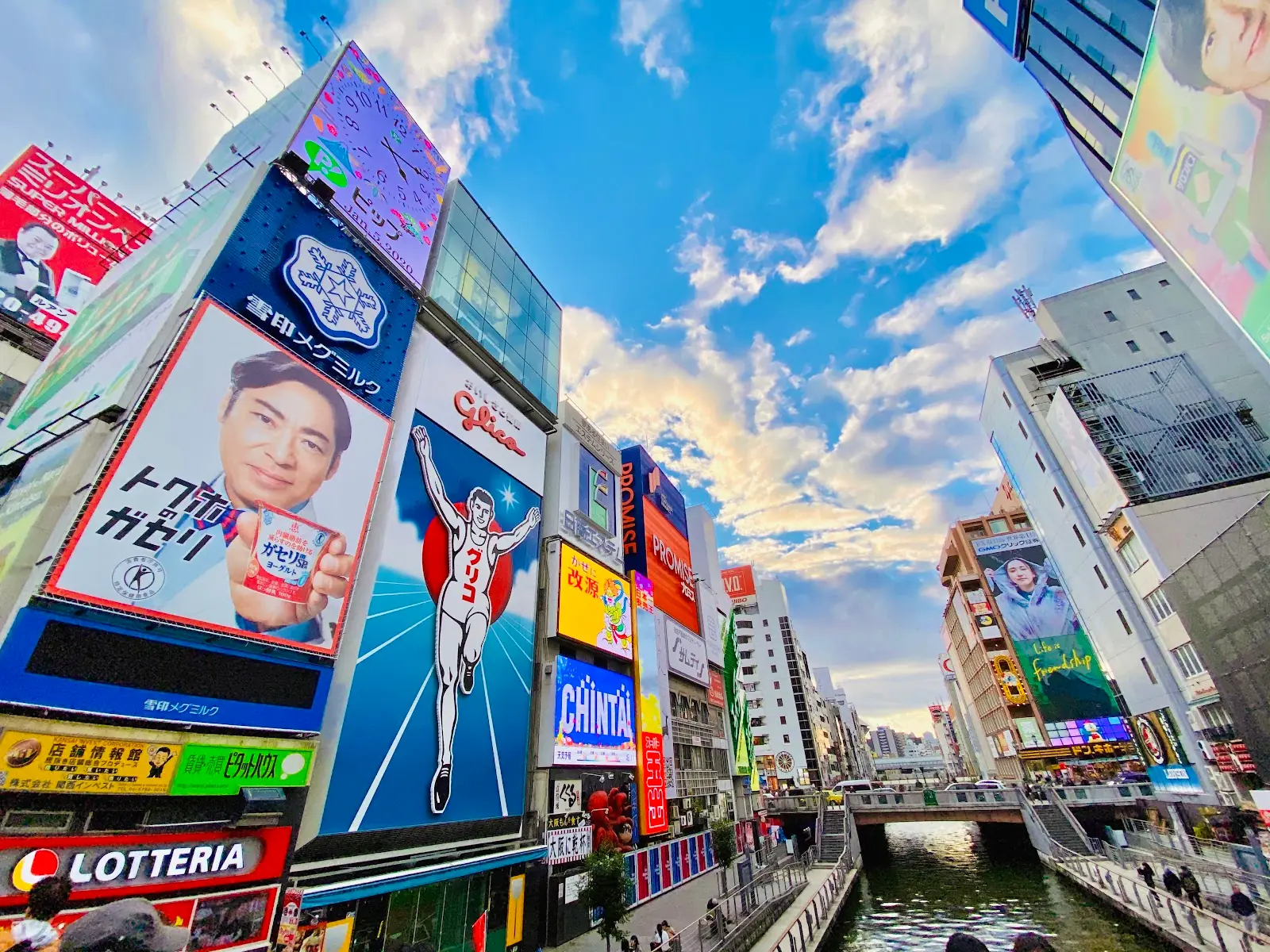
And for the other great Japanese night out, which is louder and friendlier and starts earlier, our guide to Osaka nightlife covers the comparison.
For the single most Japanese way to spend the middle of a Tokyo night, in a private room with a tambourine and no audience, our karaoke guide covers how it works.
The short version
Pick a district rather than a bar: Shinjuku for the alleys, Shibuya for volume, Ebisu for calm, Koenji for cheap. Start at a standing bar or an izakaya, then try a door in Golden Gai, and go early enough that there are seats. Take a guided bar walk on your first night if the language is putting you off, because it pays for the rest of the week. Learn your last train and set an alarm for it. And if you miss it deliberately, have somewhere in mind for three in the morning.