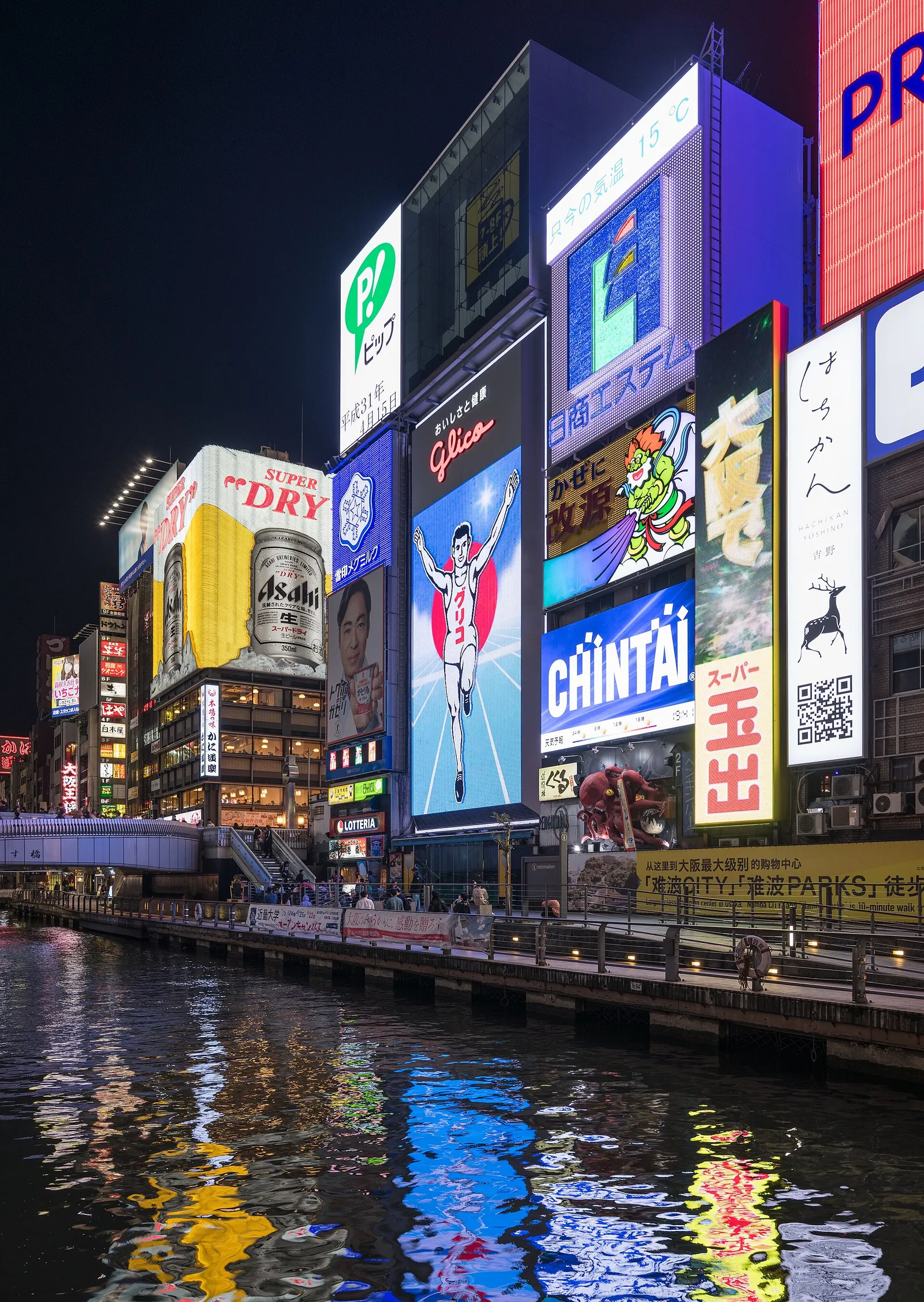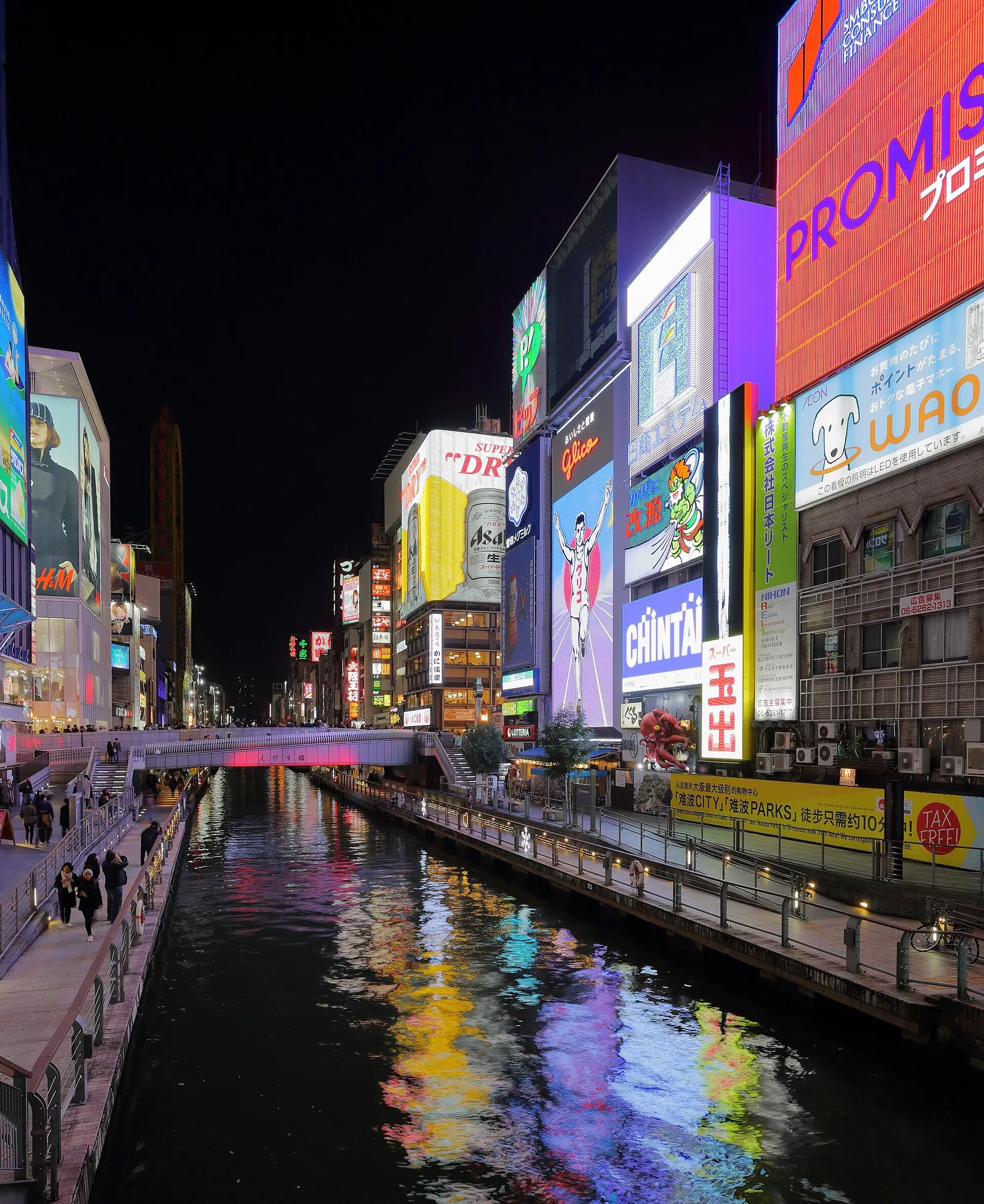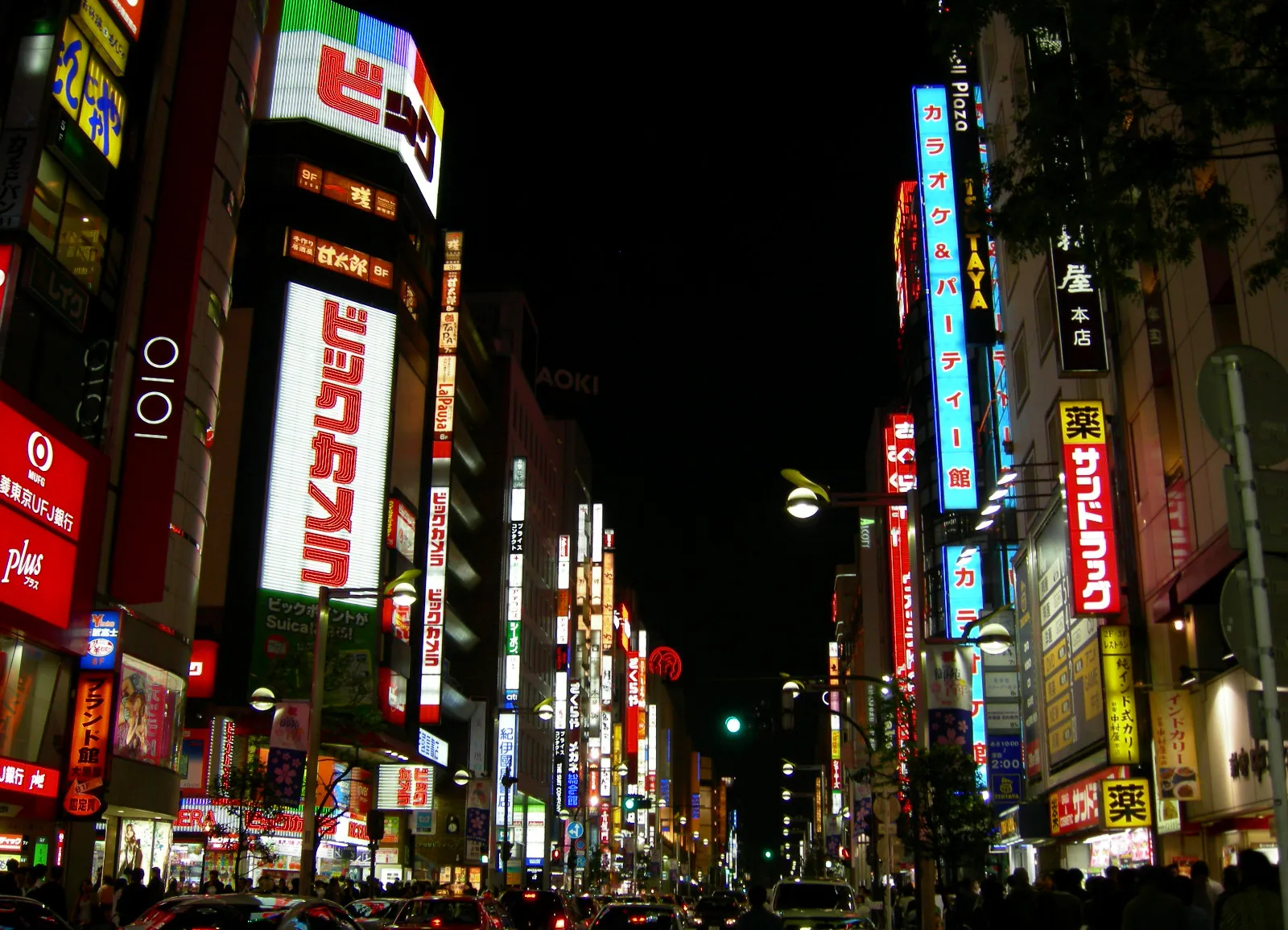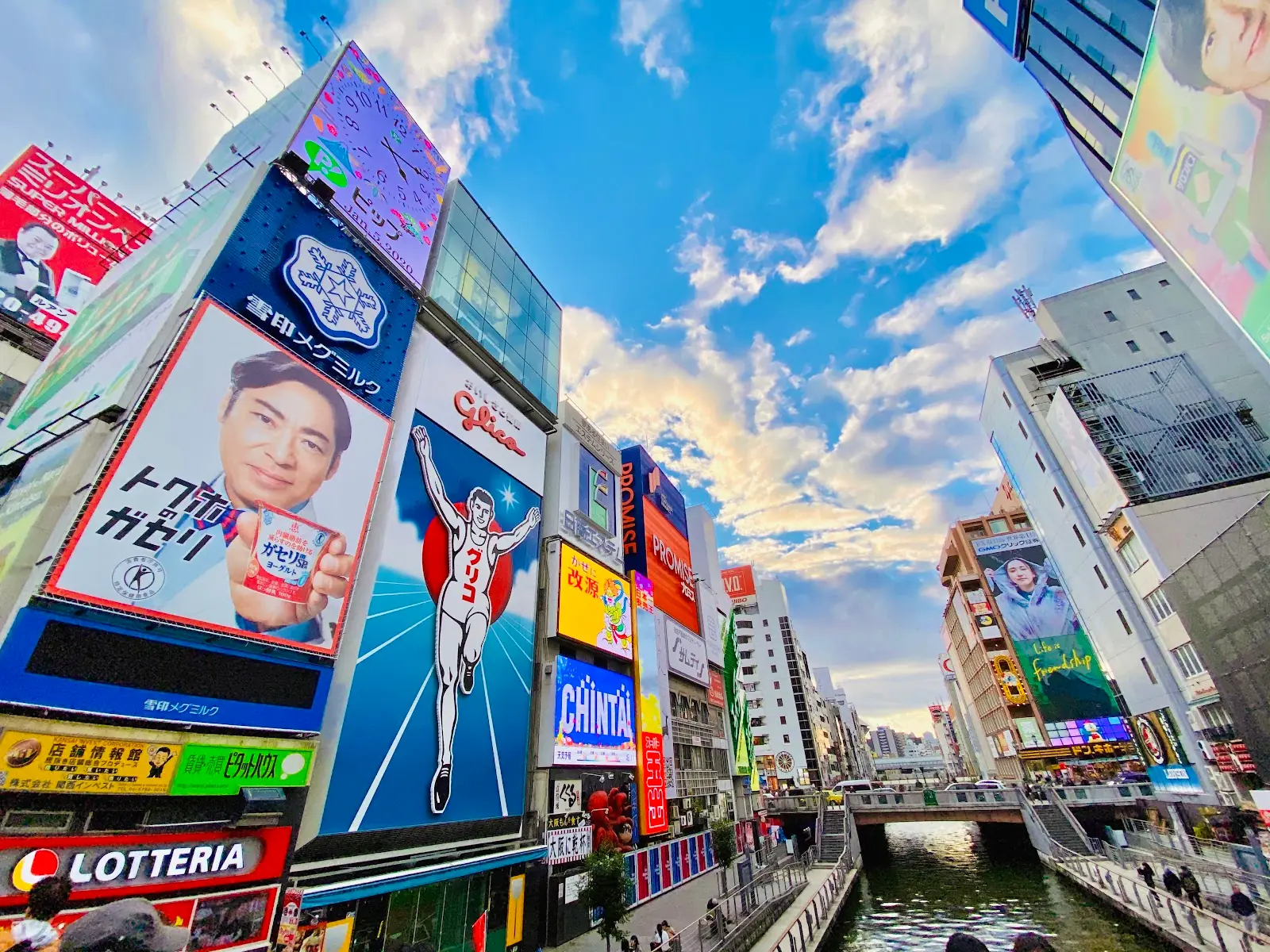
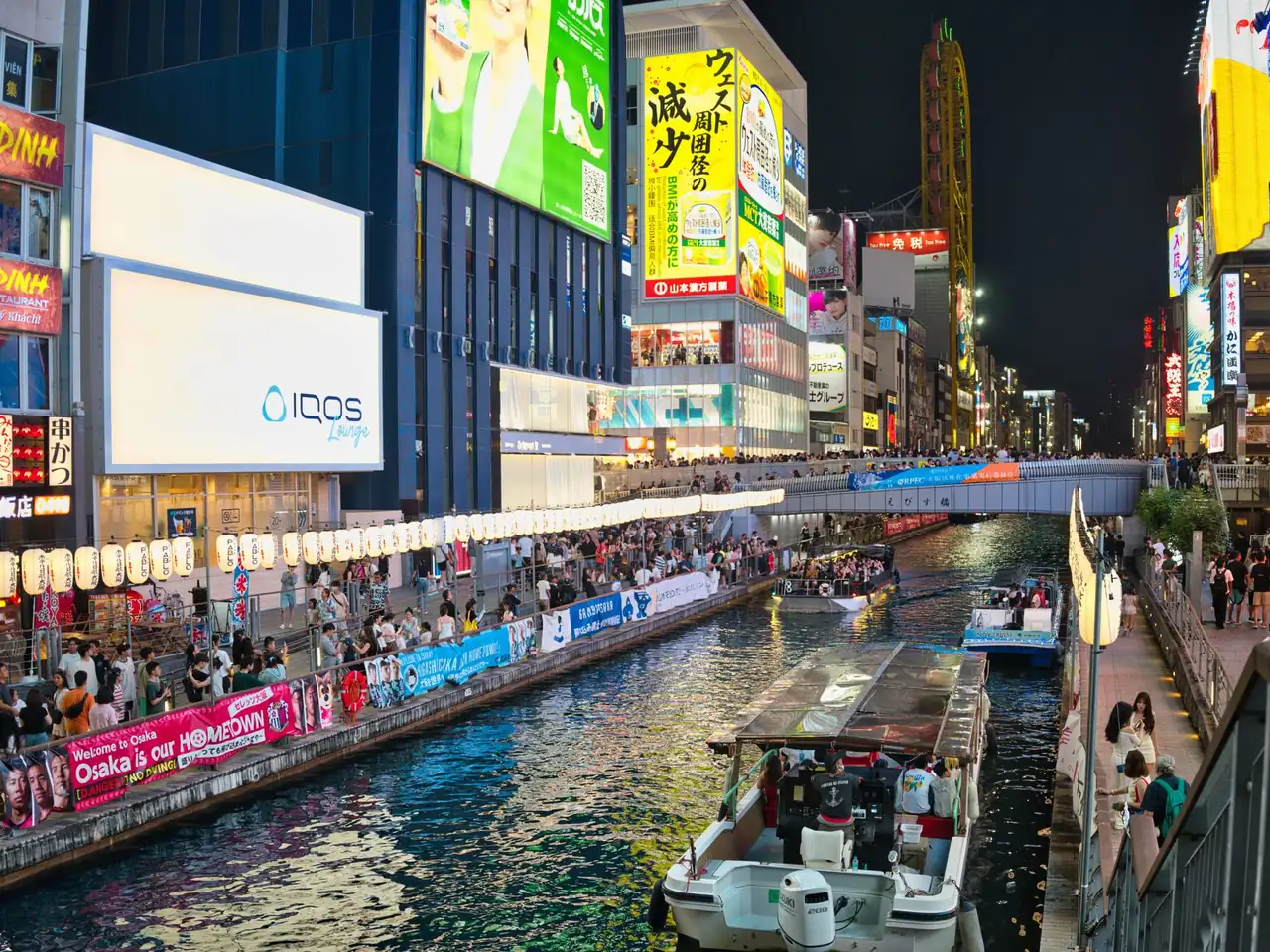
The first time I stood on Ebisubashi bridge in Dotonbori, someone next to me was eating takoyaki straight out of the tray, blowing on it because it was still lava-hot inside, while the giant Glico running man glowed over the canal. That, to me, is Osaka nightlife in one image: loud, greasy, generous and completely unbothered about looking cool. Tokyo can feel like it is trying to impress you. Osaka just wants to feed you and pour you another drink.
I have spent a lot of evenings in Namba, Dotonbori and the alleys around Shinsaibashi, and I have made most of the beginner mistakes so you do not have to. Here is how the evening actually flows, what the bills look like, and where to go once the neon canal gets too crowded to move.
Where does the evening start? Dotonbori and the neon canal
Dotonbori is the postcard, and yes, it is worth seeing at least once at night. The reflections of the signs on the water, the mechanical crab on Kani Doraku waving its legs, the smell of grilling and frying everywhere. It is also shoulder-to-shoulder busy, especially on weekends, and the restaurants right on the strip are not where locals eat. Prices are a little higher and quality is average.
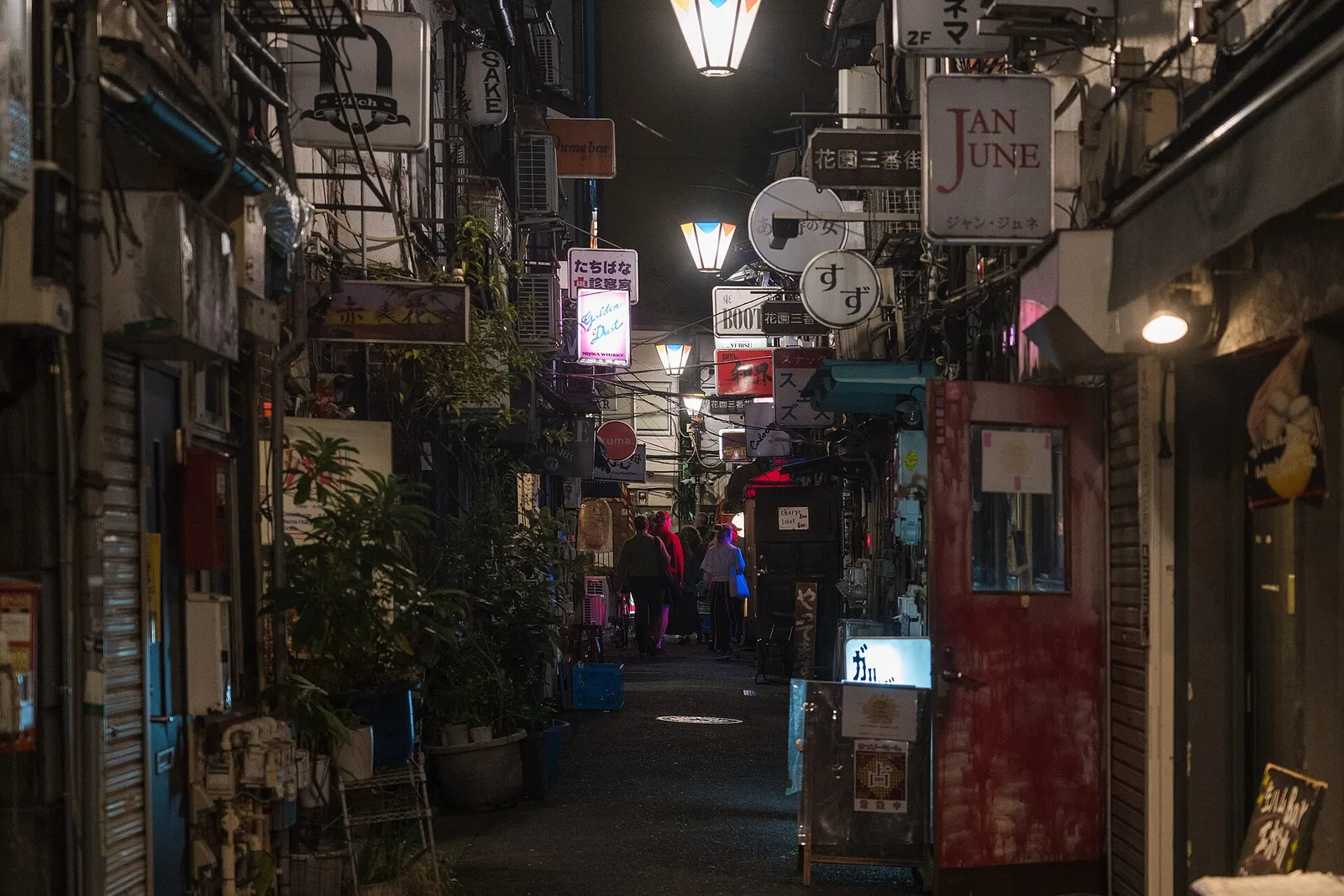
My advice is to treat the main Dotonbori street as a walk-through, grab one street snack there (takoyaki or a stick of grilled something), then duck one or two blocks off the canal to eat properly. The tiny side lanes north toward Shinsaibashi and south toward Namba are where the good izakaya hide.
How do izakaya seating and cover charges work?
This trips up a lot of first-time visitors. Most Japanese izakaya charge a small cover called otoshi or tsukidashi. When you sit down they bring a tiny dish you did not order, and that is not a free gift, it is a seating charge, usually somewhere around 300 to 500 yen per person. It is normal and not a scam, so do not argue about it.
Seating is often by counter, low table or tatami. You order in rounds, small plates at a time, and drinks keep coming until you say stop. The first order is almost always drinks. The classic opener is “toriaezu nama”, meaning “a draft beer to start”, and it works everywhere.
What about the standing bars under the tracks?
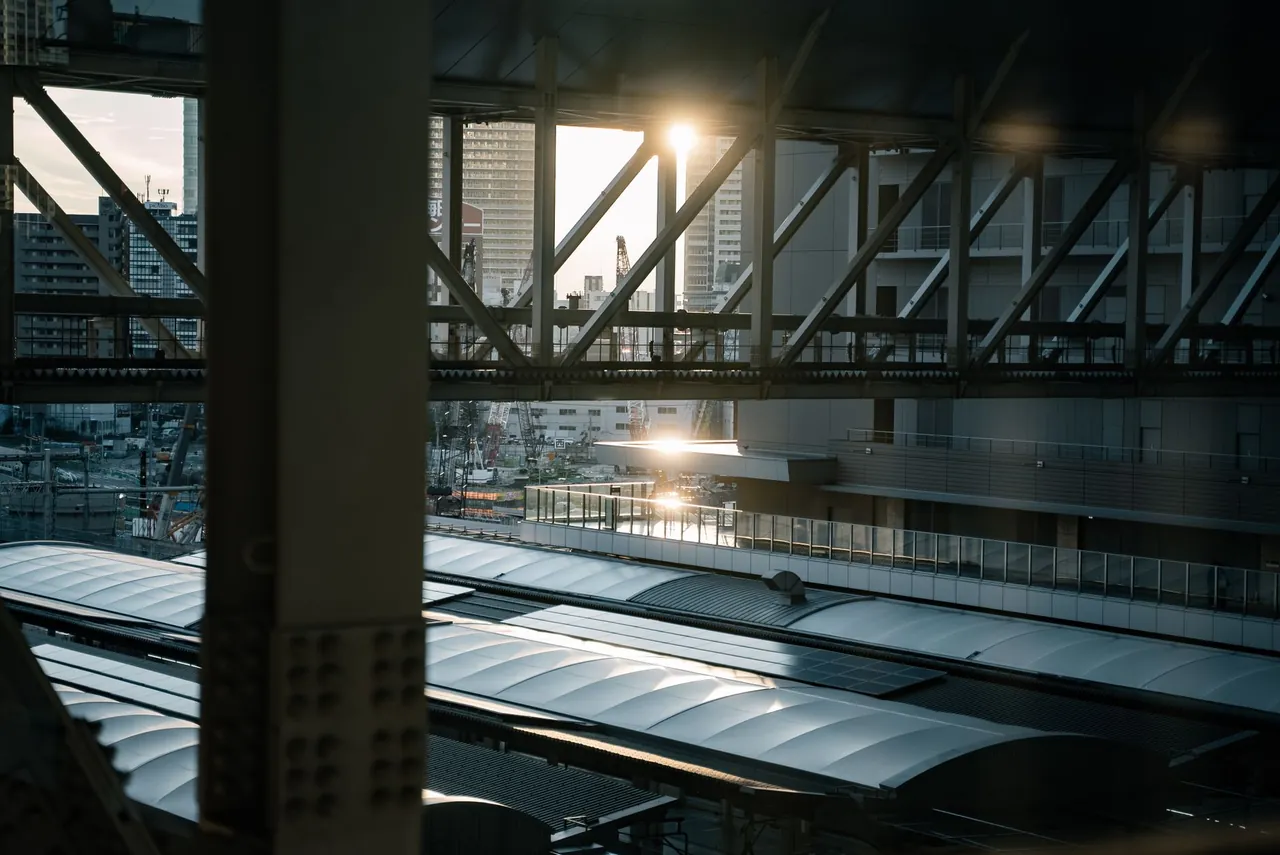
My favourite Osaka evenings happen at the standing bars, called tachinomi. You stand at a counter, drinks are cheap, turnover is fast, and strangers actually talk to you. Many of the best ones are tucked under and around the railway arches near Namba and toward Shinsekai to the south, all peeling signs, plastic stools and a haze of grill smoke. A beer or a highball at a tachinomi often runs around 300 to 500 yen, and small plates are a few hundred yen each. It is the cheapest and the most sociable way to drink in the city, and it is worth building an evening around rather than treating as a stop between other places. The wider city, including where these districts sit and how to reach them, is covered in our Osaka guide.
Namba and Shinsaibashi after dinner
Once you have eaten, the nightlife spreads out. Namba is the busy, bright, everything-open core near the station. Shinsaibashi, just north, leans a bit more polished, with cocktail bars, clubs and a covered shopping arcade that stays lively late. Amerikamura, the small district west of Shinsaibashi, is the young, scruffy music-and-fashion pocket with cheap bars and late crowds.
Quieter corners: craft beer and jazz
If the crowds wear you down, Osaka has a calmer side. There is a growing craft beer scene with taprooms pouring Japanese microbrews, where a pint tends to sit around 800 to 1,200 yen. There are also small jazz bars and vinyl listening bars where you order a whisky, keep your voice down and just listen. These places usually do have a music or cover charge, often a few hundred to around 1,000 yen, so ask at the door.
Want to skip the last-train scramble?Stay near Namba or Shinsaibashi, many rooms with free cancellationRough price bands for a night out
Here is roughly what a round costs across the different venue types. Treat these as approximate, since prices move and vary by place, so check before you commit.
| Venue type | Typical drink price | Cover charge |
|---|---|---|
| Standing bar (tachinomi) | around 300 to 500 yen | usually none |
| Regular izakaya | around 500 to 700 yen | otoshi, roughly 300 to 500 yen |
| Craft beer taproom | around 800 to 1,200 yen | rare |
| Jazz or cocktail bar | around 1,000 yen and up | often a few hundred to 1,000 yen |
An easygoing izakaya evening with a few drinks and plenty of small plates often lands somewhere around 3,000 to 5,000 yen per person. You can spend a lot less at standing bars or a lot more in cocktail dens.
What are the smoking rules?
Japan tightened indoor smoking rules, and many restaurants and bars are now non-smoking inside or have a separate enclosed smoking room. That said, plenty of small older izakaya and standing bars are still smoky, because tiny venues can be exempt. If smoke bothers you, it is fair to look for a clearly non-smoking place, and heated-tobacco products are common too. Street smoking is restricted in parts of central Osaka, with designated smoking areas instead, so do not light up while walking.
When do the last trains leave?
This is the one that ends nights early if you ignore it. Osaka’s subway and JR lines generally stop running somewhere around midnight to just after, with last trains varying by line and station. Once they are done, your options are a taxi or staying out until the first trains around 5am. Taxis are reliable but add up quickly across the city.
Because of this, I like to stay within walking distance of the action. If you are basing yourself near Namba or Shinsaibashi, you can drink without watching the clock. It is worth reading up on your neighbourhood options before booking so you are not stranded after last train.
Should you pair it with Kyoto?
Many people base in Osaka for nightlife and day-trip to calmer places nearby. Kyoto is under an hour away by train and is a completely different mood, temples and quiet lanes instead of neon. If you are building that kind of split trip, my Kyoto Guide: Temples, Gion and the Perfect Day Plan lays out a full day so you can spend evenings back in Osaka.
Osaka after dark is not polished and it does not want to be. It is a city that eats standing up, drinks elbow to elbow and talks to strangers. Start at Dotonbori for the lights, eat one block off the canal, drink cheap under the tracks, and keep one eye on the last train. On what to actually order once you are down there, our guide to eating your way along Dotonbori works through the stalls one by one. What is the one Osaka bar or late-night dish you would send a friend to first? Tell me in the comments.