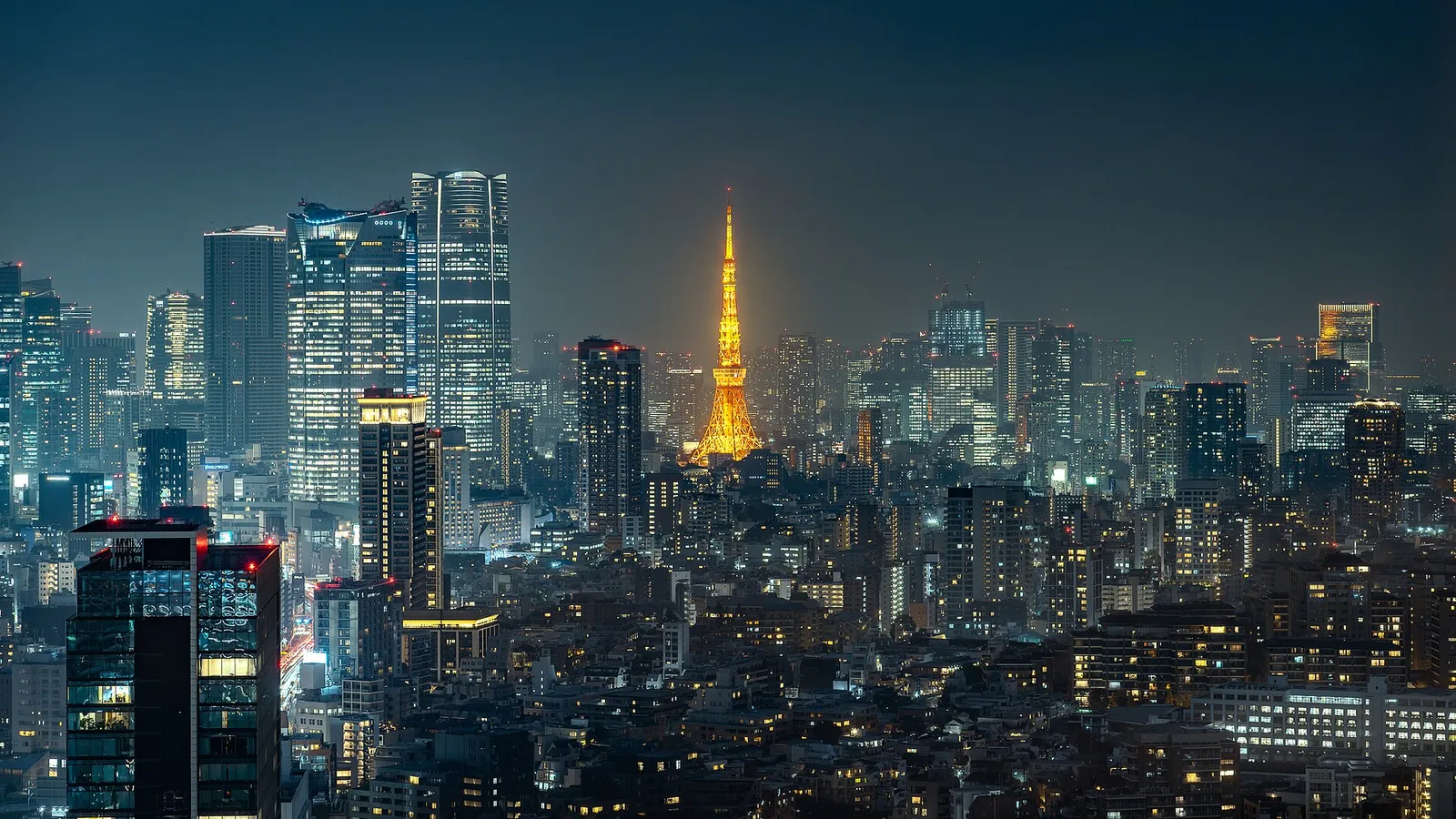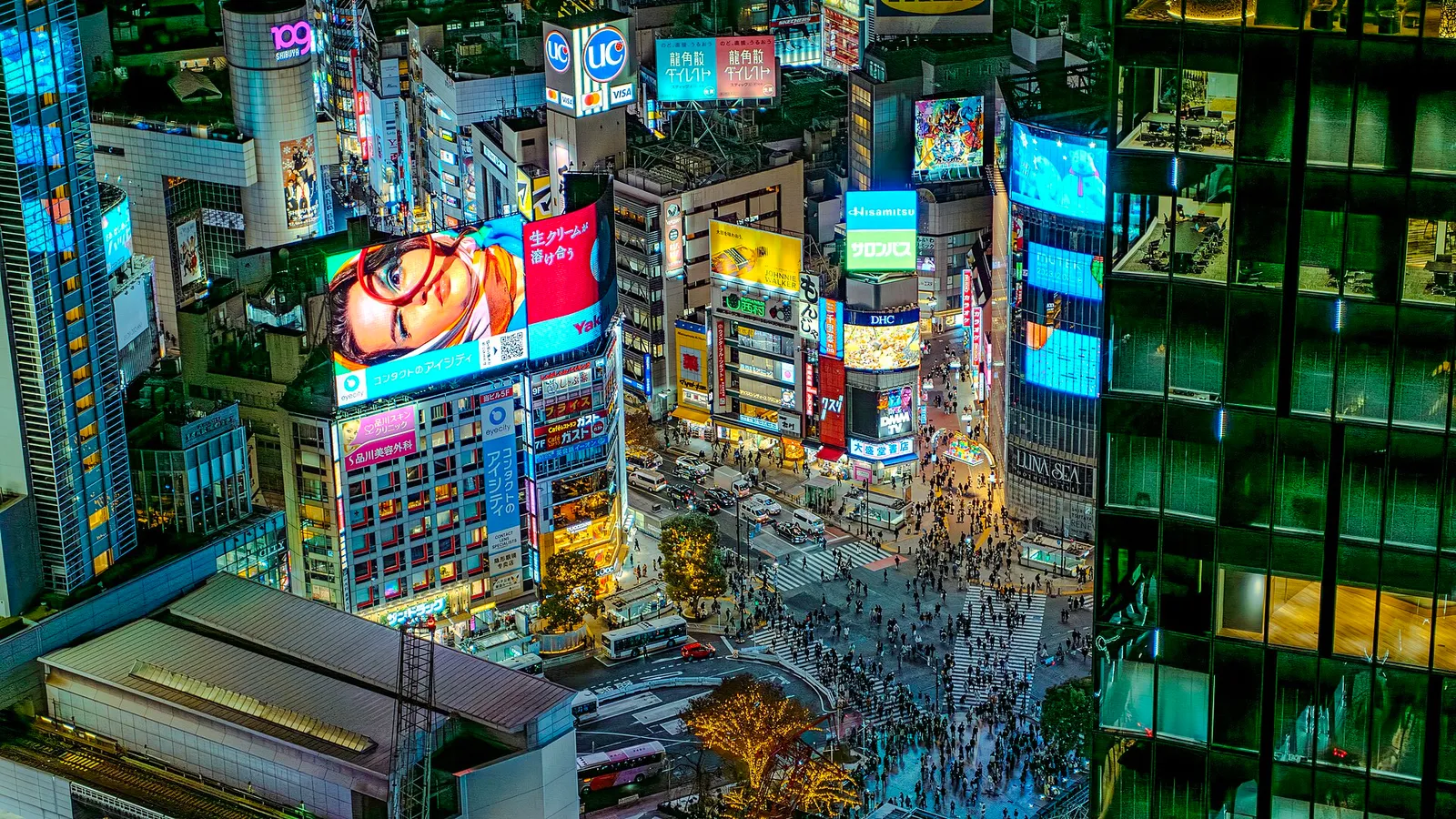
Tokyo is not a city with districts. It is a collection of cities that grew into each other, each with its own station, its own centre, its own crowd and in several cases its own skyline. There is no old town and no main square. Understanding that is the difference between a trip that feels overwhelming and one that feels like thirteen small trips, which is much closer to what it actually is.
The famous ones
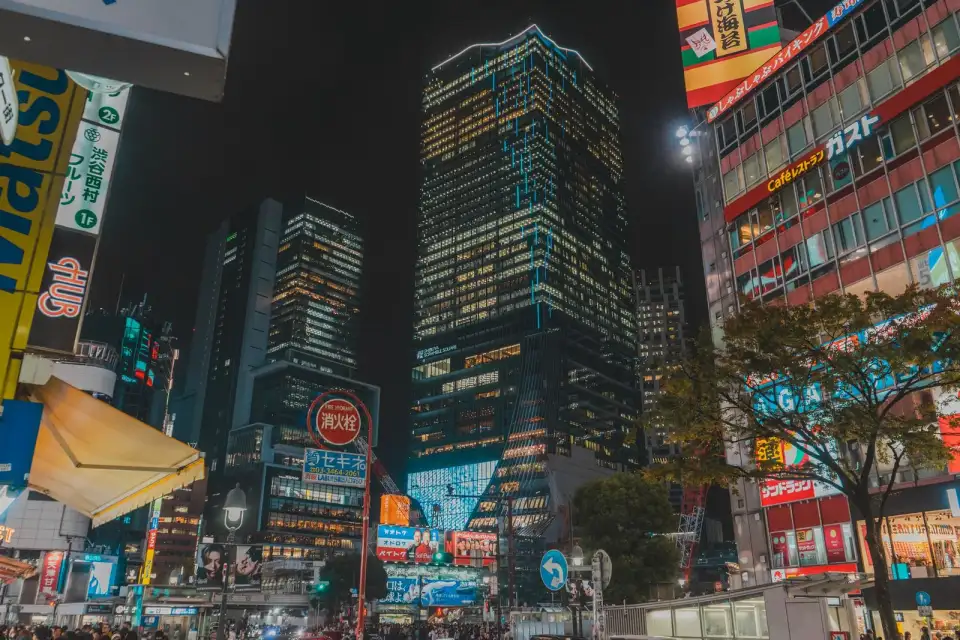
Shibuya, young, loud and commercial, built around the scramble crossing, with the shopping and eating streets running uphill behind it.
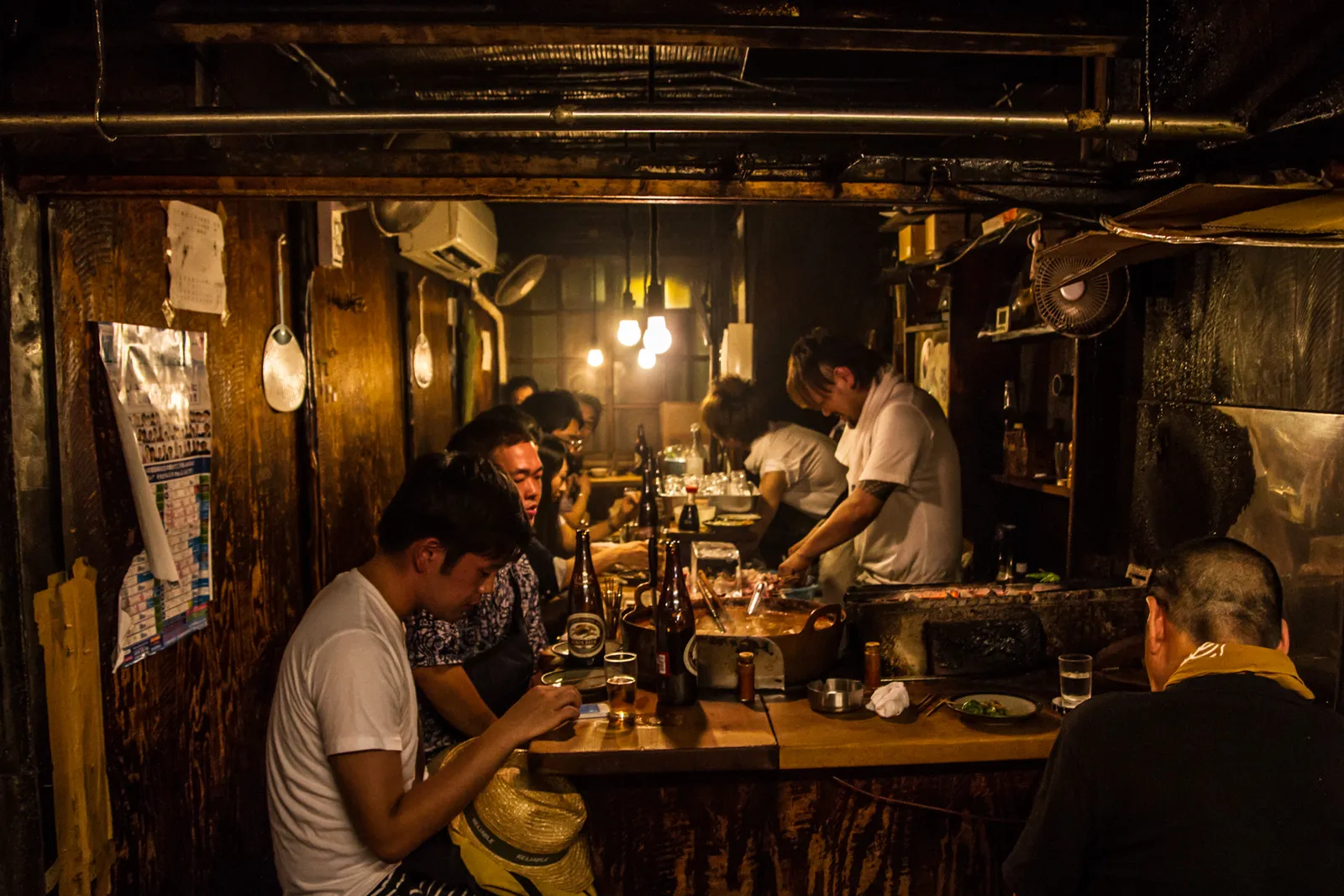
Shinjuku, the largest, with skyscrapers and department stores on the west side, a large park in the middle, and Kabukicho and the tiny bar alleys of Golden Gai and Omoide Yokocho on the east.
Harajuku, immediately north of Shibuya, with the teenage shopping street on one side and a vast forested shrine on the other.
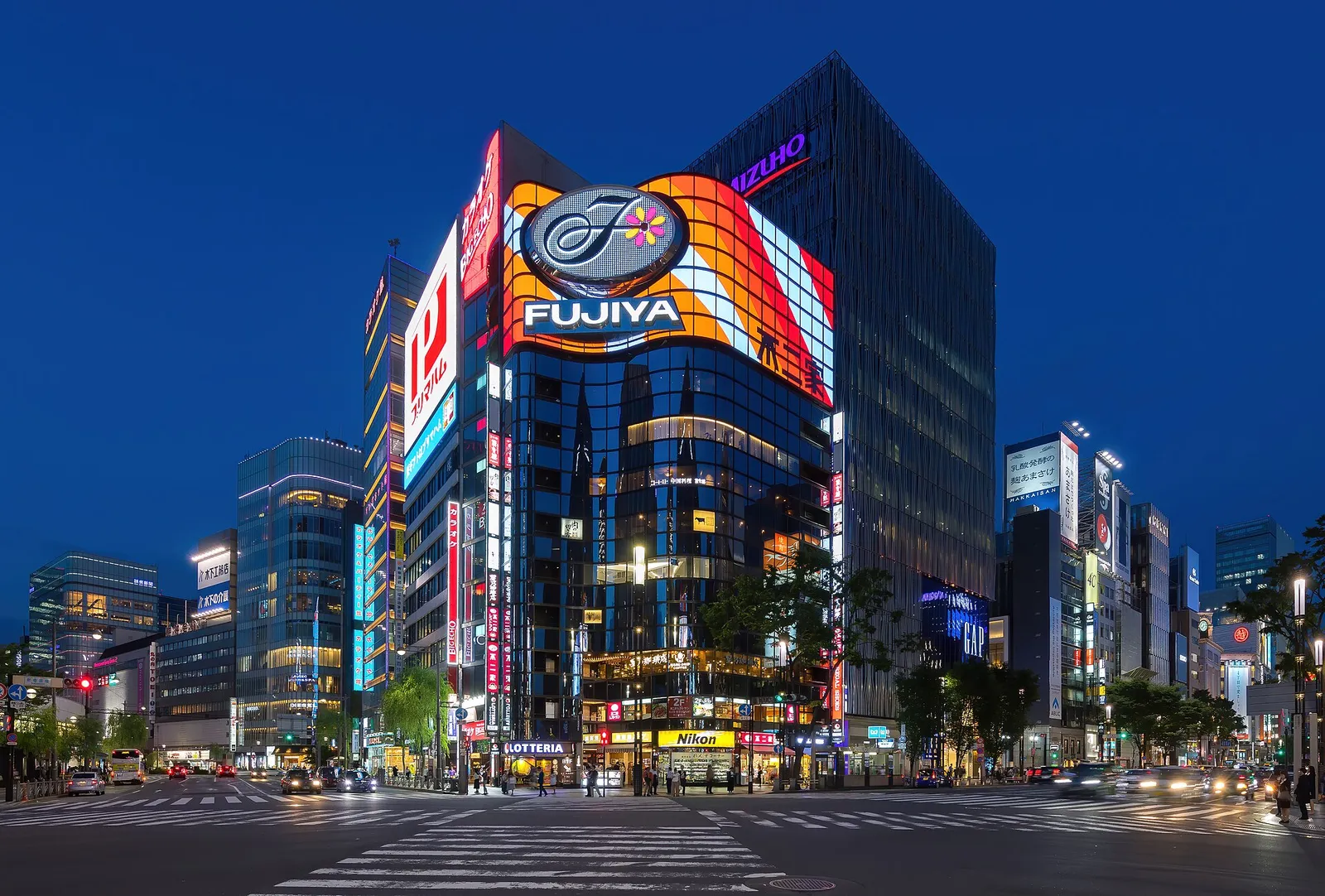
Ginza, the expensive one: flagship stores, galleries, old department store food halls, and streets closed to traffic at weekends.
Akihabara, electronics, anime, games and arcades stacked several floors deep.
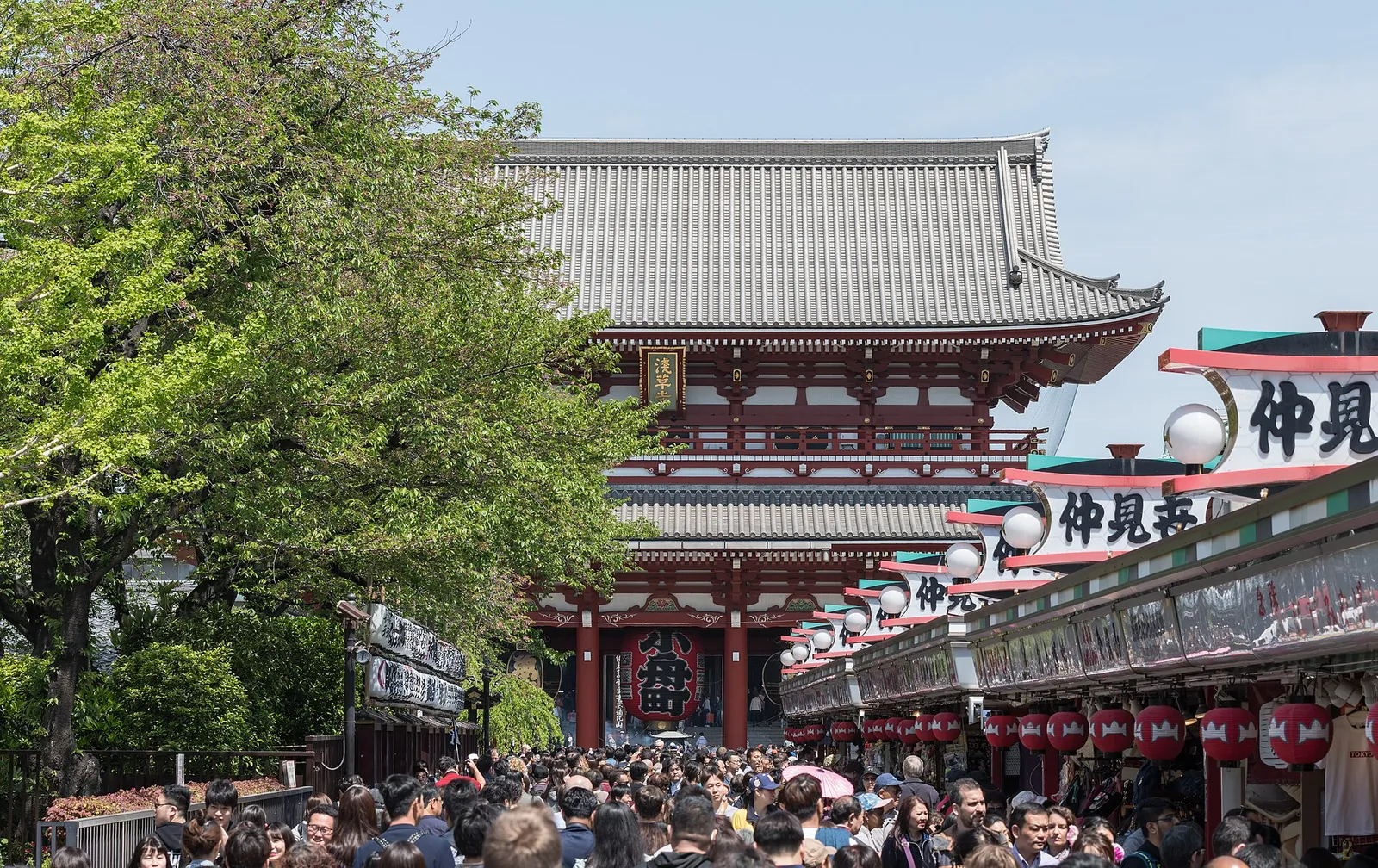
Asakusa, the old low city, with the big temple, the approach lined with stalls and a genuinely different atmosphere.
The ones people miss
Yanaka, wooden houses, a cemetery of cherry trees and a shopping street with no chains, which is the closest Tokyo gets to a village.
Shimokitazawa, second hand clothes, small live music venues and coffee, low rise and unhurried.
Nakameguro, a canal lined with cherry trees, small shops and a very particular kind of quiet affluence.
Kagurazaka, stone lanes and old restaurants on a hillside, with a French streak from the days of the nearby institute.
Koenji, punk, vintage and cheap, which is where Shimokitazawa people go when Shimokitazawa gets expensive.
Toyosu and the bay, for the market, the waterfront and a view back at the city.
Pairing them
Asakusa in the morning, Ueno in the afternoon, both on the same side of town, temple then museums and park.
Harajuku then Shibuya, walking the one kilometre between them, which is the rare pair where walking works.
Shinjuku by day, Shinjuku by night, which are genuinely different places.
Yanaka in the morning, Akihabara in the afternoon, for maximum contrast in one day.
Shimokitazawa or Koenji on a slow afternoon, when you have had enough of the big districts.
Practical notes
The Yamanote line loops around most of the districts above and is the single most useful thing to understand about Tokyo.
Station exits matter. A large station can have twenty and coming out of the wrong one adds fifteen minutes.
An IC card removes all ticket buying and works on nearly everything.
Stand on the left on escalators in Tokyo, which is the opposite of Osaka.
Coin lockers at every station, which change how a day works if you have luggage.
Almost nothing is signposted in a way that helps, so the phone map is not optional.
Where this fits in a Japan trip
Neighbourhoods are how you should plan Tokyo days, rather than by sight.
For the city as a whole, what to book and how long to give it, our Tokyo guide covers the overview.
And for how to choose where to eat in a city with more restaurants than anywhere on earth, our guide to eating in Tokyo covers the method.
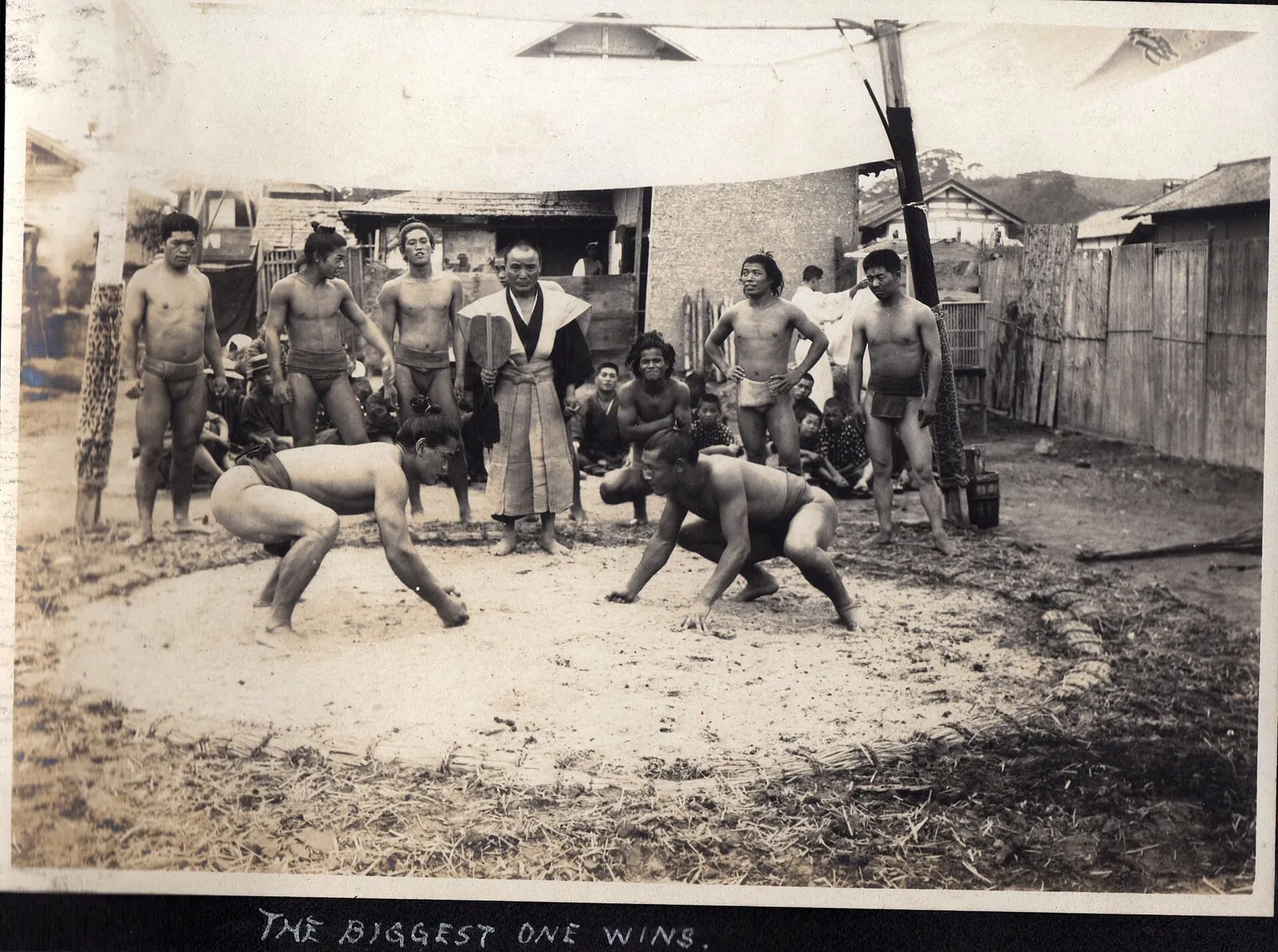
And for the one Tokyo district built around a sport rather than a scene, our guide to sumo covers the stable morning practices and how to get tickets for a tournament.
The short version
Treat Tokyo as thirteen cities and visit two a day, riding between them rather than walking. Do Asakusa and the old low city early in the trip and Shibuya at dusk. Give Shinjuku a day and a night, because they are different places. Then spend one afternoon in Yanaka, Shimokitazawa or Koenji, which is where most people find the Tokyo they end up talking about. And choose your hotel by its station rather than its photographs.