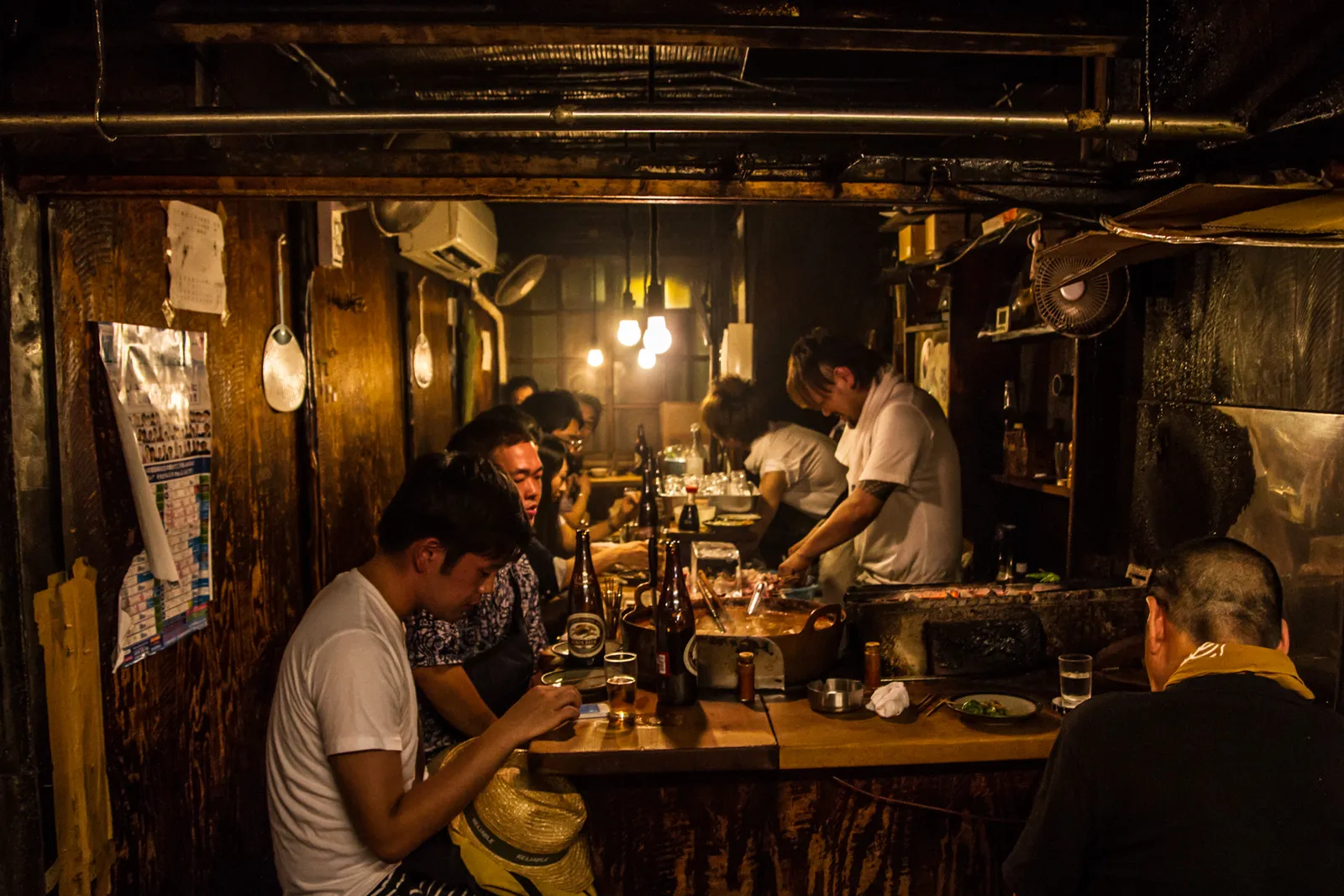
Tokyo has more restaurants than any other city on earth and more starred ones than any other by a wide margin, and none of that helps a visitor standing on a street corner at seven in the evening trying to decide where to eat. The city does not reward browsing. It rewards deciding what you want first and then finding the place that makes only that, which is how Japanese diners have always used it.
The method
Choose the dish, then the restaurant. Tokyo specialises: soba shops make soba, tempura shops fry, yakitori shops grill chicken. A long menu is usually a warning.
Go where there is a queue at an odd hour, which means locals rate it, rather than a queue at one o’clock, which means it is lunchtime.
Basements and sixth floors. Restaurants here stack vertically and some of the best are three floors up a building with a lift and a directory board.
Use Japanese review sites rather than international ones, which are dominated by visitors and skew towards the same twenty places.
Set lunch at an evening restaurant, which is the great value trick of the city.
Department store basements, which are food halls of extraordinary quality and are underused by visitors.
What to eat
Sushi at a counter, at any price level; the cheap conveyor places are genuinely good and the counters are an event.
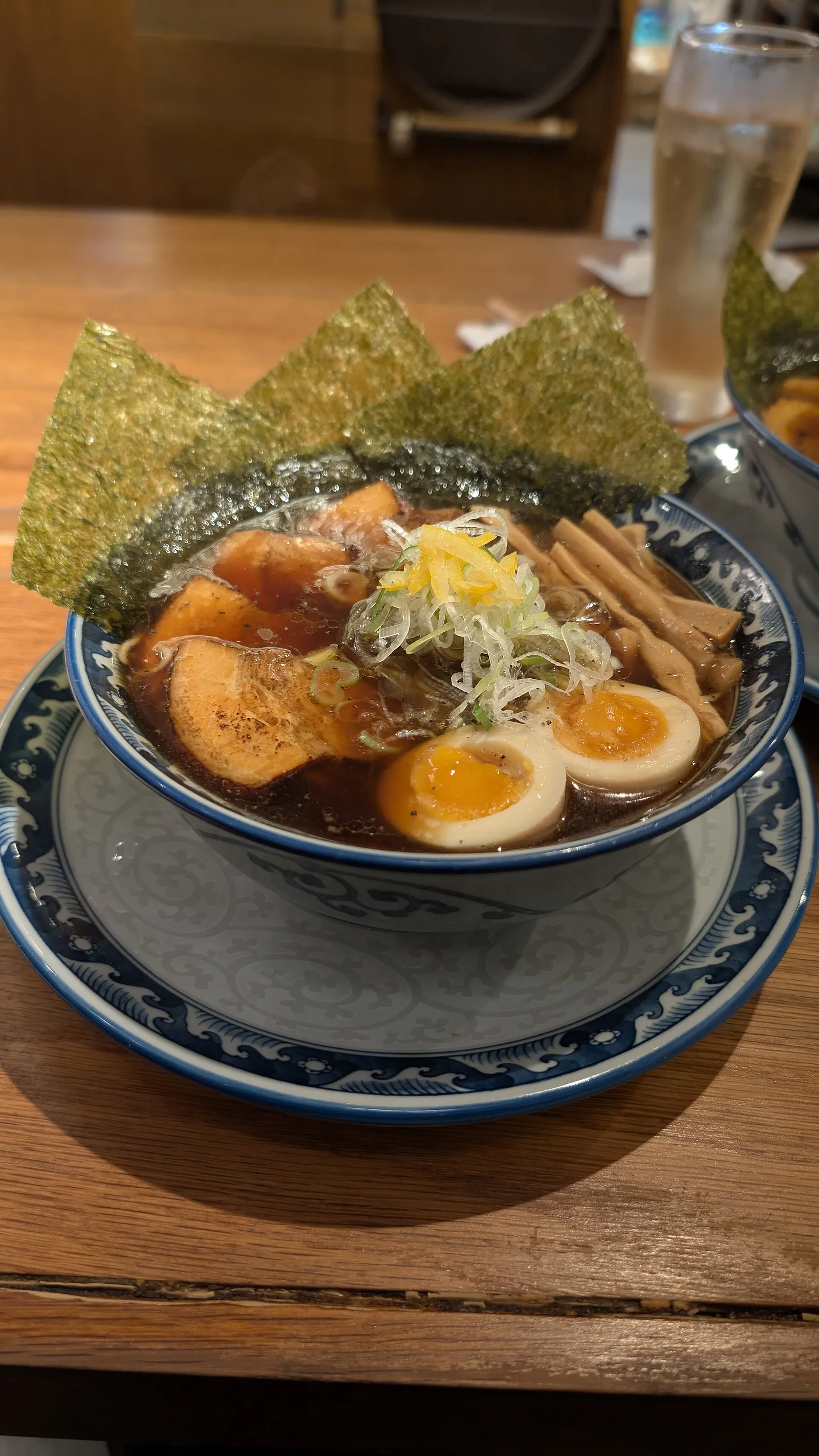
Ramen from a ticket machine, which is the most efficient meal in the world.
Tempura, fried piece by piece in front of you and eaten immediately, which bears no relation to the version served cold elsewhere.
Soba, in an old wooden room, in cold weather or hot.
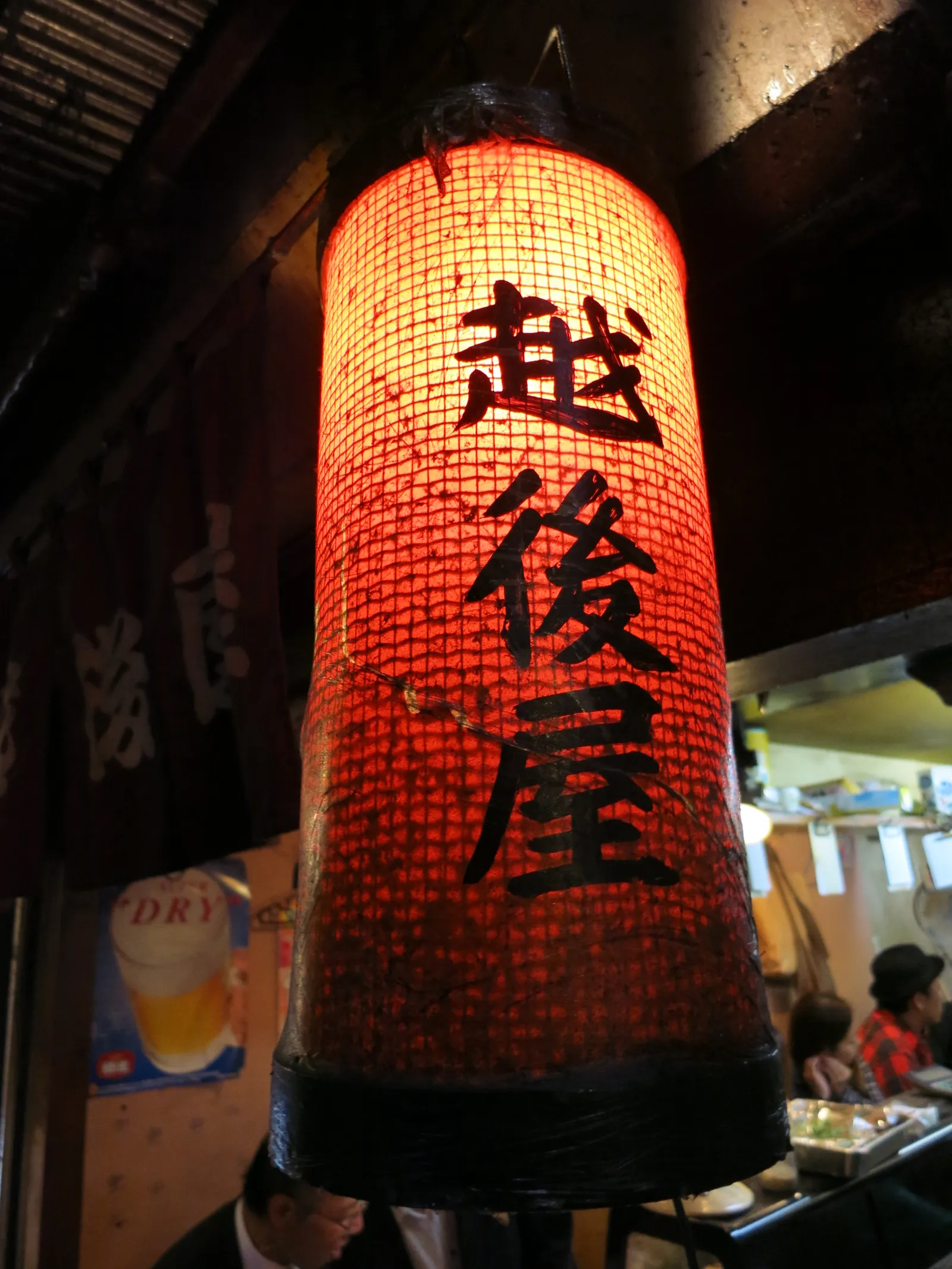
Yakitori under a railway arch, with beer, ordered a few sticks at a time.
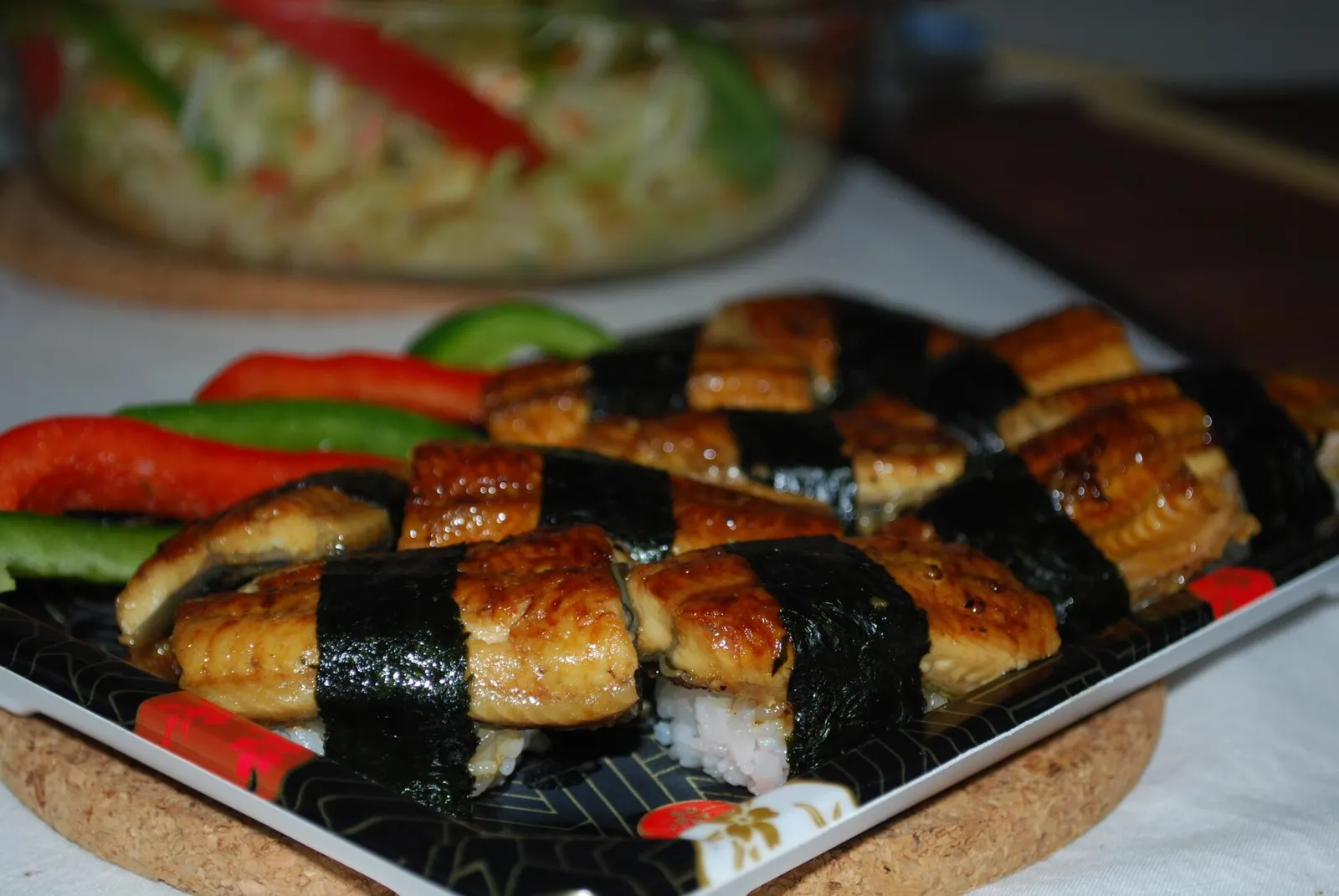
Tonkatsu, unagi, okonomiyaki, curry, all of which have their own dedicated shops.
Where to look
Under the tracks at Yurakucho, Shimbashi and Ebisu, for yakitori and standing bars.
Omoide Yokocho and Golden Gai in Shinjuku, for tiny rooms and smoke.
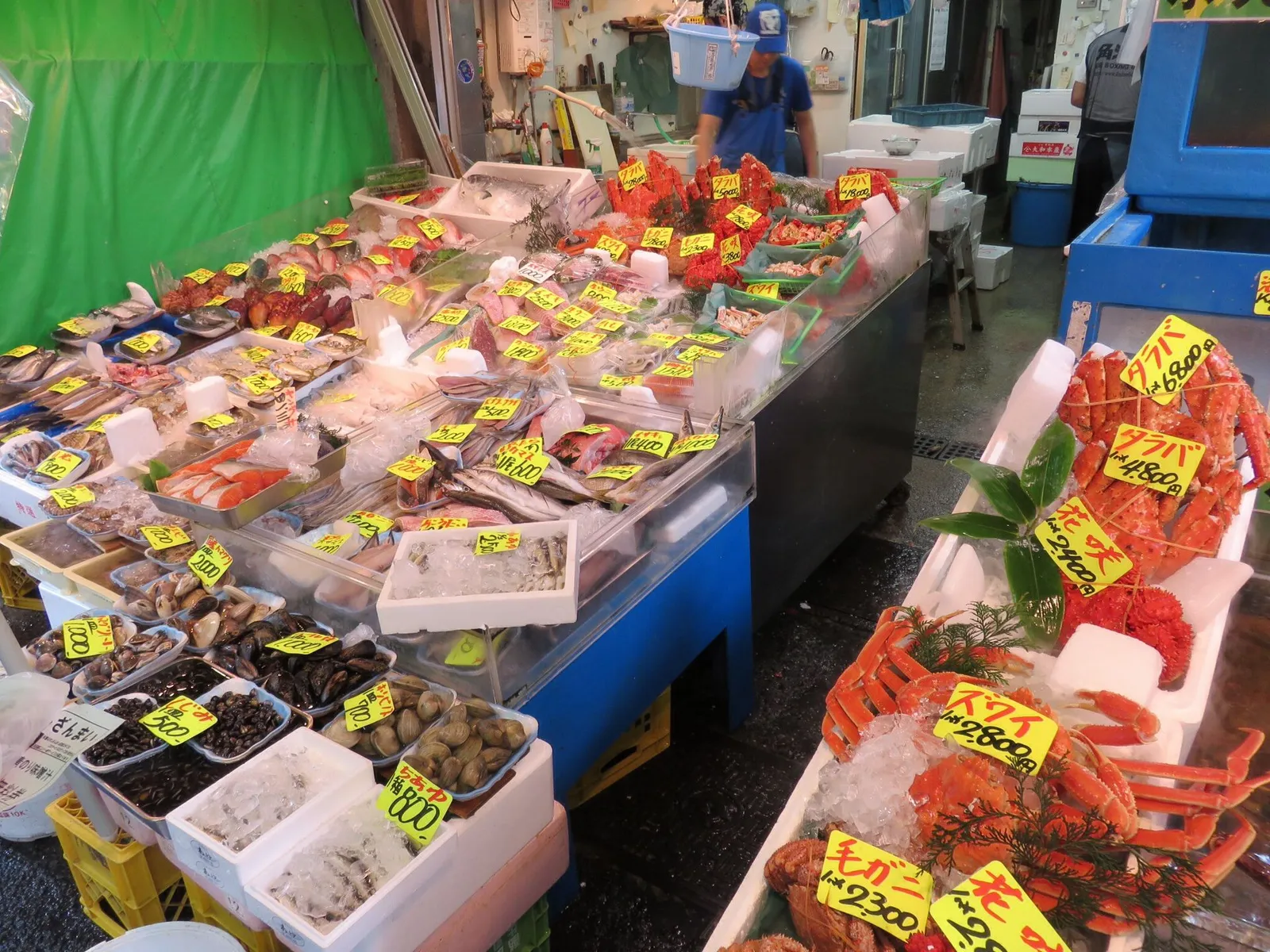
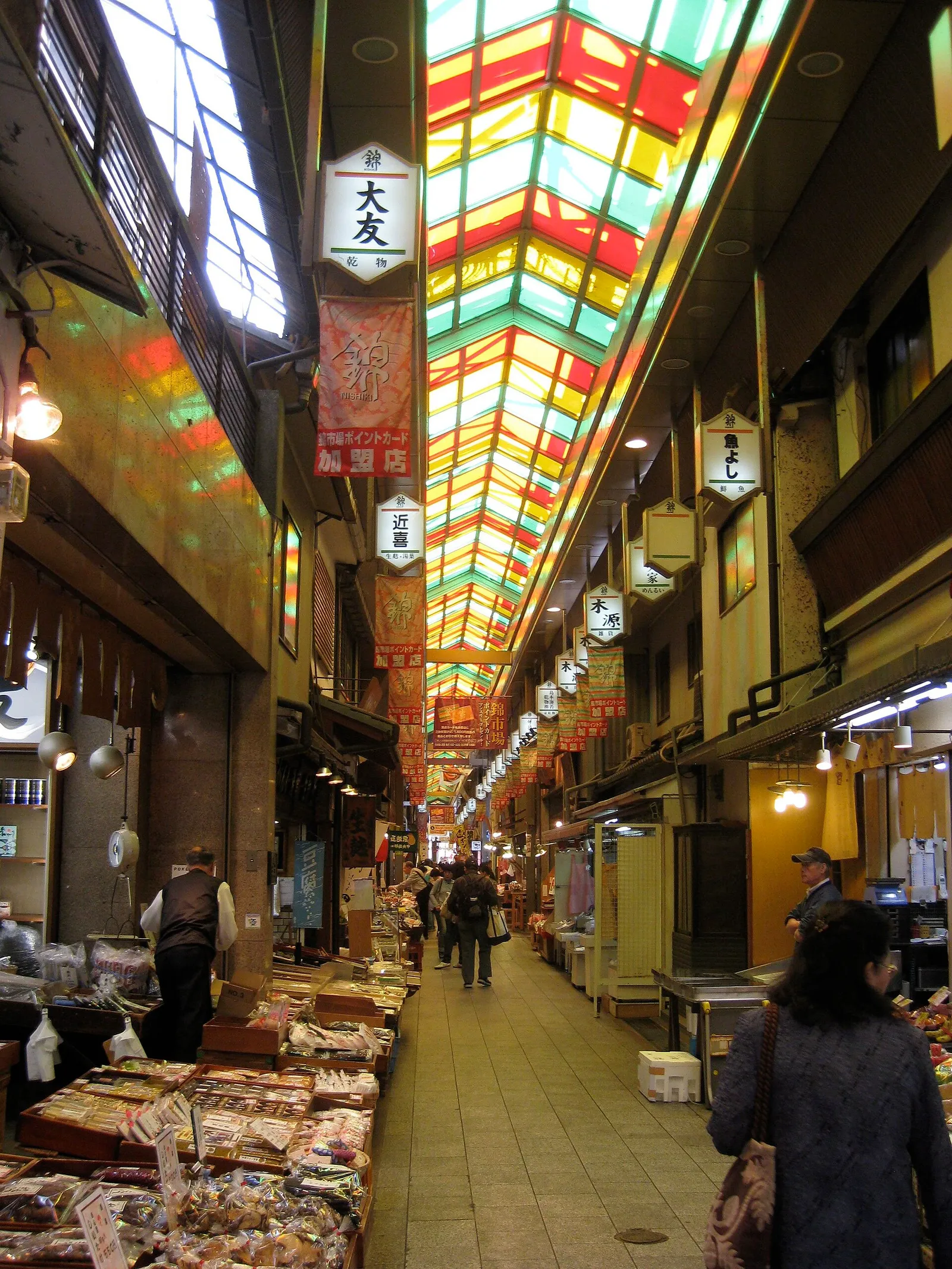
Tsukiji outer market in the morning, which still trades even though the wholesale market moved.
Toyosu, the new market, for the auction viewing and the sushi around it.
Ginza basements, for expensive things at lunch prices.
Any residential neighbourhood two stops off the tourist map, which is where the ordinary excellent places are.
Etiquette that helps
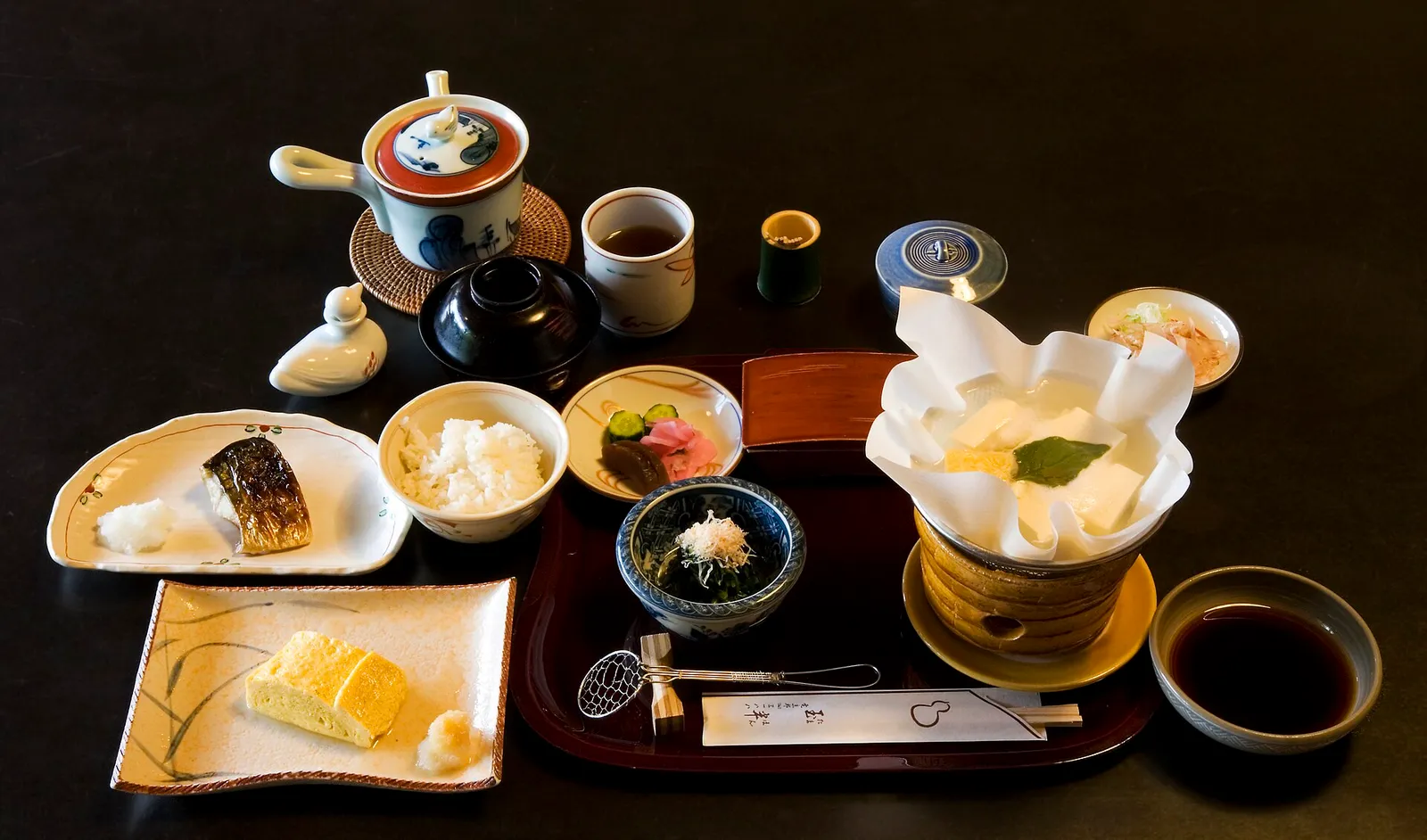
Itadakimasu before, gochisousama after, both of which are appreciated.
Slurp noodles, which is normal and helps the temperature.
No tipping, ever.
Do not stick chopsticks upright in rice, which has funeral associations.
Counter seats are for eating rather than lingering in busy places, and turnover is expected.
Allergies are hard, and a card written in Japanese in advance is worth the effort.
Where this fits in a Japan trip
Eating is not a category of a Tokyo trip; it is most of it.
For the wider subject of what Japanese food actually is and how it varies by region, our Japan food guide covers the ground.
For the counter meal that most people want to get right, our sushi guide covers what to order and how.
Ramen deserves an evening of its own rather than a slot between sights, and the regional styles vary more widely across the country than the sushi counters do.
For eating standing up rather than sitting down, which is half of what Tokyo does best, our guide to the citys food markets covers the outdoor and basement versions.
The short version
Decide what you want to eat before you decide where, and choose a place that makes only that. Use the set lunch at expensive restaurants, which is the best value in the city. Look up, because the good rooms are on the fifth floor as often as the ground. Queue without worrying, since Tokyo queues move. Book one or two meals for the whole trip and walk into the rest. And take a food tour on your first night if the ticket machines and the unmarked doors are putting you off, because it pays for the whole week.