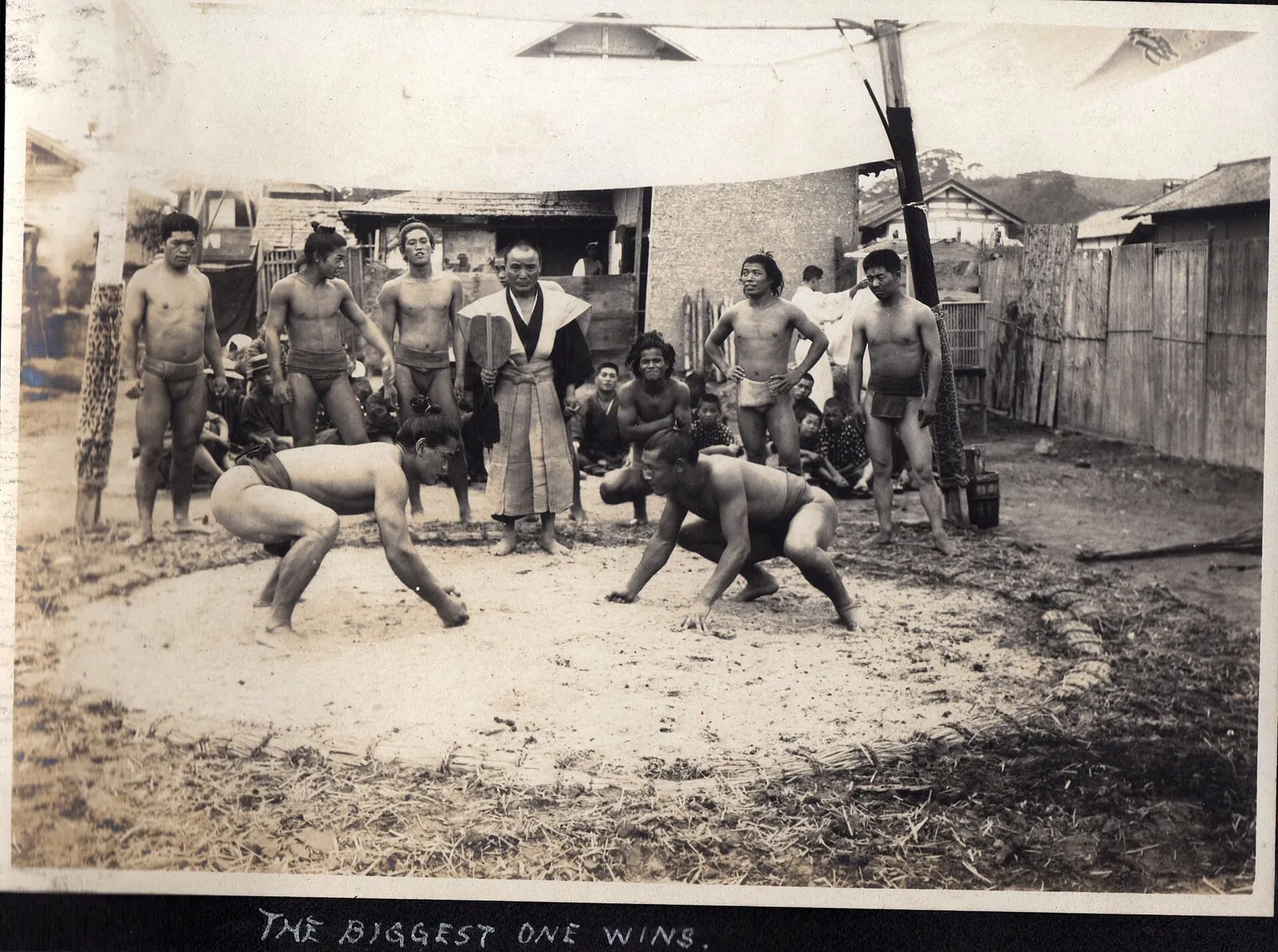
A sumo bout is often over before you finish reading this sentence, yet the ceremony leading up to it can run for several minutes, and that gap is the entire point of watching it live. Salt thrown into the air, a referee chanting in robes cut from another century, drums overhead, and a hall of several thousand people falling silent in the second before two enormous men collide. Here is how to actually see it.
Six tournaments, one fixed rotation of cities
Professional sumo runs six major tournaments a year, called honbasho, each lasting fifteen consecutive days. Three are held in Tokyo, at the Ryogoku Kokugikan, roughly in January, May and September. The other three rotate: Osaka in spring, Nagoya in summer, Fukuoka in autumn. That rhythm has held for decades, which makes the shape of the year reliable even when exact dates are not.
| City | Roughly when |
|---|---|
| Tokyo, Ryogoku Kokugikan | January, May, September |
| Osaka | Spring |
| Nagoya | Summer |
| Fukuoka | Autumn |
The precise dates, and when tickets go on sale, shift by a week or two most years, so treat this as the shape of the calendar, and confirm both on the official sumo association site before building a trip around one.
A tournament day, and why afternoon beats morning
A day at the venue runs from mid morning to around six in the evening, and the two ends barely feel like the same event. The lowest divisions fight first in a hall still filling up, at an unhurried pace. Rank climbs through the day, and the top division wrestlers, the ones on the posters outside, do not enter the ring until mid afternoon. Arriving at opening time is not a mistake, it simply buys you hours of undercard in divisions you will not recognise. If you can only give it part of a day, arrive from around two in the afternoon and stay through the final bout, which lands you inside the entrance ceremonies and the loudest stretch of the day.
The ritual before the throw
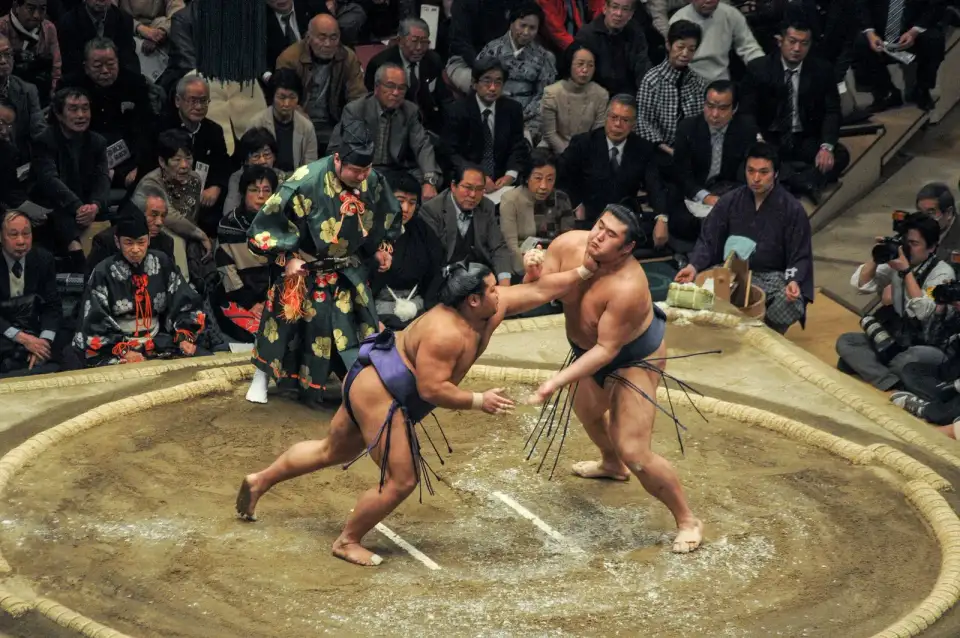
This is the part first time visitors underrate, because they wait for the fight instead of watching what comes before it. In the upper divisions, the two wrestlers climb into the ring and repeat the same sequence, more than once: a handful of salt thrown to purify the clay, a wide stamping motion said to press evil spirits into the ground, a crouch at the starting lines with a long, motionless stare into the opponent’s eyes. Then they rise, wipe their faces with a towel, and start again. None of it is stalling. The bout begins the instant both wrestlers silently agree, by setting their fists on the clay at the same moment, that the time has come. Either can stand and reset, and that quiet standoff is itself part of the contest. In the senior ranks a herald eventually announces the last chance to reset, and the hall goes still.
Reading the ring, and why it is over so fast
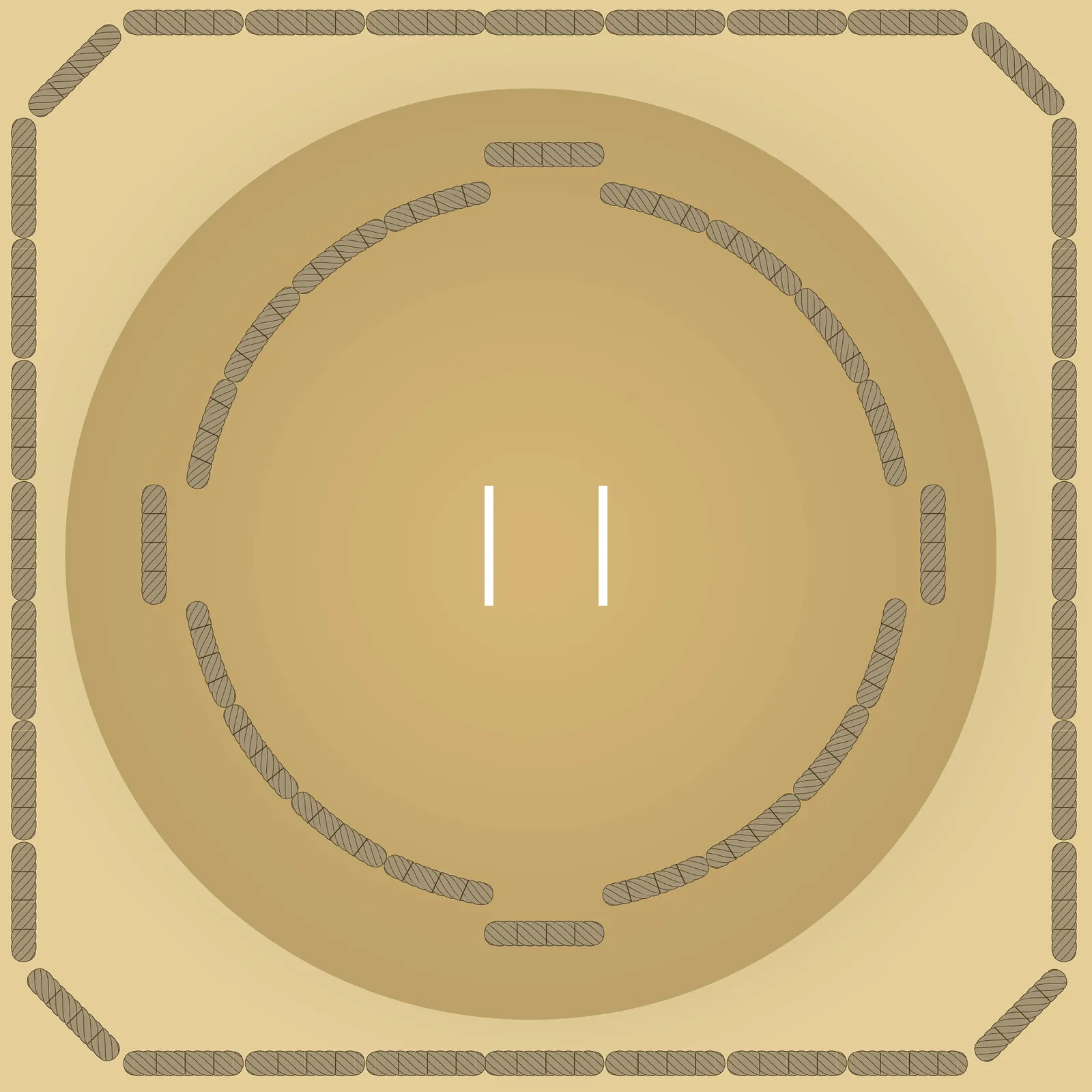
The rules are almost embarrassingly simple, which is what makes the sport watchable without a word of Japanese. A wrestler loses in exactly two ways: touching the clay inside the ring with any part of the body other than the soles of the feet, or being forced outside the straw boundary. There are no points and no win on aggregate. The referee in the ring, in an elaborate robe and holding a fan, points it toward the winner, and on a close call the ringside judges climb up, confer in front of the crowd, and can overturn the decision. Be honest about the pacing: the bout is often finished in a few seconds, and most of the hall is anticipation rather than action. Visitors who understand that the wait is the show tend to love it.
Getting a ticket
There are broadly two kinds of seats. Upper tier bench seating is the affordable option, set back from the ring but giving you the whole hall at once. Ringside box seats, small fenced squares close to the clay where you sit on floor cushions, sit at the other extreme, and the price gap between the two is genuinely wide, wide enough that checking current prices on the official sumo ticketing site beats budgeting from a figure picked up elsewhere. Tickets typically go on sale about a month before each tournament, and weekends and closing days sell out fastest. A small allocation of same day tickets is usually sold at the box office, but treat that as a backup, not a plan. Ryogoku sits a short metro ride from central Tokyo.
No tournament? Morning practice, and the etiquette that matters
If your dates miss all six tournaments, the usual alternative is a morning practice session at a sumo stable, or heya. It sounds simple, and it has become considerably less so: access has tightened in recent years, and a number of stables no longer accept outside visitors at all. Where a visit is possible, it almost always runs through a booked, guided tour, comes with strict rules of silence, and is worth treating as an invitation into someone’s home rather than a tourist attraction. Do not assume you can arrange one after you land.
Eating well is easier to guarantee. Chanko nabe, the protein heavy hot pot wrestlers eat to build size, is served at restaurants throughout Ryogoku, some run by retired wrestlers, with a bowl commonly priced around 1500 to 2500 yen and enough for two, though it is worth confirming the current price when you book.
That bowl above is udon, plain wheat noodle soup, not chanko nabe, and the point still stands: a bowl like this is everyday comfort food across Japan, sumo or not.
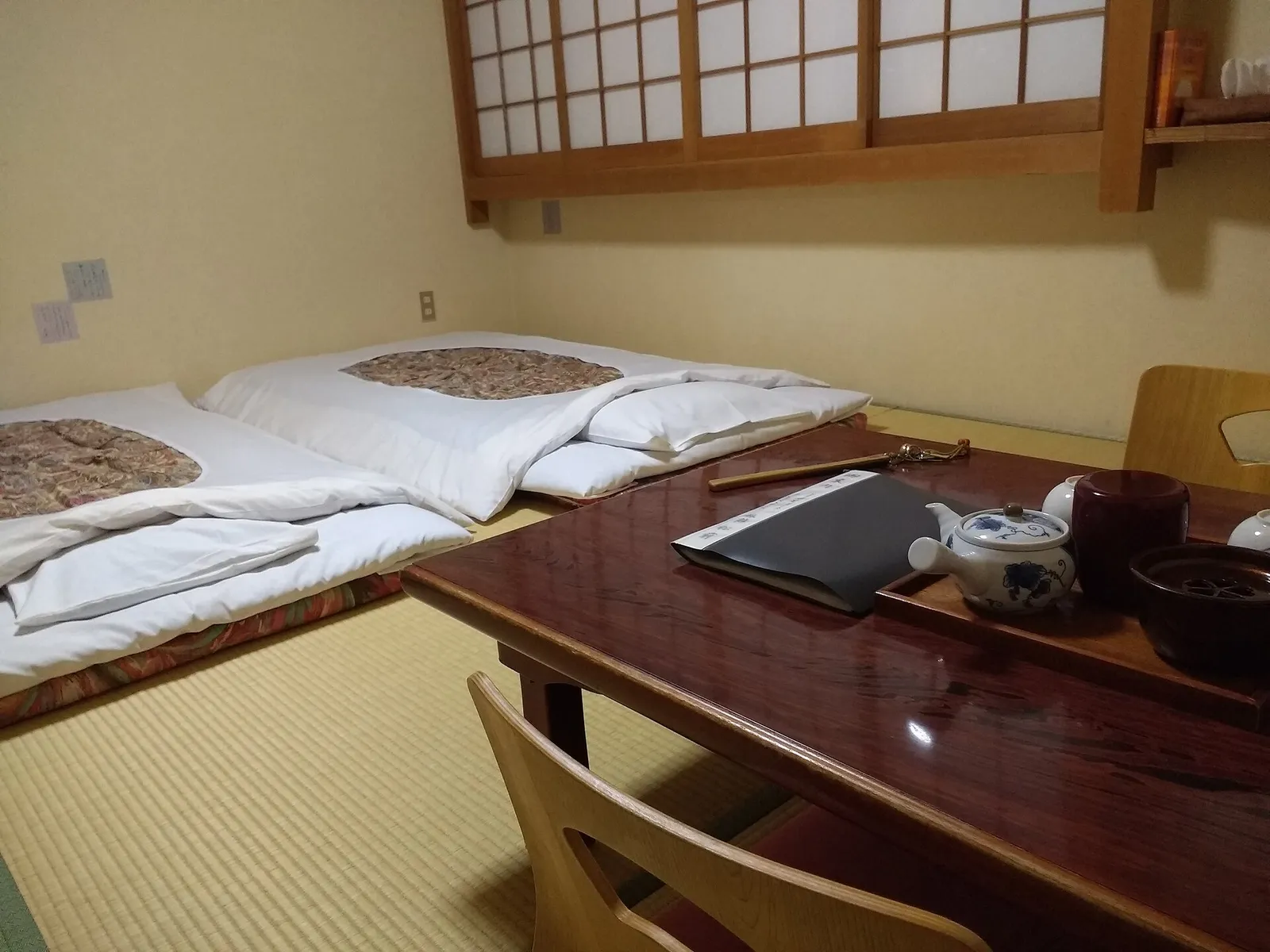
A short list of rules keeps the venue working. Flash photography during a bout is not allowed. Calling out a favourite wrestler’s name at contact is welcomed, but talking through the pre bout ritual is not. In a box seat, stay alert: a wrestler thrown from the ring can land in the front row. None of this is unusual by the standards of Japanese public life, and our ryokan guide covers the other setting where a visitor is handed a set of rules on arrival.
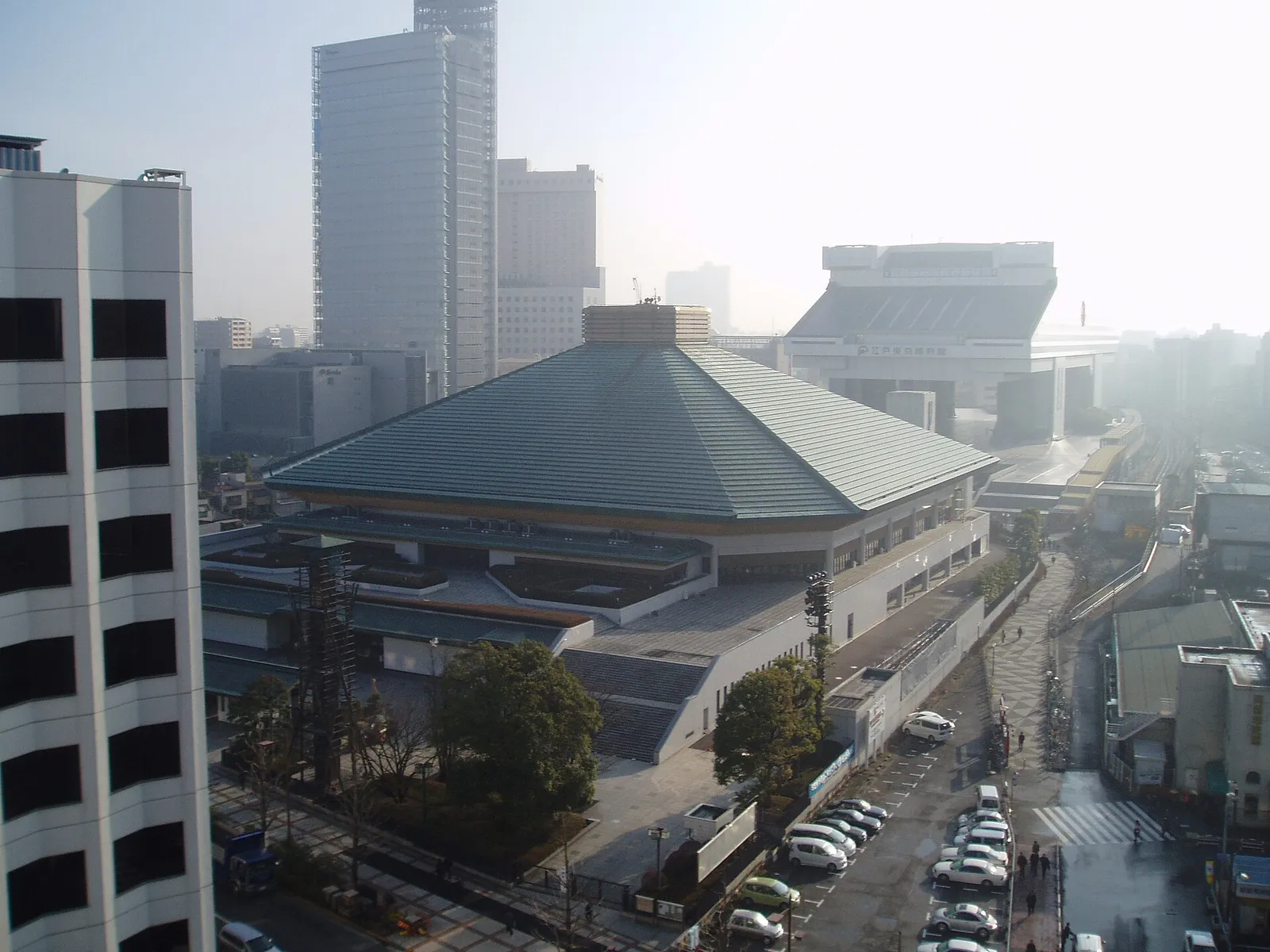
Ryogoku itself rewards a slow walk. Beyond the stadium it holds the Edo Tokyo Museum and bronze wrestler statues set into the pavement, one of the more distinctive entries among Tokyo’s neighbourhoods. Go early, bring water, and let a few hours of ceremony and six seconds of contact make their own case.