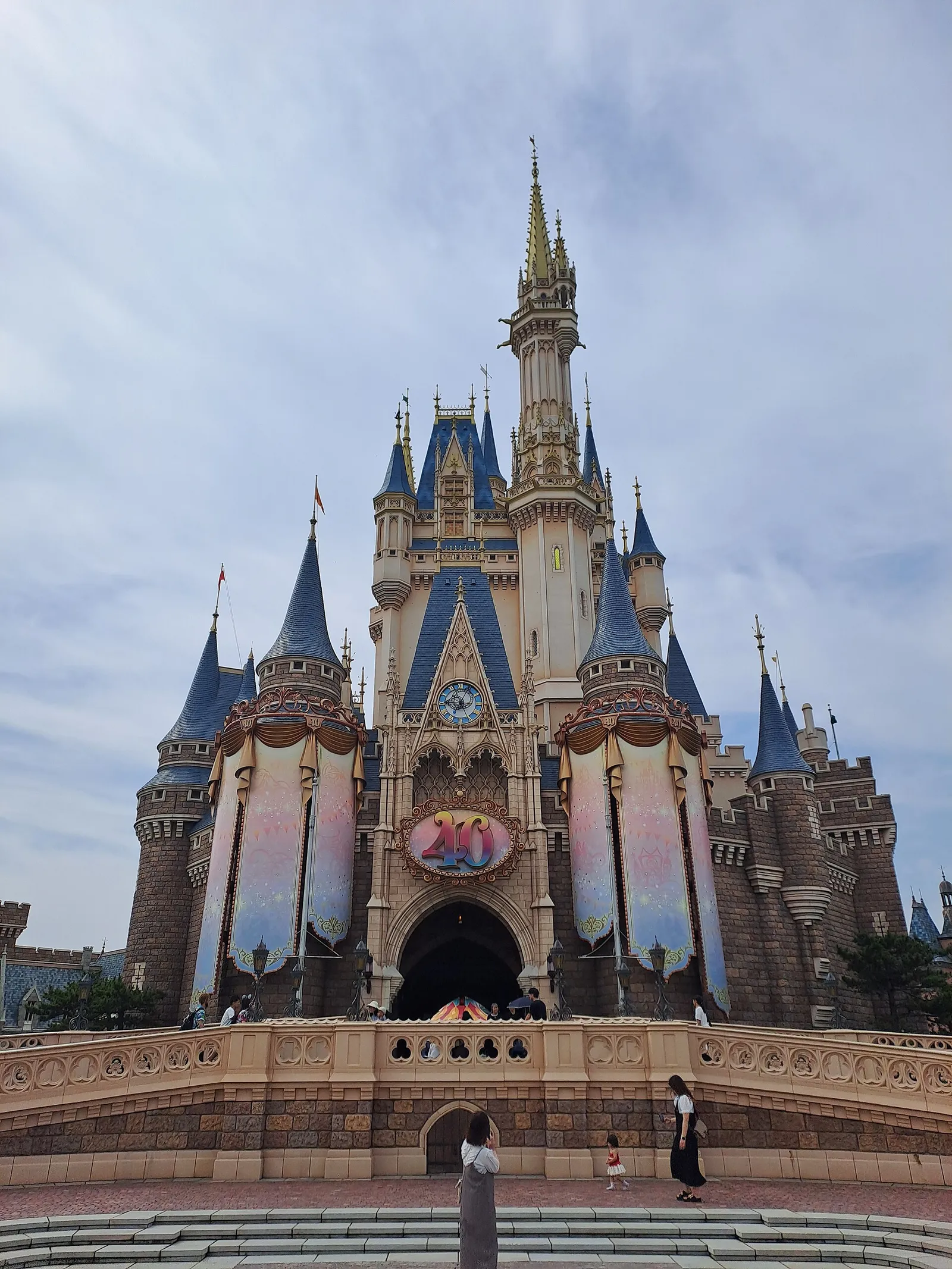
Every Disney resort has a castle, a parade and a fireworks show. Only one has built an entire second park around the sea, with a Mediterranean harbour, a Venetian canal and a fictional 1930s New York waterfront, in Tokyo rather than Anaheim or Paris. Tokyo Disney Resort is actually two parks side by side, both run with the precision and spotless upkeep Japan is known for. This guide covers how to choose between them, how the ticketing and queue skipping system works, and how to build a day that will not wreck everyone before the evening show starts.
Two parks, one ticket, and how to choose
A single day ticket admits you to one park, not both, so the first decision needs to happen before you leave home.
Tokyo Disneyland is the familiar version: Cinderella Castle, a parade route, themed lands built around classic Disney and Pixar stories, and the traditional rides most people picture when they hear the word Disney. It suits young children well.
Tokyo DisneySea has no equivalent anywhere else. Built around a volcano and a set of harbours, from a Mediterranean port to a Venetian canal and a New York waterfront, it leans more grown up: taller rides, moodier lighting, and alcohol served at some restaurants, which Disneyland does not. Families with older children, couples and travellers without kids tend to prefer it.
If you are weighing a Disney day against the rest of a Tokyo trip, our guide to Tokyo’s neighbourhoods helps with how much city to fit around it.
Why one park deserves the whole day
You can visit both parks across a longer trip, just not on the same day ticket, and we would not recommend it across two rushed half days either. Both parks are large, and the best part of each is usually the evening: the lighting change at dusk and the nighttime show. Splitting a single day between the two means two incomplete visits instead of one full one.
It is also a genuinely tiring day even when quiet, with plenty of walking and more than one queue. Stacking it on top of a travel day or an early flight the next morning asks a lot of everyone, children especially.
Tickets, dynamic pricing and paid queue skipping
Tokyo Disney Resort sells dated tickets, one park per ticket per day, priced with a dynamic model rather than a fixed rate: expect to pay more on a weekend or holiday than on a quiet weekday. Tickets for popular dates can sell out well in advance, so booking ahead through a trusted channel matters more here than at most attractions.
On top of the standard ticket, the resort runs a paid option that lets you skip the standby line for specific attractions, bought through the official app once inside. There are also free timed entry slots for some attractions. Exactly how this is structured, what it covers and what it costs shifts often, so treat any description here as the general shape rather than the current rules, and check the app the day before you go.
On a busy day, this is usually the difference between riding half a dozen attractions and riding twice that many.
Rides, shows and the food worth the wait
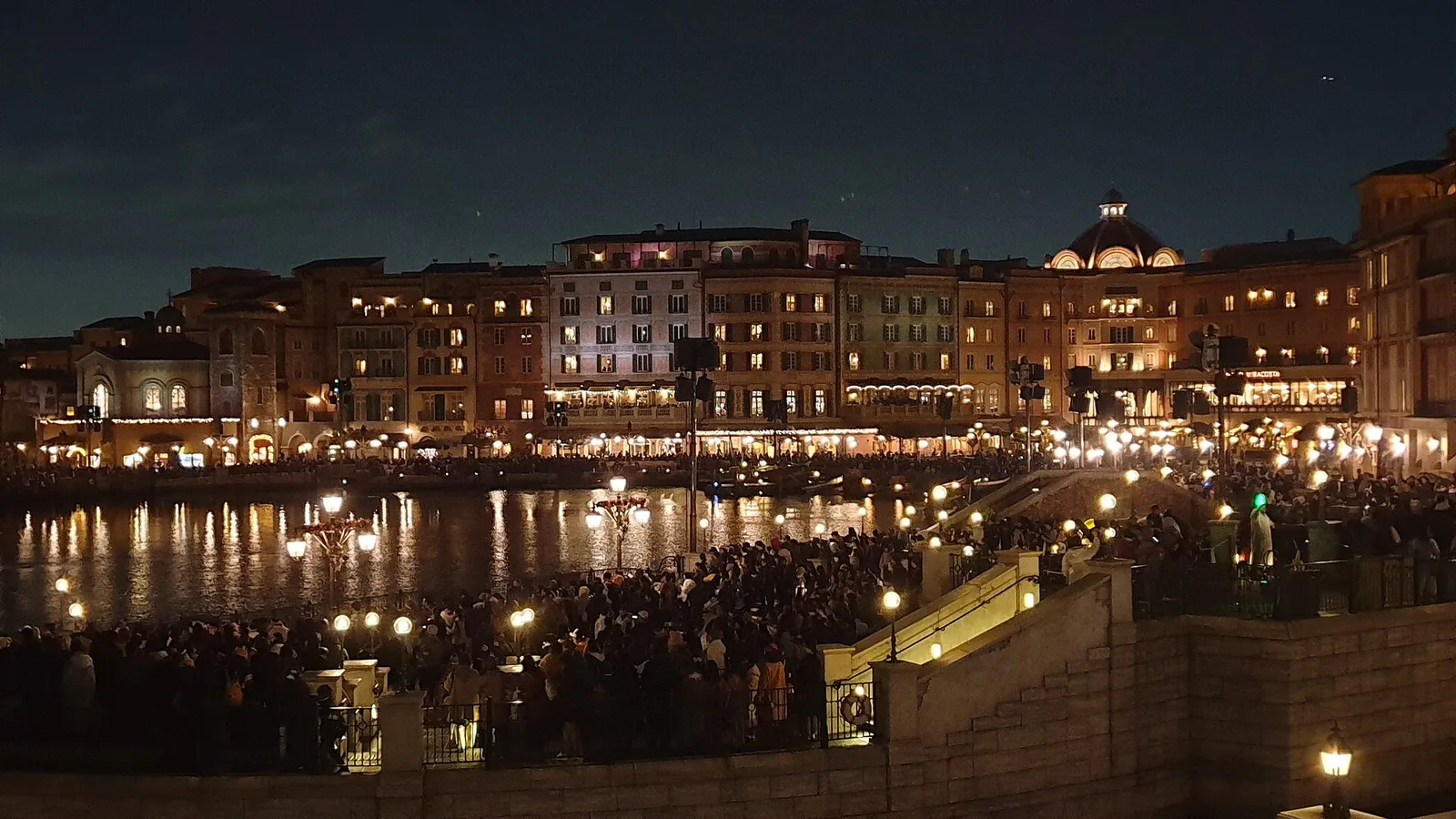
Attraction line ups change often enough that a list goes stale fast, so treat any recommendation as a starting point rather than a guarantee. What holds up is the shape of a good day: pick two or three attractions that matter most and get to them early, leave room for what you stumble across, and build the evening around whichever nighttime show is running. In DisneySea, the harbour comes alive after dark in a way worth planning around.
Food is its own small adventure. Popcorn stands sell rotating flavours, caramel, soy sauce butter, curry and honey among them, in themed buckets some visitors collect on every visit. Churros shaped like characters travel well on the move. A sit down meal costs more than a stand snack, and restaurants fill fast at normal mealtimes, so eating slightly off peak buys a shorter wait.
Getting there, and getting home without the crush
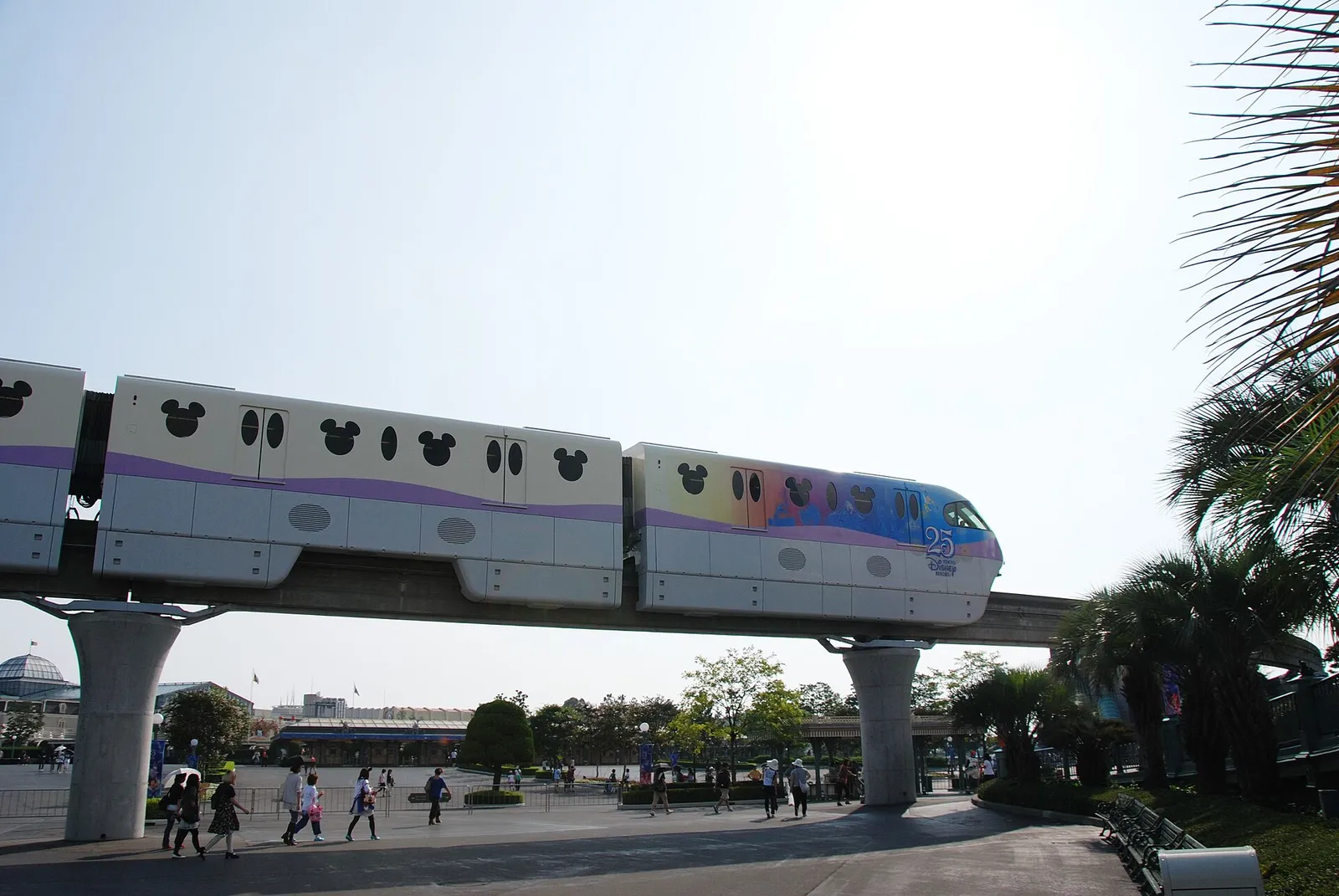
The resort sits just outside central Tokyo, and the way in is a train to Maihama Station. From there, the Disney Resort Line monorail, recognisable by its Mickey Mouse shaped windows, loops between the parks and the hotel area, and is worth riding for its own sake.
Getting home takes more planning than getting there. Both parks empty out fast once the closing show ends, and the walk to the station and the monorail get genuinely crowded for the next half hour. Either leave a little before the end, or stay put and let the first wave clear. Check the last departure time for your onward train, since services in Tokyo stop earlier than visitors expect. If your Disney days bookend a flight, allow for the Narita or Haneda run, which is a longer journey than the short hop out to Maihama.
Planning a day that will not wreck you
Weekdays outside Japanese public holidays, roughly Tuesday to Thursday, tend to run quieter than weekends, Mondays, Fridays and anything near a holiday or the summer school break, when waits on popular attractions can stretch past an hour. Arriving before opening time, downloading the app in advance, and tackling your most wanted attractions first all help on a busy day.
Weather matters too, since most of the day happens outdoors. Summer in Tokyo is hot and humid, and standing in a queue in the sun wears people down by early afternoon. Winter is more comfortable for walking but cold once standing still for an evening show. A rainy day is sometimes the quietest of all, provided you bring a rain jacket rather than an umbrella, awkward to hold in a queue.
Bring closed, already broken in shoes, a layer for after dark, a portable charger since the app runs all day, and a water bottle to refill. Travelling with young children, plan for fewer attractions than you think you can manage, with a real break at midday. If you would rather stay near the resort than commute from central Tokyo, our guide to where to stay in Tokyo covers both options.
For the wider question of how a family trip to Japan should be shaped, which is fewer sights and bigger rooms, our guide to Japan with children covers it.
Tokyo Disney Resort is not for everyone. Travellers who would rather spend a short trip on temples, markets and food, or anyone on a tight budget, will find a single park day takes a large bite out of both. For families and Disney fans, it delivers a genuinely well-run, spotless, detail-obsessed day out, and knowing which park to book and how the ticketing works before you arrive is most of the battle.