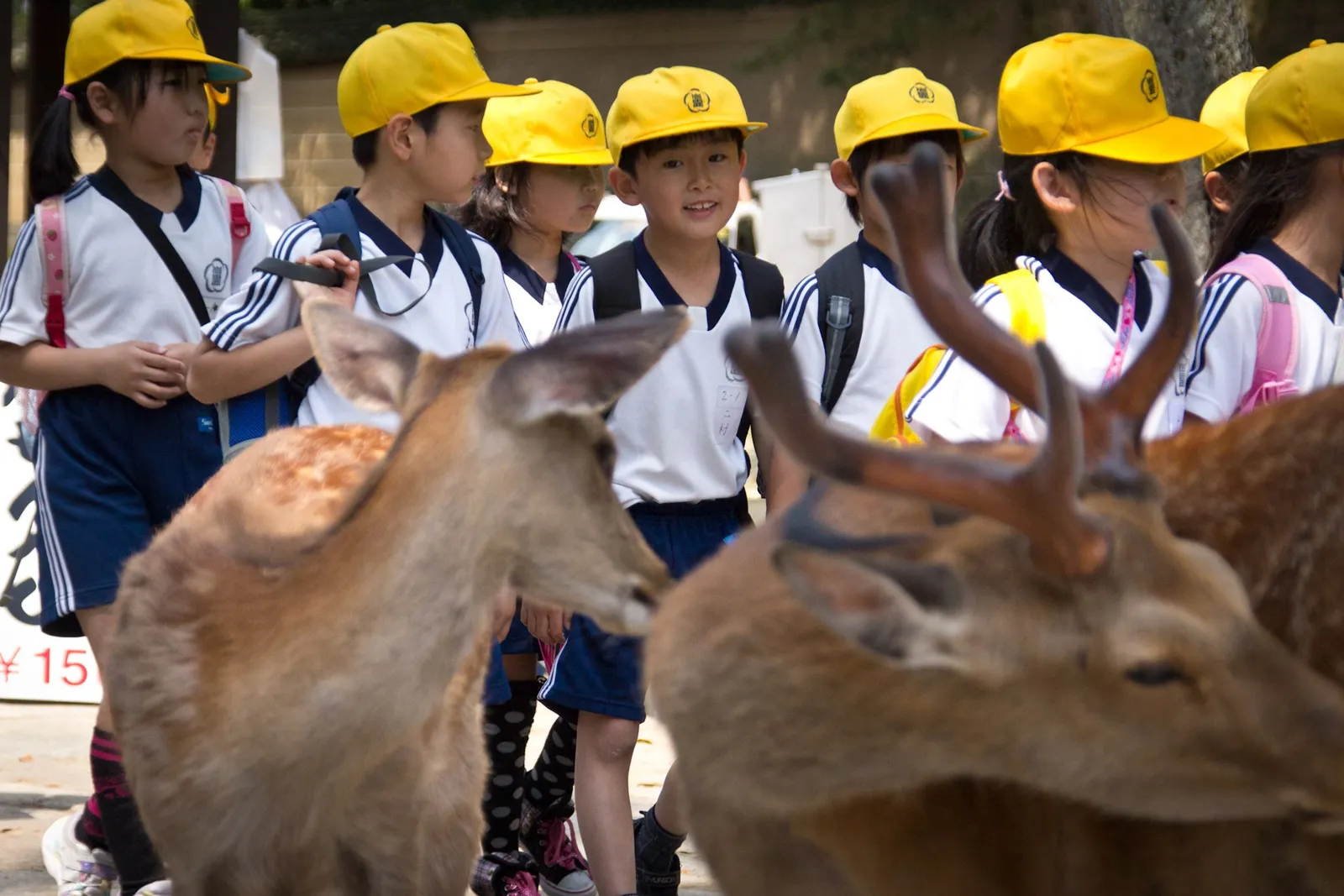
Parents considering Japan tend to worry about the language, the food and the formality, and then arrive to discover that none of those is the problem. What Japan is, from a child’s point of view, is a country where the vending machines glow, the trains are exciting and on time, the toilets have buttons, there are cartoon characters on the manhole covers and the whole place is safe enough that Japanese seven year olds ride the subway to school alone. What it also is, from a parent’s point of view, is a country of small hotel rooms and enormous walking distances, and those two facts do more damage to family trips here than anything cultural.
What makes it easy
Safety, to a degree that changes how a family moves around.
Cleanliness and facilities, with baby changing in most stations and department stores.
Public transport children enjoy, which removes the usual transport misery.
Convenience stores, which solve food, drink and emergencies at any hour.
Genuine child interest in ordinary things: trains, vending machines, robot everything, arcades.
Nobody minds children, and the level of practical accommodation is high.
What is actually hard
Hotel room size, which is the single biggest constraint and needs solving at booking.
Walking distances, including several hundred metres of underground corridor between platforms.
Older stations with stairs, where a pushchair becomes a two person job.
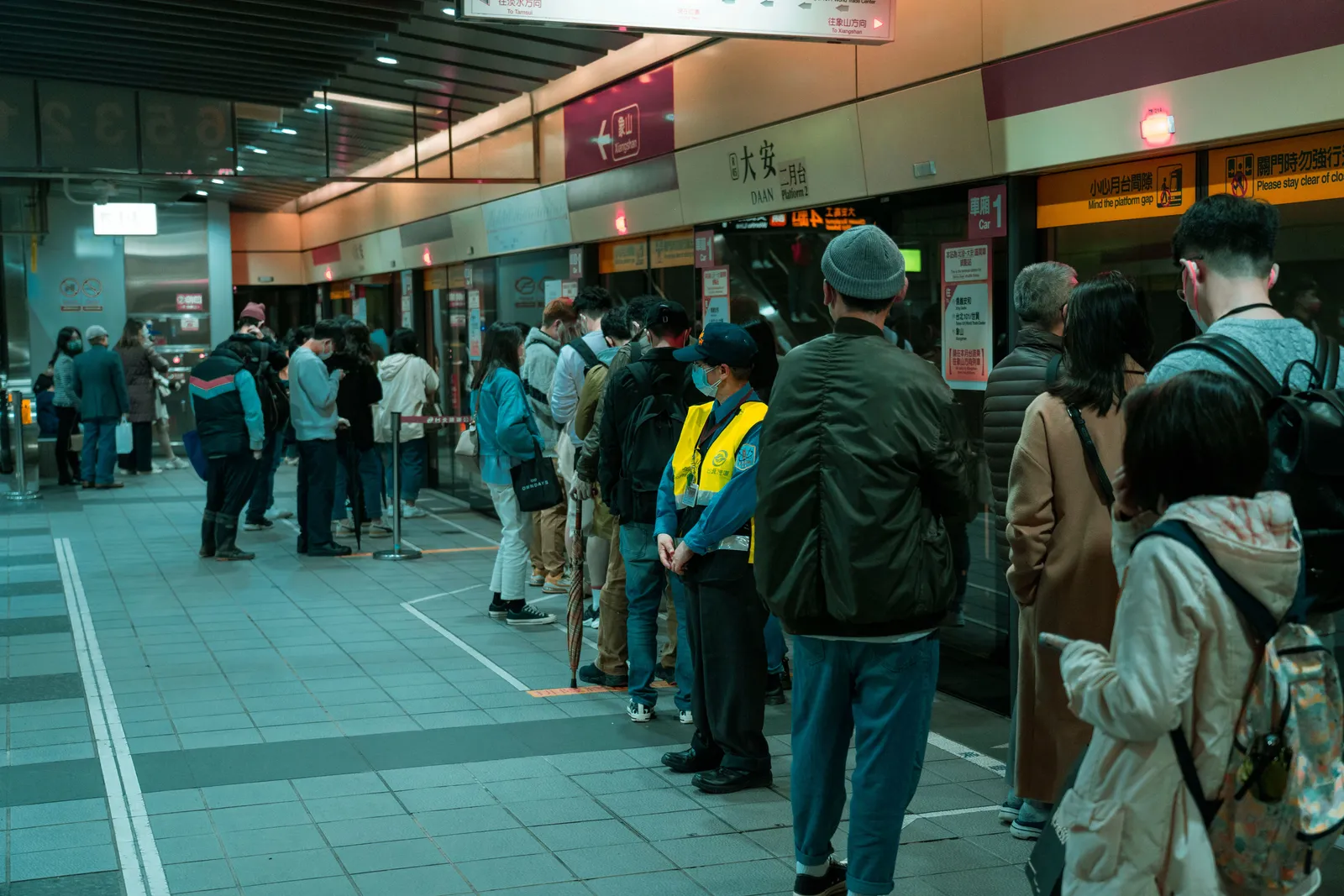
Rush hour, which is not a place to take a small child.
Fewer high chairs than in Europe, outside family chains.
Long days, since Japanese sightseeing tends to be dense and spread out at once.
Where to sleep
Family rooms, which exist in city hotels and go early.
Apartment style accommodation, which adds a kitchen and space.
Ryokan with Japanese style rooms, where futons sleep four in one room.
Business hotels with twin rooms, which frequently cannot take four at all.
Book earlier than you would elsewhere, because the constraint is real.
Eating
Rice, noodles, gyoza, curry rice and fried chicken cover most fussy eaters.
Not spicy, as a general rule, which removes the usual difficulty.
Family restaurant chains with picture menus and children’s sets.
Convenience stores for everything in between, including hot food and fruit.
Department store food halls, where everyone finds something and there is somewhere to sit.
Bakeries, which are excellent and solve breakfast entirely.
Things that work without being attractions
Any train, including the local ones, and the bullet train is an event in itself.
Arcades, which are free to enter and endlessly absorbing.
Vending machines, which children treat as a game.
Department store rooftops, several of which have small playgrounds.
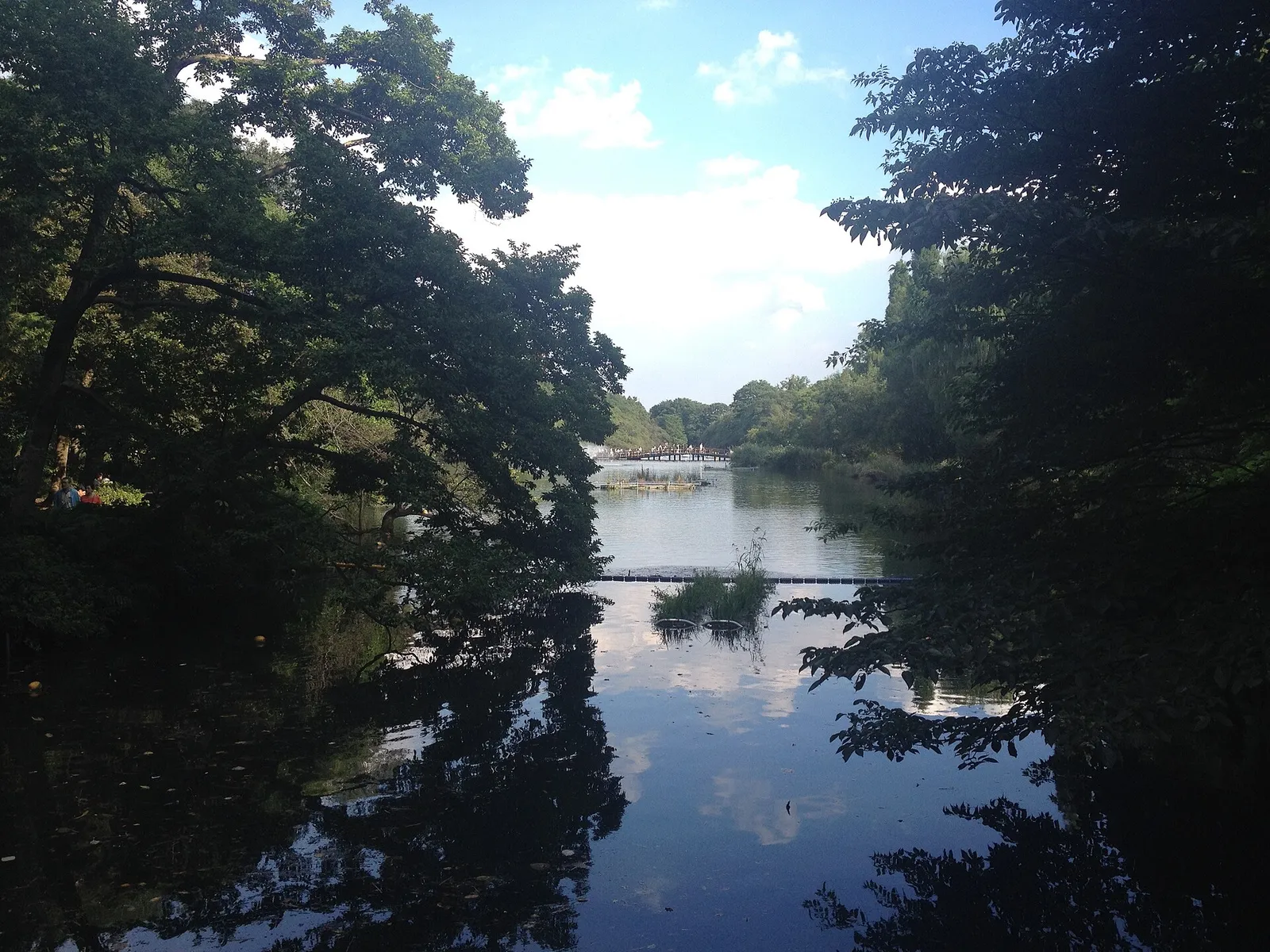
Parks, which are numerous, good and free.
Convenience stores, unironically, at least for the first week.
The obvious ones, and they are worth it
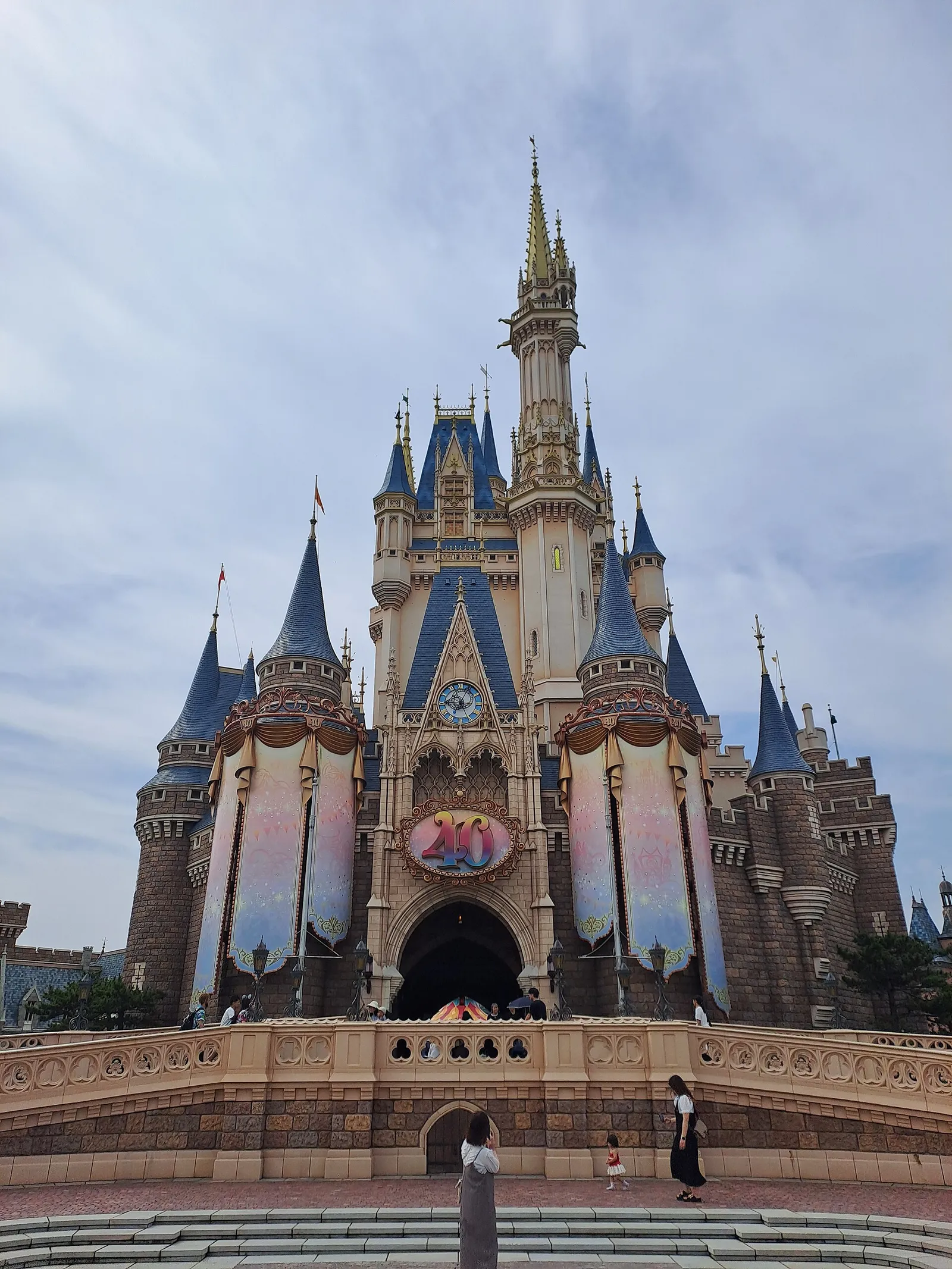
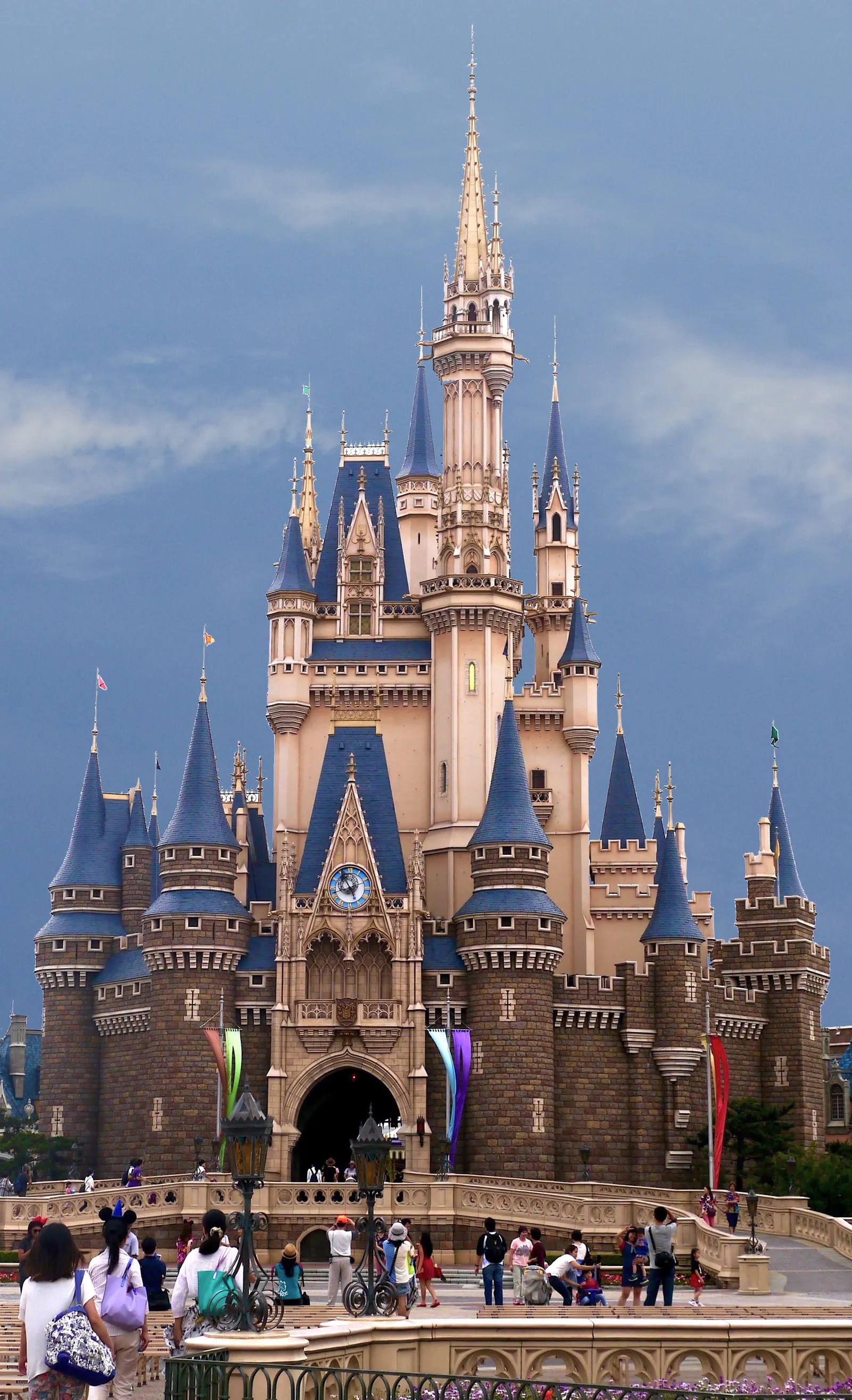
The theme parks, which are as good as advertised and need a full day each.
The Ghibli sites, which need tickets arranged well in advance and are unlike anything else.
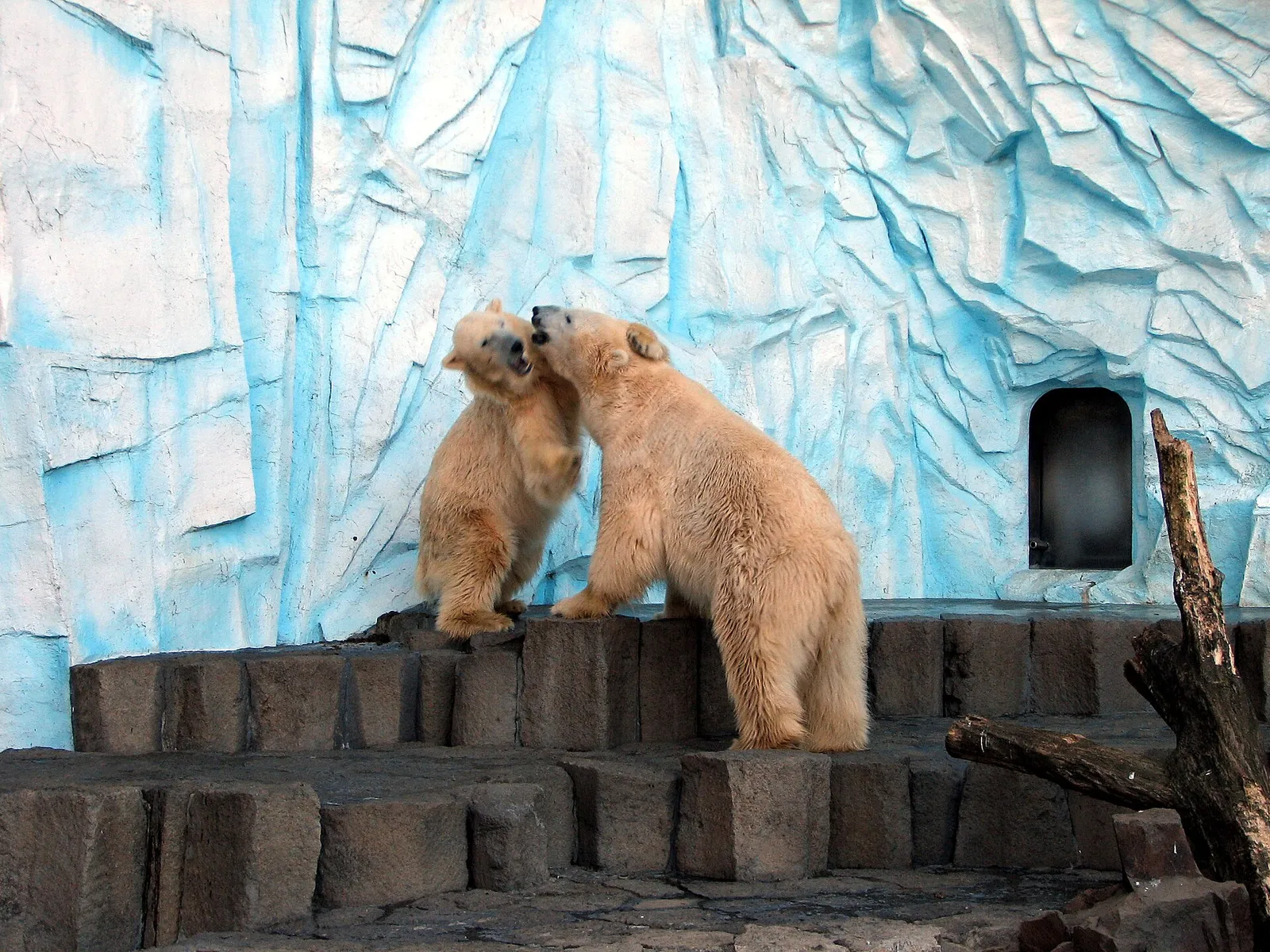
Aquariums and zoos, which Japan does exceptionally well.
Science and railway museums, which are hands on and cheap.
Nara, where the deer bow, which is the single best value afternoon in the country with children.
Practical notes
Children travel free or cheap on trains up to certain ages, and the thresholds are worth checking.
Carriers beat pushchairs in older stations and on temple paths.
Luggage forwarding between hotels removes the worst part of moving with a family.
Pharmacies are everywhere and stock children’s medicines, though brands and dosing differ.
Coin lockers at every station, which are the answer to carrying things all day.
And plan the afternoon nap into the day, rather than around it.
Where this fits in a Japan trip
As the shape of the whole trip rather than a section of it: fewer sights, bigger rooms, more trains.
For the groundwork any first Japanese trip needs, our first time in Japan guide covers it.
For the day that will dominate the conversation afterwards, our Tokyo Disney Resort guide covers the parks.
And for the tickets that have to be arranged long before you fly, our Ghibli museum and park guide explains the system.
The short version
Book the rooms before the flights, because standard Japanese hotel rooms frequently cannot take a family of four, and give at least one night to a ryokan with a Japanese style room where futons sleep everyone comfortably. Then halve the itinerary, because the walking distances rather than anything cultural are what ends family days here. Feed everyone on rice, noodles, gyoza and bakery bread, use the convenience stores without guilt, and let the trains, the arcades and the vending machines do the entertaining, since they will anyway.