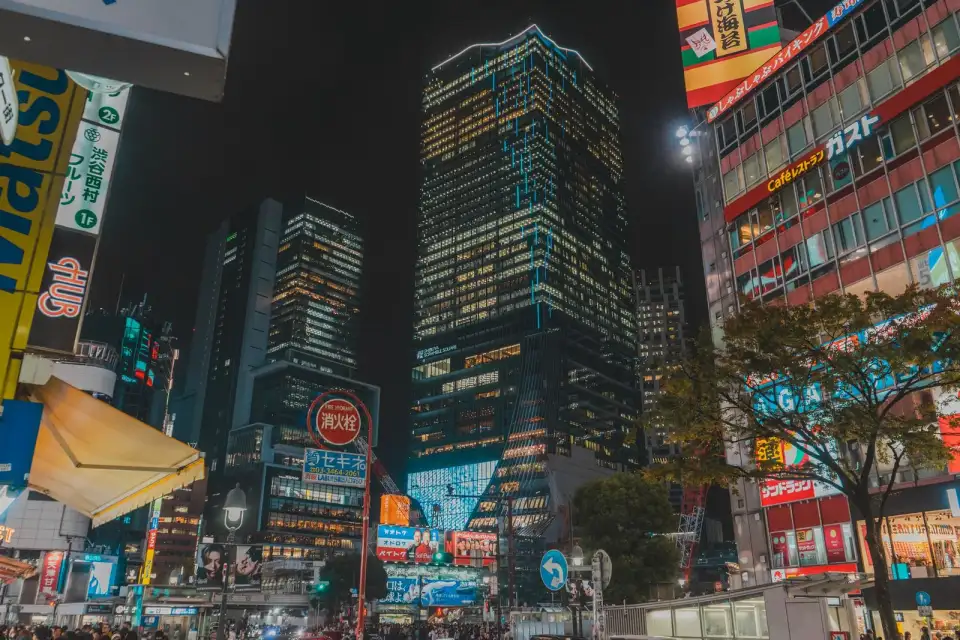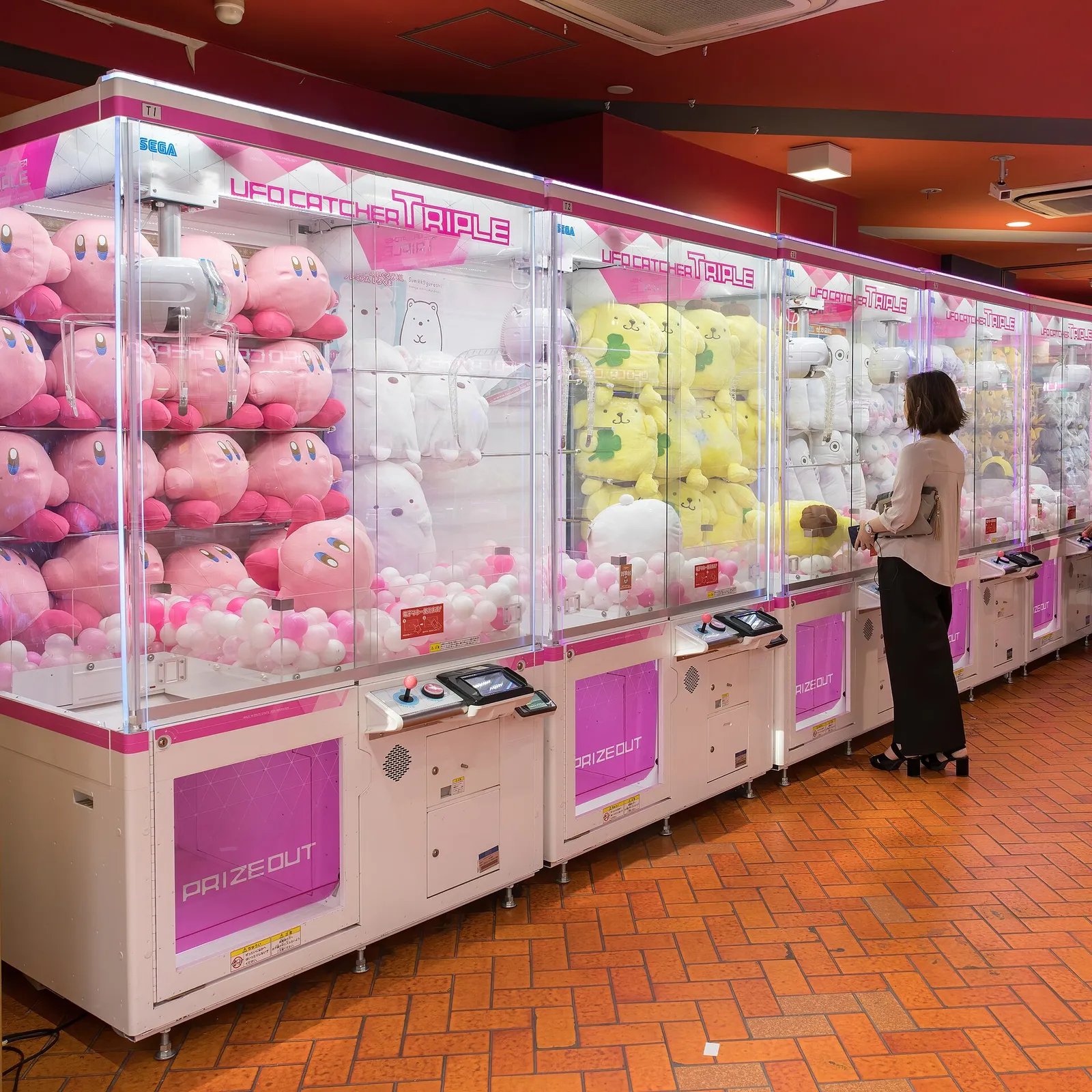
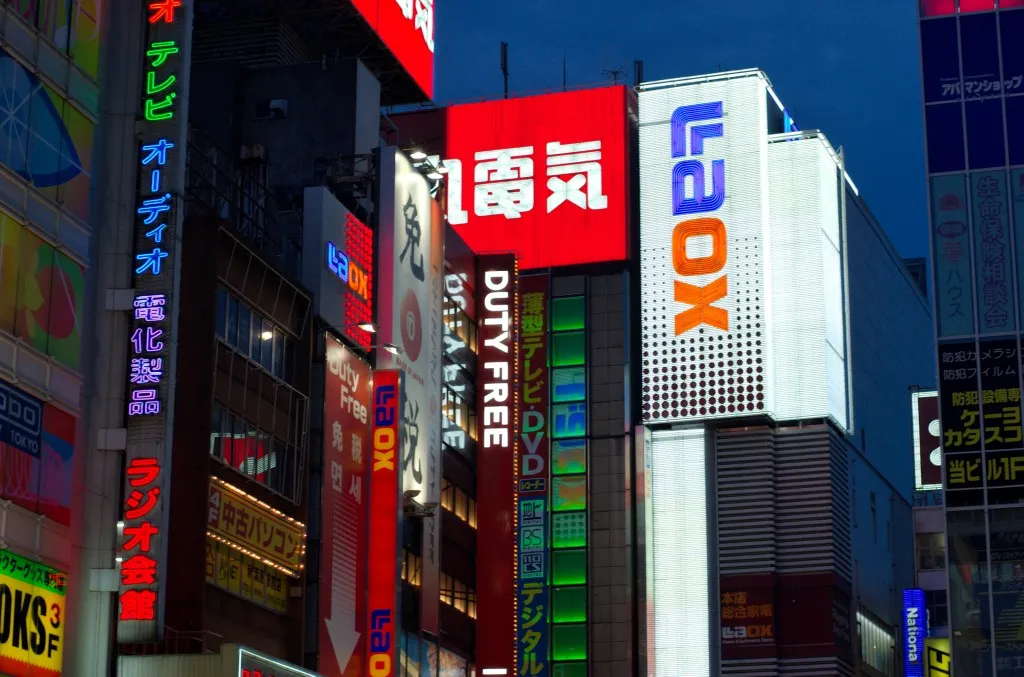
Akihabara is the one Tokyo district that has turned into a genre. Shops six and seven floors high, packed to the ceiling. Arcades you can hear from across the road. Walls of capsule machines that will empty a pocket of coins in ten minutes. And enough illuminated signage above the main crossing to read a map by at midnight.
You do not need to care about anime to enjoy it. Plenty of people arrive sceptical, work their way down a building they picked at random, and leave carrying a bag.
What Akihabara actually is
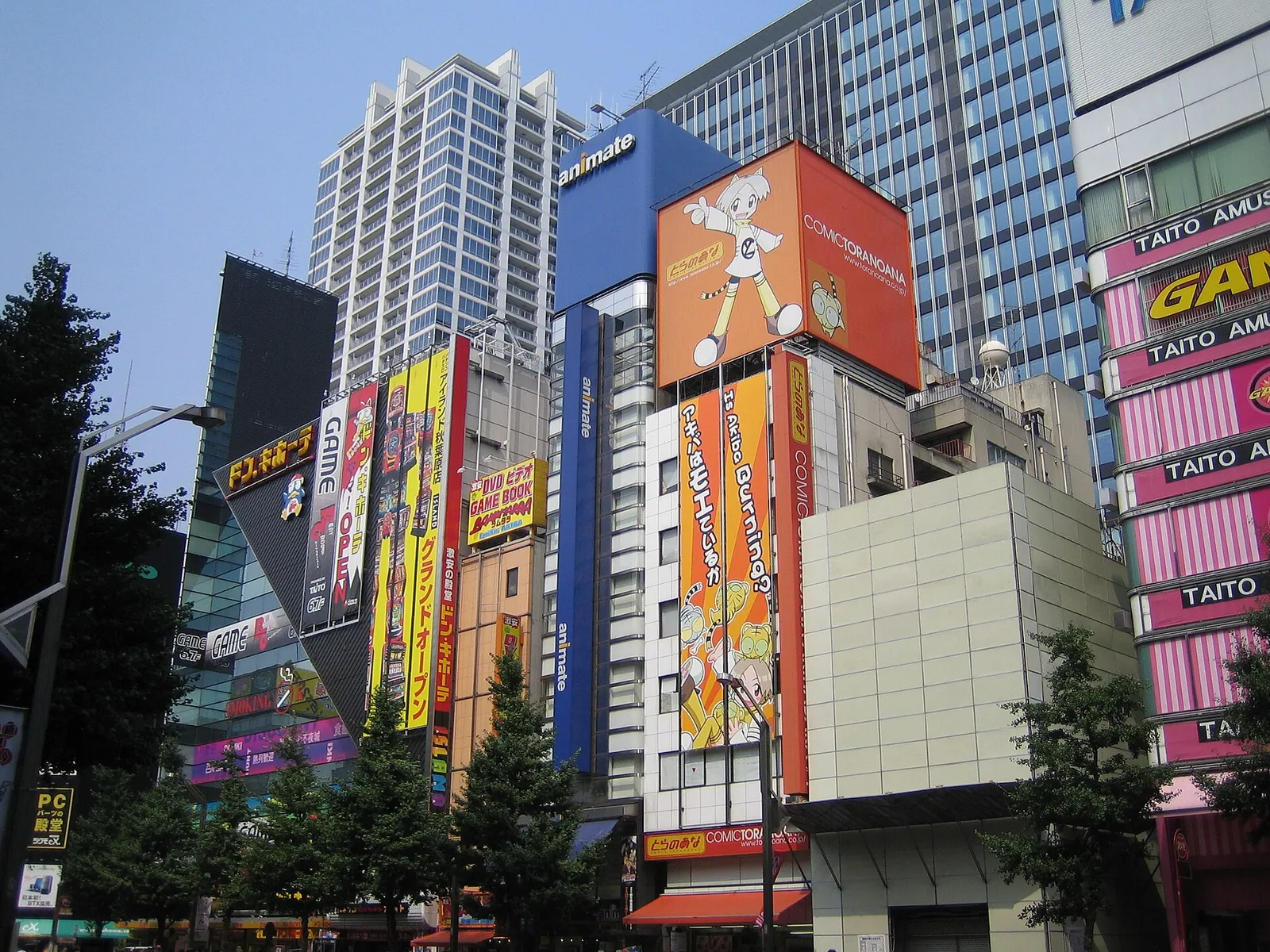
Akiba, as everyone calls it, began as a post war market for radios and electrical components, which is where the nickname Electric Town and the name of the station exit both come from. Components gave way to computers, computers gave way to games, and games brought the rest of otaku culture with them. What stands there now is a dense grid of chain anime retailers, second hand specialists, arcades, themed cafes, trading card shops and a couple of enormous electronics halls, nearly all within about ten minutes of one station.
It sits on the eastern edge of central Tokyo and is served by the Yamanote loop line as well as the metro, which makes it one of the easiest Tokyo neighbourhoods to drop into a day that is mostly about something else. The best of it is also free: riding a lift to the top of an eight floor shop and coming back down one level at a time costs nothing.
How to read a building
Shops here are vertical. The classic first timer mistake is to scan the ground floor, decide it looks like a toy shop and walk out.
The board by the lift is the real map. Each floor is a separate department, and the board usually carries pictograms readable without any Japanese.
Second hand floors are often the best ones. Used goods in Japan tend to arrive boxed and close to unmarked, and a small sticker usually notes any scratches or missing parts.
Some floors are adults only. They are clearly signed and nobody wanders into one by accident, but families should know they exist.
What to buy, and roughly what it costs
The district sells a handful of things better than anywhere else in Japan. Collectable figures run from pocket money to serious money depending on size, licence and how long ago the run sold out. Second hand manga is the bargain here, with single volumes often costing only about a hundred yen. Retro games and older consoles turn up in a condition that surprises the people who remember owning them. Trading cards have their own quiet floors, usually well above the noise.
Then there are the capsule machines. Gachapon, also called gacha, are everywhere: banks of them in shop entrances, entire floors of them in a few buildings. You feed in coins, turn a dial and receive a plastic capsule with a small figure inside. You cannot choose which one: the full set is displayed on the front and what comes out is random. The themes stopped being purely anime long ago and now take in animals, miniature food and absurdly detailed tiny furniture. A turn costs a few hundred yen, printed on the machine itself, so carry coins.
Prices move constantly, so treat any figure quoted here as a rough guide rather than a quote. Tax free shopping for short term visitors exists above a minimum spend on presentation of a passport, but the threshold and the procedure are set by the tax authority and have been revised before, so confirm the current rules before planning a large purchase around them.
Arcades, maid cafes and themed floors
The arcades are worth entering even if you have never played anything. They are stacked vertically too, with crane machines near the entrance, rhythm games loud in the middle and fighting games higher up. A go costs a small handful of coins, and change machines sit on every floor.
Maid cafes are the district signature. The format is a themed service performance: staff in costume greet you in an exaggerated, playful register, seating is usually time limited, and the bill is assembled from a cover or table charge per person plus whatever you order.
Extras are charged separately. A photo, a game or a song is normally its own line, which is why the total is rarely just the price of a drink. Structures vary between venues, so ask before you sit down.
Photography rules are strict. In most of them photographing staff is not allowed at all, and the same goes for many animal and character cafes nearby.
Electronics, and whether it is still worth buying here
Akihabara was once the cheapest place on earth to buy a gadget, and that has not been true for a long time. What survives is the range: models that are never exported, camera accessories, keyboards and headphones.
Before buying anything with a plug, check the voltage and plug shape against what you use at home, that the device is not locked to a sales region, that the interface exists in a language you read, and whether the warranty means anything once you have left the country. The big stores keep a counter for overseas visitors that deals with exactly these questions. Small accessories are almost always worth carrying home. Large appliances almost never are.
Planning a day here
Half a day suits most visitors, a full day if you are shopping seriously. Come in the morning to hunt for something specific, when the shops are near empty and staff have time to search. Come towards dusk for the version of the district that ends up in photographs.
Shops broadly keep late morning to mid evening hours rather than staying open late, so plan it as a daytime stop and check the hours of anything you have travelled specifically to find. On Sunday afternoons the main road is usually closed to traffic and turns into a pedestrian street, the best time to be here for atmosphere and the worst for a calm browse. That arrangement has been suspended before, so treat it as likely rather than guaranteed.
It is also a stamina test: music from every doorway, announcements over loudspeakers, and after two hours a lot of people have had enough. The side streets are far calmer, and small shops selling drinks and snacks are never more than a minute away.
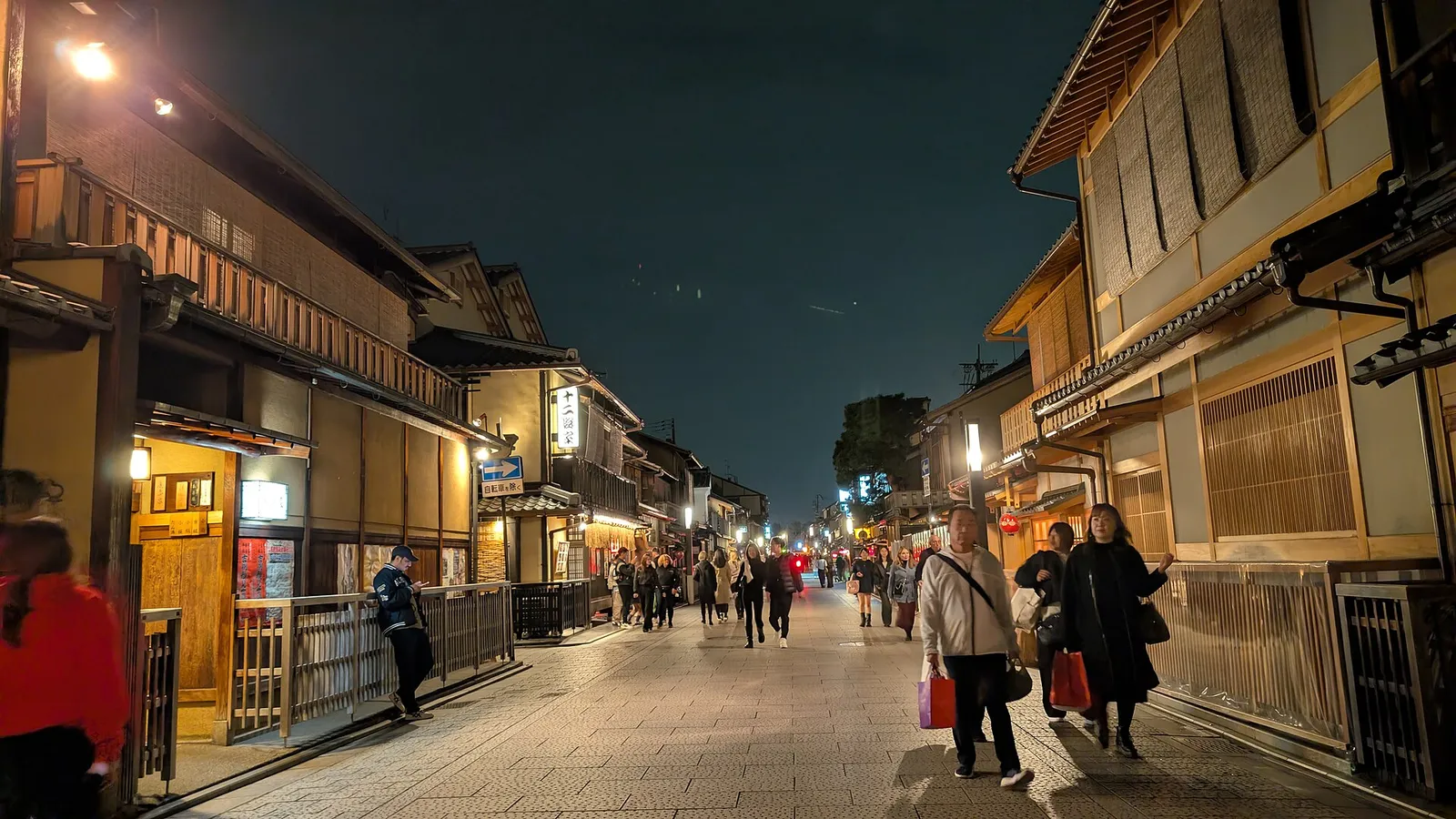
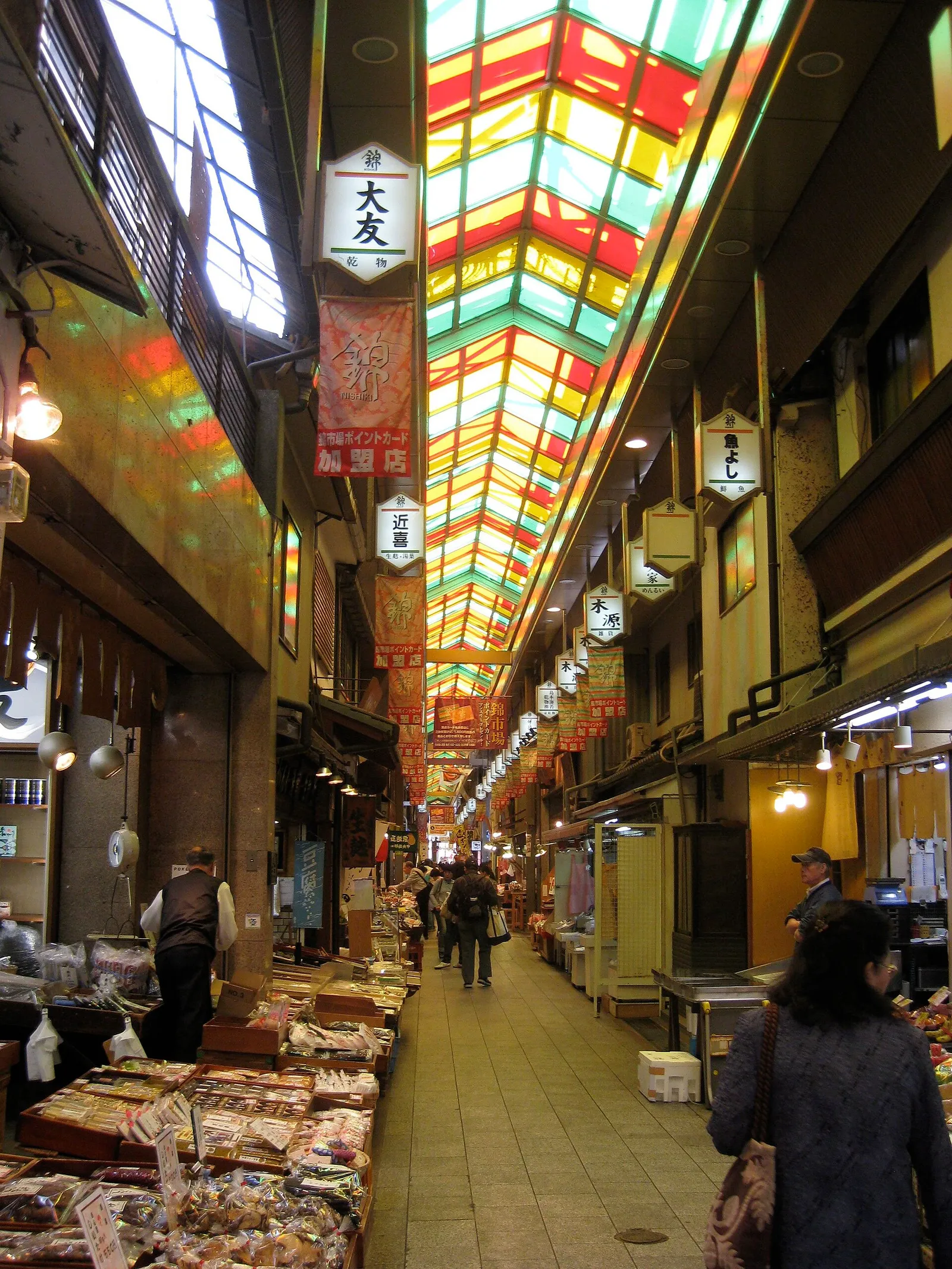
If you want the opposite of this district later in the trip, two places do it well. Kyoto’s covered food street is the calm, edible version of a browse, and our Nishiki market guide covers how to walk it. The old teahouse quarter is quieter still, and our Gion guide covers what to look for and how to behave there.
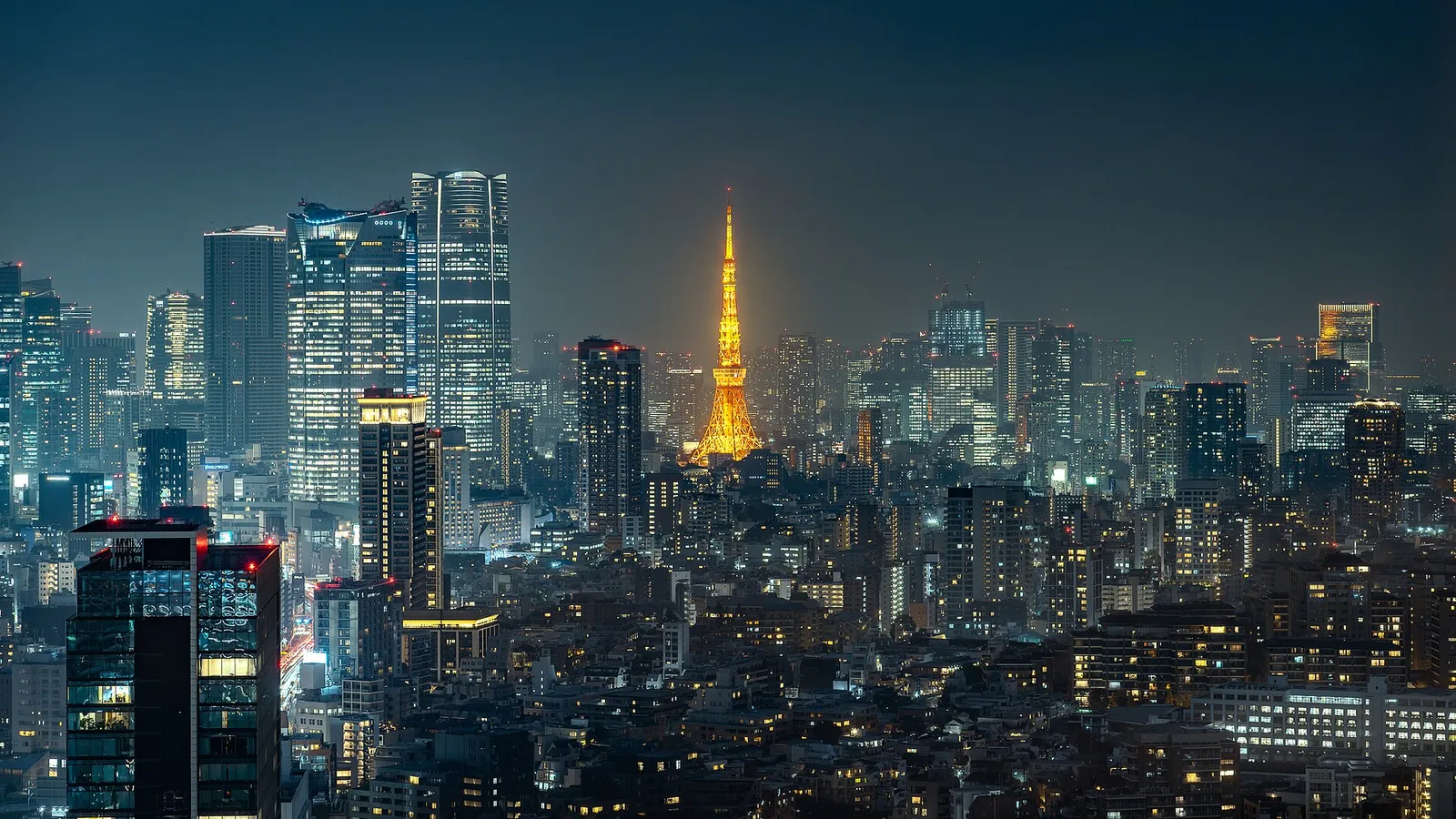
For where this sits in a wider itinerary, our Tokyo guide covers the ground. And if you are travelling with someone who was dragged here rather than choosing it, the teamLab digital art museum offers a similar spectacle in a far quieter room.
Akiba rewards curiosity more than planning. Pick a building because you liked the sign, ride to the top, and let yourself be surprised on the way down.