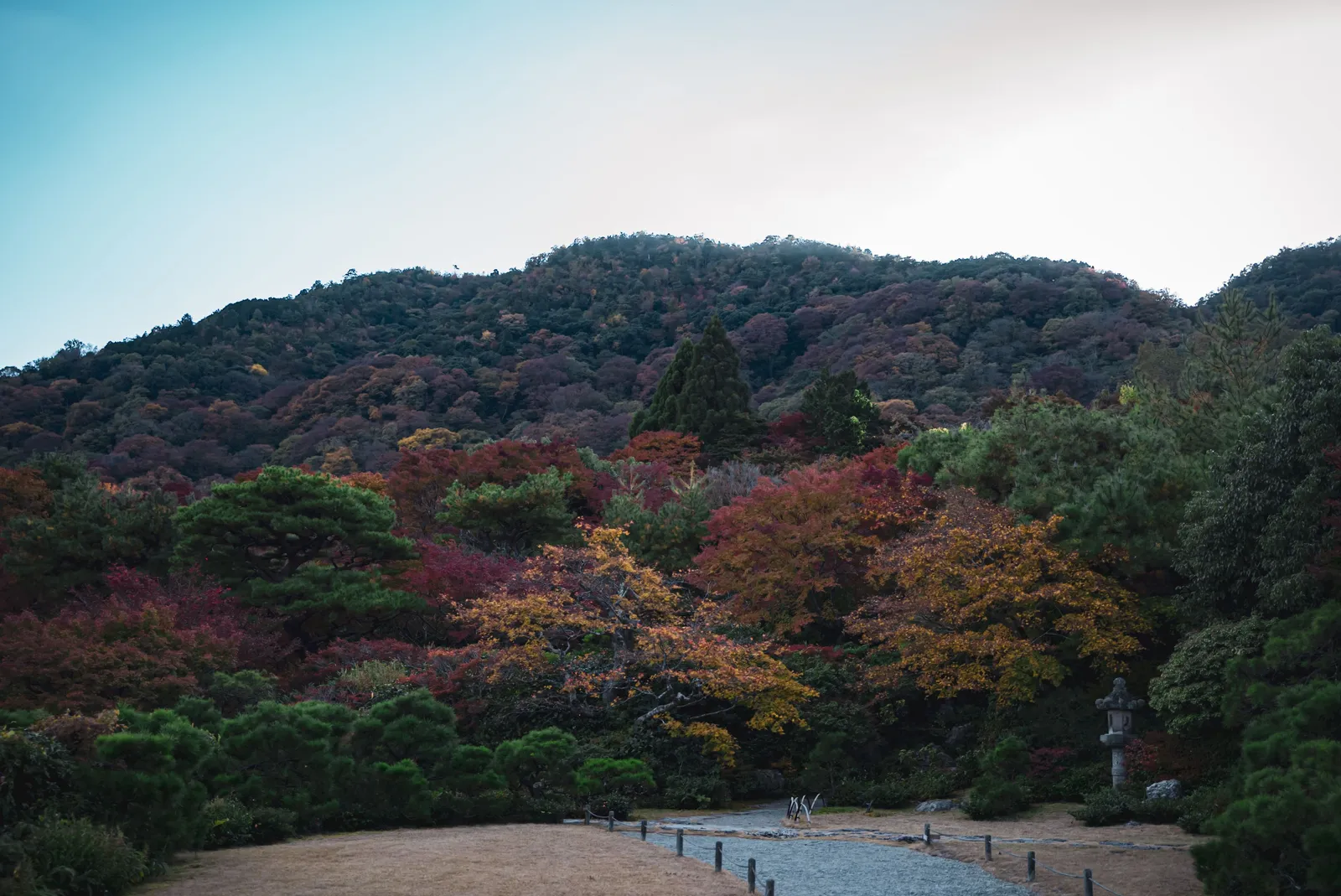
Japan stretches roughly three thousand kilometres from the subarctic north to the subtropical south, which means that on any given day in early April there is snow lying in Hokkaido, blossom falling in Tokyo and beach weather in Okinawa. Any sentence beginning “the weather in Japan in April” is therefore incomplete without a place attached. What follows is month by month, with the main island as the default and the north and south noted where they diverge, along with what is crowded and what is worth showing up for.
January
Cold and dry in the cities, frequently clear and sunny, with Tokyo rarely seeing much snow.
Deep snow on the Sea of Japan side and in the north, which is the peak of the ski season.
Quiet and cheap after the New Year period ends, and one of the best value months of the year.
Fuji is at its most visible, since the winter air is the clearest of the year.
February
The coldest month, and the best snow.
Plum blossom towards the end, which is quieter and prettier than most people expect.
The snow festivals in the north, which are worth a trip on their own.
Still cheap, and the last of it before spring pricing.
March
Warming and unsettled, with real cold snaps.
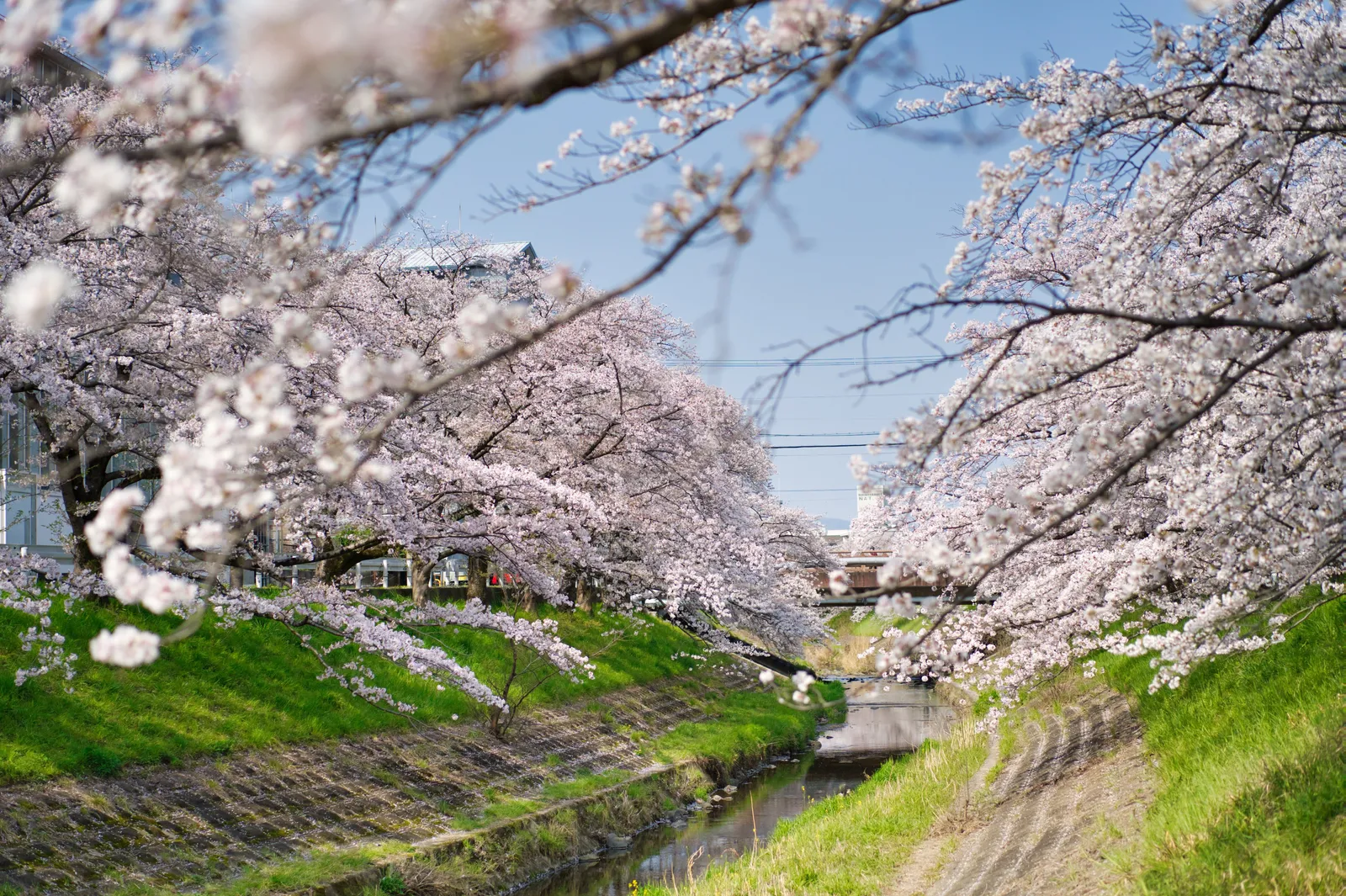
Blossom begins in the south and reaches the main cities in the second half in many years.
Prices start climbing as the season approaches.
A good month to be slightly ahead of the crowd.
April
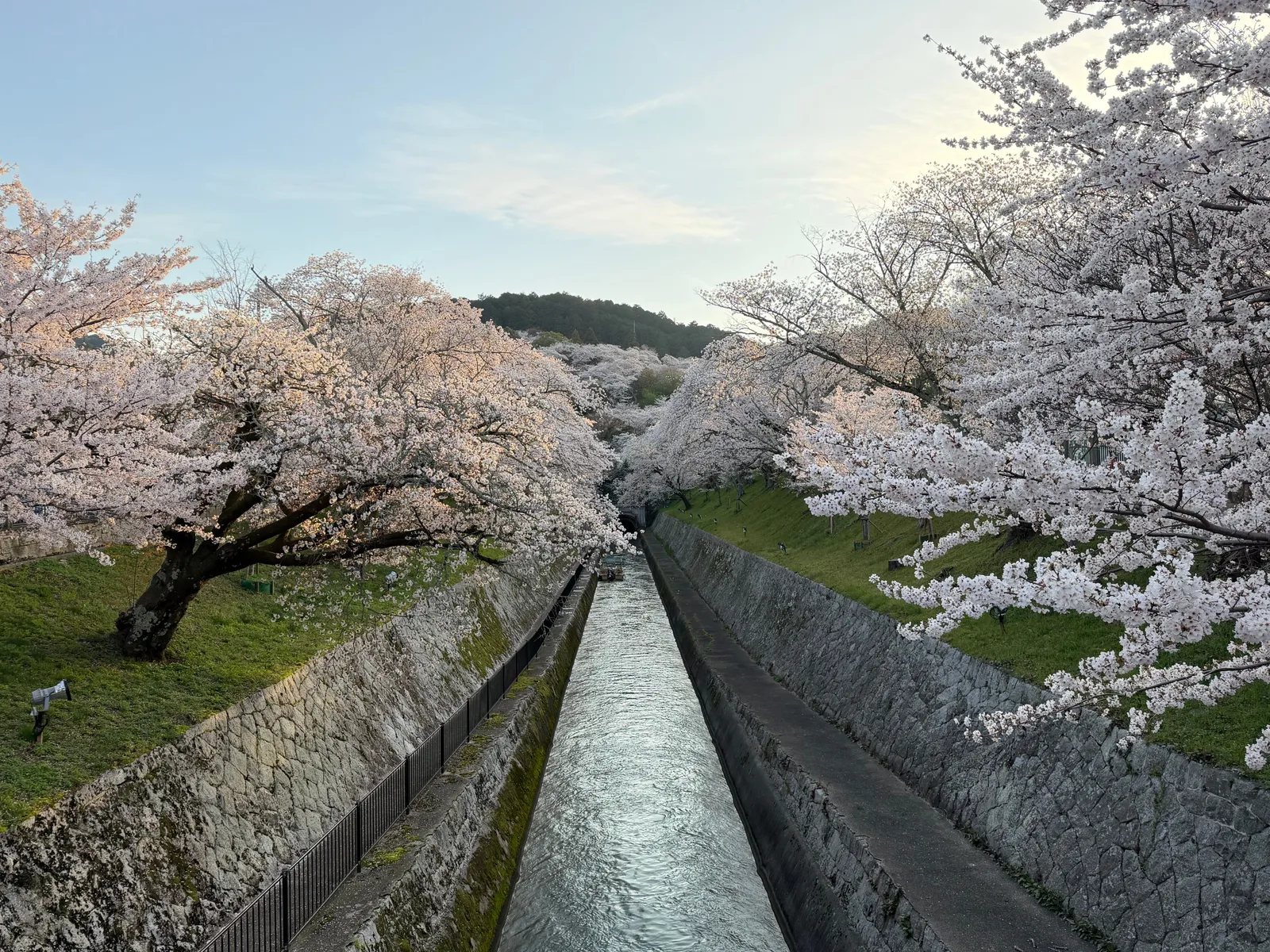
The famous one, with blossom, warm days, cool evenings and the whole world present.
Busy and expensive, and worth it if you accept both.
The national holiday period begins at the end, which is a separate problem.
Blossom reaches the north as it finishes in the south.
May
One of the two best months, warm, dry and green once the holiday period ends.
Quiet from the middle onward, and cheaper than April by a distance.
Blossom in Hokkaido, which is the second chance.
Excellent hiking, before the humidity arrives.
June
The rainy season across most of the country, humid and overcast with heavy bursts.
Hokkaido escapes it, which makes June a genuinely good month up north.
Hydrangeas, which are the compensation and are worth seeing.
Cheap and quiet, and the temples are at their greenest.
July
Hot and increasingly humid, with the rains ending and summer proper beginning.
Fuji climbing season opens, which is a short window.
Festival season starts, and the big ones are extraordinary.
The mountains and Hokkaido are where to be.
August
The hardest month for most visitors: hot, extremely humid, and expensive.
The mid summer holiday period, when the whole country travels.
The best festivals of the year, which is the argument for enduring it.
Typhoon risk rises through the month.
September
Still hot at the start and much better by the end.
Peak typhoon activity, so build in a spare day.
Prices fall after the holiday period.
One of the better value months in the second half.
October
The other best month, dry, mild, stable, with the light turning.
Autumn colour begins in the north and in the mountains.
Busy but not peak, and the weather is the most reliable of the year.
Excellent for walking, everywhere.
November
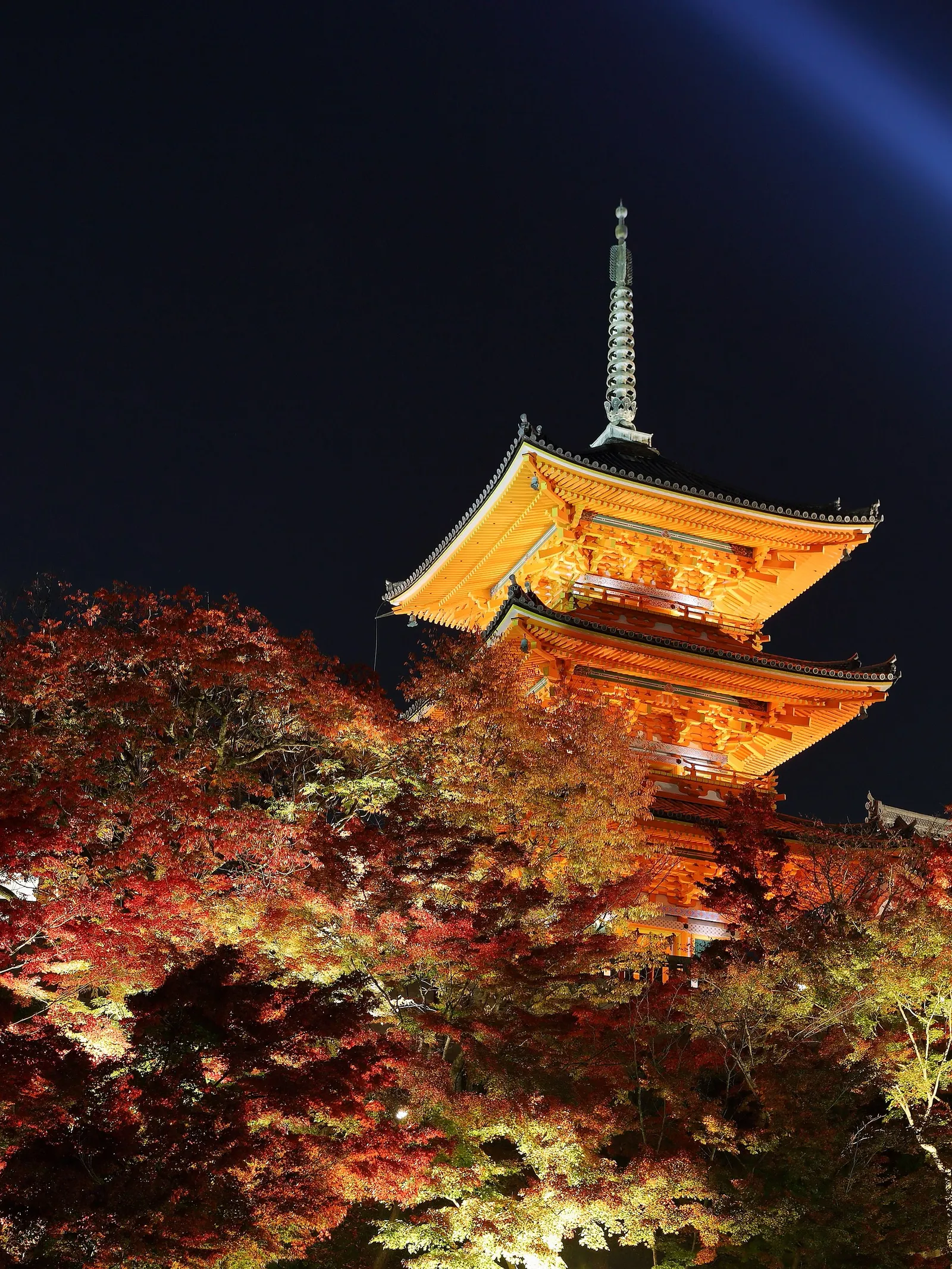
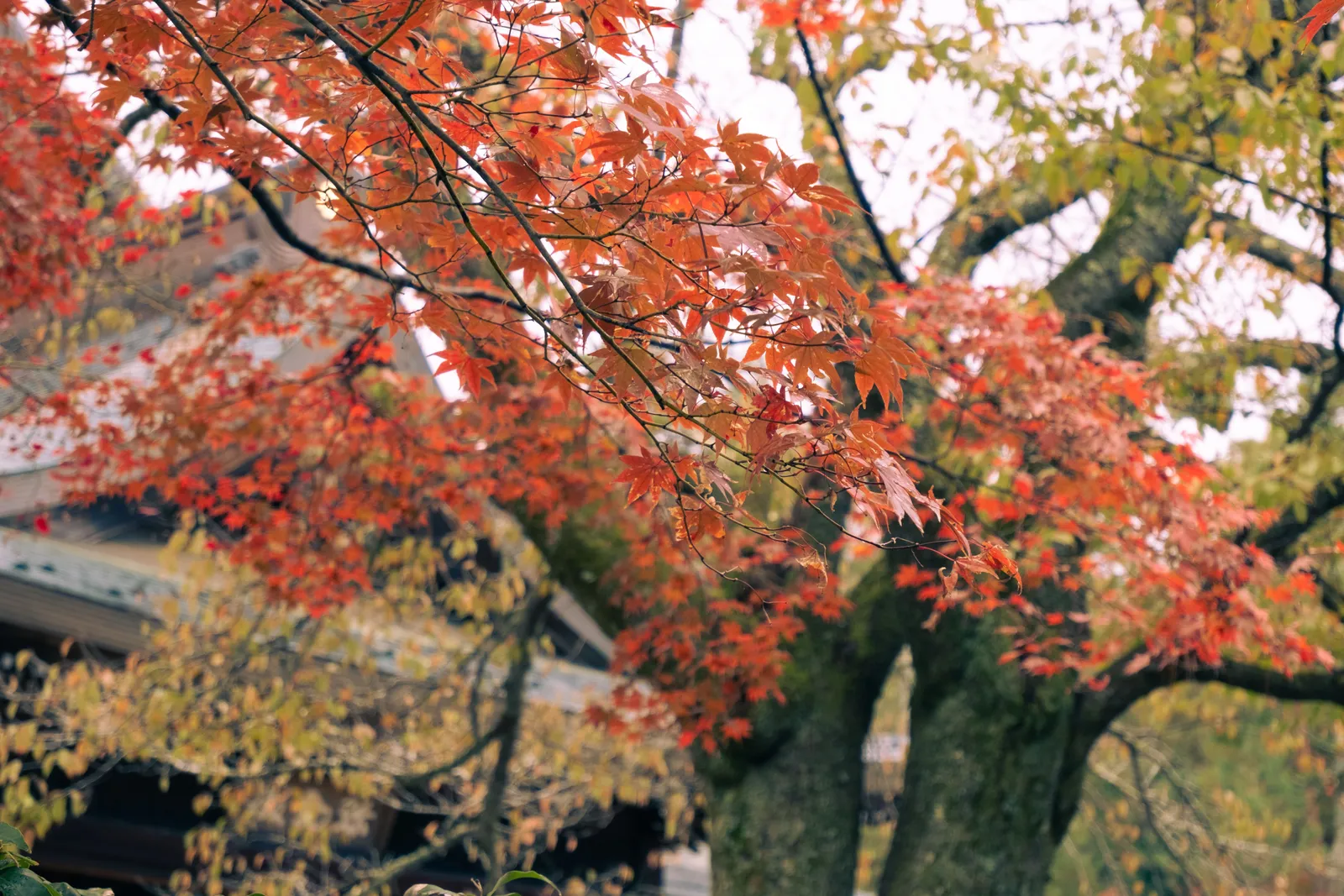
Autumn colour reaches the main cities, and this is the second great crowd of the year.
Cool, clear and dry, with superb light.
Kyoto is at its most beautiful and most crowded, simultaneously.
Book early if the maples are the reason you are coming.
December
Quiet, cold, clear and cheap for the first three weeks.
Illuminations everywhere, which are a genuine seasonal event here.
The New Year period closes it, when much of the country shuts and travels.
One of the most underrated months for a first trip.
Where this fits in a Japan trip
Before the flights are booked, since the month decides the crowds, the price and half of what you will see.
For the shorter version of the same decision, our guide to the best time to visit Japan sets out the seasons.
For planning around the blossom specifically, our cherry blossom forecast guide explains how the predictions work.
And for the autumn equivalent, which moves in the opposite direction down the country, our autumn leaves guide covers it.
The short version
October and November give the most reliable weather and the best scenery, with November the busier of the two. Late May is warm, green and quiet. February is cold, cheap and has the best snow. June is wet on the main island and excellent in Hokkaido. August is hot, humid, expensive and full of the year’s best festivals. April is spectacular and packed. Whatever you choose, check where in the country you are talking about, because Japan is long enough that a single national forecast means very little.